
Selling a house while moving to another state can feel overwhelming. You face packing, showings, and closing—all from a distance. If you get the timing wrong, you might lose thousands of dollars.
Many sellers underestimate how complex this process is. Coordinating everything from afar increases stress and can cause costly mistakes. Delays or lost profits become real risks.
The best strategy for selling your house when moving to another state is to plan every step and get expert help. This way, you avoid pitfalls and maximize your sale price. A clear plan gives you peace of mind. This blog will guide you through each step to make your move and sale much easier and more profitable.
Key Takeaways
- Hire a knowledgeable local real estate agent to manage showings, pricing, and negotiations while you’re out of state.
- Use virtual tours, professional photography, and online marketing to attract remote buyers and boost interest.
- Price your home competitively using recent sales data and local market trends to ensure a timely sale.
- Complete all necessary repairs, declutter, and stage the home before listing to maximize appeal and value.
- Coordinate closing, legal paperwork, and moving logistics early to ensure a smooth, stress-free transition to your new state.
Assessing Your Timeline and Priorities
Before listing your house, decide when you want to move out. Set a clear target date and know if you can be flexible. Clear goals help homes sell faster.
You should decide what matters most—price, speed, or less stress. If you have extra time, consider simple home improvements. Do not spend more than needed for your neighborhood. Reviewing seasonal selling patterns can also help you time your listing for the best possible outcome.
Research your area to see what buyers want. If homes nearby are selling as-is, big renovations may not help. Smart choices based on data can make your sale easier and more profitable.
If you’re handling the sale of a property from an estate, be sure to understand probate requirements in Oregon before proceeding, as this can affect your timeline and legal steps.
Researching the Local Real Estate Market
To research the local real estate market, start by looking at recent home sales in your area. Compare homes that are similar to yours in size and features. If you do this, you will get a good idea of current prices.
Neighborhood features can affect property values. Homes near parks, stores, or public transportation often attract more buyers. If your home is in a top-rated school district, it may sell faster and for more money. To ensure you’re in compliance with Oregon real estate laws, familiarize yourself with any location-specific rules that may impact your sale.
Check market trends like average days on market and price changes. Use online real estate sites for data, but local government and school reports can offer extra details. With accurate and current information, you can set a fair price and highlight your home’s best features. Before listing, consider market dynamics in Oregon to ensure your expectations are realistic and your strategy is competitive.
Choosing the Right Real Estate Agent
A good real estate agent can help you sell your home faster and for more money. Agents know how to set the right price and handle all the paperwork. If you want the best results, you should consider hiring an experienced agent. In Oregon, working with an agent who is familiar with property disclosure requirements can help ensure all legal obligations are met and protect you from future disputes.
The National Association of Realtors says agent-listed homes sell for about 26% more than owner-listed homes. Agents also know how to make your home look its best for buyers. They can arrange professional photos and staging to attract more attention online.
When choosing an agent, ask about their recent sales and how they market properties. You should also check their reviews and online profiles. If an agent has a strong track record, they are likely a good choice.
If you’re selling an inherited property, it’s especially important to select an agent who understands Oregon real estate laws to help you navigate any state-specific requirements and maximize your returns.
Preparing Your Home for Sale
To get your home ready for sale, make it look attractive to buyers. Clean up your yard, trim bushes, and mow the lawn. A neat garden can help your home sell faster and for more money.
If you notice any damage inside, fix it before showing your home. Paint the walls in neutral colors and update old fixtures. Clean and remove clutter from every room. It’s also important to verify and maintain property tax and insurance payments during the selling process to prevent any unexpected liens or delays.
A tidy and modern-looking home draws in more buyers. If both the inside and outside look good, you may get better offers. Taking these steps can increase your home’s value. Using professional photography can also help your property sell faster by highlighting its best features.
Staging for Maximum Appeal

Staging helps your home look its best and sell faster. A well-staged home attracts more buyers and higher offers. If you want a quick sale, focus on proper staging. In Salem, cash buyer options can help you sell quickly, especially in a competitive market.
Start with the outside by mowing the lawn and planting flowers. A clean front door can make a strong first impression. If the yard looks tidy, buyers will be interested.
Inside, remove clutter from every room and use neutral paint colors. Decorative items like throw pillows or artwork can add warmth without crowding the space. If you arrange furniture to show off natural light, rooms will feel larger. Professional buyers often value homes that are clean and well-presented, even if they are being sold as-is.
Each room should have a clear purpose so buyers can picture living there. If you highlight your home’s best features, buyers may make serious offers. Good staging can help you stand out in a busy market. For sellers dealing with unexpected issues, such as fire damage reducing home value, proper staging and transparency become even more important to reassure buyers and encourage interest.
Setting a Competitive Asking Price
A competitive asking price helps your home sell faster. Buyers check home prices online before making any decision. If your price is too high, your home may not attract offers. Remember, most buyers are aware that mortgage payoff will be part of the sale process and factor this into their offers.
Start by studying recent sales of similar homes in your area. Compare features, sizes, and locations to get a clear idea of value. You should not rely on old prices or personal feelings.
If you want to stand out, watch other homes for sale in your neighborhood. Your property should be priced to compete with these listings. If the market is slow, you may need to price lower.
Use current sales data and market trends for your pricing decision. If you set a fair price, serious buyers are more likely to make offers. Proper pricing is key to a quick and successful sale.
Before setting your price, consider whether any mold or water damage could impact buyer perception or the value of your home, as these factors often require transparent disclosure and may affect your pricing strategy.
Marketing Your Property Effectively
Effective marketing helps your property reach serious buyers quickly. Good marketing gets your home noticed and can speed up the sale process.
Professional home staging is important. Staged homes often sell faster than those not staged. Clean, declutter, and improve curb appeal to create a strong first impression. In competitive areas like Harrisburg, as-is cash offers can also appeal to buyers looking for a quick and hassle-free purchase.
Photos matter in online listings. Professional images attract more interest and can increase the number of views. Highlight your home’s best features in every photo.
If your home has upgrades or is in a good area, mention these in your marketing. Use simple and clear descriptions to show value. Share details about what makes your home special.
Use targeted mailers and local real estate networks for wider exposure. These tools help you connect with more potential buyers. If you combine staging and a clear pricing message, you will likely sell faster.
For homes with unique challenges, professional assistance from agents and organizers is essential for navigating complex sales and maximizing your property’s market potential.
Leveraging Virtual Tours and Online Listings
Virtual tours and online listings are important for selling your house quickly. Most buyers begin their search on the internet. Homes with virtual tours get much more attention from potential buyers.
Professional photos and virtual staging make your house look its best. Clear descriptions help buyers understand what makes your home special. If you invest in these tools, your property will attract more interest.
Online advertising can reach many people. Targeted ads show your listing to buyers who are ready to move. If you use these strategies, your home may sell faster.
According to recent trends in Oregon, homes with professional photography can sell up to 32% faster, making high-quality visuals a crucial part of your online marketing strategy.
Managing Showings From Out of State
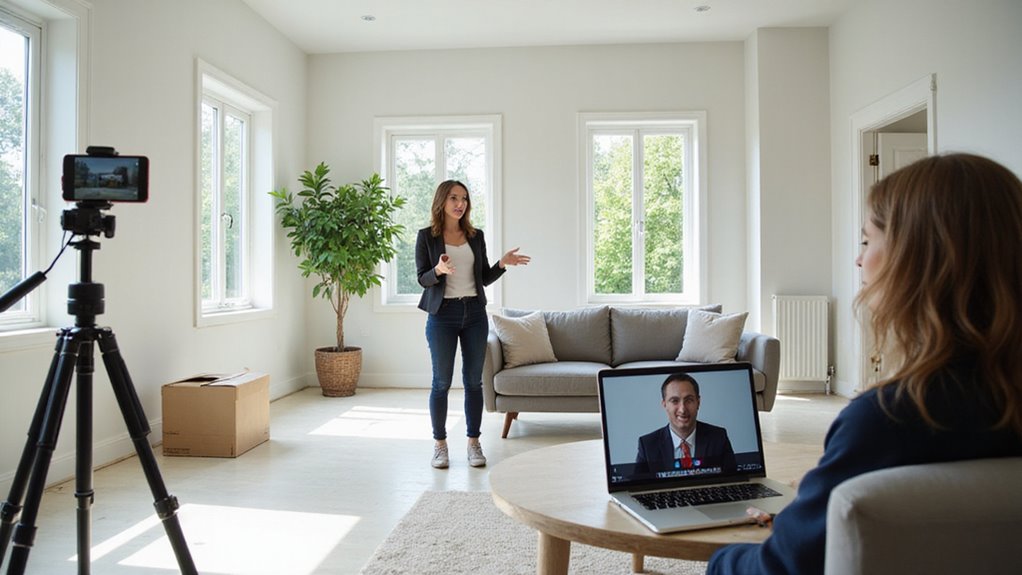
When you’re selling from out of state, partner with a top-performing local agent to handle in-person showings and negotiations. Use virtual tour technology—homes with 3D tours get up to 49% more qualified leads. Schedule professional staging remotely to maximize your home’s appeal and boost its sale price.
Leveraging Local Real Estate Agents
Leveraging local real estate agents is important when you cannot show your home yourself. A local agent acts on your behalf for all in-person tasks. This helps you manage your sale from a distance.
An experienced agent knows how to highlight your home’s strengths. The agent can discuss nearby amenities and good schools to attract buyers. According to the National Association of Realtors, 86% of sellers use agents for their knowledge.
Your agent can coordinate showings and present your property well. The agent will give you feedback and market updates to guide your decisions. If you want to reach more buyers, a skilled agent will help increase your home’s appeal.
Utilizing Virtual Tour Technology
Virtual tour technology helps you sell your home from a distance. Buyers can view your property online without visiting in person. This makes selling easier if you are out of state.
3D walkthroughs let buyers explore every room remotely. The National Association of Realtors says these tours increase buyer interest by 40%. If you use this tool, you may need fewer in-person showings.
Virtual staging adds digital furniture to empty rooms. This makes your home look more inviting online and saves on staging costs. Ask your agent to include both 3D tours and virtual staging in your listing.
Combining these tools can attract more serious buyers. Your home could sell faster and for a better price. This tech-focused approach also fits a busy, remote schedule.
Coordinating Professional Home Staging
You can stage your home from another state by working with local professionals. Professional staging helps homes sell faster and for more money. If you cannot be there in person, you can still manage the process remotely.
First, hire a local staging company with virtual consultation options. Share your style ideas using video calls or digital mood boards. If you want to see progress, ask the stager to send photos before and after changes.
Set clear expectations about the timeline and how the stager will access your home. Good communication makes remote staging smooth. Buyers will see your home’s best features, which can raise your sale price.
Negotiating Offers Remotely
Negotiating offers remotely means you do not need to meet buyers in person. You can still negotiate effectively with the right tools and methods. Many people now use remote negotiations to buy and sell homes.
Remote communication platforms like Zoom help with real-time talks. DocuSign allows secure sharing and signing of documents. If you use these tools, you can work quickly and safely.
You should respond quickly to offers and counteroffers to show you are serious. Clear communication about your needs helps avoid confusion. If you use an agent, they can explain buyer intentions and suggest good responses.
Digital negotiations help you stay in control of the process. You can keep the deal transparent and organized. If you use digital methods, you can still get the best result, even from far away.
Coordinating the Closing Process
You’ll need to align your home sale with your next purchase, as 63% of sellers face timing challenges during a move. Use secure e-signature platforms to handle document signing from anywhere, reducing delays by up to 30%. Schedule the final walkthrough strategically to ensure you meet buyer expectations without disrupting your moving timeline.
Synchronizing Sale and Purchase
Selling your home while buying a new one needs careful planning. If you coordinate both closings, you can avoid extra costs. Good timing helps you prevent paying for two homes or needing temporary housing.
You should check local market trends and price your home correctly. A well-priced home usually sells faster. If you get an accurate valuation, your sale will stay on track.
Buyers and sellers can benefit from working with real estate professionals. Experts can help set flexible closing dates that match your needs. If you align your closing dates, your move will be smoother.
A clear schedule is important for tracking inspections, appraisals, and loan approvals. If you follow a timeline, you reduce the risk of missing deadlines. Good communication with agents, lenders, and lawyers prevents last-minute problems.
Remote Document Signing
Remote document signing lets you sign contracts and closing papers from anywhere. You do not need to be physically present. This makes handling sales and purchases in different locations much easier.
Digital signature platforms are widely accepted in real estate. They can reduce closing time by up to 30%, according to the National Association of Realtors. If you want to save time, use a secure digital signing tool.
Every state has its own legal rules for digital signatures. You should check if notarization or other requirements apply in your state or the buyer’s. Always confirm with your real estate agent or closing attorney.
If you use a compliant platform, your documents will stay valid and secure. Proper digital signing helps keep your transaction on track. You can complete your sale or purchase even from far away.
Managing Final Walkthroughs
A final walkthrough is a key part of closing a home sale. It lets the buyer check that the property is in the agreed condition. If repairs were needed, this is when the buyer makes sure they are done.
You should prepare a checklist for the walkthrough. Sellers must provide receipts or proof for all completed repairs. If the buyer asks for details, always have documents ready.
Walkthroughs usually happen within 24 hours before closing. Schedule the visit as close to closing as possible to avoid last-minute problems. If issues are found, address them before the sale is final.
Clear communication is important during this step. Stay available to answer any questions or fix concerns. Good planning helps avoid surprises and builds trust with the buyer.
Handling Legal and Financial Considerations
Selling a home includes important legal and financial steps. You must handle these properly to avoid problems and extra costs. Careful planning helps protect your interests.
Gather all legal documents like your deed, title, and required disclosure forms. Missing paperwork can delay or even stop the sale. If you plan ahead, you can avoid last-minute issues.
Check your property tax status for any unpaid amounts. You should pay these taxes and prorate them to the sale date. This keeps you in compliance with the law.
If you are unsure about state rules, talk to a real estate attorney. Laws can vary, especially if you sell from another state. An attorney can review your contract and guide you through local requirements.
Planning Your Move Simultaneously
Planning your move while selling your house requires organization. Good planning helps you move smoothly and makes your house more attractive to buyers. You need to balance moving tasks with keeping your home ready to show.
Home improvements should be finished before you list your house. Clean and staged homes often attract buyers faster than empty ones. If you decorate with care, your home can look inviting during showings.
You should talk to your real estate agent about your moving schedule. Moving plans should not interfere with open house dates. If you plan ahead, you can avoid last-minute problems and improve your chances of a quick sale.
Transferring Utilities and Wrapping Up Local Affairs
You’ll need to coordinate utility disconnections so you’re not paying for services after you move—most companies recommend scheduling this at least a week in advance. Set up mail forwarding with USPS and update your address on key documents to prevent missed bills or communications. Cancel any local subscriptions or memberships, as studies show unused recurring charges can cost homeowners hundreds annually.
Scheduling Utility Disconnections
You need to arrange for your utilities to be disconnected before you move out. If you do not, you may face extra charges or lose service too soon. Homeowners who schedule two weeks ahead have fewer billing problems.
Contact each utility provider, such as electric, gas, water, internet, and waste removal. Ask how much notice they need to end your service. Write down the shut-off date, especially if the house will be empty before closing.
You should tell providers your move-out date and give them the final meter readings. Schedule disconnections for the day after you leave to keep utilities until the end. Keep confirmation numbers and written notices in case you need to prove your request later.
Forwarding Mail and Documents
Forwarding your mail and updating documents is important when you move. If you do not do this, you may miss important mail. Missing bills or legal letters can cause problems.
You should set up mail forwarding with USPS at least one week before moving. This helps your mail reach your new address without delay. Use the online USPS system for a quick setup.
Update your address with your bank, credit card companies, and insurance providers. If you forget, you might not receive important statements. Government agencies should also know your new address.
Make a checklist to track your updates. If you follow these steps, you reduce the chance of lost mail. Early action makes your move easier.
Canceling Local Subscriptions
Canceling local subscriptions helps you avoid extra charges and service disruptions when moving. You should always cancel or transfer services before leaving your home. This step protects you from unexpected fees.
Create a checklist of all your subscriptions and utility accounts. Notify each provider at least two weeks before your move. Some companies need advance notice to process cancellations or final bills.
Cancel or transfer gym memberships, streaming accounts, and newspaper subscriptions if you are moving away. You may contact your gas, electricity, water, and internet providers to schedule disconnection or transfer dates. Update your address with every service provider if you want to receive final bills or alerts.
If you take these steps, your move will be easier and more organized. You will also avoid paying for services you no longer use. Planning ahead gives you peace of mind.
Conclusion
If you follow a clear plan, selling your house from another state becomes much easier. Homes that are staged well and priced competitively usually sell faster. If you use virtual tools and reliable professionals, you can manage the process smoothly.
If you need to sell quickly, companies like OR Home Buyers can help. We buy houses for cash, which means you can avoid lengthy waits. If you want a simple sale, this option is worth considering.
If you are ready to move, let us help you sell without stress. We make fair cash offers and close on your schedule. Contact OR Home Buyers today to get started.




Hi, I’m Bob Bash, founder of OR Home Buyers, serving the Oregon community since 2017. We provide full-service real estate solutions, specializing in cash purchases for both residential and commercial properties. I started this business to help our community navigate difficult real estate situations with professionalism, ethics, and compassion.
My goal is simple: to make every client feel relieved and happy when their real estate challenges are resolved. Helping people find solutions and peace of mind is what drives me every day.