

Selling a house with code violations can feel overwhelming and stressful. Many homeowners worry about finding buyers who will accept a property with issues.
Unaddressed violations can make the process slow and uncertain. Potential buyers may hesitate or demand steep discounts. You might face repeated setbacks or even failed sales. The longer your home sits on the market, the more money and time you lose.
The best way to sell a house with code violations fast is to use a clear, strategic approach that attracts the right buyers. This means understanding your options and taking smart steps to present your home honestly.
With the right plan, you can avoid common pitfalls. This blog will guide you through solutions to sell your house quickly, even if it has code violations.
Key Takeaways
- Disclose all code violations honestly and provide documentation to build buyer trust and avoid legal issues.
- Price the property below market value to reflect repair costs and attract more buyers quickly.
- Target real estate investors and cash buyers who are comfortable purchasing as-is properties with violations.
- Highlight the property’s investment potential, such as future resale value or redevelopment opportunities.
- Work with an experienced real estate agent who specializes in selling homes with code violations.
Understanding Common Code Violations in Residential Properties
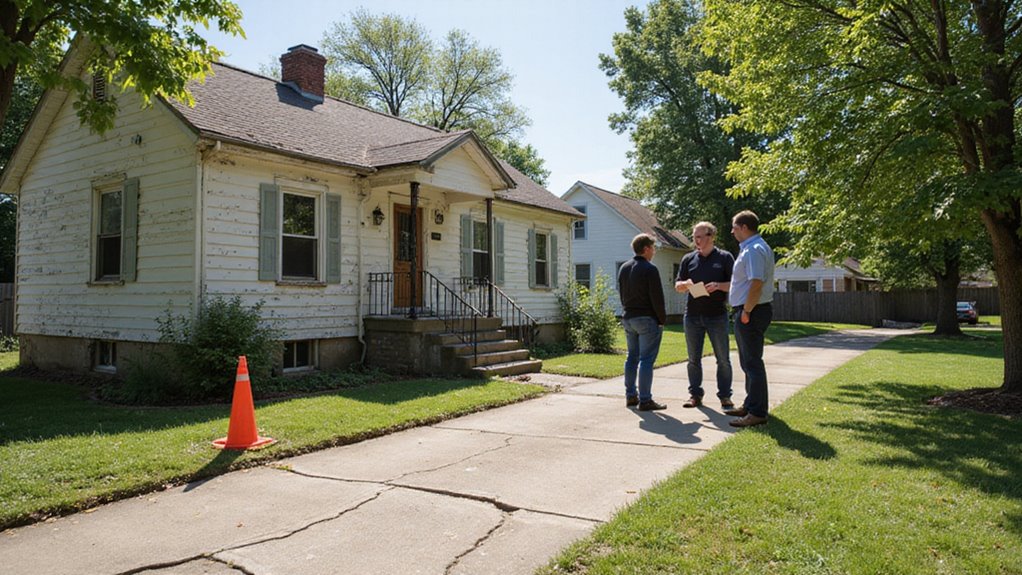
Many homes have code violations that owners do not notice. Common problems include faulty wiring, poor plumbing, and missing smoke detectors. These issues can affect your home’s safety and value.
If you do not keep up with maintenance, you risk getting violations. Problems like overgrown lawns or broken windows can lower your property value. Local authorities may issue fines if you ignore these issues. Inherited properties can be especially vulnerable to unique challenges due to delayed maintenance or unresolved legal matters.
Homeowners should check for illegal additions or damaged handrails. Addressing small problems early can help you avoid larger violations. Regular inspections protect your investment and keep the neighborhood looking good. Conducting thorough property inspections is one of the most effective ways to uncover issues early and maintain compliance with local codes.
Assessing the Severity of Your Home’s Code Issues
You should check how serious each code problem is before selling your home. Some code issues are more important than others. Safety and health problems should always be fixed first. You can find problems by looking at your property records and old inspection reports. Electrical and structural problems need quick repairs. If you have only minor issues, you may not need to fix them before selling. Knowing the market impact of code violations in Oregon will help you decide which repairs are worth the investment before listing your property.
Homes with big code problems can sell for much less. If you sort problems by how serious they are, you can decide what to fix now. This helps your home sell faster and for a better price. In Oregon, it’s important to consider disclosure requirements related to code and pest issues, as proper documentation can help you avoid legal trouble and build trust with buyers.
Getting a Professional Inspection Before Listing
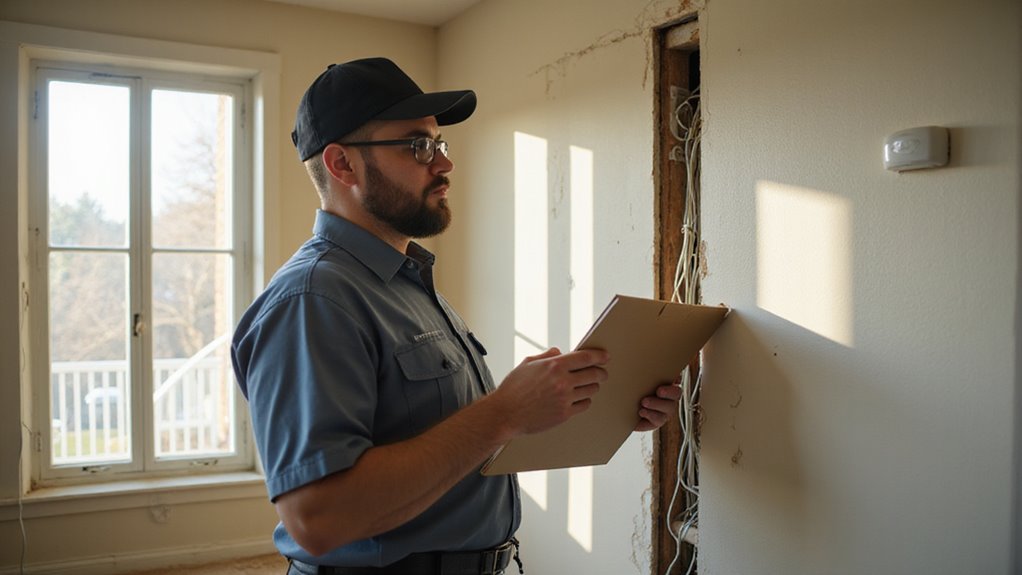
Before you list your home, hire a licensed inspector to pinpoint hidden code violations you might have missed. A thorough inspection gives you a clear estimate of repair costs, helping you set a realistic budget and asking price. This proactive approach can prevent costly surprises during negotiations and speed up your sale.
Since Oregon’s tight housing supply creates favorable market conditions, knowing your home’s true condition can help you attract serious buyers more quickly. Additionally, a professional inspection helps you address title issues promptly, ensuring that both code violations and potential title defects are managed before listing your Oregon property.
Identifying Hidden Code Issues
A professional inspection is the best way to find hidden code issues before selling your house. Inspectors know where problems often hide, such as behind walls or in attics. Hidden issues can affect both safety and the selling process.
If you hire an experienced inspector, they can spot violations you might miss. Building codes change over time, making it easy for older homes to have unnoticed problems. The American Society of Home Inspectors says about 20% of resale homes have undetected violations.
If you find these issues early, you can fix them or share them with buyers. This can help you avoid last-minute problems and keep your sale on track. A clear inspection report can also strengthen your position when negotiating.
Estimating Repair Costs
A professional inspection helps you estimate repair costs for code violations. This step tells you what needs fixing and how much it will cost. Knowing these details lets you set a fair asking price and avoid surprises.
Inspection reports highlight urgent repairs and help you choose which to do first. You can use this information to decide if selling “as is” is better for you. If you handle repairs early, you may avoid last-minute delays.
Typical inspection costs are listed below:
| Inspection Type | Typical Cost Range |
|---|---|
| General Home Inspection | $300 – $500 |
| Structural Assessment | $400 – $700 |
| Electrical Evaluation | $150 – $350 |
| Plumbing Assessment | $150 – $400 |
| Roofing Inspection | $200 – $400 |
These inspections give you facts for negotiations. If you invest in them, you gain confidence and bargaining strength.
Weighing the Pros and Cons of Repairing Violations
Repairing violations has both good and bad sides. It helps bring properties up to code, which can prevent future problems. However, it often costs time and money. In Oregon, overpricing can also make it harder to sell a property with violations, highlighting the importance of realistic pricing if you choose to repair and list the home.
If repairs are made quickly, owners may avoid fines. Delays could lead to bigger legal or safety issues. Some violations may require professional help.
Owners should consider their budget before starting repairs. If they cannot afford repairs, they risk more penalties. Repairing violations also helps maintain property value.
In Oregon, professional inspections are crucial for accurately assessing issues and informing whether repairs should be made before selling.
Disclosing Code Violations to Potential Buyers

You must tell buyers about any code violations when selling your property. Most states require this by law. Full disclosure helps build trust during the sale.
Sellers should give a clear list of all known violations with documents. The National Association of Realtors says honest disclosure can lower your risk of legal problems. Buyers also feel more secure when they know all the facts. In Oregon, formal notice requirements and disclosure rules help ensure buyers are aware of any outstanding issues before closing.
If you have started fixing the violations, explain the steps you have taken. Buyers want proof that the property meets local rules. Home warranties can also ease worries about future repairs.
Being honest about issues can help negotiations go smoother. If you hide problems, you might face legal trouble later. Most buyers prefer dealing with sellers who are open and honest.
When disclosing code violations, it’s also important to consider how potential selling costs can impact your final profit and negotiations with buyers.
Pricing Your Home Competitively With Violations
Pricing your home with violations requires careful planning. If your home has code violations, you must price it lower to attract buyers. Overpricing will likely result in few showings and lower offers.
You should look at similar homes with violations in your area. If repair costs are high, deduct them from your asking price. Home values may drop if buyers see too many issues. Understanding the timelines for foreclosure in Oregon can also impact the urgency with which you price and market your home.
If possible, improve your home’s curb appeal and stage important rooms. Clean yards and tidy spaces can help buyers see the home’s potential. Even with violations, these small changes can increase interest.
A real estate professional can guide you through sales with code violations. If you use their advice, you may sell faster and for a better price. Careful pricing and smart presentation are key to a successful sale.
Working with an agent who understands Oregon’s real estate laws can ensure your pricing and disclosures align with state requirements, protecting you from potential legal issues.
Targeting Real Estate Investors and Cash Buyers
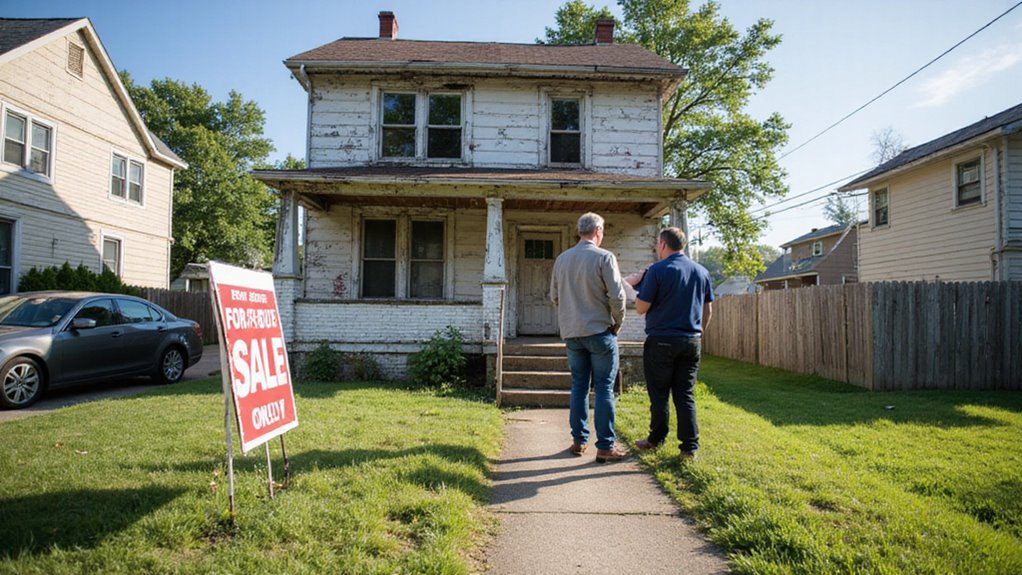
You’ll get faster results by targeting real estate investors and cash buyers who specialize in as-is properties. These buyers often overlook code violations if they see clear investment potential and profit margins. Highlight your home’s upside, such as location or redevelopment opportunities, to attract serious offers.
In fact, as-is cash sales allow homeowners to avoid costly repairs and get a fast, hassle-free offer, even when code violations or other issues exist. Working with buyers who offer no agent fees can help you maximize your proceeds and simplify the transaction process.
Attracting As-Is Buyers
Attracting as-is buyers means focusing on investors and cash buyers. These buyers care more about a property’s potential than its current condition. If you need to sell quickly, targeting them is often the best option.
Traditional buyers may avoid homes with code violations. Investors are usually willing to handle repairs themselves. You can make your home appealing without spending much.
Simple staging can help highlight your home’s best features. If you emphasize the neighborhood’s strengths, more buyers may show interest. Data on local investor activity can guide your marketing efforts.
You should market the property clearly as “as-is.” If you connect with real estate investment groups, you may sell faster. Promoting the area’s positive features can also attract more buyers.
Highlighting Investment Potential
Investors and cash buyers look for properties with good profit potential. If your house has code violations, focus on its future value. The chance for strong returns after repairs can attract these buyers.
Industry data shows homes sold to investors often close 30% faster. Fast closings can be a key selling point. Highlight this advantage when talking to buyers.
Curb appeal matters, even with code issues. Simple landscaping and a clean exterior can improve how buyers see the property. Basic home staging helps buyers picture its future.
You should provide accurate repair estimates and suggest possible upgrades. If investors see clear profit margins, they are more likely to make offers. Present your house as a smart investment to attract serious buyers.
Selling Your Property “As-Is
Selling your property “as-is” means you do not make repairs before listing your home. This approach helps you avoid spending money on fixes. Many buyers look for homes they can renovate or invest in.
If you list your home as-is, you should tell buyers about all code violations. This builds trust and prevents problems later. Honesty can attract serious buyers.
Simple home staging can help buyers see the home’s potential. You might add fresh paint or clean cluttered spaces. Small changes can make a big difference.
Improving curb appeal is another low-cost way to draw buyers in. Trim bushes, mow the lawn, or plant flowers. Even minor landscaping can make your home look better.
If you want to sell quickly, set a fair price based on market data. Compare similar homes in your area for reference. A competitive price can lead to a faster sale.
In Oregon, transparent disclosure and working with experienced real estate professionals are especially important when selling a property with issues like fire damage or code violations.
Marketing Tactics for Homes With Code Violations
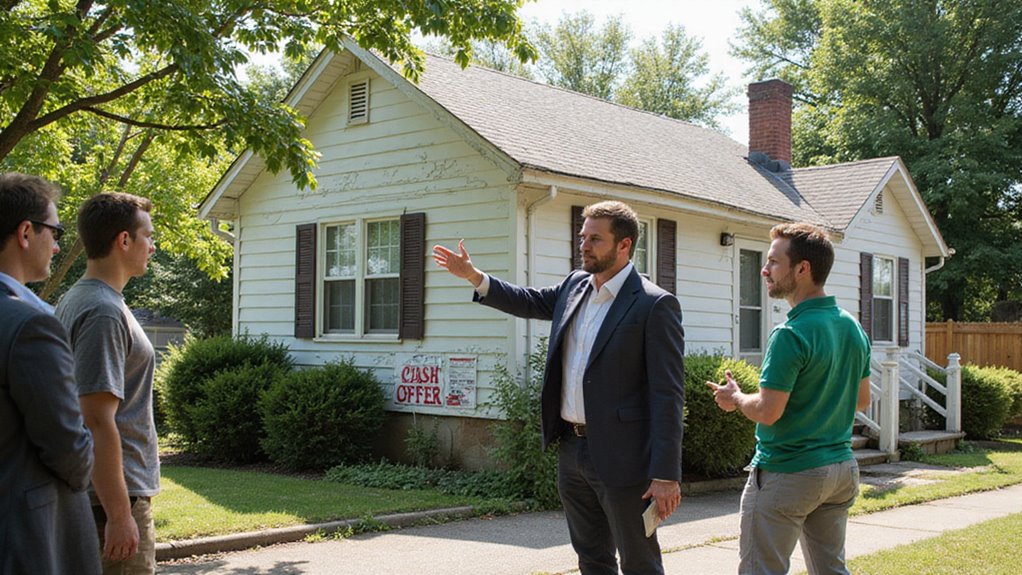
Marketing tactics help you find buyers for homes with code violations. These strategies focus on people who are comfortable with repairs. Investors, flippers, and cash buyers are most interested in these properties.
Virtual tours can expand your buyer pool, especially if buyers live far away. Professional home staging improves how buyers see your home, even when there are issues. These methods highlight your property’s potential.
If you network with investors, you may get faster and cash-based offers. Listing your property with full transparency builds trust with buyers. Honest details about violations help buyers make informed decisions.
Use these marketing tactics to show your home’s value. With the right approach, you can attract serious buyers quickly.
Negotiating With Buyers on Repairs and Credits
Negotiating with buyers on repairs and credits means discussing how to handle code violations. Most buyers expect some concessions when there are issues. Sellers should be honest about existing problems and open to negotiation.
Sellers can show repair estimates from licensed contractors to help set clear expectations. If buyers prefer, sellers may offer credits at closing rather than fixing the problems themselves. This gives buyers more control over repairs after the sale.
Home staging can highlight the property’s best features. Sellers should mention any recent upgrades during negotiations. If a buyer requests changes, both sides can discuss splitting costs or adjusting the price.
Being flexible can help both parties reach an agreement faster. If sellers handle negotiations fairly, buyers are more likely to trust them. This approach can speed up the selling process.
Working With Real Estate Agents Experienced in Code Issues
When you choose a real estate agent with proven experience in code issues, you gain access to specialized knowledge and a strong negotiation track record. These agents understand how to handle disclosure requirements, protecting you from costly legal missteps. They’ll also use their negotiation skills to maximize your sale price, even when code violations are in play.
Identifying Agent Expertise
A sale can go smoothly, even with code violations, by choosing an experienced real estate agent. An agent with the right skills can guide you through these challenges. Not all agents know how to handle code violations.
Check if the agent has closed sales involving code issues. If they have, it shows experience with similar problems. Ask for examples from their past work.
Ask the agent about local code rules and common violations in your area. If the agent answers confidently, they likely know the rules well. This knowledge helps prevent surprises during the sale.
See if the agent has contacts with reliable contractors and inspectors. These connections can speed up repairs and inspections. If the agent lacks a network, delays may occur.
Evaluate the agent’s communication skills. They should explain your options and give a clear plan. Good communication makes the process easier.
With the right agent, your sale is more likely to be quick and compliant. If you choose wisely, you reduce stress and avoid long delays.
Navigating Disclosure Requirements
Selling a house with code violations means you must follow certain disclosure rules. Most states require you to tell buyers about any code issues. If you hide problems, you could face legal trouble.
You need to share details about code violations, open permits, or unfinished repairs. If you are unsure, a real estate agent can help. They will guide you in collecting inspection reports and city paperwork.
If you are honest about problems, buyers are more likely to trust you. This can help the sale move faster and lower your risks. Being open protects you from lawsuits and other costs.
Leveraging Agent Negotiation Skills
Partnering with a real estate agent skilled in negotiations can help with selling a home that has code violations. Agents know how to handle safety and legal issues. They can protect your interests during the sale.
An experienced agent will spot code violations that affect safety or value. If needed, they can suggest which repairs are most important. This helps you focus on what matters most to buyers.
Agents can offer buyers repair options or credits. This may lower buyer concerns and speed up the selling process. They will also talk to the buyer’s agent to explain legal steps and lessen your risks.
If you need repairs, agents often know reliable contractors and inspectors. Their network can make fixes quicker and cheaper. These skills can help you sell faster, even if your home has code issues.
Navigating Legal and Municipal Requirements
When selling a house with code violations, you must follow local laws to avoid problems. Homeowners should check city rules about disclosure, inspections, and penalties. If you skip these steps, your sale could face delays or extra costs.
The National Association of Realtors says over half of delayed sales are due to missing paperwork. You should visit your city’s building department to check if violations need permits or repairs. Electrical, plumbing, or structural issues often require permits before selling.
If you ignore violations, you risk fines or losing buyers. Always keep records of what you fix or report. Clear communication with buyers helps build trust and makes closing easier.
Timing the Sale for the Fastest Results
To sell your house with code violations quickly, you need to track local market trends and list when demand peaks. Analyze recent sales data to spot the optimal window, and target investors who often move fast on distressed properties. By combining timing and investor interest, you’ll boost your chances for a swift, hassle-free sale.
Assessing Local Market Trends
Local market trends directly affect how quickly you can sell a house with code violations. You should review recent sales of similar homes in your area. If you understand these trends, you can choose the best time to sell.
Check recent sale prices for properties with code issues. Property tax increases may reduce buyer interest if they make the home less affordable. Demographic shifts can also change who is looking to buy in your neighborhood.
If homes are selling faster, you may want to list soon. Longer average days on market mean you should prepare for a slower sale. This research allows you to set realistic expectations and adjust your strategy.
Leveraging Investor Interest
Market trends are important, but investor interest can speed up your sale even with code violations. Investors care more about property value and profit than repairs. If you target investors, you are more likely to sell quickly.
Investors often buy over 20% of homes in many areas. They usually have teams to fix problems and expect to handle repairs. Clear documentation and a fair price make your property more attractive to them.
If you highlight location, lot size, or future potential, investors may overlook code issues. Listing your property when investor activity is high can boost competition. This approach helps prevent your house from sitting unsold.
Learning From Other Sellers’ Experiences
Learning from other sellers’ experiences helps you avoid common mistakes with code violations. Their stories offer simple steps that work in similar situations. Many sellers find better results by following proven methods from others.
If you cannot make big repairs, basic home staging still helps. This approach makes your property look cared for to buyers. Buyers are more interested if the house feels inviting.
Highlight the neighborhood’s good points if your home has problems. Local amenities can make up for some property issues. Buyers may overlook some faults if the area is attractive.
Always tell buyers about code violations early. Early disclosure builds trust and avoids last-minute problems. Being honest can prevent a deal from falling through.
If you want a smoother sale, work with an agent who knows code violations. These agents can handle legal details better. You may sell your home faster with their help.
Conclusion
If you need to sell a house with code violations, you still have good options. If you are upfront about issues and price it correctly, you can attract serious buyers. You should also follow all legal requirements for a smooth sale.
If your goal is a quick and simple sale, cash buyers are a smart choice. If you choose a company that buys houses for cash, you can avoid repairs and close fast. Many cash buyers, like OR Home Buyers, specialize in as-is properties.
If you want to sell your house with code violations quickly, we can help. We buy houses for cash and handle challenging situations every day. Contact OR Home Buyers today for a fair, fast offer.




Hi, I’m Bob Bash, founder of OR Home Buyers, serving the Oregon community since 2017. We provide full-service real estate solutions, specializing in cash purchases for both residential and commercial properties. I started this business to help our community navigate difficult real estate situations with professionalism, ethics, and compassion.
My goal is simple: to make every client feel relieved and happy when their real estate challenges are resolved. Helping people find solutions and peace of mind is what drives me every day.