

Selling a rental property for the best price can be tricky. Many owners wonder if the time of year really matters. You want a quick sale and a high profit, but when is the ideal moment?
It can be stressful to guess the right time to sell. The wrong timing could mean fewer buyers or a lower offer. Tenant leases, taxes, and local market trends all add to the confusion.
The best time of year to sell a rental property is when buyer demand is highest in your specific market. You must check local trends, tenant situations, and financial goals.
This approach helps you earn more and sell faster. This blog will guide you step-by-step to find the best time to sell your rental property.
Key Takeaways
- Late spring and early summer (May–July) are the best months to sell a rental property for faster sales and higher prices.
- Listing before peak travel and vacation rental seasons increases buyer interest and attracts investors seeking seasonal rental income.
- Aligning the sale with lease expiration or tenant move-out maximizes buyer pool and simplifies the selling process.
- Avoid listing during major holidays or local events that reduce buyer traffic and complicate showings.
- Partnering with a local real estate expert ensures strategic timing and data-driven pricing to maximize sale price.
Understanding Seasonal Real Estate Cycles

Seasonal cycles affect the real estate market each year. Home prices and buyer interest are usually highest in spring and early summer. If you want to sell quickly and for more money, aim for these months. The National Association of Realtors reports that May listings sell faster and for better prices. Buyers often look for homes as the weather warms up. Many families also prefer to move before the new school year.
Sellers should also pay attention to market demand and competition during these peak seasons to further optimize their selling strategy. If you list your property during these peak months, you may attract more serious buyers. Understanding these patterns can help you choose the best time to sell. This approach increases your chances of a fast and profitable sale. Considering property disclosure requirements is also important during peak selling seasons to ensure a smooth transaction.
Impact of Local Market Trends
Local market trends have a strong impact on your property’s selling potential. National trends show the big picture, but neighborhood data gives better guidance. You should look at local market saturation and rental demand to make smart decisions.
If your area has many rentals for sale, buyers get more choices and your bargaining power drops. Strong rental demand and few available properties can raise prices and speed up sales. You can use recent sales, vacancy rates, and rental prices to assess the situation. Tracking Oregon’s housing market cycles can also help you better anticipate the best selling windows in your area.
When considering timing, it’s also important to factor in state-specific inheritance tax rules, especially if your rental property is held in a trust.
Here is a simple way to judge your local market:
| Metric | Favorable Market | Unfavorable Market |
|---|---|---|
| Market Saturation | Low | High |
| Rental Demand | High | Low |
| Average Days Listed | Under 30 | Over 60 |
If these factors look favorable, you may want to sell soon. If not, waiting could be a better choice. Always review these local trends before making a final decision.
Tax Considerations for Selling Rental Properties

You’ll want to factor in capital gains taxes, depreciation recapture, and potential 1031 exchange options before listing your rental. IRS data shows that timing your sale can impact both your immediate tax bill and long-term returns. By analyzing these tax implications, you can develop a strategy that maximizes your net proceeds. Liens, such as judgment liens, can also affect your ability to sell quickly and should be evaluated before listing your property. In some states, like Oregon, estate planning methods such as living trusts can also help you avoid probate and streamline property transfers when selling or inheriting real estate.
Capital Gains Tax Implications
Understanding capital gains tax is important when you sell a rental property. If you sell after owning the property for over a year, you pay long-term capital gains tax. This tax rate is usually lower, ranging from 0% to 20% based on your income.
Selling within one year means you pay short-term capital gains tax. Short-term gains are taxed at your regular income tax rate, which is often higher. The timing of your sale affects how much tax you owe.
Your annual rental income and tax bracket can change your tax results. If your income is lower or you have a loss, selling in that year may reduce your taxes. Market trends and your personal income also matter when deciding when to sell.
Depreciation Recapture Rules
Depreciation recapture is a tax you pay when selling a rental property. The IRS requires you to pay back some tax benefits from past depreciation. Investors should understand this rule to avoid surprises.
The IRS taxes depreciation recapture at a rate of up to 25%. This rate is higher than the long-term capital gains tax. If you claimed or could have claimed depreciation, the IRS will use that total for calculations.
Depreciation recapture can lower your profit from the sale. Accurate records of past depreciation are important for correct reporting. Professional tax advice helps you follow IRS rules and avoid unexpected costs.
1031 Exchange Opportunities
A 1031 exchange lets you defer capital gains taxes when selling a rental property. You must reinvest the sale proceeds into another similar property. This helps you keep more of your profit for your next investment.
Investors using 1031 exchanges often find better rental income by choosing markets with higher returns. Data from the National Association of Realtors supports this trend. If you select areas with lower management costs, you may increase your net income.
You should analyze market trends and vacancy rates before making decisions. Efficient property management can also improve your returns. If you sell when buyer demand is high, your property could fetch a better price.
The Role of Tenant Leases and Vacancy Timing
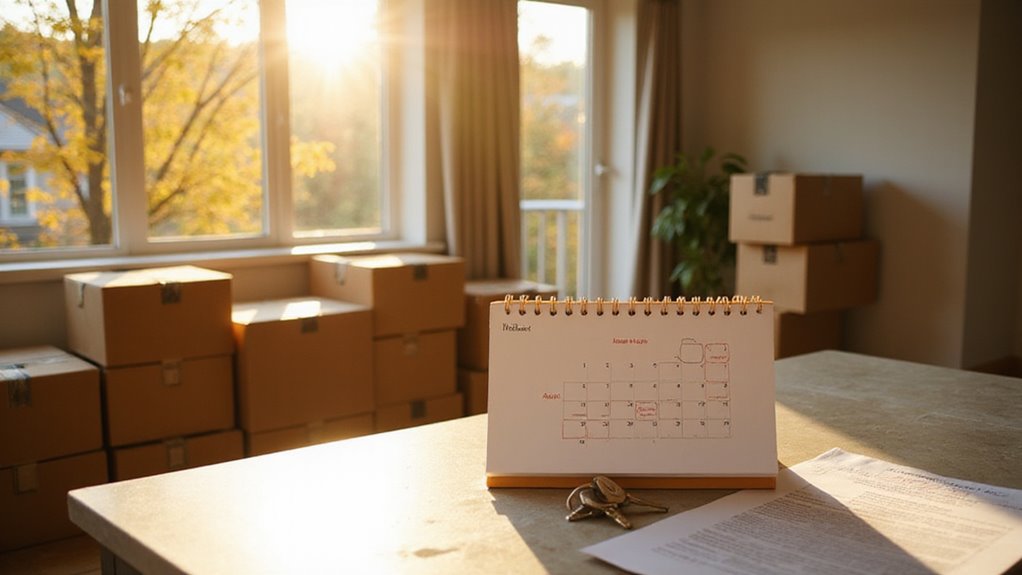
You’ll want to align your sale with the expiration of tenant leases to attract a broader pool of buyers, especially those seeking immediate occupancy. Data shows that minimizing vacancy periods protects your cash flow and reduces carrying costs during the transition. By timing your listing strategically, you can augment your property’s appeal and maximize your returns. Consulting with a real estate professional can provide an objective home value assessment and help you set realistic expectations based on current market dynamics. Additionally, understanding tax implications related to rental property sales can further ensure you optimize your returns and remain compliant with local regulations.
Lease Expiration Alignment
Aligning your property sale with the end of a tenant’s lease makes selling simpler and more profitable. Buyers often prefer homes without tenants because they can move in right away. Selling when the property is vacant usually attracts more offers and higher prices.
You should check your lease agreements to know when your tenants will move out. Listing your property after the lease ends can help avoid issues with tenant rights and negotiations. If you sell during a lease, you may have fewer buyers and face extra challenges.
It helps to watch local real estate trends before listing your property. If the market is strong after tenant turnover, you might get better offers. You could offer tenants incentives to move out on time if needed.
Minimizing Vacancy Periods
Vacancy periods reduce your rental income. You should aim to keep these periods as short as possible. Careful planning helps you avoid long gaps between tenants.
If you know when rental demand is high, you can list your property at the best time. Late spring and early summer are usually busy for rentals. Aligning your listings with these times can help fill your property faster.
If your tenant’s lease ends during a slow season, consider a short-term renewal. This keeps your property occupied until demand increases. Flexible lease terms can also help reduce downtime.
Strategic planning and active management lower vacancy periods. These actions help you keep steady income and improve your sales results. Proper timing benefits both your rental and sale goals.
Financial Preparation Before Listing
Financial preparation is important before listing your rental property. A careful review of your finances helps you avoid surprises and increase profit. You should know your costs, likely sale price, and potential taxes.
You should check your current mortgage balance and estimate your net profit. If you have made repairs or upgrades, gather these records to support your asking price. Review recent sales in your area to help set a fair price. Proactively addressing title issues before listing can help prevent delays and keep buyers confident throughout the sale process.
Closing costs and taxes can reduce your profit, so estimate them in advance. If you plan to stage your property, consider if the expense will increase your sale price. Use a checklist to make sure you don’t miss any key steps.
If your rental property is inherited, Oregon laws on inherited property and foreclosure may affect your selling process and should be reviewed to avoid legal or financial complications.
Evaluating Property Condition and Curb Appeal

Evaluating your property’s condition and curb appeal will influence its value and selling speed. A clean and attractive exterior makes a strong first impression. Buyers often decide quickly based on what they see from the street.
Recent sales show homes with updated exteriors and tidy landscaping bring higher prices. These properties also sell faster. You should compare upgrade costs to possible gains in selling price. In Oregon, it’s also important to ensure your property meets probate sale requirements if applicable, since these can impact both timing and price.
High tenant turnover may mean repairs are needed or curb appeal is lacking. This can scare off buyers and lower your property’s worth. Fixing these issues can make your property more appealing.
Fresh paint, neat landscaping, and small exterior repairs often provide the best return. These fixes can help your property look ready for a new owner. Presenting a move-in ready home attracts serious buyers and increases your profit. Assessing code violations relevant to your property during this process can also help you address potential legal or financial obstacles before listing.
Interest Rates and Their Influence on Buyer Demand
Interest rates have a strong effect on how many people want to buy homes. Lower rates encourage more buyers, which can help you sell faster and for more money. Higher rates may reduce the number of interested buyers and increase your home’s time on the market. Sellers should pay attention to interest rate trends before listing a property. Federal Reserve announcements can give clues about future rate changes. If you watch these trends, you can pick a time to list when more buyers are active.
Before listing, it’s also wise to factor in closing costs, as these can impact your net proceeds and should be considered alongside interest rate trends. You can also check current mortgage rates to help decide when to sell. Local market data often shows how buyer activity shifts with rates. If demand drops, you might need to adjust your asking price to attract buyers. In Oregon, timing your listing to coincide with periods of high buyer demand can help offset potential issues such as pest damage, which often leads to price reductions if not addressed early.
Capitalizing on Peak Buyer Activity Months

Peak buyer activity usually happens in late spring and early summer. Listing your rental property during these months increases your chances of attracting more buyers. You are more likely to get multiple offers and a better sale price.
Many buyers, especially vacation rental seekers, search for properties before travel season. If you list at this time, you may benefit from faster sales and fewer days on the market. Local sales data shows inventory moves quicker during these months.
If you want the best results, consider selling when buyer demand is highest. Always check local market trends before deciding. Timing your sale well can help you get a smoother and quicker transaction.
Additionally, sellers can benefit from as-is cash buying features that eliminate repairs and agent fees, making the process faster and more convenient.
Navigating Holidays and Major Local Events
Holidays and big local events can affect when buyers are active. These times may bring fewer buyers, but serious ones often look then. Planning around these dates helps you reach the right people.
Holiday periods can distract buyers, leading to less foot traffic at showings. Focus your marketing on buyers who must move soon. If you target motivated buyers, you may still get strong offers. Holidays may slow buyer traffic, but focusing on those who need to move soon can still bring strong offers.
Local festivals can help or hurt your sale. Some events bring attention and make the area look lively. Others cause roadblocks or limit access, so check event schedules before planning open houses.
Always avoid open houses on dates with major local events. If you check past sales data, you can see patterns linked to holidays. Use this information to choose the best time to list your home.
Evaluating School Year Timing for Family Buyers
Listing your home to match the school year can help attract families. Most families prefer to move between May and July. This timing makes it easier for children to start school smoothly.
Homes listed during these months often get more interest from family buyers. Families want to settle in before the new school year starts. If you choose these months, you may get faster offers.
Understanding the school calendar can guide your timing. Sellers who list at the right time can stand out. Aligning with family needs gives your property an advantage.
Assessing Inventory Levels and Seller Competition
Assessing inventory levels shows how many sellers you are competing against in your local market. High inventory means strong competition and possible lower prices. Low inventory can help you set higher prices.
You should compare the number of current listings to past averages in your area. If listings are above average, competition may be rising. If they are below average, you may face less competition.
Track how many days homes stay on the market. Longer times can signal weak demand. If homes sell quickly, demand is likely strong.
Look at how often sellers lower their prices on similar homes. Frequent price cuts show heavy competition. If few reduce prices, the market may be stable.
Analyze if there are more listings in certain seasons. Listing spikes often mean more competition at those times. Sell when inventory is low for better results.
Working With Real Estate Professionals
You’ll maximize returns by selecting an agent with a strong track record in investment property sales and local market insights. Utilize their expertise to set strategic pricing, craft negotiation tactics, and predict buyer behavior based on current trends. A knowledgeable professional will also help you navigate complex legal requirements, reducing your risk and streamlining the transaction.
Selecting the Right Agent
Choosing the right real estate agent is crucial for selling your rental property quickly and at a good price. The agent’s skills often matter more than market timing. A knowledgeable agent can boost your sale results.
Select an agent who can estimate your property’s value using data from similar rentals. If the agent uses recent rental data, you are more likely to get a fair price.
Make sure the agent advertises on popular websites, social media, and investor networks. These channels reach more buyers interested in rental properties.
Look for agents who know your neighborhood and have sold similar rentals before. Local experience can help set the right price and attract buyers.
If the agent communicates clearly and responds quickly, you can adjust your plans faster. Good updates help you stay ahead of market changes.
Negotiation Strategies for Sellers
Negotiation strategies help sellers get the best deal. Using the right tactics can affect your final sale more than timing. Sellers should focus on facts and work closely with their agent.
Data from similar sales and occupancy rates can set fair expectations. If buyers make low offers, respond with facts and not emotions. Sellers can highlight features like tenant screening or recent staging to attract more buyers.
The table below shows common negotiation tactics:
| Tactic | Advantage | Drawback |
|---|---|---|
| Data-driven pricing | Supports your asking price | Limits room to negotiate |
| Highlighting staging | Makes property look better | Costs money upfront |
| Tenant screening | Draws serious buyers | Might turn away some offers |
| Strategic concessions | Keeps buyers interested | Lowers your final profit |
A careful approach using facts can help you succeed in negotiations. If you rely on data, you can make better decisions.
Navigating Legal Requirements
Legal requirements for selling rental property vary by location. If you do not follow them, you may face delays or extra costs. Real estate professionals can help you meet these requirements and protect your income.
You should always share details about current leases and rental income with buyers. If tenants live on the property, follow state rules for notifying them about the sale. Some states may require you to explain relocation options to tenants.
Security deposits must be transferred correctly to the new owner. Check your sale agreement to make sure this happens. If you skip this step, you could face legal issues.
Your property must meet all local laws and maintenance codes. If you are unsure about any rule, ask a property manager for advice. Clear records and compliance help you avoid fines and disputes.
If you make careful, informed decisions, you protect your investment and reputation. Using local experts can help you avoid common mistakes. Take time to understand your legal responsibilities before selling.
Legal and Regulatory Considerations
Before listing a rental property, you must follow certain laws and rules. These legal requirements can affect how quickly and profitably you can sell. If you ignore them, you may face delays or extra costs.
Zoning rules decide what can be done with the property. These rules limit potential buyers and may lower the property’s value. Always check the current zoning status before listing.
Tenant leases influence when you can sell and for how much. If there are tenants, you may need to give notice or follow lease transfer rules. Landlord rights outline the steps you must take to inform tenants or handle early lease endings.
Local disclosure laws require you to share specific information about the property. Failing to disclose can increase your legal risks. If eviction bans exist, selling may take longer since tenants cannot be removed right away.
Reviewing these factors helps you plan better and avoid surprises. A careful approach can lead to a faster and smoother sale.
Strategies for Maximizing Sale Price
To get the highest sale price for your rental property, focus on when and how you sell. List your property in late spring or early summer for the best offers. Market trends show buyers are most active during these months.
If you want to increase the value, consider small luxury upgrades. New appliances or modern fixtures can make your property look more appealing. These changes often lead to higher sale prices.
Use professional photography and digital marketing to attract more buyers. Targeted advertising will help reach people who are ready to buy. Good marketing makes your property stand out.
If you stage the property well, buyers can see its best features. Clean and organize each room before showings. This can help you get better offers. Following these steps can help you sell for the highest price.
Conclusion
If you time your sale during late spring to early summer, you could attract more buyers and higher offers. Local market trends and lease expiration dates should guide your decision. Preparing your finances in advance can help you move quickly when the time is right.
If you prefer a faster sale, we buy houses for cash in any season. This can help you avoid the hassle of traditional listings and long wait times. Selling to OR Home Buyers means you get a straightforward process and a quick closing.
If you are ready to sell your rental property, we are here to help. Contact OR Home Buyers today for a no-obligation cash offer. Let us make your selling experience simple and stress-free.




Hi, I’m Bob Bash, founder of OR Home Buyers, serving the Oregon community since 2017. We provide full-service real estate solutions, specializing in cash purchases for both residential and commercial properties. I started this business to help our community navigate difficult real estate situations with professionalism, ethics, and compassion.
My goal is simple: to make every client feel relieved and happy when their real estate challenges are resolved. Helping people find solutions and peace of mind is what drives me every day.