

Navigating the labyrinth of probate while trying to sell inherited property leaves many executors feeling overwhelmed. Estate settlements create financial pressure, and heirs often need quick access to their inheritance. A properly managed probate sale can satisfy both court requirements and beneficiary needs when handled correctly.
Yes, you can sell a house during probate, but you must first secure court approval. The executor needs authorization from the probate court before listing the property. The process typically stretches six to twelve months from start to finish. Court procedures vary by state, but most require professional property appraisals. These valuations establish fair market price and protect the interests of all heirs.
In this blog I will explore everything related to selling a house in probate.
Key Takeaways
- Yes, selling a house during probate is legal once the executor obtains court appointment and proper authorization under state law.
- Executors must file a petition with probate court and receive written approval before marketing or selling the inherited property.
- A professional appraisal establishing fair market value is required as part of the court approval process for probate sales.
- The court holds a confirmation hearing to review the accepted offer, allowing competing bids starting at 105% of original price.
- Probate sales typically take 6–12 months from court appointment through final closing and distribution of proceeds to heirs.
What Is Probate and How Does It Impact Home Sales?

Probate is a court process that transfers property ownership after someone dies. It impacts home sales by preventing immediate property transactions until legal requirements are met. The executor must receive court appointment under Oregon Revised Statutes Chapter 113 before selling.
Probate sales differ from standard real estate transactions. They require special oversight, formal valuations, and notifications to potential creditors. Court approval hearings are also mandatory for these sales. These legal requirements protect all interested parties.
However, this protection comes with a cost. The probate process extends your selling timeline significantly. All debts must be satisfied before heirs can receive their inheritance. Despite these challenges, understanding the process helps prepare sellers for what lies ahead.
Can You Legally Sell a House in Probate?

Yes, you can legally sell a house in probate, but specific requirements must be followed. Probate sales require court approval in most states and must comply with local laws. The executor or administrator must obtain proper authorization before listing the property.
First, get a professional appraisal to establish fair market value. You must notify all creditors according to statutory timelines. The court typically requires a confirmation hearing to approve the final sale.
Many states allow supervised sales that streamline the process. Attempting to sell without proper authorization could invalidate the transaction. Potential buyers should understand that probate sales often take longer than standard real estate transactions.
What Are the Types of Probate Sales?

Oregon law offers three pathways for selling probate property: formal probate, informal probate, and independent administration. Each type differs in court oversight, timeline, and procedural requirements.
You’ll need to understand which process applies to your situation, as it directly impacts how quickly you can complete the sale and what approval steps you must follow.
Formal Probate Sales Process
Court supervision requires multiple approval steps before closing. First, you must get permission to list the property. After receiving an offer, a confirmation hearing is needed. The judge checks if terms are fair and allows competing buyers to place overbids. This formal process protects heirs and creditors under probate law.
As a result, your timeline extends considerably. You’ll wait for scheduled court dates and follow notice requirements.
Furthermore, the entire process involves statutory procedures that can’t be bypassed. Estate sales under formal probate must comply with specific legal frameworks established by state probate codes.
Informal Probate Sales Process
Informal probate simplifies property sales with less court oversight. This faster option works when heirs agree and the estate qualifies. You must still follow legal requirements, but court approval isn’t needed for each step.
To sell property in informal administration, you need Letters of Administration or Letters Testamentary from the court.
You must send notices to creditors and wait for statutory claim periods to expire. Only after these waiting periods can you sell the property and distribute proceeds according to Oregon law. This approach reduces time and expenses while protecting all parties’ interests.
Independent Administration Sales
Independent administration allows personal representatives to sell property with minimal court oversight. You can proceed with the sale after receiving your appointment letters. This approach eliminates waiting for court approval at each transaction stage.
The law still requires proper notification to all heirs and creditors before completing the sale. However, you maintain decision-making authority throughout the process. Your fiduciary duty to act in beneficiaries’ best interests remains paramount.
As a result, the closing process moves more efficiently. This streamlined method helps you settle estate debts faster. Furthermore, beneficiaries receive their distributions sooner when independent administration is utilized.
How to Sell a House During Probate?
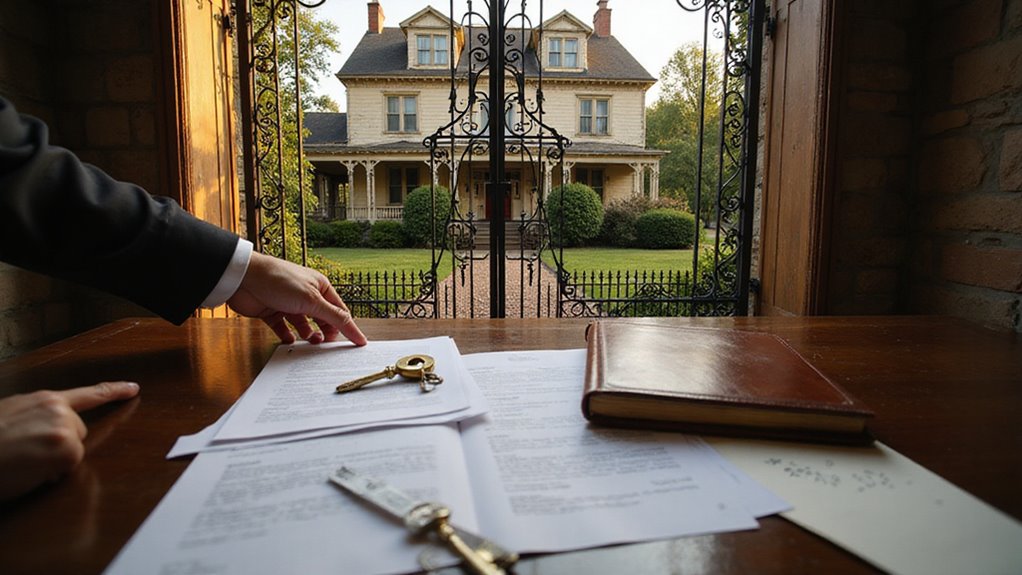
Selling a house during probate requires you to follow a structured legal process under Oregon law. You’ll need to secure court permission, obtain a property appraisal, list the home on the market, manage incoming offers, and attend a court confirmation hearing. Each step involves specific statutory requirements and timelines that you must meet to complete a valid sale.
Getting Court Permission
You must get court approval before selling an inherited Oregon property. This protects all beneficiaries’ interests in the estate. To obtain this permission, file a petition with the probate court. The petition must include a current property appraisal showing market value. Additionally, you’ll need to attend a court hearing where a judge reviews your request.
After approval, the court provides written authorization. With this document, you can legally market the property and negotiate with potential buyers. As a result, the sale process can officially begin.
Furthermore, this formal permission ensures your actions as executor remain within legal boundaries. The court order protects you from future claims by beneficiaries.
Property Appraisal and Valuation
A professional appraisal establishes your property’s fair market value for Oregon probate sales. This documented valuation is required for your court approval petition.
The appraisal protects the estate by preventing asset undervaluation and satisfies Oregon’s legal requirements. Courts use this valuation to verify fair selling terms.
Licensed appraisers familiar with probate requirements typically perform these assessments. The report helps establish realistic listing prices and resolves potential beneficiary disputes. Remember to preserve the appraisal report for your court filing and closing documentation.
Listing and Marketing the Property
An effective probate real estate agent markets the deceased’s property strategically to attract suitable buyers. They must clearly indicate court approval requirements in all listings and advertisements. Probate sales typically attract cash buyers and investors who understand the unique timeline constraints.
Your agent should coordinate property showings around court schedules and mandatory notification periods for creditors. This prevents scheduling conflicts and ensures compliance with legal requirements.
Proper marketing emphasizes the property’s value while being transparent about the probate process. Moreover, professional photography and detailed property descriptions help attract serious buyers despite probate limitations.
Managing Offers and Negotiations
All written offers must go to the court through the personal representative. Negotiations happen before court approval, not after. The judge makes the final decision on accepting an offer, not the personal representative or heirs.
Keep all beneficiaries informed during the negotiation process. This transparency prevents conflicts later. Although heirs don’t need to approve the sale legally, their support helps the process move smoothly.
Document everything carefully in your records. The court reviews your negotiation handling before approving the final sale. Proper documentation proves you acted in good faith with all interested buyers.
Court Confirmation Hearing
The judge examines your accepted offer and all sale terms. Other interested buyers can submit competing bids starting at 105% of your accepted offer price. The court approves the highest bid that best serves the estate’s interests.
After review, the judge will either confirm or deny the sale. Confirmation provides formal authorization to proceed with closing. This process protects all heirs and ensures compliance with probate laws.
Once confirmed, you can move forward with finalizing the transaction. The court’s approval makes the sale legally binding for all parties involved.
Finalizing the Sale and Distribution of Proceeds
After court confirmation, work with the title company to close the sale. Sale proceeds must follow Oregon’s legal distribution order. First, pay all estate debts, taxes, liens, and mortgages according to ORS 115.125.
Then cover court costs, legal fees, and appraisal expenses. Keep detailed records of every transaction for court review. Furthermore, distribute remaining assets to heirs only after settling all obligations.
All estate transactions must comply with probate laws and fiduciary responsibilities. Complete this process by filing final accounting documents with the court.
What Are the Common Challenges of Selling in Probate?
Probate sales involve several challenging obstacles that extend timelines and reduce final proceeds. Court delays often push closing dates far beyond normal expectations. Buyers may get frustrated and back out.
Probate sales in Oregon require special contingencies to accommodate these delays. Disputes between heirs create another roadblock. Some heirs might disagree on pricing or whether to sell at all. As a result, decision-making grinds to a halt.
Furthermore, creditor claims can appear unexpectedly. These claims reduce the money heirs ultimately receive. Outstanding liens and title issues from unpaid debts complicate property transfers.
To overcome these challenges, you’ll need patience and clear communication. Working with an attorney experienced in probate matters is essential for success.
How Long Does It Take to Sell a Probate Property?
Selling a probate property in Oregon typically takes 6–12 months from start to finish. This timeline is much longer than regular real estate sales. The process involves five distinct phases with different timeframes.
The court appointment phase needs 30–90 days to approve a personal representative. Property appraisal requires 2–4 weeks to determine market value. Marketing and offer negotiations usually take 30–60 days.
Court approval follows with a confirmation hearing lasting 30–45 days. Finally, the closing phase takes another 30–45 days. Several factors affect this timeline, including administration type and heir disagreements.
The probate court’s schedule may also cause delays. Many sellers find working with professionals familiar with probate sales helpful during this complex process.
What Are the Financial Implications of Probate Sales?
When you’re selling a house in probate, you’ll face several significant costs that reduce what heirs ultimately receive.
The estate must cover court fees, legal expenses, appraisals, and any outstanding debts before distributing funds to beneficiaries.
You’ll also need to address tax obligations, mortgages, and liens, all of which directly impact the final inheritance shares.
Tax Considerations
Estate sales trigger several tax obligations you must address before distributing proceeds. These taxes take priority over heir payments when selling a house to pay estate debts.
Oregon requires specific tax clearances. Federal estate tax applies to estates exceeding $13.61 million in 2024. Oregon estate tax affects estates over $1 million. Capital gains tax may be due on property appreciation from death date to sale.
The personal representative bears liability for unpaid taxes. You must obtain tax clearances before distributing any funds to heirs. Consulting a tax professional helps prevent costly mistakes and personal liability issues.
Probate Fees and Costs
Probate creates several expenses beyond taxes that reduce inheritance amounts. Court filing fees in Oregon range from $280 to $500 to open probate.
Legal representation typically costs 3-5% of estate value or $150-$400 hourly. Property appraisals run $300-$600, while real estate commissions take 5-6% of the sale price.
Additional expenses include creditor notice publications ($100-$200), potential bond premiums, and accounting services. Furthermore, the court petition for sale requires separate filing fees.
Most executors need professional guidance throughout this process. As a result, legal costs accumulate during the entire administration period.
Impact on Inheritance Shares
Inheritance proceeds follow a specific payment order. Estate debts and creditors get paid first before any heirs receive funds.
Administrative expenses come next in priority. Court costs, legal fees, and appraisal charges reduce the total money available. Only after these obligations are met will beneficiaries receive their portion.
The remaining money divides among heirs according to legal guidelines. Distribution follows either the deceased’s will or state intestacy laws if no will exists.
This payment hierarchy helps beneficiaries understand why their inheritance might be less than expected.
An executor must follow these priorities when selling property. This process protects all parties while ensuring proper distribution according to law.
Mortgage and Lien Resolution
Yes, mortgages and liens must be paid first when selling probate property. The personal representative must find all secured debts on the property before completing any sale.
Title searches reveal mortgage balances, tax liens, and other claims against the property. Oregon law (ORS 115.125) requires these secured debts be paid from sale proceeds before heirs receive any money. Work with title companies to get exact payoff amounts. This includes all interest that has accumulated.
Clear documentation protects both the estate and the beneficiaries. As a result, inheritance shares pass without legal problems or future complications.
Conclusion
Probate sales don’t have to extend the already lengthy process of settling an estate. If you’re facing court requirements, creditor notices, and months of waiting, consider alternative selling options. We at OR Home Buyers understand the challenges executors face during this difficult time. Our cash purchase process can help you close quickly and move forward with distributing inheritance.
You can settle estate debts faster and avoid the hassles of traditional home listings. When you work with us, there’s no need for repairs, open houses, or lengthy negotiations. We buy houses in Eugene, Springfield, and Cottage Grove in their current condition. If you’re looking to reduce stress during probate, a cash sale might be your best solution.
OR Home Buyers serves families throughout Oregon State during challenging transitions. We regularly purchase properties in Junction City, Salem, and many communities in between. Our team can explain how our process works within probate court requirements. Whether your property is in Corvallis or Albany, we’re ready to help you complete your executor duties efficiently.

Hi, I’m Bob Bash, founder of OR Home Buyers, serving the Oregon community since 2017. We provide full-service real estate solutions, specializing in cash purchases for both residential and commercial properties. I started this business to help our community navigate difficult real estate situations with professionalism, ethics, and compassion.
My goal is simple: to make every client feel relieved and happy when their real estate challenges are resolved. Helping people find solutions and peace of mind is what drives me every day.