
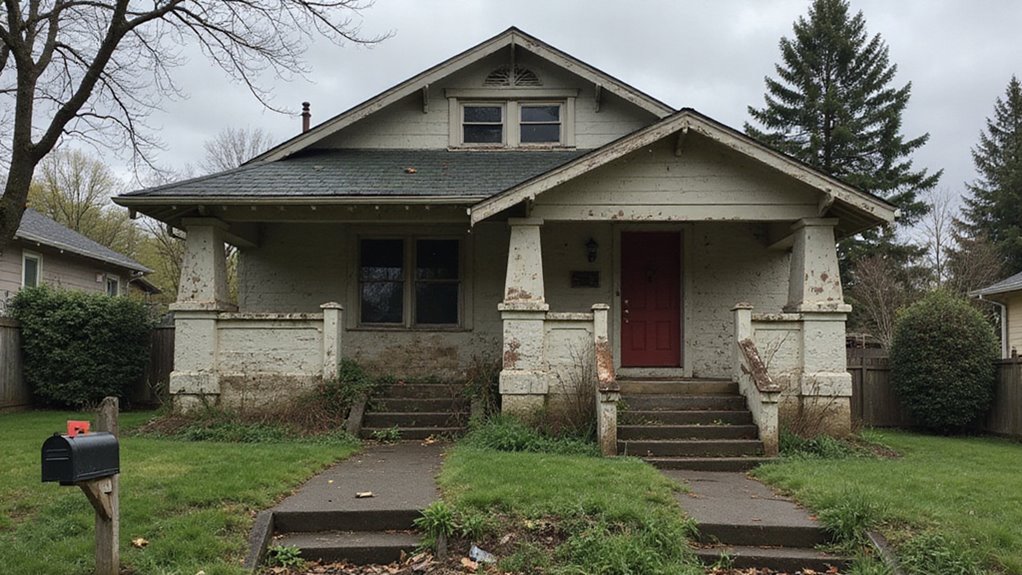
Selling a house in Oregon can be stressful if the property has code violations. Many homeowners worry these issues will scare away buyers. You might wonder if you can even list your home with such problems.
Code violations can delay or ruin a sale. Buyers may back out if they discover safety hazards or unpermitted work. Legal trouble can arise if sellers do not disclose these problems.
Yes, you can sell a house with code violations in Oregon if you follow state disclosure laws. Sellers who are honest and transparent often avoid trouble. There are ways to make the process smoother. This blog will explain your options and help you sell your home, even if it has code violations.
Key Takeaways
- Yes, you can sell a house with code violations in Oregon, but you must disclose all known violations to buyers as required by law.
- Selling “as-is” is allowed, but unresolved violations may lower your sale price and limit buyer financing options.
- Oregon law (ORS 105.464) mandates honest, complete disclosure of building, electrical, and structural issues on official property disclosure forms.
- Unfixed violations can delay closings, cause title issues, or lead to legal action if not properly disclosed to the buyer.
- Repairing violations before listing can improve marketability, increase offers, and reduce complications during negotiations or inspections.
Understanding Code Violations in Oregon
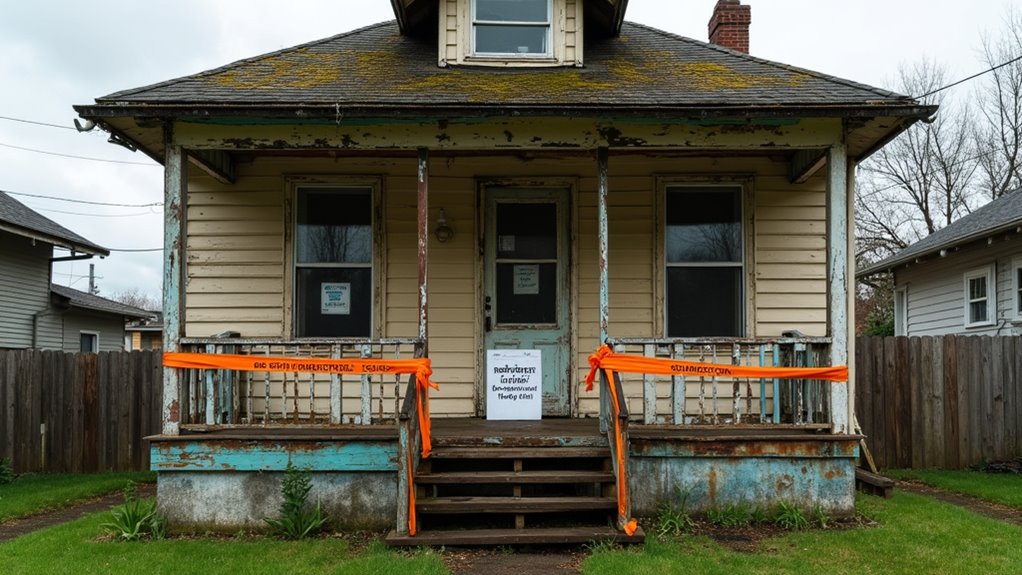
Selling a house in Oregon with code violations can be challenging. Code violations mean the home does not follow Oregon or local building rules. These rules cover permits, safety, and property use.
A violation happens if you made changes without the right permits. The Oregon Residential Specialty Code (ORSC) and city codes set these requirements. Zoning laws also control how you can use your land or buildings. If you encounter code violations, it is important to address them promptly because undisclosed defects can negatively impact the sale process and reduce buyer confidence.
If you ignored permits or zoning rules, your home might not comply with the law. Noncompliance can lead to fines or legal problems when selling. Sellers should check Oregon Revised Statutes (ORS) Chapter 455 and city codes to see if their home meets all rules. Buyers and sellers should also be aware that financing options may be affected by existing code violations, influencing both the sale process and property value.
Common Types of Code Violations in Homes
Homes in Oregon often have code violations when being sold. The most common issues involve permits, electrical systems, plumbing, and illegal additions. If you know these problems, you can avoid legal trouble and keep your home safe.
Unpermitted renovations happen when owners do work without city or county approval. This can include remodeling kitchens or adding rooms. If you plan a project, always check if a permit is needed. In Oregon, local real estate laws also require proper permits and compliance during property transfers, which is especially important when selling an inherited house.
Electrical hazards are common in older homes. Faulty wiring or old panels may not meet current Oregon codes. If you notice flickering lights or frequent outages, an inspection is wise.
Plumbing issues can occur from improper installation or repairs. Leaks or code violations may lead to bigger water problems. If you see signs of water damage, call a licensed plumber.
Noncompliant additions include rooms or garages built without permits. These spaces might not be safe or up to code. If you want to add onto your home, get the right permits first.
Fixing these problems before selling helps avoid delays and legal issues. If you address violations early, your sale will go smoother. Always consult local regulations if you are unsure. Understanding your property disclosure requirements is also critical, as full transparency helps protect you from future legal disputes and builds trust with buyers.
How Code Violations Affect Property Value
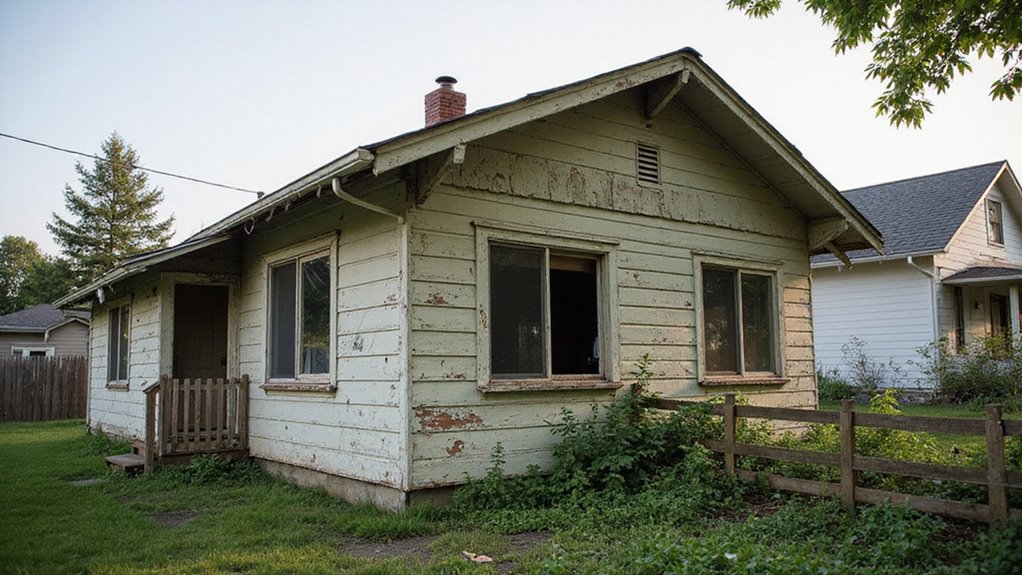
Code violations can lower your Oregon property’s value. Buyers often avoid homes with unresolved issues. Lenders and appraisers may also value these homes less. In many cases, Oregon law requires that sellers disclose all known code violations and liens to potential buyers, which can further impact negotiations and final sale price.
Common problems include unpermitted renovations or unsafe wiring. These violations can lead to fines or required repairs under Oregon law. If violations are not fixed, buyers might lose interest or offer less money.
Inspections will likely reveal any outstanding code problems. Appraisers may assign a lower value if they find violations. If you want a smooth sale, you should address code issues before listing your home. Proactively resolving disclosure requirements and documenting repairs can build buyer trust and help prevent delays in the sales process.
Legal Disclosure Requirements for Sellers
When you sell a house in Oregon, you must complete the mandatory property disclosure form as required by ORS 105.464. You’re legally obligated to notify buyers of any known code violations, and the law requires that buyers acknowledge receipt of these disclosures in writing. Failing to comply with these requirements can expose you to significant liability and potential legal action.
If your home has an assumable mortgage, you may also need to provide documentation detailing the mortgage terms to ensure full transparency during the sale. Additionally, sellers should be aware that state-specific inheritance tax rules may also impact the sale, especially if the property is held in a trust after death.
Mandatory Property Disclosure Form
Oregon law requires you to fill out a property disclosure form when selling a house, even if it has code violations. The form is required under ORS 105.464. Buyers must get honest details about the home’s condition and legal issues.
You must answer all questions on the form truthfully. If you do not disclose information, you could face legal problems. The disclosure covers important areas about the property.
You must list the current property tax and mention any unpaid taxes or disputes. The form asks if the home has insurance and any trouble getting it. You should describe any problems with the foundation, roof, or major systems.
You must also share if there is mold, lead paint, or other hazards. Always give complete and correct information. If you are unsure about something, consider getting advice before you fill out the form.
Known Violations Notification
If you know there are code violations, you must tell buyers before selling your home. Oregon law requires sellers to disclose all known code violations. This is part of your legal duty as a homeowner.
Sellers must provide buyers with written notice of any violations. Attach any official notices from city or county code enforcement to the disclosure form. If you do not disclose, you could face lawsuits or have the sale canceled.
You do not have to fix the violations before selling. However, buyers must receive clear documentation about the property’s condition. This process protects both you and the buyer during the sale.
Buyer Acknowledgment Obligations
Oregon law requires buyers to acknowledge they received all code violation disclosures. This step protects sellers and clarifies future responsibilities. If you do not get this acknowledgment, you risk legal problems later.
You must give buyers written disclosures of any known code violations before accepting an offer. Buyers must sign a form showing they received these documents. Sellers should keep a copy of this signed acknowledgment for their records.
Property appraisals and renovation plans can be affected by code violations. Buyers need to know about these issues before moving forward. If buyers are not informed, future costs or repairs may become disputes.
Following these steps keeps you compliant with the law. It also reduces your risk of legal trouble after the sale. If you are unsure, ask a real estate professional for advice.
Responsibilities of the Seller Regarding Code Violations
If you are selling a house in Oregon with code violations, you must tell buyers about these problems. Oregon law (ORS 105.464) requires you to use a property disclosure form. This form asks you to list any building, electrical, or plumbing violations.
You need to give honest and complete information about all known violations. If you hide these issues, buyers can take legal action or cancel the sale. Unreported code violations could also make it hard for buyers to get insurance. Keeping buyers informed can also help you benefit from flexible offers or negotiations that involve unique financing or cash buyers.
If the violations lower the home’s value or make it hard to use, property taxes might change. Being open about code violations protects you from legal trouble. It also helps make sure the sale follows Oregon’s rules and is fair for everyone.
In addition, if your home has foundation issues or other structural problems, you must disclose these as well since they may affect the home’s safety, value, and marketability.
Potential Risks for Buyers and Sellers
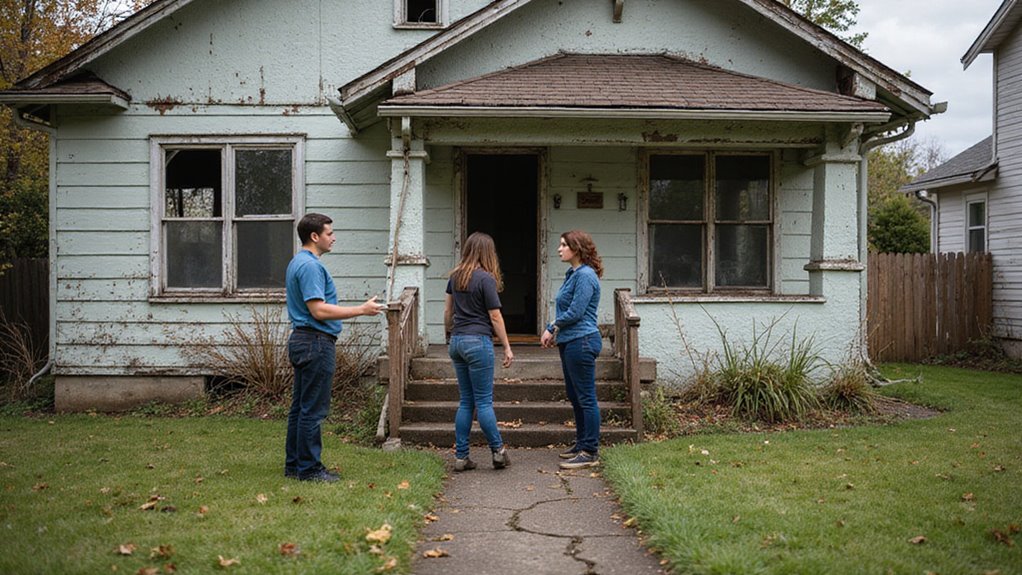
When you sell or buy a home with code violations in Oregon, you face significant risks tied to ORS Chapter 696 and local municipal codes. As a seller, you could be exposed to legal action for nondisclosure, while buyers may inherit costly repair obligations and diminished property value. It’s essential to understand these liabilities before finalizing any transaction involving code issues.
Sellers should also be aware that Oregon’s real estate regulations require full disclosure of any known defects, and failing to address or communicate code violations can significantly impact the sale process and potential returns. Additionally, sellers navigating transactions with code violations should be aware that probate sales in Oregon require court approval and must adhere to strict legal protocols, which can further complicate the sale if the property is subject to probate.
Legal Consequences for Sellers
Listing a house with code violations in Oregon can lead to legal trouble for the seller. State and local laws require sellers to fully disclose any known issues. If a seller hides violations, they risk facing serious consequences.
Civil penalties may be issued for each day the violation is not fixed. Buyers or tenants might sue if they discover a problem was not disclosed. A court could stop the sale until violations are corrected.
Some cases may even lead to criminal charges if the violations are severe or intentional. Sellers should always address violations before putting their property on the market. If you are unsure, consult a legal professional to avoid these risks.
Financial Liabilities for Buyers
If you buy a property in Oregon with code violations, you may have to pay extra costs. Local governments can fine you and order repairs right away (ORS 455.110). These costs can be high if the problems are serious or unsafe.
Property taxes might go up if repairs are needed. Counties can reassess your property and increase your tax bill. If your home is in a homeowners association (HOA), you might face more penalties or even legal action.
Buyers should always do careful research before buying a home with code violations. Consulting a lawyer is also a smart step. This can help you avoid unexpected financial risks.
Impact on Property Value
Code violations usually lower a property’s value in Oregon. Buyers may worry about safety and expensive repairs. Unfixed violations can make your house harder to sell.
Oregon law (ORS 455) requires all homes to follow building codes. If your house breaks these codes, buyers might offer less money. Lenders may not approve loans for homes with code issues.
Local governments can place fines or liens on your property. These penalties lower the amount you get from a sale. If repairs raise your home’s value, your property taxes could also increase.
Fixing violations quickly can protect your property’s value. Quick repairs also make your home safer for everyone. If you plan to sell, address violations as soon as possible.
Selling As-Is: What It Means for Oregon Homeowners
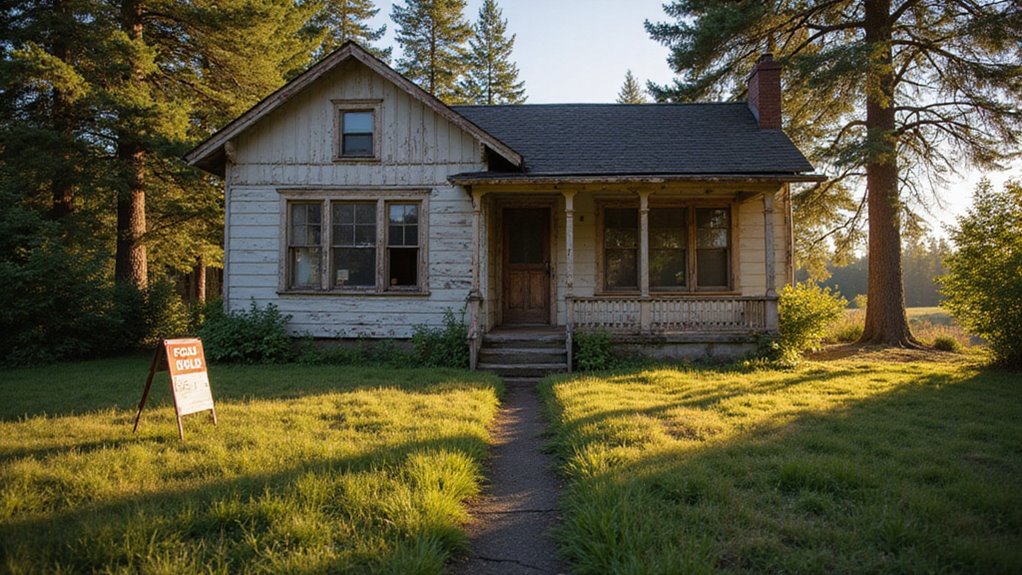
When you sell a house “as-is” in Oregon, you offer it in its current condition. You do not make repairs or fix code violations before selling. The buyer accepts all problems with the property.
Oregon law (ORS 105.465) requires you to disclose any known defects, including code violations. If you know about an issue, you must tell the buyer. Not disclosing can lead to legal problems after the sale. In many cases, local market conditions can affect how quickly a property with code violations will sell and at what price.
Buyers usually want a lower price to cover the cost of repairs. Unresolved code violations can cause title issues and delay the sale. If violations lower the home’s value, your property tax assessment may also change. Unresolved code violations can delay your sale, cause title issues, and often lead buyers to negotiate for a lower price.
Make sure all disclosures are complete and correct. This helps prevent legal trouble and makes the sale process smoother. If you have questions, consider talking to a real estate professional. For properties inherited from a deceased parent, Oregon’s small estate exemption may allow a sale without probate if the estate meets certain value limits.
Working With Real Estate Agents on Properties With Violations
When you list a property with code violations, your real estate agent is legally obligated under ORS 696.301 to disclose known defects to potential buyers. You’ll need to work closely with your agent to negotiate whether you’ll address repairs or offer credits at closing.
Understanding these legal and financial considerations helps you protect yourself and ensure a smoother transaction. Evaluating your pricing strategy in light of known violations and current market conditions can also help you position your property competitively and attract serious buyers.
Agent Disclosure Responsibilities
Oregon law requires sellers and their agents to clearly disclose code violations. Agents must follow legal rules, like ORS 105.464, which says known problems must be listed on the Property Disclosure Statement. Failing to do this could cause legal trouble for both you and your agent.
Agents must tell buyers about any code violations they know. They also help you fill out all needed legal forms. If there are violations, your agent should explain how they might affect the appraisal or a buyer’s loan.
An agent will also tell you how code issues can impact the sale price. If needed, agents can explain possible changes to your property taxes. If you have questions, your agent should guide you through each step.
Negotiating Repairs and Credits
You can sell your home “as-is” in Oregon, even if it has code violations. Buyers often want concessions, like repair credits or price reductions. If you work with an agent, you will likely negotiate these terms.
Oregon law (ORS 105.465) says you must tell buyers about known problems. You do not have to fix these issues by law. However, buyers may ask for repairs or credits, especially for safety concerns.
An agent can help estimate repair costs if you decide to offer credits. Sellers often give credits at closing to make the sale more appealing. This can help avoid delays or losing the sale.
If you negotiate carefully, you can follow Oregon law and keep the deal moving forward. Proper disclosure and smart offers reduce the risk of last-minute problems.
Repairing Violations Before Listing: Pros and Cons
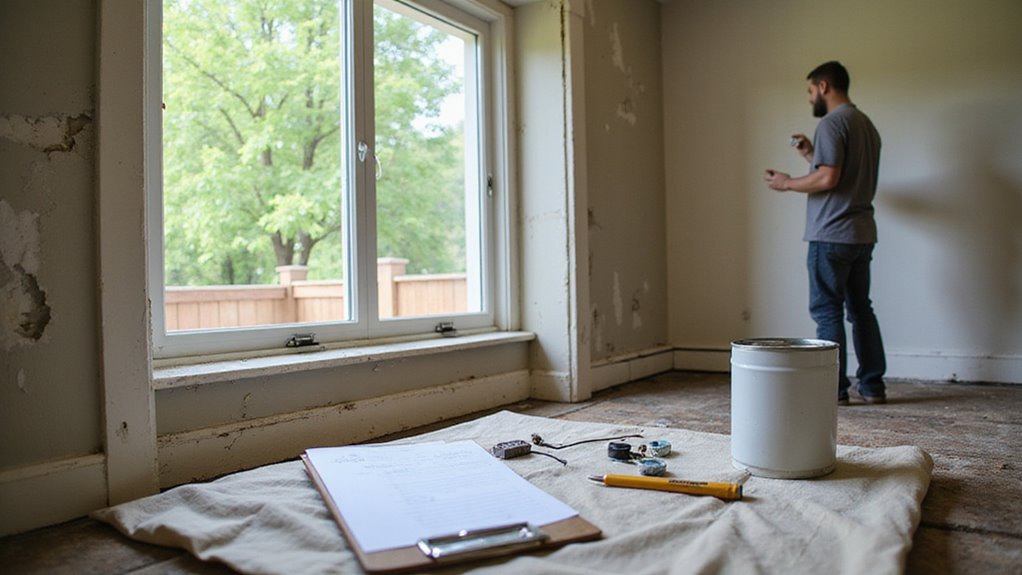
Oregon law does not force you to fix all code violations before you sell your home. However, repairing these problems before listing can make selling easier and smoother. Weighing the pros and cons will help you decide if repairs are right for you.
Fixing violations can increase buyer confidence because it shows the house is up to code. Buyers may feel more comfortable making an offer and might negotiate less.
If buyers see no violations, they often offer higher prices since they expect fewer repairs. Addressing code violations builds buyer trust, encourages stronger offers, and can help your home sell for a higher price.
Renovations and inspections can delay your listing. If you need to sell quickly, this may not be ideal. You should consider your timeline and how delays might impact your plans.
Paying for repairs before selling means spending money upfront. If repairs are extensive, your profit could decrease. Consider these costs against the possible benefits.
Selling to Real Estate Investors or Cash Buyers
You can sell your Oregon home with code violations directly to real estate investors or cash buyers. This is a good option if you cannot make repairs before selling. These buyers usually purchase homes “as-is” and do not require repairs first.
Oregon law (ORS 646.607) says you must tell buyers about known code violations. Most investors are used to dealing with these issues. Their offers will reflect the cost of needed repairs and permits.
Traditional sales often require inspections and permits. Cash buyers usually waive inspections and handle permits themselves. They also offer faster and more flexible closings compared to traditional buyers.
If you want a simple sale without repairs, consider selling to an investor or cash buyer. Review the table below to compare both options. This will help you choose the best path for your situation.
Navigating Inspections and Appraisals With Code Issues
When selling a house with code issues in Oregon, inspections and appraisals become more difficult. Code violations can affect the sale price and may limit a buyer’s loan options. Oregon law requires sellers to share any code problems.
Inspectors will list any visible code violations and needed repairs. Appraisers usually lower the home’s value based on these problems. Lenders might not approve a loan until repairs are complete.
Sellers must disclose all known violations under Oregon law. Careful records help protect everyone in the sale. If you handle these issues early, the process goes more smoothly.
Negotiating Repairs and Credits During the Sale
When selling a house with code violations in Oregon, you’ll need to address whether you’ll handle repairs yourself or offer the buyer a credit at closing under ORS 105.464. Oregon law requires full disclosure, but it gives you flexibility to negotiate how these issues are resolved. By understanding your repair obligations and how credits work, you can protect your interests while staying compliant with state regulations.
Seller Repair Responsibilities
Oregon law does not force sellers to fix every code violation before closing. Sellers must decide if they want to repair issues or offer credits to buyers. ORS 105.465 says you must disclose any known defects.
Sellers should focus on safety concerns first. Serious problems may affect insurance or make the home unsafe. If buyers cannot get insurance, a sale may not happen.
Buyers might ask for repairs in their offer or after an inspection. Sellers can choose to fix problems or negotiate with buyers. Sometimes, offering a credit is easier than making repairs.
Repair costs should be considered before deciding. Fixing problems might raise your home’s value, but not always. If repairs are costly, sellers may lose money on the sale.
Completing repairs can give sellers an advantage in negotiations. Buyers may feel more comfortable and agree to close faster. Transparent sellers often build trust and avoid delays.
Offering Buyer Credits
Offering buyer credits is a common way to handle code violations during a home sale in Oregon. Credits let the buyer fix issues after closing. This can make the sale faster and lower your upfront costs.
Oregon law requires that all credits must be listed in the purchase agreement (ORS 93.040). The credit amount should match the estimated repair costs. If code violations impact property taxes or zoning, include those costs too.
Sellers should consult a real estate agent before offering credits. Legal advice can help you avoid mistakes and disputes. Properly structured credits ensure a smoother sale and legal compliance.
Impact of Code Violations on Financing and Mortgages
Code violations can make it hard to get a mortgage or other financing. Lenders want homes to meet safety and structural rules. If a house does not meet these standards, loan approval is less likely.
Lenders often will not issue loans until all violations are fixed. Loans like FHA, VA, and conventional mortgages require homes to be safe and sound. If there are problems, you may need to repair them first.
Environmental hazards, such as asbestos or lead paint, can cause extra problems. The lender may require you to fix these issues before approving the loan. Zoning violations can delay or even stop your mortgage approval process.
If you resolve all code violations, you increase your chances of getting financing. Meeting state requirements helps the property keep its value and legal status. Always check for code issues before applying for a loan.
Tips for a Smooth Sale With Code Violations
You can still sell your Oregon property even if it has code violations. Clear legal steps and careful planning help make this possible. Disclose all known violations to buyers as required by Oregon law.
A professional home inspection may reveal more issues. This builds trust and avoids surprises during the sale. Fixing small problems can make your home more attractive.
If there are major violations, consider if repairs are worth the cost. A real estate attorney can help you follow state and local rules. Keeping records of repairs and being honest with buyers limits your legal risk.
If you follow these steps, you can attract buyers willing to accept the property as-is. This approach can help you achieve a smooth sale.
Conclusion
If you need to sell a house with code violations in Oregon, clear disclosure is essential. You must inform buyers of all known issues. If you follow the rules, you can still complete the sale.
If you want a quick and easy solution, we buy houses for cash, even with code violations. OR Home Buyers can handle the legal requirements for you. This can save you time and stress during the selling process.
If you are ready to move forward, contact us at OR Home Buyers today. We can give you a fair cash offer for your property. Let us help you sell your house with confidence and peace of mind.




Hi, I’m Bob Bash, founder of OR Home Buyers, serving the Oregon community since 2017. We provide full-service real estate solutions, specializing in cash purchases for both residential and commercial properties. I started this business to help our community navigate difficult real estate situations with professionalism, ethics, and compassion.
My goal is simple: to make every client feel relieved and happy when their real estate challenges are resolved. Helping people find solutions and peace of mind is what drives me every day.