

Selling a house in Oregon is already stressful, but having liens on your property can make things even harder. Liens may include unpaid taxes, contractor bills, or court judgments. These financial claims can make buyers and lenders worry about the sale.
Liens often delay or even block the closing process. Buyers may back out if the title is not clear. Lenders usually refuse to finance homes with unresolved liens.
Yes, you can sell a house with liens in Oregon, but you must address or resolve them first. There are ways to remove or settle liens before closing. This process helps clear the title so you can transfer ownership smoothly. This blog will guide you through each step to sell your house with liens in Oregon.
Key Takeaways
- Yes, you can sell a house with liens in Oregon, but all liens must be settled or paid off before the sale can close.
- Liens reduce property value and may limit your buyer pool, as buyers typically require clear title for financing.
- Title companies will discover and require resolution of any liens during escrow, potentially delaying or blocking the sale if unresolved.
- Sellers must legally disclose any existing liens to buyers in Oregon, or risk legal consequences and sale complications.
- Working with a real estate agent and title company helps identify, negotiate, and resolve liens for a smoother, compliant sale process.
Understanding What a Lien Is

A lien is a legal claim on your property. Creditors use liens to secure unpaid debts or obligations. If you owe money, a lien can be placed on your home’s title.
Liens can lower your property’s value. Buyers and lenders see a lien as an unresolved financial issue. You must settle the lien before you can transfer ownership. In Oregon, working with experienced professionals can help ensure that liens are properly addressed and do not cause delays in your sale.
If you plan to sell a house with a lien, you should know it affects your sale. The lien may make your property less attractive to buyers. If you financed home renovations and did not pay contractors, you could face a mechanic’s lien.
In Oregon, disclosure of all liens to potential buyers is required by law, so understanding your obligations is essential before listing your property.
Common Types of Liens on Oregon Properties
You’ll encounter several lien types in Oregon, each carrying specific legal and financial implications for property owners. Property tax liens, mechanic’s liens, and judgment liens all create encumbrances that can restrict your ability to transfer clear title. Understanding how these liens function is essential for steering a successful property sale.
In some cases, resolving liens may also involve navigating state-specific inheritance tax rules that impact both the sale process and your overall tax obligations. Sellers should also be aware that Oregon’s disclosure requirements may obligate them to inform buyers about the existence of liens or other encumbrances affecting the property.
Property Tax Liens
A property tax lien is a common claim on Oregon real estate. It happens automatically if you do not pay your county property taxes. This lien takes priority over most other debts, even mortgages.
A property tax lien lowers your home equity. You must pay the lien before you can get money from a sale. If the tax stays unpaid, the county may start foreclosure.
Buyers and lenders will notice the lien during the property check. This can make your home harder to sell and may lower offers. If you want to sell, you must clear the lien before or during closing.
Mechanic’s Liens Explained
A mechanic’s lien is a legal claim against your Oregon property for unpaid work or materials. Contractors, subcontractors, or suppliers can file this lien if they are not paid. The lien attaches to your property’s title and may affect your ability to sell.
This lien usually has high priority, behind property tax liens but ahead of later mortgages. If you want to sell your home, you must resolve the lien first. Buyers and lenders often require a clear title before closing.
To remove a mechanic’s lien, you need a lien release after paying the debt. Always check if the lien is valid before taking action. If you resolve the lien quickly, you can avoid delays in your transaction.
Judgment Liens Overview
Judgment liens are a common type of encumbrance on real estate in Oregon. These liens happen when a court orders you to pay money after losing a lawsuit. If a creditor records the judgment, the lien is attached to your property.
A judgment lien can reduce your property’s value because buyers may offer less to cover the debt. Title companies must pay off the lien from the sale proceeds before you get any money. If the lien is not paid, the sale cannot close smoothly.
Judgment liens usually last for ten years and can be renewed. You cannot ignore them if you want to sell your property. If you address the lien early, you can avoid delays and get more money from your sale.
How Liens Get Attached to Your Home
Liens get attached to your home when you do not pay certain debts. These debts can include unpaid contractor bills, property taxes, or court judgments. The lien gives the creditor a legal right to your property. In some cases, liens may arise from government-backed loans if payments are missed, which can complicate the sale process further.
A creditor files the lien with your county recorder’s office. This filing makes the lien a public record and attaches it to your property. You usually must pay off the lien before selling or refinancing your home.
Liens lower your property’s value because they count as financial obligations. If you are planning any major home projects, check your property records afterward. Regular checks help you avoid surprises from unexpected liens. When selling a house with liens in Oregon, obtaining court approval may be required if the property is going through probate, which can affect the timing and process of the sale.
The Impact of Liens on Your Home’s Title

Liens can make it hard to sell or refinance your home. A lien is a legal claim from a creditor against your property. If there is a lien, you do not have clear ownership, which buyers want.
Lien priority matters when a home is sold. Some liens, like property taxes, must be paid before others. If sales proceeds are not enough, lower-priority liens may not get paid. In Oregon, property tax and insurance payments must stay current to avoid additional liens that could further complicate the sale process.
Title insurance companies will check for liens. If any are present, they may refuse to insure your title. Without insurance, most buyers will not buy your home.
If you want to sell or refinance, you must deal with liens first. Unresolved liens can block or delay your plans. Make sure you understand how liens affect your title before moving forward.
When dealing with a property that has liens, it’s important to consider Oregon real estate laws to ensure your transaction follows state regulations and avoids costly legal issues.
Can You List a Property With an Outstanding Lien?
You can list a property with an outstanding lien in Oregon, but you must comply with strict disclosure requirements under state law. Expect the lien to influence your listing price, as buyers typically factor in the encumbrance and related risk. Title companies will scrutinize the lien during escrow, so you’ll need to address their clearance protocols to ensure a successful closing.
In some cases, the presence of liens may extend the typical process duration for real estate transactions in Oregon, especially if creditor issues or probate considerations are involved. Understanding Oregon’s real estate regulations is crucial, as these rules impact how liens are managed and disclosed throughout the sales process.
Disclosure Requirements for Sellers
Sellers in Oregon must tell buyers about any liens on their property. This is required by law and is usually done using the Oregon Property Disclosure Statement. If you do not disclose liens, you could face legal trouble or lose the sale.
Liens can affect how buyers view the property. Sellers should always mention any liens during home staging and while marketing the home. Honest disclosure builds trust and helps the sale go smoothly.
If you hide lien information, buyers might back out or seek penalties. Full disclosure means buyers can make informed choices. This protects both sellers and buyers during the sale.
Impact on Listing Price
Outstanding liens lower your property’s listing price. Buyers see liens as a risk and may offer less money. If you list your home with a lien, you may need to price it lower than similar homes.
A lien limits your buyer pool. Many buyers avoid homes with unresolved debts. If buyers are still interested, they may ask for a discount to cover the lien’s cost.
Pricing the home aggressively can help attract buyers. You should also expect longer negotiations or delays. If the lien is removed, the property may sell faster and for a better price.
Title Company Considerations
Title companies check for any liens or claims on your property before a sale. If there are unresolved liens, they will appear in the title report. These issues must be fixed before the sale can move forward.
A title company will not issue a clear title if liens remain unpaid. Without a clear title, buyers usually cannot get a loan. The sale will not close until all liens are settled.
If you work with the title company early, problems can be resolved sooner. They can help you find solutions, such as paying off or negotiating liens. This makes the selling process smoother for everyone involved.
How Liens Affect the Sales Process
Liens can make selling a house in Oregon difficult. They attach to your property’s title and create legal issues. Buyers and their lenders will find these liens during the title search. If liens exist, the title company cannot provide clear title insurance. This insurance is required to close a sale. You must pay off or settle liens before you can transfer ownership. Liens may cause buyers to walk away or delay the sale. Oregon law requires all liens to be resolved before the title passes to the new owner.
If you ignore liens, your sale could fail and you may face legal problems. The sale proceeds can pay off liens during closing if needed. Addressing liens early will help your sale go smoothly. It’s also important to be aware of market conditions when determining how liens and related code violations may affect your timeline and pricing. In some cases, homeowners facing liens may benefit from exploring alternatives like cash buyers to help resolve financial hurdles and complete the sale efficiently.
Options for Dealing With Liens Before Selling

Before selling your Oregon property, you must deal with any liens. Start by getting a title report to find all liens. You need a clear plan to resolve them.
You can pay off liens, dispute errors, or negotiate with creditors for a partial release. If you cannot pay right away, talk to a real estate lawyer. They may help with subordination agreements or lien waivers. Understanding Oregon’s real estate laws ensures you follow the right steps when handling liens and can avoid costly mistakes.
A clean title makes your property more valuable and attracts serious buyers. If possible, use professional home staging to show your property’s best features. Handling liens early will make closing much smoother.
Removing or reducing liens gives you more power in negotiations. It also helps make the sale process easier for everyone. Always address liens before listing your property.
If you need to sell quickly, consider selling your house as-is for cash, which can help you avoid repair costs and agent fees while resolving lien issues efficiently.
Negotiating Payoff Amounts With Lienholders
Negotiating payoff amounts with lienholders means trying to reduce what you owe before selling your Oregon home. You should do this to keep more money from the sale. If you owe less, your profit increases.
Start by getting a recent property appraisal for your house. This shows the real market value and can help your case. If the lien is for renovations, check all invoices for accuracy.
Begin with a current appraisal to prove your home’s value, and review renovation invoices for any errors before negotiating liens.
Contact each lienholder directly to discuss settlement options. These may include contractors, creditors, or tax offices. Offer a fair amount based on the appraised value and expected sale price.
Keep records of all talks and agreements in writing. Always ask for a formal lien release after payment. If you address liens early, you can avoid problems and delays at closing. In Oregon, you should also review disclosure requirements to ensure you provide all necessary information about liens and repairs to potential buyers.
Selling to a Cash Buyer Versus a Traditional Buyer

A cash buyer can make selling a house with liens in Oregon faster and simpler. Cash deals skip many steps required by banks. This can be helpful if you need to resolve liens quickly.
Traditional buyers often need mortgage approval, which can cause delays. Lenders may ask for repairs or detailed appraisals. These steps can slow down the sale if there are any issues.
Cash buyers do not usually require lender repairs or home staging. They care about the property’s value and the liens attached. If you need a quick sale, a cash buyer may offer a faster closing.
Market timing matters less with cash sales. Cash buyers may also be more flexible during negotiations about liens. If you want fewer complications, a cash buyer might be a better choice.
Steps in the Escrow Process When Liens Are Present
When a property has liens, the escrow process in Oregon must resolve them before the sale. Liens are debts attached to a property, and they must be cleared for the buyer to get a clean title. The escrow officer manages this process to ensure all liens are handled.
First, all known liens should be reported to the escrow officer. The officer will then order a title search to confirm any outstanding claims. If any liens are found, they must be addressed before closing.
The parties may negotiate payment of liens or use sale proceeds to pay them off. If liens remain unpaid, the sale cannot close. Once liens are resolved, the buyer can receive a clear title.
The table below shows each step:
| Escrow Step | Action Required | Purpose |
|---|---|---|
| Submit Liens | Give documentation | Identify property debts |
| Title Search | Review property title | Find outstanding claims |
| Resolve Liens | Negotiate or pay liens | Clear title for buyer |
| Disbursement | Pay liens at closing | Complete sale and transfer |
What Happens If You Can’t Pay Off the Lien?
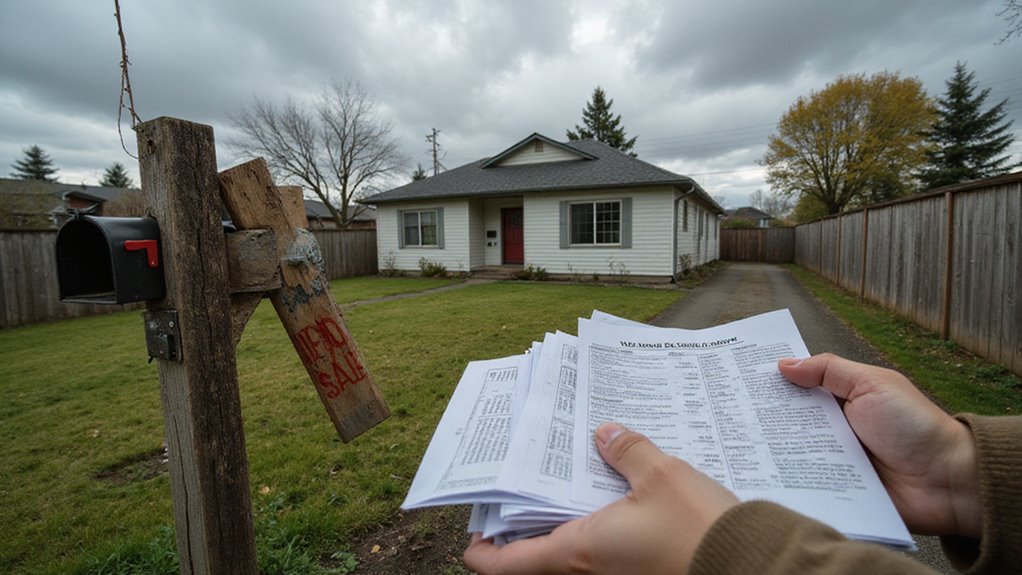
If you cannot pay off the lien, you may not be able to sell your property. Most buyers and lenders need the title to be clear. If the lien remains unpaid, the sale may not go through.
Title companies usually will not insure the sale with a lien in place. Buyers may back out because they do not want to risk owing your debt. Creditors can demand payment from the sale or block the transaction.
If the debt is still unpaid, creditors may start foreclosure to recover their money. You might be able to settle or negotiate the debt before closing. If you cannot resolve the lien, selling the property will be very difficult.
Legal Risks of Selling a Home With Liens
Selling a home with liens can create legal problems in Oregon. Liens are recorded publicly, so title companies will find them during escrow. If you try to hide liens, you could face lawsuits or financial penalties.
Oregon law requires sellers to disclose all liens. If you do not, buyers may walk away or demand a lower price. A lien can also stop the sale from closing.
Sellers are responsible for clearing liens before selling. If you ignore liens, the property title becomes clouded and cannot be transferred. Understanding these risks helps you avoid legal trouble and loss of money.
How a Real Estate Agent Can Help
A real estate agent can guide you through selling a property with liens in Oregon. The agent understands the legal steps and helps you handle complex issues. If you work with an expert, your sale is more likely to go smoothly.
The agent checks title reports and finds any hidden liens. They talk to lienholders and help you negotiate payoffs. If liens are found, the agent can suggest solutions.
A skilled agent uses local market data to set the right price. They may recommend home staging to attract buyers. If you follow their advice, your home may sell faster.
The agent manages all required paperwork and disclosures. They make sure you follow the law during the sale. If you rely on their help, you can avoid costly mistakes.
Preventing Future Liens on Your Property
You can prevent future liens on your property by staying organized and informed. Regularly check your property’s title to spot any liens early. If you find an issue, resolve it quickly to protect your investment.
Pay all property taxes and contractor bills on time. If you miss payments, you risk getting new liens on your home. Keep detailed records of every payment and agreement connected to your property.
If you plan to refinance or borrow money, review all contracts with a legal expert. Professionals can help you understand your responsibilities before you sign. If you manage these steps, you will lower your risk of unwanted liens.
Stay updated on your property’s value and local market changes. If you avoid borrowing too much against your property, you reduce your risk of future debts. Good management keeps your property easier to sell later.
Conclusion
If you need to sell a house with liens in Oregon, you must address these issues before closing. If owners ignore liens, they can delay or even stop the sale. By working with professionals, you can resolve encumbrances and secure a smooth transaction.
If you want to avoid the stress of dealing with liens, we can help. OR Home Buyers purchases houses for cash, regardless of liens or other complications. If you need a quick and easy sale, we offer a straightforward solution.
If you are ready to move forward, contact OR Home Buyers today. We will guide you through every step of the process. Let us help you sell your house fast and hassle-free.




Hi, I’m Bob Bash, founder of OR Home Buyers, serving the Oregon community since 2017. We provide full-service real estate solutions, specializing in cash purchases for both residential and commercial properties. I started this business to help our community navigate difficult real estate situations with professionalism, ethics, and compassion.
My goal is simple: to make every client feel relieved and happy when their real estate challenges are resolved. Helping people find solutions and peace of mind is what drives me every day.