

Selling a hoarder house is much harder than selling a typical home. Most buyers get scared by clutter, bad smells, and obvious mess. The process can feel overwhelming before you even begin.
Buyers often walk away after seeing piles of belongings or possible hidden damage. The house’s value drops, and offers are rare. Real estate agents may even refuse to list these properties.
You can sell a hoarder house by following a clear, step-by-step plan that tackles clutter, repairs, and buyer concerns. Simple actions can help boost the home’s appeal and attract serious buyers.
You do not have to face this alone. This blog will guide you through each step so you can sell your hoarder house with less stress and better results.
Key Takeaways
- Hoarder houses often have reduced property value and may deter buyers due to visible clutter, damage, and safety hazards.
- Disclosing all known issues like mold, pests, or structural damage is legally required to avoid future disputes and lawsuits.
- Emotional attachments and family disagreements can delay the sale; open communication and support help overcome these challenges.
- Professional cleanup and repairs improve marketability, but may require significant time, resources, and expert intervention for hazardous materials.
- Targeting investors or cash buyers and using transparent marketing strategies increases the chances of a successful and timely sale.
Understanding the Impact of Hoarding on Property Value

Hoarding lowers a property’s value because of clutter and possible damage. Buyers often see clutter as a sign of neglect. If there are deeper problems, the home may be worth even less. Factors such as structural issues and energy-efficient upgrades, which are emphasized in Oregon real estate transactions, play a critical role in how much value can be restored or lost.
Appraisers may reduce the value if they notice structural issues or health hazards. Lenders might also hesitate to approve loans for these homes. Severe hoarding can cause long-term damage like mold or pests.
If you want to sell, you must address these issues first. Cleaning and making repairs can help restore the home’s value. These steps can also make it easier to attract buyers and secure financing. In many cases, professional inspections and remediation provide essential documentation and ensure underlying issues like mold or water damage are properly resolved.
Assessing the Extent of Clutter and Damage
You’ll need to start by identifying any hazardous materials, such as mold, chemicals, or biohazards, that may be hidden within the clutter. Next, evaluate the home’s structural integrity, since excessive weight and neglect can compromise floors, walls, and even the foundation. Taking these steps early helps you understand the true scope of work and plan effective solutions.
Additionally, addressing potential pest damage early on maintains value and avoids larger problems down the line. It’s also important to assess for structural issues and hidden problems that clutter may conceal, as these can significantly impact the home’s value and safety.
Identifying Hazardous Materials Present
Hoarder houses can contain many dangerous materials hidden under the clutter. Common hazards include expired chemicals, old batteries, mold, and asbestos. If these are present, they can harm your health and delay selling the house.
Protective gear is important when entering storage areas, basements, and garages. Hazardous waste often gathers in these spaces. If you find any suspicious material, do not touch it.
Proper documentation and safe disposal are important for these items. You should not remove hazardous waste on your own. Professionals must handle hazardous materials and follow local rules.
If you address these dangers early, you protect yourself and future buyers. Removing hazards also makes your house easier to sell. If you are unsure about something, always call an expert.
Evaluating Structural Integrity Risks
To check for structural risks, look for damage caused by hoarding. Clutter can hide problems like sagging floors or buckling walls. If you see water stains, there may be leaks or foundation issues.
You should move items carefully to check hidden areas for mold or pests. Any signs of rot or damage must be noted. If belongings block access, clear them safely before inspecting.
A professional inspector should review the home’s structure. They use tools to find cracks, settling, or weak supports. If damage is found, document it clearly for future buyers.
Fixing these problems early makes the home safer. It can also help the house sell faster. If you address risks, buyers will be more confident.
Health and Safety Concerns for Sellers and Buyers

When you’re selling a hoarder house, you need to recognize the hidden hazards like mold, pests, and structural risks that can threaten everyone’s safety. Don’t overlook the importance of using proper cleaning gear and following strict safety protocols during cleanup.
Addressing these concerns up front protects both you and potential buyers while making the property more marketable. Identifying specific code violations early on can also help you assess risks, estimate renovation costs, and create a strategy to streamline the selling process.
In addition, it’s wise to consult with a professional tax advisor to ensure you understand any unique tax implications that may arise if the property is held in a trust, especially regarding capital gains or inheritance taxes that could affect your sale.
Hidden Hazards and Risks
Hoarder houses often hide many dangers that can harm buyers and sellers. Clutter and poor upkeep lead to serious safety and health risks. If you are dealing with a hoarder house, you should watch for these hazards right away.
Fire can start easily if exits are blocked or papers are piled up. Pests often live in old food or trash, causing health problems and damage. Mold, weak floors, and bad air can make it unsafe to enter the home.
If you notice any of these issues, you must act quickly to fix them. Addressing these risks early can help prevent bigger problems later. The table below lists common hazards and how they might affect the property:
| Hidden Hazard | Potential Impact |
|---|---|
| Fire Hazards | Increased risk of house fires |
| Pest Infestations | Health issues, property damage |
| Mold Growth | Respiratory problems |
| Structural Damage | Safety hazards, costly repairs |
| Poor Air Quality | Breathing difficulties |
Necessary Cleaning Precautions
A hoarder house needs careful cleaning to keep everyone safe. Always wear gloves, masks, and eye protection before touching anything. If you see chemicals, mold, or sharp objects, handle them with extra care.
If there is something you do not recognize, do not touch it without safety gear. You should sort items into keep, donate, or discard piles. Place anything dangerous in a separate area.
Professional cleaners know how to remove biohazards safely. If you clean the house yourself, always ventilate the rooms first. Use strong cleaners and follow local rules for throwing away hazardous waste.
These steps help protect buyers, sellers, and anyone entering the home. If you are unsure, calling experts is the safest choice. Safety should always come first when cleaning a hoarder house.
Legal and Ethical Considerations
Selling a hoarder house involves legal and ethical rules. You must not share private information or photos without the owner’s consent. If you do, you could break privacy laws.
Local zoning laws may affect the sale. Hoarder homes can break codes if clutter blocks exits or creates fire risks. You must tell buyers about any violations. Regional differences in Oregon real estate dynamics may influence which codes and buyer requirements apply in your area.
A real estate lawyer can explain what you must disclose. If you follow the law and act honestly, you avoid future problems. Ethical actions help protect the seller’s dignity and your reputation.
Additionally, it is crucial to be aware of Oregon real estate laws that may dictate specific disclosures and procedures when selling inherited or problematic properties.
Navigating Emotional Challenges

When selling a hoarder house, you’ll need to manage strong family attachments and the seller’s feelings of guilt. It’s essential to address these emotions openly so you can reduce stress and keep the process moving forward. By setting clear boundaries and seeking professional support if needed, you can handle these challenges with confidence.
Recognizing the significance of preparing the home effectively can also support both the emotional and financial aspects of the sale. Additionally, understanding the importance of thorough property disclosures can help build trust with buyers and protect against legal complications during the sale.
Managing Family Attachments
Managing family attachments is often the hardest part of selling a hoarder house. Family members may have strong feelings about the home and its memories. If these emotions are not addressed, disagreements can happen.
Clear and kind communication helps everyone feel heard. A family meeting lets people share their concerns and set rules together. If everyone is involved in choosing keepsakes, it can reduce tension.
Boundaries are important when sorting through possessions. Timelines and clear responsibilities keep the process organized. If family members disagree, a neutral third party can help.
Empathy and respect are important at every step. If you show understanding, the process can go more smoothly for everyone. If you face challenges, take one step at a time.
Addressing Seller Guilt
Seller guilt is common when selling a hoarder house. Many people feel bad about letting go of a home with memories. This feeling is normal and does not mean you are making a wrong choice.
If you remember your reasons for selling, it can help. Safety, money needs, or wanting a new start are valid reasons. You should remind yourself that these reasons matter.
Emotions may come up, but you do not have to let them control your decision. If you view the house as property instead of a loss, moving forward is easier. New owners may benefit from the home as well.
If you focus on the benefits, guilt may lessen. You can feel more confident in your choice. This mindset can help you move on.
Coping With Stress
Selling a hoarder house can cause significant stress. You can manage this by using clear strategies and seeking support. Handling your emotions is the first important step.
People should admit their feelings to build emotional strength. Setting small, realistic goals can help make the process easier. If someone feels overwhelmed, they should consider asking a therapist for help.
Support from family and friends can reduce stress. Support groups are also helpful in sharing experiences. If you need extra help, always reach out to professionals.
Developing a Cleanout Strategy
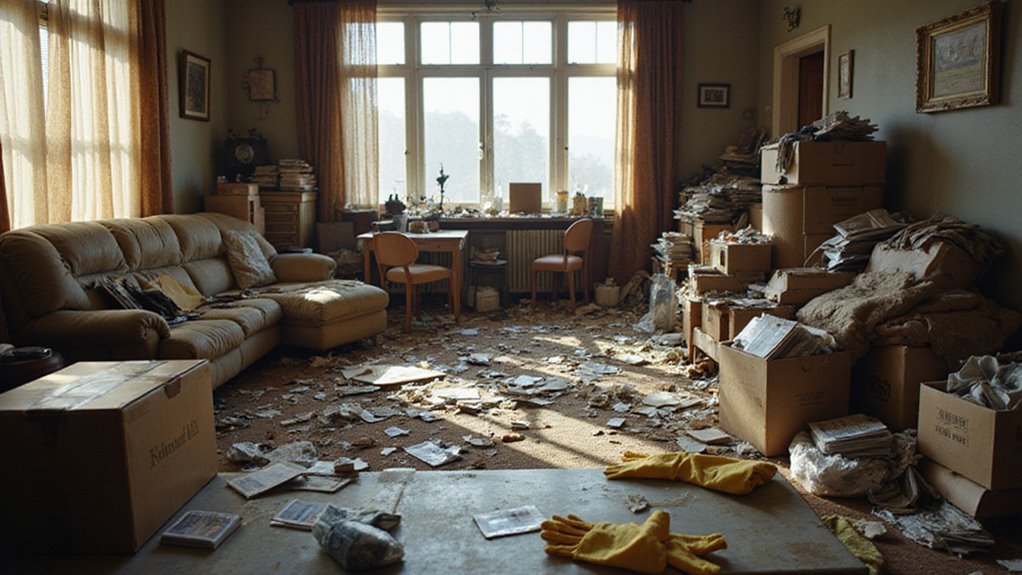
A cleanout strategy is necessary before selling a hoarder house. This plan helps manage the large number of belongings and makes the process easier. If you have a clear plan, you can focus on what matters most for buyers. You might also benefit from selling houses as-is for cash, which allows you to skip repairs and sell your property quickly.
Begin by checking every room. Identify areas that buyers will notice first. Prioritize these spaces for cleaning. Start by inspecting each room and focus your cleaning efforts on the spaces buyers will see first.
Sort items into groups: keep, donate, sell, or throw away. Use labeled bins or shelves to store sorted items. If you need more time, temporary storage helps prevent mess.
Set small goals for each step and stick to a timeline. Write down your plan and change it if needed. A simple strategy will save time and help you sell the house faster.
Don’t forget, if your inherited property is in foreclosure in Oregon, acting quickly on a cleanout strategy helps you respond to tight timelines and prepare for possible sale options.
Deciding Between DIY and Professional Help
After you have a cleanout plan, decide if you will do the work yourself or hire professionals. This choice affects your time, cost, and safety. Think about several important factors before deciding.
The amount of clutter matters. If the mess is large, you may need more than basic cleaning tools. Professionals have the right equipment for big jobs. In some cases, selling a property with an assumable mortgage can also influence buyers if the financing terms are favorable.
Health and safety risks are also important. Hoarder homes may have mold or pests. If you do not have safety gear, consider hiring experts.
Time investment can be high for do-it-yourself projects. Large homes take days or even weeks to clean. A team of professionals can finish faster.
Professional services cost more at first. However, they may save you money by preventing injury or long delays. Choose the option that matches your skills and safety needs.
Additionally, if you are considering selling the property, it’s important to be mindful of Oregon’s disclosure requirements since all known material defects must be revealed to potential buyers.
Managing Repair and Renovation Needs

You must fix repair and renovation issues to attract buyers. After you clear out clutter, hidden problems like stains or wall damage may appear. A full inspection will help you find these problems early.
Start with crucial repairs such as plumbing or electrical issues. If there are signs of mold or pests, address them right away. Advanced cleaning can remove odors and deep dirt. Focus first on essential repairs, tackle mold or pests quickly, and use deep cleaning to eliminate stubborn odors and grime.
You can update storage by adding shelves or closet organizers. Modern storage makes rooms look organized and useful. If you improve key areas, buyers will feel more confident about your home and may offer better prices. In some cases, you may have the option to sell as-is with no repairs needed to trusted local cash buyers, saving you time and money on costly renovations.
Staging the Property for Showings
Staging prepares your property to look its best during showings. It helps buyers imagine themselves living there. If you stage well, you can make the home more appealing.
Remove any items that are not needed. This creates a clean and open space. Potential buyers will feel more comfortable in an uncluttered home.
Choose simple furniture and neutral colors to decorate. Neutral tones let the home’s features stand out. If you keep it minimal, buyers will focus on the space, not the decor.
Show how storage can keep the home organized. Use shelves and baskets to display practical storage ideas. Buyers may value a tidy and well-organized property.
Let in as much natural light as possible. Open curtains and clean windows to brighten each room. Bright rooms appear larger and more inviting.
These steps can help buyers gain confidence in your property. If you follow them, your showings will leave a strong, positive impression.
Addressing Disclosure Requirements
You must follow disclosure rules when selling a hoarder house. These rules say you must tell buyers about any known problems. If you do not, you could face legal trouble later.
Common issues to report include mold, pests, bad smells, or damage to the structure. Buyers need this information to make safe choices. You should write down these issues clearly.
Sellers should talk to a real estate agent or lawyer about what to disclose. This step helps you meet all legal requirements. Honest information protects you from future disputes.
Marketing Tactics for Difficult Properties
Hoarder houses need special marketing to attract buyers. Standard methods often do not work well for these properties. Tailored marketing highlights the home’s potential and reduces buyer concerns.
Virtual tours let buyers see the layout without distraction from clutter. Professional home staging can show some clean, tidy rooms to help buyers imagine the space. If you use staging, even a few rooms can make a difference. Virtual tours and staging a few clean rooms help buyers see past clutter and imagine the home’s true potential.
Targeted online ads can reach investors and renovators looking for fixer-uppers. Ads should focus on the home’s potential, not its flaws. If buyers are shown the benefits, they may be more interested.
Before-and-after photos from similar projects can show what is possible. These images help buyers picture improvements and spark ideas. If you share success stories, you can build confidence in the property.
Using these tactics can improve your chances of selling a difficult property. If you present the home well, the right buyer will see its value.
Attracting the Right Buyers
The right buyers for a hoarder house are people who see its true value. Investors, flippers, and bargain seekers often overlook clutter if the structure is strong. These buyers look for homes they can fix and improve.
Highlight storage ideas and cleaning tips in your listing. Be honest about the home’s current condition. If buyers know what to expect, they may feel more confident about taking on the project.
Show ways the house could be cleaned or reorganized. If you focus on buyers who like renovation projects, you save time. These buyers are ready to handle unique challenges and see the home’s potential.
Working With Real Estate Specialists
Working with real estate specialists can make selling a hoarder house easier. These experts know how to handle the unique problems such houses present. They can guide you through each step and reduce your stress.
A specialist can connect you with reliable cleanup services. They may suggest ways to organize, remove, or donate items. If you feel overwhelmed, they can break the process into simple steps.
Real estate specialists understand the local housing market. They will set a fair price for your property to attract buyers. If you want the best return, they can advise you on small improvements.
These professionals use marketing that targets the right buyers. They know how to reach people looking for homes that need extra care. If you want your house sold quickly, they can help find motivated buyers.
If selling your home feels emotional, specialists offer support and understanding. They help you make tough choices without pressure. If you need extra help, they can connect you with counselors or support groups.
Exploring Alternative Selling Options
When selling a hoarder house feels too difficult, you can try other ways besides the usual methods. Alternative selling options can help if cleaning or repairs are not possible. These options may also attract buyers who cannot get regular loans.
Seller financing lets you offer payment plans to buyers. If you choose a lease-to-own agreement, you could earn rental income while giving buyers time to purchase. Both choices may need legal advice to protect your interests.
Seller financing or lease-to-own agreements can provide flexible selling options and potential income, but legal guidance is recommended for your protection.
You can contact investors or companies that buy homes as-is. These buyers often purchase quickly and do not require repairs or cleaning. If you select this route, expect a lower sale price.
Creative marketing can help your property stand out. Highlighting unique features or investment potential can attract special buyer groups. This approach may take extra effort.
Auctions are another option for a quick sale. They use competitive bidding, but the final price is not certain. If you need to sell fast, an auction could work.
Conclusion
If you need to sell a hoarder house, you may face unique challenges. If you address clutter and safety, you can make the process smoother. If you seek help from professionals, you will have more support.
If you want a quick and simple solution, we buy houses for cash. If you sell to us, you can avoid repairs and long waiting times. If you choose a cash buyer, you can move forward faster.
If you are ready to sell, OR Home Buyers can help. If you contact us today, we can give you a fair cash offer. If you want a fresh start, let us handle the hard work for you.




Hi, I’m Bob Bash, founder of OR Home Buyers, serving the Oregon community since 2017. We provide full-service real estate solutions, specializing in cash purchases for both residential and commercial properties. I started this business to help our community navigate difficult real estate situations with professionalism, ethics, and compassion.
My goal is simple: to make every client feel relieved and happy when their real estate challenges are resolved. Helping people find solutions and peace of mind is what drives me every day.