
Selling a house feels like navigating through a complex maze of decisions and preparations. Most homeowners struggle with endless paperwork, repairs, and pricing strategies when selling their property. The stress of making wrong choices can lead to months of delays and thousands in lost profits. Fortunately, following a structured checklist makes the entire home-selling process manageable and profitable.
The ultimate home-selling checklist includes preparing your property, setting the right price, marketing effectively, and choosing between real estate agents, FSBO, or cash buyers. Each step requires careful planning and execution to maximize your chances of a successful sale.
This blog explores every crucial step needed to sell your house efficiently and profitably.
Key Takeaways
- Conduct thorough pre-sale inspections and address repairs to ensure a move-in ready home, boosting buyer confidence.
- Deep clean, declutter, and professionally stage your home to maximize appeal and sell faster for higher offers.
- Set a competitive price using Comparative Market Analysis and market monitoring, and craft effective digital marketing strategies.
- Choose the right selling method—agent, FSBO, cash buyer, or auction—based on your goals and market conditions.
- Prepare for closing costs, legal requirements, and consider quick cash sale options to streamline the transaction process.
What Do You Need to Do Before Selling Your House?
Before listing your home, you need to take immediate action: conduct a pre-sale inspection, make essential repairs, and clean thoroughly.
These steps prevent surprises during the legal process and attract serious buyers. Don’t delay—getting your house market-ready now is critical to ensure a smooth sale.
Pre-Sale Home Inspection
A pre-sale home inspection helps sellers find and fix issues before listing their property. Professional inspectors examine the entire house to uncover potential problems. Licensed inspectors must evaluate structural elements, electrical systems, plumbing, and major appliances.
Smart sellers schedule inspections early to address repairs on their own timeline. This proactive approach builds trust with potential buyers and prevents last-minute deal breakers. The inspection report serves as proof of the home’s condition.
After the inspection, sellers can tackle necessary repairs systematically. Furthermore, documented fixes demonstrate proper home maintenance and increase buyer confidence. Most repairs add 2-3 times their cost to the final sale price.
Essential Repairs and Improvements
Essential repairs focus on fixing structural, mechanical, and safety issues before selling a home. Leaks, electrical problems, broken fixtures, and damaged walls require immediate attention. A well-maintained property appeals to buyers and prevents future negotiation issues.
Fresh paint, updated hardware, and repaired tiles create a move-in ready appearance. These improvements showcase home quality and increase buyer confidence. Most buyers prefer homes that need minimal work after purchase.
Smart upgrades maximize sale price and reduce time on market. On average, essential repairs return 80-100% of their cost at closing. Professional repairs prevent costly delays during home inspections.
Deep Cleaning and Decluttering
A deep clean and declutter prepares your home for successful showings and photos. Each room requires thorough scrubbing, dusting, and sanitizing to meet buyer expectations. Start with bathrooms and kitchens since these areas influence purchase decisions most.
Personal items and excess furniture must go into storage. A minimal, organized space helps buyers visualize their future home. Clean windows allow natural light to showcase your home’s features.
Finally, consider professional cleaners for best results. The small investment pays off through faster sales and better offers. Neutral decor and strategic furniture placement create an inviting atmosphere.
Staging Your Home for Potential Buyers
Home staging prepares your property to appeal to potential buyers and maximize its selling price. A properly staged home sells 73% faster and commands up to 20% higher offers than unstaged properties. Your space must appear clean, organized, and welcoming from the first glance. Remove personal items and excess furniture to create an open atmosphere.
Moreover, strategic furniture placement helps buyers envision living in the space. Good lighting brightens rooms and enhances their appeal. Natural colors and simple decor make spaces feel larger and more inviting.
Furthermore, focus on three key areas: the entryway, living room, and master bedroom, as buyers spend 40% of their time in these spaces. Fresh air and pleasant scents complete the welcoming environment.
How to Price Your House for a Quick Sale?
To sell quickly, you need to price your house strategically. Conduct a thorough Comparative Market Analysis and understand current local market conditions to set a competitive asking price. Don’t wait—pricing right now is your best chance to attract serious buyers fast.
Comparative Market Analysis
Comparative Market Analysis evaluates your home’s value by comparing it to similar properties in your area. Recent sales data from nearby homes helps determine a competitive listing price for your property.
Current market conditions and buyer trends influence the analysis process. Active listings show what potential buyers see when shopping. Properties that failed to sell often indicate pricing mistakes to avoid.
A fact-based approach leads to faster sales at fair market value. Local real estate data provides reliable insights for setting the right price. This method protects both sellers and buyers while creating successful transactions.
Understanding Local Market Conditions
Local market conditions directly impact how to price and sell a home successfully. A thorough analysis reveals current buyer demand and property values in your area. Recent sales data shows typical prices for similar homes within a one-mile radius.
Market trends affect the optimal listing price for a quick yet profitable sale. Properties stay on the market an average of 30-45 days in balanced conditions. Regular monitoring of nearby listings helps track competition and pricing shifts.
As a result, smart pricing strategies match local buyer expectations and market realities. A competitive price within 5% of comparable sales tends to attract serious buyers. Your final asking price should reflect both property condition and current demand levels.
Setting a Competitive Asking Price
A competitive asking price matches current local market rates while attracting qualified buyers. Research shows homes priced within 5% of market value sell 4 times faster.
Your first step requires analyzing comparable home sales from the past 3 months. A real estate agent can provide accurate data and insights for your specific property. The price must reflect your home’s condition, location, and unique features.
Market feedback often signals whether your price hits the sweet spot. Properties typically receive the most attention in their first two weeks on the market. Therefore, a strategic initial price proves more effective than later reductions.
What Legal Documents Are Required?
You must have your property title and deed ready to verify ownership and transfer rights. Disclosure statements are mandatory under Oregon law to disclose condition and hazards, preventing future legal issues.
Ensure your purchase agreement and closing documents are complete and properly signed to finalize the sale without delays.
Property Title and Deed
Legal documents prove property ownership and enable proper transfer of real estate in Oregon. A valid deed must be signed, notarized, and recorded to complete any property sale.
A current title report confirms no existing liens or claims exist against the property. Oregon law requires filing transfer documents with the county clerk’s office.
Clear property records protect everyone involved in the sale. Proper documentation prevents future ownership disputes and keeps the sale on track.
Swift action with required paperwork ensures both parties can proceed confidently. As a result, both seller and buyer maintain their legal rights throughout the transaction.
Disclosure Statements
Oregon sellers must provide a Real Estate Disclosure Statement (Form LD1) to buyers before closing. This legal document reveals the property’s condition and any known issues. The form protects both parties by ensuring transparency about defects and hazards.
All property owners must sign and notarize the disclosure forms. Honest completion helps avoid potential lawsuits and legal complications. Furthermore, accurate disclosures build trust between sellers and buyers.
Most importantly, sellers face legal consequences for incomplete or false disclosures. The statement serves as a permanent record of the property’s disclosed condition at sale time.
Purchase Agreement
A purchase agreement legally documents a property sale between buyer and seller. This contract protects both parties and ensures clear transaction terms. The law requires specific details to make the agreement valid.
The agreement must include the final purchase price, deposit amount, and payment schedule. Essential contingencies cover property inspections, financing approval, and title clearance.
All property owners must sign the document with proper notarization. For maximum protection, list all known property defects and issues. The contract becomes binding after both parties sign and receive copies. Then the escrow process can begin.
Closing Documents
Essential closing documents make a house sale legally valid and complete. A signed and notarized deed, Real Estate Disclosure Statement, and settlement statement form the core requirements.
The deed must include signatures from all property owners before county filing. Your title needs to be free of any liens or claims. Oregon law requires accurate disclosures and prompt submission of all paperwork to the county clerk.
These documents protect both buyer and seller throughout the transfer. Complete documentation leads to a successful closing without complications.
How to Market Your House Effectively?
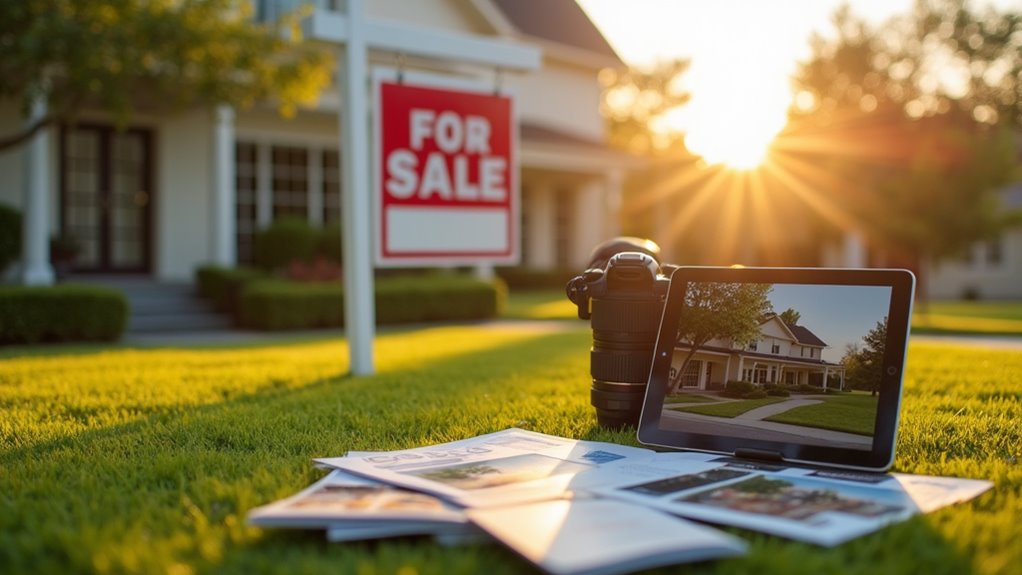
To sell your house quickly, you need to market it aggressively and professionally. Use high-quality photos, online listings, and virtual tours to attract more buyers. Partner with experienced real estate agents to maximize exposure and close the deal faster.
Professional Photography
Professional photography involves capturing high-quality images that showcase properties or subjects in their best light. A skilled photographer uses advanced equipment and techniques to create stunning visuals. Natural light, proper angles, and composition play crucial roles in professional photo shoots. The right camera settings help capture sharp details and rich colors.
Professional photographers typically charge between $100-500 per hour for their services. Most real estate photo sessions require 1-2 hours to complete. Expert photographers know how to highlight unique features while minimizing flaws.
Moreover, professional photos generate more views and faster sales in marketing materials. The investment in quality photography often leads to better results and higher returns.
Online Listings and Virtual Tours
Online listings and virtual tours showcase your home to potential buyers without in-person visits. Professional photos and immersive virtual tours provide a complete digital walkthrough experience. Clear property descriptions highlight key features and answer common buyer questions.
Digital listings with virtual tours attract 87% more views than those with photos alone. Modern buyers expect comprehensive online information before scheduling viewings. Professional real estate platforms make virtual tours accessible across mobile devices and computers.
Your listing success depends on quality visuals, detailed descriptions, and easy navigation. The right digital presentation builds buyer confidence and generates qualified leads.
Open Houses and Showings
Open houses and showings create opportunities for potential buyers to view and evaluate your property. Plan specific viewing hours between 10 AM and 4 PM to maximize attendance while respecting your schedule. Your home needs to be spotless, organized, and welcoming before any viewing begins.
Fresh flowers, natural light, and soft background music enhance the atmosphere. Moreover, effective promotion through real estate websites and local social media groups attracts qualified buyers.
A sign-in sheet helps track visitor information and capture valuable feedback. Professional photos and virtual tours on listing sites expand your reach.
Working with Real Estate Agents
A real estate agent serves as your expert guide through the home selling process. Licensed agents must follow state laws and ethical guidelines when representing clients. They handle pricing, marketing, showings, negotiations, and paperwork on your behalf.
The right agent brings local market expertise and a proven track record of successful sales. Agents must disclose all material facts about properties and document transactions properly. They coordinate with other professionals like appraisers, inspectors, and title companies.
Moreover, professional agents protect your interests during each step of the sale. They reduce stress by managing details and solving problems that arise. With their help, you can achieve better results while avoiding common pitfalls.
What Are Your Selling Options?
You need to choose the right selling method now—whether listing with a real estate agent, selling FSBO, going directly to cash buyers, or auctioning your home.
Each option has legal, financial, and time implications you can’t ignore. Act fast to pick the best strategy for your situation before market conditions change.
Traditional Real Estate Agent Listing
A licensed real estate agent provides comprehensive services to sell your home efficiently. Agents handle pricing, marketing, negotiations, and legal paperwork throughout the process. Most sellers work with agents to obtain an average of 10-15% higher sale prices versus selling alone.
The best agents bring deep local market knowledge and established buyer networks. Professional photography and staging services help showcase your property effectively. A competitive listing price, based on recent comparable sales data, attracts serious buyers within 30 days.
Active agents guide you through required disclosures and contract details for a compliant sale. Your agent’s expertise protects your interests while managing deadlines and documentation.
For Sale By Owner (FSBO)
For Sale By Owner means selling your home independently without a real estate agent. This direct approach gives homeowners full control over the sale process while saving money on agent commissions.
A FSBO seller must follow state disclosure laws and prepare detailed property statements. The process requires thorough home preparation, accurate pricing research, and strategic marketing efforts.
In Oregon, sellers must complete specific disclosure forms about the property’s condition. Professional photos, online listings, and proper documentation help attract serious buyers.
Smart negotiation skills and careful attention to legal requirements ensure a successful transaction. Moreover, this method works best for sellers who can dedicate time to manage all aspects of the sale.
Selling to Cash Home Buyers
Cash home buyers offer a quick way to sell your property without traditional real estate hassles. These buyers pay in cash and can close deals within 7-14 days. The process eliminates common delays from bank financing and appraisals.
A legitimate cash buyer will inspect your home and make a fair offer based on current market conditions. Moreover, you won’t need to make repairs or stage the property for showings.
Before accepting any offer, verify the buyer’s credentials and financial capacity. Additionally, compare offers from multiple cash buyers to ensure you receive market-appropriate value for your property.
Auction Sales
Auction sales occur when a property is sold through competitive bidding to the highest bidder. Properties typically sell within 30 days through auctions, with final closing in 14-21 days. Sellers must pay 5-10% in auction fees and commissions. The fast sale timeline appeals to sellers who need quick results.
Moreover, sellers must prepare their property for maximum appeal. A clean, well-maintained home attracts serious bidders. The auction house handles marketing, showing, and legal requirements based on state laws. As a result, auction sales work best for motivated sellers who prioritize speed over maximum profit.
What Costs Should You Budget For?
You need to be prepared for costs like real estate agent commissions, closing expenses, and repairs that can add up fast. Don’t forget moving expenses that often catch sellers off guard and eat into your profits. Budget wisely now to avoid surprises and keep your sale on track.
Real Estate Agent Commissions
Real estate agent commissions typically cost 5-6% of your home’s final sale price. A standard 6% commission splits evenly between the buyer’s and seller’s agents at 3% each. The total commission comes directly from your sale proceeds at closing. Your net profit decreases by the commission amount plus any other selling expenses.
Most agents will negotiate their rates based on market conditions and property value. Professional real estate services include marketing, showings, negotiations, and transaction management. Lower commission rates may offer fewer services or reduced support throughout the selling process. Beyond base rates, sellers can explore flat-fee services or limited-service options to reduce costs.
Closing Costs
Closing costs total between 8% to 10% of your home’s sale price. These expenses must be paid when finalizing your real estate transaction.
Five main categories make up closing costs: agent commissions (5-6%), title and escrow fees (1-2%), transfer taxes, recording fees, and miscellaneous expenses. Real estate agent commissions represent the largest portion of these costs.
Smart budgeting helps prevent financial stress at closing time. Moreover, understanding these fees allows you to calculate your actual profit from the sale.
Repairs and Renovations
Smart repairs and renovations help homes sell faster and for more money. A well-maintained property attracts serious buyers and justifies higher asking prices. Quality updates signal that a home needs minimal work.
Basic repairs should address safety issues like leaks, electrical problems, and structural concerns. Kitchen and bathroom updates deliver excellent returns on investment. Fresh neutral paint creates an inviting atmosphere that appeals to most buyers.
Essential renovations protect your investment while making the property more marketable. Focus improvements on what matters most to local buyers. Market research shows updated homes sell 20% faster than those needing work.
Moving Expenses
Moving Expenses: The average cost to move a home ranges from $1,500 to $4,300. Professional moving services and supplies create the bulk of these expenses.
A local move typically costs $200-$500 for packing materials and $1,000-$3,000 for professional movers. Transportation adds another $300-$800 for truck rental or moving van fees.
Smart planning reduces financial stress during relocation. A detailed budget prevents unexpected costs and keeps the process on track. Most importantly, proper cost estimation allows families to set aside adequate funds well in advance.
Why Consider Selling Your House for Cash?
Selling your house for cash speeds up the process, letting you close quickly without waiting for financing or repairs. You save money by avoiding agent fees and commissions, putting more cash in your pocket. Plus, with a guaranteed sale, you eliminate the risk of deals falling through at the last minute.
No Repairs Needed
A home in perfect condition can move quickly through a cash sale process. You can skip repairs entirely and proceed straight to closing. Cash buyers prefer properties that need zero work.
A typical cash sale takes 7-14 days from offer to closing. The immediate readiness of your property attracts qualified buyers with available funds. Your profit margin stays intact without repair expenses.
Therefore, pristine homes often command premium cash offers. The absence of repair requirements streamlines the entire transaction process. Buyers appreciate turn-key properties they can occupy immediately.
Quick Closing Process
The fastest way to close a home sale takes 7-14 days with a cash offer. Traditional financing closings require 30-45 days, while cash deals eliminate lender requirements and appraisals. A cash buyer can complete inspections within 48 hours.
The process starts with a clean cash offer and moves quickly to title search. Next, both parties sign required documents and transfer funds through escrow. Legal requirements include notarized deed transfer and clear title verification.
Moreover, this streamlined approach reduces stress and uncertainty. Cash transactions remove common delays from loan processing and buyer qualification steps. The simplified paperwork helps everyone complete the sale efficiently.
No Agent Fees or Commissions
Cash home sales eliminate the need to pay real estate agent commissions or fees. A typical agent commission ranges from 5% to 6% of the final sale price. Direct sales between buyers and sellers bypass these extra costs completely.
The deed transfers directly from seller to buyer with no agent involvement. This arrangement creates a faster, simpler transaction process. Real estate attorneys can handle necessary paperwork at a fraction of agent costs.
Furthermore, sellers maintain full control over negotiations and timing. The total savings often amount to $15,000 or more on a $300,000 home sale. As a result, both parties benefit from reduced transaction expenses.
Guaranteed Sale
A guaranteed sale means a company commits to buying your house if it doesn’t sell within a set timeframe. The process typically involves a 90-day listing period, after which the company purchases your home at a pre-agreed price. This agreement eliminates uncertainty and provides a firm backup option.
The main benefit lies in security and speed during uncertain market conditions. You receive a definite timeline for your sale completion. Moreover, this arrangement removes common barriers like buyer financing problems.
Companies usually offer 80-85% of current market value for guaranteed purchases. This lower price reflects the convenience and certainty provided to sellers.
Conclusion
Following this checklist will help homeowners navigate the complex process of selling their property efficiently. We understand that selling a house requires careful planning and attention to detail. At OR Home Buyers, we simplify the home-selling process for residents in Eugene and Springfield.
Our team specializes in purchasing homes throughout Oregon State, offering fair market value and quick closings. We serve homeowners in diverse communities, including Cottage Grove and Junction City. Our streamlined approach eliminates common obstacles that typically slow down traditional home sales.
We pride ourselves on providing straightforward solutions for homeowners looking to sell their properties. Our experience in the Oregon real estate market ensures a professional and efficient transaction process. When you work with OR Home Buyers, you can expect transparent communication and reliable service throughout your home-selling journey.




Hi, I’m Bob Bash, founder of OR Home Buyers, serving the Oregon community since 2017. We provide full-service real estate solutions, specializing in cash purchases for both residential and commercial properties. I started this business to help our community navigate difficult real estate situations with professionalism, ethics, and compassion.
My goal is simple: to make every client feel relieved and happy when their real estate challenges are resolved. Helping people find solutions and peace of mind is what drives me every day.