

Selling a home can be stressful, especially when your listing sits on the market for too long. Many homeowners hope for a quick sale but end up with expired listings instead. This common problem can lead to frustration and lost opportunities.
Expired listings happen for a reason, and ignoring key factors only makes things worse. Overpricing, bad photos, and poor marketing can quietly drive buyers away. If you do not address these issues early, you risk losing out on great offers.
The best way to avoid expired listings is to price your home right, present it well, and reach the widest audience. With the right steps, you can attract serious buyers and close your sale faster. This blog will show you how to prevent your listing from expiring and achieve your selling goals.
Key Takeaways
- Overpricing the property discourages buyers and often results in the listing expiring without offers.
- Poor quality listing photos and lack of staging reduce buyer interest and showing requests.
- Limited online marketing and minimal exposure drastically lower the pool of potential buyers.
- Ignoring necessary repairs signals neglect and causes buyers to move on to better-maintained homes.
- Inflexible showing schedules and unresponsive communication make it difficult for interested buyers to view the property.
Overpricing the Property
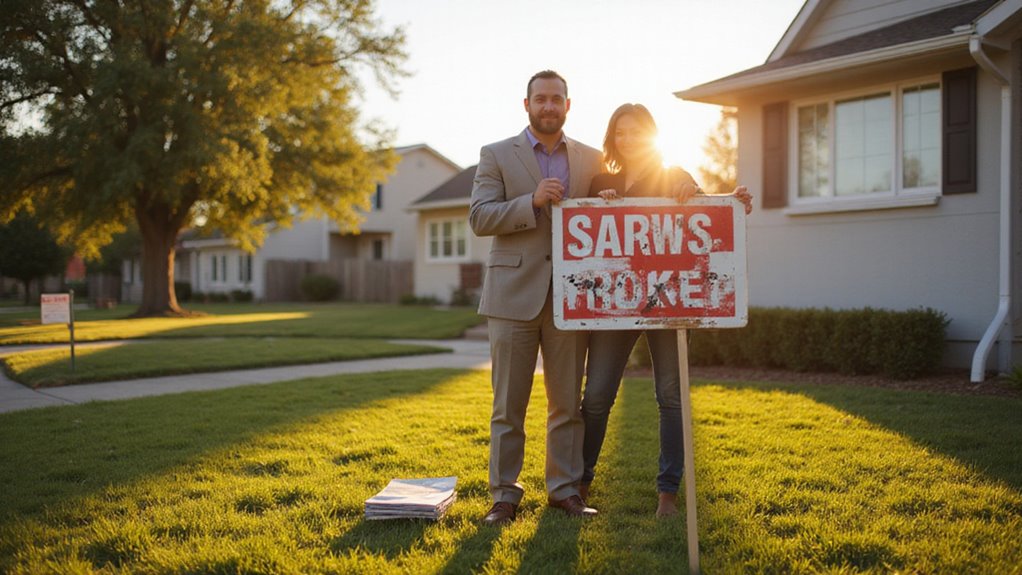
Overpricing your property is a main reason why listings do not sell. If you set the price too high, buyers will ignore it. Most buyers look at recent sales to decide what a home is worth.
Homes priced just 10% above market value get 50% fewer buyers. If you ignore local trends, your home may sit on the market too long. This can make buyers and agents think there is a problem with your property. Pricing your home incorrectly can also impact your ability to manage property and interest rates during the selling process.
You should always use recent sales data to set your price. If you compare your home to similar listings, you will know what buyers are willing to pay. Pricing your home correctly from the start can help you avoid an expired listing. In Oregon, understanding market trends is essential for setting a competitive price and attracting buyers quickly.
Ignoring Curb Appeal
Ignoring curb appeal can stop buyers from considering your home. Buyers often judge a house by its exterior first. If your home looks neglected outside, many buyers may not come inside.
Landscaping improvements can quickly increase your home’s appeal. Fresh mulch, trimmed bushes, and colorful flowers make the yard look cared for. Simple changes can create a strong first impression. Even minor upgrades to property marketability can influence the perceived value and speed of your sale.
Fresh mulch, trimmed bushes, and bright flowers are easy ways to boost your home’s curb appeal and make a great first impression.
Exterior maintenance is also important for attracting buyers. Peeling paint or dirty walkways can make buyers think the house is not well-kept. Cleaning gutters and power washing surfaces show you take care of your property.
A welcoming entryway encourages buyers to see more of the home. New door hardware and a fresh coat of paint add charm. Good lighting at the door makes the entrance inviting.
If you want more showings and offers, focus on curb appeal. Small updates outside can make a big difference in selling your home. Even enhancing curb appeal is a proven way to increase buyer interest and maximize your property’s market value in Oregon.
Poor Quality Listing Photos
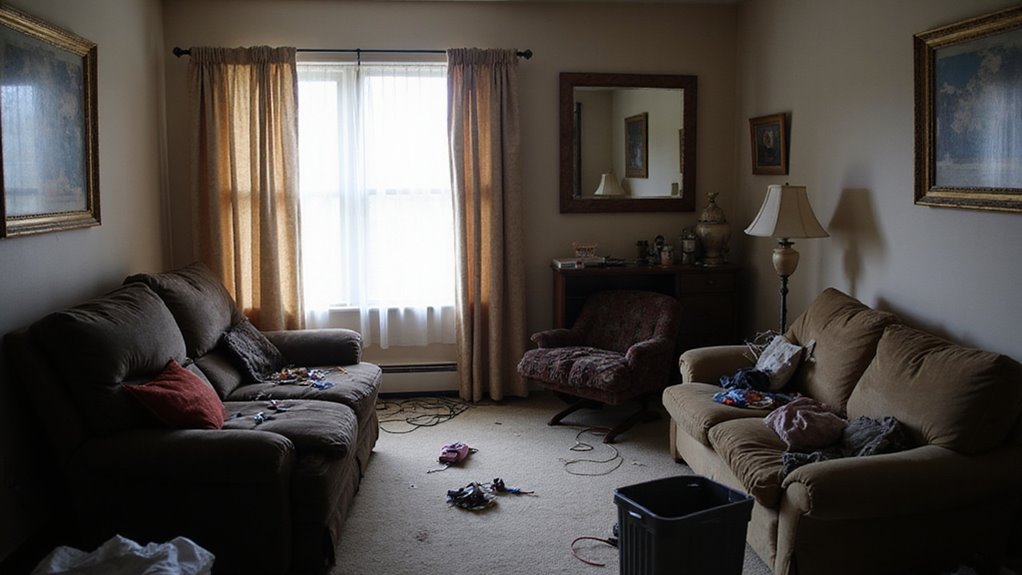
Poor quality listing photos make your property less attractive to buyers. Most buyers look at photos first when searching online. If your pictures are unclear or dark, people may skip your listing.
Professional photography shows your home in the best light. Virtual staging can help buyers imagine living in the space. If the home is empty or outdated, this method is especially useful. In Oregon’s competitive market, effective staging and marketing can deter squatters and help your property stand out.
Drone photos highlight the entire property and outdoor features. High-quality images create a strong first impression. If you use great photos, you are more likely to get more showings and a faster sale.
Buyers also pay close attention to comparable home sales when evaluating a listing, so showcasing your home with appealing photos can help it stand out against similar properties.
Inadequate Online Presence
An inadequate online presence means fewer people will see your property. Most buyers search for homes online before making a decision. If your property is hard to find online, you will get less interest and fewer offers. You should not rely only on the MLS to sell your home. Social media platforms can help you reach more people. Sharing your listing in community groups or at local events also increases visibility.
Remember, following effective marketing strategies can significantly increase the number of buyers who see your as-is property. If you want better results, you must have a strong digital strategy. Post regularly on social media, and use virtual tours or videos. Share your listing in local groups to attract more buyers. Additionally, working with specialized real estate agents familiar with unique property challenges can improve your home’s visibility and help you reach the right audience.
Limited Showing Availability
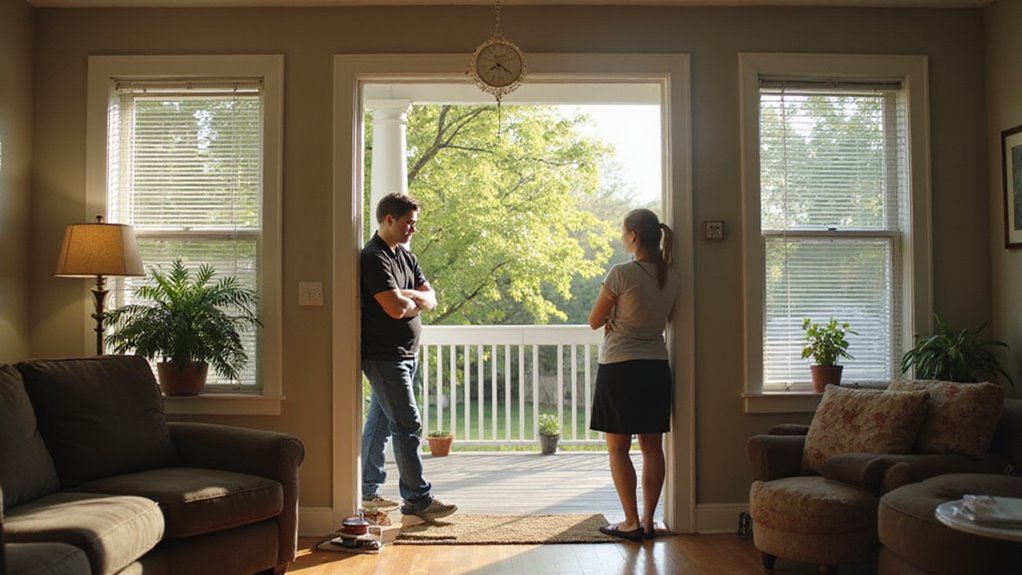
If you restrict viewing timeframes or make showings complicated, you’re cutting your buyer pool by as much as 40%, according to industry surveys. Buyers and agents want flexibility, so don’t let rigid procedures or limited access keep your home off their shortlist. Expand your availability and streamline the process to boost showings and avoid another expired listing.
In Oregon, limited showing access is a frequent but preventable reason homes fail to sell, emphasizing the importance of making your property as easy to view as possible for potential buyers. Many successful sellers in Springfield and surrounding areas understand that flexible closing dates and easy access to the property can directly impact how quickly a home moves on the market.
Restrictive Viewing Timeframes
Restrictive viewing timeframes can make it harder to sell your home quickly. Limited showing hours often reduce the number of interested buyers. Homes with strict viewing schedules usually stay on the market much longer.
If buyers cannot visit when it suits them, they may lose interest. Your schedule or your agent’s availability should not prevent showings. Virtual tour limitations can also keep serious buyers away.
You can help your home sell faster by expanding showing hours. Allowing short-notice showings gives buyers more flexibility. Coordination with your agent can ensure tours are possible on evenings and weekends.
Inconvenient Showing Procedures
Complicated showing procedures can turn away potential buyers. Buyers want an easy and quick way to schedule and view homes. If the process is hard, your home may get less attention.
Online scheduling tools make booking showings simple. Secure lockboxes give agents easy access without delays. Quick appointment confirmations also help buyers feel valued.
Virtual tours are useful if buyers cannot visit in person. Open houses allow many buyers to see the home at once. If you make it easy to view your home, you increase your chances of selling.
Lack of Flexibility
Limited showing times make it harder for buyers to see your home. If buyers cannot visit when they want, they may lose interest. Homes with few showing options often stay on the market longer.
Buyers often have busy schedules. If your home is not available to view at convenient times, they may choose another property. Flexible showing times can help attract more interest.
You should allow evening and weekend showings. Quick responses to last-minute requests increase your chances of selling. If you can, work with your agent to make access easy.
If you want more offers, consider buyer convenience. Flexibility is as important as pricing or marketing. This approach helps you reach more qualified buyers.
Neglecting Necessary Repairs
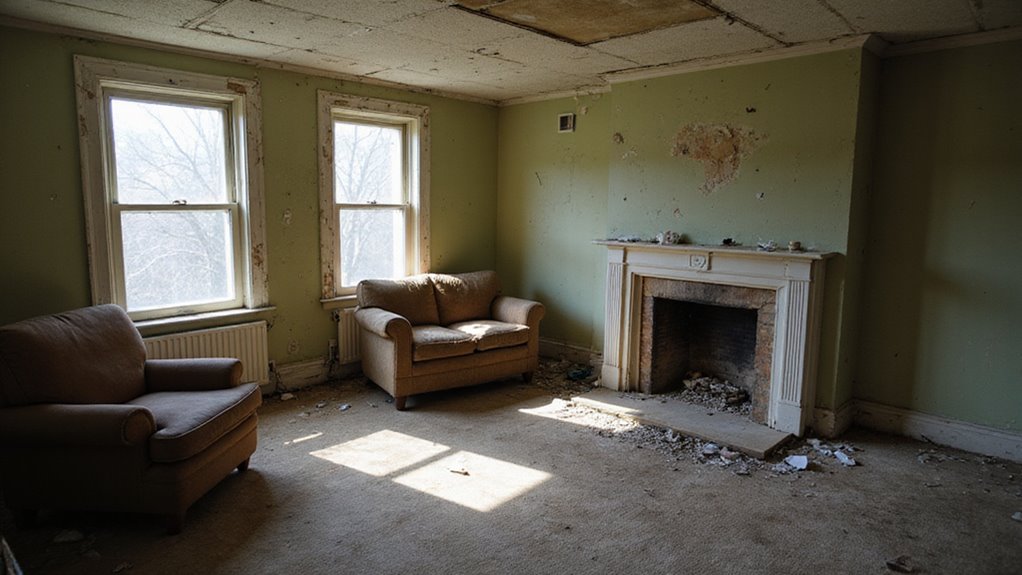
Neglecting necessary repairs makes your home harder to sell. Buyers notice visible problems and may lose interest quickly. Homes with obvious defects usually stay on the market much longer.
Unfixed issues suggest the property has not been cared for. Buyers may worry about extra costs and future trouble. If repairs are not made, your home will seem less appealing than others. If you are selling an inherited property, poor communication among heirs about repairs can also lead to delays and missed opportunities to address problems.
Fixing problems like leaks, cracks, or broken appliances before listing can help. A pre-listing inspection can show what needs attention. Handling repairs early can help you avoid lowering your price or having your listing expire. In Oregon’s humid climate, pest damage reduces home values and can result in price reductions if not addressed before putting your home on the market.
Ineffective Staging
Staging has a strong effect on how quickly and for how much your home sells. Well-staged homes often sell faster and at higher prices. Poor staging can cause your listing to expire without offers. If you want to avoid common pitfalls, consider the benefits of a hassle-free process when preparing your home for sale.
Personalized decor can distract buyers from seeing themselves in your home. If buyers cannot picture living there, they may lose interest. Neutral decor helps more people connect with the space.
Creative staging should highlight your home’s best features. If you use basic or outdated staging, buyers may overlook your property. Clean and tidy rooms make spaces look larger and more appealing.
If you want better results, keep decor simple and inviting. Remove personal items and keep each room uncluttered. You could see more interest from buyers with these changes.
When preparing your home, consider how assumable mortgage benefits might attract buyers and complement effective staging strategies.
Choosing the Wrong Agent

Choosing the wrong real estate agent can hurt your chances of selling your home. Agents without strong pricing skills may cause your home to be over- or underpriced. This mistake can lead to your home sitting on the market or selling for less. Picking the wrong agent could leave your home overpriced, unsold, or selling for less than it’s worth.
If the agent does not use recent sales data, your listing may not be competitive. The right agent will check neighborhood trends and past sales to set a fair price. You should always ask agents to explain how they set prices.
If you settle for a generic approach, you risk losing money. A skilled agent will help your home get more attention and better offers. If you want the best results, choose your agent with care.
If you’re selling a home inherited from a deceased parent, some situations—such as joint tenancy transfer—may not require probate, but an experienced agent can help you navigate these legal complexities.
Lack of Market Research
You can’t afford to ignore comparable sales data or overlook neighborhood trends if you want your listing to succeed. Properties priced without these insights consistently sit unsold or expire, costing you time and money. Analyze recent sales and local market shifts to set a price that attracts serious buyers.
Ignoring Comparable Sales Data
Ignoring comparable sales data can hurt your chances of selling your home. If you skip this step, your price may be too high or low. Buyers could lose interest, and your home might not sell.
Sellers should look at at least three recent sales in their area. These sales help set a realistic price for your home. If you ignore them, your listing could sit on the market.
It is important to adjust for differences like home upgrades or lot size. These factors can change your home’s value. A fair comparison leads to a better price.
If you watch current market trends, your price will stay competitive. Outdated data or personal opinions can put you at a disadvantage. Smart pricing attracts more buyers.
Overlooking Neighborhood Trends
Overlooking neighborhood trends can cause your listing to fail. Neighborhood changes affect how buyers see your home’s value. If you want to sell quickly, you must watch these trends.
New buildings, school rating changes, or shifting demand can change prices. Past sales alone may not reflect today’s market. Sellers should check inventory, days on market, and recent price drops.
Market reports, real estate agents, and online tools give helpful data. If you use this information, you can adjust your price and strategy. Staying updated with local trends increases your chance of a fast and successful sale.
Ignoring Feedback From Showings
Sellers who ignore feedback from showings risk letting their listings expire. Feedback gives important clues about why buyers are not interested. If sellers use this information, they can make changes and attract more buyers.
A spreadsheet or CRM helps track every comment after each showing or virtual tour. Sellers should look for patterns if the same problem is mentioned often. These issues need quick attention.
If sellers act on feedback, they can fix problems before more buyers visit. Small changes, like repairs or correcting mistakes in open houses, can make a big difference. Ignoring feedback often leads to another expired listing.
Weak Marketing Strategies
If your listing features low-quality photos or relies on just one or two advertising channels, you’re missing out on up to 85% of potential buyers who begin their search online. Powerful marketing demands professional images and a broad digital reach to attract serious interest. Upgrade your visuals and expand your advertising to boost visibility and prevent your listing from expiring.
Poor Online Listing Photos
Online listing photos are the first thing buyers see. Poor quality photos can make buyers skip your property. Good photos help homes sell faster and for better prices.
Professional photography can improve your listing. If you use clear and bright images, buyers notice your home. Virtual staging can help people picture living there.
Drone photos show the outside of your home and its location. If your property has unique features, highlight them in the photos. High-resolution images make your listing look more appealing than others.
If you want to attract more buyers, invest in professional photos. Consider technology like drone shots or virtual staging for an edge. If you avoid phone photos and clutter, you will make a better first impression.
Limited Advertising Channels
Listing your home on just one website limits your audience. Fewer advertising channels mean fewer potential buyers will see your property. Using more channels increases your chances of selling faster.
If you only rely on online listings, you miss buyers who use other sources. Social media platforms help target local buyers and create quick interest. Print ads in newspapers and magazines reach people not searching online.
Combining digital, social media, and print advertising is best. Sellers who do this see faster results. If you want to sell quickly, use every available option.
Not Adjusting to Market Conditions
Sellers must adjust their pricing and strategy when the real estate market changes. If you do not, your home may not sell. Many listings expire because sellers ignore market trends.
Data shows homes priced right from the start sell faster. You should check local sales data every week to spot trends. If new sales show lower prices, you may need to lower your price too.
Homes priced correctly from the beginning sell faster—track local sales data weekly and adjust your price if trends shift downward.
You should talk to your agent often about new market information. If the market slows down, consider changing your plan quickly. Adjusting early gives your listing a better chance to sell.
Failure to Highlight Unique Features
Many listings do not stand out because sellers overlook unique features and amenities. Buyers pay more attention to homes with special details. Highlighting what makes your property different is important.
If you have smart home technology or custom finishes, mention them clearly. Features like eco-friendly upgrades or a private pool should be described in detail. Simple descriptions do not help your property stand out.
You could mention an EV charging station instead of just a large garage. If your backyard is designed for entertaining, describe it that way. Buyers are more interested when they see how a home fits their lifestyle.
If you focus on what makes your property special, you increase interest. Listings with unique details are less likely to be ignored. Make every feature count by connecting it to real benefits for buyers.
Inflexible Negotiation Tactics
If you refuse reasonable offers or stick to rigid counteroffer strategies, you’re likely shrinking your pool of serious buyers. Data shows that sellers who ignore clear market signals often end up with expired listings and longer time on market. Stay flexible and evaluate each offer objectively to keep your sale moving forward.
Refusing Reasonable Offers
Refusing reasonable offers can hurt your chances of selling your home quickly. If you turn down fair bids, your home may stay on the market longer. Homes listed for over 60 days often sell for 5-10% less than the original price.
Buyers may think you are not willing to negotiate if you reject good offers. This can make buyers look at other properties instead. You could lose interested buyers if your home sits unsold.
Consider market trends before saying no to an offer. If similar homes are selling for less, your expectations may be too high. Feedback from showings can also help you decide if the offer is fair.
If your home has been listed longer than others, you might need to adjust your price. Waiting too long can make your listing seem less appealing. You can avoid an expired listing by staying flexible.
Rigid Counteroffer Strategies
Rigid counteroffer strategies can slow down your home sale. If you do not adjust your terms, potential buyers may lose interest. Homes with strict counteroffers often stay on the market much longer.
You should look at every offer carefully. If you are open to small changes, you may keep buyers engaged. A small compromise can help both you and the buyer.
If you are too firm, buyers might walk away. You should know your top priorities but also consider what the buyer needs. Being flexible in negotiations shows you are serious about selling.
Ignoring Market Signals
Ignoring market signals can cause your home to sit on the market longer. Serious buyers may overlook your listing if it is overpriced. Market trends and seasons affect how quickly homes sell and at what price.
If you do not watch these signals, you may miss the best time to adjust your price. Data shows homes sell 25% faster and for more money during peak seasons. Sellers who ignore these facts risk getting lower offers or none at all.
You should review sales of similar homes and update your price using current data. Monitoring buyer interest and feedback helps you spot changes in demand. If market timing changes, you may want to change your negotiation approach. Stay flexible and use data to guide your choices. If you do, your listing will have a better chance of selling.
Conclusion
If sellers want to avoid expired listings, they should avoid common mistakes. Proper pricing, good presentation, and flexible showings are important. If owners follow these steps, they can improve their chances of a sale.
If a home still does not sell, other options are available. Some homeowners may need a faster and easier solution. If you need to sell quickly, we buy houses for cash.
If you are ready to move on, contact us today. We can make a fair offer and close on your timeline. Let OR Home Buyers help you sell your house fast and simply.




Hi, I’m Bob Bash, founder of OR Home Buyers, serving the Oregon community since 2017. We provide full-service real estate solutions, specializing in cash purchases for both residential and commercial properties. I started this business to help our community navigate difficult real estate situations with professionalism, ethics, and compassion.
My goal is simple: to make every client feel relieved and happy when their real estate challenges are resolved. Helping people find solutions and peace of mind is what drives me every day.