
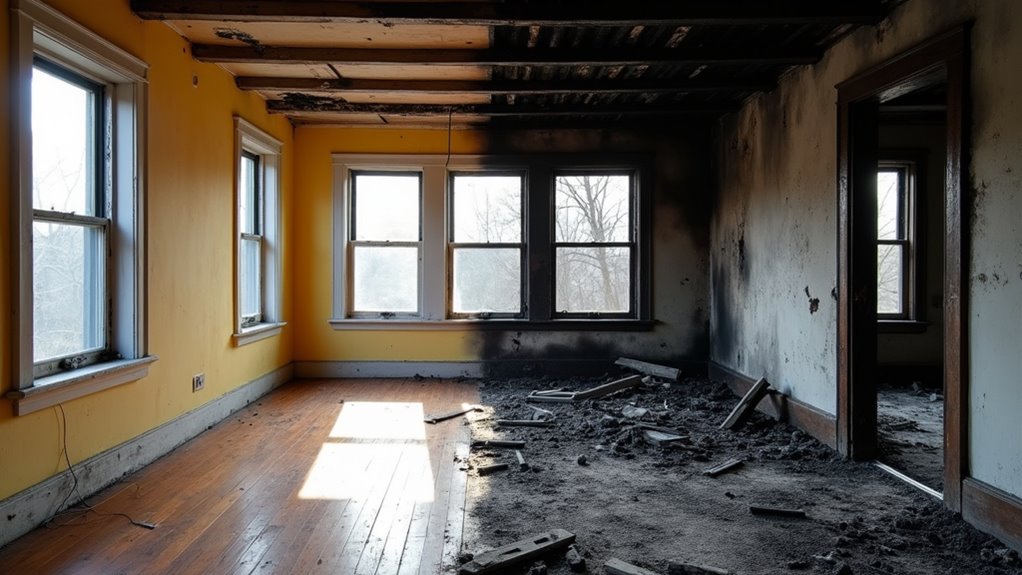
When fire destroys your home, it leaves behind devastation and tough choices. The loss feels overwhelming, disrupting your peace and stability. You must decide whether to restore or sell as-is.
This decision brings stress and uncertainty to your life. Rebuilding costs time, money, and emotional energy. Selling as-is might mean financial loss and regret. Yet, there’s a way to find clarity amidst the chaos.
Restoration or selling as-is depends on your goals and resources. This guide will help you choose wisely. Read this blog to solve your dilemma with clear, helpful advice.
Key Takeaways
- Fire damage restoration repairs property, potentially increasing market value, while selling as-is avoids repair costs but yields lower offers.
- Restoration involves high costs (3,000-50,000 dollars) and time (weeks to months), unlike as-is sales which close quickly.
- Selling as-is targets investors or cash buyers who accept repair risks, limiting the buyer pool.
- Restoration requires professional assessments and fixes for safety, whereas as-is sales disclose damage without fixes.
- As-is sales offer faster financial recovery, while restoration may provide higher returns if repair costs are managed.
Understanding the Impact of Fire Damage on Your Property
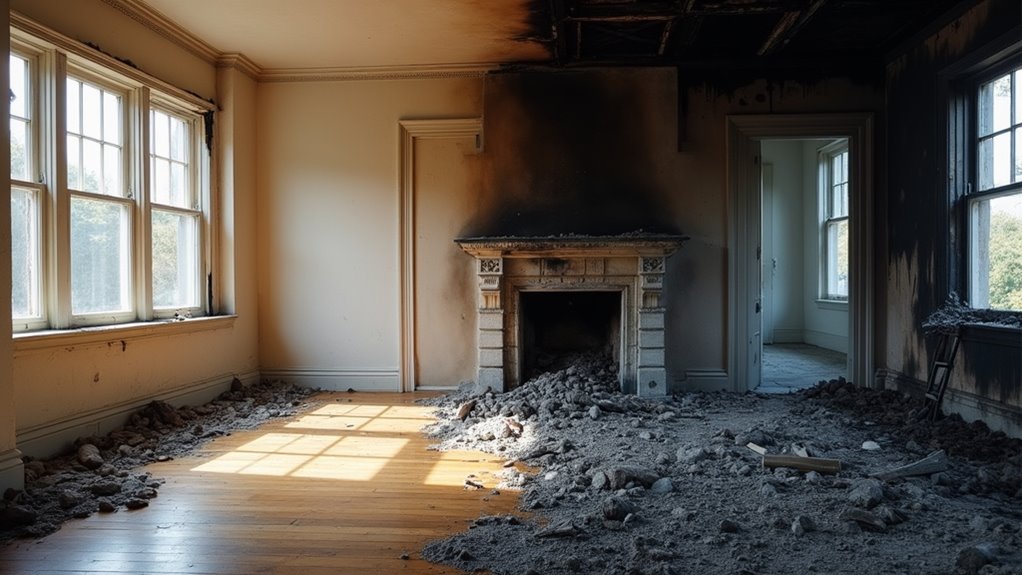
When assessing fire damage to your property, you’ll first notice the structural damage and safety concerns that can compromise the integrity of your home. Beyond the visible destruction, you’re also facing hidden threats from smoke, soot, and water contamination that can affect air quality and material durability.
Understanding these impacts is crucial as you weigh your options for restoration or selling as-is. Additionally, a professional assessment is vital to uncover hidden issues like mold that could further impact your property’s value and safety.
Structural Damage and Safety Concerns
Fire damage seriously weakens your property’s structure. Flames can harm beams, walls, and foundations with intense heat. This heat may warp materials or crack supports, reducing stability.
You might see charred wood or sagging roofs after a fire. However, hidden problems often exist beneath the surface. If ignored, these issues could pose serious risks to safety.
Assessing fire damage isn’t something you should do alone. Professional engineers must check if your home is safe to live in. Without their help, structural issues might lead to collapse.
Before restoring or selling your home, understand the safety concerns. If damage is severe, further deterioration could happen. Prioritize expert evaluation to protect yourself and others.
Smoke, Soot, and Water Contamination
Fire causes more than just structural damage to your property. Smoke, soot, and water can create serious hidden problems. If ignored, these issues could harm your health and home.
Smoke seeps into walls, furniture, and fabrics with a bad smell. It leaves harmful residues that might affect your well-being. If not cleaned, this damage can linger for years.
Soot, formed from incomplete burning, covers surfaces everywhere. It can corrode materials if left untouched for long. Professional help is needed to remove it safely.
Water from firefighting soaks your home and causes trouble. If not dried quickly, it may lead to mold growth. This can weaken structures and risk your safety.
Restoration after a fire is very important for recovery. Experts can clean contaminants and dry wet areas fast. If you act soon, long-term damage might be avoided.
What Is Fire Damage Restoration?
When you’re facing the aftermath of a fire, understanding fire damage restoration is crucial to making informed decisions about your property. This process involves a series of structured steps to repair and rebuild, which we’ll break down so you know what to expect.
You’ll also need to consider the significant costs tied to restoration, as they can impact your financial planning and ultimate choice. Additionally, restoration costs can vary widely, often ranging from 3,000 to 50,000 dollars depending on the severity of the damage.
The Restoration Process Explained
Fire damage restoration helps repair and rebuild a property after a destructive fire. This process involves several steps to restore your home safely. If damage is severe, professionals step in to assist.
First, they assess the damage to spot structural issues and soot residue. They identify areas needing urgent care. If left unchecked, small problems could worsen.
Then, experts clear debris and secure the property against further harm. They also handle water damage from firefighting efforts. If water remains, it might cause mold.
After that, repairing damaged materials like walls and floors begins. Specialists focus on restoring fixtures to their original state. If needed, they replace irreparable items.
Finally, they use advanced methods to remove odors and sanitize spaces. This ensures your home is safe and clean. If odors persist, they apply extra treatments.
Costs Involved in Fire Damage Restoration
Fire damage restoration costs can vary a lot depending on the damage level. You might spend thousands on rebuilding walls or fixing roofs. If the destruction is severe, expenses will rise quickly.
Specialized cleaning for soot and odors adds to the bill. Electrical or plumbing repairs may be needed if systems are damaged. These costs grow if hazardous materials like asbestos are found.
Temporary housing is another expense if your home isn’t safe to live in. You should carefully assess all these costs before starting repairs. If the budget fits, restoration can be a good choice.
Pros and Cons of Restoring a Fire-Damaged Property
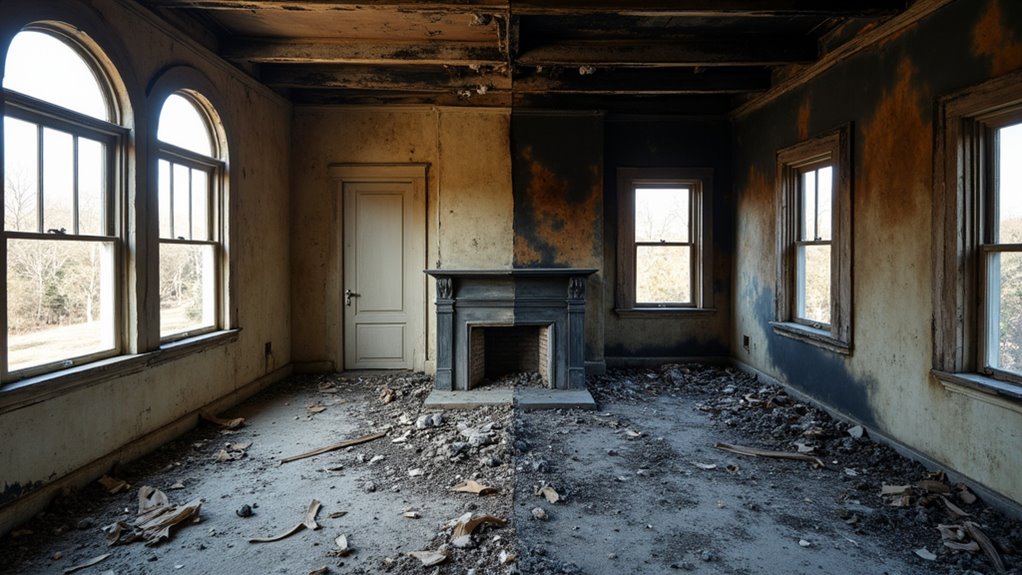
As you consider restoring a fire-damaged property, you’ll find significant benefits, such as increasing the property’s value and making it livable again. However, you must also weigh the challenges and risks, including high costs and potential structural issues that might arise during the process.
Let’s investigate these aspects to help you make an informed decision. Additionally, understanding the impact of local conditions, like expansive clay soils, can be crucial when assessing potential foundation issues during restoration.
Benefits of Restoring
Restoring a property after a fire brings many clear benefits. It helps repair all damage and can improve the home. If done well, the house could become better than before.
This process lets you keep a valuable asset in your name. Restoration might increase the property’s market value with updates. If you add modern features, buyers may pay more.
Restoring also preserves your emotional connection to the home. You avoid the pain of losing a meaningful place. If memories matter, this choice can bring comfort.
Lastly, restoration can be a smarter financial move than selling as-is. A restored home often gets higher offers. If you plan well, the outcome could be rewarding.
Challenges and Risks
Restoring a fire-damaged property involves tough choices. It requires a lot of time, money, and emotional effort. If you proceed, high repair costs and hidden damages could arise.
Selling a fire-damaged house as-is also brings challenges. You might struggle to find buyers willing to pay. Plus, legal disclosures and buyer doubts can slow the process.
Carefully weigh the financial and personal risks involved. If restoration doesn’t promise full value, selling might be wiser. Ensure your choice matches your long-term plans.
What Does Selling As-Is Mean After a Fire?
When you’re considering selling your fire-damaged property as-is, you’re opting to transfer ownership without making repairs, meaning the buyer accepts the home in its current state. You’ll need to understand the process, which often involves marketing to specific investors or buyers who specialize in distressed properties.
Let’s investigate who typically purchases these homes and how this option might work for you. It’s also crucial to be aware of Oregon’s real estate laws to ensure a smooth and legally compliant transaction.
Definition and Process of As-Is Selling
Selling a property “as-is” after a fire means offering it in its current damaged state. You make no repairs or improvements to fix the fire damage. This informs buyers they must accept all issues as they are.
Buyers will know the home has unresolved fire-related problems. If they purchase, they take on all repair responsibilities. This can affect the offers you receive significantly.
You list the property and legally disclose the fire damage. Then, negotiate with buyers based on the home’s condition. You aren’t required to fix anything, saving time.
Buyers often offer less for an as-is property. They consider the cost of repairs in their bids. If you sell as-is, expect lower price proposals.
Who Buys Fire-Damaged Properties As-Is?
Some people buy fire-damaged properties in their current state for investment. These buyers are often investors or developers. They see a chance to rebuild and profit from low-cost homes.
Cash buyers are usually the best fit for such properties. They can close deals fast without financing delays. If you sell as-is, they’ll take on all repair work.
These buyers don’t mind the damaged condition of the house. If repairs seem too costly, they’ll still buy it. You can avoid fixing costs and move on quickly.
Selling as-is targets this specific group of buyers. They handle restoration on their own terms. If you need speed, this option works well.
Pros and Cons of Selling a Fire-Damaged Property As-Is
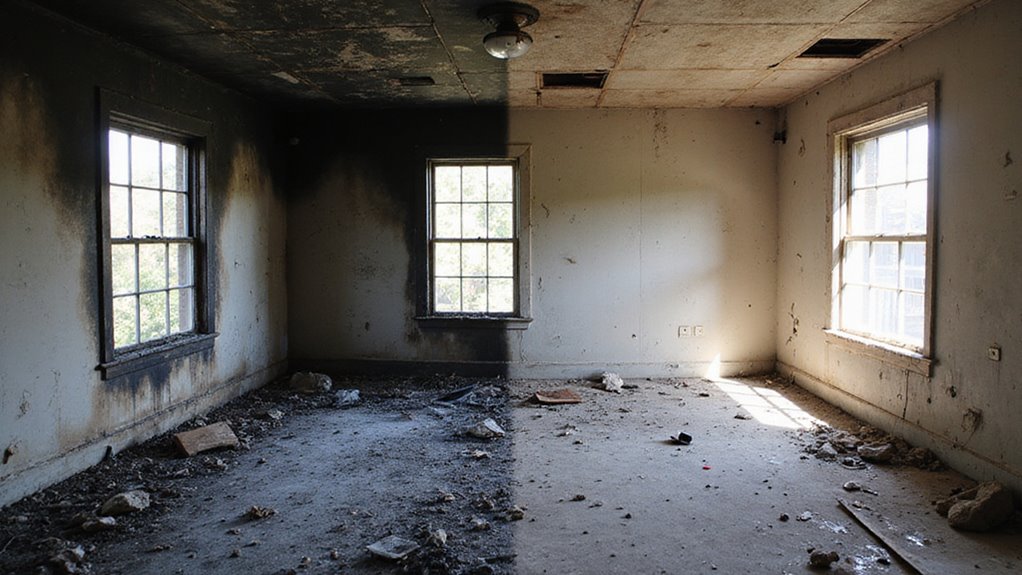
When considering selling your fire-damaged property as-is, you’ll find distinct advantages that can simplify the process, such as avoiding costly repairs and closing deals faster. However, you must also weigh the drawbacks, like potentially lower offers and limited buyer interest due to the property’s condition.
Let’s examine these benefits and limitations to help you make an informed decision. Additionally, understanding how property damage impacts buyer perception can guide your sales strategy, especially with issues like mold and water damage that may compound the challenges of fire damage.
Advantages of Selling As-Is
Selling a fire-damaged property as-is can be a smart move. It saves you from tough restoration tasks. If repairs seem overwhelming, this option works well.
This method brings a fast sale process. You could finalize the deal in just days. If speed matters, this is ideal. Repairs can drain your budget significantly. Selling as-is means no fixing costs for you. If funds are tight, this helps.
Managing renovations often feels stressful. This approach removes that heavy burden entirely. If stress is a concern, consider this.
Buyers may offer cash for quick deals. You gain immediate funds without long waits. If you need money fast, this fits. The process stays simple and clear. You skip realtor fees and tricky listings. If simplicity is key, this stands out. Choosing to sell as-is offers real benefits. It’s a practical way to move ahead. If challenges persist, this solves them.
Drawbacks and Limitations
Selling a fire-damaged property as-is has benefits, but it comes with clear challenges. Many buyers avoid such homes, fearing hidden problems or high repair costs. This can lower your selling price significantly.
A limited buyer pool often means only investors or cash buyers show interest. They usually demand big discounts on fire-damaged properties. If you don’t repair, the property might stay on the market longer.
Legal issues can also arise when selling as-is. You must disclose the full extent of fire damage to buyers. Not sharing this could lead to problems later.
Lastly, selling without repairs might save money upfront, but it has trade-offs. You could face financial losses due to low offers. If traditional buyers aren’t interested, delays are likely.
Comparing Financial Outcomes: Restoration vs As-Is Sale
When weighing your options after a fire, you must consider the potential returns from restoring the property against the net gains from selling it as-is. Restoration might promise higher profits if you invest in repairs and market the home at a premium, but it comes with significant upfront costs and time.
On the flip side, selling as-is often yields quicker cash with minimal expense, though you’ll likely accept a lower sale price. Additionally, if your property has underlying issues like pest damage, addressing them early can help maintain its market value, especially in Oregon’s humid climate. A new sentence with pest damage impact and the importance of early resolution.
Potential Returns from Restoration
Restoration of a fire-damaged property can bring good financial returns if planned well. It’s not just fixing damage; it’s an investment to raise property value. If you understand costs and market trends, you can decide wisely.
Key factors can help you maximize returns after restoration. Consider repair costs by assessing the fire damage carefully. If costs are too high, returns might be low.
Market value matters when planning restoration. Research what restored homes sell for in your area. If demand is high, you could profit more.
Time investment is another important point to think about. Restoration might take months, delaying your returns. If time is limited, selling as-is could be better.
Quality of work can boost buyer interest. Good repairs make the property more appealing. If done right, it attracts more offers.
Buyer demand plays a big role too. Restored homes often draw more interest in the market. If buyers want move-in-ready homes, restoration pays off.
Net Gains from As-Is Sale
Selling a fire-damaged property as-is provides a fast way to recover financially. You skip expensive and lengthy repairs with this choice. Still, the sale price will likely be much lower than market value.
Buyers often consider repair costs and risks when making offers. If damage is severe, expect even smaller returns. Compare these offers to restoration costs before deciding.
An as-is sale means no upfront expenses for you. However, if market demand for fixer-uppers is low, gains might shrink. Weigh speed against profit to make the best choice.
Timeline Considerations: Which Option Is Faster?
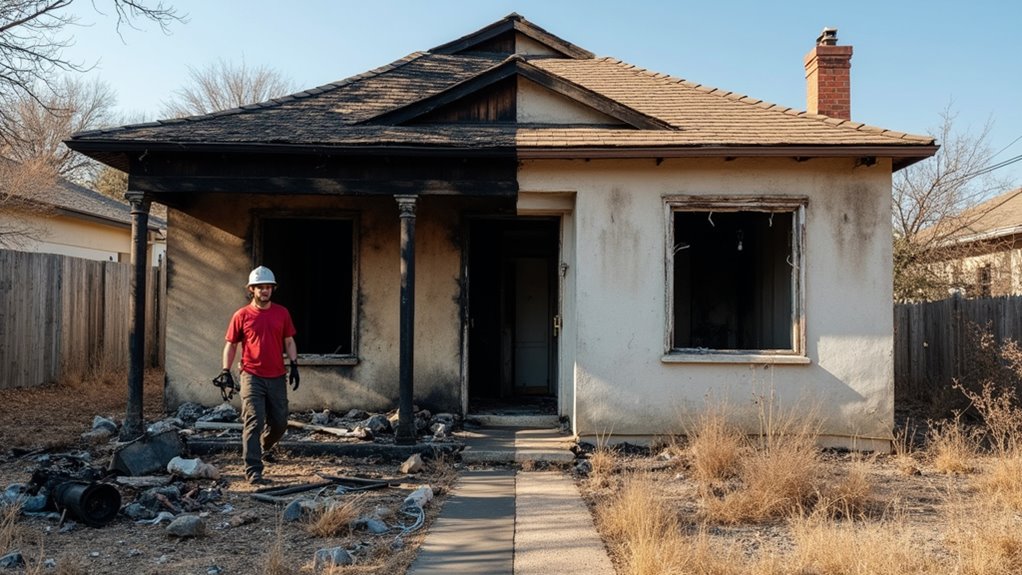
When you’re weighing the timeline of fire damage restoration against selling your property as-is, speed becomes a critical factor. Restoration often demands weeks or months, as you’ll need to coordinate repairs, inspections, and permits before your home is market-ready.
On the other hand, selling as-is can drastically cut this wait, allowing you to close a deal in days or weeks with the right buyer. Additionally, opting for a cash buyer ensures fast cash offers within 24 hours, streamlining the process even further.
Time Required for Restoration
Restoration of a fire-damaged property takes time, depending on the damage level. Minor fixes might need just weeks, while major structural issues could take months. If delays occur, you must also consider waiting for permits and assessments.
Several factors can affect the restoration timeline significantly. Damage severity can extend the process if it’s extensive. Contractor availability might cause delays if they’re booked.
Insurance claims can slow things down if approval takes time. Sourcing special materials may add extra waiting periods. If permits are needed, expect additional regulatory steps.
Restoration requires patience, so think about your urgency. If time is limited, selling as-is might be faster. Weigh your resources before deciding on restoration.
Speed of Selling As-Is
Selling a fire-damaged property as-is is often much faster than fixing it up. This option helps if you need to sell quickly. Restoration delays can be avoided by choosing this path.
Restoration takes months with contractors, permits, and inspections slowing things down. Selling as-is lets you list your home right away. You can target cash buyers or investors interested in such properties.
If speed is your priority, selling as-is matches your needs perfectly. It cuts down your waiting time significantly. You can move on without the stress of long repairs.
If you’re in a hurry, this method saves time and effort. Analyze your goals to see if it fits. Selling as-is could be the best choice for quick results.
Emotional and Psychological Factors
As you navigate the aftermath of a fire, you’re likely grappling with the emotional weight of trauma and loss, which can heavily influence your decision to restore or sell as-is. You might feel a strong motivation to rebuild, driven by a desire to reclaim your space and memories, or you could lean toward letting go to avoid prolonged stress.
Consider how these psychological factors shape your choice, as they’re often just as critical as financial or logistical concerns. Additionally, selling a damaged property can stir similar emotions tied to past memories and stability, amplifying the challenge of making a clear-headed decision.
Coping with Trauma and Loss
A house fire causes more than physical damage; it leaves emotional scars. As a homeowner, you face deep grief and trauma. This loss of security can hurt more than losing things.
The fire violates your safe haven, shaking your peace. If you ignore these feelings, healing becomes harder. You must face this pain to move forward.
Psychological effects often follow such a disaster. You might feel shock, denying the reality of loss. Anxiety could grow, fearing another tragedy.
Sadness or depression may settle in over lost memories. Anger might surface due to unfairness. If guilt arises, you may question your actions.
These emotions are normal and valid. Seek support from loved ones or professionals. Talking helps you process this tough time.
Motivation to Rebuild vs Letting Go
Rebuilding your home after a fire can show strength and hope. It often comes from loving the place and memories. If you rebuild, expect a big emotional and financial effort.
Letting go by selling the property might ease your pain. It can help you avoid the stress of rebuilding. If you choose this, you may find peace sooner.
Think about what feels right for your healing. Do you gain power from rebuilding, or calm from moving on? This choice will shape your recovery path.
Insurance Coverage and Its Role
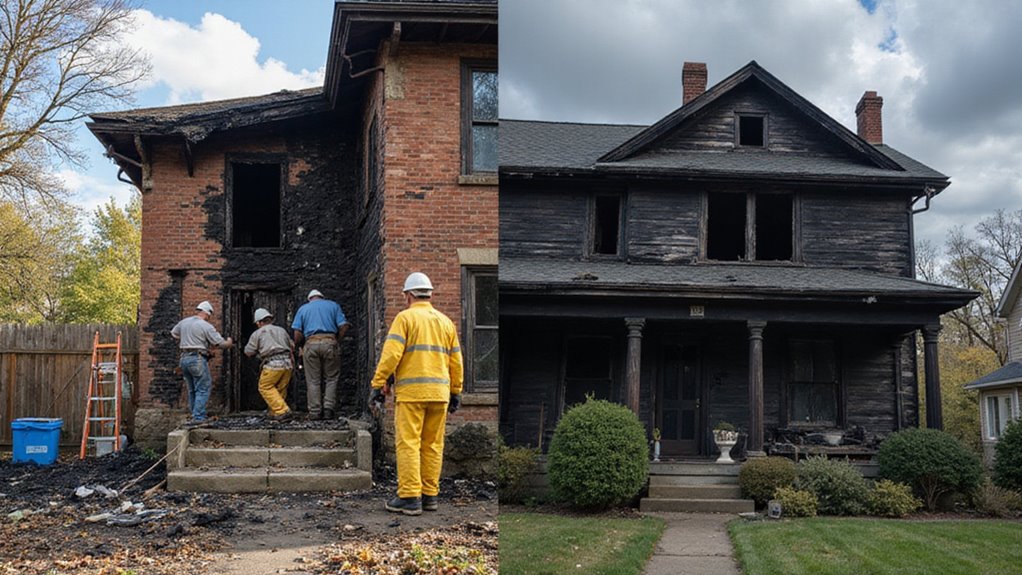
When handling the aftermath of fire damage, you’ll need to weigh how insurance coverage can shape your decision between restoration and selling as-is. If you opt to use insurance for restoration, you’re leveraging funds to rebuild, though you must consider timelines and coverage limits that might affect the process.
Alternatively, cashing out with an insurance payout and selling the property as-is could offer a quicker resolution, but you’ve got to assess if the payout aligns with market value and your financial goals.
Using Insurance for Restoration
Insurance is crucial for restoring your fire-damaged property if you have coverage. It can ease the financial strain significantly. Acting quickly ensures you get the most from your policy.
Insurance often covers the cost of repairing structures and belongings. It may also pay for temporary housing during rebuilding. Additionally, it can fund debris removal after a fire.
Insurance might finance the cleanup of hazardous materials. It can also help pay for hiring restoration contractors. If you understand policy limits, you avoid unexpected costs.
You should document all damages with photos and details. File your claim promptly to prevent delays. Reviewing policy details helps ensure a smoother process.
With the right steps, rebuilding becomes more manageable. If you act fast, recovery can happen efficiently. Insurance support makes a big difference in restoration.
Cashing Out with Insurance and Selling As-Is
Cashing out with insurance and selling your fire-damaged property as-is can ease your burden. After a fire, emotional and financial stress often hits hard. This approach offers a faster solution than rebuilding.
Insurance payouts may cover much of your loss if your policy is strong. They can provide funds to settle claims without repair hassles. Selling as-is means the buyer handles all fixes.
This strategy suits you if the payout meets your financial needs. Check your coverage to ensure you get maximum benefits. It helps you move on quickly from a tough spot.
Local Market Conditions and Real Estate Trends
As you weigh the decision between fire damage restoration and selling as-is, consider how local market conditions shape buyer preferences. You’ll need to assess the demand for restored homes, which often appeals to families seeking move-in-ready properties, against the investor appetite for as-is deals that promise quick flips or renovations.
Understanding these real estate trends can guide you toward the most profitable path in your specific area. Additionally, analyzing recent housing price trends in Oregon can provide insight into setting competitive prices for a faster sale.
Demand for Restored Homes
Many homeowners question the demand for restored homes when choosing to fix fire damage or sell as-is. Knowing local market trends can help you decide wisely. A restored home often draws buyers wanting move-in-ready options, raising its value.
Several factors affect the demand for restored homes. Buyers usually prefer homes that need no urgent fixes. If ready homes are scarce, demand can grow quickly.
Location plays a big role in this demand. Desirable areas often have more interest in restored properties. If your neighborhood is popular, restoration might pay off.
Pricing also influences buyer choices for restored homes. Restored properties often fetch higher prices in strong markets. If the economy is good, buyers may pay more.
Lastly, check your local real estate data for clarity. If restoration matches market needs, it could be a smart move. This step helps ensure a better outcome.
Investor Appetite for As-Is Properties
Investors often see as-is properties as opportunities in today’s market. Their interest depends on local real estate trends. If demand is high, they grab these homes for quick profits.
In a seller’s market, investors like the low cost of damaged properties. They plan for fast flips or rentals after repairs. If inventory is low, their enthusiasm grows.
However, in a buyer’s market, investors may hold back. They worry about long holding times or costly renovations. If risks seem high, their interest drops.
To gauge demand, check your area’s housing data. Look at price trends and days on market. This helps you position your property well.
Legal and Disclosure Requirements
When selling a fire-damaged property, you must navigate the legalities to ensure compliance with local and state regulations. Understand that full disclosure is critical; you’re obligated to share details about the extent of the fire damage and any repairs attempted with potential buyers.
Failing to meet these requirements can lead to legal repercussions, so prioritize transparency to protect yourself and the transaction. Additionally, in Oregon, complying with disclosure requirements ensures that all known material defects are revealed to potential buyers, maintaining trust and avoiding future complications.
Legalities of Selling a Fire-Damaged Property
Selling a fire-damaged property involves important legal rules you must follow. If you ignore these, disputes or lawsuits may arise. Always disclose fire damage to buyers as required by local laws.
You should research local rules about selling properties after disasters. If unsure, consult a real estate attorney for guidance. This helps ensure you meet all legal standards.
Check if permits were needed for any past repairs. Also, review zoning laws that could impact the sale. If undisclosed damage exists, liability issues might occur.
Stay aware of these legal points to protect yourself. If you comply, risks can be minimized. Knowledge is key to a smooth sale.
Full Disclosure: What Must Be Shared with Buyers?
Selling a fire-damaged property requires full disclosure to buyers. Most state laws demand you reveal any fire damage. This transparency is both ethical and legally necessary.
You must share details about the fire, like when it happened. Include the extent of damage and any repairs done. Buyers deserve to know the property’s history for informed choices.
If you hide this information, legal issues may arise. A sale could be voided due to non-disclosure. Always document facts accurately to avoid problems.
Honesty helps build trust with potential buyers. It also protects you from future disputes. Check local laws for specific disclosure rules.
Working with Professionals: Restoration Experts vs Real Estate Agents
When dealing with fire damage, you’ll need to decide whether to work with restoration experts or real estate agents, and finding reputable fire restoration companies is critical if you’re leaning toward repair. Make sure you research their credentials, reviews, and past projects to ensure they can handle the scope of your property’s needs.
If selling as-is feels more practical, choosing the right real estate professional with experience in distressed properties can make a significant difference in securing a fair deal.
Finding Reputable Fire Restoration Companies
After a fire, finding a trustworthy restoration company is vital. Research firms with experience in handling house fire damage. They should assess damage accurately and offer a clear recovery plan.
Check their credentials to ensure reliability and expertise. Look for IICRC certifications or other industry standards. If certified, they likely meet high professional guidelines.
Ask for references from past clients to gauge performance. Their feedback can reveal the company’s quality of work. If reviews are positive, you can trust them more.
Verify that the company has proper liability insurance. This protects you from unexpected costs during restoration. If uninsured, avoid partnering with them.
Evaluate their response time since quick action matters. Fires cause ongoing damage, so delays can worsen issues. If they respond fast, recovery starts sooner.
Finally, compare quotes from multiple companies for clarity. Getting several estimates helps you understand fair pricing. If quotes vary widely, question the differences.
Choosing the Right Real Estate Professional
Selling a fire-damaged property requires a skilled real estate professional. You need someone who understands fire damage challenges. They should explain the property’s value to buyers clearly.
Look for an agent with experience in similar sales. If they have sold damaged homes before, that’s a plus. Their expertise can help target the right buyers.
Check if they connect with consultants for repair cost insights. This transparency can build trust with potential buyers. A good agent will guide you well.
Don’t hurry when selecting your professional. Interview several agents to find the best fit. If they understand your needs, success is likely.
With the right expert, your property’s appeal will grow. They can help secure a fair deal quickly. Your choice matters for a smooth sale.
Tips for Making the Right Decision
When deciding between fire damage restoration and selling as-is, start by assessing your personal priorities and long-term goals to determine what aligns best with your future plans.
Next, carefully evaluate the costs, time, and stress levels associated with each option, as these factors can significantly impact your decision. By weighing these elements, you’ll gain clarity on the path that suits your unique situation.
Personal Priorities and Long-Term Goals
Your personal priorities and long-term goals often guide the choice between restoring a fire-damaged property or selling it. Think about what truly matters to you in this decision. If preserving memories is key, restoration might be your path.
Consider how much you value the emotional bond with the property. Are you focused on financial security or growth? This choice should match your broader life plans.
Ask yourself if rebuilding fits into your future dreams. Can you commit to the effort it will take? If not, selling could be wiser.
Weigh these factors to make a decision that feels right. Your deepest hopes should shape this important step. Ensure it aligns with your vision.
Evaluating Costs, Time, and Stress Levels
Restoring a fire-damaged property costs a lot due to repairs, materials, and labor. Selling as-is means a lower price but no upfront expenses. If you lack funds, selling might be the better choice.
Restoration takes months and can delay your future plans. Selling as-is usually closes much faster. If time is critical, selling could save you delays.
Managing restoration with contractors and insurance is very stressful. Selling as-is shifts the burden to the buyer. If stress is a concern, selling might feel easier.
Analyze costs, time, and stress to decide wisely. If resources are limited, selling could be more practical. Choose what fits your mental well-being and situation.
Real-Life Case Studies and Scenarios
As you weigh the options between fire damage restoration and selling as-is, let’s examine two real-world examples that highlight different outcomes. Consider a homeowner’s successful restoration journey, where strategic repairs boosted property value beyond expectations.
Then, look at a profitable as-is sale to an investor, where a quick transaction outweighed the hassle of renovations.
A Successful Restoration Journey
Fire damage restoration is a powerful process that rebuilds homes after devastating flames. With the right steps, anyone can turn a ruined structure into a safe space. If you start with a clear plan, success becomes achievable.
Assessing the damage is your first crucial task. You must check for structural issues right away. If weaknesses are found, address them promptly.
Hiring expert teams ensures proper repairs. Specialists can fix electrical and plumbing systems safely. If you choose skilled workers, risks are minimized.
Using fire-resistant materials is a smart choice for rebuilding. These materials help prevent future damage. If you select wisely, safety improves.
Managing timelines keeps the project on track. Set clear deadlines for each restoration phase. If delays happen, adjust plans quickly.
Controlling the budget is equally important. Monitor all costs to stay within limits. If overspending occurs, revisit your plan.
Your restoration journey can motivate others. Sharing your story spreads hope and ideas. If you succeed, inspire someone else.
Profitable As-Is Sale to an Investor
Selling a fire-damaged property as-is to an investor can be a smart financial move. If repairs feel overwhelming, investors often provide a quick solution. They usually offer fair cash deals for homes in any condition.
Investors assess damaged properties with a focus on hidden value. If you choose this path, you might avoid costly renovations. A homeowner once sold their burned house in just two weeks.
This sale brought a good cash offer without any repair stress. If timelines worry you, this option saves time. Immediate funds can turn a loss into a gain.
To maximize returns, compare offers from local investors carefully. If you research well, you could secure the best deal. This strategy helps make the most of a tough situation.
Conclusion
Deciding between fire damage restoration and selling as-is requires careful thought. If you restore, you may increase value but will need time and money. If you sell as-is, you gain speed but often at a lower price.
Should you need a fast solution, we buy houses for cash, even with fire damage. If timelines or budgets are tight, this option can ease your stress. We aim to make the process simple and fair for you.
If you’re ready to move forward, reach out to us at OR Home Buyers. We can help assess your situation quickly. Contact us today for a no-obligation offer!




Hi, I’m Bob Bash, founder of OR Home Buyers, serving the Oregon community since 2017. We provide full-service real estate solutions, specializing in cash purchases for both residential and commercial properties. I started this business to help our community navigate difficult real estate situations with professionalism, ethics, and compassion.
My goal is simple: to make every client feel relieved and happy when their real estate challenges are resolved. Helping people find solutions and peace of mind is what drives me every day.