

Buying a home is a big decision, but code violations can make it even harder. These issues may include faulty wiring, unpermitted additions, or unsafe structures. Buyers often worry about hidden problems that could cost more money later.
These violations can quickly turn a dream home into a risky investment. They may lead to expensive repairs, lower resale value, and trouble getting a loan. Many buyers feel overwhelmed and unsure of what steps to take next.
Buyers evaluate homes with code violations by carefully weighing the risks, repair costs, and potential rewards before making an offer.
You can make a smart choice by understanding each violation and its impact. Careful research and planning will help you avoid costly mistakes. This blog will guide you through the process so you can buy with confidence, even if code violations are present.
Key Takeaways
- Buyers assess the type and severity of violations, prioritizing safety and structural issues over cosmetic or minor code breaches.
- They estimate repair costs by obtaining contractor bids and reviewing inspection reports to determine total investment needed.
- Buyers consider how violations affect financing and insurance eligibility, as many lenders and insurers require issues to be resolved before closing.
- Comparable sales and neighborhood trends are analyzed to gauge how violations impact property value and resale potential.
- Full disclosure and documentation of existing violations and repairs are required for legal protection and informed negotiation.
Understanding Different Types of Code Violations
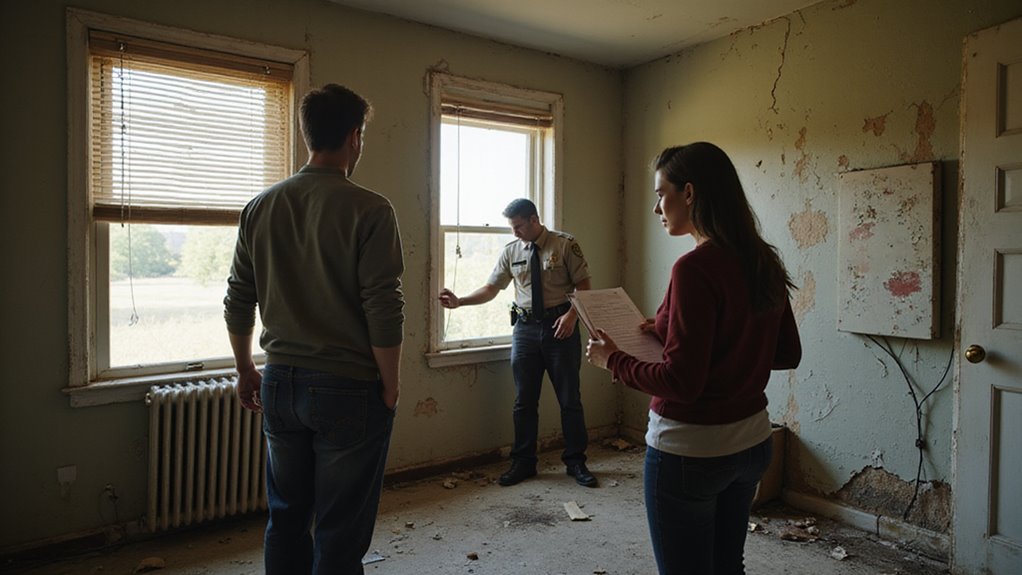
Code violations are problems in a home that break local building rules. These can affect safety, costs, and resale value. Knowing the types of violations helps you make better decisions. Code violations in a home can impact safety, expenses, and resale value, making it important to understand and identify them early.
Common code violations include old wiring, bad plumbing, or missing smoke detectors. Unauthorized changes to the house are also violations. Each issue can impact your investment in a different way. When selling, it’s important to understand how title issues might combine with code violations to complicate the closing process.
A home inspection is needed to find hidden violations. If you skip this step, you might face safety risks or legal trouble later. Cities often give fines or demand repairs for even small problems.
Understanding code violations lets you plan for repairs and negotiate prices. It also helps you know possible future costs and risks. If you want to avoid surprises, learn about these issues before buying. Sellers in Oregon must also consider the effects of code violations on home value and marketability when evaluating a property, as these issues can influence pricing and buyer interest.
Assessing the Severity of the Issues
To assess the severity of property issues, first decide if problems are minor or major. Major issues often affect safety or investment value. Minor issues might only affect appearance.
Safety violations, like faulty wiring or weak structures, should get your attention right away. These can harm occupants and require expensive repairs. If they exist, fix them first. In Oregon, addressing structural issues is especially important, as unresolved problems can impact both market value and legal compliance.
Visible defects may lower the home’s appeal. While they can turn off buyers, they are usually less important than safety problems. Cosmetic issues can often wait.
If a violation affects compliance or safety, treat it as urgent. Other issues, such as worn paint, are non-urgent. Always consider if a problem will lower the home’s value or make it harder to sell.
Additionally, understanding Oregon’s real estate regulations is crucial when evaluating code violations, as compliance can directly impact both the property’s marketability and legal obligations during the sales process.
Estimating Repair Costs
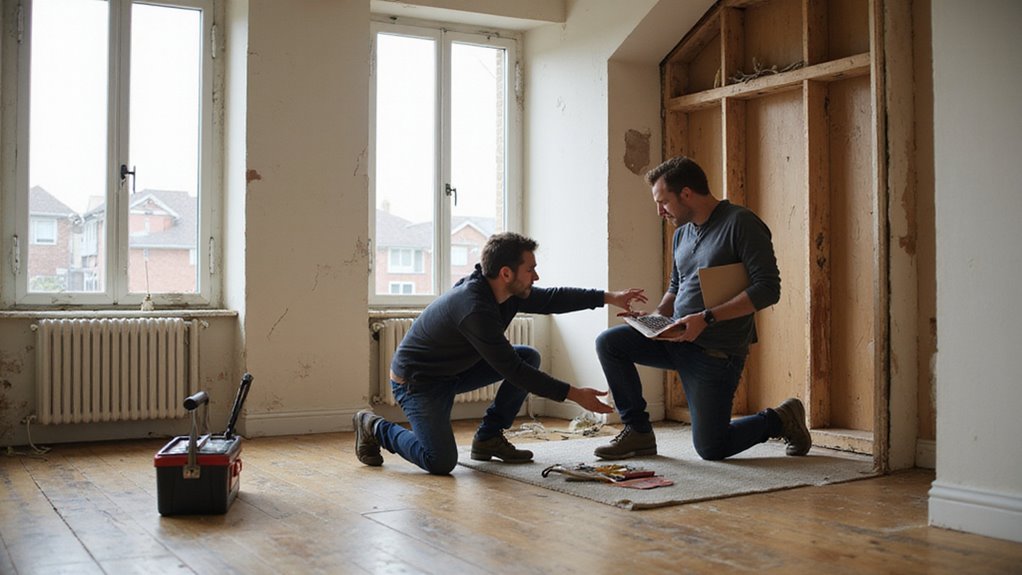
You need to know the repair costs before buying a home with code violations. Get written estimates from contractors for each problem. Include both material and labor costs in your calculations.
Before buying a home with code violations, get written estimates for repairs including both labor and materials to avoid surprises.
Review city records and inspection reports to find all violations. Do not trust only what you see during tours or in photos. Hidden issues can be missed if you skip this step. Understanding property disclosure requirements in your area can help you identify potential liabilities that may not be immediately visible.
Check local market prices for repairs, as costs change by area. If repairs involve structure or safety, expect higher expenses. Delays or extra costs can happen with difficult fixes.
If you know the full costs ahead of time, you can negotiate better. This preparation helps you avoid financial surprises after buying. Plan carefully to protect your investment.
When estimating repairs, remember that certain fixes might trigger state-specific rules or additional compliance requirements, which could further impact your budget.
Evaluating the Impact on Property Value
When you assess homes with code violations, you need to account for immediate market price adjustments, as these properties often sell below comparable homes. You’ll gain significant negotiation advantage, since most buyers factor in the hassle and expense of repairs. Always ensure your offer accurately reflects both current repair costs and the long-term impact on market value.
Buyers and investors should also be aware that environmental and safety concerns can further affect property marketability and reduce its value. In some cases, understanding the probate process in Oregon can be crucial when evaluating homes with code violations, especially if the property is inherited and subject to state-specific regulations and timelines.
Market Price Adjustments
Market price adjustments happen when code violations affect a property’s value. The actual impact depends on several important factors. These factors include the type of violation, local market conditions, and the cost to fix problems.
Serious violations, such as major safety issues, usually cause bigger price drops. If a market favors sellers, price cuts might be small. In a buyer’s market, price reductions are often larger.
High repair costs can lead to greater price adjustments. Appraisers may lower a home’s value if violations are not fixed. This can make it harder to get a mortgage.
Negotiation Leverage Gained
Code violations give buyers an edge in negotiations. Buyers can ask for a lower price if a property has violations. Sellers know they may need to fix issues or accept less money.
Appraisers lower property values when violations exist. The discount depends on how serious the violations are. This helps buyers get better deals.
If buyers see visible violations, their confidence may drop. Sellers might then agree to more buyer requests. Understanding violations helps buyers negotiate better terms.
Repair Costs Considered
Assessing repair costs is important when a home has code violations. These costs help you find the real market value. If you ignore them, you might pay too much or face problems later.
Buyers should consider both visible and hidden damages. Some repairs are small, while others could be expensive and affect your decision. Sellers must also fix code issues to avoid penalties or delays.
If you are buying, start by getting a professional inspection. If the inspection finds violations, ask licensed contractors for repair estimates. Use these estimates to compare the home’s value with similar houses in the area.
Some repairs may be required by law before you can live in or sell the home. If you do not meet these rules, you could face fines or delays. Make sure you understand all costs to avoid future risks.
Considering Financing Challenges
Code violations make it harder to get a loan for a property. Lenders see open violations as a risk to their investment. Most will not approve a loan until these issues are fixed. Open code violations pose a risk to lenders, making it difficult to secure a loan until those issues are resolved.
Appraisers and underwriters note code violations during inspections. If problems exist, they usually must be resolved before closing. In Oregon, unaddressed code violations can also lead to price reductions exceeding treatment costs during negotiations. If not, loan approval is unlikely.
Buyers and sellers often have to fix violations before the sale. Many standard loans, including FHA and VA, will not fund homes with open violations. If violations remain, you may need expensive alternative loans.
Hard money loans are sometimes an option, but they have higher costs and stricter rules. If you face code violations, know the risks and added steps. Planning ahead can help you decide if the property is worth the effort.
In Oregon, full disclosure requirements apply to properties with fire damage or code violations, so buyers and sellers must provide complete documentation of any issues and repairs before a sale can proceed.
Checking Insurance Implications

When a home has code violations, you face a real risk of insurance coverage denial or substantial premium hikes. Insurers may also require full disclosure of violations, directly affecting your eligibility and costs. Understanding these factors is crucial, as they can significantly impact both your budget and your insurability in today’s market.
Buyers in Springfield often work with properties in all conditions, so even homes with code violations can still attract offers. Additionally, being aware of Oregon’s real estate market trends can help you anticipate how code violations might influence buyer interest and speed of sale.
Coverage Denial Risks
Insurance companies may deny coverage if a home has code violations. They see these issues as signs of future problems. If you want insurance, the house must meet safety standards.
If you buy a home with violations, your lender may not offer a mortgage. You could also pay much higher insurance costs. Some insurers may refuse to cover important risks.
A failed inspection can slow down the buying process. Insurance delays often stall closing dates. You might lose the chance to buy the home.
Unresolved violations can cause problems with future claims. Insurers may deny claims if the home has a record of safety issues. Always check for code violations before making an offer.
Premium Increase Potential
Homes with code violations will usually have higher insurance premiums. Insurers consider these homes riskier because of safety or structural concerns. The cost can rise quickly, especially with electrical, plumbing, or fire safety violations.
Insurance companies may ask for a detailed inspection of the property. If the appraisal shows problems or a lower value, your premium will likely increase. These extra costs can make your home less affordable compared to similar properties.
You should always include these higher insurance costs in your budget. If you ignore them, you could end up spending more than planned. Make sure to understand these risks before buying a home with code issues.
Disclosure Requirements Impact
Disclosure rules can change your insurance choices and risk level. Insurers review code violations you disclose when deciding your coverage. If you follow these rules, you can avoid coverage problems.
Insurance companies often ask for all legal disclosures before offering a policy. If you hide code violations, they may deny your claim later. Complete and honest disclosures help you avoid legal trouble after buying a home.
Honest disclosures can lead to more accurate insurance prices. Sometimes, this means higher costs, but you will know what is covered. If you meet all disclosure requirements, you are less likely to face policy exclusions.
Reviewing Local Building Codes and Regulations
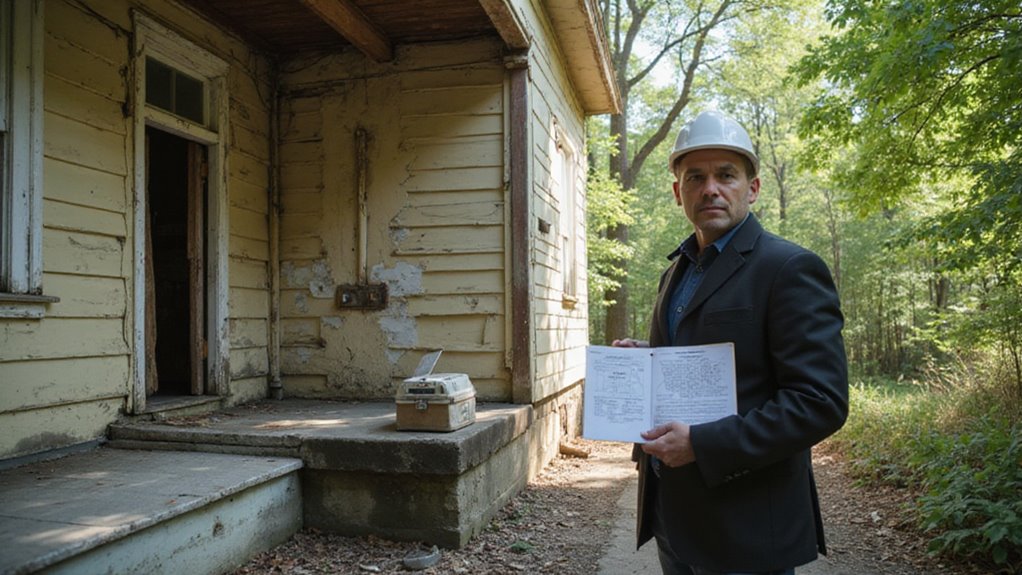
You must review local building codes and regulations before checking a property with code violations. These rules tell you what repairs are needed and what is allowed. Different cities may have different standards for things like electrical systems or old buildings. Reviewing Oregon’s real estate market conditions can also help you anticipate unique local requirements and plan your budget for repairs accordingly.
If you look at past code enforcement and zoning cases, you can spot possible problems early. Historical data may show patterns in how rules are applied. This can help you plan for any updates the property needs.
The table below shows how each rule affects your purchase and the market:
| Regulation Type | Impact on Purchase | Market Consideration |
|---|---|---|
| Building Codes | Changes project size | Raises repair costs |
| Zoning Variances | Limits use or growth | Affects resale value |
| Historical Data | Shows enforcement | Predicts new rules |
Knowing the rules lowers your risk and helps you negotiate better. Additionally, buyers interested in as-is cash buying can benefit from understanding how code violations are handled locally, as this may affect the speed and terms of a sale.
Consulting With Contractors and Inspectors
Consulting with contractors and inspectors helps you understand the full extent of property code violations. Contractors give repair estimates, while inspectors point out hidden issues. Both provide important information for your decisions.
A home inspection identifies structural, electrical, and safety problems. Contractors then estimate the cost and time needed for repairs. If you want accuracy, use licensed professionals familiar with code rules.
Compare bids from different contractors and check their references. You should review both the inspector’s report and the contractor estimates. This process helps you decide if the property is a good investment.
If you follow these steps, you can negotiate better and avoid surprise costs. Careful planning leads to more confident investment choices.
In Oregon, understanding legal requirements and addressing any liens or violations before listing the property is essential for a smooth sale process.
Weighing Legal Risks and Liabilities
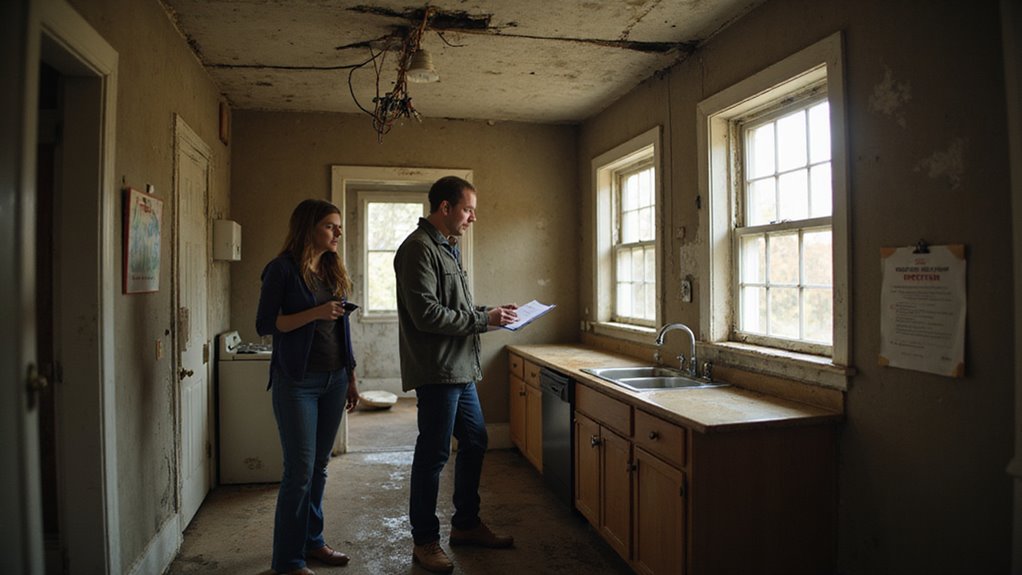
You need to account for powerful fines and penalties that can significantly impact your investment returns. It’s also critical to examine how existing violations might affect your ability to secure or maintain insurance coverage on the property. By understanding these legal and financial liabilities, you’ll make more informed decisions and protect your bottom line.
Assessing Fines and Penalties
Fines and penalties for code violations can be costly. These may include large fines, daily charges, or even legal action. If you ignore fines, interest can add up over time.
Buyers should check the property’s code enforcement history for past violations. Outstanding fines and penalties should be included in your investment calculations. If the city offers penalty reduction programs, you might save money.
You should talk with local officials before buying the property. They can explain the total amount owed and any legal problems. If you understand these risks, you can make a safer decision.
Evaluating Insurance Implications
Properties with code violations can make it hard to get insurance. Insurers may charge higher premiums or limit your coverage. If you want affordable insurance, you must address any code issues first.
Insurance companies often look for signs of poor maintenance. If they find violations, they may exclude some risks from your policy. Some insurance claims can be denied until you fix the problems.
You may need to schedule extra inspections if your property has violations. If someone is injured, liability risk increases. Consider these factors before you buy a property with code issues.
Factoring in Timeline for Repairs
A realistic repair timeline is important when dealing with code violations. It helps you plan your budget and investment. If you miss deadlines, your costs and plans can be affected.
A home inspection will show all problems and violations. Contractors can give you repair estimates and timeframes. These steps let you know how long repairs might take.
Local permits may take longer than you expect. If permits are delayed, your repairs will also be delayed. Always check the process before starting work.
Code compliance should be your top priority. If you ignore it, you could face extra fines or legal trouble. Proper planning helps you avoid costly surprises.
Analyzing Neighborhood and Market Trends
You need to assess how recent comparable sales reflect the market’s perception of homes with similar code violations. Pay close attention to shifts in local demand, as increased buyer interest or waning enthusiasm can directly impact value and resale prospects. Track neighborhood investment patterns, since ongoing improvements or neglect in the area will influence both short-term risk and long-term appreciation potential.
Comparable Sales Impact
Comparable sales strongly affect a home’s market value, even if there are code violations. You should check recent sales of similar homes nearby. This will help you see how much code issues change the price.
If homes with violations sell for much less, violations lower value. Compare these sales to those without violations for a clearer picture. If violations are common, the price drop may be smaller.
You should also learn about local code enforcement. If the area is strict, buyers expect homes to be in good shape. When enforcement is relaxed, buyers may accept more problems.
Always estimate what repairs will cost. Subtract this cost from your offer or valuation. If repairs are expensive, the home’s value drops more.
Local Demand Shifts
Neighborhood demand affects how much code violations impact a home’s value. High demand may make buyers ignore minor violations. Low demand gives buyers more power to negotiate repairs or lower prices.
If the market is slow, even small violations can turn buyers away. Sellers should pay attention to local trends and buyer behavior. Strong demand makes home staging more important to highlight the property’s best features.
Tracking days on market and sale price ratios helps measure the impact of violations. If buyer activity is high, violations may matter less. Market conditions shape how buyers view code issues.
Neighborhood Investment Patterns
Neighborhood investment can reduce the effect of code violations on home values. If people are fixing up homes nearby, buyers may worry less about minor issues. You should look at how much improvement is happening before judging a home’s risks or rewards.
If many homes are being renovated, the area is likely improving. Higher sales prices for repaired homes show buyers trust the neighborhood. Community programs that clean up the area can help keep property values stable.
Low vacancy rates mean people want to live there, even if some homes have problems. If these trends continue, home values may rise over time. Always check these patterns before making real estate decisions.
Negotiating With the Seller
When buying a home with code violations, you must negotiate carefully. These homes often bring extra risks and repair costs. You should approach the seller with clear facts about the property’s problems.
Gather repair estimates and compare prices with homes that have no violations. This information shows the seller the true costs involved. If you have strong data, your negotiation will be more effective.
Request seller concessions, such as a lower price or repair credits. Sellers may fix the problems before you close the deal if you ask. In a busy market, sellers might agree rather than lose the sale.
Make your offer conditional on a full inspection. This step protects you from surprise issues. Use clear paperwork to support your requests and strengthen your position.
Planning for Future Resale
A home with code violations can be harder to sell later. Buyers may worry about past problems, even after repairs. If you want a smooth resale, you should prepare early.
Keep records of all repairs you make on the property. You should also get final inspection reports to prove the issues are fixed. These documents can help reassure potential buyers.
If homes like yours have had violations, check how they sold in the market. Real estate experts can guide you on the best way to increase your home’s value. If you follow these steps, you can improve your chances of selling successfully.
Deciding When to Walk Away
Walk away if a property has serious code violations, especially structural or safety issues. Major problems often lead to high costs and long delays. If repairs are too expensive or risky, the property may not be worth it.
Inspection reports and contractor estimates help reveal the true costs. Repairs that remove potential equity or create future problems should be avoided. If negotiations become difficult or repair terms are unclear, consider leaving the deal.
Your time and money are important. Properties that fit your budget, timeline, and comfort with risk are better choices. Stepping back can protect your investment and help you find better opportunities.
Conclusion
If buyers consider a home with code violations, they should carefully assess the risks and costs. They need to review repair estimates, compare similar property prices, and understand any financing challenges. If the investment makes sense, they might find a valuable opportunity.
If buyers feel uncertain or the repairs seem overwhelming, it may be wise to walk away. Being cautious can help avoid expensive mistakes. Smart buyers always analyze every detail before making a decision.
If you want to sell a house with code violations, we buy houses for cash. OR Home Buyers can make the process quick and simple. Contact us today to see how we can help you move forward.




Hi, I’m Bob Bash, founder of OR Home Buyers, serving the Oregon community since 2017. We provide full-service real estate solutions, specializing in cash purchases for both residential and commercial properties. I started this business to help our community navigate difficult real estate situations with professionalism, ethics, and compassion.
My goal is simple: to make every client feel relieved and happy when their real estate challenges are resolved. Helping people find solutions and peace of mind is what drives me every day.