Many homeowners overlook code violations when they assess property value. These violations can be hidden or seem minor but have serious effects. Buyers and sellers often do not realize the impact until it is too late.
Code violations create uncertainty and fear for buyers. They may worry about safety, expensive repairs, or legal problems. Lenders may also refuse financing, which makes it harder to sell the property. Code violations lower property value by making homes harder to sell and more expensive to fix.
You should always check for violations before selling or buying. Fixing these issues early will protect your investment. This blog will guide you through understanding and solving code violation problems to protect your property’s value.
Key Takeaways
- Code violations lower property value by increasing perceived risk and repair costs for buyers and appraisers.
- Unresolved violations can lead to tax liens, legal penalties, and difficulty in selling or refinancing the property.
- Properties with violations attract fewer buyers, leading to lower offers and longer time on the market.
- Lenders and insurers may deny financing or coverage for homes with unresolved code violations.
- Persistent violations in a neighborhood can reduce overall area property values and slow market appreciation.
Understanding Code Violations in Real Estate
Code violations in real estate are more common than people think. Not every property listed for sale follows local laws. Buyers must check for compliance before purchasing.
Building codes protect safety and require specific construction standards. Zoning rules control how you can use the property, like for homes or businesses. If a property fails these rules, owners may face fines or repair orders. Sellers should be aware that unresolved title issues can also complicate transactions and affect the property’s marketability.
Lenders and insurers often refuse to work with non-compliant properties. Legal or financial problems can follow if you ignore code issues. Checking for code compliance protects your investment. Understanding the impact on home value caused by unresolved code violations is essential when considering buying or selling property.
Common Types of Code Violations Found in Homes
Common code violations in homes include unsafe wiring, poor plumbing, and outdated smoke alarms. These issues can make homes unsafe and lower their value. If repairs are required, property taxes may also increase.
Early attention to pest problems or structural code violations can further protect your investment and help avoid costly price reductions during a sale. Unsafe wiring, bad plumbing, and old smoke alarms are common violations that can put your home’s safety and value at risk.
Other violations often involve changes made without permits, like turning a garage into a living space. Zoning rules can be broken if these changes do not follow local laws. Homeowners should always check rules before making big changes.
Structural problems, such as damaged roofs or weak foundations, are also common. Inspectors often find these during a home sale. Even small problems, like missing handrails or unsafe windows, can cause trouble.
If you know about these issues, you can fix them early and avoid bigger costs. Regular home checks help protect your investment. Paying attention to Oregon’s real estate regulations and completing necessary repairs before selling can maximize your property’s value and help prevent unexpected setbacks during the sales process.
How Code Violations Are Identified
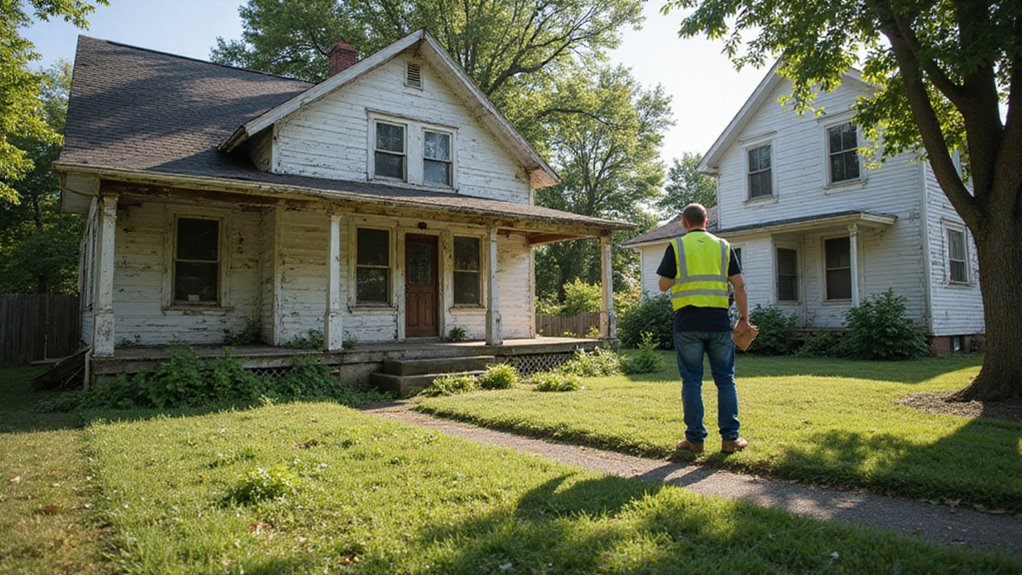
Local authorities or certified inspectors look for code violations by checking if a property follows local building rules. They compare the property’s current state to official codes. If something does not match, it is marked as a violation.
Inspectors search for work done without permits, such as renovated rooms or additions. They also check if the property follows zoning rules, including land use and building height limits. Zoning compliance helps make sure the property fits local requirements. Inspectors may review whether the property is affected by equitable distribution guidelines if a sale is connected to a divorce, as this can influence both ownership and sale conditions.
Inspectors use checklists, review records, and look at the physical property for problems. If you want to buy or sell a home, you should know about these checks. Any code violation found can lower the property’s value or make it harder to sell. Properties with extensive repairs required due to issues like fire damage or unpermitted work often see greater reductions in value and increased difficulty during the selling process.
The Role of Local Authorities and Inspections
Local authorities are responsible for checking if properties meet local rules and safety standards. Their inspections can affect your property’s value and how easy it is to sell. If they find problems, it may become harder to sell or refinance your property. In some cases, inspections may reveal that your property has features such as assumable mortgage status, which can be a selling point if marketed correctly.
Inspections usually happen for specific reasons like complaints, permit requests, or regular checks. Officials look for issues and write down any problems they find. If there are violations, these are recorded and can be seen by buyers and lenders.
If your property has code violations, these records can worry potential buyers or banks. Owners who fix issues early may avoid problems later. Staying prepared helps protect your property’s value and reputation. In some cases, unresolved violations can also impact inheritance tax rules if the property is transferred through a trust after the owner’s death.
Immediate Financial Impacts of Code Violations
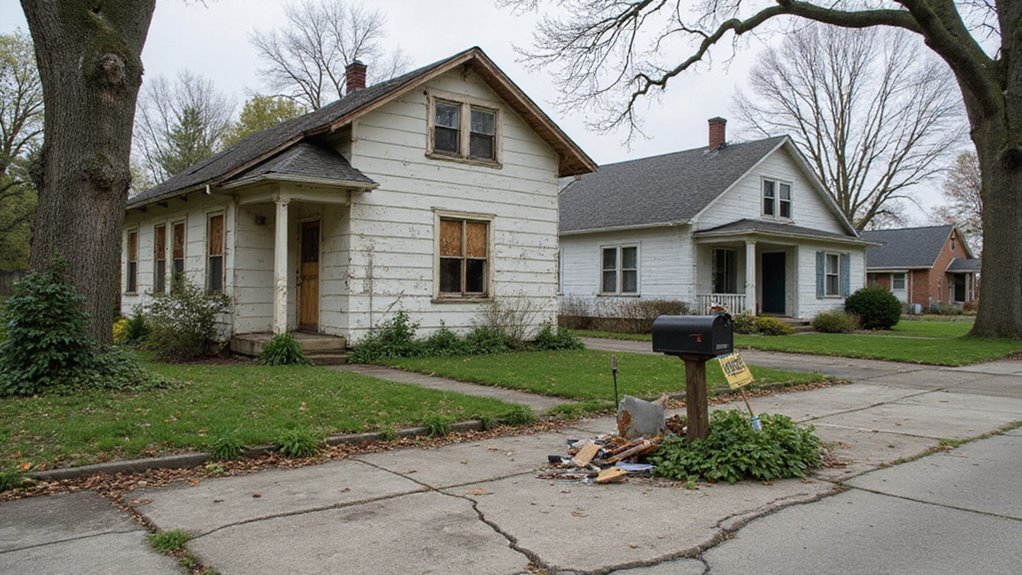
When your property has code violations, you face immediate expenses from mandatory repairs and potential municipal penalties. These added costs can strain your budget and quickly erode any expected profit from a sale. Additionally, unresolved violations often signal to buyers that there may be hidden problems impacting sale value, further discouraging serious offers and possibly reducing the property’s marketability.
At the same time, buyers often lose interest in properties with unresolved violations, making it harder for you to attract serious offers. Understanding Oregon’s real estate laws can help you anticipate which violations require disclosure and how they might impact negotiations with potential buyers.
Repair Costs and Penalties
Code violations can quickly lead to high repair costs and extra penalties. If you do not fix problems fast, you must pay more. City officials often require immediate action to avoid fines.
Mandatory repair costs happen when you must hire licensed workers. Their fees are usually higher during urgent repairs. Bringing your property up to code can cost more if you delay.
Cities also charge daily fines until you resolve violations. If you ignore the issue, these fines pile up quickly. Each official inspection or re-inspection comes with added fees.
If you wait to address violations, your total expenses will increase. Quick action helps keep costs lower. It is always better to fix problems before they get worse.
Reduced Buyer Interest
Code violations can make your property less appealing to buyers right away. Buyers see these issues as extra costs and possible legal problems. This often makes them hesitate or lose interest.
Some buyers may worry about future repairs or fines if they buy your home. They might also expect higher property taxes after fixing violations. If this happens, you will have fewer interested buyers.
Fewer buyers usually means lower offers and a longer selling process. Buyers who remain may want big discounts. Fixing violations before selling helps attract more buyers and protects your investment.
Influence on Appraisal and Market Value
Code violations lower both appraisal and market value of a property. Appraisers must consider the cost and risk of fixing these issues. If a property does not meet codes, its value usually drops.
Appraisers subtract the estimated cost of repairs from the property’s value. If a property has violations, buyers may see it as risky. Lenders might also offer fewer financing options in such cases. Code violations can also affect home sale preparation, as sellers may need to address repairs to attract potential buyers.
If violations are minor, the property can still lose value. Market value drops because buyers expect extra costs or legal problems. Non-compliant properties are less attractive in the market.
In some cases, tax liens may be imposed if property taxes or code-related fines go unpaid, further reducing the property’s appeal and value.
Challenges for Buyers in Dealing With Violations
When you consider purchasing a property with code violations, you face unexpected repair expenses that can quickly intensify beyond your initial budget. Lenders and insurers may also view these violations as red flags, making it harder for you to secure favorable financing or coverage.
It’s important to recognize that foundation issues in Oregon often stem from unique soil and climate conditions, which can add complexity and cost to repairs. Understanding these challenges is crucial to making an informed investment decision. Additionally, buyers should be aware that local real estate laws can further complicate the process, as compliance issues may delay sales or increase costs during negotiations.
Unexpected Repair Expenses
Unexpected repair expenses can quickly increase your costs after buying a property with code violations. These surprise costs often appear after the purchase, not during your first inspection. If you do not plan for repairs, your investment may lose value.
Hidden problems, like damaged pipes or faulty wiring, might only be found after you start repairs. Some old systems may need complete replacement instead of a simple fix. Local rules can also force you to make expensive upgrades if your property does not meet current standards.
Financing and Insurance Hurdles
Lenders and insurers do not like properties with code violations. They see these homes as risky and may refuse loans or insurance. If you want to buy such a property, you will face extra hurdles.
Most banks will only approve your loan if all violations are fixed. Insurers often require the property to meet current codes before offering coverage. If you do not fix the violations, you may not get a mortgage or insurance.
You must clear any code issues and provide proof to lenders and insurers. Sometimes, they will ask for extra inspections before approval. These steps can delay your purchase and make it more complicated.
Effects on Mortgage Approval and Financing
Code violations on a property can make getting a mortgage harder. Lenders see these violations as signs of possible risk or extra costs. If a home has violations, you may not get the loan or only get less favorable terms.
Lenders may offer higher interest rates to cover their risk. They could also deny your mortgage application if the violations are serious. Some lenders might require you to fix the problems before you can get the loan.
If you address code violations early, you protect your chances of getting good financing. Fixing issues can also help avoid delays in the mortgage process. Always check for violations before applying for a loan. In some cases, professional inspections and timely remediation can help assure lenders that any underlying problems—such as mold or water damage—have been properly addressed, improving financing options.
Insurance Implications for Properties With Violations
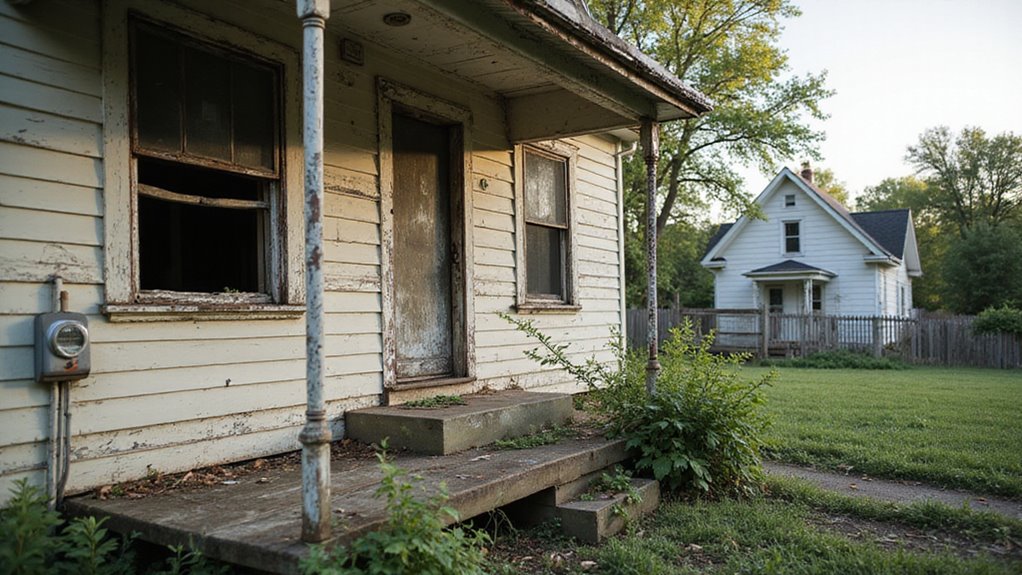
Unresolved code violations make it harder to get property insurance. Insurance companies see these properties as higher risks. They may deny coverage or charge higher prices.
If you already have insurance, your company might change your policy. They could raise your deductible or limit your coverage. Sometimes, they may even cancel your insurance if you do not fix the violations.
Code violations suggest your property could have safety or structure problems. This increases the chance of claims for fire, water, or injury. Fixing violations quickly helps you keep good insurance and avoids extra costs.
Negotiation Power and Buyer Perception
Unresolved code violations can weaken your position during property negotiations. Buyers often see these violations as risks and extra costs. If code issues affect the title deed, your power to negotiate drops further.
Buyers might question if your title deed is valid. They can view zoning disputes as long-term problems that may limit future use. If faced with violations, buyers may offer less or ask you to fix problems before closing.
Serious buyers often use violations to negotiate lower prices. They may calculate repair costs and reduce their offer. If you cannot resolve issues, your bargaining power will suffer.
Code violations do not just reduce property value. They can also make negotiations much harder for you. If you want a smooth sale, it is best to fix these problems first.
Legal Risks and Potential Penalties
You face serious legal risks when a property has unresolved code violations. Expect fines, lawsuits, and even liens that could lead to foreclosure if you don’t address these issues promptly. Each penalty not only increases your financial burden but also threatens your control over the property.
Fines and Monetary Penalties
Local governments often charge fines for property code violations. These fines can get bigger if you do not fix the problem soon. Unpaid fines can cause significant financial problems.
Fines may increase daily or weekly if violations continue. Extra administrative costs are also common. Some cities place liens on properties until all fines are paid.
If you fix violations quickly, you can avoid higher penalties. Resolving issues early protects your property’s value. If you plan to sell, clearing violations will make the process easier.
Litigation and Legal Action
Cities may take legal action if property owners do not fix code violations. You could get sued or receive a court order to comply. These actions often increase your legal costs and put your property investment at risk.
If code violations involve zoning issues, you may face long court cases. Zoning disputes can require a lawyer and may take months or years to resolve. Such problems can make your property less attractive to buyers and lenders.
Unresolved legal issues from code violations can lower your property value. Future sales or loans may become difficult. Fixing violations early helps you avoid these legal problems.
Liens and Foreclosure Risks
Cities and towns can place liens on your property if you do not fix code violations. A lien is a legal claim that can make it harder to sell or refinance your home. If you ignore these liens, you may face foreclosure and could lose your property.
Liens become public records, warning buyers and lenders about possible legal issues. They can also add interest and penalties, making your debt grow over time. If you resolve liens quickly, you lower the risk of bigger problems.
Property liens reduce your home’s value and hurt its marketability. Unpaid liens must be cleared before you can sell or refinance. If you do not act, the municipality may take legal steps to sell your home and recover the debt.
Costs and Timelines for Bringing Properties Up to Code
Fixing code violations takes both money and time. Costs depend on how serious and widespread the problems are. If repairs are major, you may spend much more.
You might also pay for inspections, permits, and late fees if you delay. These costs can affect your total expenses. If repairs improve your property, your property taxes might increase.
Long repair projects can make your property less attractive. If the area looks neglected, it can hurt neighborhood appeal. This can lower your property’s value or slow investment returns.
Strategies for Addressing and Preventing Violations
Effective strategies can help you fix and prevent code violations. Property inspections and quick action can stop issues before they grow. These steps protect your property value and help with smooth future sales.
Regular inspections help you catch problems early. If you find an issue, address it right away to avoid larger fines. Inspections also help you stay ready for any official checks.
Stay updated on local zoning and tax laws. Changes in these rules can affect your property. If you miss a change, you might break a rule without knowing.
If you are unsure about the rules, ask a professional for help. Contractors, lawyers, or property managers can guide you. Professionals make sure your property meets all local requirements.
Long-Term Impact on Neighborhood Property Values
When you allow code violations to persist in your neighborhood, you reduce its overall appeal and discourage potential buyers. This sustained neglect doesn’t just hinder individual property values—it also slows down market appreciation across the entire area. Over time, you’ll see less investment and a noticeably decline in neighborhood desirability.
Decreased Neighborhood Appeal
Multiple code violations make a neighborhood look less attractive. This can lower the desire for people to live there. If problems continue, it may affect the whole area.
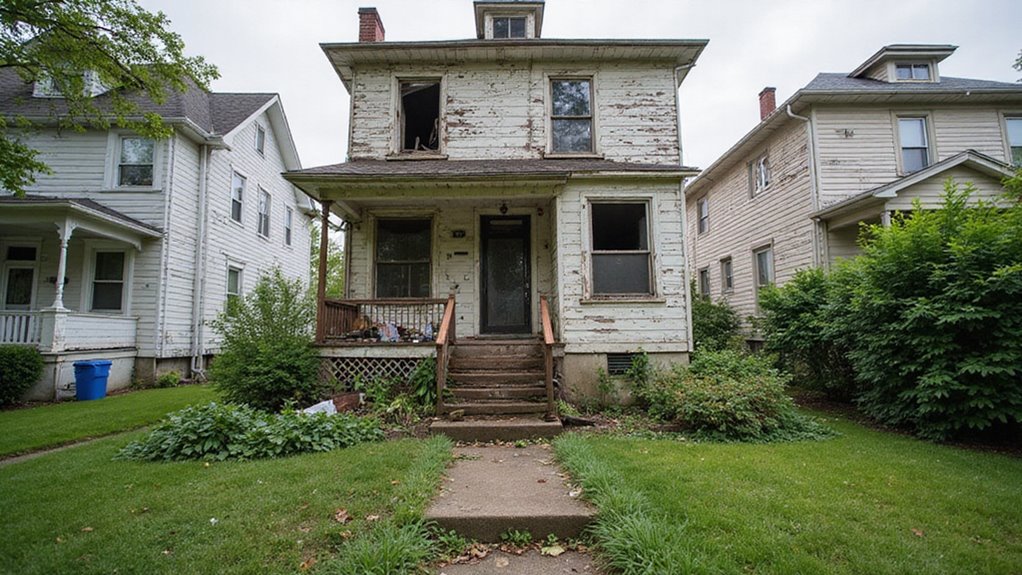
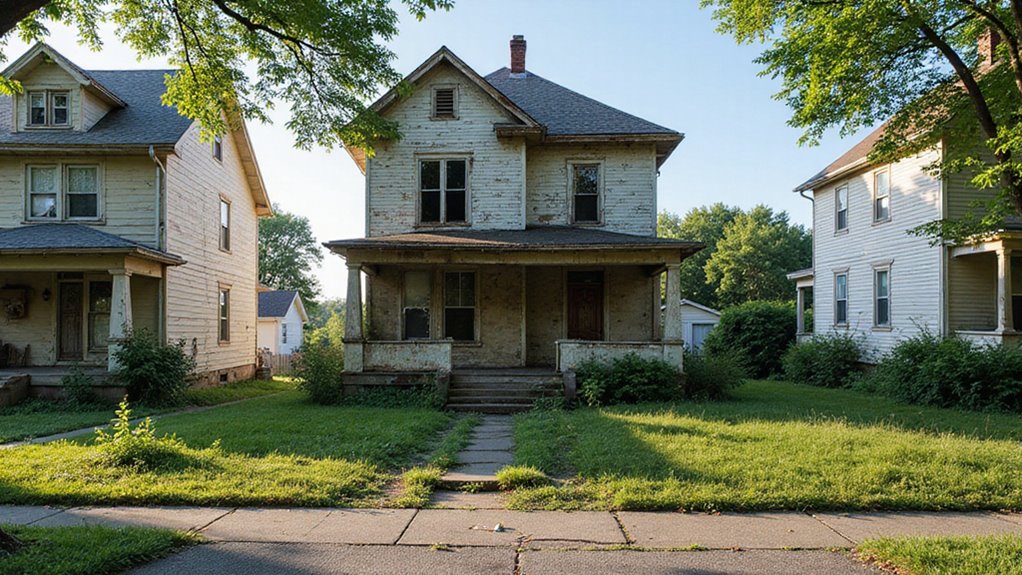
Neglected homes, such as those with peeling paint or overgrown yards, reduce curb appeal. Current residents may feel less motivated to improve their homes. Prospective buyers could avoid the neighborhood because of poor upkeep.
Lower neighborhood appeal can lead to lower property values. People may feel less safe if standards are not maintained. Investment in the community might decrease if conditions do not improve.
Slower Market Appreciation
Code violations in a neighborhood can slow down how much property values grow. Buyers and investors may avoid areas with many unresolved issues. This makes it harder for properties to gain value over time.
If zoning problems continue, new construction can be limited. Ignoring historical rules may lower chances for grants. Frequent code violations may cause buyers to back away.
Other homes nearby can also lose value, even if they have no violations. The whole neighborhood may get a bad reputation for not following rules. If these issues are not fixed, your property may build equity more slowly.
Fixing code violations early helps protect your investment. Addressing problems quickly can support better growth in property values. Taking action now helps you avoid bigger issues later.
Conclusion
If you address code violations quickly, you can maintain your property’s value and avoid costly penalties. Regular upkeep and immediate repairs will help protect your investment. If you delay, your home may lose value and become harder to sell.
If you are facing code issues and want to sell, we can help. We buy houses for cash, even with code violations or needed repairs. OR Home Buyers makes the process simple and stress-free.
If you want a fast and fair offer, contact us today. We are ready to buy your house as-is. Let OR Home Buyers help you move forward without worries.




Hi, I’m Bob Bash, founder of OR Home Buyers, serving the Oregon community since 2017. We provide full-service real estate solutions, specializing in cash purchases for both residential and commercial properties. I started this business to help our community navigate difficult real estate situations with professionalism, ethics, and compassion.
My goal is simple: to make every client feel relieved and happy when their real estate challenges are resolved. Helping people find solutions and peace of mind is what drives me every day.