
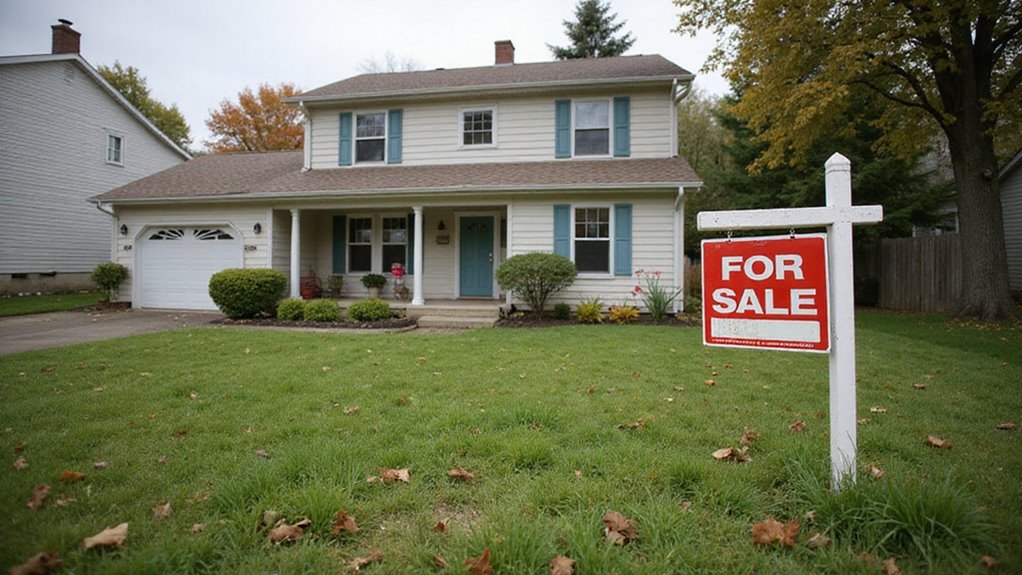
When your home doesn’t sell and ends up as an expired listing, it can hurt your home’s value and reputation. Buyers may question why your property didn’t sell and wonder if there are hidden problems. This situation can quickly make your home less appealing in a competitive market.
An expired listing often sends a negative message to future buyers. They may believe the price is too high or the home has issues. This can lead to fewer showings, lower offers, and a longer selling process. Expired listings can lower your home’s value by making buyers more cautious and reducing your bargaining power.
The good news is you can take steps to avoid this problem. Proper pricing, strong marketing, and the right agent can make a big difference. This blog will show you how to keep your home from becoming an expired listing and protect its market value.
Key Takeaways
- Expired listings signal overpricing or issues, causing buyers to question the home’s value and offer less.
- Multiple expired listings in a neighborhood can reduce overall property values and market confidence.
- Extended days on market due to expiration weaken a seller’s negotiation leverage and attract bargain seekers.
- Appraisers may lower a home’s valuation if nearby homes have repeatedly expired without selling.
- Homes with repeated expirations develop a negative reputation, making future sales more difficult and often requiring price reductions.
What Is an Expired Listing?
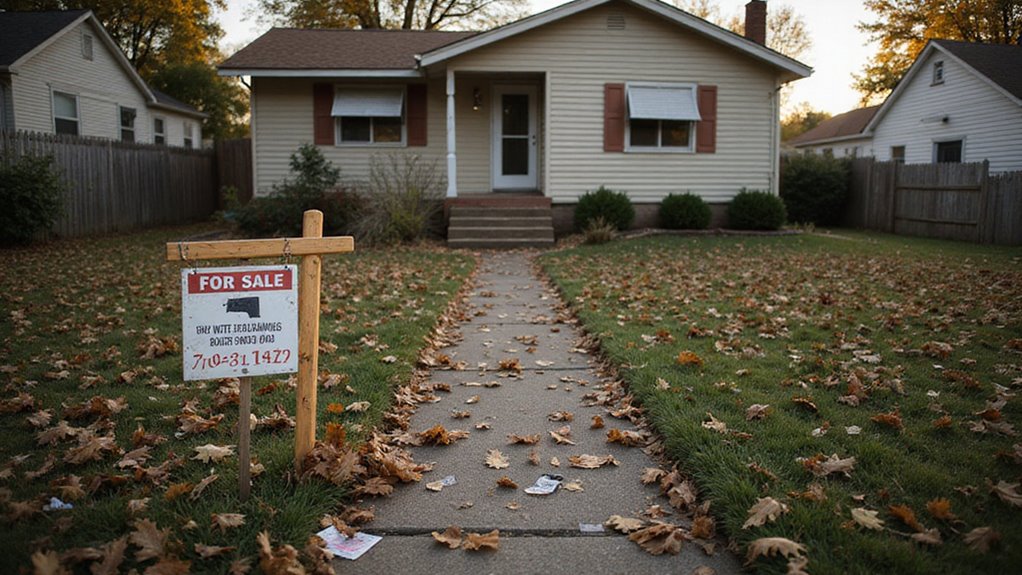
An expired listing is a home that did not sell within the agreed contract period. The contract usually lasts between 90 and 180 days. If the home is still unsold after this time, it is considered expired. A home is considered an expired listing if it remains unsold after the agreed contract period, typically 90 to 180 days.
Pricing is often a key factor in expired listings. If a home is priced higher than similar properties, buyers may lose interest. Sellers should review local sale prices before setting their price. Sellers in Oregon should also be aware of property disclosure requirements to ensure transparency and reduce the risk of legal disputes with potential buyers.
Market conditions also affect whether a home expires. Homes listed during slow markets or when many other homes are for sale may take longer to sell. If demand is low, the chance of expiration rises.
Owners can avoid expired listings by tracking market trends and setting a realistic price. If conditions change, they may need to adjust their strategy. Careful planning helps protect a home’s value. In many cases, overpricing remains one of the primary reasons for listings to expire, making it important to align your price with current market trends.
Common Reasons Homes Become Expired Listings
You’ll often find that homes linger on the market and expire primarily due to overpricing and weak marketing strategies. Data shows properties priced above local trends receive fewer showings and offers, while insufficient exposure limits buyer interest. Understanding these factors is essential if you want to avoid your listing becoming stagnant.
In Oregon, additional factors such as seasonal trends can significantly impact whether a home sells quickly or risks becoming an expired listing. Sellers should also be aware that state-specific rules may affect the sales process and timelines, further influencing a property’s likelihood of becoming an expired listing.
Overpricing the Property
Overpricing your property often prevents it from selling. Buyers notice when a home costs more than similar ones nearby. If your price is too high, your listing may expire without any offers.
Most buyers use online data to compare prices. They will skip overpriced homes and focus on well-priced ones instead. Homes priced right sell faster and attract more interest.
If you start too high and then lower the price, buyers may worry something is wrong. This can lead to less trust and fewer offers. Setting a fair price from the beginning helps avoid these problems.
Always check recent sales and market trends before listing your home. A realistic price gives you the best chance to sell quickly. If you want a smooth sale, choose a competitive price from the start.
Ineffective Marketing Strategies
Ineffective marketing strategies reduce your chances of selling your home. If your listing does not reach the right buyers, it may expire. This can lower your home’s value in the market.
Digital marketing is vital because most buyers look online first. Poor listing photos and little social media presence will attract fewer buyers. Outdated advertising methods often miss the people most likely to buy.
Pricing must also be accurate. If you set the price too high, buyers may ignore your home. The table below shows how each marketing mistake can affect your sale:
Buyer Perceptions of Expired Listings
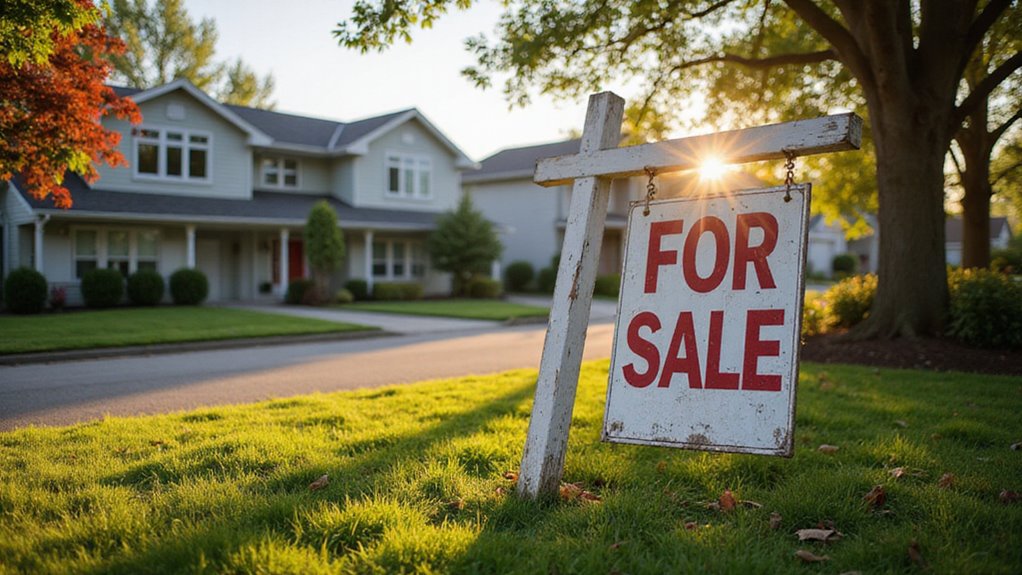
Expired listings often make buyers cautious. Many buyers think there is a reason a home did not sell the first time. If a property stays on the market too long, buyers may see it as a problem. Buyers should also be aware that Oregon laws on inherited property and foreclosure can affect how expired listings are managed and perceived by lenders.
Buyers frequently worry about hidden issues or a high price. They are less likely to compete for homes they think might have faults. Some buyers may skip these listings or expect a discount.
If a buyer is interested, they may look for concessions. Many will ask for repairs or a lower price before making an offer. These actions help buyers feel more secure about their purchase.
In Oregon, buyers might also consider market trends and property values when deciding whether to pursue an expired listing, since local dynamics can influence both interest and pricing strategies.
Impact on Market Value and Negotiation Power
An expired listing usually lowers your home’s market value and weakens your power to negotiate. Buyers may see an expired listing as overpriced or having problems. This can make it harder to get your asking price.
If your home is expired, buyers may offer less money. They might also use tough negotiation tactics. Sellers may need to add incentives to close a deal. Because most homeowners have positive equity, even after an expired listing, you may still have room to adjust your price to attract new buyers.
Buyers often feel less urgency to buy an expired home. They may think there are hidden issues, even if there are none. If you renew your listing, you should know how these factors affect your choices.
In Oregon, understanding seasonal selling patterns can help you relist your home at a time when buyer activity is higher, potentially offsetting the negative impact of an expired listing.
Knowing these trends helps you plan your next steps wisely. You can use this information to set the right price and adjust your strategy. If you understand the impact, you can make better decisions when relisting your home.
The Role of Days on Market in Pricing
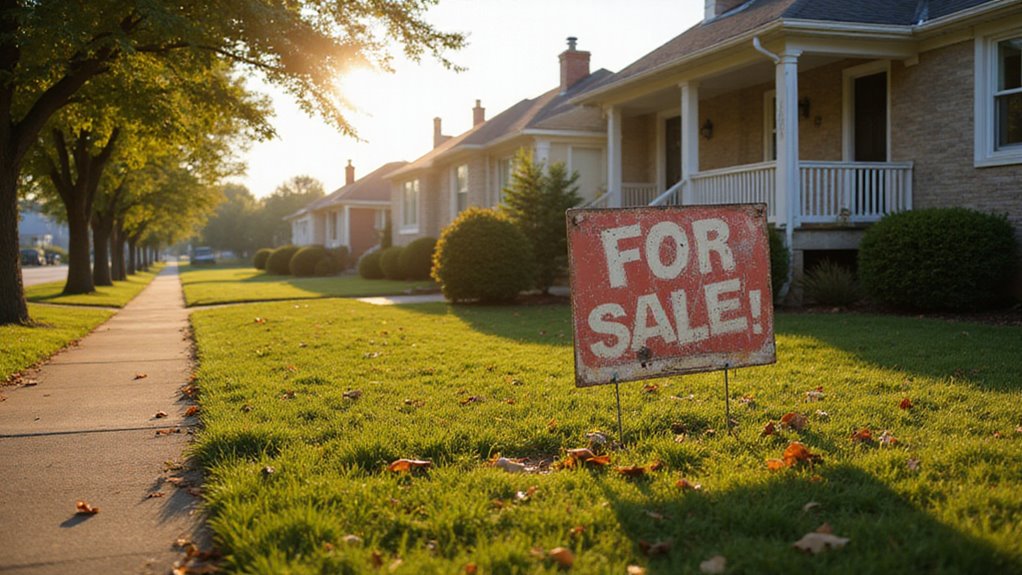
Days on market (DOM) is important when deciding a home’s price. It shows how long a home stays unsold. If a home sits too long, buyers may think it is overpriced or less desirable. Buyers often use high DOM to negotiate for a lower price. Rising interest rates can make buyers pickier, so homes may take longer to sell. If you price your home right from the beginning, it can sell faster.
Lower DOM usually leads to better offers and higher sale prices. You should track DOM to adjust your pricing as the market changes. If you stay aware of these trends, you can set a price that attracts buyers. When working with local expertise, homeowners can often receive more accurate property evaluations and timely offers. Additionally, outdated mortgages can impact your home’s equity and selling options, which may further affect how long your property stays on the market.
Stigma Associated With Repeated Listings
When your property appears repeatedly as an expired listing, buyers often perceive it as less desirable, regardless of its true condition or value. Market data shows that homes with multiple failed listings can see buyer confidence erode, often resulting in lower offers or prolonged time on market. You need to understand how this stigma can impact your home’s perceived value and take proactive steps to address it.
In some situations, the timing of the sale and adjusting your strategy—such as re-evaluating pricing or working with specialists—can help overcome the negative effects of repeated expired listings and maximize your home’s value. Additionally, factoring in market dynamics like interest rates can provide valuable context for setting a realistic price and boosting buyer interest.
Perceived Property Undesirability
Perceived property undesirability means buyers may not want your home if it has a history of repeated listings. Homes that go on and off the market often seem less appealing. This pattern can lower your home’s value.
Buyers might think there are hidden issues if a home is relisted. Real estate agents may avoid showing it to their clients. Appraisers could lower their value estimates based on the listing history.
Competing sellers might highlight your home’s record to make theirs look better. Online sites show price drops and time on the market, which can hurt your home’s image. If you understand these issues, you can take steps to protect your home’s value.
Buyer Confidence Erosion
Buyer confidence drops when a home is listed multiple times. Buyers notice repeated listings and start to doubt the home’s value. They may suspect that something is wrong with the property.
If your home appears on the MLS several times, buyers question why it has not sold yet. This can lead them to believe there are hidden problems. Even a lower price may not change their minds.
Price reductions often make buyers expect further drops. When days on the market go up, buyers may think the home is overpriced or has flaws. These factors weaken your ability to negotiate.
A relisted home may gain a negative reputation. Serious buyers might lose interest, while bargain hunters offer less. If you want to protect your home’s value, understand how these factors shape buyer confidence.
How Agents and Buyers Interpret Multiple Expirations
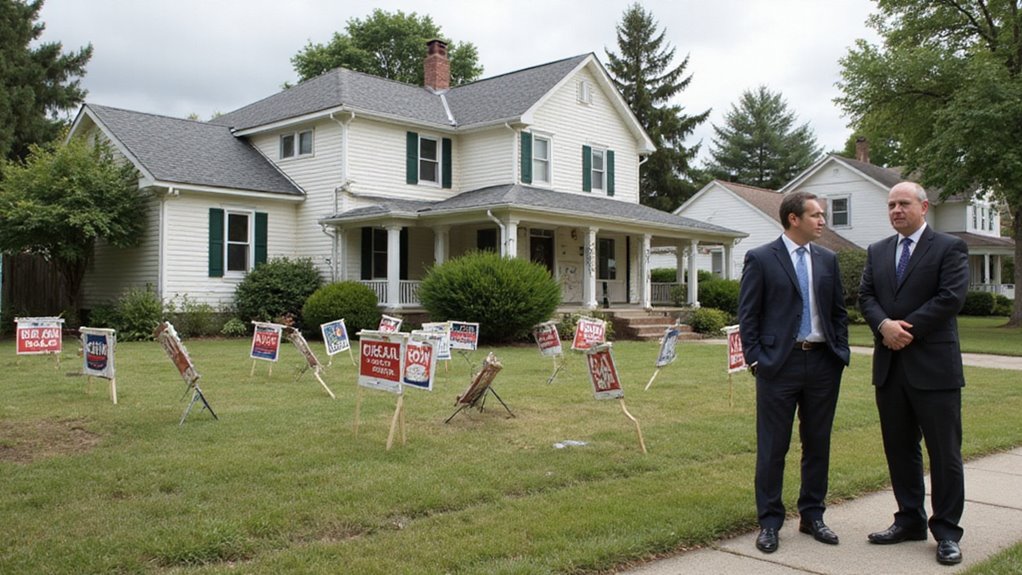
Agents and buyers see multiple expired listings as a warning sign. They often think there are problems with the home or its price. Each new expiration makes buyers more cautious. In Oregon, repeated expirations may lead buyers and agents to question whether outstanding liens or unresolved debts are affecting the property’s marketability. Buyers may believe the home is priced too high compared to others nearby. They might also worry about hidden property issues. Some think the seller is not open to negotiation.
If a home stays on the market too long, buyers may lose interest. Prolonged listing times can lower the home’s perceived value. Agents and buyers may also doubt the home’s future resale potential.
If a property keeps relisting without selling, skepticism usually increases. Market data shows these homes get fewer offers. Multiple expirations often make selling even harder.
Addressing potential title issues before relisting can help restore buyer confidence and prevent further delays in the sales process.
Effects on Appraisals and Comparative Market Analysis
Multiple expired listings directly affect how appraisers and agents judge your home’s value. Appraisers may lower valuations if they see many expired listings nearby. Agents use this data when choosing comparable sales for your property.
Expired listings show that homes may be overpriced or that demand is low. If expired listings are common, agents will compare your home to these unsold properties. This can lead to lower suggested listing prices.
Neighborhood trends also matter. If multiple homes in your area fail to sell, appraisers might lower values for the entire neighborhood. This suggests broader market issues beyond just your property.
Additionally, some sellers choose to sell houses as-is for cash to avoid the risks and delays associated with expired listings.
| Factor | Impact on Valuation |
|---|---|
| Multiple Expired Listings | Lower comparative value |
| Shifting Market Trends | Adjusted appraiser metrics |
| Neighborhood Dynamics | Broader price reductions |
The Importance of Pricing Strategy
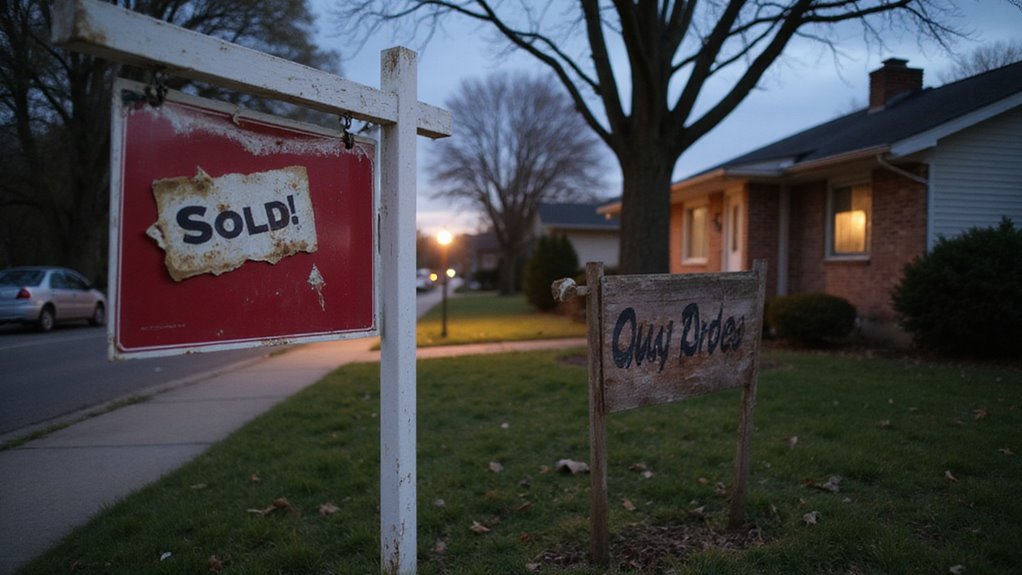
A good pricing strategy is key when selling your home. The right price attracts real buyers and helps avoid unsold listings. Overpriced homes often stay on the market too long and lose appeal.
Recent sales data can help set a fair price. If you use price points that appeal to buyers, you may get more interest. Timing matters, so list your home when buyer demand is strong.
You should adjust your price if market conditions change. Listening to feedback can help you make smart changes. Avoid lowering your price too often, as this can make buyers think you are desperate.
Marketing Failures That Lead to Expired Listings
You can’t afford to overlook the impact of poor online presentation, ineffective pricing, and limited property exposure—three leading causes of expired listings. Data shows that homes with lackluster digital marketing receive up to 60% fewer inquiries, while underexposed properties linger on the market far longer than well-promoted competitors. Addressing these marketing failures is essential if you want to maximize your home’s value and avoid joining the ranks of expired listings.
Poor Online Presentation
Poor online presentation makes it harder to sell a home. Buyers quickly judge listings based on photos and information they see online. If your listing looks bad, it loses attention right away.
Homes with weak digital marketing often stay on the market 25% longer. These listings also have a lower chance of being renewed. Poor online presentation suggests the home is not well cared for.
Common mistakes include dark or blurry photos, missing virtual tours, and slow websites. Incomplete or incorrect descriptions can also hurt your chances. If you skip social media, fewer buyers will see your listing.
Each of these issues makes buyers less interested. They may avoid seeing your home in person. Your property could end up as an expired listing with lower value if these problems are not fixed.
Ineffective Pricing Strategy
An ineffective pricing strategy can make it hard to sell your home. The wrong price may limit showings and lower your home’s value. If you set your price too high, buyers may lose interest and your listing may become stale.
Homes priced only 5% above market value receive half as many showings. Overpricing often leads to your home sitting on the market for too long. If your home sits too long, buyers may question its worth.
You should use local sales data to set your price, not your feelings. Ignoring local trends can cause you to miss what buyers want. If you price too low, you risk losing money.
A flexible pricing plan can help you react to market changes. If you remain fixed on your price, your home may stay unsold longer. Good pricing keeps your home competitive and helps attract qualified buyers.
Limited Property Exposure
Limited property exposure means fewer buyers see your home. If not enough people know about your listing, it may not sell. Even a well-priced home can expire if few notice it.
Homes with little marketing are more likely to sit unsold. Listings that blend in with others lose their appeal. If your home is rarely seen, it faces tough competition.
You can increase exposure with professional photos or virtual tours. Well-written online listings help attract buyers. If you use social media and digital ads, more people will see your home.
A limited network among agents and buyers can hurt your chances. If you refresh your listing, more people may notice it. Effective marketing can prevent your home from being overlooked.
Curb Appeal and Presentation Issues
First impressions are important for selling a home. A house with poor curb appeal or messy interiors often stays unsold longer. Buyers may skip showings or offer less money if a property looks unappealing.
Landscaping improvements can increase a home’s value. Most real estate agents recommend simple updates like fresh paint or trimmed bushes. If you do not invest in these areas, your home could get fewer offers.
Staged homes usually sell faster and for better prices. Proper maintenance shows buyers the home has been well cared for. If you ignore these steps, buyers may think there are hidden problems.
Strategic Relisting After Expiration
When a home listing expires, relisting with a new plan improves your chances of selling. Homes that use a fresh strategy often sell quicker and at better prices. You should not relist without making some changes.
Market timing is important. If you relist when buyer demand is high, your home may attract more attention. You can check recent trends to find the best time.
New listing photos help your home stand out. If you make any upgrades or if the seasons have changed, update your photos. Good photos attract more buyers online.
Pricing your home right is key. If you look at what similar homes are selling for, you can set a better price. A fair price can lead to more offers.
Small updates can make a big difference. If you focus on kitchens or bathrooms, you may see a higher return on investment. Targeted improvements can add value quickly.
Online marketing is important. If you use strong ads and social media, more people will see your home. A good marketing plan helps your home get noticed.
How to Rebuild Buyer Confidence
You need to capture buyers’ attention with a property presentation that aligns with current market expectations—homes staged professionally sell 73% faster, according to industry data. Pair this with transparent communication about updates and pricing to build credibility and trust. When you focus on these proven strategies, you’ll quickly restore buyer confidence and market momentum.
Enhancing Property Presentation
Enhancing property presentation makes your home more appealing to buyers. A well-presented property sells faster and for a better price. Simple changes can have a big impact.
Professional home staging shows off your property’s best features. High-quality virtual tours help remote buyers see your home easily. If you want more interest, consider adding both.
Curb appeal is important for first impressions. Basic landscaping and exterior clean-up can attract more buyers. If the outside looks neat, people are more likely to come inside.
Decluttering and removing personal items let buyers picture themselves living in your home. Good lighting makes rooms feel bright and welcoming. If you upgrade light fixtures, your home will stand out.
Transparent Communication Strategies
Transparent communication is important when a home stays on the market longer than expected. Buyers may worry, so clear and honest updates are needed. If you share relevant facts and explain decisions, buyers will feel more at ease.
Show buyers the market data used to set the price. If the price changes, give a simple reason based on local sales trends. You should also compare the home to similar listings and explain its strengths.
If the home had issues, describe the repairs or upgrades completed. When discussing buyers, mention the current target group and why the home suits them. Set clear next steps so buyers know what to expect.
Below is a summary:
| Key Concern | Transparent Response | Buyer Impact |
|---|---|---|
| Days on Market | Explain market trends | Builds trust |
| Price Changes | Give data-based reasons | Reduces doubts |
| Target Buyer | Clarify buyer segments | Raises interest |
| Condition Issues | List improvements | Lowers concerns |
| Next Steps | Outline the process ahead | Increases confidence |
Steps to Avoid Becoming an Expired Listing
To avoid becoming an expired listing, sellers need to take clear and active steps. Expired listings usually happen when homes do not attract enough buyers or the price is too high. Sellers can prevent this by following simple strategies.
Price reviews should happen often, using the latest market data and recent sales in the area. Accurate pricing helps your home compete with others nearby. If the market changes, a price adjustment might be necessary. Regularly review your home’s price using up-to-date market data and recent sales to stay competitive and attract buyers.
A detailed look at neighborhood trends gives your home a better chance to stand out. Staging and professional photos can help your home look its best online. Good presentation can attract more buyers.
Choosing an agent who uses data and has strong connections can improve your chances. Feedback from buyers should be reviewed and acted on quickly. Addressing concerns can make your listing more appealing.
Conclusion
If a listing expires, it can signal to buyers that the home may be less desirable. This often results in lower offers and longer selling times. If homeowners understand these risks, they can better protect their property’s value.
If you want to avoid the challenges of an expired listing, consider alternative selling options. We buy houses for cash, which can save you time and uncertainty. If you choose this route, you won’t need to worry about your home losing value on the market.
If you are ready to sell without the hassle, reach out to us at OR Home Buyers. We can provide a fair cash offer quickly. Let us help you start a new chapter with confidence.




Hi, I’m Bob Bash, founder of OR Home Buyers, serving the Oregon community since 2017. We provide full-service real estate solutions, specializing in cash purchases for both residential and commercial properties. I started this business to help our community navigate difficult real estate situations with professionalism, ethics, and compassion.
My goal is simple: to make every client feel relieved and happy when their real estate challenges are resolved. Helping people find solutions and peace of mind is what drives me every day.