
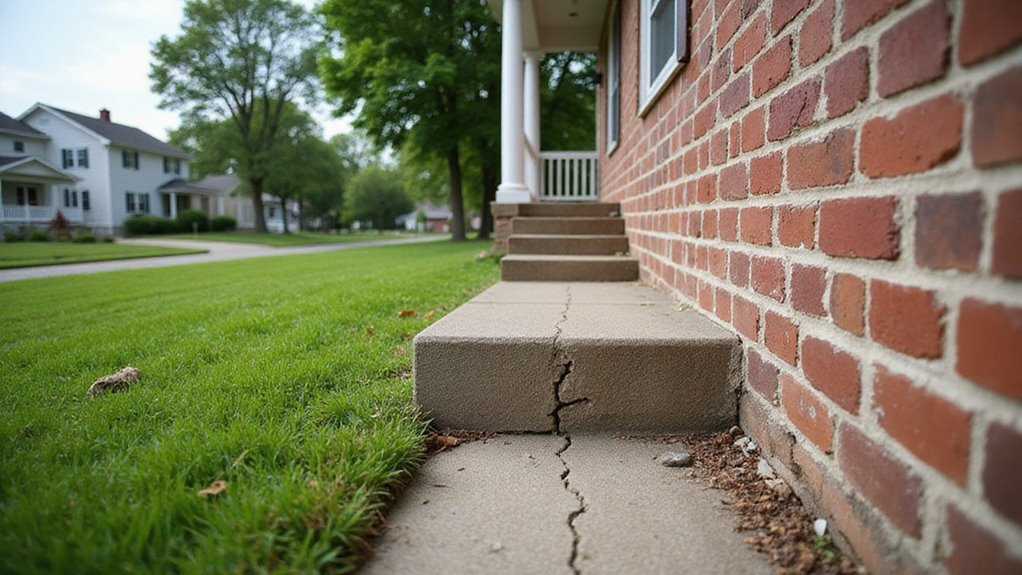
Foundation problems are a serious issue for homeowners and real estate investors. They often appear as cracks, sloping floors, or visible water damage. These signs can scare buyers and make your property harder to sell.
These problems can quickly lower your home’s value and delay the selling process. Buyers may demand steep discounts or walk away from deals. Inspectors and appraisers will also report these issues, making negotiations even tougher. Foundation problems can reduce your home’s value by 10% to 20%, depending on how severe they are.
The good news is that you can address these issues before listing or buying. Fixing the foundation or being upfront about repairs can help you protect your investment. This blog will show you how to deal with foundation problems and keep your home’s value strong.
Key Takeaways
- Foundation problems can reduce home value by 10–20%, especially if issues are severe or unresolved.
- Visible foundation damage deters buyers and lowers the number of offers received.
- Homes with foundation issues often stay on the market 30–60% longer and sell below listing price.
- Lenders and insurers may impose stricter terms or deny coverage, further decreasing property marketability.
- Properly repairing foundation problems can recoup up to 100% of repair costs and help maintain home value.
Common Signs of Foundation Problems
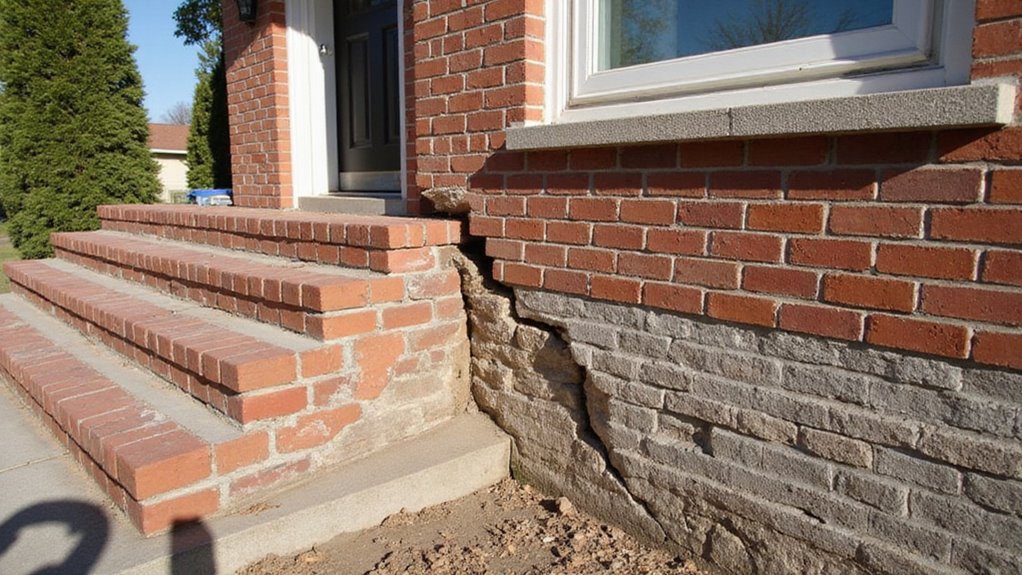
Common signs of foundation problems include cracked walls, sloping floors, and doors or windows that stick. These issues often point to deeper structural concerns. Gaps between walls and ceilings can also be a warning sign.
If you notice these problems, your home may need foundation repairs or soil work. Market data shows these issues can reduce your home’s value by 10-15%. Prompt repairs help prevent bigger and more expensive fixes later. In some cases, code violations related to safety or structural issues must be disclosed when selling your home, which can impact marketability and value.
Homeowners should check for these signs regularly. Quick action can protect your property and keep its value strong. Ignoring early warning signs may lead to greater damage and higher costs in the future. In Oregon, pest damage can also contribute to foundation issues and further decrease home value if not addressed quickly.
Types of Foundation Issues and Their Severity
You’ll encounter several types of foundation cracks, each signaling a different level of risk to your home’s value. It’s crucial to distinguish between structural damage, which can drastically reduce market appeal, and minor cosmetic flaws that have minimal impact. Understanding severity levels helps you prioritize repairs and protect your investment.
Market conditions and expectations in Oregon mean buyers are especially cautious when they spot signs of structural damage, which can lengthen time on market or lower your sale price. In states like Oregon, thorough documentation and professional guidance are essential when addressing foundation issues, especially if you’re preparing for a home sale after divorce.
Common Foundation Crack Types
Foundation cracks come in different types, and each type means something different. The three main types are hairline, vertical, and horizontal cracks. Knowing the type helps you decide what to do next.
Hairline cracks are thin and often appear as concrete dries. These usually only need sealing to keep out water. If left open, water may get in and cause more damage.
Vertical cracks run up and down the wall and are usually not a big concern. You should still watch these cracks for any changes. If they get bigger, you may need to act.
Horizontal cracks run along the wall and can be serious. These cracks may show that pressure is pushing against your foundation. If not fixed, your home could lose 10-15% of its value.
If you see a horizontal crack, call a professional right away. Quick action can protect your home’s value. Always monitor all cracks and fix them when needed.
Severity Levels Explained
Severity matters because not all foundation problems are equally serious. Some issues only need small repairs, while others affect your home’s value. Knowing the severity helps you decide what action to take.
Minor issues include thin cracks from settling. These are common and easy to fix if you act quickly. Fixing them early usually keeps your property’s value steady.
Moderate problems are wider cracks or uneven floors. These may mean your foundation needs reinforcement and better moisture control. If you ignore them, they could get worse.
Severe issues include large cracks, sloping floors, or doors that stick. These problems can make your home unsafe and lower its resale value by up to 20%. If you see these signs, get a professional inspection right away.
Addressing problems early protects your home’s value. Quick action reassures future buyers about your home’s condition. If you wait, you may lose money or have fewer buyers interested.
Structural Vs Cosmetic Damage
Structural damage affects a home’s safety and value. Cosmetic damage only changes how your home looks. It is important to tell the difference.
Structural problems include large cracks, uneven floors, or doors that no longer close. These issues often require expert repairs. If left unfixed, they can lower your home’s value by 10-20%.
Cosmetic fixes cover up small flaws but do not solve deeper problems. They include painting over cracks or adding new trim. These changes rarely affect value unless they hide bigger issues.
Lenders and home inspectors focus on structural safety, not appearance. If you hide structural issues, you could face legal or financial trouble. Always check if damage is only cosmetic or if it affects your home’s structure.
How Appraisers Evaluate Homes With Foundation Damage
When an appraiser assesses your home, they’ll immediately note visible structural red flags like cracks or uneven floors. They’ll estimate the cost of necessary repairs and weigh that against recent sales of similar properties without foundation issues. This process directly impacts your home’s appraised value and how it compares in the current market.
Many appraisers also review property records and may uncover title issues that, if present, could further influence the home’s value and complicate the sales process. Appraisers in Oregon also take into account property disclosure requirements, which obligate sellers to fully inform buyers about any known structural concerns before finalizing a transaction.
Visible Structural Red Flags
Appraisers find foundation problems by looking for visible structural red flags. These signs help them decide if your home’s value is at risk. If they see warning signs, they may lower the property’s value.
Cracks in a stair-step pattern on brick or block walls often show foundation settlement. Uneven or sloping floors can mean the foundation is shifting or sinking. Doors and windows that stick may point to a moving frame.
Separation between walls and ceilings or floors can signal shifting support below the house. If you notice these issues early, you can fix them before they affect your home’s value. Appraisers use these clues to judge risk in today’s real estate market.
Cost of Necessary Repairs
Appraisers look closely at repair costs when a home has foundation problems. They use these costs to adjust the home’s market value. Repair estimates from licensed contractors are usually required.
Foundation repairs can be expensive. The National Association of Home Builders says these repairs may cost between $2,000 and $25,000. The final amount depends on how serious the damage is.
If your home has foundation issues, appraisers will lower the value by the repair cost. Buyers and lenders need to know the true financial risk. If repairs are needed, expect the home’s value to decrease by that amount.
Impact on Market Comparables
Foundation issues affect a home’s value by influencing how it compares to other recent sales nearby. Appraisers use these sales as a reference point when setting your home’s value. If similar homes have sold for less due to foundation problems, your home’s value may also decrease.
Four main factors guide an appraiser’s adjustments. The first is the severity of the foundation damage. Next, appraisers check if repairs have been made and if those repairs have a warranty.
Soil stability in the area is also considered. If shifting soil is common, appraisers will look for patterns in sale prices. Buyers’ reactions matter too—if most buyers avoid homes with these issues, prices will drop further.
If unresolved foundation problems are common in your area, your home’s value could fall more. However, if most homes have solid foundations, the impact may be less severe. Appraisers always compare your home to what has actually sold nearby.
The Impact on Home Inspection Reports
Foundation problems appear often in home inspection reports because they are common and easy to spot. Inspectors look for cracks, uneven floors, and moisture. These signs usually mean there could be issues with the foundation. Issues like these can also reveal hidden problems impacting sale value that may require further investigation and disclosure.
If a home has foundation problems, its value can drop by 10% or more. The report may say that soil stabilization or foundation repairs are needed. Buyers and lenders might not move forward unless repairs are made.
If you fix foundation problems before selling, you can avoid delays or losing a sale. A clean inspection report makes selling smoother. It also helps your home keep a higher value.
Understanding Oregon’s real estate regulations and ensuring your property meets local requirements can further ease the sales process and reassure buyers about the home’s condition.
Buyer Perceptions and Concerns
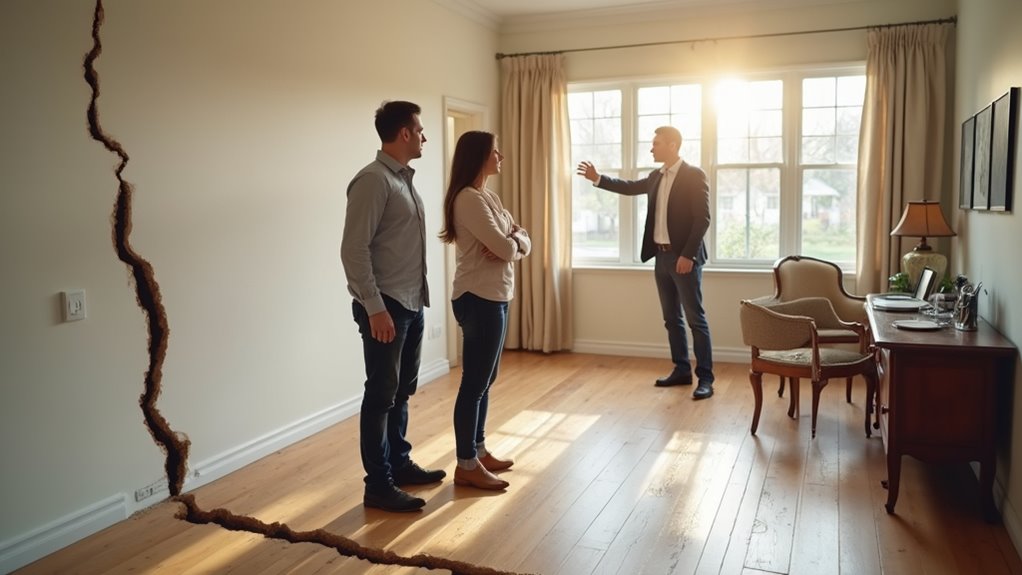
When buyers notice foundation problems, they often become cautious. They may worry about extra costs and hidden issues. Many buyers hesitate or decide not to buy homes with visible foundation damage. Buyers may also consider how potential tax implications could affect their overall investment in the property.
Foundation problems can make buyers feel nervous. They may fear expensive repairs and future risks. This can slow down the selling process and lower interest in your home.
Buyers often have these main concerns:
- Fear of more damage or high repair costs
- Worry about the home’s long-term strength
- Concern about getting insurance or a mortgage
- Doubt about the home’s future resale value
If your home has foundation issues, buyers may see it as less valuable. Their concerns can affect their offers. Condition of the foundation often shapes their final decision. In Oregon, unique soil and climate conditions are a common cause of foundation problems, which can further influence buyer perceptions and negotiations.
Negotiating Power and Offer Reductions
Foundation problems usually lower your negotiating power when selling a house. Buyers often offer less money if there are settlement or soil concerns. Most people do not want to risk expensive repairs in the future. Industry data shows homes with foundation issues may sell for 10%–20% less than similar homes. Buyers might also worry about future soil problems, not just what they see now. This can further reduce the value of your property.
Additionally, foundation problems can impact equity and selling options in Oregon’s real estate market, similar to the effects of outdated mortgages, making it more challenging for sellers to attract competitive bids. Real estate agents often tell buyers to ask for credits or price cuts when there is a foundation problem. If your home needs repairs and you do not fix them, you may get fewer offers. In a busy market, unresolved foundation issues make it hard to get a high price.
It’s also important to note that overpricing remains one of the primary reasons for listing expiration in Oregon, which means that homes with foundation issues need especially realistic pricing to attract buyers.
Cost Estimates for Foundation Repairs
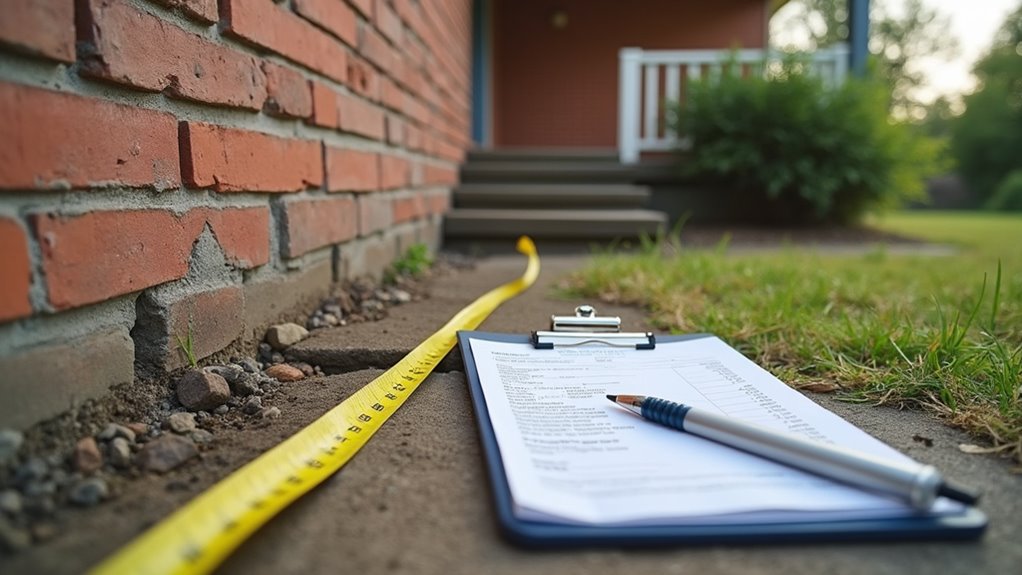
You’ll typically see foundation repair costs range from $2,000 to $15,000, depending on the severity and type of issue. Factors like the size of your home, soil conditions, and repair method all impact the final price. It’s smart to weigh these expenses against long-term property value and future maintenance costs.
Be aware that, similar to how mold affects market perception, foundation concerns can cause buyers to hesitate or lower their offers if not properly addressed. Just as understanding small estate exemption can help navigate real estate inheritance without probate in Oregon, being informed about repair cost thresholds is key when addressing property value concerns.
Common Repair Price Ranges
Foundation repair costs usually range from $2,000 to $7,000 for most common repairs. This estimate is based on recent industry data. The total cost depends on the problem’s type and severity.
Minor crack repairs may cost between $500 and $1,500. Reinforcing the foundation with steel piers can range from $4,000 to $10,000. Soil stabilization treatments generally fall between $3,000 and $7,000.
Full foundation replacement is much more expensive and starts at $20,000. These prices are averages across the United States. If you address problems quickly, you can often avoid higher repair bills.
Knowing these price ranges helps you budget for repairs. Informed homeowners can make better decisions and negotiate confidently. If you delay repairs, costs may increase.
Factors Impacting Repair Costs
The final price for foundation repairs depends on several important factors. The type of foundation and the amount of damage are the main reasons costs vary. Regional labor and material prices also affect what you pay.
If the repair affects your landscaping, you may have to pay for replanting or rebuilding outdoor spaces. When damage impacts your finished rooms, costs for fixing drywall, floors, or custom features will be added. Permit fees and the use of special equipment can raise the total price.
Access to the damaged area can make repairs easier or harder. If the area is hard to reach, costs will likely be higher. Knowing these factors helps you plan your budget and avoid surprises.
Long-Term Expense Considerations
Long-term expenses for foundation repairs can vary greatly. Costs depend on soil stability and the type of foundation materials in your home. If soil is unstable or materials are poor, repairs will usually cost more.
Minor crack repairs usually cost between $500 and $2,500. These repairs are most affected by surface issues and soil movement. Homeowners should address cracks early to avoid higher expenses later.
Piering or underpinning costs about $3,500 to $15,000. You may need this if your foundation has settled badly. This process helps stabilize your home.
Slabjacking typically costs $500 to $1,300 per section. This method is used for sunken concrete foundations. It can be a less expensive option for smaller problems.
Full foundation replacement ranges from $20,000 to $100,000. You will likely need this if both the materials and soil have failed completely. This option is usually the last resort.
Insurance Implications for Homes With Foundation Issues
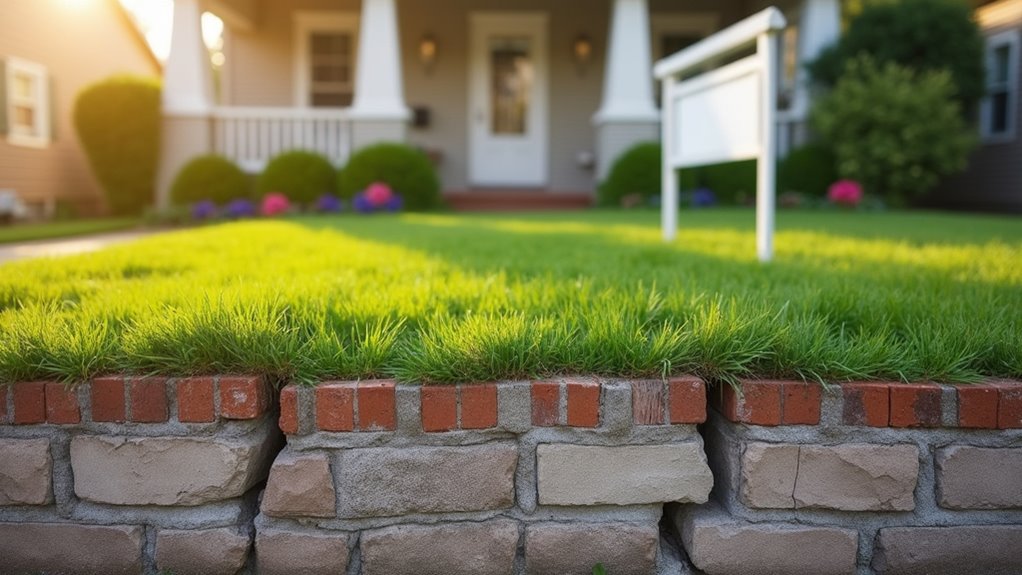
Homes with foundation issues are harder to insure. Insurance companies see these homes as high risk. This often leads to more rules or no coverage at all.
Foundation settlement and weak soil are common warning signs for insurers. Companies may ask for special inspections before offering a policy. If the problems are not fixed, you may pay 15–25% more for insurance.
Insurers often require special inspections for foundation issues, and unresolved problems can mean paying 15–25% more for coverage.
Some insurers will not cover damage linked to foundation movement. Detailed inspection reports can cost $500 to $1,200 each. If there are past claims, some companies may refuse to offer a new policy.
Knowing these facts can help you prepare for higher costs or fewer insurance options. Many homeowners turn to as-is cash sales to avoid the hassle and expense of navigating challenging insurance requirements.
Financing Challenges for Buyers and Sellers
Foundation problems can make it hard to get a mortgage. Lenders worry about the high cost of repairs. They may refuse to finance homes with these issues.
If a home has foundation problems, buyers might need to pay more upfront. Lenders could ask for a bigger down payment or higher interest rates. Some loans may require repairs before approval.
Appraisers might lower the home’s value if they see structural damage. FHA and VA loans can be especially hard to get for these homes. Fewer loan options may be available.
Sellers and buyers should fix foundation problems early. Doing so can help avoid delays and protect your investment. It also makes the financing process much smoother.
Disclosure Requirements and Legal Considerations
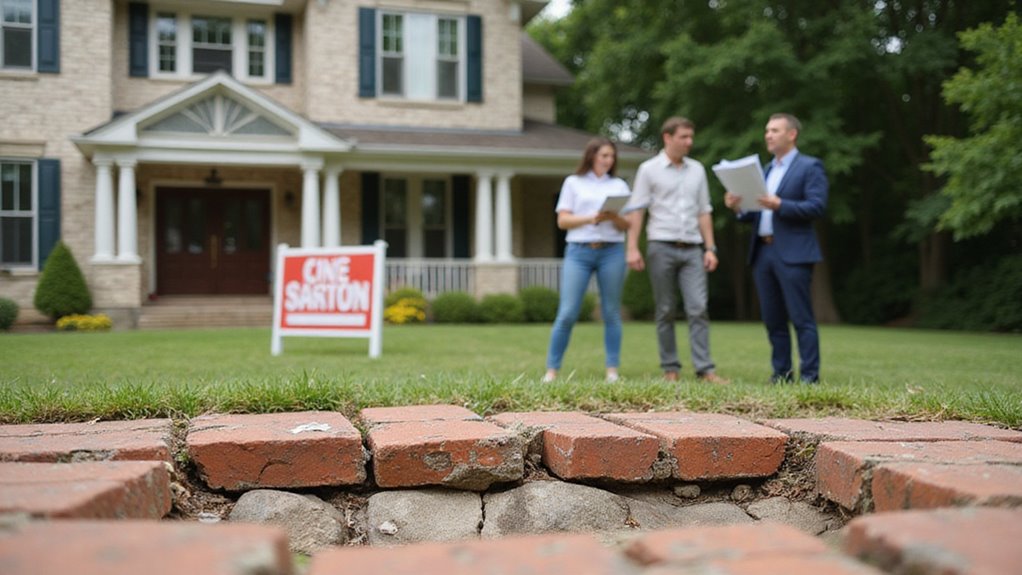
Foundation issues require clear disclosure because they affect both property value and legality. Most states require you to tell buyers about known problems. If you do not disclose, you could face legal trouble or lose a sale.
You must mention any soil stability concerns or details about foundation materials. If you hide these facts, you risk lawsuits or contract cancellations. Buyers may also demand price changes if issues come up.
If you have repaired your foundation before, you still need to share this information. Buyers often ask for more inspections after learning about past repairs. Unreported damage can lead to fines or legal action.
Honest disclosure protects you and helps keep your property’s value. Following these rules also builds trust with buyers. Always check your state’s specific disclosure laws.
Effect on Time on Market
Foundation problems often cause a home to stay on the market much longer. Buyers usually worry that cracks or settlement mean costly repairs. If these issues are not fixed, selling your home quickly becomes difficult.
Homes with unresolved foundation concerns can remain listed 30-60% longer than similar homes. Fewer buyers may want to see your house due to negative disclosures. Inspections can also lead to failed contracts if problems are discovered.
Most buyers will negotiate for lower prices or repair credits. Confidence drops when buyers sense future trouble. If you fix foundation issues before selling, your home will attract more interest.
Taking care of repairs first can shorten your selling time. It also makes your house more appealing to serious buyers. Quick action can help you succeed in a competitive market.
Market Comparisons: Homes With and Without Foundation Problems
Homes with foundation problems perform worse in the market than those without. These homes often get 10% to 20% fewer offers. Buyers worry about repair costs and future issues.
If a home has a strong foundation, it attracts more interest from buyers. Such homes usually sell faster and for higher prices. Real estate data shows homes without issues sell closer to the asking price.
Sellers should keep records of foundation maintenance. If you want your home to stay competitive, prioritize foundation care. Routine checks and repairs can make a big difference in market value.
Repair Options and Their Return on Investment
Foundation repairs can increase your home’s value when selling. Most repairs recoup 60-100% of their cost at resale. If you address problems early, you can prevent more expensive damage. Foundation repairs often pay off at resale and can help you avoid costly future damage by fixing issues early.
Piering or underpinning can fix sinking foundations. This repair often boosts buyer trust and home value. Piering is most useful for serious settlement issues.
Slabjacking works for minor foundation settlement. Homeowners may see better returns if soil stability also improves. It is usually a more affordable option.
Sealing and waterproofing stops water from entering your home. These repairs are most valuable in areas with lots of rain. Waterproofing can make your home more appealing to buyers.
Wall anchors or braces help stop basement walls from bowing. Buyers may feel safer knowing the problem is fixed. This type of repair can help keep your home’s value stable.
Choose repairs that fix the main cause of the problem. If you pick the right solution, you are more likely to get a good return. Always talk to a professional before starting repairs.
Preventative Measures to Maintain Foundation Health
To protect your home’s value, you need to prioritize proper drainage installation and regular moisture monitoring. Industry data shows that homes with consistent water management experience up to 30% fewer foundation issues. By staying proactive, you’ll minimize costly repairs and maintain a stronger market position.
Proper Drainage Installation
Proper drainage installation prevents water from damaging your home’s foundation. If water collects near your house, it can cause cracks or sinking. Foundation problems can lower your property’s value.
Homeowners should make sure the ground slopes away from the foundation. Gutters and downspouts must send water at least five feet from your house. If you have extra groundwater, French or surface drains can help.
Regular checks and cleaning of these systems are important. If you ignore drainage problems, repairs can become expensive. Good drainage protects your home and saves you money in the long run.
Regular Moisture Monitoring
Regular moisture monitoring helps keep your home’s foundation stable. Changing soil moisture can move the soil and harm the foundation. If you check moisture often, you can catch problems early.
Moisture control methods, like adjusting irrigation or changing landscaping, lower the risk of soil movement. Industry reports show that homes with good moisture control need fewer foundation repairs. These homes also keep their value better.
Home buyers care about foundation health. If you manage moisture well, you protect your home’s structure and resale value. Regular checks and simple actions make a big difference over time.
Conclusion
If you ignore foundation problems, your home could lose a large portion of its value. Buyers and appraisers both notice these issues right away. If you handle repairs early, you can protect your investment.
When you address foundation repairs, your home becomes more appealing to buyers. If you want to sell quickly, a strong foundation is important. Serious buyers will pay more for homes without visible structural damage.
If you want to sell your house fast, we buy houses for cash in any condition. OR Home Buyers can make the process simple and stress-free. Contact us today to get a fair cash offer and protect your home’s value.




Hi, I’m Bob Bash, founder of OR Home Buyers, serving the Oregon community since 2017. We provide full-service real estate solutions, specializing in cash purchases for both residential and commercial properties. I started this business to help our community navigate difficult real estate situations with professionalism, ethics, and compassion.
My goal is simple: to make every client feel relieved and happy when their real estate challenges are resolved. Helping people find solutions and peace of mind is what drives me every day.