
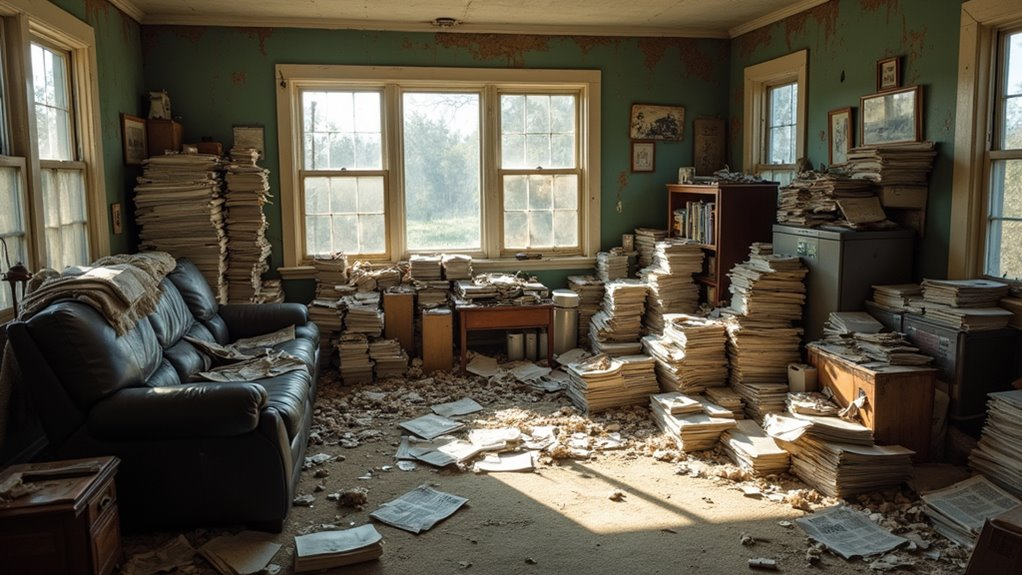
Hoarding is a serious issue that can lower your property’s value. Many buyers are turned off by cluttered spaces and hidden problems. Selling a hoarded home is often harder and less profitable.
Homes with hoarding often hide damage like mold, pests, and leaks. These problems can scare off potential buyers and make repairs costly. The longer you wait to fix them, the worse the impact on your home’s price.
Hoarding can reduce a property’s value by up to 30% compared to similar, clutter-free homes. You can protect your investment by addressing clutter before selling.
Cleaning and repairing the space makes your home more attractive to buyers. This blog will show you clear steps to boost your property’s value and solve the hoarding problem.
Key Takeaways
- Hoarding can reduce a home’s sale price by 5–10% compared to similar, uncluttered properties.
- Excessive clutter causes hidden structural damage and increases repair costs, further lowering property value.
- Hoarding creates safety and health hazards, making homes less attractive to buyers and extending time on the market.
- Visible hoarding negatively impacts neighborhood desirability and can decrease the value of nearby homes.
- Cluttered homes limit buyer interest and appraisers’ ability to assess true value, often resulting in lower final sale prices.
Understanding Hoarding and Its Causes
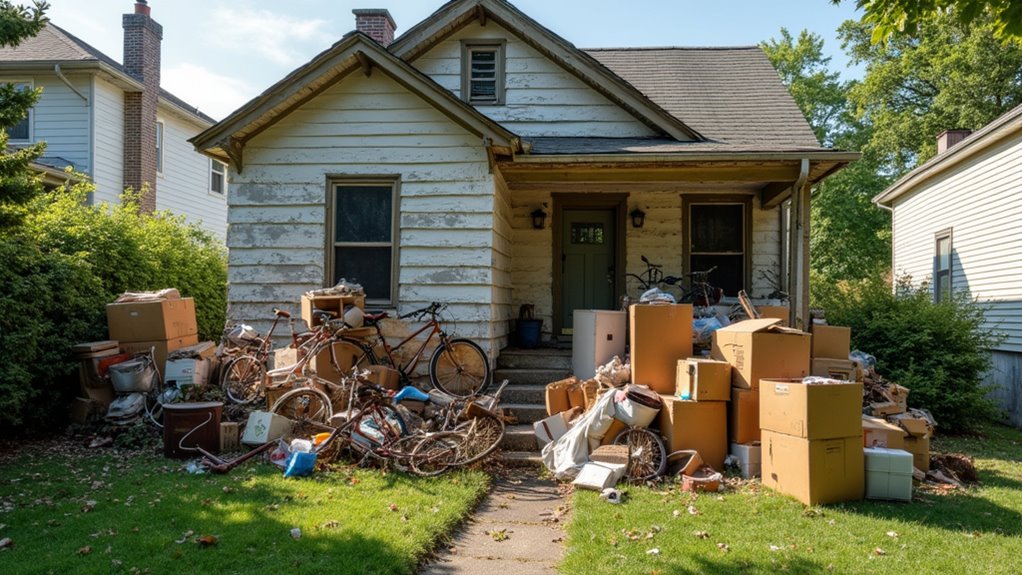
Hoarding is more than just having a messy home. It is a behavioral disorder that makes it hard for people to throw things away. This problem can affect the value of a property. According to Oregon real estate laws, code violations and safety issues stemming from hoarding can further complicate the selling process and reduce the home’s marketability.
People with hoarding disorder keep items because of strong emotional attachment. Studies suggest about 6% of people show symptoms of hoarding. If a property is affected, it may sell for 5–10% less than similar homes.
The price drop happens because hoarding causes visible mess and is hard to fix with normal cleaning. The real cause is psychological, not poor organization. If you want to restore a home’s value, you must address these emotional reasons.
Additionally, understanding property condition and necessary repairs, such as those outlined in real estate regulations, is crucial when trying to recover value lost due to hoarding.
Common Signs of Hoarding in Homes
You can spot hoarding in homes by looking for too much clutter and blocked walkways. Stacks of items that fill rooms and make them hard to use are common signs. These problems make it harder to sell the property and can lower its value.
Buyers may notice closets, garages, or basements that are too full to use. If the yard has overgrown plants or junk visible from the street, it may hurt first impressions.
Living rooms or bedrooms used as storage instead of for living are strong warning signs. Closets packed tight, cluttered garages, or junk-filled yards can signal hoarding and create a poor first impression for buyers.
If you see these issues early, you can make smarter choices about investing. In Oregon, addressing hoarding before listing is especially important because accurate property valuation and strategic presentation can make a significant difference in competitive markets.
Some homes with these signs may need extra cleaning or repairs. Property value often drops when hoarding is severe. In competitive markets such as Oregon’s real estate market, homes with signs of hoarding can face even steeper challenges attracting buyers and maintaining value.
Impact on Structural Integrity
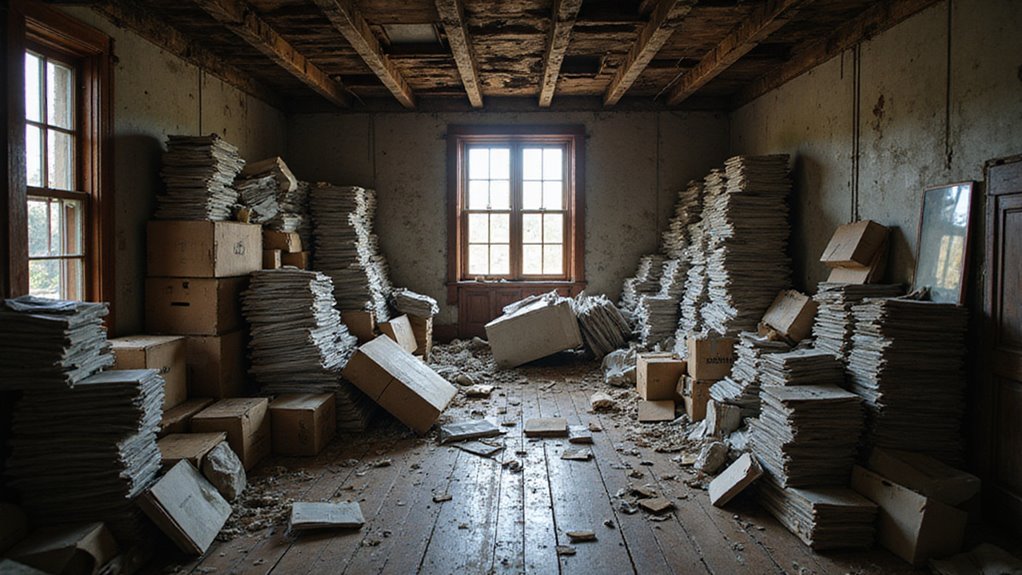
You face a higher risk of structural damage when excessive clutter stresses floors, walls, and utilities. Hoarding often hides maintenance problems like leaks or pest infestations, which can intensify repair costs. These factors directly impact your property’s market value and appeal to buyers.
In Oregon, pest damage causes significant value drops since infestations often go undetected in cluttered homes and may require expensive repairs to comply with disclosure requirements and buyer expectations. Oregon law requires disclosure of all liens and underlying property issues, which means hidden hoarding-related damage must be revealed to buyers, further complicating the sale process and potentially reducing the final sale price.
Increased Risk of Damage
Hoarding increases the chance of property damage. Too many items can make floors, walls, and foundations weaker. If rooms are overfilled, homes are about 30% more likely to have cracks or other damage.
Heavy piles of stuff may cause floors to sag or even crack. Storing items against walls can put too much pressure on support beams. If moisture gets trapped between items, mold and wood rot could develop.
If owners ignore these risks, repairs may become very costly. Buyers often avoid properties with clear damage. Lower property value is a common result.
Hidden Maintenance Issues
Hoarding can cause hidden maintenance problems that weaken a property’s structure. Clutter blocks access to plumbing, wiring, and HVAC systems. If these areas go unchecked, small issues can turn into costly repairs.
Properties with delayed maintenance may lose 15% or more of their value. Moisture trapped by clutter can lead to mold and rot. These problems are often hard to notice during a property showing.
If you want to protect your property, you should use smart storage and donate unused items. Regular cleaning allows for easy inspections and quick repairs. Good management keeps your property valuable and attractive to buyers.
Health Hazards and Safety Concerns
Hoarding creates serious health hazards and safety concerns in a home. These problems lower property value and make selling harder. If a home has hoarding issues, buyers may lose interest.
Poor storage and too many items can cause air quality problems and attract pests. Hidden dangers, such as mold, may go unnoticed during inspections. Hoarder houses often need professional pest control, which can increase the costs and complexity of preparing a property for sale. If these issues exist, they can raise clean-up costs and lower the home’s price.
Fire hazards from blocked exits or flammable clutter can reduce insurance options. Mold or pests may require expensive professional cleaning. Bad air quality can harm both physical and mental health for anyone living there. In the Salem real estate market, homes with significant health or safety concerns often take longer to sell and may require discounted prices or special terms to attract cash buyers.
Influence on Curb Appeal
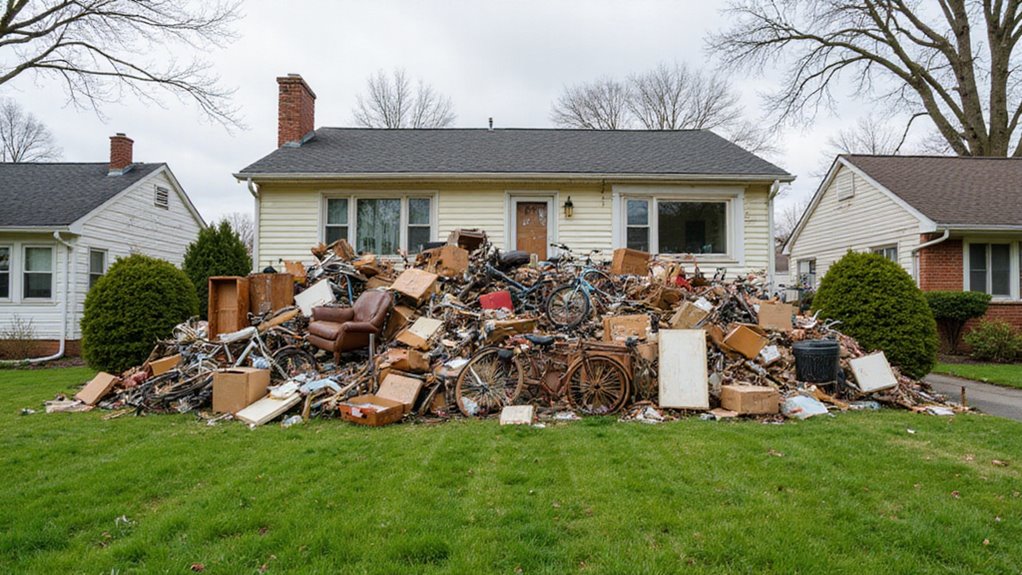
Curb appeal is the first thing people see when they visit a home. Clutter outside, such as on lawns or driveways, lowers a home’s value. If you want to sell your home for a good price, keep the outside tidy.
Visible clutter can make buyers offer less, sometimes by 7–14%. A well-kept lawn can add up to 5% to your home’s value. Clean paths, organized entryways, and modern storage also help raise the price. When preparing a property—especially if the home will be part of a probate sale—paying attention to curb appeal can help meet strict value requirements and attract buyers.
If you manage clutter and keep things neat, buyers will see your home as a better investment. Using storage solutions can help keep items off the lawn and porches. If you focus on curb appeal, you protect your home’s value. Noticing exterior issues such as soil settling or erosion around the foundation can help prevent bigger problems that also harm your property’s value.
Effects on Neighborhood Perception
Buyers often see a neighborhood negatively when one house shows signs of hoarding. They may worry that the area is not well cared for. This concern can lower interest in buying homes nearby.
A hoarding property can cause people to think the community is unsafe. If buyers fear fire or health risks, they may look elsewhere. Families and investors might avoid the area if these issues are visible. Buyers evaluating homes in Oregon might also consider current market price and how it could be affected if neighboring properties are devalued by hoarding.
Negative opinions can spread quickly through word-of-mouth or online reviews. If this happens, the neighborhood’s reputation may suffer even more. Lower demand can affect property values for everyone in the area.
Some buyers may also be concerned that state-specific inheritance tax rules could make purchasing or later selling properties near hoarded homes even more financially complicated.
Challenges During Property Appraisal

Appraisers face challenges when valuing a hoarding property. Clutter blocks access to rooms and hides the real condition of the home. This makes it difficult to measure the space and check for needed repairs.
If an appraiser cannot see all areas, your property value may go down. Limited access lowers the home’s market appeal and can result in a less accurate appraisal. Buyers may also lose interest if the home appears neglected. In Oregon, thorough property disclosures are especially important for as-is homes, since they help protect sellers from legal disputes that could arise from problems hidden by clutter.
You can improve your appraisal by removing clutter and using better storage options. Organized homes allow appraisers to see more of the property and provide a fairer value. Studies show that clean, tidy homes are often valued 5-10% higher than cluttered ones.
It’s also important to note that clutter and neglected conditions could mask or contribute to potential title issues, which may cause delays or complications during the sale process.
Here is a quick comparison:
| Factor | Hoarding Property | Decluttered Property |
|---|---|---|
| Appraisal Access | Limited | Full |
| Visible Square Footage | Reduced | Maximized |
| Valuation Accuracy | Compromised | Reliable |
| Market Value Impact | Negative | Positive |
| Buyer Appeal | Low | High |
Legal Liabilities for Homeowners
Homeowners can face legal trouble if their property shows signs of hoarding. City rules require you to keep your home safe and clean. If you do not follow these rules, you may have to pay fines or fix the problems.
Legal issues can also make it harder to sell your home. Buyers often offer less money if they see legal risks. In some cases, the city can even force you to clean up or take you to court.
If the problem is serious, you could lose your home through foreclosure. Local health, fire, and safety codes must always be followed. Keeping your home in good order helps protect its value. In Oregon, transparent disclosure of past or current hoarding issues and remediation efforts is often required by law to build trust with buyers and protect against future legal claims.
Increased Cost of Repairs and Renovations
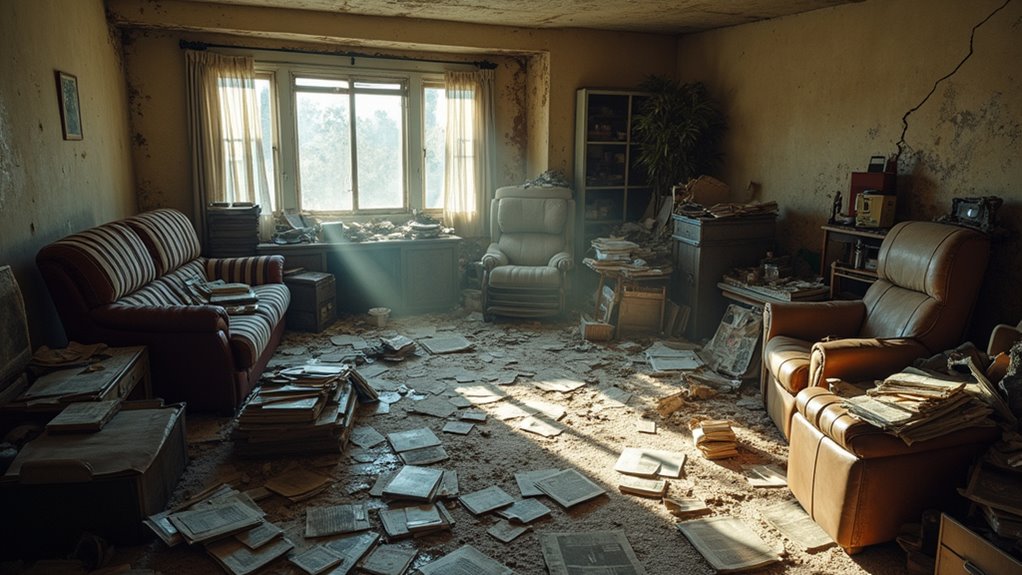
You’ll likely face higher repair costs when hoarding leads to structural damage from excessive clutter and conceals maintenance problems. Industry data shows that hidden issues—like mold, pests, or water leaks—can significantly inflate renovation budgets and delay market readiness. These risks directly impact your property’s value and overall return on investment.
Structural Damage From Clutter
Too much clutter can cause hidden damage to your home’s structure. Clutter blocks access to areas that need regular checks and repairs. If you ignore these spots, problems like warped floors or water damage may get worse over time.
Heavy boxes and items can put extra stress on floors and support beams. Inspection reports show that homes with clutter often need repairs that cost 30% more than tidy homes. Floors and joists may weaken if you let clutter build up.
Clutter can also trap moisture, leading to mold or rot. If ventilation is blocked, damage may spread faster. Mold and rot can lower your home’s value.
A cluttered home may be harder to sell. Buyers want houses that look cared for and easy to maintain. If you manage clutter, you protect your home’s strength and market value.
Hidden Maintenance Issues
Hidden maintenance issues often increase your home’s repair costs. If clutter blocks access, you cannot inspect vital systems. Small problems can grow unnoticed and become expensive.
The National Association of Home Builders says delayed repairs can cost 50% more. Homeowners who keep too many items may feel stressed about moving clutter. As a result, maintenance is often ignored.
If you plan to sell your home, buyers may offer less money. They expect to pay for repairs and worry about hidden damage. Hoarding increases repair costs and lowers the home’s value.
Potential for Pest Infestations
Excessive clutter in a property can lead to pest infestations. Pests are attracted to hidden food and moisture in cluttered spaces. Such infestations can quickly reduce the property’s market value.
Rodents may chew through wires, insulation, or woodwork, causing structural damage. Droppings and bacteria from pests can be health hazards. Buyers are often discouraged by these risks.
If infestations occur, owners may face high cleanup costs. These expenses lower the final sale profits. If you keep clutter under control, you help protect your home’s value.
Addressing clutter and pests is important for keeping your property appealing. Clean spaces attract more buyers and better offers. Regular cleaning and pest control support your home’s market position.
Delays in Selling the Property
You’ll see hoarding issues often lead to longer days on market, with listings sitting unsold up to 50% longer than comparable homes. Buyers face more complicated inspections, which can uncover hidden damage and increase negotiation hurdles. This combination directly impacts your sale timeline and final price.
Extended Time on Market
Hoarding can make a home stay unsold for a much longer time. Buyers often avoid homes with too much clutter or mess. If a property is disorganized, it usually takes longer to sell than similar clean homes.
Data shows homes with hoarding problems can spend 30-50% more days on the market. If you clear clutter and organize before selling, you can shorten this time. Proper storage and organization are very helpful.
Visible clutter can turn away 60% of buyers at the first visit. Homes needing lots of cleaning get three times more showings before an offer. Professional staging and neat storage can reduce market time by up to 40%. Investing in a clean and organized space can speed up your home sale.
Complicated Buyer Inspections
Clutter in a home makes buyer inspections difficult. Inspectors cannot reach key areas like electrical panels or plumbing systems. If they cannot access these areas, the inspection may be delayed or incomplete.
Multiple inspection visits are often needed when clutter blocks access. This can slow down the selling process or even cause buyers to lose interest. Some buyers might also request more repairs or walk away completely.
If you organize and remove clutter before listing, inspections can go more smoothly. Proper storage solutions help inspectors do their jobs quickly. This improves buyer confidence and can help your home sell faster.
Lower Buyer Interest and Reduced Offers
Hoarding can cause fewer buyers to show interest in a property. Most buyers want homes that are clean and ready to move in. If a home looks cluttered, they may not make an offer.
Crowded rooms make it hard for buyers to see the space clearly. If owners keep many personal items, staging becomes difficult. Buyers may walk away if they cannot see the home’s full potential.
Homes with hoarding issues often stay on the market longer. Fewer offers mean sellers have less power to negotiate. If demand drops, the final sale price can be up to 30% lower than similar homes.
Role of Professional Cleanup Services
You can utilize professional cleanup services to quickly restore livable conditions, which directly addresses buyer concerns and regulatory requirements. Data shows that properties professionally cleaned after hoarding see marked improvements in both showing frequency and offer amounts. By enhancing market appeal, you position the property to compete more effectively in the local real estate market.
Restoring Livable Conditions
Properties affected by hoarding can regain their market appeal by restoring livable conditions. This process involves much more than simple cleaning. If you want to increase value, you must address both visible and hidden issues.
Professional cleanup teams use special tools to remove debris and hazardous materials. They follow strict safety rules to fix any structural damage and handle biohazards. If they address lingering odors, the property becomes more attractive to buyers.
Thorough cleaning and sanitation can improve air quality and overall living conditions. If the restoration is well documented, it will appeal to buyers and insurance companies. Addressing the mental health aspect can help prevent hoarding from happening again.
A market-focused plan can turn a distressed property into a valuable asset. If you follow these steps, you will increase buyer confidence. Restoring livable conditions helps the property regain its place in the market.
Enhancing Market Appeal
Enhancing market appeal means making a property more attractive to buyers. Professional cleanup services help by improving the look and feel of each room. If you use these services, your property can stand out in the market.
Clutter management is key to creating open, welcoming spaces. Homes that are clean and organized often sell for up to 17% more. Professional teams know how to remove clutter and highlight each room’s potential.
Modern storage solutions can make any space look bigger and more useful. If you add smart storage, buyers may see more value in your property. Organized homes usually spend less time on the market.
Staging expertise also boosts appeal to a wider range of buyers. Professionals can set up rooms in a neutral and inviting way. Buyers are more likely to picture themselves living in a well-staged home.
Preventative Measures to Protect Property Value
Preventative measures help protect your property value. Simple steps can lower the risk of financial loss caused by hoarding. If you address clutter early, you help maintain your home’s market appeal.
Studies show that organized homes keep their value better than cluttered ones. Digital storage can cut down on paper clutter. Regular cleaning helps you spot and fix problems sooner.
You should set up a clear plan for dealing with unwanted items. If you donate or throw away clutter often, your property stays more attractive. Market reports show that tidy homes sell faster and for higher prices.
Conclusion
If homeowners allow hoarding to continue, property values can drop significantly. Buyers may notice damage, safety issues, and clutter, making them hesitant to buy. Early action can prevent these problems and protect your investment.
If you face a hoarding situation, a professional cleanup is often needed before selling. Delays can lead to higher costs and more complicated repairs. Taking steps early can save time and money.
If you want a simple solution, we buy houses for cash in any condition. OR Home Buyers can help you sell quickly and avoid extra hassles. Contact us today to get started and protect your property’s value.




Hi, I’m Bob Bash, founder of OR Home Buyers, serving the Oregon community since 2017. We provide full-service real estate solutions, specializing in cash purchases for both residential and commercial properties. I started this business to help our community navigate difficult real estate situations with professionalism, ethics, and compassion.
My goal is simple: to make every client feel relieved and happy when their real estate challenges are resolved. Helping people find solutions and peace of mind is what drives me every day.