
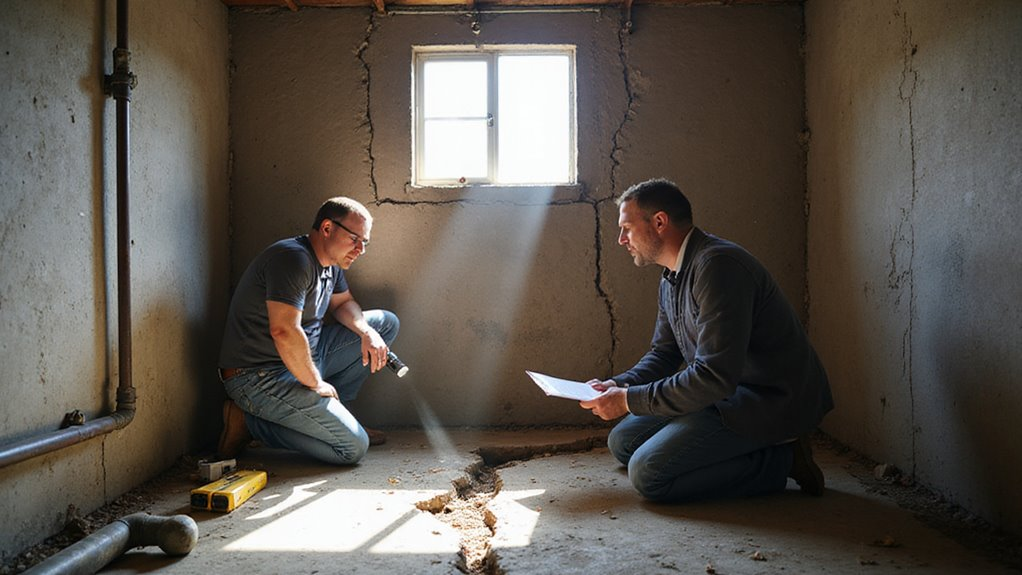
Selling a house with foundation problems is challenging. Buyers worry about hidden costs and future repairs. Home inspections make these issues clear and can influence the entire selling process.
These inspections do more than reveal cracks. They highlight serious risks, lower buyer confidence, and may reduce your home’s value. If you ignore inspection results, you risk losing deals or facing tough negotiations.
Home inspections impact selling a house with foundation problems by shaping buyer trust, negotiation power, and final sale price. You can use the inspection report to plan repairs, set a fair price, and be honest with buyers.
This approach helps you sell faster and with less stress. This blog will guide you in handling inspections and selling a house with foundation problems successfully.
Key Takeaways
- Home inspections objectively identify foundation issues, informing both sellers and buyers of the property’s true structural condition.
- Inspection reports often reveal problems that may lower the home’s appraised value and affect loan approval.
- Documented foundation issues shift negotiation power to buyers, who may demand repair credits or reduced prices.
- Transparent inspection findings and repair records help build buyer trust and facilitate smoother, faster transactions.
- Undisclosed or poorly documented foundation problems uncovered in inspections can lead to legal complications and delayed or canceled sales.
Understanding the Role of Home Inspections in Real Estate Transactions

A home inspection is an important part of buying or selling a house. It checks the structure, systems, and safety of the property. If you understand this process, you can make better real estate decisions. A professional inspector looks for problems that could affect the home’s value or safety. Lenders may not approve a loan if the inspection finds major issues. If the inspection goes well, buyers and sellers can move forward more easily. Sellers can choose to get a pre-inspection before listing their home.
This helps them fix problems early or share honest information with buyers. If you do this, it could speed up the sale and build buyer trust. In Oregon, sellers who prepare by conducting repairs in line with market expectations can also increase their property’s appeal during the inspection process. Buyers may ask for repairs, credits, or a home warranty after reviewing the inspection report.
This helps protect them from unexpected costs. If both sides understand the inspection’s role, they can handle price, repairs, and timing more smoothly. For inherited properties—especially those facing foundation problems—it’s essential to understand how Oregon real estate laws and local regulations may impact the inspection process and the sale.
Common Foundation Problems Uncovered During Inspections
Many homes have hidden foundation problems that inspectors often find. These issues can lower your property’s value and make it harder to sell. If any are present, they need quick attention.
Cracks in the foundation walls or floor slabs often mean the house is shifting or settling. Uneven or sloping floors can show that the structure is not fully stable. Inspectors might also find water around or under the foundation. In Oregon, property disclosure statements must include known foundation problems if they affect the home’s value or safety.
Water problems can weaken the foundation and speed up damage. Poor drainage or bad grading often causes water to pool near the house. If these problems are found, fixing them quickly is important to protect your property. Foundation issues can sometimes trigger disclosure requirements during the home sale process, so it’s crucial for sellers to address these problems before putting their house on the market.
Signs Inspectors Look for When Assessing Foundations
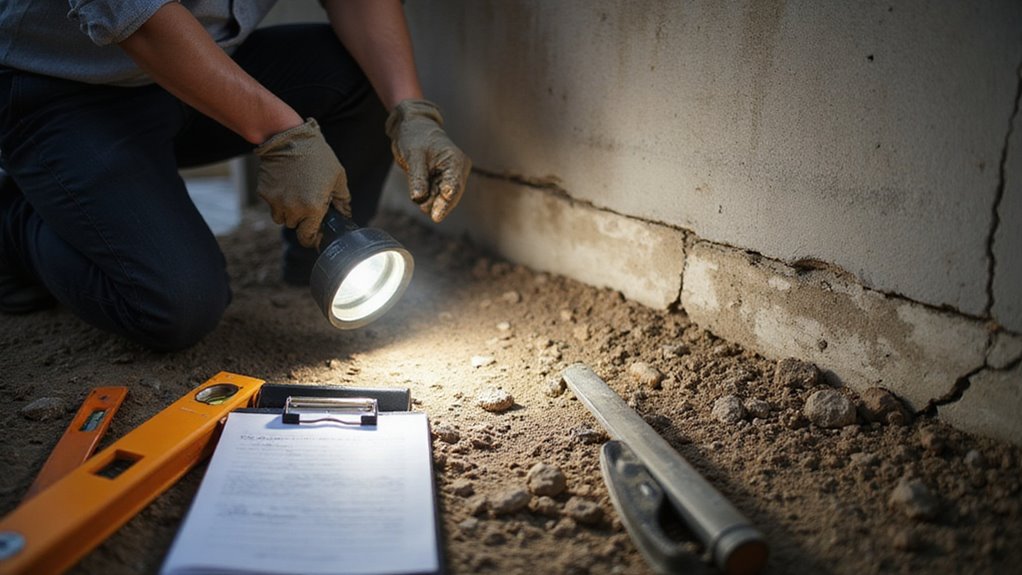
Inspectors look for clear signs when checking a home’s foundation. They check for cracks in walls, uneven floors, and doors or windows that stick. These problems can show the foundation is moving or settling.
Moisture stains, white powdery marks, or patchwork repairs also catch their attention. If found, these signs may point to ongoing water issues or past problems. Inspectors will note any repairs to see if problems were fixed or covered up. In Oregon, unique soil and climate conditions can contribute to these foundation problems, making professional foundation evaluations especially crucial for home sellers.
Not all cracks mean serious damage. Inspectors know the difference between small, harmless cracks and those that show bigger issues. They also check if the home has a structural warranty and review repair records.
A thorough inspection helps you understand the true condition of the foundation. If issues are found, you can plan repairs or negotiate during a sale. This careful review protects you from unexpected costs later.
Additionally, professional appraisals are often used during the sales process to help determine the fair market value of the home, especially if the property is involved in probate or legal proceedings.
Impact of Foundation Issues on Home Appraisal Values
When an appraiser evaluates your property, they’ll closely examine foundation integrity as part of their assessment criteria. Structural deficiencies can trigger significant value reductions, often exceeding the projected cost of repairs due to perceived risk.
In Oregon, sellers who understand market demand and position their pricing accordingly may have a better chance of minimizing the impact of foundation issues on the final sale price. Understanding how these factors influence appraisal outcomes helps you expect market positioning and negotiation leverage. Sellers should be aware that title defects can compound the negative impact of foundation problems by causing further complications or delaying the transaction process.
Appraiser Assessment Criteria
Appraisers use set rules to judge how a foundation affects a home’s value. A strong foundation is key for a safe house. If the foundation has problems, it can lower what the home is worth.
Appraisers look for clear signs of trouble, like cracks in walls or floors. Uneven floors or doors that do not close can also mean the foundation is weak. If these problems are found, the appraiser will note them.
They also check for causes of movement, such as soil issues or water leaks. Poor construction can make the foundation less stable. If these issues exist, they will affect the home’s value.
Repair records are important if work has been done before. Appraisers will review any documents or reports about past fixes. Good records may help prove the problem is solved.
Sales data from similar homes is also used. If other homes with foundation issues sold for less, this can change the value. Appraisers use this information to make fair adjustments.
Value Reduction Factors
Foundation problems lower a home’s value in most appraisals. Appraisers consider repair costs, extra risks, and buyer concerns. They compare your house to similar ones without foundation issues for an accurate value reduction.
If your house has foundation issues, buyers usually expect a 10% to 20% price cut. Completed repairs may not remove all risk, so appraisers can still lower your home’s value. Any foundation problem can also weaken your position in price negotiations.
Appraisers may subtract repair costs, risk premiums, and any stigma from your home’s value. If buyers worry about future problems, they may offer less money. Even with repairs, some buyers remain cautious, which affects your sale price.
How Foundation Problems Affect Buyer Confidence

When buyers spot foundation problems, you immediately raise their perceived risk of investment and erode trust in the property’s structural integrity. As uncertainty grows, you’ll notice negotiation influence shifts heavily in favor of the buyer, often resulting in reduced offers or repair contingencies.
Understanding these market dynamics is critical when preparing your home for sale. Buyers may also factor in potential capital gains tax considerations if foundation repairs substantially impact the property’s value at the time of sale. Additionally, in competitive areas like Salem, where homes go pending in 34 days, visible foundation issues can lead to longer selling times and further decrease your bargaining position.
Perceived Risk of Investment
Foundation problems can make buyers see a home as a risky investment. If buyers notice cracks or uneven floors, they may worry about future repairs. These concerns can lower a property’s market value.
Buyers often review inspection reports for signs of structural issues. If a report shows foundation problems, buyers may offer a lower price. They might even decide not to make an offer at all.
If a home has foundation issues, lenders may offer less favorable mortgage terms. Sometimes, buyers may not qualify for certain loans. This can make selling the property harder.
Repair costs are usually high for foundation issues. If buyers expect expensive repairs, they may walk away or negotiate for a lower price. The long-term integrity of the home also becomes uncertain, adding to the risk.
Negotiation Leverage Shifts
Foundation problems make buyers nervous and reduce your negotiation power. If an inspection finds issues, buyers often expect repairs or a lower price. You may also have fewer buyers interested in your home.
Most buyers see foundation repairs as risky and expensive. They might ask you to fix the problem before closing. Some may request repair credits or a significant price cut.
If you want to keep some negotiation power, be open about any structural problems. You could fix the issues ahead of time or share a recent engineering report. These actions can help rebuild buyer trust and make your home more appealing.
Typical Buyer Reactions to Foundation Discoveries
When buyers learn about foundation problems, they usually become very cautious. They look at the risks and think carefully before moving forward. Most buyers react in predictable ways when facing these issues.
Some buyers will ask for more detailed inspections or reports about the foundation. Others may lower their offer to cover possible repair costs. Certain buyers might request the seller to pay some closing costs or set aside money for repairs. Buyers may also be influenced by thorough property disclosures, which can help build trust and clarify the scope of repairs or renovations needed.
If buyers feel the risk is too high, they may decide to walk away from the deal. This happens more often in markets with many other homes for sale. Knowing these common reactions can help sellers prepare and respond wisely. Understanding how code violations impact home value is also important, as buyers often calculate risk and price adjustments based on the total scope of structural and code-related issues.
Negotiating Repairs After a Foundation Issue Is Found
When a foundation issue surfaces, you need to determine who’s responsible for repairs and accurately estimate remediation costs using licensed contractor bids. Rely on the inspection report’s technical details to anchor your negotiation strategy and protect your financial interests. In today’s market, buyers and sellers often use these objective findings as advantage to adjust price or request specific repairs before closing.
Additionally, home sellers in Oregon should be aware of the importance of disclosure requirements to ensure transparency about known issues like foundation or pest damage and avoid legal complications during the transaction. If the repair costs are significant, considering Oregon’s real estate market dynamics can help you anticipate buyer expectations and make more informed negotiation decisions.
Assessing Repair Responsibility
A home inspection that finds a foundation problem raises the question of who must pay for repairs. Repair responsibility depends on legal, contract, and market factors. Buyers often ask sellers to fix big foundation problems, but the details depend on your situation.
The purchase agreement may require the seller to handle repairs. Local laws often state if sellers must reveal foundation problems to buyers. If buyers have more power in the market, sellers may need to fix issues to close the sale.
If the foundation problem is severe, repairs may be urgent for safety reasons. You should check the contract and ask about local disclosure rules. You also need to consider how quickly the repairs must be done.
Estimating Repair Costs
Start by reviewing your property inspection report to find all foundation issues and their severity. If you need repair costs, get several quotes from licensed foundation contractors. Costs depend on the repair type, local labor rates, and current material prices.
If your home warranty covers foundation repairs, you may pay less out-of-pocket. Always check your policy to confirm what repairs are included. This step can help you save money.
Present a clear, detailed estimate when negotiating with buyers. Accurate estimates build trust and help protect your property’s value. Careful planning also gives you an advantage during the selling process.
Leveraging Inspection Reports
Inspection reports help you in negotiations when foundation problems are found. These reports provide clear facts about the home’s condition. You can use them to show buyers the exact repairs needed.
If you have a recent soil analysis, share the results to explain any issues. The report may show if soil or drainage is a problem. This information helps buyers understand the cause.
Contractor recommendations in the report support your repair estimates. You can use these details to justify your asking price. Buyers may feel more confident in your numbers.
If buyers are worried about costs, offer repair credits based on the report. Always use documented figures instead of guesses. This makes negotiations more transparent.
Proactive sellers address buyer concerns early. If you show a plan to fix issues, buyers may be less hesitant. A detailed inspection report often leads to a smoother sale.
Options for Sellers When Facing Foundation Repairs
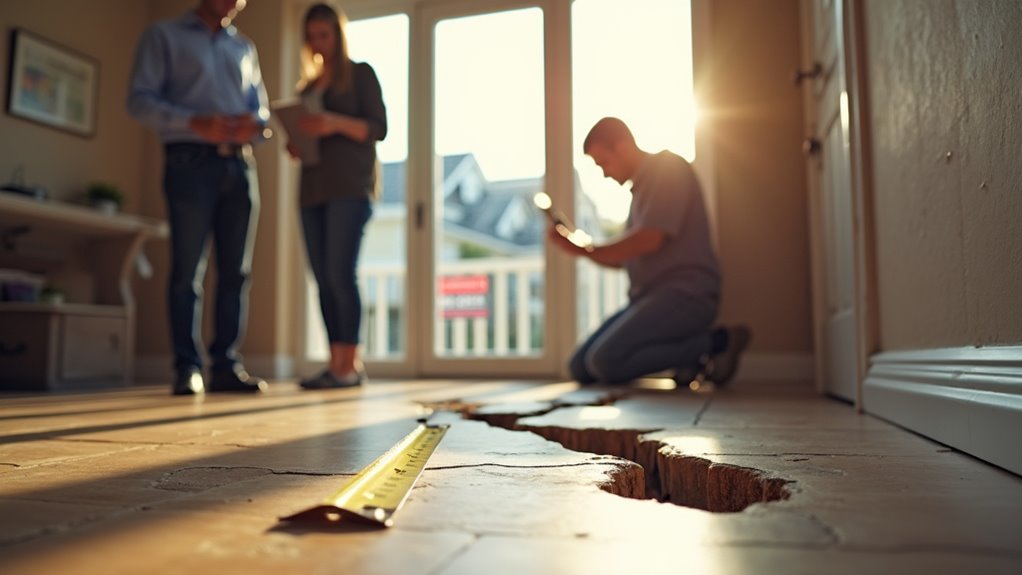
When a home inspection finds foundation problems, sellers have several options to address the issue. Each option can help protect the home’s value and attract buyers. Sellers should review their choices before deciding how to proceed.
You can repair the foundation fully if you want the highest sale price. This option often takes time and costs more money. If you have the budget, this may offer the best return.
Offering repair credits is another choice. Buyers might prefer this because they can handle the repairs themselves after purchase. This could mean you get less money from the sale.
Some sellers choose to sell the house “as-is.” This lets you avoid the hassle of repairs. If you do this, fewer buyers may be interested.
Getting a transferable warranty is also possible. This step can help buyers feel more secure about the home. If you pick this, you may need to pay for the warranty upfront.
Just like with professional assessment, transparent disclosure and working with experienced real estate professionals are essential when selling a home with foundation problems.
If you weigh these options against your needs and the market, you can choose the best path. Taking action early can help you negotiate better and sell your home faster.
Legal Disclosure Requirements for Foundation Problems
You must comply with state disclosure laws by accurately reporting known foundation issues to prospective buyers. Failing to disclose can trigger legal penalties and jeopardize your transaction. It’s essential to understand the buyer notification process, as transparent documentation protects both your interests and market credibility.
State Disclosure Laws
State disclosure laws require sellers to tell buyers about known foundation problems. Every state has its own rules and forms. Ignoring these rules can lower your home’s value and trust with buyers.
Most states want you to clearly list any foundation issues. This includes problems that landscaping or neighborhood features cannot hide. You must mention all structural concerns, even if repairs were made.
First, check your state’s disclosure forms for questions on the foundation. Next, write down all repairs, inspections, and current problems. If you fixed a previous issue, you still need to share that information.
A real estate professional can help you meet legal standards. Proper disclosure helps prevent legal trouble and arguments. If you follow the rules, your home sale may go smoother and faster.
Penalties for Non-Disclosure
Not disclosing known foundation problems can lead to serious legal and financial trouble for sellers. Buyers may sue you, cancel the sale, or demand repairs. If this happens, you might face expensive legal battles.
You could also face extra costs beyond legal fees. The IRS may review your taxes if the sale is canceled or you pay compensation. If you file an insurance claim, it may be denied, and you will have to cover repairs yourself.
Regulatory agencies may fine you for not following disclosure laws. These fines can appear on public records. Review the table below for a summary of possible penalties.
Buyer Notification Process
State laws require sellers to tell buyers about any known foundation problems. Sellers must share this information before the sale is final. If you do not disclose these issues, you could face legal trouble.
The notification process starts with filling out the required state form. This form must list all known foundation issues and related concerns. Sellers should be honest and accurate on this form.
You may need to provide documents like inspection reports or repair bills. These papers help prove you have told the truth. If you have done repairs, include those details as well.
Sometimes, problems with landscaping or roof care can make foundation issues worse. Sellers should explain how these factors affect the home. This helps buyers understand all the risks.
Buyers must get all disclosures before closing. This gives them time to ask questions or negotiate repairs. The whole process protects both the seller and the buyer.
Working With Real Estate Agents on Homes With Structural Concerns
Working with a real estate agent is important when a home has structural problems. An agent can help you understand the risks and guide you through the sale process. They know how to handle these situations to protect your interests.
A good agent can explain structural reports in simple terms. The agent will help you prepare the right disclosures and set a fair price for your home. If needed, the agent can suggest experts for further inspection.
Buyers may worry about foundation issues. Your agent can address their concerns and find buyers willing to take on repairs. If you listen to their advice, you can avoid legal problems and sell your home more smoothly.
The Importance of Documentation and Repair Histories
Documentation and repair histories are very important when selling a home. They help buyers understand the home’s true condition. Proper paperwork can make selling your house easier and faster.
If your home has foundation problems, clear records build trust. Buyers feel more confident when they see honest repair information. This could lead to quicker and better offers.
You should provide engineering reports that explain the repairs. Receipts and warranties from licensed contractors show the work was done professionally. A timeline of repairs and maintenance also shows you have cared for the home.
If you can, include inspection reports that describe the current structure. These reports show you are honest about the home’s condition. Good documentation can protect you from future problems and help support your sale.
Selling As-Is Versus Making Foundation Repairs
Choosing between selling your home as-is or fixing the foundation depends on the local market and what buyers want. If your home’s foundation is weak, buyers might ask for a lower price or more tests. Making repairs can help you get a better deal, but you should consider the expense.
Selling as-is means you spend little upfront. The number of interested buyers will be small, and they may expect a discount. Many buyers may also want to renegotiate after inspections.
Repairing the foundation costs more at first. You can attract more buyers, including those using mortgages. There will likely be fewer problems during inspection if you have repair records.
You should review soil and foundation reports carefully before deciding. If you consider your financial goals, you can make the best choice. This way, you can avoid surprises during the selling process.
Attracting Investors and Cash Buyers to Properties With Issues
Investors and cash buyers are often interested in properties with problems. These buyers move quickly and are used to homes that need work. If your property has issues, you can attract these buyers with the right information.
A recent structural assessment can help build trust. Detailed reports from engineers show buyers exactly what repairs are needed. If you share this information up front, buyers are more likely to stay interested.
You should highlight the property’s potential value after repairs. Investors want to know how much they could earn if they fix the home. If the price reflects needed repairs, these buyers may act fast.
Using this approach can help you avoid long negotiations. Experienced buyers appreciate clear facts and fair pricing. If you are honest and prepared, your sale may close quickly.
Preparing for a Successful Sale Despite Foundation Challenges
Selling a home with foundation problems is possible with the right steps. If you handle issues openly, buyers may stay interested. A clear plan can help you close the sale.
Get a professional to check your foundation and write a report. This report shows buyers exactly what is wrong. If you have this, buyers can trust your information.
If you collect repair estimates from licensed contractors, buyers can see real costs. This helps them decide if they want to take on the repairs. If you already fixed parts of the foundation, show proof.
Always share all reports, estimates, and warranties in your listing. These details help buyers understand the property and feel more secure. If you price the home fairly, you are more likely to find serious buyers.
Conclusion
If you plan to sell a house with foundation problems, a home inspection provides clarity for both you and potential buyers. If you address issues early, you can reduce surprises and protect yourself from legal risks. Inspections help you set realistic expectations and prepare for negotiations.
If you decide not to make repairs, you can still sell the home as-is. Many buyers, including OR Home Buyers, purchase homes with foundation issues for cash. If you know your inspection results, you can price your home competitively.
If you want a simple and fast sale, we buy houses for cash in any condition. OR Home Buyers can help you avoid repairs and sell quickly. Contact us today to see how we can purchase your home.




Hi, I’m Bob Bash, founder of OR Home Buyers, serving the Oregon community since 2017. We provide full-service real estate solutions, specializing in cash purchases for both residential and commercial properties. I started this business to help our community navigate difficult real estate situations with professionalism, ethics, and compassion.
My goal is simple: to make every client feel relieved and happy when their real estate challenges are resolved. Helping people find solutions and peace of mind is what drives me every day.