
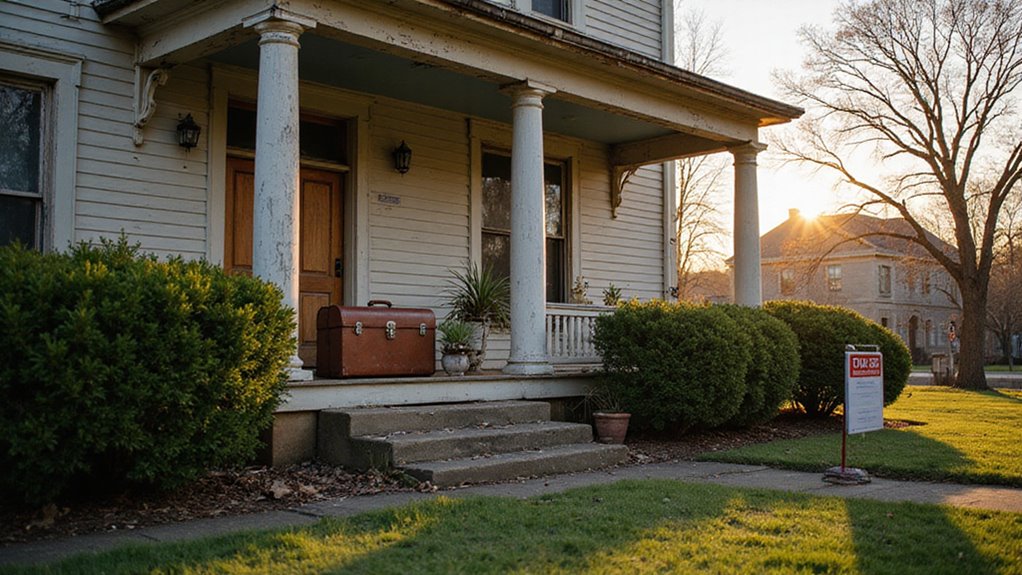
Imagine discovering the family home sits frozen in probate limbo after losing a loved one. This uncertain period leaves many wondering if they must immediately vacate or can continue living there. The stress compounds when considering potential homelessness during an already emotional time. Fortunately, most beneficiaries can remain in the deceased’s home throughout the probate process under specific conditions.
You can typically live in a house during probate for 6-18 months. The exact timeline depends on your relationship to the deceased and the estate’s complexity. If you’re a surviving spouse, you’ll have the strongest legal right to stay.
In this blog I will explore everything about staying in a house during probate.
Key Takeaways
- Probate duration typically spans 10-20 months, with executors controlling residence rights throughout the estate administration phase.
- Surviving spouses have the strongest legal rights to remain in the property during probate proceedings.
- Other relatives and non-heirs require explicit executor permission and written agreements to maintain residency.
- Court orders regarding property occupancy are legally binding and supersede any family agreements or expectations.
- Residents must maintain utilities, insurance, mortgage payments, and property taxes using estate funds or personal resources.
What Is Probate and How Does It Affect Homeownership?

Probate is the legal process where a court confirms a deceased person’s will and oversees the distribution of their assets, including real estate.
During this period, the house technically belongs to the estate rather than any individual, which means you can’t automatically assume ownership or make major decisions about the property.
The probate timeline in Oregon typically spans 6-12 months for straightforward estates, though complex cases can extend beyond a year and directly impact how long you’re able to remain in the home.
Definition of Probate
Probate is a legal process required when someone dies with property solely in their name. The court validates the will, names an executor, pays debts, and distributes assets according to law. This process typically takes six months to two years, depending on the estate’s complexity.
Your right to live in the deceased’s home during probate varies. These rights depend on your relationship to the deceased and whether you’re named in the will.
Additionally, the court considers the estate’s best interests when making occupancy decisions. Understanding these property rights is essential if you’re currently living in the home of someone who’s died.
The Probate Timeline
| Probate Phase | Typical Duration |
|---|---|
| Initial filing and executor appointment | 1-2 months |
| Estate administration housing decisions | 3-6 months |
| Debt settlement and asset distribution | 6-12 months |
Probate typically takes 10-20 months from start to finish. The process begins with appointing an executor, which takes 1-2 months. During the middle phase, housing decisions occur while the estate is being administered. This period usually lasts 3-6 months.
Executors determine who can live in probate properties during this time. Your right to stay depends on your relationship to the deceased and local laws. Get legal advice immediately to understand your position.
The final phase involves settling debts and distributing assets. This can take 6-12 months to complete. Furthermore, complex estates with disputes or multiple properties may take longer.
Legal Ownership During Probate
The estate of the deceased person holds temporary ownership of property during probate. Property rights remain with the estate until the probate process ends. Court approval is needed for major decisions about property in probate.
The executor controls access and residence rights. The court-appointed representative manages the property with legal responsibility. Beneficiaries must wait until probate concludes to claim ownership.
Creditors can place liens against estate assets during this period. Additionally, any property transfers require a judge’s formal approval.
To navigate your living situation, recognize these ownership limits. Inheritance expectations don’t automatically grant residence rights. Working with the estate representative helps avoid complications.
Can You Stay in a House During Probate?
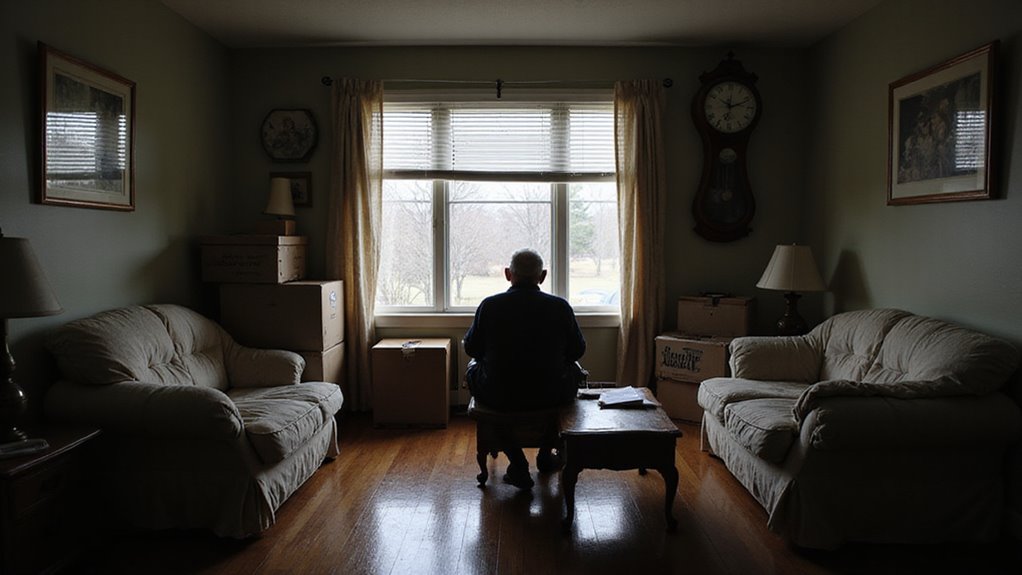
Yes, you can usually stay in a house during probate. Your right to remain depends on your relationship to the deceased and the estate situation.
Surviving spouses have the strongest rights to continue living in the property. Other relatives might need permission from the executor. Additionally, your ability to stay relates to whether you’re named in the will.
The law requires consideration of outstanding mortgage debt and court orders when determining residence rights during probate.
If you aren’t inheriting the home, the executor may ask you to leave. Always get agreements in writing. Take good care of the property while staying there.
How Long Can Family Members Typically Remain?

Your ability to stay in a house during probate depends primarily on your legal relationship to the deceased and your role in the estate.
If you’re named as executor or administrator, you’ll have different rights than heirs who’ve been designated as beneficiaries.
Non-heir family members face the most restrictions and typically can’t remain without explicit permission from the executor or estate administrator.
Executor or Administrator Residency
Executors or administrators can’t live in the deceased’s house just because of their role. Your residency rights depend on specific legal factors during estate settlement. You need independent ownership rights or beneficiary status to live there legally.
Some jurisdictions require probate court approval for executor occupancy. Living in the property while managing it may create conflicts with your fiduciary responsibilities.
Furthermore, you might need to pay fair market rent to the estate when residing there during administration. Before assuming you can live in the property, get advice from a probate attorney.
Heir Residency Rights
Heirs who inherit property through a will have the right to live in the home during probate. This right remains until the estate is settled, usually 6-12 months for simple cases.
Named beneficiaries must get permission from the executor to stay. Your position is stronger when you maintain the property and pay ongoing expenses.
Courts generally favor arrangements where heirs help preserve the home’s value. However, your residency might end earlier if creditors make claims against the estate.
Similarly, disputes among beneficiaries could force you to leave sooner. For protection, always get any residency agreements with the executor in writing.
Non-Heir Family Member Considerations
Non-heirs need explicit permission to remain in an inherited property. Your legal status matters when you aren’t named in the will or aren’t a legal heir. Permission must come from the estate administrator or beneficiaries.
You have several options for staying in the property. The executor can provide written authorization allowing temporary residence. You might establish a formal rental agreement with the estate. Court petitions can sometimes secure temporary residency rights. Getting consent from all legal heirs often works too.
Remember that property laws favor rightful heirs first. To avoid eviction, get all arrangements in writing. Estate laws prioritize the interests of those legally entitled to inherit the property.
What Factors Affect Your Ability to Stay in the House?

Your ability to stay in the house during probate depends on several concrete factors that the court and executor will consider.
The deceased’s will specifications, existing mortgage status, outstanding estate debts, and specific court orders all directly impact occupancy decisions.
You’ll also need to understand how Oregon state laws and Lane County regulations apply to your particular situation.
Will Specifications
A will directly determines if you can stay in the house during probate. Your rights depend on several key elements in the document.
The will must name you as a beneficiary to give you inheritance rights. Check if it contains specific occupancy provisions that permit you to live there.
Executor authority matters because they manage all estate assets during probate. The will may include timeline directives about property transfers.
Review the will with the executor to understand your residency rights. This step ensures you know your legal standing during the settlement process. Furthermore, the specific language in the document trumps general assumptions about occupancy.
Mortgage Status
Mortgages on inherited property must be paid regardless of probate status. The lender expects continued payments even during estate settlement.
If payments stop, the property could face foreclosure. The executor typically uses estate funds to make these payments.
You may need to cover mortgage costs personally if the estate lacks funds. This prevents foreclosure and protects your right to occupy the home. Mortgage obligations exist separately from inheritance rights outlined in the will.
Understanding these financial responsibilities helps maintain housing stability during probate. Your ability to stay in the home connects directly to mortgage payment status.
Estate Debts
Estate debts must be paid before heirs receive inheritances. Certain debts have payment priority under law. Medical bills and funeral costs are paid first from estate assets.
Creditors have a specific timeframe to file claims according to Oregon statutes. If cash and investments aren’t enough to cover debts, the executor may need to sell property.
When debt claims are complicated, the distribution timeline grows longer. Families should prepare for this possibility.
Large debts might force the sale of estate property even when heirs wish to keep it. Planning ahead can help prevent unwanted sales.
Court Orders
Probate judges issue legally binding orders about property occupancy during estate settlement. These orders supersede any family agreements about who can live in estate property.
Anyone residing in estate property must follow court requirements. The executor can ask the court to remove unauthorized occupants.
Understanding eviction rules helps protect your position as an occupant. Courts evaluate your relationship to the deceased, financial contributions to the property, and whether you’re impeding estate administration.
Documentation proving your right to occupy is essential for remaining in the property. Without proper authorization, you may face court-ordered removal.
State Laws and Local Regulations
Several key factors determine your rights to occupy a property after someone’s death. Named beneficiaries typically have stronger rights to remain in the home during probate. Court-appointed executors control who can access the property.
Eugene and Lane County housing codes establish specific occupancy requirements. Unpaid debts against the estate might force property sale.
Oregon Revised Statutes govern all probate living arrangements through Lane County Circuit Court. Property rights vary significantly based on your relationship to the deceased.
Furthermore, creditor claims often take priority over occupancy wishes. A local probate attorney can provide guidance tailored to your specific situation.
How to Legally Secure Your Right to Stay?

If you want to remain in the house during probate, you’ll need to formalize your living arrangement through legal channels.
Four primary options can establish your right to stay: petitioning the probate court for occupancy rights, negotiating directly with the estate’s executor, creating a formal rental agreement with the estate, or purchasing the property outright.
Each approach requires different documentation and offers varying levels of security depending on your relationship to the deceased and the estate’s circumstances.
Petition the Court
File a formal petition with Lane County Circuit Court when disputes arise about your occupancy. This legal action protects your housing rights when informal arrangements fail. Your petition must show valid grounds for staying in the home during probate.
Include documentation of your relationship to the deceased and proof of prior residency. Financial records demonstrating your contributions to property maintenance strengthen your case. Additionally, submit any evidence of verbal or written occupancy agreements.
Courts review petitions based on estate needs, creditor interests, and beneficiary rights. In most cases, having legal representation significantly improves your chances of success. As a result, consulting with an attorney before filing is highly recommended.
Your petition should also show how your continued residence benefits the estate’s preservation. For example, occupied homes often maintain better value than vacant properties.
Negotiate with the Executor
Contact the executor to establish clear occupancy terms during probate. Request a written agreement covering rent, utilities, and property maintenance responsibilities. Show how your presence prevents vandalism and maintains property value. This approach can prevent future disputes.
Court approval may be needed for executor decisions in contested situations. Offer fair market rent as reasonable compensation for staying in the property. Propose a timeline that aligns with the probate process instead of requesting indefinite arrangements.
Furthermore, document all agreements with signatures from both parties. Submit these written agreements to the probate court for legal protection.
Monthly extension requests work better than open-ended arrangements. As a result, both parties maintain clear expectations throughout the process.
Establish a Formal Rental Agreement
You need a written lease when living in a deceased person’s property. This protects your right to stay and helps the executor fulfill their duties. A formal agreement prevents confusion about your status.
Your lease should specify fair market rent amounts, which benefit all heirs equally. The document must outline the lease duration that aligns with expected probate completion.
Clearly define who pays for maintenance, repairs, and utilities according to state laws. Keep records of all payments with receipts. Additionally, make sure funds go directly to the estate account. This transparency shows you’re maintaining property value while legally occupying the space.
Furthermore, include conditions for ending the lease when probate concludes. This ensures a smooth transition once the estate settles and assets distribute.
Purchase the Property from the Estate
Buying directly from the estate gives you permanent ownership. You’ll need to work with the executor to make an offer during administration. The court must approve all sales to ensure fair market value for beneficiaries.
Submit your written offer to the executor within the first two weeks. Court approval typically takes 30-60 days and requires a hearing. The closing process needs another 30-45 days to complete all transfer documents.
This approach resolves your housing situation permanently. Furthermore, it ensures all estate obligations are handled properly. The entire process may take 3-4 months from offer to ownership.
What Are the Financial Responsibilities While Living There?
Living in a house during probate doesn’t mean you’re free from financial obligations. You’ll need to cover essential expenses like utility payments, property maintenance costs, property taxes, and insurance premiums to protect both yourself and the estate.
Understanding these responsibilities upfront helps you avoid legal complications and prevents the property from falling into disrepair or foreclosure.
Utility Payments
Someone must pay utilities during deceased property occupancy. This responsibility falls to either the resident or estate administrator. Payments ensure the property remains functional while probate proceeds.
Required payments include electricity, gas, water, sewer services, and trash collection. Internet and phone may also be necessary for estate communications. Each utility maintains basic habitability of the property.
Keep detailed records of all payments you make. The estate might reimburse these costs later. They could alternatively reduce your inheritance portion.
Talk with the executor before bills become overdue. This conversation prevents service disruptions and additional late fees.
Property Maintenance
Property maintenance costs continue during probate. You must pay for repairs, lawn care, and seasonal upkeep to protect the property’s value. Keep detailed records of all expenses. The estate may reimburse these costs later or adjust your inheritance accordingly.
As a temporary property steward, your actions affect all beneficiaries. Neglect can reduce the property’s market value.
Estate law allows for establishing a maintenance fund from estate accounts if you serve as executor. Regular residents should discuss expense arrangements with the estate administrator.
This financial transparency prevents disputes and ensures fair treatment. Everyone benefits when maintenance responsibilities are clearly defined from the beginning of probate.
Property Taxes
Property taxes must be paid during probate. The estate funds cover these ongoing obligations to protect the property’s value.
You remain responsible for timely property tax payments throughout the inheritance process. Insurance coverage must also continue without interruption.
Keep detailed records of all payments made. Additionally, coordinate with the estate administrator about payment methods and schedules.
Failure to pay property taxes results in liens against the property. These liens can complicate probate and reduce what heirs receive. Therefore, establish a clear system with the executor to manage these financial obligations properly.
Insurance Requirements
Property insurance must continue during inheritance. You must maintain an active policy when living in the inherited property. This protects your assets and the estate.
Liability coverage needs adequate limits for all occupants. Minimum recommended coverage is typically $300,000 for personal liability. This safeguards against potential lawsuits from injuries on the property.
Coordinate premium payments with the executor. Estate funds can often cover these expenses until probate concludes. Always keep payment receipts for estate accounting purposes.
Report all occupancy changes immediately to the insurer. Insurance companies require notification within 30 days of property transfer. Failure to update could result in claim denials.
What Are Your Options If You Must Vacate?
You have several temporary housing solutions if you need to leave a probate property. Your first option is to negotiate with the executor for extended stay by paying fair rent. You can request a formal lease to protect your rights during estate settlement.
Family members might offer temporary accommodations during your transition. Local community organizations provide emergency housing resources for those facing urgent relocation needs. These services can bridge the gap while you secure permanent housing.
Time matters in these situations, so act promptly when you receive a vacate notice. Keep records of all executor communications. Legal counsel may become necessary if disagreements arise about your occupancy rights. Your attorney can help clarify timelines and negotiate reasonable extensions when possible.
Conclusion
Living in a house during probate depends on your relationship to the property and the estate’s circumstances. If you’re an heir or beneficiary, you may have more flexibility regarding your stay. The executor ultimately makes decisions about property management during this transition period. When financial burdens become overwhelming, selling the property might be your best solution.
We at OR Home Buyers understand the challenges of managing inherited property during probate. We buy houses in Eugene and offer fair cash deals without the typical real estate complications. Our team can help expedite your sale if you’re facing court deadlines or financial pressure. If you’re in Springfield or Creswell, we can provide a no-obligation offer on your probate property.
Many of our clients appreciate our straightforward approach to purchasing homes in difficult situations. We serve homeowners throughout Cottage Grove, Junction City, and Harrisburg who need quick resolutions to their probate properties. Our process eliminates the need for repairs, cleaning, or lengthy negotiations. When you’re ready to move forward, we’re here to help with a simple selling experience.

Hi, I’m Bob Bash, founder of OR Home Buyers, serving the Oregon community since 2017. We provide full-service real estate solutions, specializing in cash purchases for both residential and commercial properties. I started this business to help our community navigate difficult real estate situations with professionalism, ethics, and compassion.
My goal is simple: to make every client feel relieved and happy when their real estate challenges are resolved. Helping people find solutions and peace of mind is what drives me every day.