

When your home listing expires, it can feel frustrating and confusing. You might wonder why your house did not sell. Many homeowners face this problem and are unsure how soon to relist.
Relisting too quickly can make buyers think you are desperate. This can weaken your position in future negotiations. Acting without a plan may cause your home to sit even longer on the market.
The best practice is to wait 30 to 60 days before relisting after an expired listing. This break resets buyer interest and gives you time to fix issues. It also helps your home look fresh to new buyers. This blog will guide you through each step, so you can relist with confidence and get better results.
Key Takeaways
- Wait 30–60 days before relisting to avoid buyer fatigue and reset the MLS “days on market” clock.
- Timing your relist for peak seasons like spring or summer increases buyer activity and listing visibility.
- Relisting too soon without changes may lead to continued low interest and a stale listing perception.
- Use the waiting period to improve marketing, update photos, and address any feedback or issues from the previous listing.
- Consult your agent on local market trends and MLS rules to determine the optimal relisting timing for your area.
Understanding Why Listings Expire
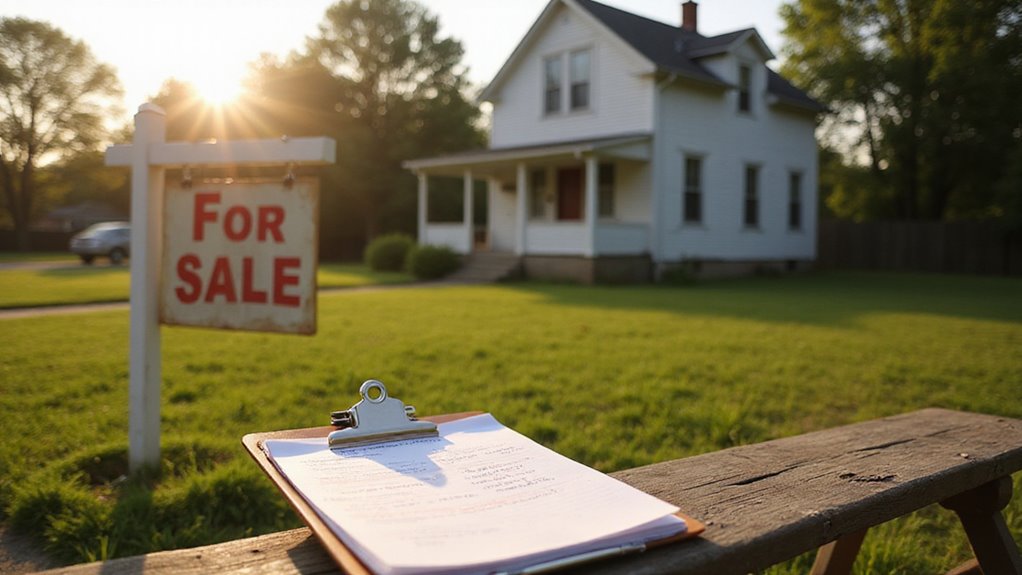
Listings often expire because of pricing, poor marketing, or weak online presence. If a home is overpriced or lacks exposure, buyers lose interest. Expired listings usually mean something needs to change.
Good photos and virtual tours matter to buyers. If your listing did not have these, you likely missed many potential buyers. Visuals help your property stand out and attract more interest. Making sure your property is prepared for sale with appealing images and staging can dramatically improve buyer engagement.
If you review your previous listing, you can spot what went wrong. Check if the price was too high or if photos were not appealing. This honest evaluation will help you create a better plan for your next listing.
Analyzing recent sales data and market trends can also help you understand if your previous pricing strategy aligned with what buyers are currently seeking.
Assessing Market Conditions
Assessing market conditions helps you decide the best time to relist your property. You should start by looking at recent sales and the number of available homes in your area. If there are many listings and few sales, selling may take longer.
Sellers should check how many homes sell each month compared to how many are for sale. A high number of unsold homes means strong competition, which can lower prices. Absorption rates show how quickly homes sell in the current market. Understanding the probate process in Oregon is also important if your property was inherited, as it can affect when you are legally able to relist.
It is important to pay attention to economic trends like interest rates and job growth. If interest rates go up or the economy weakens, fewer people may want to buy. Seasonal trends can also affect how many buyers are looking.
Reliable data sources help you make informed choices. If you use current information, you can pick a time that increases your chances for a quicker, better sale. In Oregon, understanding local trends and regional variations can help tailor your relisting strategy to maximize property appeal and reduce market time.
Evaluating Your Previous Listing Strategy

Start by scrutinizing whether your original price aligned with recent sales data and current market trends. Next, measure your marketing strategy’s reach and engagement using analytics like listing views and inquiry rates. Early attention to pest issue resolution can help maintain your home’s market value and attract more buyer interest.
Finally, review your property’s presentation—photos, staging, and descriptions should highlight its strengths and match buyer expectations. Additionally, make sure to review your property’s title status for any potential issues that could deter buyers or delay the relisting process.
Analyzing Pricing Accuracy
To analyze pricing accuracy, check if your original price matched current market trends and buyer interest. Compare your price to similar recent sales and active listings. This helps you see if your property was priced too high or too low.
A high price can turn buyers away. A low price can make buyers question your property’s value. If you find either case, consider adjusting your price.
Review data from your last listing for useful patterns. Look at the number of showings, offers received, and days on the market. This data can help you spot if pricing was a problem.
Ask yourself if your property was among the top choices for buyers. Consider if you listed during busy buying periods. If the market shifted while you were listed, you may need to rethink your price.
Accurate pricing and good timing help attract serious buyers. If you use data to guide your choices, you can improve your chances of selling. Adjust your strategy as needed for your next listing.
Assessing Marketing Effectiveness
To check if your marketing worked, look at the results. Measure online views, inquiries, and showings to see buyer interest. If numbers are low, the strategy needs improvement.
Professional photos and strong descriptions help listings stand out. Targeted ads can attract more buyers if placed on the right platforms. If these elements were missing, consider adding them.
Analyze which websites brought the most visitors. If some platforms did not perform well, shift your focus elsewhere. If you highlighted unique features, check if they matched what buyers want.
Compare your listing’s results with similar properties nearby. If yours did not do as well, change your approach. Use data to make decisions and increase your property’s visibility.
Reviewing Property Presentation
A careful review of your property’s presentation can improve its chances of selling. Strong visuals are key to attracting buyers online. If you improve your listing photos, you may increase interest in your property.
Professional images, virtual staging, and drone photography make your home look more appealing. Listings with quality photos get more attention from buyers. If you use these tools, your property could stand out.
Review your photos to see if they show the home’s best features. Effective virtual staging helps buyers imagine living in the space. Drone photos can highlight the neighborhood and lot benefits.
If you adjust your approach based on this review, results may improve. Enhanced visuals can bring more views and faster offers.
Adjusting Your Asking Price

Adjusting your asking price can help attract more buyers and sell your home faster. If your property is not selling, price is often the main reason. Lowering the price can renew buyer interest. When considering a price adjustment, it is also important to disclose any existing liens, as required by Oregon law, since liens can impact buyer decisions and the overall sale process.
Homes priced within 5% of market value usually sell much quicker than overpriced ones. You should check recent sales of similar homes to set the right price. Buyers notice good value, especially if your listing has expired before.
Do not rely only on feedback from showings or agents. It is better to use sales data to guide your price change. A clear price reduction shows buyers you are serious about selling.
For the Oregon market, analyzing recent comparable sales in your area is especially important to determine the most effective new asking price.
Timing and Seasonal Considerations
You’ll maximize your relisting success by targeting periods of peak buyer activity and aligning with seasonal demand trends. Data shows that homes listed during high-traffic months sell faster and for more, while poorly timed relists risk listing fatigue and reduced interest.
Strategically timing your relist gives you a clear advantage in today’s competitive market. In Oregon, seasonal trends like spring and summer see increased buyer activity and may help you achieve a faster sale when relisting. To further improve your chances, consider how outdated mortgages can impact your equity and influence the best timing for your relist.
Ideal Market Timing
The best time to relist is when buyer demand is highest. This can increase how many people see your property and may help you get a better price. You should learn about ideal market timing before you relist.
You can check recent sales in your neighborhood to see when homes sell quickly. If similar homes with good staging sell fast, it is a good sign. You may also want to relist when there are fewer homes for sale.
If your home is well-staged, it should attract buyers during peak interest times. When inventory is low, your property will stand out more. Relisting with good timing can help you get the best return on investment.
Seasonal Demand Fluctuations
Seasonal changes affect when you should relist your property. Buyer activity usually increases in spring and early summer. Homes listed during these months often sell faster and at better prices.
If your listing expired in the off-season, you may want to wait for higher demand. Local market trends can also guide your timing. Analyzing these trends helps you choose the best moment to relist.
Virtual tours and social media campaigns can attract buyers any time of year. These tools reach out-of-town and busy buyers. If you use digital strategies, your property can stand out regardless of the season.
Avoiding Listing Fatigue
Listing fatigue happens when buyers see the same property posted too often. This can make them lose interest or think there is a problem. You can avoid this by using careful timing and better presentation.
If you wait 30 to 60 days before relisting, buyers may see your property as new. You should also check when buyer activity is highest before posting again. Choosing the right time helps your listing get more attention.
Upgrading your marketing is important. Virtual staging and drone photos can make your property look fresh and interesting. If you use new visuals, your property could get up to 60% more engagement.
How the MLS Relisting Clock Works
The MLS relisting clock tracks how long a property is listed for sale. To appear as a new listing, sellers must wait for a set period before relisting. This waiting period is usually 30 days, but it can change by location. For homeowners looking to sell quickly, considering fast cash offers from local buyers can be a valuable option during this waiting period.
If you relist your home too soon, the “days on market” number does not reset. This can make your property look less appealing to buyers. Only after the waiting period will your home appear fresh to agents and buyers.
New listings get more attention and often receive better offers. If you time your relist with the MLS reset, you can attract more buyers. This strategy can help increase your home’s value in the eyes of potential buyers. Additionally, understanding how market conditions and property-specific factors—such as code violations—impact buyer interest can help you choose the optimal relisting time.
Addressing Feedback From Previous Showings
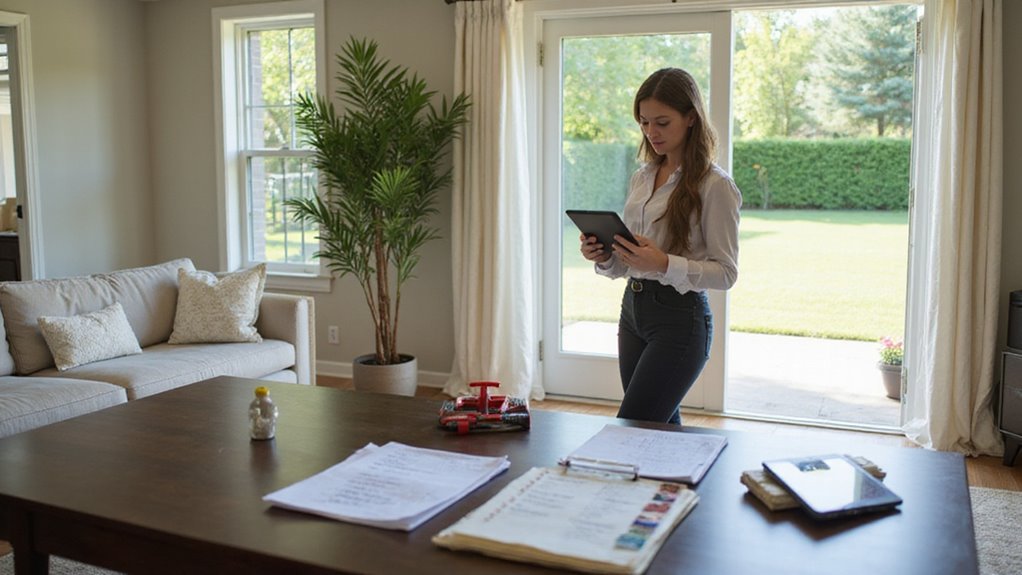
Addressing feedback from previous showings helps improve your home’s appeal. Buyer comments often show what needs to change before relisting. If you fix these issues, your home may sell faster and for more money.
Common feedback includes concerns about the layout, cleanliness, or outdated rooms. Owners should look for patterns in the feedback they receive. If several people mention the same problem, it is important to address it. Taking action on repeated concerns demonstrates to buyers that you are attentive to property marketability and willing to make improvements.
You can stage your home to highlight its best features. Sellers should also update their virtual tours to show any changes. If improvements are made, the online listing should clearly reflect them.
In Oregon, making sure your property disclosures are thorough and up-to-date based on prior feedback can help prevent legal disputes and increase buyer confidence.
Enhancing Curb Appeal and Home Staging
You can’t overlook the power of first impressions—homes with high curb appeal sell for an average of 7% more, according to studies. By focusing on strategic interior updates and staging, you position your property to stand out in a crowded market. Let’s look at how targeted improvements can boost both interest and offers when you relist. In Oregon, maintaining property tax and insurance payments is essential when relisting an inherited home, as it helps avoid liens and supports a smoother selling process.
Boosting First Impressions
First impressions matter when selling your home. Buyers quickly form opinions, which can affect their decision to make an offer. Good first impressions increase your chances of selling.
Most buyers start their search online. Photos and virtual tours make first impressions just as important as in-person visits. If you want to attract more buyers, focus on your home’s appearance.
Landscaping adds value to your property. A neat lawn, trimmed bushes, and fresh mulch can raise perceived value by 7%. Even small changes can make a big difference.
The entryway should look clean and welcoming. An updated front door, new hardware, and simple decorations help set a positive tone. If the entrance feels inviting, buyers are more likely to step inside.
Lighting is important both outside and inside. Bright and consistent lighting improves comfort and makes spaces look bigger. If buyers feel at ease, they may spend more time viewing your home.
Curb appeal and smart staging can turn lookers into buyers. These changes help your home stand out in the market. If you invest in these areas, you likely see better offers.
Strategic Interior Updates
Strategic interior updates can help your home sell faster and for a better price. Staging makes rooms look bigger and more inviting. Buyers can imagine themselves living there if the space feels clean and open.
If you update your home to match others nearby, buyers will see more value. You should replace old light fixtures and use neutral paint colors. Decluttering each room also helps your home feel larger.
Well-planned updates may shorten your time on the market. The right improvements can attract more buyers and stronger offers. If you focus on buyer expectations, your relisted home will stand out.
Selecting the Right Real Estate Agent

Choosing the right real estate agent is essential for a successful sale. The agent should have experience with luxury homes and know local buyer trends. If you select the right agent, your chances of selling increase.
Agents with a history of selling similar properties are more likely to meet your needs. They must also understand the neighborhood and who is likely to buy in your area. If the agent lacks this knowledge, your home may not attract the right buyers.
A strong marketing plan is important. The agent should use data, online listings, and professional contacts to reach more buyers. If you focus on these factors, you can improve your relisting results.
The Impact of Days on Market
You can’t ignore how days on market shape buyers’ perceptions of your property’s value. Data shows that homes listed too long see sharp declines in buyer interest and ultimately risk becoming stale, which often leads to lower offers. To protect your sale price, you need a strategy that minimizes market time and keeps your listing fresh.
Perception of Property Value
Buyers notice how long a property stays on the market. A listing that lingers often makes buyers doubt its value. If a home sits too long, people may think there is a problem or the price is too high.
Homes that are relisted after a long time may sell for up to 5% less. Virtual staging can help refresh the look of your property photos. This method can attract new interest and show the home’s potential.
Offering a home warranty may ease buyer concerns and increase their confidence. Taking the property off the market for a short time can also help. If you relist after a break, you might reach new buyers and reset their perceptions.
Buyer Interest Decline
Buyer interest usually drops after a property is on the market for several weeks. Most buyers look at new listings within the first two weeks. If your home stays listed longer, people may think something is wrong or it costs too much.
If this happens, you can take steps to attract buyers again. Lowering the price can show you are willing to negotiate. Changing the staging or updating photos may also help your home stand out.
If you monitor feedback and act quickly, you improve your chances of selling. Paying attention to market trends helps you make good decisions. If you adjust early, you can avoid a long wait for offers.
Stale Listing Effects
A property’s time on the market affects how buyers see its value. Listings that stay unsold for long periods seem less desirable. If your home remains listed, buyers may think something is wrong.
Long market time can lead to price reductions. Sellers often lower the price to attract more interest. Price drops may make buyers think further discounts are possible.
Older listings become less visible online. Search results often show new listings first, pushing older ones down. Fewer buyers will see your property.
Buyers may become suspicious of homes with high days on market. They sometimes assume there are hidden problems or that the price is too high. This suspicion can make negotiations harder.
If you relist your home strategically, you can help keep its value high. Careful timing can prevent your property from appearing stale. Planning ahead is important to avoid these negative effects.
Rebranding Your Listing for a Fresh Start
Rebranding your listing gives your property a fresh start in the market. It helps attract new buyers and improves your chances of selling. This process makes your property look new and appealing.
If you update your photos and descriptions, you may see up to 60% more online interest. Professional staging and quality photos can create a strong visual impression. High-quality images show your property in the best possible way.
You should use social media to share your listing with more people. Posts with virtual tours or videos often get more attention. If you host new open houses, more buyers and agents may notice your property.
A rebranded listing can help you overcome the negative effects of a previous failed sale. By making these changes, you present your property as desirable and new. This strategy increases your chances of finding the right buyer.
Legal and Contractual Considerations
You must check your old listing agreement before relisting your property. Local rules may set limits on when you can relist. These steps help you avoid legal issues.
Most listing agreements have rules for relisting and changing agents. Some agreements let the old agent claim a commission after the listing ends. If you ignore these terms, you could face delays or disputes.
You should update any property details that have changed. If you do not, you might break disclosure laws. Always confirm your brokerage’s rules about the time between listings.
If you follow these steps, you lower your risk of legal or financial problems. Taking care now saves trouble later.
Marketing Tactics for Your Second Attempt
If your property did not sell before, you can still improve your chances this time. Use data from your previous listing to guide your new marketing plan. Check showing feedback, online views, and how long your property was listed.
Professional home staging can help your home look its best. Staged homes often sell faster and for a better price. Consider hiring a staging expert before you relist.
High-quality photos and virtual tours attract more buyers online. Invest in these to make your listing stand out. If you use targeted social media ads, you may reach more interested buyers.
Focus on platforms like Zillow, Realtor.com, and Facebook. If you know which sites worked well last time, spend more on those channels. This data-driven approach can help you find serious buyers on your second try.
Setting Realistic Expectations for Relisting
Setting realistic expectations for relisting means understanding the market may have changed since you first listed. Conditions like buyer demand and inventory can shift quickly. You need to adjust your approach to match the current market.
Start by studying recent sales and the number of homes for sale. If prices have dropped, consider lowering your price. If fewer homes are available, your property may attract more interest.
Base your new list price on up-to-date data. Overpricing can cause your home to sit unsold. Competitive pricing helps bring in serious buyers.
If the market is slow, selling could take longer even after making improvements. Timelines may change depending on trends. Being flexible will help you respond to new conditions.
Using current information lets you make smart decisions. You can adjust your plan as the market changes. This approach increases your chances of a successful sale.
Conclusion
If you want the best results from relisting, it is important to wait 30 to 60 days. This break allows you to refresh your strategy and improve your home’s appeal. If you relist too soon, you may not attract serious buyers.
If your listing has expired and you need to sell quickly, we can help. We buy houses for cash and offer a simple, fast process. If you want to avoid the waiting period, this option works well.
If you are ready to move forward, contact us at OR Home Buyers. We can give you a fair cash offer today. Let us help you sell your home with ease.




Hi, I’m Bob Bash, founder of OR Home Buyers, serving the Oregon community since 2017. We provide full-service real estate solutions, specializing in cash purchases for both residential and commercial properties. I started this business to help our community navigate difficult real estate situations with professionalism, ethics, and compassion.
My goal is simple: to make every client feel relieved and happy when their real estate challenges are resolved. Helping people find solutions and peace of mind is what drives me every day.