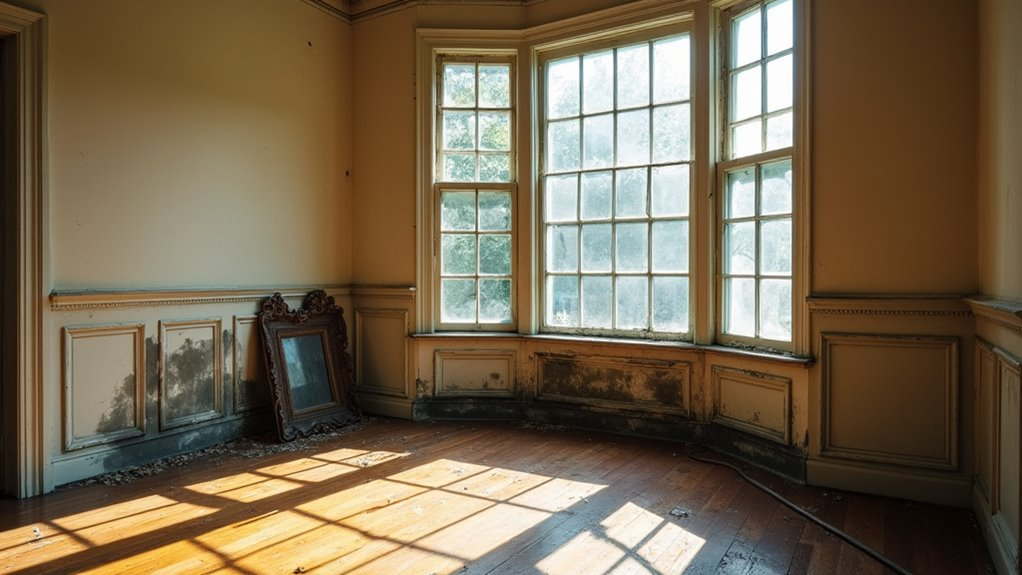
Mold and water damage are serious problems for homeowners. These issues can lower your home’s value and make selling difficult. Many buyers walk away when they see signs of moisture or mold.
Unresolved damage creates lasting worries about safety and repair costs. Buyers are often scared of hidden problems. This can lead to offers much lower than you expect. Mold and water damage can decrease home value by up to 37%.
The best solution is to address these problems right away. Fixing damage protects your investment and restores buyer confidence. This blog shows practical steps to solve mold and water concerns and keep your property’s value strong.
Key Takeaways
- Mold and water damage can reduce a home’s value by 10-30%, and even up to 37% in severe cases.
- Visible stains, odors, and mold are noted in inspection reports and often result in lower offers or buyer withdrawal.
- Appraisers and buyers anticipate costly repairs and health risks, leading to significant price reductions and decreased marketability.
- Ongoing moisture and mold issues cause structural decay, persistent odors, and can halve the home’s lifespan if left untreated.
- Failure to disclose or fix damage can result in legal issues, insurance claim denials, and further devaluation.
Understanding the Causes of Mold and Water Damage
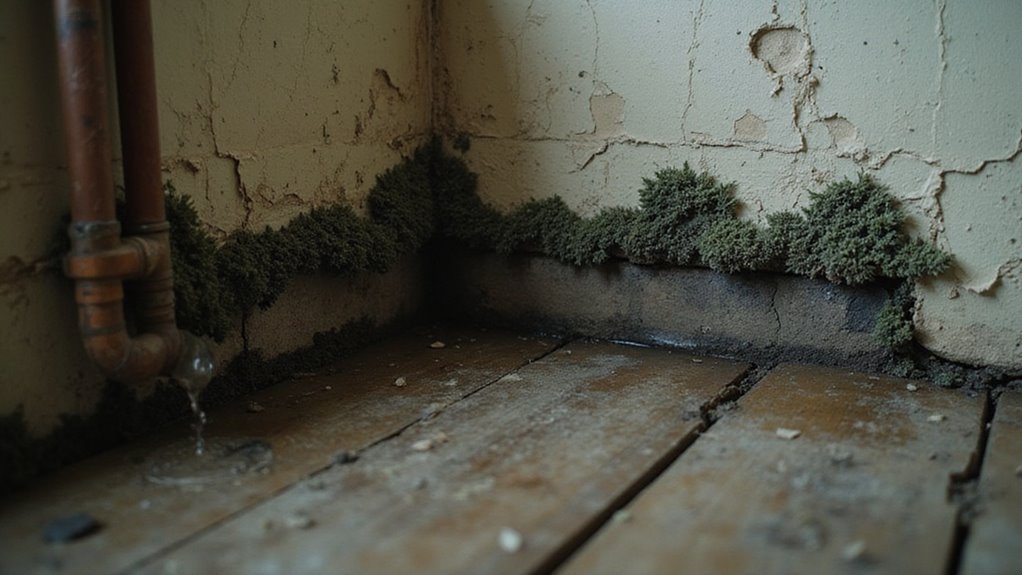
Mold and water damage are usually caused by problems inside a house. Common sources include leaking pipes, roof damage, and poor ventilation. High humidity indoors also leads to mold if not controlled.
The Environmental Protection Agency says moisture control is very important. Even a small leak can cause mold to grow in one or two days. If you ignore these problems, indoor air quality will get worse. In some cases, cost-effective renovations after water damage require compliance with local real estate laws if you’re preparing a home for sale in Oregon.
Poor insulation or broken vapor barriers can let water collect indoors. This extra moisture helps mold to grow faster. Solving these issues is necessary before cleaning up mold.
If you find and fix the source of moisture, you protect your house and your health. Stopping water intrusion early can prevent expensive repairs. Mold can be avoided by keeping your home dry and well-ventilated. Addressing moisture issues promptly is crucial since home value reductions due to damage can far exceed actual repair costs if problems are left untreated.
Common Signs of Mold and Water Issues
You’ll often spot mold and water issues through visible stains or discoloration on walls and ceilings, which studies show are present in over 60% of affected homes. Musty odors indoors frequently signal ongoing moisture problems even before you see any damage. Peeling paint or wallpaper also correlates strongly with hidden water intrusion, making these signs critical for early detection.
Because these issues can indicate outstanding fees and necessary repairs—especially if they stem from underlying structural damage—it’s crucial to address them early to preserve your home’s value. According to energy-efficient systems requirements outlined in Oregon real estate laws, addressing underlying moisture sources can also enhance property appeal and increase selling potential.
Visible Stains and Discoloration
Visible stains and discoloration are clear signs of possible mold or water damage. These marks often show up on ceilings, walls, or floors. If you see them, there may be hidden moisture problems.
Stains often appear in corners, near windows, or by plumbing fixtures. Yellow, brown, or greenish spots suggest water has entered the area. Such stains can mean damage beneath the surface.
Homes with visible water stains or mold may lose up to 30% of their value. Buyers see these marks as signs of bigger problems. If you notice discoloration, take it seriously and investigate further.
Musty Odors Indoors
Musty odors indoors usually mean there is too much moisture or hidden mold. These smells are a warning sign of possible air quality problems. If you notice a musty smell, it is important to investigate the cause.
The Environmental Protection Agency (EPA) says that musty odors often point to mold growth. Mold can release spores into the air and cause allergies. If ignored, mold can make your home less healthy and less appealing.
Air fresheners will not solve the problem if you only cover up the smell. You need to find and fix the source of moisture or mold. If you plan to sell your home, musty odors can lower its value by up to 10%.
Addressing musty odors right away protects both your investment and the health of everyone inside. If you fix the problem quickly, you avoid bigger issues later. It is always best to act as soon as you notice any unusual smell.
Peeling Paint or Wallpaper
Peeling paint or wallpaper is often a sign of moisture or mold problems in your home. This issue is not just about looks. It usually means there is extra humidity or water getting into the walls.
Industry reports show that 60% of homes with peeling wallpaper have hidden leaks or mold behind the walls. If you ignore these signs, you could face costly repairs later. Home value may even drop by up to 20% if the problem is not fixed.
If you see paint or wallpaper peeling, do not just cover it up. Always check for water leaks or mold first. Fixing the main cause will help protect your home and keep its value high.
Health Risks Associated With Mold in Homes
Mold in homes can cause several health problems. Mold spores are tiny and can enter your lungs without you noticing. Breathing in mold is risky, especially if you already have health issues. If water gets into your home, mold can grow fast in damp places. People with allergies or weak immune systems are more likely to get sick from mold. The CDC reports that indoor mold exposure can make breathing problems worse. Asthma attacks may happen more often if mold is present. Symptoms like sneezing, itchy eyes, coughing, or wheezing can also occur.
People with weak immune systems may face a higher chance of infections. Long-term exposure to mold has been linked to serious lung problems. If you notice water intrusion, act quickly to stop mold growth. Quick action helps protect your health and your family. Since mold is considered a code violation in Oregon, failing to address it can also have legal and financial consequences for homeowners. In some homes, unaddressed property damage can worsen mold and water issues, leading to decreased home value and legal complications if not resolved quickly.
How Water Damage Compromises Structural Integrity
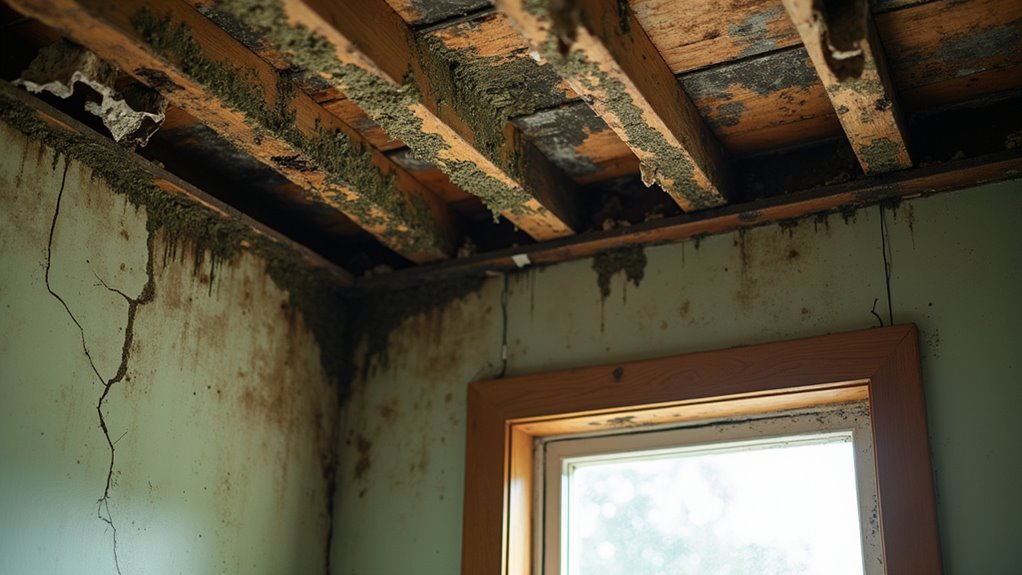
When water seeps into your home, it doesn’t just cause surface damage—it can weaken foundations and walls, leading to costly structural repairs. Studies show that untreated water exposure often results in hidden rot and decay, which may go unnoticed until significant damage has occurred. If you ignore these issues, you’re likely to see a substantial decrease in property value and safety.
In Oregon, quick turnover rate in the housing market means that water damage left unaddressed can make it difficult to compete with well-maintained homes, reducing your chances of a fast sale. Homeowners in Oregon should be aware that weather-related maintenance concerns are especially relevant in the region, as unaddressed water damage can further impact a vacant property’s value and appeal in a competitive market.
Weakened Foundation and Walls
Extensive water intrusion can weaken your home’s foundation and walls. Water seeps deep into these areas, causing hidden damage over time. If left unchecked, this can lead to serious structural problems.
Cracks, bowing, and shifting may appear in the foundation. Chemical and physical changes weaken concrete, brick, and other materials. A professional inspection helps identify the extent of the damage.
Rust can weaken steel reinforcements inside walls. Soil erosion caused by water may make the foundation unstable. Persistent dampness can speed up material breakdown.
If these issues are ignored, repairs become much more expensive. Timely wall reinforcement and maintenance help prevent further damage. Industry data shows your home’s value could drop by up to 20% if problems are not fixed.
Hidden Rot and Decay
Hidden rot and decay happen when water gets into your home and damages hidden areas. Moisture behind walls, under floors, or in attics can cause wood to rot. This weakens the house even if you cannot see the damage right away.
Rot can harm important parts like joists and beams. If left untreated, it can cut a house’s lifespan by half. Safety and stability may be at risk if decay is ignored.
Home buyers and inspectors often use special tools to find hidden moisture and rot. If they find these problems, repairs can be very expensive. Hidden rot also lowers your home’s value and can affect insurance.
The Impact of Mold on Home Inspection Reports
Mold can greatly affect what is written in a home inspection report. If inspectors find mold, they will clearly note it in their report. This can affect how much a home is worth and how easily it sells. Mold issues are treated seriously by buyers because fixing them often involves considerable costs and might impact negotiations based on agreement.
Inspectors look at places where water damage is likely to happen. If they see mold or water stains, they will write this down. They might also suggest calling a professional to remove the mold.
The report could include the possible cost to fix the problem. It may also mention rooms with past leaks or high humidity. If mold is found, buyers may require proof that it has been removed before closing the deal.
It is important to pay attention to these findings. If you ignore mold issues, it could delay or stop your sale. Always address mold problems quickly to avoid bigger issues later.
Additionally, properly disclosing known defects such as mold or water damage is not only crucial for buyer trust but may also fulfill legal obligations for home sellers in Oregon.
Buyer Perceptions and Concerns
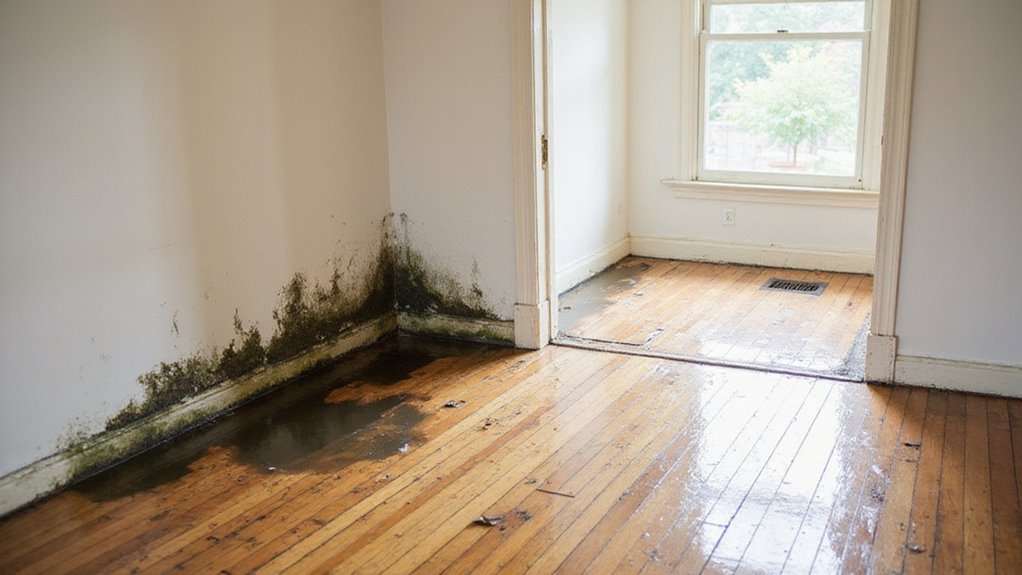
When buyers spot mold or water damage, you’ll notice their trust in the property’s safety drops sharply. National Association of Realtors data shows that nearly 70% of buyers either lower their offer or walk away entirely when these issues are present.
If you’re selling, expect concerns about health risks and costly repairs to directly impact the offers you receive. For homes with additional issues like outdated mortgages, buyers also weigh potential selling costs and the limitations those create, further reducing your bargaining power. In especially competitive markets like Salem, urgent repairs and visible issues can quickly lead buyers to favor cash buyer options for a fast, hassle-free transaction.
Trust in Property Safety
Buyers lose trust in property safety if they notice mold or water damage. Their confidence often drops, and they may hesitate to buy. Many buyers might lower their offers or walk away entirely.
Homeowners’ trust is shaped by how risky a property seems. The National Association of Realtors reports that 57% of buyers worry about previous water issues. If buyers doubt a home’s safety, they tend to look for more problems.
Mold and water damage suggest hidden dangers. These issues can make buyers feel the home is unsafe. They may fear future repairs or health problems.
Key concerns include health risks from mold, damage to the structure, and recurring issues. Buyers also worry about insurance and liability. Property confidence can fall if these problems are present.
Impact on Offer Prices
Buyers often lower their offer prices if a home has mold or water damage. They do this because repairs and health risks can be expensive. If your home has these issues, expect buyers to offer less money.
Homes with unresolved water damage or visible mold usually sell for 10% to 30% less. Even after repairs, buyers may still worry about future problems or hidden damage. These concerns can keep offers below the full market value.
Buyer perception of risk strongly affects negotiations and the final sale price. If buyers expect more costs or delays, they are less willing to pay more. Homes with a history of these problems often take longer to sell.
Effects on Appraised Property Value
Mold or water damage usually lowers the appraised value of a home. Appraisers check for both visible damage and hidden risks like poor air quality. If a property has unresolved mold, its value can drop by 20-37%, depending on the problem and the local market.
Appraisers subtract the estimated cost of mold cleanup from the home’s value. They also lower the value if the air quality is poor or if the home is hard to sell. Possible health risks from mold are considered in the final report. Addressing property disclosure requirements can also impact how mold or water damage affects the appraisal, especially in states like Oregon.
Repair timelines may affect the appraisal. If repairs are delayed, the value may drop further. Appraisers include all these factors when determining the final property value. Consulting with certified mold and water damage inspectors can help provide documentation and accurate repair estimates that support your property’s value during the appraisal.
Insurance Challenges Related to Mold and Water Damage
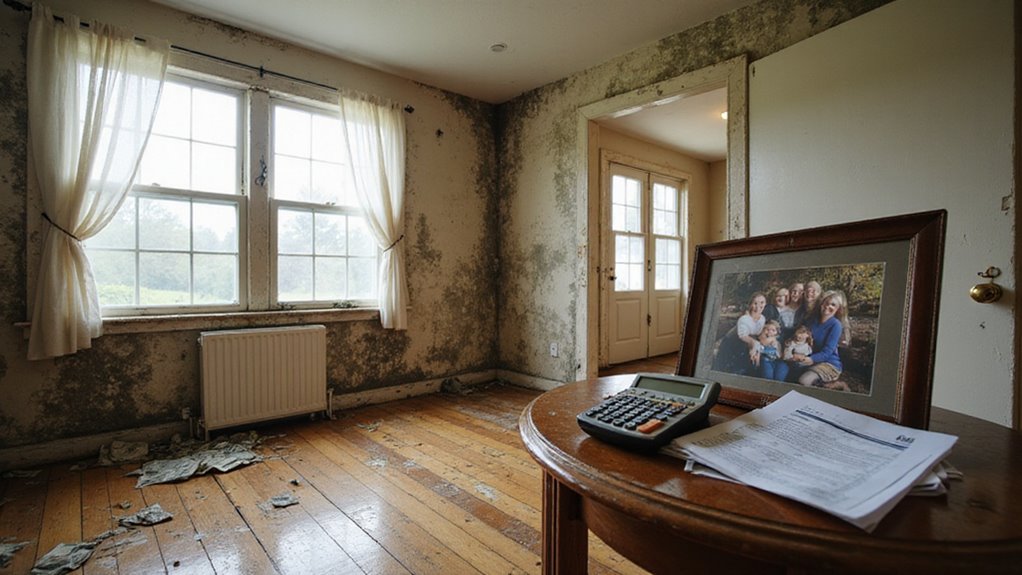
You’ll face significant hurdles with insurance when mold or water damage occurs, as most policies include strict exclusions and coverage limits. Claims often get bogged down in documentation disputes, and data from the Insurance Information Institute shows policyholders with water damage claims report higher rates of premium hikes and even coverage denials.
Understanding these challenges is crucial if you want to protect your investment and avoid unexpected out-of-pocket costs. In Oregon, joint tenancy or survivorship can enable you to bypass lengthy probate processes if you need to transfer or sell a home following property damage.
Policy Exclusions and Limitations
Homeowners insurance does not cover all types of mold and water damage. Many policies have exclusions and limitations that can leave you unprotected. You should always check your policy details before making a claim.
Insurance companies often deny claims for damage caused by slow leaks or poor maintenance. If damage happens gradually or from neglect, it is usually not covered. Data shows that over 22% of denied water damage claims are because of these exclusions.
If you plan to sell your home, you must report any damage that was excluded or left unrepaired. Legal rules require you to disclose these issues to buyers. This can make it harder to sell your house or reduce its value.
Common reasons for exclusions include slow water leaks, skipped maintenance, existing mold, building flaws, or homeowner carelessness. If any of these apply, your claim may be denied. Always address issues early and keep good records to avoid problems.
Claims Process Complications
Filing an insurance claim for mold or water damage is often difficult. Insurance companies require clear documentation, such as photos and repair estimates. They also want professional reports to confirm the damage.
Insurance adjusters may disagree with your contractor’s findings. These differences can slow down the claims process. Mold-related claims usually take 30% longer to resolve than other property claims.
Homeowners must disclose past water or mold damage when selling their home. Delays in claims can make these disclosures harder. If details are missing, it may lower your home’s value or reduce buyer trust.
Premium Increases and Denials
Insurers often raise premiums or deny coverage if your home has mold or water damage. They see these problems as high risks. Homes with past claims may face extra challenges getting or keeping insurance.
A single water or mold claim can make your home seem risky to insurers. If you have repeated claims, your chances of denial increase. Many companies rely on data that shows water damage often leads to costly and repeated problems.
If your home has a history of mold or water issues, you may pay higher annual premiums. Some policies might exclude mold and water damage altogether. Insurers sometimes require repairs or inspections before they renew your policy.
If you try to switch carriers, your options may be limited. Insurance companies share information about past claims. This can make it harder to find affordable coverage if you have a history of these issues.
Costs of Remediation and Repairs
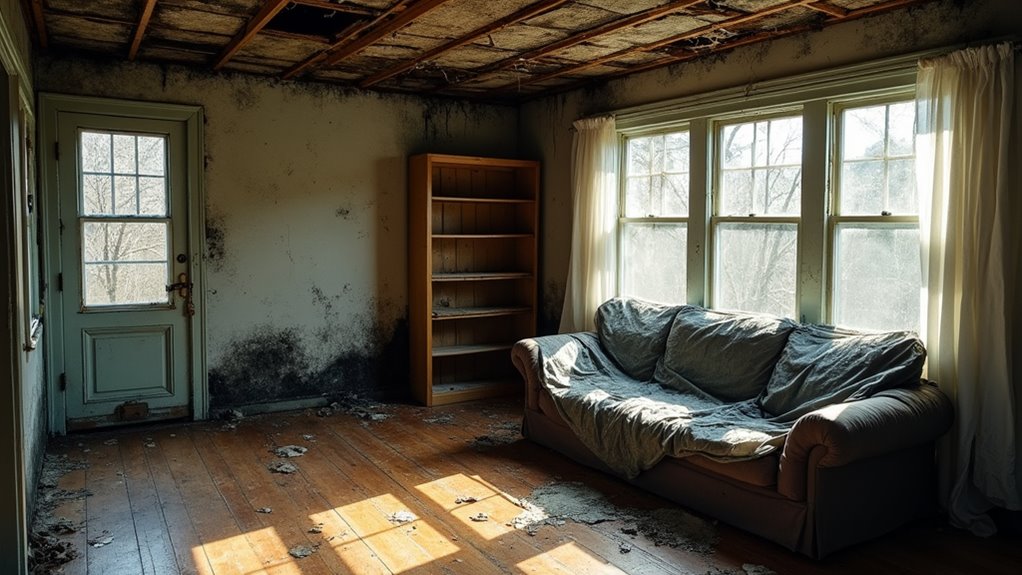
Remediation and repair costs for mold and water damage can differ based on the problem’s size. Most homeowners spend between $1,500 and $6,000 for mold removal. Severe water damage may raise costs, especially if drywall, floors, or insulation need replacement.
Upgrading to waterproofing systems or mold-resistant materials costs more at first. Waterproofing can range from $2,000 to over $10,000. Mold-resistant materials usually cost between $500 and $3,500.
If you invest in these solutions, you may lower future repair and maintenance expenses. Such spending can also protect your home’s value. Consider these averages before starting repairs.
Legal Disclosure Requirements for Sellers
Sellers must tell buyers about any mold or water damage in the home. Most states require you to give this information in writing. If you do not follow these rules, you may face lawsuits or lose the sale.
Disclosure laws are different in each state. You should always check the rules where you live. Honest answers help build trust and can affect the sale price.
You need to keep records of all repairs or clean-up work. If buyers ask about damage, you must answer truthfully. Sellers should also fill out any forms the state requires.
Keep copies of all documents for your records. If you follow these steps, you reduce your risk of legal trouble. Proper disclosure protects both you and the buyer.
Preventative Measures to Protect Home Value
Mold and water damage can harm your home’s value. Using preventive steps can help protect your investment. If you take action early, you can avoid costly repairs later.
Mold resistant materials work well in damp places like bathrooms, basements, and kitchens. Studies show these materials lower mold problems by up to 30%. Waterproofing the foundation, roof, and crawl spaces also helps prevent damage.
Proper grading and clean gutters guide water away from your home. If you keep gutters clear, you can cut water intrusion risks by 50%. Regular inspections of plumbing and HVAC systems can catch leaks early.
If you fix small problems quickly, you can prevent bigger issues. These simple steps keep your home safe and valuable. In a tough real estate market, prevention makes your home more appealing.
Professional Restoration vs. DIY Solutions
Professional restoration is usually safer and more effective than do-it-yourself solutions. It better protects your home’s value and safety. Experts follow strict steps to fix the problem completely. Professional restoration offers a safer, more thorough solution than DIY, helping to fully protect your home’s value and safety.
If you try to do it yourself, you may miss hidden mold or water. Missed damage can cause problems to return. Improper fixes may even lower your home’s resale value.
Professionals use special tools to find hidden moisture and mold. Certified experts also spot and repair unseen structural damage. Their work prevents future issues like wood rot.
Insurance claims are easier with professional documentation. Industry research shows that hiring experts helps protect your property’s value. If you want long-term results, consider professional restoration.
Marketing a Home After Mold or Water Damage
To convince buyers your home is still a good investment after mold or water damage, show clear proof of repairs. Share full records of mold removal and water restoration. If buyers see these documents, they feel more confident.
Provide copies of any warranties or certificates from the restoration work. If these can transfer to the new owner, mention it. Explain what caused the damage and how you fixed it.
Show before-and-after photos to prove the improvements. If you have air quality test results, include them. Share local data if homes with certified repairs regain most of their value.
If you use verified repairs and honest communication, you build buyer trust. Buyers want to see clear steps were taken for safety. This helps your home stand out in the market.
Long-Term Consequences of Unresolved Damage
Unresolved mold or water damage can cause serious long-term problems for a home. Property value often drops because moisture issues get worse over time. If damage is not fixed, the house may lose up to 30% of its value.
Buyers usually avoid homes with these problems. Lenders may refuse financing if a property has ongoing water or mold damage. Maintenance costs will also rise as repairs become more expensive.
Poor indoor air quality may lead to health issues for people living in the home. If anyone becomes sick, legal problems can follow for the owner. Inspection reports will likely be negative, making it harder to sell the house.
Persistent odors from mold are hard to remove and discourage buyers. Structural parts of the home can weaken, needing costly repairs. If moisture problems continue, fewer people will want to buy the property.
Conclusion
If homeowners leave mold and water damage untreated, their property value can drop significantly. Buyers may walk away, and appraisers might undervalue the home. Addressing these issues early can help protect your investment.
If you want to sell your home quickly, consider cash buyers. We buy houses for cash, even those with mold or water damage. Homeowners can avoid costly repairs and lengthy waiting times by choosing this option.
If you are ready to move on from a damaged property, contact OR Home Buyers today. We offer fair cash offers and a fast, hassle-free process. Let us help you sell your home with confidence.




Hi, I’m Bob Bash, founder of OR Home Buyers, serving the Oregon community since 2017. We provide full-service real estate solutions, specializing in cash purchases for both residential and commercial properties. I started this business to help our community navigate difficult real estate situations with professionalism, ethics, and compassion.
My goal is simple: to make every client feel relieved and happy when their real estate challenges are resolved. Helping people find solutions and peace of mind is what drives me every day.