

Selling a house with code violations is a big challenge. Buyers often worry, and lenders may refuse to finance the sale. Traditional home sales do not have these extra hurdles.
These violations can scare off buyers and lower your home’s value. You might face long delays and tough negotiations. The process becomes much harder than selling a standard home. Selling a house with code violations is more complicated, time-consuming, and risky than a traditional sale.
You can choose to fix the problems or disclose them to buyers. Knowing your options helps you make the best decision. This blog will guide you through selling a house with code violations and help you make the process easier.
Key Takeaways
- Homes with code violations often sell for less and take longer to close compared to traditional, code-compliant properties.
- Code violations can limit buyer interest, restrict financing options, and frequently require cash or investor buyers, unlike most traditional sales.
- Sellers of code-violating homes must disclose issues and may face legal risks or delays, while traditional sales typically proceed more smoothly.
- Repairs and inspections for violations can delay the sale timeline, whereas compliant homes usually move faster through escrow and closing.
- Marketing code-violating properties often focuses on as-is value and investor appeal, while traditional sales highlight move-in readiness and broad buyer suitability.
Understanding Code Violations and Their Impact
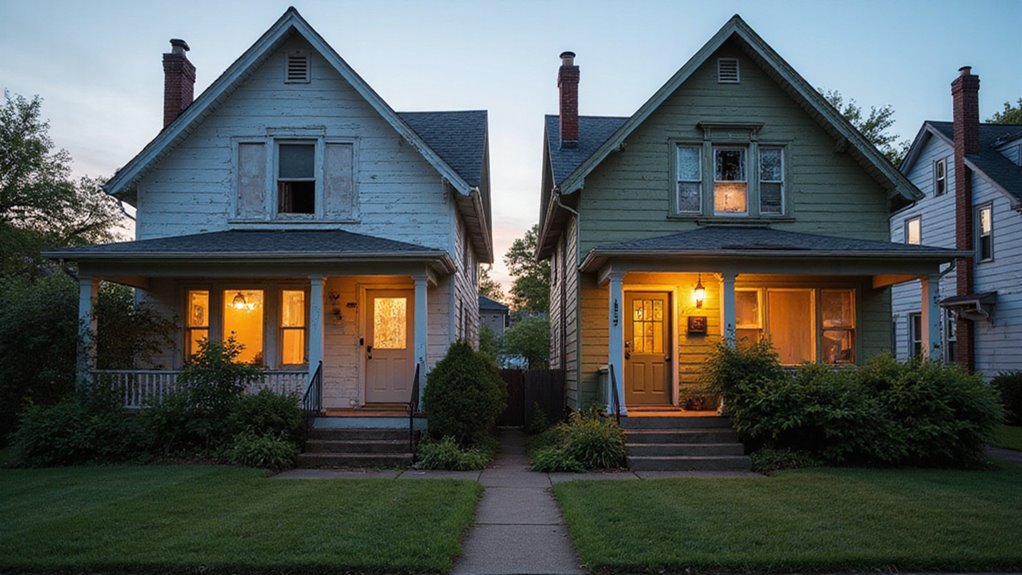
Code violations can make selling a house much harder. They often cause delays, extra costs, or even stop a sale. Buyers, lenders, and inspectors check for these problems right away.
Most violations happen because of zoning issues or unpermitted work. For example, a room addition built without a permit can be a violation. If you do not fix these problems, the sale may not go through.
In addition, some code violations—such as pest damage—may also require disclosure and repairs, especially in areas with strict real estate laws. Unpermitted work or zoning issues can derail your home sale if not addressed, like an unapproved room addition becoming a major setback.
Zoning law violations can also affect how the property is used. This may lower the home’s value and make it less attractive to buyers. Buyers may ask you to repair issues or lower your price.
If you understand zoning and permit rules, you can handle these issues better. This helps you meet legal requirements and negotiate with buyers. Fixing violations early can make your sale smoother. Knowing the financial consequences of code violations and how they affect home value can help you set a realistic price and attract more buyers.
Common Types of Code Violations in Residential Properties
Residential properties often have code violations related to safety, structure, and health. Common violations include faulty wiring, missing smoke detectors, and old plumbing. These issues can put residents at risk.
Structural problems like cracks in the foundation or illegal room additions are frequent. A damaged roof also counts as a violation. If these exist, a home may be unsafe. In Oregon, market demand can affect how quickly a home with such violations is able to sell, as buyers may be more or less willing to take on properties needing repairs.
Environmental hazards such as lead paint, asbestos, and mold break health codes. Improper trash disposal and poor ventilation may also lead to violations. These can cause health problems for the people living there.
Zoning rules are another concern for homeowners. Turning a garage into a living space or running a business at home can break local laws. If these violations are not fixed, penalties or sale delays may happen.
When selling a house with code violations in Oregon, addressing necessary repairs before listing can help maximize the home’s value and reduce negotiation issues during the sale process.
Disclosure Requirements for Code Violations

When selling a property with code violations, you must follow disclosure rules set by state and local laws. Sellers have to tell buyers about any unpermitted work or unresolved issues. These rules exist to protect both buyers and sellers.
Sellers often need to provide documents like building permits and inspection reports. If you fail to disclose violations, you may face legal trouble or lose the sale. Buyers use this information to judge risks and future costs. In Oregon, special rules can apply if the sale is related to an estate under $275,000, which may affect required disclosures.
Oregon sellers must also disclose existing liens on property, as these can impact a buyer’s ability to obtain clear title and may affect the overall transaction.
Here is a simple chart with examples of required disclosures:
| Disclosure Item | Purpose |
|---|---|
| Building Permits | Show proof of legal repairs or changes |
| Inspection Reports | Describe current property condition |
| Violation Notices | Alert buyers to code problems |
| Repair Estimates | Explain possible costs to fix issues |
Proper disclosure helps buyers trust you and makes the sale process easier.
How Code Violations Affect Property Value
Code violations usually lower a property’s value. Buyers see unresolved violations as risks and may offer less money. Lenders might also hesitate to approve loans.
Structural problems or zoning issues can make a home harder to sell. Zoning disputes may limit what owners can do with the property. Some buyers will avoid homes with these restrictions. In some cases, professional inspections can reveal additional code compliance or safety issues that further influence buyer decisions.
Environmental hazards like mold or asbestos often require costly repairs. These hazards can also pose health risks to future owners. Insurance companies may refuse coverage for such properties.
If violations are not fixed, selling the home could take longer. The final sale price may be lower than similar homes without violations. Sellers may need to lower the asking price to attract buyers.
Additionally, title defects may further complicate the sale by delaying the transaction or raising concerns for buyers, making it even more important for sellers to address all issues before listing their property.
Buyer Options When Purchasing a Home With Code Issues

When buying a home with code issues, you have several choices. You can ask the seller to fix the problems or lower the price. You may also request credits at closing to cover repairs. When purchasing a home with code issues, you can negotiate repairs, request a price reduction, or ask for repair credits at closing.
A home inspection helps you find all code violations. This step lets you see how much work the house needs. If repairs are costly, you may decide not to buy. It’s smart to maintain detailed records of the inspection and any agreements made about repairs, as this can help with future tax or compliance questions.
A contractor can give you repair estimates. You should use these numbers to decide if the home fits your budget. If costs are too high, you can negotiate or walk away.
Local building offices can explain the rules and possible fines. Knowing these details helps you avoid surprises later. You must follow all local codes after buying the house. In Oregon, it’s also important to consider essential repairs like roof, plumbing, electrical before making your final decision, as these can greatly impact the property’s value and appeal.
Traditional Home Sale Process Overview
A traditional home sale follows several clear steps. The process usually starts by hiring a real estate agent. If you want to sell quickly, understanding these steps is important.
The agent sets a price using recent sales of similar homes. Homeowners often clean and stage the house to make it more appealing. If photos and virtual tours are used, more buyers can view the property. Some sellers may need to address major maintenance issues before listing, as these can affect how quickly the home sells and the types of buyers interested.
Agents arrange showings and help review offers from buyers. Sellers must allow inspections and appraisals before the sale moves forward. If the house meets basic living standards, buyers can get loans more easily.
Each part of the sale process is meant to help you get the best price. If your house has issues, the sale may take longer. Knowing this process helps you prepare for what to expect. In Oregon, sellers should also be aware of property tax and insurance obligations, as keeping these up to date can prevent additional complications during the sale.
Listing a Home With Code Violations: What to Expect
When you list a home with code violations, the sales process becomes more complicated. You must fully disclose all known violations to buyers. Buyers will want documents that explain any outstanding issues.
Most buyers see code violations as a problem. Your buyer pool may mostly include investors or experienced renovators. You should expect to adjust your asking price to cover repair costs. Understanding property disclosure requirements can help you protect yourself from legal disputes and provide clarity to all parties involved.
Inspections will likely be more detailed. Negotiations often focus on repair credits or lowering the price. If you market the home, you must clearly explain the issues and highlight any renovation potential.
Homes with code violations often take longer to sell. Buyers and their agents will examine the property closely. If you prepare well, you can still find the right buyer. Consulting with real estate professionals who understand local laws-rules can help you navigate disclosures and attract serious buyers.
Repair vs. Sell As-Is: Weighing Your Options
If your property has code violations, you must decide to repair or sell as-is. Repairs can increase your selling price but cost more time and money. Selling as-is is faster but often brings lower offers. When facing code violations, choose between time-consuming repairs for a higher price or a faster, lower offer by selling as-is.
Repairing means hiring contractors, getting permits, and passing inspections. These steps add expenses and can delay your sale. A fixed property appeals to more buyers.
Selling as-is puts the repair responsibility on the buyer. This option usually attracts investors or cash buyers only. Offers may be lower because of the needed repairs.
You should consider your finances, the home’s condition, and local market demand. If you can afford repairs, you may earn more. If not, selling as-is could be your best option. You can also sell your house without an agent for cash, allowing you to avoid repairs, agent fees, and lengthy traditional processes.
Financing Challenges for Buyers of Non-Compliant Homes
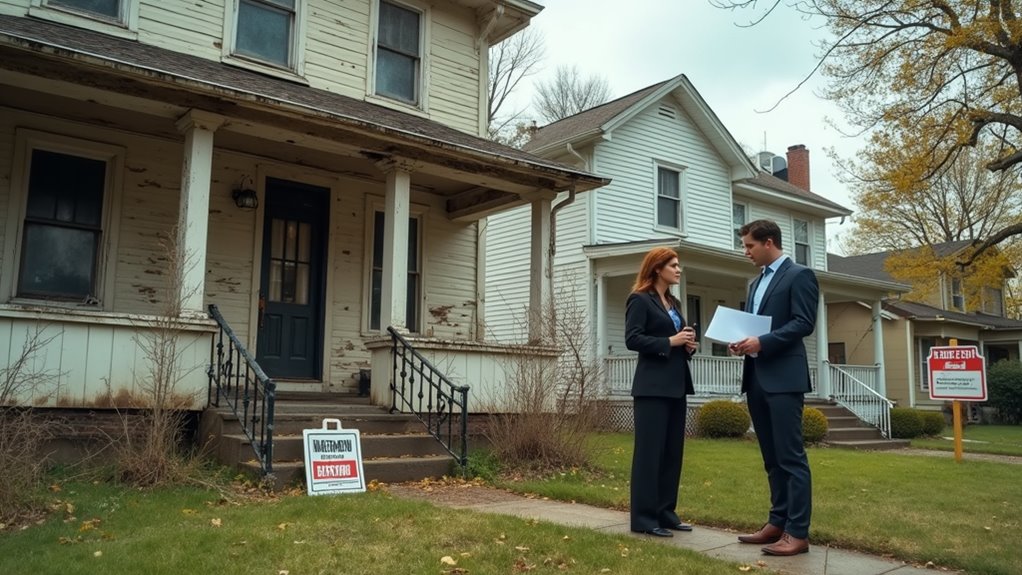
Buying a home that does not meet local codes is difficult to finance. Most lenders will not give loans for homes with code issues. If you want to buy, you may need to use cash or look for hard money loans.
Appraisers usually note non-compliance, which often leads to loan denials. Lenders also worry about zoning or environmental problems. If a home has these issues, you may face extra steps or costs.
Hard money loans are an option, but they have high interest and short terms. Insurance can also be hard to get for non-compliant homes. Buyers should know these challenges before making an offer.
Here are common barriers buyers face:
| Financing Barrier | Impact on Buyer |
|---|---|
| Lender Restrictions | Denial of traditional or FHA loans |
| Appraisal Issues | Lower values, loan rejections |
| Zoning Challenges | Lenders may require legal fixes |
| Environmental Hazards | Insurance and underwriting problems |
| Hard Money Loans | High rates, quick repayment needed |
Working With Real Estate Agents Experienced in Code Violations
Working with real estate agents who know about code violations can make selling your house easier. These agents understand the rules and can handle problems that come with violations. If you want a smoother sale, consider their help.
Agents with this experience can estimate repair costs and explain them to buyers. They will arrange special inspections to find every code issue. If you need repairs quickly, agents can connect you with reliable contractors.
The right agent will help you share all problems honestly with buyers. If you follow their advice, you can avoid legal trouble and set fair expectations. Good guidance can help your sale go well, even if your property has issues.
Negotiations and Offers: Differences in Each Scenario
When you negotiate offers on a property with code violations, buyers typically gain substantial advantage and may impose stringent demands. You’ll need to account for pricing adjustments that reflect both the cost of remediation and the perceived risk buyers assume. Understanding these dynamics allows you to structure offers that minimize concessions while maximizing your net proceeds.
Buyer Leverage and Demands
Buyers often gain leverage when a home has code violations. These issues allow buyers to negotiate for lower prices or more concessions. Code violations become powerful tools for buyers during the negotiation process.
If inspectors find violations, buyers may ask you to fix them before closing. Lenders often refuse loans on properties with unresolved violations. This risk makes buyers push harder for better terms.
Some buyers will request repair credits instead of asking you to do the repairs. Others may want a price reduction equal to the repair costs. If you do not address the violations, you may lose the sale or face delays.
Pricing Adjustments and Risk
Code violations usually lower a property’s market value. The amount of the price drop depends on the type and seriousness of the violations. Buyers will lower their offers to cover repair costs and possible fines.
If violations are public, buyers may see the property as risky. This often leads to fewer offers and less competition. You should expect buyers to negotiate more aggressively.
Homes with violations rarely sell at premium prices. A discount is needed to make up for the extra risk. You must decide if the lower price is worth avoiding the hassle of fixing the issues.
Timeline Comparison: Standard Sales vs. Code Violation Sales
When you sell a house with code violations, expect inspection delays and extended repair timelines that can disrupt the standard sales process. Buyers often require additional approval periods to assess risk and secure financing, especially if major compliance issues are uncovered. These factors typically prolong the closing process compared to transactions involving code-compliant properties.
Inspection Delays and Repairs
Inspection delays and repairs can slow down the home selling process. If your home has code violations, expect more steps before closing. Municipal rules and extra inspections can extend the timeline.
Municipal regulations decide which problems you must fix before selling. If a home has violations, inspectors may take longer to schedule visits. City inspectors usually have limited availability for these cases.
Repairs must follow strict rules and often need licensed professionals. If inspectors find issues, you may need re-inspections. These requirements can make closing your sale take longer.
Buyer Approval Timelines
Buyer approval timelines can slow down if a property has code violations. Standard home sales usually move faster because lenders face fewer issues. Code violations cause delays as lenders review the property more closely.
Lenders and insurers may need extra documents if there are past compliance problems. Zoning issues sometimes require a legal review, which can delay the process. Buyers might need more time or special conditions to meet their lender’s rules.
If code violations are not resolved, closing dates often get pushed back. Proactive communication and early disclosure help keep your transaction moving forward. Always inform buyers and lenders about any known violations early in the process.
Closing Process Differences
Closing a home with code violations takes longer than a standard closing. Extra steps and reviews often cause delays. These differences can make the process less predictable.
Lenders may need proof that repairs are finished before they will approve the sale. Buyers might ask for price reductions or request money held in escrow. Insurance companies could refuse coverage or charge higher rates if violations are not fixed.
If there are code violations, you might need more inspections and approvals from the city. Property taxes can become complicated if violations lead to new assessments or liens. Insurance approval may also take longer, especially if safety issues remain.
Knowing these differences helps you prepare for possible delays during closing. You can plan ahead and address issues early to avoid surprises.
Legal and Liability Considerations for Sellers
Selling a house with code violations means you have legal duties and possible risks. You must tell buyers about any code issues, hazards, or zoning problems. Not doing so can lead to legal trouble or fines.
Sellers must list all known property violations. You should tell buyers about dangers like mold or asbestos if they exist. It is also important to note any zoning problems or non-allowed uses.
If there are unpaid local fines, settle them before closing. Buyers may cancel the deal or sue if you hide problems. Clear and honest information helps prevent fraud claims.
You should consider talking to a real estate lawyer for help. A lawyer can guide you through all rules and paperwork. This reduces your risk after the sale.
Marketing Strategies for Homes With Code Violations
To market homes with code violations, focus on honest communication and the right buyers. You should be clear about the property’s current condition. This approach helps build trust and attracts serious interest. Be upfront about a home’s condition to earn trust and draw in motivated buyers ready for a project.
If you understand local zoning rules, you can highlight unique redevelopment options. Some investors may find value in grandfathered uses that new rules do not allow. These features can make the property more appealing.
Always disclose code violations and suggest possible solutions or incentives. If buyers know what to expect, they can plan repairs or upgrades. Real estate investors or contractors are often the best target audience for these homes.
If you use simple technical terms in your listing, you can attract buyers familiar with renovations. Emphasize the as-is value and the chance for customization. Refer to neighborhood trends to show long-term potential.
Conclusion
If you want to sell a house with code violations, you will face extra challenges compared to a standard sale. Sellers must follow local rules, disclose all issues, and work with buyers who understand the risks. If you do not prepare, you could lose time and money during the process.
If you need a quick and simple solution, we buy houses for cash in any condition. Homeowners who choose this route can skip repairs and long negotiations. If you want to avoid the stress of traditional sales, selling to cash buyers can help.
If you are ready to sell your property with code violations, contact us or OR Home Buyers today. We can give you a fair cash offer and close on your schedule. Let us help you move forward with confidence.




Hi, I’m Bob Bash, founder of OR Home Buyers, serving the Oregon community since 2017. We provide full-service real estate solutions, specializing in cash purchases for both residential and commercial properties. I started this business to help our community navigate difficult real estate situations with professionalism, ethics, and compassion.
My goal is simple: to make every client feel relieved and happy when their real estate challenges are resolved. Helping people find solutions and peace of mind is what drives me every day.