
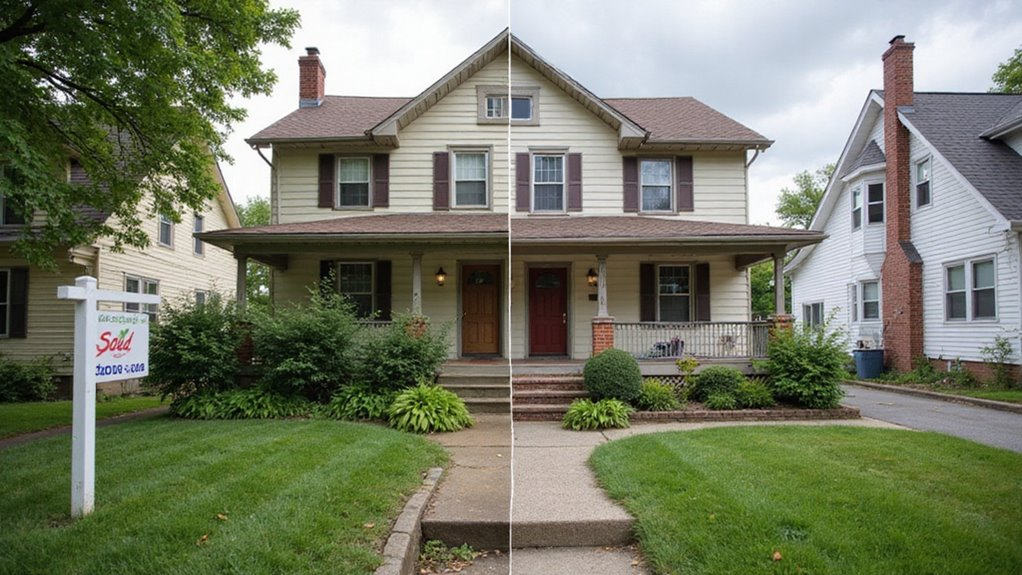
Selling a house with foundation damage is much harder than a regular home sale. Many buyers worry about safety and expensive repairs. Lenders may also hesitate to finance these homes, making it tough for sellers to get good offers.
This problem can lead to lower sale prices and longer wait times. Sellers must deal with more negotiations and extra paperwork. The stress can make the process overwhelming for most homeowners.
Selling a house with foundation damage requires a different approach than selling a traditional home. You need to decide whether to fix the damage or sell as is.
Smart pricing and clear disclosures are key to a successful sale. This blog will guide you through each step to help you sell your home with foundation issues.
Key Takeaways
- Homes with foundation damage typically sell for 10-20% less than similar homes without structural issues.
- Foundation issues deter buyers, resulting in fewer offers, longer market times, and more negotiations for credits or repairs.
- Traditional sales attract more buyers, have smoother financing, and generally command higher prices without the stigma of major defects.
- Foundation problems often require legal disclosures and documentation, increasing the risk of disputes compared to traditional sales.
- Lenders may reject financing for homes with unresolved foundation issues, while traditionally sound homes face fewer obstacles in mortgage approval.
Understanding Foundation Damage: What Homeowners Need to Know
Foundation damage can lower your home’s value and delay a sale. Homeowners should know the causes and warning signs. Early detection helps you manage problems before listing your property.
If you spot cracks in walls, uneven floors, or doors that stick, take action quickly. Homes with foundation issues often sell for 10-15% less if not repaired. Professional assessments help you understand the extent of the damage. To help avoid potential delays and legal issues, it’s important to identify specific code violations that may coincide with foundation problems.
If you plan to sell, disclose any foundation repairs upfront. Buyers value honesty and records of completed repairs. This approach can make negotiations smoother and build trust with buyers.
Educating yourself on foundation problems allows you to make informed choices. If you address issues early, you reduce surprises during inspections. Proactive steps can lead to a faster and more successful sale.
Oregon’s expansive clay soils and wet winters make it especially important for local homeowners to watch for early foundation warning signs to protect both property value and buyer confidence.
Common Causes of Foundation Issues
Foundation problems often happen when the ground under your house moves or becomes weak. Common causes include clay soils, poor drainage, and tree roots. These issues can make your home’s foundation unstable.Foundation issues often arise when soil shifts, drains poorly, or tree roots spread, making your home’s foundation less stable.
The American Society of Civil Engineers says over 25% of homes in the U.S. will face problems from shifting soil. Plumbing leaks or bad gutters can let more water into the ground. Extra water adds to the risk of foundation damage. In Oregon, market conditions and property condition can play a significant role in how foundation issues affect your home’s value and saleability.
Homes in areas with many freeze-thaw cycles are at higher risk. This weather pattern causes the ground to expand and contract, stressing foundations. If your property has these risks, fixing them early can save money.
Taking action before damage spreads can help your home sell more easily. Early repairs also lower costs and reassure potential buyers. Being proactive helps keep your home in good condition.
Consulting a professional tax advisor early in the process may also be helpful if the property is held in a trust or part of an estate, as tax implications can affect your selling strategy.
Signs Your House May Have Foundation Problems
You’ll want to watch for visible wall cracks and floors that appear uneven or sagging—both are strong indicators of foundation problems. Studies show that over 60% of homes with structural issues display these signs early on. Addressing them promptly can help you mitigate risks and protect your property’s value. In Oregon, it’s important to note that accurate property valuation is crucial, especially when foundation issues are present, to ensure you price your inherited home competitively and in line with local regulations. Additionally, Oregon sellers are required to provide thorough property disclosures about any known foundation issues to avoid future disputes and comply with legal standards.
Visible Wall Cracks
Visible wall cracks can mean your home’s foundation has problems. Not all cracks are just from aging or paint. If you see these, you should not ignore them.
Horizontal or stair-step cracks wider than 1/8 inch may show serious foundation movement. These can lead to expensive repairs if left untreated. Buyers might avoid your home if they see these during inspections.
You should look for cracks near windows, doors, or corners. Take clear photos and check if the cracks grow over time. If changes appear, contact a structural engineer right away.
A professional can assess the issue and suggest proper repairs. If you fix these cracks before selling, you can prevent bigger problems. This also helps you avoid scaring away buyers.
Uneven or Sagging Floors
Uneven or sagging floors often mean there are problems with your home’s foundation. These issues should not be ignored, as they may get worse over time. Floors that slope, dip, or feel weak are warning signs.
If you see these problems, you should talk to a structural engineer. An expert can check the damage and suggest if repairs are needed. Early action can help prevent more serious and expensive issues.
If you plan to sell your home, keeping records of repairs is useful. Buyers usually feel more confident when they see proof of professional work. Proper documentation can also protect your home’s value.
Buyer Perceptions of Homes With Foundation Damage
When buyers spot foundation damage, they often question the home’s overall integrity and your transparency as a seller. Studies show that visible foundation issues can reduce offer prices by up to 20%. Addressing these concerns directly helps you build trust and protect your negotiating power.
Disclosing foundation problems, as required under Oregon’s probate law requirements, may also be necessary if the property is being sold through an estate. Understanding Oregon’s real estate market trends also plays a vital role, as buyers may be more cautious and selective in fluctuating markets, further impacting their perceptions of homes with foundation problems.
Trust Concerns and Skepticism
Buyers are often skeptical when a house has foundation damage. They worry about hidden problems and future repair costs. If you are selling such a home, expect many questions and doubts.
Many buyers believe foundation problems are always serious or impossible to fix. This belief creates extra stress for sellers. Homeowners must handle both the repairs and the myths.
Serious buyers usually want detailed paperwork, such as engineering reports or repair receipts. Buyers may also ask for warranties that can transfer to them. They might request several inspections for peace of mind.
If you want to rebuild trust, always share clear and complete documents. Honest answers and open communication help ease buyer concerns. Transparency can make buyers more confident in your home.
Impact on Offer Prices
Even small foundation problems can lower a home’s price by 10% to 20%. Buyers worry about high repair costs and future issues. Homes with visible damage often get fewer offers and stay on the market longer.
Market perception is important. Many buyers expect the worst if they see foundation issues. If you fix the problem before selling, you may get better offers.
Providing repair documents can build buyer trust. Being open about repairs may reduce the discount buyers want. This approach can help you sell faster and for more money.
Impact on Home Value and Sale Price
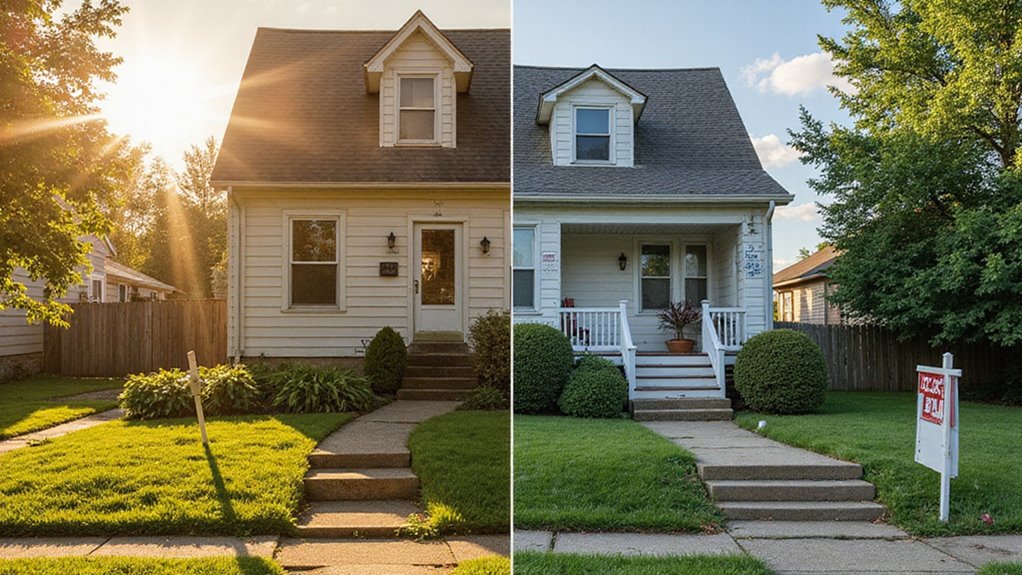
Foundation damage usually lowers your home’s value and selling price. Most homes with this problem sell for 10% to 20% less. The exact amount depends on how serious the damage is and your local market. Sometimes, an outdated mortgage combined with foundation problems can further limit your selling options, making it crucial to assess both issues before listing your home.
Buyers often see foundation issues as risky. They may want a big discount or ask for repairs before buying. If you plan to sell, you must consider the cost of repairs and buyers’ concerns.
Sellers need to disclose any foundation problems. Proper disclosure helps avoid legal problems after the sale. Transparent information builds trust with buyers.
Foundation damage can make your home harder to sell. Homes with visible problems often stay on the market longer. Buyers might also use the damage to negotiate for lower prices or repair credits. Sellers in Oregon must also follow disclosure requirements relating to structural issues and provide buyers with necessary documentation, helping to ensure a smoother transaction.
Disclosure Requirements and Legal Considerations
You must follow strict damage disclosure laws when selling a home with foundation issues, as most states require you to inform buyers in writing. Failing to disclose can expose you to lawsuits and significant financial liability. To protect yourself and ensure a smooth sale, use clear buyer notification procedures and retain all documentation.
Keeping detailed property records can help you avoid confusion over what was disclosed and provide proof in case of later disputes. If your home has a government-backed loan—such as an assumable mortgage—you may also need to provide buyers with specific details about the loan’s terms and obtain lender approval for any transfer.
Mandatory Damage Disclosure Laws
Most states require you to disclose foundation damage when selling a house. Disclosure laws protect buyers from hidden structural problems. If you do not follow these laws, you could face legal trouble.
You should keep all records of foundation repairs. Receipts, inspection reports, and contractor information help prove the work was done. Buyers may ask for these documents during the sale.
State forms will ask about foundation repairs and other structural issues. You must answer every question honestly and completely. Written evidence can make buyers feel more confident.
If you stay transparent, you reduce the risk of disputes. Proper disclosure helps the sale go smoothly. Following the law protects you as a seller.
Seller Liability Risks
Even small mistakes on your disclosure forms can create legal and financial problems for you. If you do not tell buyers about foundation damage you know about, they could sue you. This might lead to expensive lawsuits, canceled sales, or forced repairs.
Courts may make you pay for repairs and the buyer’s legal fees. These costs can be over $30,000 in some cases. Insurance may not help if you did not disclose problems.
You should keep records of all foundation issues and repairs. Getting professional inspections is a good way to protect yourself. Honest disclosure builds trust with buyers and can make the sales process smoother.
Buyer Notification Procedures
State and local laws say sellers must tell buyers about foundation problems. You must give true, written details about any damage or repairs. If you do not follow these rules, you could face lawsuits or fines.
Sellers should list all foundation issues in writing. Details about soil expansion and repairs like reinforcement must be included. If you miss something, buyers may take legal action.
Inspection reports from professionals help show the property’s condition. Sellers should always share these reports with buyers. These documents also point out repairs that may be needed.
Each city and state can have different disclosure forms. You should check your local laws before selling. If you have questions, ask a real estate expert for advice.
Inspection and Appraisal Challenges
Inspectors and appraisers look closely at foundation problems because they threaten a home’s structure. If your home has foundation issues, inspections and appraisals will be more strict. Both inspectors and appraisers will note any cracks, settling, or water damage.
Inspectors use special tools to check for uneven floors and moisture. They will document all issues found. Appraisers usually lower the home’s value by 10% to 20% if repairs are needed. In some cases, professional appraisals for real estate can help determine the fair market value even when foundation issues exist, making the sale process more transparent for all parties.
If you get a structural engineer’s report before selling, it can help. This report shows buyers the true condition of your home. If you fix problems or know repair costs, you can set a fair price.
Good preparation can make negotiations smoother. Buyers will trust you more if you are open about any damage. If you handle these issues early, selling your home will be easier.
Professionals also recommend accurate pricing based on market research, especially when major structural issues are involved, to attract serious buyers and facilitate a successful sale.
Financing Obstacles for Buyers

Foundation damage can make it hard for buyers to get financing. Most lenders do not approve loans for homes with serious structural problems. If you want to sell, you need to know these challenges.
Appraisers often lower the home’s value if there is foundation damage. Lower values mean buyers can borrow less money for the purchase. This can make it harder for you to find a qualified buyer.
Some lenders will not approve the loan unless repairs are made first. They may ask for proof that the foundation has been fixed. If repairs are not done, loan approval is unlikely.
If you understand these issues, you can plan your sale better. Setting realistic expectations will help you avoid surprises during the selling process. You should also be prepared that short sale options may be necessary if the home’s value falls below your outstanding mortgage balance.
Repairing Foundation Damage Before Listing
Before listing your home, you should get a professional estimate to understand the true cost of repairing foundation damage. Data shows that investing in repairs can boost your home’s value and attract more qualified buyers. By weighing repair costs against potential returns, you’ll make a more informed decision about how to proceed.
Assessing Repair Costs
Assessing repair costs helps you make smart decisions about foundation repairs before selling your home. You need to know the damage and expected costs upfront. If you skip this step, you might face unexpected expenses later.
A professional should inspect your home to see how serious the foundation problems are. The expert will also suggest the best repair methods. Nationally, repairs usually cost between $2,000 and $7,000, but complicated work can cost over $10,000.
You should compare estimates from several trusted contractors. If you do this, you will get a fair price and reliable service. Make sure each quote lists all needed repairs and matches industry standards.
Impact on Home Value
Foundation repairs can help protect and even increase your home’s value. Buyers see foundation problems as a major risk. Fixing these issues before selling often prevents low offers.
Homes with repaired foundations usually sell for 10% to 15% more than homes with unresolved problems. If you repair the foundation, more buyers may be interested. Many lenders will not finance homes with structural issues.
Sellers who fix foundation issues show responsibility. This can give buyers and appraisers more confidence in your property. If you want a stronger sale, addressing foundation repairs is a smart move.
Selling “As Is” Versus Making Repairs
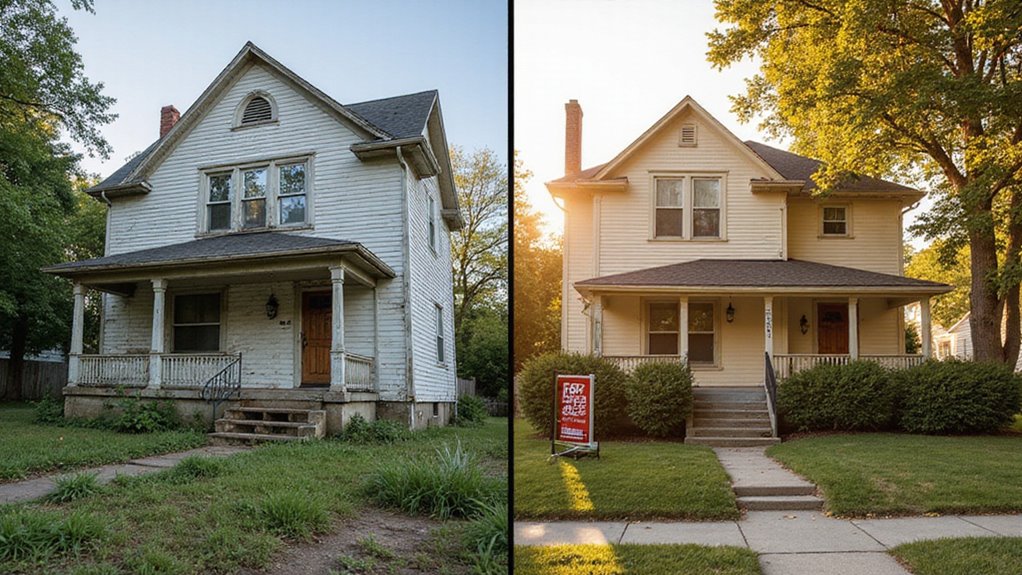
Selling a house with foundation damage means deciding between selling “as is” or making repairs first. Each option has its own benefits and drawbacks. Your choice depends on your situation.
Repair costs can be high and may not lead to a higher sale price. You should get repair quotes and compare them with recent home sales in your area. This helps you see if repairs are worth it. Foundation repairs can be expensive and may not always boost your sale price—compare repair costs with local home sales before deciding.
Some buyers prefer “as is” homes, especially when there are few houses for sale. If the market is fast-changing, selling “as is” might help you sell faster. Making repairs does not always guarantee more money.
You should consider your financial needs and how quickly you want to sell. If you need to sell quickly, “as is” may be best. If you have time and money, repairs could help.
Marketing Strategies for Homes With Structural Issues
Homes with structural issues can still attract buyers if marketed correctly. Clear and honest communication is key when selling a home with foundation damage. Highlight the home’s best features, such as its location or recent upgrades, in your listing.
If you stage the home professionally, it can sell much faster. Staging helps buyers see the potential of the space, even with issues present. Virtual tours can also reach more buyers and show the home’s layout clearly.
Always mention the foundation damage upfront in your marketing. Provide inspection reports and repair estimates to build trust. If buyers have all the facts, they can make informed decisions and negotiate fairly.
Working With Real Estate Agents and Investors
Working with real estate agents or investors affects how you sell a house with foundation damage. Agents and investors offer different benefits. Your choice will depend on your goals and timeline.
Real estate agents help you reach more buyers through staging and open houses. They may ask you to make repairs before listing the home. If you want the highest price, an agent could help if the home is in good shape.
Investors buy homes “as-is” and close quickly. You will likely receive a lower offer, but you skip repairs and showings. If you need to sell fast, an investor might be the better choice.
Buyers often worry about foundation damage, so honesty is important. Agents use marketing to find buyers willing to take on repairs. Investors usually expect a discount to cover their risk.
Timeline Differences: Foundation Damage vs. Traditional Sales
Selling a house with foundation damage usually takes more time than a regular home sale. Buyers and lenders are often cautious about structural problems. Most homes with foundation issues stay on the market up to 50% longer.
Foundation damage makes it harder to attract buyers, even if the house is staged well. Buyers compare your home to others without problems and may avoid scheduling visits. Lenders often require more inspections and may delay or deny financing.
Traditional sales are faster because inspections and approvals move smoothly. Foundation problems lead to more negotiations and sometimes failed deals. If you want a quicker sale, consider targeting investors or cash buyers who can move fast.
Cost-Benefit Analysis: Should You Fix or Sell As Is?
A cost-benefit analysis helps you decide whether to fix foundation damage or sell as is. You should weigh repair costs against the possible increase in sale price. This approach lets you choose the option with the best financial outcome.
Foundation repairs usually cost between $2,000 and $15,000 or more. Getting quotes from licensed contractors gives you accurate numbers. Higher repair costs may not always lead to a higher selling price. Foundation repairs can range from $2,000 to $15,000+, but spending more doesn’t always guarantee a higher sale price.
Unfixed damage is likely to be found during a home inspection. This could lead to lower offers or longer selling times. Completed repairs may boost buyer confidence and help you sell faster.
If you want to maximize your profit, compare the post-repair sale price minus repair costs to any “as is” offers. If the net gain is higher after repairs, fixing the damage could make sense. If not, selling as is might be the better option.
Conclusion
If you need to sell a house with foundation damage, you have several options to consider. You can choose to repair the damage, sell as-is, or work with a cash buyer. Each option has its own benefits depending on your timeline and budget.
If you decide to sell as-is, you may attract buyers who understand the situation and are willing to pay cash. We buy houses for cash, making the process fast and simple. If you want to avoid repairs and long waits, this could be the best route.
If you are ready to move forward, contact us today. OR Home Buyers can help you sell your house with foundation issues quickly. We are here to provide you with a fair and hassle-free offer.




Hi, I’m Bob Bash, founder of OR Home Buyers, serving the Oregon community since 2017. We provide full-service real estate solutions, specializing in cash purchases for both residential and commercial properties. I started this business to help our community navigate difficult real estate situations with professionalism, ethics, and compassion.
My goal is simple: to make every client feel relieved and happy when their real estate challenges are resolved. Helping people find solutions and peace of mind is what drives me every day.