
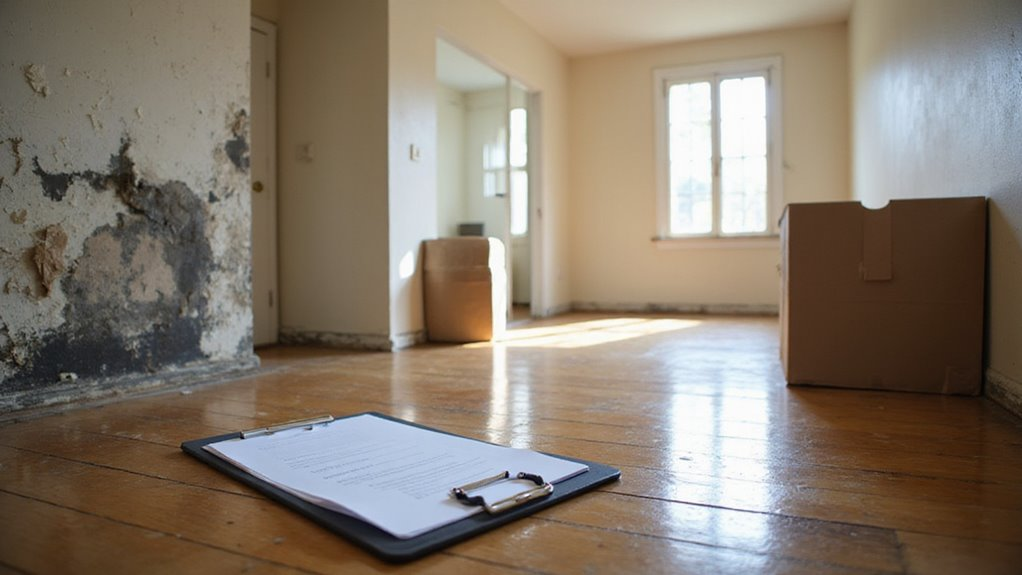
Selling a house with mold or water damage is not like a regular home sale. Buyers are wary, and the process gets complicated fast. You need to know what sets these sales apart before you start.
The presence of mold or water damage scares off many buyers. Lenders might refuse financing, and repair costs cut into your profits. Disclosure laws make things even tougher, adding stress and delays.
Selling a house with mold or water damage is much harder, riskier, and often slower than a traditional home sale. You must use smart strategies and know your options.
This can help you avoid major setbacks and sell successfully. This blog will guide you through the steps to handle these challenges and achieve the best result for your situation.
Key Takeaways
- Homes with mold or water damage often sell for less and take longer to find buyers than traditional, undamaged properties.
- Damage requires full disclosure, which can limit buyer interest and make financing or insurance approval more difficult.
- Repairs and professional remediation are usually necessary to restore value and boost marketability, but add significant upfront costs.
- Selling as-is to cash buyers can speed up the process but usually results in lower offers and a smaller pool of potential buyers.
- Inspection and negotiation are more complex, with buyers demanding proof of repairs, credits, or price reductions due to perceived risks.
Understanding the Impact of Mold and Water Damage on Property Value
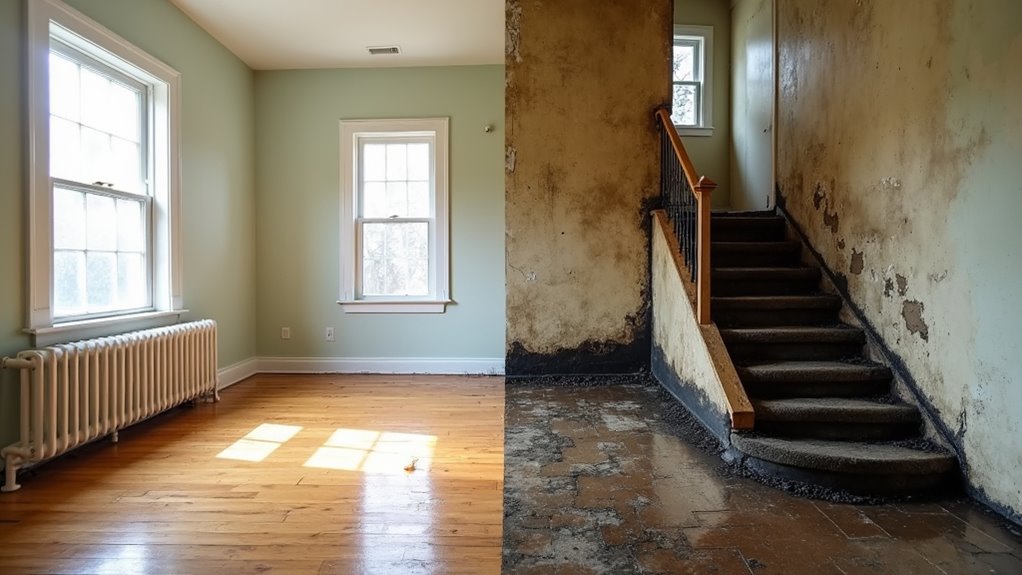
Mold and water damage can lower a property’s value. Buyers often worry about health risks and expensive repairs. If these issues exist, selling your home may take longer and bring a lower price.
Lenders may not finance homes with unresolved water damage. Insurance companies may charge higher premiums or deny coverage. Properties with past water problems can become harder to insure. Addressing issues with professional remediation is often crucial for preserving your home’s worth.
If you fix mold and water issues before selling, you can attract more buyers. Remediated homes often sell faster and for a better price. Taking care of these problems early helps keep the property competitive.
Homes with comprehensive documentation of repairs for issues like mold, water, or pest damage tend to build more buyer trust and lead to a smoother sales process.
Common Causes and Signs of Mold and Water Issues
Mold and water problems often happen where there is too much moisture. Common causes include roof leaks, broken pipes, or poor drainage. If you spot these early, you can avoid expensive repairs.
Signs of trouble include stains on walls, peeling paint, or a musty smell. Mold may appear as black, green, or white spots. Water stains often mean there is a hidden leak. Hoarder homes, for example, often have hidden problems that can complicate the identification of water or mold issues.
You should check your home regularly for these issues. If you find any problems, fix them as soon as possible. Using dehumidifiers and keeping rooms well-ventilated helps prevent mold.
Proper care of gutters, roofs, and plumbing reduces water risks. If you practice water conservation, you can lower pressure on pipes. Staying alert keeps your home safe and valuable.
Additionally, just like with environmental and safety concerns, mold or water damage can impact your home’s market value and must be carefully assessed before deciding whether to repair or sell.
Disclosure Requirements When Selling a Damaged Home
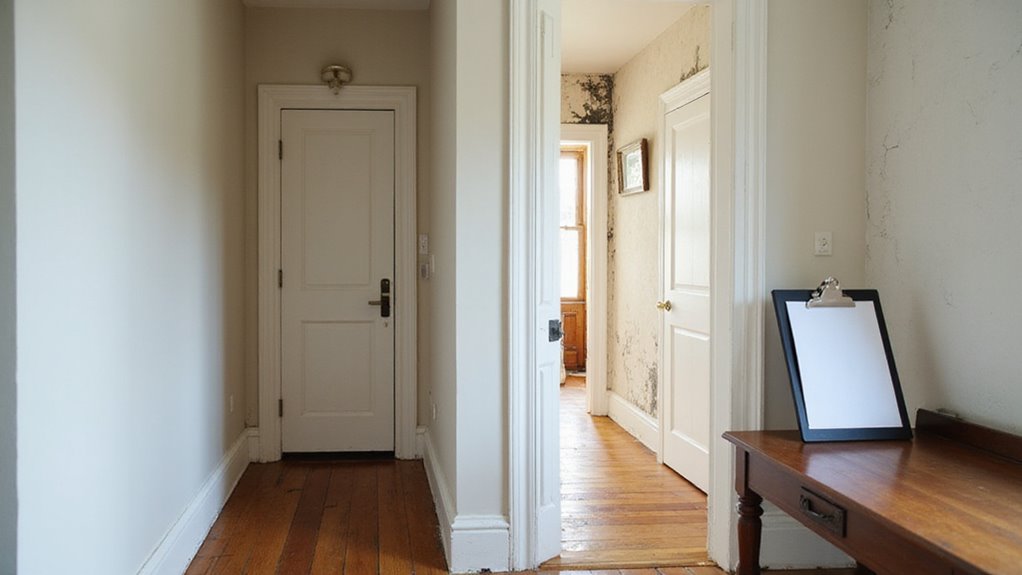
When you sell a home with damage, you must disclose all known problems. Laws require you to inform buyers about issues like mold or water damage. If you do not, you could face legal trouble or fines.
Disclosure covers things such as previous water leaks, visible mold, or musty smells. Buyers need to know about any environmental hazards in the home. In Oregon, property disclosure requirements govern seller obligations and help establish transparency between all parties. You should share all details about past repairs and any steps taken to fix the damage.
If you have hired professionals to repair the damage, provide documentation. This shows you took action to address the problem. Keeping records can also help protect you from future disputes.
Addressing disclosure requirements is especially important in Oregon, where compliance with disclosure laws helps prevent delays and maintains buyer confidence through a transparent sales process.
Buyer Perceptions and Concerns About Mold and Water Damage
Mold and water damage often make buyers worry about hidden problems in a home. Buyers may fear costly repairs or health issues. Even a clean-looking home will not remove these worries. In Oregon’s competitive real estate market, effective staging and marketing can help reassure buyers and showcase a property’s potential despite past issues.
Buyers want to avoid health risks, especially for family members with allergies. Water damage can weaken foundations, insulation, or wiring. If left untreated, these issues may become expensive to fix.
Some buyers also look at the neighborhood. Visible damage in one home might suggest poor maintenance nearby. This can lower the value of homes in the area.
If you are selling, you should know about these concerns. Addressing the problems early may help buyers feel more comfortable. Doing so can lead to smoother and better sales.
Buyers are also often concerned about how code violations in Oregon might affect their financing options and the overall value of the property, making transparency and resolution of such issues especially important when selling.
Inspection Challenges Unique to Damaged Properties
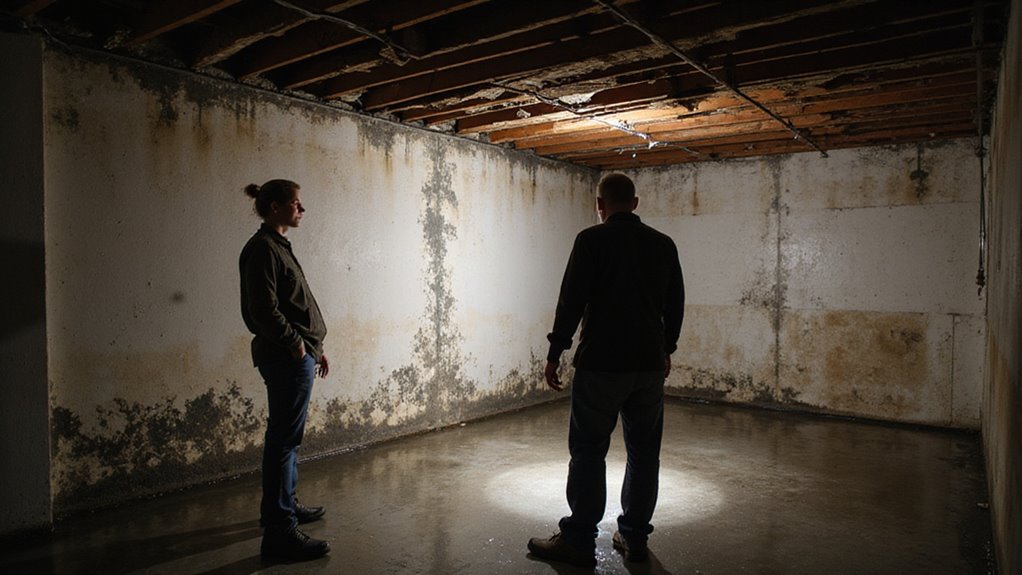
Damaged properties come with specific inspection challenges. Mold and water damage are common concerns for buyers. Inspectors are trained to find problems that are easy to miss.
They use special tools like moisture meters and thermal cameras. These tools help them check behind walls and under floors. Even small issues can be noticed during an inspection. If foreclosure is a possibility, it’s important to understand Oregon’s notice period requirements which may influence the timeline for inspections and repairs.
If inspectors find mold or water damage, buyers may worry about future costs. Inspection reports can affect the property’s value and make financing harder. If repairs seem expensive, buyers might back out.
Oregon law also requires sellers to provide a detailed Property Disclosure Statement about any damage, including mold or water issues, which builds trust but can further influence buyer decisions.
Repair Versus Selling As-Is: Weighing Your Options
Repairing or selling as-is depends on cost, time, and potential profit. Repairs can increase your home’s value and attract more buyers. If you sell as-is, the process is faster but may reduce your buyer pool.
Repairs often help homes in popular neighborhoods sell for more. In less desirable areas, fixing damage may not raise the price much. Consider your location and local market trends. It’s a good idea to review Oregon’s real estate regulations before deciding how to proceed, as these can impact both the selling process and required disclosures.
If you have the money and time, repairs may be worth it. If not, selling as-is is a simpler option. Always weigh your financial situation before deciding.
Additionally, selling as-is to a cash home buyer can eliminate the need for agent commissions and provide a fast, hassle-free sale regardless of your home’s condition.
Attracting Investors and Cash Buyers
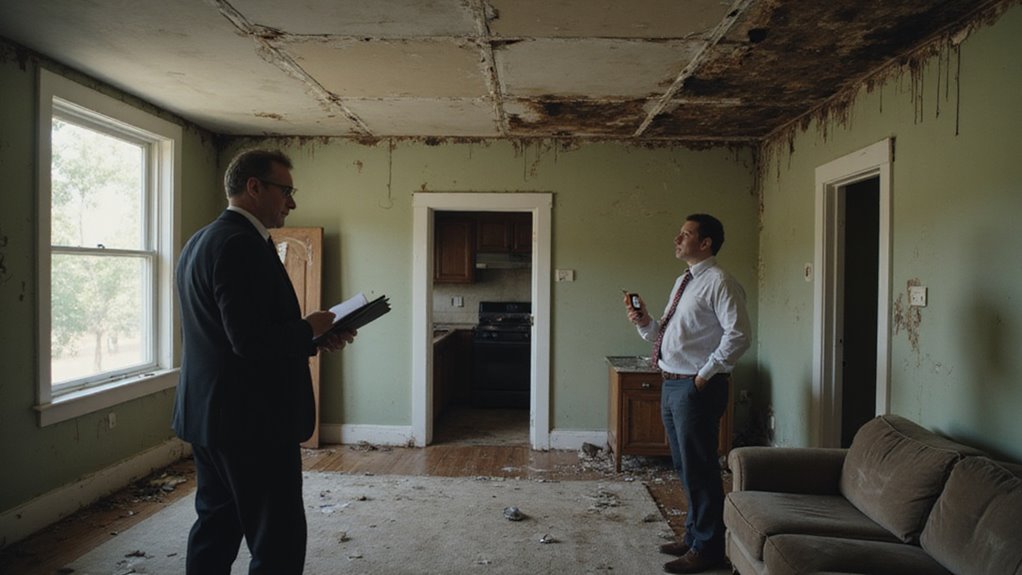
When marketing a property with mold or water damage, you’ll need to highlight value-add opportunities and potential for a swift close to attract serious investors and cash buyers. These buyers focus on acquisition costs, after-repair value, and risk mitigation, so it’s essential to present clear numbers and realistic expectations.
Sellers in Creswell benefit from fair cash offers regardless of property condition, making it easier to appeal to those seeking efficient, hassle-free transactions. Position your home competitively, and be ready for direct, data-driven negotiation. When dealing with such properties, it is crucial to understand the foreclosure process timelines in Oregon, as managing these can affect your ability to close quickly and appeal to buyers looking for efficiency.
Investor Appeal Factors
Mold and water damage can attract investors and cash buyers. These buyers look for properties they can improve and sell for profit. If a house has issues, it may sell for less, which appeals to investors.
Investors care about the structure and cost to repair, not just how the house looks. They often buy homes in good neighborhoods, even if the property needs work. If a house is not staged, cash buyers still focus on its potential.
Knowing these factors helps you find the right buyer. If you target investors, you can sell a damaged house more easily. Condition matters less than location and possible profit.
Cash Buyer Negotiation
Negotiating with cash buyers helps you get the best price for your property. Cash buyers usually ask for discounts if there is mold or water damage. You can respond by pointing out the good features of the neighborhood and the home’s future value.
If the property has issues, mention any recent staging that shows its potential after repairs. Provide clear repair estimates and be honest about all problems. This builds trust and can help support your price.
If several investors are interested, use this to encourage quick and higher offers. Cash buyers want a fast and certain sale, so prepare all documents in advance. Quick responses to questions make the process smoother and strengthen your position.
Negotiating Offers on Homes With Mold or Water Damage
When a home has mold or water damage, buyers usually ask for lower prices or extra repairs. Sellers should expect these requests and plan their responses. Damage changes the deal from selling features to handling risks.
Buyers will want proof of any repairs or estimates for fixing the problems. Sellers may need to offer repair credits or agree to sell the home “as-is.” Clear information about the damage can build trust and help avoid large price cuts.
Inspection reports will be closely reviewed by buyers. Sellers should be ready to answer questions and show what steps have been taken. Good communication makes it easier to reach an agreement. Understanding the unique challenges of selling a home with existing defects, as compared to a standard sale, can further help sellers anticipate buyer concerns and respond effectively.
Financing Hurdles for Buyers and Sellers

Homes with mold or water damage are hard to finance. Lenders see these issues as risks to the property’s value. If there are environmental hazards, buyers and sellers may face big challenges.
Most traditional lenders will not approve loans for homes with unresolved damage. Buyers may need to use cash or get a hard money loan. Sellers often see fewer interested buyers and longer wait times.
Appraisers may give the home a lower value if there are hazards. If you are selling, you might need to work with buyers who will accept these risks. Knowing how lenders view these problems can help you prepare for stricter requirements.
The Role of Professional Remediation Services
Professional remediation services fix mold or water damage problems in your home. These experts remove contamination and document all repairs. If you use their services, you give buyers and lenders clear proof the issues are solved.
Certified remediation means trained people handle the problem safely and thoroughly. They stop mold or water from coming back, and give you paperwork to meet legal rules. This can also help you avoid future problems during home inspections.
If you want your house to sell easily, remediation makes it more attractive to buyers. Clean repairs and no bad smells help your property stand out in the market. If you stage your home after repairs, you can increase buyer interest even more.
Marketing Strategies for Damaged Properties
You can use special marketing strategies to sell properties with mold or water damage. These methods help attract serious buyers and get a better sale price. If you show the repairs and improvements, buyers may feel more confident.
Home staging helps highlight the best parts of the property. Professional photos show clean and fixed spaces. Listing descriptions should clearly state what work has been done.
Social media can reach buyers looking for fixer-uppers or investment properties. If you use targeted ads or virtual tours, you can draw more attention. These tools let you share your property’s story in a positive way.
Being honest about the property’s history builds trust. Good photos and clear details help set your home apart from others. If you use digital marketing, you can compete with homes listed in perfect condition.
Legal Risks and Liabilities to Consider
You need to understand your state’s disclosure requirements, as failing to report mold or water damage can expose you to significant legal claims. Buyers may pursue lawsuits for nondisclosure or misrepresentation, especially if health or structural issues arise post-sale. Review your insurance policies carefully, since coverage gaps can leave you personally liable for remediation costs or damages.
Disclosure Requirements Explained
Sellers must tell buyers about any known mold or water damage. Most states require written disclosure of past or current issues. If you hide problems, you could face legal or financial trouble.
Disclosure rules include past mold cleanup or water damage repairs. Even if you fixed the issue, you still need to inform buyers. Check your state’s disclosure forms to make sure you are following the law.
If you are unsure, speak with a real estate lawyer. Giving full information protects you from disputes after the sale. Honest disclosures help prevent legal problems.
Potential for Buyer Lawsuits
If you do not tell buyers about mold or water damage, you could face a lawsuit. Buyers can sue if they find hidden mold or water issues after buying the home. Courts often rule in favor of buyers if sellers hide problems.
Sellers may face several types of legal claims. These include failure to disclose, fraudulent concealment, breach of contract, and negligent misrepresentation. Each claim can result in different kinds of damages and defenses.
If a buyer sues for failure to disclose, they may want repair costs or to cancel the sale. Fraudulent concealment can lead to extra payments as punishment. Breach of contract may require you to fulfill parts of the agreement, while negligent misrepresentation could cover medical or repair costs.
You can reduce risk by keeping records of any mold or water issues and all repairs done. If you document everything before selling, you will have proof if questions arise. Full and honest disclosure is the best way to avoid problems.
Insurance and Coverage Issues
Homeowners insurance does not usually cover mold or water damage from neglect or poor maintenance. Most policies exclude damage caused by long-term leaks or failure to fix problems. If you sell a home with these issues, insurance will likely not help with costs.
Insurance companies often deny claims for mold or water damage if the cause is not sudden or accidental. Policies limit coverage for problems that result from ongoing leaks or lack of upkeep. If the insurance company finds out the damage was preventable, they will not pay.
Sellers may have to pay for repairs out of pocket if coverage is denied. Misrepresenting damage or insurance coverage to buyers can lead to legal trouble. Always disclose known issues and policy limits to avoid disputes during the sale.
Timeline Differences: How Long Does It Take to Sell?
Homes with mold or water damage usually take much longer to sell than homes in good condition. Buyers may hesitate, and lenders often look more closely at the title. Inspections and extra paperwork can slow down the process.
A traditional home sale often takes 30 to 60 days. If the home has mold or water damage, selling can take 60 to 120 days or more. As-is sales are faster, closing in about 14 to 30 days.
Delays often come from inspections, repairs, and title checks. If you need to sell quickly, an as-is sale may be best. It is important to know these timelines before making a decision.
Potential Costs Involved in Selling a Damaged Home
When you list a property with mold or water damage, you’ll face significant remediation and repair expenses upfront. Buyers expect price reductions and may also demand concessions to offset perceived risk. Understanding these financial impacts is critical to accurately estimate your net proceeds.
Remediation and Repair Expenses
Remediation and repair expenses are often necessary before selling a home with mold or water damage. Buyers and lenders will notice these issues and may avoid the property if problems are not fixed. Repair costs can range from a few thousand to tens of thousands of dollars, depending on how severe the damage is.
Professional mold remediation is usually required and may include air quality testing and containment. If water has caused structural damage, you will likely need to repair walls, floors, or even the foundation. Cosmetic touch-ups are also important to help your property look its best compared to others in your area.
Investing in these repairs can make your home more attractive to buyers. Proper remediation may also be necessary to comply with local regulations. If you skip these steps, you risk lowering your home’s value and delaying the sale.
Price Reductions and Concessions
Buyers usually want a lower price or concessions when mold or water damage is involved. They may ask for credits at closing or a price drop. Comparable homes without these issues influence what buyers are willing to pay.
Home staging may improve appearances, but it does not remove buyer concerns. Many buyers worry repairs might not solve future problems. This often leads to price competition with similar homes.
Sellers often offer to cover closing costs or provide repair allowances to close the deal. The market values homes with damage lower, even if repairs look complete. You should expect offers below your original asking price.
Conclusion
If you plan to sell a house with mold or water damage, you should expect unique challenges. These issues often lead to more inspections, lower offers, and longer selling times compared to traditional sales. If you address the problems early and stay honest with buyers, you can improve your chances.
If you want a faster and easier solution, you may consider selling your house for cash. We buy houses in any condition, including those with mold or water damage. If you need to sell quickly, this option can save time and effort.
If you are ready to move forward, reach out to us or OR Home Buyers today. We can give you a fair cash offer and close on your timeline. Let us help you sell your property without the usual stress.




Hi, I’m Bob Bash, founder of OR Home Buyers, serving the Oregon community since 2017. We provide full-service real estate solutions, specializing in cash purchases for both residential and commercial properties. I started this business to help our community navigate difficult real estate situations with professionalism, ethics, and compassion.
My goal is simple: to make every client feel relieved and happy when their real estate challenges are resolved. Helping people find solutions and peace of mind is what drives me every day.