
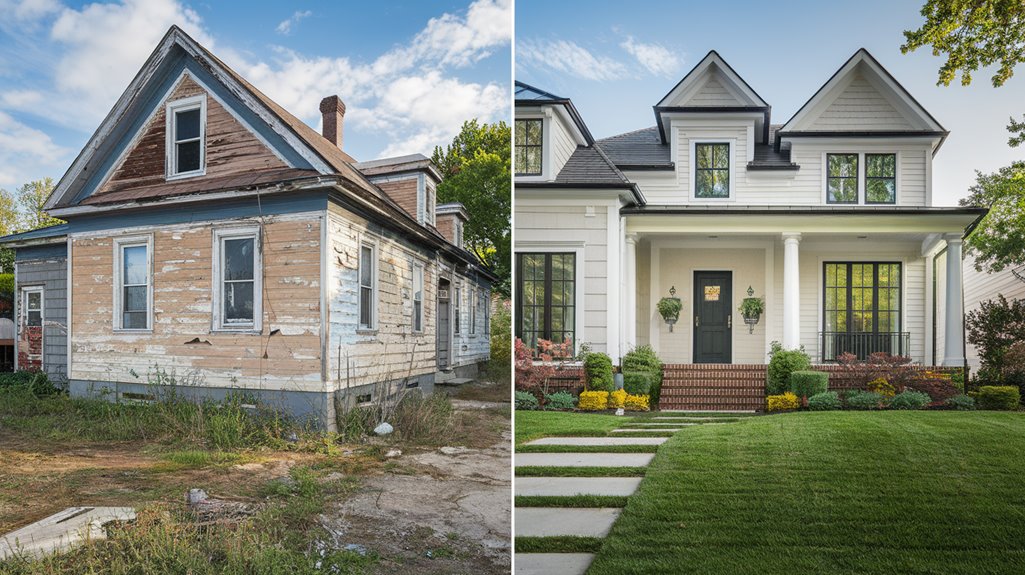
Selling a home can be a daunting task with many tough choices. Should you fix it up or sell as-is? The decision feels overwhelming, especially with time and money on the line. Many homeowners struggle to pick the right path without clear guidance. But what if you choose wrong?
A bad decision could mean losing money or wasting months. Stress builds as you wonder if repairs are worth it. The pressure of pleasing buyers can drain your energy fast. Fear not, there’s a way to decide with confidence.
Selling as-is offers speed, while traditional sales chase higher profits. By understanding both options, you can match your needs. This clarity helps you avoid costly mistakes and move forward. This blog will guide you to solve this dilemma with clear, actionable insights.
Key Takeaways
- Selling as-is closes faster, often in weeks, compared to traditional sales that may take months.
- As-is sales skip repairs and staging, saving money, unlike traditional sales requiring preparation.
- Traditional sales attract broader buyers for higher prices, while as-is limits to investors or fixer-upper seekers.
- As-is reduces paperwork and negotiations, whereas traditional sales involve extensive documentation and scrutiny.
- Traditional sales face delays from inspections, unlike as-is sales with fewer contingencies and quicker deals.
What Is As-Is Home Sale?
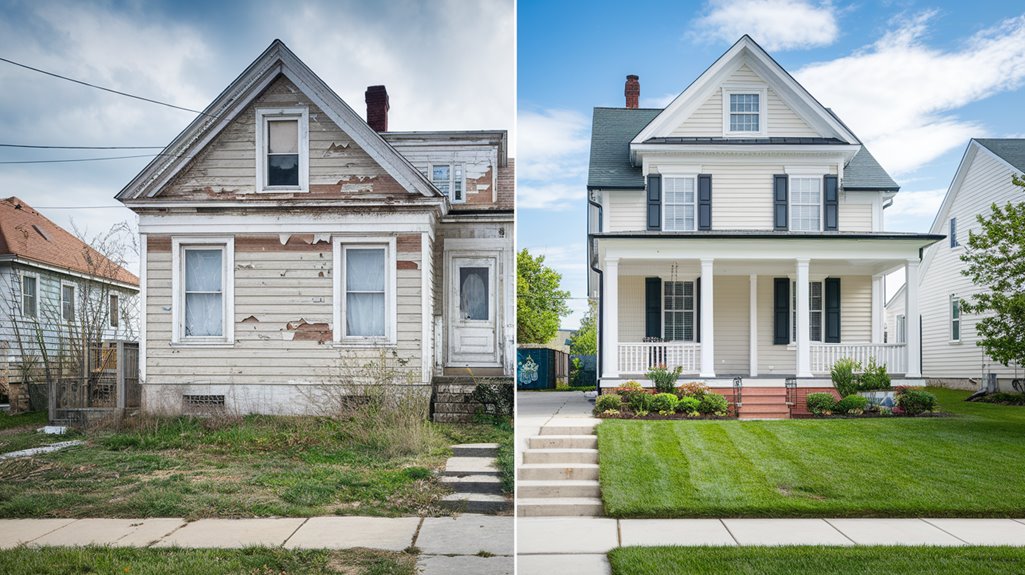
An “as-is” home sale means buying a property in its present state. The seller makes no repairs before closing. You accept the home with all visible or hidden issues. Sellers aren’t required to fix any problems. If you choose this, transactions can be faster. Be cautious and inspect the property thoroughly. In Oregon, understanding property disclosure requirements is crucial to ensure compliance and transparency during the sale.
When exploring global practices, “as-is” sales differ due to cultural norms. Some countries require sellers to reveal major defects. In others, buyers must beware of undisclosed issues. If you’re dealing internationally, research local laws. Understanding customs helps avoid unexpected problems or liabilities.
Key Features of As-Is Home Sale
When you opt for an as-is home sale, you’re stepping into a deal that often promises a fair price, a cash offer, and a faster sale compared to traditional methods. You’ll appreciate the simplified process, as it cuts through much of the usual hassle of repairs and negotiations. However, brace yourself for a limited buyer pool, since not everyone is willing to take on a property in its current condition. Additionally, you can benefit from a hassle-free process with no need for agent fees or commissions.
Fair Price
Securing a fair price is key when selling an as-is home. You must assess the property’s condition carefully. The price should reflect any visible flaws or needed repairs. Market trends are important to set a competitive rate. If trends are ignored, you might overprice or underprice the home.
Consider pricing just below a round number to attract buyers. Transparency about the home’s condition builds trust with buyers. You’re required to disclose known issues to avoid future problems. If honesty is prioritized, disputes can be minimized. A balanced price ensures fairness for everyone in the deal.
Cash Offer
How can a cash offer help in an as-is home sale? A cash offer ensures a simple, dependable deal. It removes financing issues since the buyer has ready funds. You gain confidence with this clear certainty. If you verify funds, scams can be avoided easily. Checking proof of funds brings peace of mind.
Picture these clear moments during the process:
- A buyer shows a bank statement, building instant trust.
- Cash seems to stack up, offering quick relief.
- A signed contract finalizes everything without loan waits.
With cash offers, you manage a smooth as-is sale.
Faster Sale
Selling your home as-is speeds up the process significantly. You can close deals in weeks, not months. Market trends show rising demand for homes needing no repairs. This helps you avoid long traditional sale delays. If you target investors, they often prioritize quick transactions. Cash buyers also value speed over perfection.
As-is sales might offer buyer perks like lower closing costs. Flexible timelines can make your home more attractive. You won’t wait for fussy buyers or tough negotiations. If market conditions are right, you’ll get cash quickly. This approach lets you move forward without stress.
Simplified Process
Selling your home as-is makes the process fast and easy. You skip complex tasks and repair negotiations. This method reduces effort, helping you avoid time-heavy duties. If you choose this, you control how your property is shown. No need to fix every small issue.
Picture the simplicity with these clear benefits:
- Homeowners skip noisy contractors fixing things at the last moment.
- You avoid stress from staging with rented items.
- If issues arise, you bypass long buyer debates over flaws.
Limited Buyer Pool
Selling your home as-is means reaching fewer buyers. You’ll mostly attract investors, flippers, or those wanting fixer-uppers. Traditional buyers often want move-in-ready homes. So, you might miss out on many offers.
Your location plays a big role in this. If regional demand for as-is homes is high, you could see interest. But if many similar listings exist, standing out becomes hard. Consider these factors before deciding. They affect how fast and well you sell.
Reduced Contingencies
Selling as-is reduces contingencies, meaning fewer buyer conditions on the deal. This cuts out repair demands or inspection delays. The closing process speeds up if you limit these hurdles. However, risks exist if undisclosed issues emerge later. You could face legal disputes over hidden problems post-sale.
Picture these clear benefits of an as-is sale through simple examples:
- A contract gets signed quickly without fix-related delays.
- Closing happens smoothly with no last-minute repair talks.
- Buyers accept the home’s issues without extra demands.
Balance these advantages against potential risks for a safe deal.
What is the Traditional Home Selling Process?
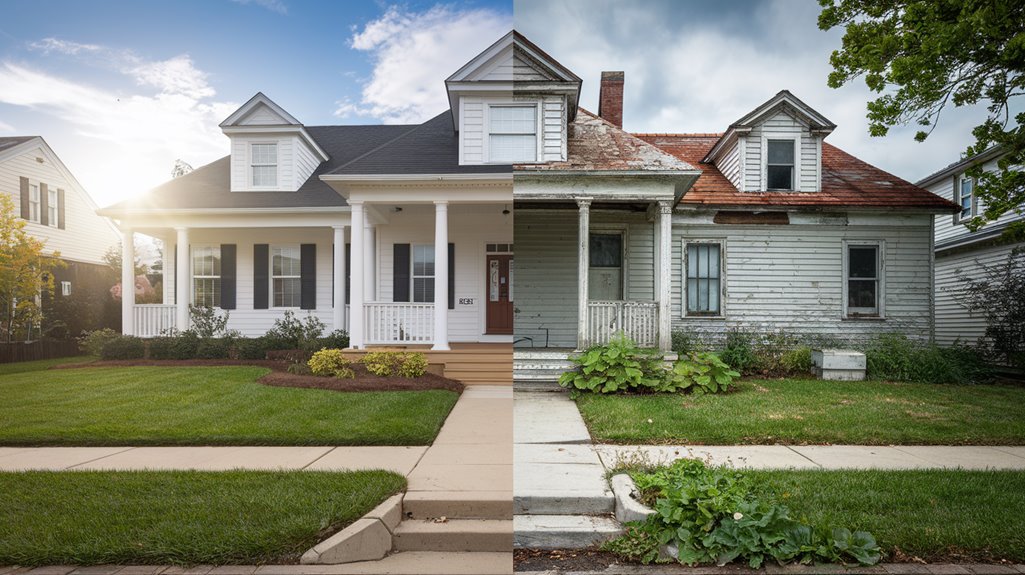
The traditional home selling process is a clear set of steps to get the best value for your property. It starts with hiring Real Estate Agents who help you understand the market and price your home. These agents guide you in setting a fair price to attract buyers.
If you want an accurate value, agents can arrange Home Appraisals to assess your property’s worth. This step ensures you neither underprice nor overprice your home during the sale. Next, you prepare your house by fixing issues or making upgrades.
Your agent then markets the property through online listings, open houses, and private showings. When offers arrive, you negotiate terms to secure the best deal possible. Finally, with professional help, you complete the closing process smoothly. Partnering with experienced agents can significantly impact the speed of your sale in Oregon’s housing market.
Key Features of Traditional Home Selling
When you choose traditional home selling, you’re aiming for a possibly higher price, though you’ll likely face a slower sale process that demands more of your time and effort. Expect a more involved journey, as you’ll need to handle repairs, staging, and negotiations to attract a broader buyer pool. Trust that this method, while complex, often maximizes your return if you’re willing to invest the effort. Additionally, leveraging professional staging and photography can help your property sell faster and stand out in a competitive market.
Potential for Higher Price
How can you boost your home’s value in a tough market? Selling traditionally helps you aim for a top price. Highlight your home’s best features to attract serious buyers. A great spot in a popular area shows a Location Premium. If your place needs work, Renovation Potential can draw investors. Smart pricing and neat presentation make your home stand out.
Picture these exciting possibilities for your property:
- Your home sits on a busy city street, boasting a Location Premium.
- A fixer-upper awaits, full of Renovation Potential for a creative buyer.
- A well-staged room inspires buyers to bid for their ideal space.
Use these strengths to get the best deal for your home.
Slower Sale Process
Many issues can slow a traditional home sale, so prepare for a longer wait. In a slow market, homes often linger as fewer buyers search. If economic conditions weaken, demand may drop, delaying your sale further. Seasonal trends might also reduce interest, stretching your timeline unexpectedly.
Buyer hesitation can also cause delays in the process. If your home needs repairs, buyers might avoid extra costs. They could take longer to decide, inspecting every detail before offering. Even with a good listing, if buyers negotiate hard, the sale may drag on. Be ready for such challenges when choosing this path.
More Involved Process
A traditional home sale is a complex task that needs your full attention. You will face many challenges while managing various steps. If you skip any part, issues may arise quickly. Bureaucratic hurdles include handling lots of paperwork and legal rules. Operational issues involve scheduling inspections, appraisals, and urgent repairs. This process demands your focus and patience every day.
Imagine these common situations during the sale:
- Stacks of papers wait for your review and signature.
- Frequent calls from agents disrupt your daily routine.
- Busy schedules fill with showings and important meetings.
You must guide every detail with care and precision.
Broader Buyer Pool
A traditional home sale offers a broader buyer pool compared to as-is deals. Your property attracts families, investors, and first-time buyers with different needs. This diversity boosts your market reach beyond cash-only or quick-close buyers. If you stage and repair your home, you draw more interest. Listings and open houses help you connect with varied audiences.
Why Selling A House As-Is Is A Good Option
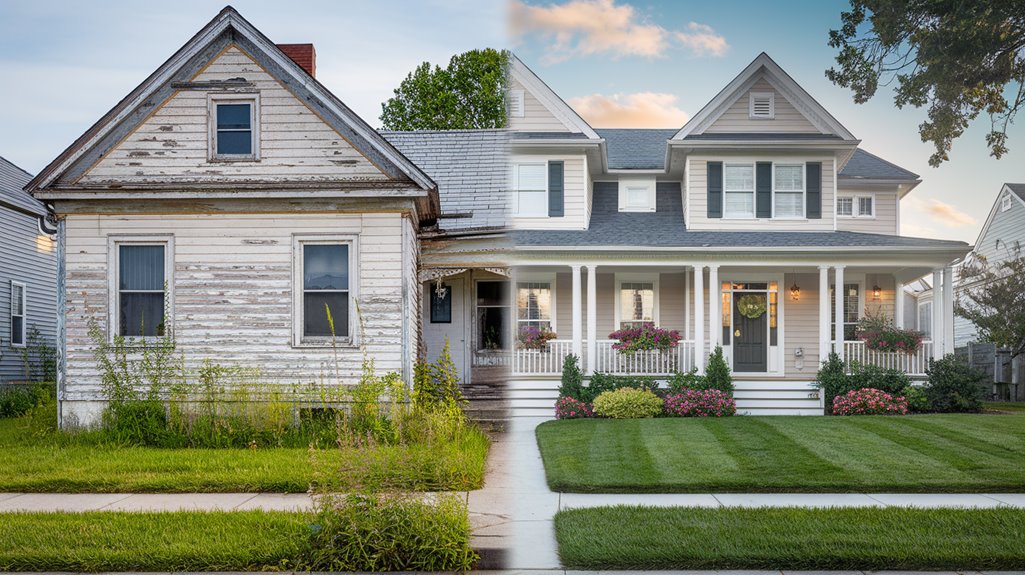
Why is selling your house as-is a wise choice? It simplifies the process and cuts down on stress. You avoid spending time or money on fixing things. This lets you focus on future plans easily. If repairs are skipped, you save cash for other needs.
Picture the ease this option brings:
- Homeowners feel relief without repair headaches.
- They see a smooth journey without staging hassles.
- A fast deal closure happens without long delays.
Selling as-is helps you move on quickly and confidently. Additionally, it allows for a hassle-free transaction with flexible closing dates to suit your schedule.
Conclusion
Selling your home as-is offers speed and simplicity. If you choose this, deals can close in weeks. Cash buyers eliminate repair hassles and stress.
On the other hand, if you opt for traditional sales, higher profits might come. This path requires patience and effort. If time allows, it could be worth the wait.
At OR Home Buyers, we buy houses for cash, ensuring a fast process. If quick sales appeal, contact us today. We’re ready to help with your home’s future.




Hi, I’m Bob Bash, founder of OR Home Buyers, serving the Oregon community since 2017. We provide full-service real estate solutions, specializing in cash purchases for both residential and commercial properties. I started this business to help our community navigate difficult real estate situations with professionalism, ethics, and compassion.
My goal is simple: to make every client feel relieved and happy when their real estate challenges are resolved. Helping people find solutions and peace of mind is what drives me every day.