
Vacant homes are attractive targets for squatters, especially when they sit empty before a sale. Squatters can move in quickly and cause legal or financial troubles. Homeowners must understand this risk before listing their property.
If squatters occupy your home, they can damage the property or delay your sale. Evicting them is often costly and time-consuming. This situation can scare away buyers and lower your home’s value.
To avoid squatters in a vacant home before selling, you must secure the property, use smart technology, and stay vigilant. You should make the house look lived-in and understand local laws.
A few simple actions can save you from big problems. This blog will show you easy steps to keep squatters out and protect your home until it sells.
Key Takeaways
- Install high-quality locks, reinforce entry points, and use security systems or cameras to deter unauthorized access.
- Maintain the property’s exterior by mowing lawns, trimming hedges, and repairing visible damages to create an occupied appearance.
- Inform trusted neighbors and participate in community watch programs for ongoing surveillance and quick alerts about suspicious activity.
- Post clear, weather-resistant no trespassing signs at all entrances and replace any damaged signs promptly.
- Conduct regular inspections, document the property’s condition, and consider hiring a property manager or caretaker for routine checks.
Understanding the Risks of Vacant Properties
Vacant properties face many risks that occupied homes do not. An empty house can attract break-ins, vandalism, and squatters. If no one checks the property, small problems like leaks or pests can go unnoticed. Unresolved title issues can also complicate the sale process, especially if squatters or unauthorized occupants create legal challenges to clear ownership.
These risks can lower your home’s value and make it hard to sell. A proper risk assessment will reveal weak points, such as unlocked doors or signs that the property is empty. If you know these risks, you can take steps to protect your home.
You should secure all entry points and keep the property looking maintained. If you act early, you can avoid bigger issues later. This helps keep your investment safe until the house is sold. Understanding Oregon’s real estate regulations can also help you navigate the process and ensure your property remains protected while it is vacant.
Securing All Entry Points
To keep squatters out, you must secure every entry point of your vacant property. Check all doors, windows, and access hatches carefully. If you do this, you will lower the risk of break-ins.
Inspect windows for weak locks or broken glass. Doors should be strong and fit tightly in their frames. If there are basement windows or garage doors, make sure these are locked and reinforced.
Taking time to thoroughly inspect entry points can also reveal hidden issues that might impact your home’s value. Check windows and doors for weak points, and reinforce locks on basements and garages to keep your property secure.
Install security bars or screens on windows, especially in areas that seem easy to reach. Board up small windows or rarely used doors if the property will be empty for a long time. Secure attic and crawl space hatches from inside the house.
Regular checks and sturdy barriers can stop most attempts at entry. This approach works best if you keep up with maintenance. If you secure each point, your property will be much safer. Taking proactive steps to secure your home can also help preserve home value and prevent the complications that arise from pest or squatter damage during the sales process.
Installing Robust Locks and Deadbolts
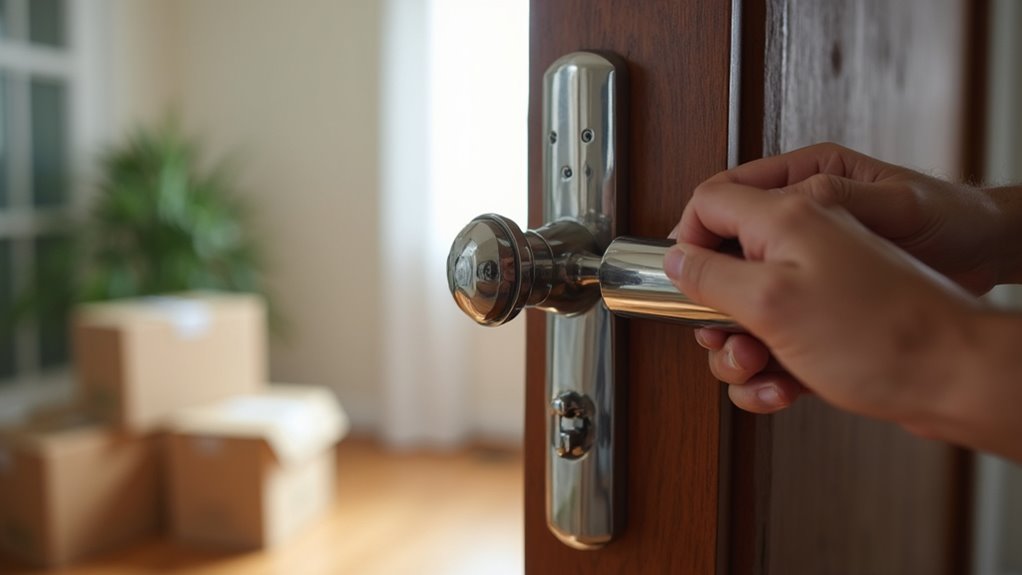
Robust locks and deadbolts help keep your property secure. Exterior doors need high-quality locks to prevent easy break-ins. If you use basic locks, your property may be at risk.
A deadbolt with at least a one-inch throw offers better protection. Reinforced strike plates and long screws make doors harder to force open. Door reinforcement kits or security bars can also strengthen weak areas.
Upgrading your locks is particularly important if you are dealing with outstanding liens, as these financial obligations can complicate matters if unauthorized occupants enter your property.
You should secure all entry points, including back doors and garage doors. Basements can be weak spots if not properly locked. If you focus on strong locks and door reinforcement, you reduce the risk of unwanted entry.
When preparing a vacant property for sale, it’s also crucial to identify specific code violations that could affect your ability to secure the home or complete a smooth sale.
Utilizing Security Systems and Cameras
Installing security systems and cameras can help protect your property from squatters. These systems allow you to watch your home remotely using your phone. If you are away, you can still get alerts about any unusual activity.
Choose cameras with clear video, night vision, and motion sensors for better security. Place cameras at doors, windows, and other weak spots. Visible cameras and warning signs can scare off potential squatters. In Oregon, small estate exemption may allow you to sell an inherited home quickly without probate, but securing the property is still crucial while the process is pending.
A good security provider offers 24/7 monitoring and quick response if an alarm goes off. If your system is always active, squatters may avoid your property. Using these tools makes your home a harder target for unwanted entry.
Installing security systems is especially important for inherited properties, as poor communication among heirs can sometimes delay action on securing the home, increasing the risk of unauthorized entry.
Maintaining Exterior Appearance
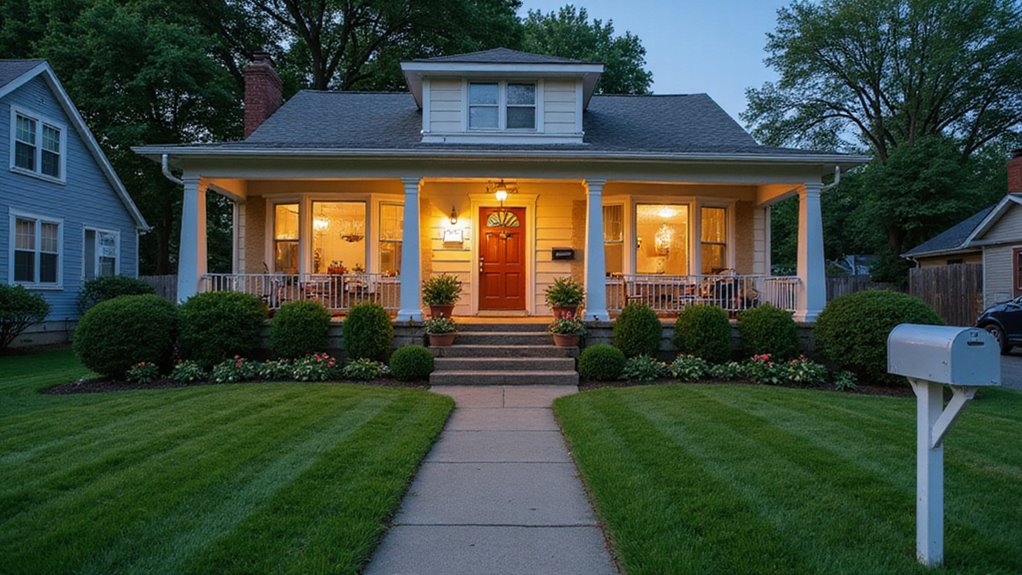
Keeping your home’s exterior neat helps show it is cared for and visited often. A tidy outside makes it less likely for unwanted visitors to come. If the house looks neglected, it may attract squatters.
Taking steps to maintain the exterior can also help protect the property’s value if you plan to sell soon. A well-kept exterior signals your home is cared for and deters unwanted visitors or potential squatters.
Lawn care is important for a good appearance. Mow the grass and trim hedges regularly. Remove any branches, leaves, or clutter from walkways.
Exterior lights help keep the area visible at night. Good lighting can scare off trespassers and make the home safer. Place lights near doors and dark corners.
Paint should be fresh and fences fixed if damaged. If you spot any exterior problems, repair them quickly. A well-kept exterior helps the home look lived-in and secure.
If you need to sell quickly, as-is cash sales can help you avoid the hassle of prolonged vacancies and reduce the chances of squatters targeting your property.
Hiring Property Management or Caretakers
Hiring a property management company or caretaker protects your empty home. They provide regular checks and quick responses to problems. If you want to prevent squatters, a caretaker’s presence makes the home look lived in.
The caretaker checks doors and windows, watches utilities, and notes anything unusual. They also collect mail and arrange repairs. If you need the home to look occupied, they will keep up the yard and exterior. In Oregon, working with professionals who understand local real estate laws can also help you comply with specific legal requirements for vacant inherited properties.
An experienced management company handles emergencies and legal issues. If you assign these duties, you lower the risk of trespassers. This approach saves you time and gives peace of mind during the sale. In Oregon, hiring professionals familiar with property disclosure requirements can ensure regular inspections are properly documented, which helps protect you legally when selling as-is.
Regular Property Inspections
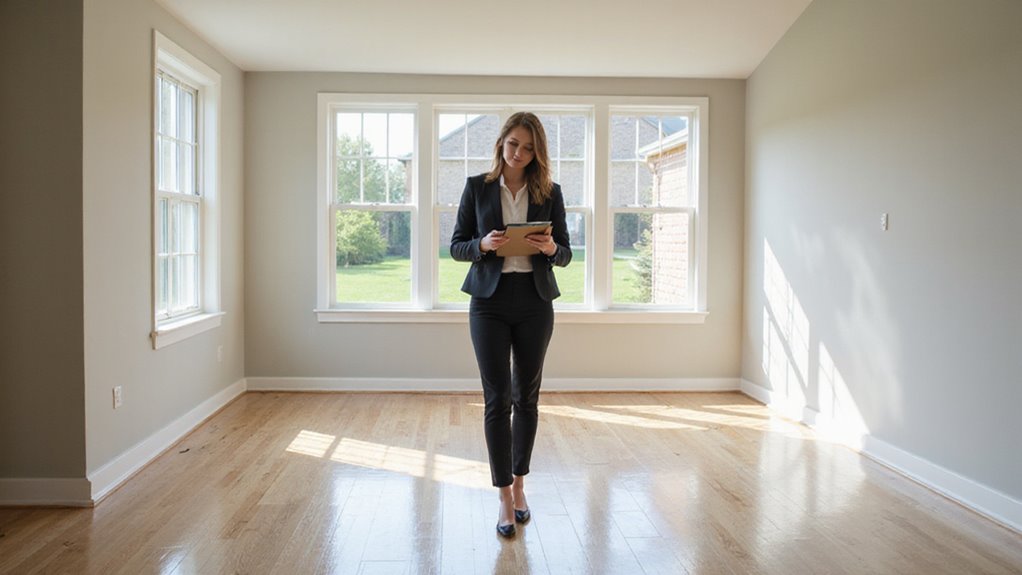
You need to schedule weekly walkthroughs to catch early signs of unauthorized entry or damage. Collaborate with trusted neighbors to keep an eye on your property between visits and report anything suspicious right away. For added assurance, consider hiring professional inspection services to provide thorough, documented checks.
If you’re preparing to sell, knowing that fair cash offers are available for properties in any condition can give you peace of mind while protecting your vacant home. Understanding Oregon real estate laws can further inform how you protect your vacant home and handle any unauthorized occupancy before selling.
Scheduled Weekly Walkthroughs
Weekly walkthroughs help keep unwanted people out of your vacant home. These visits show the property is managed and not abandoned. Regular checks can stop squatters and help spot problems early.
You should check all doors and windows for signs of tampering. Walk through the house and look for anything out of place. If you see lights on or items moved, take note.
Take photos and write down what you find during each visit. Make sure all locks, alarms, and cameras are working. If you notice issues, fix them quickly to prevent bigger problems.
If you also screen tenants well, your property will be even safer. Good routines and checks help keep your home secure.
Neighbor Collaboration Efforts
Neighbors can help protect your empty home from squatters. If you inform trusted neighbors, they can watch for unusual activity. This extra attention makes squatting less likely.
You should give neighbors your contact details and explain what to watch for. They should look for strange cars or lights at odd times. If they notice anything, they can tell you right away.
If you cannot visit often, neighbors can do regular checks. Joining a community watch or arranging informal visits is helpful. A noticeable presence around your home discourages squatters.
When everyone in the neighborhood works together, homes are safer. A vigilant community makes it hard for squatters to settle in. If neighbors stay alert, your property stays more secure.
Professional Inspection Services
Professional inspection services add security to your vacant home. They provide regular checks to spot problems early. Inspections help prevent squatters and keep your property safe.
Inspectors perform detailed checks and record everything. They look for security risks and suggest ways to fix them. Each visit is documented to show the home’s condition.
If you want to keep your property secure, use these services. Inspectors also report maintenance issues that could cause trouble. Regular inspections are a smart step before selling a vacant home.
Utilizing Timed Lighting and Smart Technology
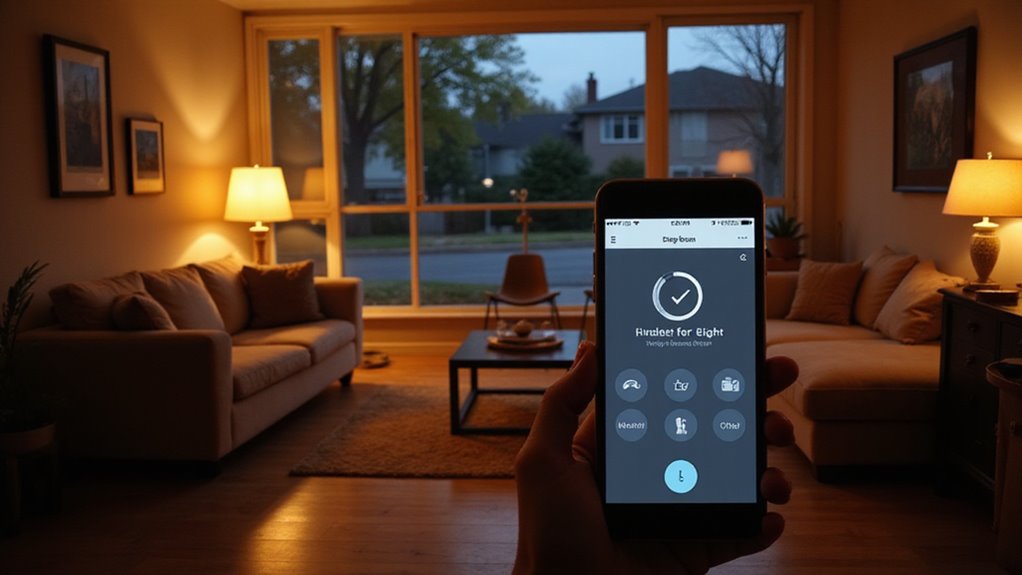
Timed lighting and smart technology can help keep your empty property safe. Timed lights make it look like someone is home. This can stop squatters from targeting your house.
Smart devices like cameras and motion sensors let you watch your home from anywhere. These tools can send you alerts if they notice anything unusual. If you get an alert, you can contact the police or turn on more lights and alarms remotely.
If you use both timed lighting and smart technology, your home will look lived-in and protected. This makes it much less attractive to squatters. Taking these steps helps protect your property investment. In Oregon’s tight housing supply, making your vacant home appear occupied is especially important to deter unwanted attention and maintain its market value.
Posting No Trespassing Signs
Posting “No Trespassing” signs helps keep people out of your vacant home. These signs show a clear rule against entering. If placed well, they also help police if someone trespasses.
Signs should be sturdy and able to handle weather. Place them at every main entrance, like gates or doors. Position them so people see them before they get close.
Put signs on fences and outside walls for better coverage. If a sign gets damaged or hard to read, replace it right away. Good signs make it clear the property is off-limits.
Building Relationships With Neighbors
Building relationships with neighbors helps protect your vacant home. Neighbors can watch for unusual activity and let you know right away. If you have strong connections, your house is less likely to attract squatters.
You should share your contact information with trusted neighbors. They can alert you quickly if they notice anything suspicious. If you join a neighborhood watch, it helps everyone stay alert together.
Attending community meetings can help you build trust with others. Regular check-ins with neighbors keep your home under supervision. If you work with your community, you improve your home’s safety.
Removing Valuables and Personal Items
To protect your vacant home, always remove all valuables and personal items. Empty homes are easy targets for thieves and trespassers. Taking your belongings with you helps reduce risk.
Check every room, closet, and storage area before leaving. Remove jewelry, electronics, cash, and other items of high value. If you leave these behind, you invite break-ins.
Take out family photos, important documents, and sentimental items. Store them in a secure place, such as a bank safety deposit box. If you cannot move large items, consider extra security measures.
Clear out small, portable belongings that may attract attention. If you have doubts about any item, it is safer to remove it. This step can help keep your home safe while it is vacant.
Keeping Utilities Active Strategically
To keep your home safe, do not let it look empty. Active utilities make a house seem occupied and less inviting to squatters. If possible, keep electricity and water running.
Set timers on some lights to mimic daily routines. Run heating or cooling at low levels to avoid damage. Occasionally flush toilets or run faucets to prevent plumbing issues.
Check your utility bills for unusual changes. Smart home devices can help track utility use. If you spot unexpected spikes, someone may have accessed your property.
Responding Quickly to Suspicious Activity
You must respond quickly if you notice any suspicious activity. Fast action helps prevent squatters from entering or staying on your property. Always address alarms or reports right away.
Set up automated alerts to get instant notifications. If you can, hire security patrols to check your property often. Keep a log of every incident and your actions.
Stay in contact with neighbors or your property manager for updates. If a situation seems serious, contact law enforcement immediately. Taking quick steps can protect your property from squatters.
Consulting Legal Professionals for Local Laws
If you want to follow local laws, talk to a legal professional. Laws about squatters and eviction change from place to place. A lawyer knows your area’s rules and can give accurate advice.
A legal expert can explain the exact steps for removing squatters. They can help write notices and guide you in court if needed. If you act without advice, you may make expensive mistakes.
Every city or county can have different rules about property and tenants. Do not depend on general advice or online forums. Always make sure you follow the law when dealing with unauthorized occupants.
Conclusion
If homeowners take the right steps, they can prevent squatters from entering their vacant homes. Simple actions like securing all doors and windows, maintaining the property’s appearance, and staying alert can make a big difference. Being proactive protects your investment and keeps your home ready for a smooth sale.
If you want to sell your house quickly, we buy houses for cash in any condition. Homeowners who need a fast, hassle-free sale often benefit from this option. We handle all the details so you can avoid extra stress.
If you are ready to sell or have questions about keeping your property safe, contact OR Home Buyers today. We are here to help with every step of the process. Let us take care of your selling needs and give you peace of mind.




Hi, I’m Bob Bash, founder of OR Home Buyers, serving the Oregon community since 2017. We provide full-service real estate solutions, specializing in cash purchases for both residential and commercial properties. I started this business to help our community navigate difficult real estate situations with professionalism, ethics, and compassion.
My goal is simple: to make every client feel relieved and happy when their real estate challenges are resolved. Helping people find solutions and peace of mind is what drives me every day.