

Selling a home can be stressful, especially when code violations are involved. Many homeowners worry about how these issues will affect the sale. Buyers expect honesty and transparency from sellers during the transaction.
If you hide code violations, you risk losing trust and facing legal trouble later. Buyers may walk away if they find out you were not honest. This can cost you time, money, and peace of mind.
The best way to disclose code violations to buyers is to be clear, honest, and thorough from the start. This builds trust and protects everyone involved. You can turn a stressful situation into a smooth sale. This blog will show you simple steps to handle code violations and protect your home sale.
Key Takeaways
- Provide buyers with a detailed list of all known code violations, including their nature, discovery dates, and current repair status.
- Share inspection reports, repair estimates, and any official notices or documentation related to code violations with buyers.
- Use required state and local disclosure forms, ensuring every section is fully and accurately completed about property condition and violations.
- Clearly explain whether violations are minor or serious, and outline any actions already taken or still needed to resolve them.
- Obtain written acknowledgment from buyers that they have received and understood the disclosed code violations and supporting documents.
Understanding What Constitutes a Code Violation

A code violation happens when a property does not meet the required safety standards set by law. These standards can come from local, state, or federal codes. If a property fails any of these rules, it is a code violation.
Common violations include bad wiring, missing smoke detectors, or blocked fire exits. Unauthorized changes to the building or old DIY repairs can also break the rules.
Even small problems, like missing handrails or faulty plumbing, count as violations. When preparing to sell, it is important to recognize that code violations and home repairs can impact your property’s value and marketability, especially in Oregon where buyers may expect transparency about safety concerns.
Inspection reports often show these issues, so you should review them carefully. If you are unsure, you can ask local building authorities for help. By checking for these problems, you protect everyone’s safety and avoid future risks.
Understanding Oregon’s real estate regulations can help you identify which code violations are most likely to impact your property sale and ensure you meet all required disclosure standards.
Why Disclosure Is Legally Required
Disclosing code violations is required by law when selling a property. Laws make sellers tell buyers about any known problems. This protects both the buyer and the seller. In Oregon, comprehensive documentation of repairs and issues can help build trust and ensure a smoother sales process.
Most states and cities have rules about what must be shared. Sellers must provide honest information about code violations. If a seller hides issues, legal trouble may follow.
Buyers need these facts to make good choices. If sellers do not disclose problems, buyers may cancel the contract or sue. Legal penalties or money losses can also happen.
If you follow disclosure laws, you avoid future problems. Telling the truth also protects your reputation. Always give full and honest details when selling a property. In Oregon, sellers are also encouraged to communicate clearly with buyers about violations, which can build trust and make the selling process smoother.
Common Types of Code Violations in Homes
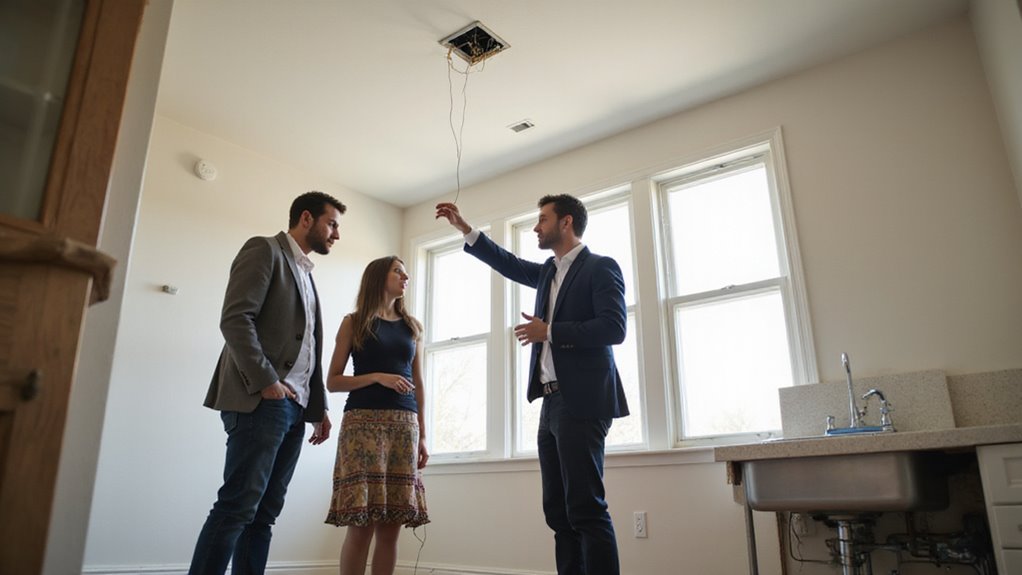
Homes often have common code violations. Typical issues include bad electrical wiring, unapproved additions, and old plumbing. Missing smoke detectors and unsafe handrails are also frequent problems. These violations can make a home unsafe. Insurance companies may deny claims if you have unresolved code issues.
Home warranties might not cover items that do not meet current codes. Problems with roofing, HVAC, or foundations are serious. If these areas have violations, you could face legal or financial trouble. Understanding how fire damage reduces home value can help sellers realize the importance of addressing code issues before listing.
Knowing about common code problems can help you avoid disputes with buyers or insurers. Oregon sellers are also required to provide thorough property disclosures to protect themselves and inform buyers about any known code violations or defects.
Identifying Violations Before Listing
Before listing your home, you should look for any code violations. A thorough inspection can help you avoid delays and problems during the sale. Identifying issues early will make the process smoother.
Use a detailed checklist to examine electrical, plumbing, and structural areas. Check safety items such as smoke detectors as well. If you find any problems, write them down right away. Buyers may benefit from learning about assumable mortgage status if your property’s loan qualifies, as this can increase interest in your listing.
Not all violations are the same. Minor issues may need simple fixes, but serious ones might require a professional. If you fix violations before selling, you reduce legal risks.
Careful documentation is important if you want to build buyer trust. Accurate records help you make honest disclosures. If you stay organized, you show buyers your commitment to safety and compliance. It’s also wise to review your property’s title to identify any liens or legal claims that could impact the sale process.
Consulting With Local Authorities

You should contact your local building department officials to clarify any code violations and confirm your obligations. Make sure you understand their specific reporting procedures so you comply with all legal requirements. This approach protects you from possible penalties and ensures transparent disclosure.
Be aware that formal notice requirements are often mandated by local or state law if a property is in violation or subject to foreclosure proceedings. Consulting with a tax advisor is also recommended, as state-specific rules can affect your legal and financial responsibilities when disclosing code violations in a property sale.
Contacting Building Department Officials
Contacting building department officials is the first step when you find a possible code violation. Officials can explain what rules apply to your property. They will tell you what you need to do next.
You should ask about the inspection process and any required paperwork. Find out how long the inspection might take. Clarify if you must fix the issue before selling or if disclosure is enough.
If you are unsure, you can ask a lawyer for advice. Always write down details of your conversations with officials. This record helps if questions come up later.
Taking these steps can help you avoid problems and show buyers you are acting in good faith. Proper actions may also protect you from legal issues. If you need more help, local officials or legal experts can guide you.
Understanding Reporting Procedures
Reporting code violations requires following your local government’s rules. Each city or town may have different steps and forms. Check your area’s property inspection and reporting guidelines.
You usually need to submit a written report and any inspection evidence. If you have a contractor’s report, include it as well. Always keep copies of what you send and receive.
Ask building officials if you have questions about the process. Following the correct steps helps you follow the law and avoid problems with buyers. If you are unsure, request clarification to stay compliant.
Gathering Documentation and Inspection Reports
You must collect documents and inspection reports to meet legal and disclosure rules. Verbal admission of violations is not enough. Written proof is necessary for compliance.
Start by getting an inspection checklist from your local building office or a certified inspector. This checklist shows what was reviewed and any problems found. Keep all checklists in one place. In addition to inspection documents, consider obtaining title insurance to protect against unforeseen claims that might arise during the sale process.
If you have official inspection reports, save them with dates and inspector names. You should also keep any letters or emails with local authorities about the violations. Store receipts or permits for repairs or fixes you completed.
Organized records help prevent mistakes or missing information. If you follow these steps, you will have the right documents ready. Proper documentation protects you during any legal or official review. In some cases, clear proof of ownership is also required to ensure you meet all legal requirements when disclosing violations.
When to Disclose Violations in the Selling Process

You should address code violations early in the selling process to avoid legal complications and build buyer trust. Consider whether to disclose before listing or during negotiations, as timing can impact offers and contract terms. Full pre-listing transparency not only protects you legally but also streamlines the entire transaction.
In Oregon, following strict procedures during probate sales is essential to ensure compliance with real estate laws and smooth closing. Leveraging Oregon’s real estate market conditions can help you determine the best timing and strategy for disclosure, ultimately minimizing risks and facilitating a faster sale.
Early Disclosure Benefits
Early disclosure of code violations helps you avoid legal problems and builds trust with buyers. If you share issues early, buyers can make informed choices. This approach leads to smoother sales and fewer surprises.
Buyers value honesty, which may speed up the selling process. If you disclose problems, you lower the risk of lawsuits. Buyers can adjust their offers or repair plans if they know about violations.
Early disclosure lets you explain your property’s condition clearly. If you control this information, you reduce misunderstandings and delays. This makes the entire transaction easier for everyone.
Timing With Offers
When selling a property with code violations, you must tell buyers before or when you get an offer. Early disclosure is important to avoid legal problems. Waiting until after an offer can lead to disputes or claims of dishonesty.
Clear communication about code violations helps buyers make informed choices. Buyers may change their offer, ask for repairs, or request a credit. If you are honest from the start, you will protect yourself and follow the law.
Do not assume buyers will ignore violations. Always include these issues in your negotiations and paperwork. If you are unsure, talk to your real estate agent or lawyer for advice.
Pre-Listing Transparency
Sellers should always reveal any code violations before listing a property. Full transparency is required to protect both parties. Doing this early avoids legal issues later.
Owners must gather all documents about code violations. These include reports, notices, and any repair records. Proper organization saves time during the selling process.
A realtor can help you decide how to share this information. Realtors know the best way to present issues in disclosures. If you have questions, ask your realtor for advice.
Written disclosure of all known violations is necessary before showings or offers. Use the correct forms required by your area. Missing this step could cause legal trouble.
Local laws set specific deadlines for disclosures. You should check these rules to avoid missing important dates. If you do not follow them, you risk fines or canceled sales.
How to Present Information to Potential Buyers

When telling buyers about code violations, give clear and honest information. Share all details required by law. Make sure buyers understand each issue.
Gather inspection reports that list violations. Summarize each problem, when it was found, and if it is fixed. Explain what repairs are needed.
If you have estimates from licensed contractors, provide them. This helps buyers know possible costs. Only give accurate numbers. Answer all questions with facts. Keep your tone professional. If you are clear, you can avoid legal problems later.
Additionally, informing buyers about Oregon’s real estate market trends can help them understand how code violations might affect the sale process and pricing.
Using State and Local Disclosure Forms
You must use the required state and local disclosure forms to report any known code violations. Make sure you complete these documents with precise and accurate information, as errors or omissions can result in legal liability. Always review the forms carefully to ensure full compliance with applicable laws.
Required Disclosure Documents
You must use the required disclosure forms to comply with state and local rules. These documents are necessary when you report known code violations. Proper use of them helps you follow the law and builds trust with buyers.
If a home inspection finds problems, you must provide accurate information. Gather all reports and official notices related to the issues. Attach these documents to your disclosure forms.
Obtain the correct forms from your real estate agent or the official website. Read each section carefully, especially those about code violations. If you have any supporting evidence, include it with your paperwork.
Completing Forms Accurately
To complete forms accurately, fill out every section with care. Provide correct details about the property’s condition. If you are unsure, review your home inspection and repair reports.
List all known code violations. Mention any upgrades or repairs, especially if done without permits. Attach supporting documents when available.
Use clear and factual language. Check each form for missing information and unmarked boxes. Incomplete forms can cause legal problems or cancel contracts.
If you have questions, ask your real estate agent or attorney. Meeting all legal requirements is important. Accurate forms show honesty and help buyers decide with confidence.
Working With Real Estate Agents on Disclosure
Working with real estate agents helps you follow disclosure laws when there are code violations. An agent will make sure you share all required information. This protects you from legal problems.
A good agent explains your duties as a homeowner. They help you list all known violations and completed repairs. If you are unsure, your agent will answer your questions.
Agents track important inspection deadlines for you. Missing these dates could cause you to break your contract. If you need reminders, your agent will provide them.
Proper disclosure forms are necessary in every transaction. Your agent ensures you use the correct and current documents. If laws change, your agent will update the forms for you.
Keeping organized records is important for transparency. Agents recommend saving permits, notices, and any communication about violations. If someone asks for proof, you will have it ready.
If you trust your agent’s advice, your disclosure process will be complete and legal. This can help you avoid future disputes. If you need guidance, always ask your agent.
Addressing Buyer Concerns and Questions
You’ll need to clearly explain the nature and scope of each code violation so buyers understand exactly what’s at stake. Walk them through all available resolution options, outlining both the legal and practical implications. Always provide documentation to support your statements, including official notices, permits, or correspondence with local authorities.
Clarifying Violation Details
Buyers need clear details about code violations to make informed choices. Sellers must explain every known violation by law. Honest and complete information helps buyers understand their responsibilities.
List each violation and include the official code reference. Describe if the violation is minor or serious. Share the dates of violation notices and letters from authorities.
Explain what the homeowner must do to fix each issue. Include any actions already taken to address the problem. Clear and accurate details protect both buyers and sellers.
Explaining Resolution Options
Code violations can impact your decision to buy a property. You need to know your options for fixing these issues. Each option comes with its own responsibilities.
Buyers can ask the seller to make repairs before closing. If the seller agrees, the seller pays for the work and the buyer checks the repairs. Buyers can also choose to accept the property as it is, but then they must fix any problems themselves.
Some deals use an escrow holdback, where money is set aside for repairs after the sale. Another option is a price reduction or credit, which lets the buyer handle repairs later. If you accept responsibility, you might face fines or strict repair deadlines.
You should check local rules and timelines to avoid future problems. Consulting a lawyer or contractor can help you estimate costs and make sure you follow the law. Use the table below to compare the most common ways to resolve code violations.
Providing Documentation Evidence
To address buyer concerns about code violations, give clear proof of each issue and its solution. Homeowners must keep records and share them when asked. Proper documentation builds trust and shows you followed the rules.
If buyers have questions, provide official inspection reports for each violation. Include repair documents, such as invoices or permits. Add any letters or emails with local authorities about fixing the problems.
Show a final clearance certificate or letter stating all violations are resolved. These documents prove you took the right steps. They also help avoid future disagreements about the home or inspection.
Negotiating Repairs or Price Adjustments
If you find code violations during a property deal, you must address them in negotiations. Always review how serious each issue is and estimate repair costs. This helps you decide whether to lower your price or offer a buyer credit.
Some sellers keep their original price by promoting other good features of the property. If you choose this route, be ready to explain these strengths clearly. Make sure buyers understand the value they still receive.
During talks, suggest clear deadlines for repairs or offer money to cover them. Always write down any agreements you make. If you do not, you may face disputes later.
State and local laws may require you to disclose all code violations. Know these rules before you negotiate. If you are unsure, consult a real estate or legal expert for guidance.
Keeping a Record of All Disclosures
You must keep a record of every disclosure made during the transaction. This documentation protects you and meets legal requirements. It also provides a clear history if anyone asks questions later.
Keep thorough records of every disclosure during your transaction to protect yourself, comply with the law, and answer any future questions.
Inspection reports should be saved and organized. These reports show all code violations and how serious they are. You should store every written disclosure given to the buyer. This includes forms or letters explaining problems.
All agreements about repairs or credits must be recorded. Keeping these records proves what both parties agreed to fix or pay for. If you have any emails or messages about code issues, save them. These may be useful if there are future disputes. Stay organized and careful with your records. This helps ensure a smooth and legal transaction.
Protecting Yourself From Future Liability
Protecting yourself from future liability means doing more than just sharing documents. You must take extra steps to lower your risk if any issues arise later. Following simple liability mitigation practices can help avoid problems.
You should always encourage buyers to arrange their own inspections. Suggest they use licensed professionals to check for problems or code violations. If buyers do this, you reduce your risk of future disputes.
Always give these suggestions in writing. Ask buyers to sign a form that shows you gave this advice. Written proof can protect you if questions come up later.
If you are unsure about your forms, consult your attorney. Laws can change, so it is important your documents follow all rules. Careful records and strong advice can help prevent legal trouble after the sale.
Conclusion
If you need to disclose code violations, honesty and clear communication are essential. When sellers provide full information, buyers can make informed decisions. This approach helps prevent misunderstandings and legal problems later.
If you want to avoid repairs or a long sale process, we buy houses for cash. Homeowners who disclose issues up front often find the process smoother. We handle properties with code violations and offer fair cash deals.
If you are ready to sell your house as-is, contact us today. We are here to answer your questions and make a fair offer. Let OR Home Buyers help you move forward with confidence.




Hi, I’m Bob Bash, founder of OR Home Buyers, serving the Oregon community since 2017. We provide full-service real estate solutions, specializing in cash purchases for both residential and commercial properties. I started this business to help our community navigate difficult real estate situations with professionalism, ethics, and compassion.
My goal is simple: to make every client feel relieved and happy when their real estate challenges are resolved. Helping people find solutions and peace of mind is what drives me every day.