

Selling a home with mold or water damage can be stressful. Buyers worry about hidden problems and future costs. Sellers must handle these issues carefully to avoid legal trouble and lost sales.
If you ignore even small signs of damage, you risk serious consequences. Disputes may arise after the sale, leading to lawsuits or lost trust. Buyers may also walk away if they feel information is missing.
The best way to disclose mold and water damage to buyers is to be honest and provide full details. Following this advice protects you and keeps the process smooth.
Clear communication builds trust and avoids misunderstandings. This blog will guide you step by step to make sure your disclosures are complete and safe.
Key Takeaways
- Complete all required disclosure forms honestly, detailing any past or current mold and water damage and related repairs.
- Provide buyers with copies of inspection reports, repair receipts, and mold remediation documentation as proof of transparency.
- Clearly describe the location, extent, and status (repaired or ongoing) of any mold or water damage in plain language.
- Share prevention measures taken, such as dehumidifiers or improved ventilation, to demonstrate responsible property management.
- Obtain buyer signatures acknowledging receipt of disclosures and keep detailed records to protect against legal disputes.
Understanding Your Legal Obligations
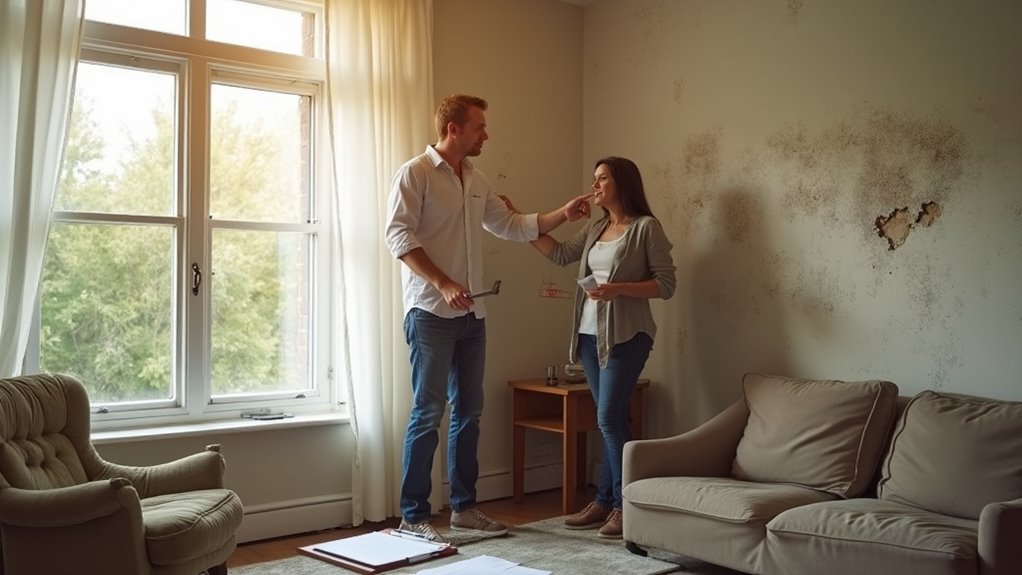
You must follow the law when selling or renting property with mold or water damage. Most states require you to tell buyers or tenants about these problems. If you do not, you could face legal trouble.
Failure to disclose known mold or water issues can lead to lawsuits or fines. Insurance companies might deny claims if you hide property damage. Honest disclosure on required forms protects you from further risks. In Oregon, property disclosure requirements ensure that homeowners are transparent about any issues, offering legal protection to sellers and peace of mind to buyers.
Keep records of any repairs or professional clean-up. Clear documentation can help if questions arise later. If you meet your legal duties, you stay protected and build trust. Addressing and documenting property repairs and prevention is also essential for maintaining home value and meeting Oregon real estate standards.
Identifying Common Signs of Mold and Water Damage
You need to know the signs of mold and water damage to meet your legal duties. Look for water stains on ceilings, walls, or floors. These marks often mean there has been a leak or moisture problem.
Musty smells can mean mold is growing somewhere out of sight. Basements, bathrooms, and areas near pipes are common places for this odor. If you notice this smell, you should check more closely. Local Oregon real estate laws may require specific steps to document and disclose mold issues to meet statewide standards.
Check around windows, roofs, and foundations for peeling paint or warped materials. Bubbling or cracked surfaces may also point to moisture issues. These problems often start where water can get inside.
Condensation on windows or pipes is another warning sign. Discoloration near sinks and tubs can mean water damage. Always check for soft or sagging drywall, as this can hide bigger problems.
If you find any of these signs, you should address them quickly. Proper inspection helps you make honest disclosures to buyers. This process protects you from future legal trouble. Keeping an eye on structural issues can also add value and appeal to your property before listing it for sale.
The Importance of Full Disclosure

Full disclosure of mold and water damage is very important. It is required by law and helps keep trust with buyers. If you hide issues, you risk legal trouble and extra costs later. In Oregon, legal requirements and tax implications make it especially crucial to be clear about any property defects during a sale.
Mold and water damage can harm air quality and weaken your home’s structure. Buyers often know about these risks and look for honesty. Being open about problems can actually make buyers trust you more.
If you try to hide damage, you may face lawsuits or lose the sale. Sharing all known issues shows you are honest. This makes the selling process smoother for everyone. Revealing problems up front gives buyers the chance to factor in repair costs and cleanup when deciding whether to purchase your property.
When to Hire a Professional Inspector
You should hire a professional inspector if you think there are hidden water or mold issues. Inspectors can find problems you might miss. They use special tools to check for moisture in walls, ceilings, and floors.
If you are unsure about the extent of the damage, a professional can help. Mold testing by experts can identify mold types and measure spore levels. This information protects your health and your property’s value. If you are in the process of selling after a divorce, hiring an inspector ensures you meet Oregon real estate laws for proper disclosure.
Properties with past leaks, flooding, or stains need a thorough inspection. A certified inspector provides a clear report of all findings. This report helps with honest disclosure if you plan to sell.
In Oregon, hiring certified mold and water damage inspectors can help document findings and estimate repairs, which is essential for legal disclosure and maintaining property value.
How to Document Damage Accurately
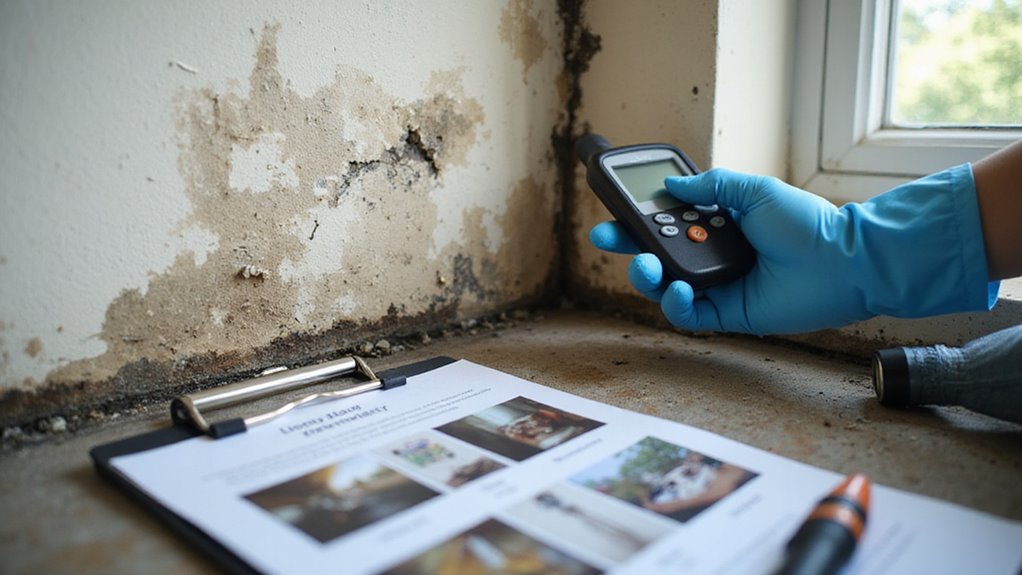
Accurate records of mold and water damage protect you and provide proof if needed. Take clear photos of all damaged areas. Use both close-up and wide shots to show details and the full area.
Document mold and water damage with clear photos—both close-ups and wide shots—to protect yourself and provide essential proof if needed.
Include photos of mold, water stains, or any damage to walls and floors. Keep copies of home inspection and mold test reports. These reports show the extent and source of the problem. Additionally, tracking all related repair costs and upgrades can help in setting an appropriate asking price based on market trends.
Write down when and where you first noticed each issue. Note any repairs or cleaning done, with dates. Save all receipts from professionals or for materials used.
Organize all records in a safe place. If you need to share information, this file will be ready. Accurate documentation supports your claims and shows you acted responsibly.
Documenting damage thoroughly is similar to conducting a thorough title search, which helps uncover and address potential issues early in the home selling process.
Creating a Thorough Disclosure Statement
A disclosure statement should clearly inform buyers or tenants about any mold or water damage. It must describe all damaged areas and any repairs. If you leave out facts, future problems can arise.
Each area and its damage must be listed by date and location. The statement should tell if a professional fixed the problems. If repairs are not finished, be clear and state this directly. When selling your house in Salem, many buyers are interested in homes being sold as-is for cash, as this can impact how much you need to disclose about the damage and repairs.
Only use facts you can confirm with documents. Avoid guesses or assumptions about the damage. Organize the information so it is easy to read.
All needed legal details must be included for your area. If you are unsure, check local laws first. A full and honest statement builds trust and protects you from legal issues. In Oregon, sellers should also highlight regional differences that could affect how mold or water damage is perceived or addressed during the sale process.
Communicating With Potential Buyers

When talking to buyers about mold or water damage, give honest and clear details. Explain what happened, when it happened, and how you noticed it. Share the facts so buyers know exactly what to expect.
Describe every step you took to fix the issue. Mention repairs, drying, or hiring professionals if that applies. Provide proof of these actions with reports or receipts. Adding documentation about local market demand and recent neighborhood trends may also help buyers better understand the context of your property.
If you have started prevention efforts, explain those as well. For example, you can mention dehumidifiers or better ventilation. Buyers will see you have managed the risk.
Use simple and direct language to avoid confusion. If you do not hide problems, buyers are more likely to trust you. Clear information helps buyers make informed choices about your property. In some cases, especially during probate sales in Oregon, it is essential to be thorough and transparent about disclosures to comply with legal requirements and build confidence with potential buyers.
Addressing Buyer Concerns Openly
Addressing buyer concerns openly means sharing all important information about mold or water damage. Buyers may worry if they hear about past issues. You can help by giving clear facts and honest details.
Being upfront about mold or water damage reassures buyers and builds trust through honest, clear communication about past issues.
Provide records about the problem, such as when and where it happened. If insurance claims were made, state the outcome. Buyers should know if repairs were covered or if future claims may be difficult.
List the cost of repairs and name the professionals who did the work. Explain why certain repair methods or vendors were chosen. If buyers ask about the damage or long-term effects, answer directly and simply.
Being open about these topics shows honesty. If you provide clear answers, buyers can decide with confidence. This approach builds trust during the sale.
When disclosing issues, reference any code violations identified during inspections, as these can affect a property’s value and buyers may want to know how violations were addressed alongside mold or water damage.
Offering Repair Documentation and Receipts

Offering repair documentation and receipts helps buyers trust you as a seller. These records show that you are open and responsible. Buyers can easily see the repairs done on the property.
Include invoices for mold and water damage repairs. You should also add estimates from licensed professionals for any recent work. If any warranties are still valid, provide those documents as well.
Proper paperwork lets buyers check the quality and scope of repairs. If buyers have questions, detailed records make it easier to answer them. Accurate documents can help speed up negotiations.
If you organize your records, your property looks well cared for. Clear documentation also meets legal requirements for selling. Buyers may feel safer and more confident about their decision.
How to Handle Remediation Before Listing
Before listing your property, you should hire licensed remediation professionals with proven experience in mold and water damage. Make sure you keep comprehensive records of all repairs and improvements, including before-and-after photos and detailed invoices. This documentation not only demonstrates your diligence but also builds buyer confidence and supports your disclosure.
Choosing Qualified Remediation Professionals
Choosing qualified remediation professionals is important after you find mold or water damage in your property. Proper experts make sure the cleanup is effective and follows all rules. This helps protect your property and avoids legal issues.
Look for professionals with experience in mold testing and water cleanup. Always check their certifications, such as IICRC or NORMI. These show they meet industry standards.
Ask for references before hiring anyone. You should review their work history for reliability and thoroughness. If a contractor uses modern equipment, they are more likely to do a good job.
Doing your research protects your investment. It also makes buyers feel more confident. Proper remediation lowers the risk of future problems or failed sales.
Documenting Repairs and Improvements
You should keep clear records of all repairs and improvements after fixing mold or water damage. These records show buyers and inspectors that the work was done properly. If you document everything, buyers are more likely to trust you.
Keep copies of costs, receipts, and contractor invoices. Include before-and-after photos and any inspection reports. If you organize these documents in a digital folder, you can easily share them during showings or negotiations.
If you do not keep records, buyers may distrust the repairs. With documentation, you can speed up the sale and improve your bargaining position. Attention to detail, even for small repairs, can make a big difference.
Navigating State and Local Disclosure Laws
You must understand which disclosure forms your state or municipality requires for mold and water damage, as these rules vary widely by region. Pay close attention to how your local laws differ, since missing a specific requirement can trigger steep fines or legal action. It’s crucial to know the penalties for noncompliance before you finalize any transaction.
Required Disclosure Forms
Every home seller must know which disclosure forms are required in their area. These forms explain what you must share about your property’s condition.
Most forms will ask about past or current mold and water problems. Sellers may need to report any insurance claims tied to these issues. Some forms also require details about repairs or upgrades done to fix or prevent damage.
You should answer every question honestly and completely. Omitting information can cause legal trouble or stop your sale. If you are unsure about any part, ask your real estate agent or lawyer for help.
Regional Legal Differences
Disclosure rules are different in each state and city. You must know your local laws before selling a property. Some places require you to list all known hazards, while others only need a general statement.
Certain states need you to disclose past water damage or mold problems. Local rules may add extra steps if you live in flood-prone or humid areas. If your property had insurance claims for water or mold, some states require you to share this.
You should read your state’s real estate laws before selling. Local experts or agents can help you follow all rules. If you check these legal differences, you can avoid confusion and build trust with buyers.
Penalties for Noncompliance
Not following state and local disclosure laws can cause legal and financial trouble for sellers. Sellers may face lawsuits if buyers find undisclosed mold or water issues. Courts can make sellers pay for repairs or cancel the sale if information was hidden.
Some states allow buyers to cancel the sale if they prove the seller hid important facts. Regulatory agencies may give fines or other penalties for not following these laws. Sellers may also lose their good reputation in the real estate market.
If you want to avoid these problems, always share any history of mold cleanup or water problems. You should keep clear records and follow all local disclosure rules. Proper disclosure protects you from legal and financial risks.
Working With Real Estate Agents
A real estate agent is important when buying or selling a property with possible mold or water damage. The agent helps you follow all rules and disclose problems honestly. If you want to reduce legal risks, work with an agent who understands these issues.
Agents guide you on how to show documents, such as insurance claims. They can help you understand what buyers expect and advise on repairs or price changes. If you listen to your agent, you may avoid unwanted surprises.
Agents also help both buyers and sellers with negotiations. For sellers, an agent can help set the right price and keep buyers interested. If you are a buyer, an agent ensures you make informed choices and know the risks.
The table below explains how agents support both sellers and buyers:
| Task | Seller’s Benefit | Buyer’s Benefit |
|---|---|---|
| Disclosure Prep | Legal compliance | Full transparency |
| Insurance Claims | Good documentation | Risk assessment |
| Buyer Negotiations | Better terms | Informed decisions |
| Pricing Strategy | Competitive pricing | Fair market value |
| Repair Guidance | Smoother transactions | Fewer surprises |
Consequences of Failing to Disclose
If you fail to disclose mold or water damage, you expose yourself to legal penalties and costly fines. Buyers can sue for damages, increasing your liability risks and leading to expensive litigation. Additionally, undisclosed problems can sharply reduce your property’s value and hinder future sales.
Legal Penalties and Fines
Sellers or landlords who hide mold or water damage can face legal trouble and fines. Laws require you to tell buyers or renters about these problems. If you fail to disclose, you risk government action and high costs.
State or city housing authorities may give heavy fines for not following disclosure rules. Environmental agencies can add penalties if mold harms air or water. Insurance companies often deny claims for hidden damage, making you pay for repairs yourself.
If you break disclosure laws, you could lose your license to rent or sell property. Early and honest disclosure helps you avoid these penalties. Always share known issues to protect yourself from legal and financial problems.
Lawsuits and Liability Risks
If you do not report mold or water damage, you may face lawsuits. Buyers or tenants can sue for hidden problems. Courts often favor buyers in these cases.
If someone finds undisclosed mold, you could be accused of fraud or misrepresentation. Plaintiffs may demand payment for repairs or health issues. Sometimes, they can even cancel the sale.
Insurance companies can reject your claim if you hide known damage. Many policies do not cover losses from dishonest disclosure. Environmental test results can be used as evidence in court.
You should always tell buyers about any mold or water damage. Keeping records of all repairs and testing helps protect you. If you disclose everything, you lower your risk of legal trouble.
Property Value Impact
Failing to disclose mold or water damage can lower your property’s value. If buyers learn about hidden issues, they may offer less money. Homes with undisclosed problems usually sell for less than similar properties.
Buyers often ask for price cuts to cover repair costs. Properties with bad reputations may attract fewer interested buyers. Appraisers might also value the home lower, which can affect loan approvals.
If authorities find out you hid damage, you could face legal trouble. Forced sales or fines can lower your return even more. Always tell buyers about any damage to protect your investment.
Protecting Yourself From Future Liability
To protect yourself from future liability, take extra steps even after disclosing mold or water damage. Provide buyers with all documents showing repairs and prevention work. These documents prove you addressed the problems.
Keep receipts, inspection reports, and warranties from licensed contractors. Save these records to show you acted responsibly. Include copies in the official disclosure packet.
Have buyers sign a receipt to confirm they got all documents. If possible, consult a real estate attorney to check your disclosures. An attorney can help ensure you meet all legal rules.
If you do these things, you lower the risk of future disputes or legal claims. Proper documentation and clear steps protect your interests after the sale.
Conclusion
If you disclose mold and water damage honestly, you avoid future legal issues and build trust with buyers. Sellers should provide clear documentation and follow all disclosure laws. This approach leads to a smoother home selling process.
If you want to sell your house quickly, We Buy Houses for Cash can help. We handle homes with mold and water damage, so you do not need to worry about repairs. Home Buyers make the process fast and stress-free for you.
If you are ready to sell or have questions about your property, contact us today. We Buy Houses for Cash and are here to help. Let Home Buyers make your selling experience simple and secure.




Hi, I’m Bob Bash, founder of OR Home Buyers, serving the Oregon community since 2017. We provide full-service real estate solutions, specializing in cash purchases for both residential and commercial properties. I started this business to help our community navigate difficult real estate situations with professionalism, ethics, and compassion.
My goal is simple: to make every client feel relieved and happy when their real estate challenges are resolved. Helping people find solutions and peace of mind is what drives me every day.