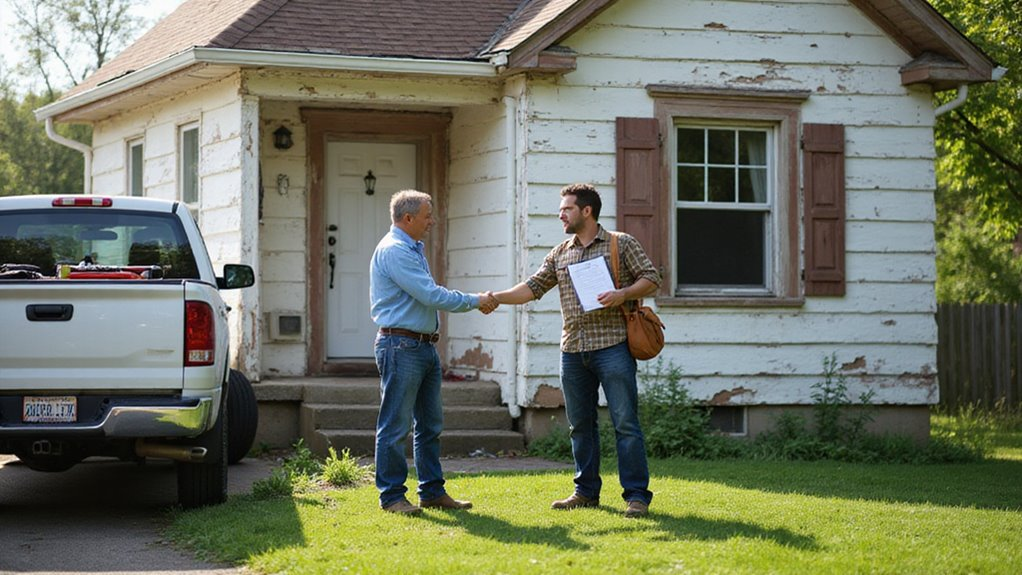
Inheriting a house with mold or water damage can feel overwhelming. Many owners worry they cannot sell a property in such poor shape. Traditional buyers often avoid homes that need major repairs.
The costs to fix water damage or mold are high. Many sellers do not want to spend more money on a house they no longer want. Finding the right buyer can seem impossible and stressful.
You can find cash buyers for a house with mold or water damage by targeting real estate investors who specialize in distressed properties.
These buyers are ready to purchase homes as-is and close quickly. You just need to know where and how to reach them. This blog will guide you through simple steps to attract cash buyers and sell your damaged house fast.
Key Takeaways
- Connect with local real estate investors, wholesalers, and flippers through networking events, investment clubs, and online forums focused on distressed properties.
- List the property honestly on major online marketplaces and social media groups targeting cash buyers seeking as-is or damaged homes.
- Contact reputable “We Buy Houses” companies that specialize in buying homes with mold or water damage for quick, cash offers.
- Attend local real estate auctions and investor meetups to directly network with buyers actively seeking distressed or damaged properties.
- Provide detailed inspection reports and repair estimates to attract serious cash buyers and demonstrate the property’s investment potential.
Understanding the Appeal of Damaged Properties to Cash Buyers

Cash buyers often like damaged homes because they see chances for profit. If a house has mold or water damage, its price drops. Cash buyers use this lower price to make money after fixing the property.
These buyers do not worry about repairs. They see the value of the home after renovations. If a property has good location or structure, it becomes even more attractive. In fact, many cash buyers are willing to purchase homes in any condition including those with environmental issues or code violations.
If you want to sell to cash buyers, show the home’s future potential. Highlight what makes the property good after repairs. If you understand their mindset, you can market your home better.
Being upfront about the damage and code violations helps build trust with these buyers and speeds up the selling process.
Assessing the Extent of Mold and Water Damage
Start by spotting visible signs of mold and water damage, such as stains or musty odors, in every room. You’ll also need to check if the damage has reached key structural elements like floors, walls, or the foundation. A thorough assessment gives you a clear picture of what buyers will see and helps you set realistic expectations.
Buyers in Oregon’s market are often particularly concerned with property value when mold or water damage is present, so being proactive in documentation can make negotiations smoother. Knowing the impact of water damage on home value is especially important, as unresolved issues can lead to significant price reductions and affect buyer confidence.
Identifying Visible Problem Areas
Before you contact cash buyers, check your property for visible mold and water damage. Look closely at areas buyers will inspect. This helps you know what to disclose and how to set your price.
A table can help guide your inspection process. Focus on common trouble spots such as basements, bathrooms, kitchens, ceilings, and windows. If you see any issues, note and photograph them.
Each finding should be clear and documented. Buyers trust sellers who share honest information. If you record everything, you will be better prepared for questions.
Evaluating Structural Impact
To evaluate structural impact, start by checking how mold or water damage affects your home’s stability. Foundation problems can put your whole property at risk. Look for cracks, shifts, or moisture in the foundation.
If you see stains or warped areas on load-bearing walls, these may show deeper damage. Mold growth on these walls can weaken your home’s structure. Immediate action is needed if you find these issues.
A qualified inspector or contractor should check and document the damage. Clear reports help you plan repairs and show buyers you are honest. If your home is safe and well-inspected, cash buyers will feel more confident.
Determining the Value of Your Property As-Is
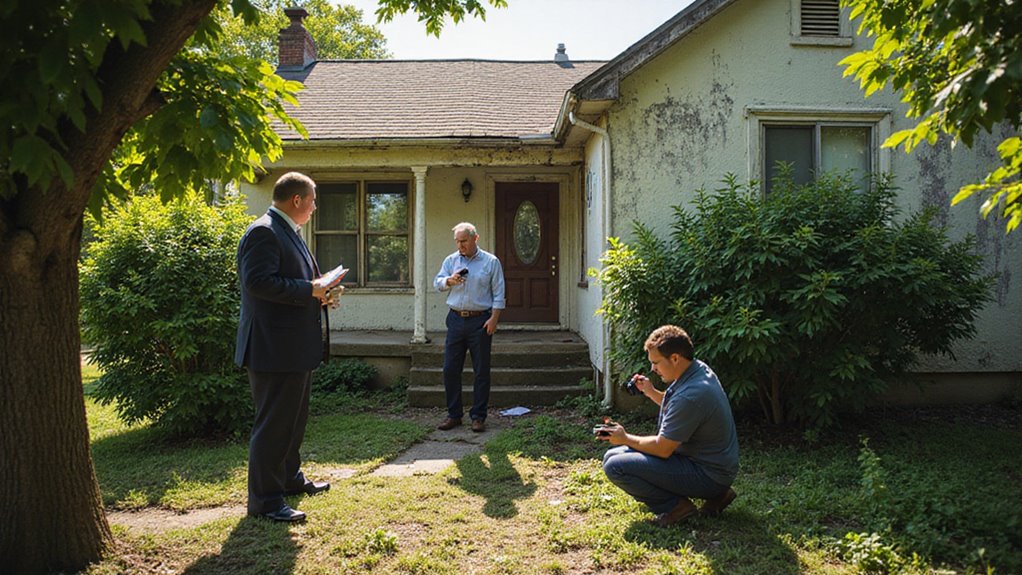
To price your home accurately as-is, start by getting solid repair cost estimates for the mold or water damage. Compare recent sales of similar properties in your area to get a realistic view of market value. Don’t forget to factor in an urgency discount, since cash buyers expect a deal when taking on a distressed property.
If your property is part of a small estate exemption, you may be able to transfer or sell it more quickly and avoid a lengthy probate process. It’s also essential to consider the current seasonal trends in your local Oregon market, as these can significantly affect buyer demand and the final selling price.
Assessing Repair Cost Estimates
Assessing repair cost estimates helps you know your property’s real value. Accurate costs prevent you from losing money when selling. If you guess the costs, you might set the wrong price.
A certified inspector should check for hidden damage. This inspection shows the true extent of mold or water issues. If you skip this step, you could miss expensive repairs.
You need to collect repair estimates from several trusted contractors. These estimates should list all repairs and replacements needed. Prices can change, so compare several bids before making decisions.
Clear and detailed estimates help you stay honest with buyers. If you show your repair costs, buyers trust your price. Being prepared lets you negotiate better and set fair expectations.
Comparing Local Market Sales
Comparing recent sales in your area shows your house’s true value if it has mold or water damage. You should look at homes that sold as-is or needed repairs. This gives a clear idea of what buyers are willing to pay.
Closed sales show real prices, not just asking prices. You should focus on these numbers for accuracy. If you see big discounts for damage, you can expect something similar for your property.
Knowing these figures helps you set a fair price. If you want to attract cash buyers, you need to avoid overpricing. This research makes it easier to explain your price to buyers.
Factoring in Urgency Discounts
Cash buyers usually offer less for homes with mold or water damage. They expect a discount because they close faster and take on more risk. Sellers should be aware that quick sales often mean accepting a lower price.
If you want to attract cash buyers, set a realistic asking price. Analyze recent as-is sales to guide your expectations. Cash buyers rarely use traditional loans and aim to get a good deal.
When you anticipate urgency discounts, you can negotiate better. Understanding this helps you work with serious buyers. If you price correctly, you may sell your home quickly and with less hassle.
Researching Local Real Estate Investors

Identifying local real estate investors is important before listing a house with mold or water damage. Many investors look for homes that need repairs, including mold issues. If you find the right investor, you could sell your house quickly. Connecting with local real estate investors first can help you sell a house with mold or water damage more quickly.
You can start by searching online for real estate investors in your area. Local forums and investment clubs often have members who buy damaged properties. Public records may also show recent cash buyers near you. Consider how alternative selling options could benefit sellers dealing with damaged homes since some investors specialize in quick, as-is cash deals.
If possible, attend real estate meetups in your community. Social media groups on Facebook or LinkedIn can also connect you with investors. Always check reviews and past deals to confirm their experience with damaged homes.
Choosing experienced investors usually leads to faster sales and fair offers. If you do your research, you may avoid delays and extra costs. A careful approach helps you find the best buyer for your situation. Understanding property valuation can also help you communicate the value of your home to investors and support your negotiation.
Connecting With Real Estate Wholesalers
You can reach more buyers for homes with mold or water damage by connecting with real estate wholesalers. Wholesalers have lists of cash buyers looking for distressed properties. These buyers are often ready to move quickly.
Local wholesalers can be found at networking events or online real estate forums. Sharing your property details, including the damage, helps build trust. If you are honest about problems, wholesalers can match you with the right buyers. Consulting with professionals can help you stay informed about Oregon real estate laws that may impact the sale process.
Wholesalers know that damaged homes may not qualify for regular mortgages. They focus on buyers who can pay cash and close fast. This can help you sell your property sooner.
You should discuss legal requirements before making any agreements. Some states require you to disclose certain types of damage. If you understand these rules, you can avoid future problems.
Working with wholesalers lets you find investors who want properties others avoid. Their networks and experience make the process easier. If you use their help, you may sell your home quickly and simply.
If you’re hoping to sell a house fast in Junction City, consider selling as-is for cash as wholesalers and their networks often have buyers looking specifically for properties with repair needs or damage.
Leveraging Online Real Estate Marketplaces

Online real estate marketplaces help you find cash buyers for houses with mold or water damage. These sites let you connect with investors who want properties that need repairs. If you use these platforms, you can sell your house faster. You should pick popular sites like Zillow, Craigslist, or Auction.com. These websites attract many investors looking for fixer-uppers. Using these platforms is especially helpful for outdated mortgages that limit your options in the traditional housing market.
Your listing should describe the property honestly and mention any damage. High-quality photos, even with virtual staging, help buyers see the home’s potential. If you are clear and upfront, you can build trust with buyers.
If you answer questions quickly, you show buyers you are serious. Fast responses can help you get more cash offers. If you do these things, selling your damaged house becomes easier.
Many cash buyers on these sites often look for properties they can purchase as-is for cash, so you can avoid making repairs or paying agent fees.
Using Social Media to Attract Cash Buyers
You should tap into social media platforms to reach investors seeking distressed properties. Post in targeted Facebook groups where cash buyers actively look for deals, and share striking before-and-after photos on Instagram to highlight a property’s potential. With an as-is selling process, you can let prospective buyers know there’s no need for repairs or inspections, removing barriers for those specializing in homes with mold or water damage.
These strategies quickly capture the attention of serious buyers who specialize in homes with mold or water damage. By leveraging social media, you can generate offers faster and potentially speed up the sale timeline due to increased visibility among cash buyers in your market.
Targeted Facebook Group Posts
Targeted Facebook group posts can help you reach serious investors and cash buyers quickly. These groups often include people searching for homes that need repairs, like mold or water damage. If you want fast results, use these groups to connect with motivated buyers.
You should join local real estate groups that focus on distressed homes and cash deals. A short post should mention the home’s current condition and any inspection findings. If you also include the property value, buyers will know if it fits their needs.
Clear calls-to-action help buyers take the next step. You can invite them to ask for more details or set up a walk-through. If someone comments with questions, answer them quickly to build trust and encourage offers.
Instagram Before-and-After Photos
Instagram before-and-after photos quickly grab the interest of cash buyers for distressed properties. These photos clearly show property improvements after mold removal or fixing water leaks. If you use high-quality images, buyers can easily see the changes.
Captions should explain the repairs in simple terms. You can also tag real estate and investor accounts for more visibility. If you use hashtags like #distressedhomes or #waterdamage, your posts will reach more interested buyers.
This method helps build trust and shows you are honest about the property’s history. If you showcase these changes, investors may see your property as a good investment. Instagram’s visual platform lets you reach more people looking for renovation projects.
Partnering With “We Buy Houses” Companies

Partnering with “We Buy Houses” companies is a simple way to sell a home with mold or water damage. These companies buy houses that traditional buyers might avoid. They can help you sell quickly, without making repairs. Selling to a “We Buy Houses” company lets you avoid repairs and sell fast, even if your home has mold or water damage.
Sellers should contact reputable companies with good reviews. If you reach out to several buyers, you may get better offers. Each company should know the local market and understand your home’s condition.
A trustworthy company will visit your property and check the mold damage. Professional buyers will make an offer based on the home’s current state. You should compare these offers before making a decision.
Always read the contract terms carefully. Pay attention to the closing date and any special conditions. If you have questions, ask before signing anything.
Many of these companies offer fast cash offers and handle all paperwork, so you can avoid the stress of traditional real estate transactions.
Networking at Real Estate Investor Meetings
Networking at real estate investor meetings gives you direct access to buyers interested in distressed properties. These events connect sellers with investors who handle problems like mold and water damage. Attending can help you find the right buyer quickly.
If you bring inspection reports, you show buyers that you are serious and honest. Sharing repair estimates helps buyers understand the costs and what work is needed. You can also list any repairs you have already started.
Investors often look for properties with clear repair needs. If you highlight issues like mold, you may attract buyers with experience in those repairs. If you exchange contact information, you can build a network for future deals.
Following up after the meeting keeps your property in buyers’ minds. If you stay in contact, you increase your chances of making a sale. Being active at these meetings shows you are a motivated seller.
Reaching Out to Home Flippers in Your Area
Start by pinpointing the most active home flippers in your local market, since they’re often looking for properties with promise. You’ll gain valuable contacts by showing up at real estate events and making connections face-to-face. Don’t overlook investor social groups—these platforms can quickly put you in touch with serious buyers ready to handle repairs.
Identifying Active Local Flippers
Active home flippers buy and renovate damaged houses, then sell them quickly for profit. If you want a fast, cash sale, targeting these buyers can help. Local flippers often look for properties with issues like mold or water damage.
You can find active flippers by searching public real estate records. These records show who recently bought and sold homes in poor condition. If records are online, use filters for distressed properties.
Online listings also show homes that were recently renovated and sold. Pay attention to the agents or companies involved in these sales. They often work with or are flippers themselves.
Social media and local forums may feature flippers advertising their work. Search for posts about home renovations or quick sales. If you see repeated posts, the person is likely an active flipper.
Real estate agents who specialize in investment or distressed homes can help too. If you contact one, they may know active flippers. Ask for introductions if you want a direct connection.
Networking at Real Estate Events
Networking at real estate events helps you meet cash buyers for houses with mold or water damage. Local investor meetups, auctions, and open houses attract people interested in these properties. If you want quick offers, attending such events is a good idea.
You should bring clear details about your property’s condition. Property damage reports can help start serious conversations with investors. Flippers rely on accurate information to decide quickly.
If you speak with flippers, ask about their experience with damaged homes. Listen to their needs and learn what they look for. Building good relationships increases your chances of a fast sale.
Utilizing Investor Social Groups
Investor social groups help you connect with home flippers looking for properties with mold or water damage. These groups give you direct access to buyers who understand property issues. You can find these groups online or in your local area.
Join trusted Facebook groups and local real estate investment clubs. Share clear, honest details about the property, especially issues like mold or water damage. If you provide accurate information, flippers will respond faster.
Network directly with active investors and offer them quick walk-throughs. Discuss legal points early, such as disclosure rules and as-is sales. If you address these concerns upfront, you can close deals more smoothly.
Preparing an Honest and Transparent Property Disclosure
Being honest in your property disclosure is important when selling a house with mold or water damage. Cash buyers expect clear information about any problems. If you hide issues, you could lose the sale or face legal trouble.
A professional home inspection can show the extent of mold or water damage. The inspection report gives you facts for your disclosure. This helps you share accurate information with buyers.
You must list all known problems and repairs. This includes past water leaks, mold removal, or insurance claims. If you are upfront, buyers trust you more and you protect yourself from future issues.
Most cash buyers often deal with homes needing repairs. They prefer honest details over hidden problems. Full disclosure makes selling easier and safer for you.
Marketing Your Home Effectively to Cash Buyers
You can still attract cash buyers if your home has mold or water damage. Focus on the property’s investment potential and address issues honestly. Use targeted marketing to reach buyers interested in fixer-uppers.
Highlight the chance for high returns after repairs. Show how improvements can increase the property’s value. Investors often look for properties with potential.
Stage important rooms to help buyers imagine the finished space. Clean and organize these areas as much as possible. Even small touches can make a difference.
Host open houses for investors if possible. Provide inspection reports and repair estimates during showings. These steps help build buyer trust.
List your home on sites popular with investors. Contact local wholesalers to find motivated cash buyers. If you use these tactics, your home can stand out.
Evaluating Offers and Negotiating Terms
When you get cash offers, look at more than just the price. Check the buyer’s proof of funds, any contingencies, and the closing timeline. This helps you pick the best offer for your needs.
If your property has mold or water damage, make sure buyers can close fast. Ask for proof that they have enough money. Buyers with strong finances can help you avoid delays.
Contingencies can let buyers back out easily. Fewer contingencies often mean a smoother sale. Sometimes, a lower offer with fewer conditions is actually better.
Always compare each offer carefully. Set clear limits to protect your price and timeline. Negotiate with confidence and stay flexible when possible.
Navigating the Closing Process With Cash Buyers
Once you accept a cash offer, your main goal is a smooth and quick closing. Cash sales usually finish faster, but you must still be careful at each step. Careful planning avoids surprises.
Proof of funds is important. You should always check that the buyer’s money is real before moving forward. If you skip this, there could be problems later.
A clear title is also necessary. Work with a trusted title company to check for any mistakes or disputes. This step helps confirm the seller truly owns the property.
Property liens can slow down the sale. These must be paid or cleared before closing. If you ignore liens, the sale may not go through.
Set a closing date that works for everyone involved. Make sure the buyer, title company, and any lawyers can all attend. Good coordination helps the process go smoothly.
Conclusion
If you want to sell a house with mold or water damage, focusing on cash buyers is a smart choice. If you are upfront about the issues, you can attract investors who know how to handle repairs. If you use clear marketing and honest disclosures, you will stand out in the market.
If you consider your buyers’ needs and negotiate fairly, you can close faster and with less stress. If you partner with experienced cash buyers, you may avoid the delays of traditional sales. If you need to sell quickly, cash offers often provide a simple and efficient solution.
If you are ready to sell your damaged house, we buy houses for cash in any condition. If you want a fast, reliable sale, contact us today. OR Home Buyers can help you turn your problem property into cash.




Hi, I’m Bob Bash, founder of OR Home Buyers, serving the Oregon community since 2017. We provide full-service real estate solutions, specializing in cash purchases for both residential and commercial properties. I started this business to help our community navigate difficult real estate situations with professionalism, ethics, and compassion.
My goal is simple: to make every client feel relieved and happy when their real estate challenges are resolved. Helping people find solutions and peace of mind is what drives me every day.