
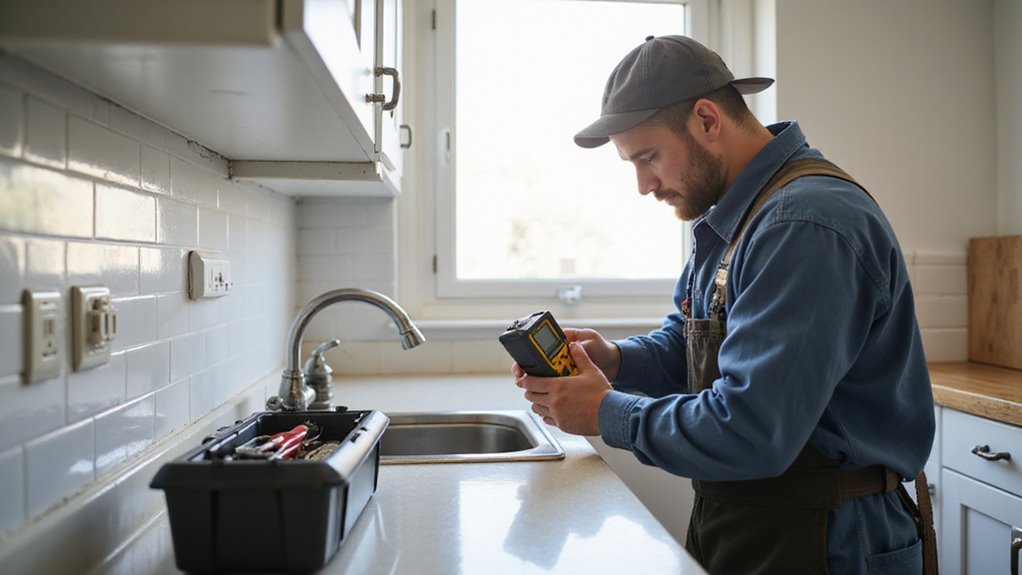
Many homeowners face problems when selling their house because of code violations. These violations can be anything from faulty wiring to missing permits. They often stop a sale or lower the home’s value.
Buyers may walk away or demand big price cuts when they see unresolved code issues. This can lead to long delays and extra stress for sellers. The selling process becomes much harder and sometimes even falls apart.
The good news is that you can fix code violations before selling. Taking the right steps will make your sale smoother and less risky. You just need to know what to look for and how to handle repairs. This blog will guide you through fixing code violations so selling your home is easier and safer.
Key Takeaways
- Conduct a thorough inspection to identify code violations and unpermitted work before listing your home.
- Gather and review all permits, inspection reports, and property records to ensure legal compliance.
- Hire licensed professionals to repair electrical, plumbing, structural, and safety violations according to local building codes.
- Obtain retroactive permits for any unpermitted renovations and complete all required inspections.
- Document all repairs, permits, and approvals to provide proof of compliance to buyers and authorities.
Understanding Common Code Violations
Common code violations can cause problems when selling your home. These violations often delay sales or lower your home’s value. If you know what to look for, you can fix issues early.
Electrical wiring is a frequent problem area. Old or do-it-yourself wiring may not meet safety codes. Exposed wires or missing GFCI outlets in kitchens and bathrooms are common violations. Failing to resolve these issues may impact buyer confidence and complicate the closing process.
Plumbing is another area to check. Leaky faucets or illegal pipe connections often signal bigger concerns. If you find these issues, you should fix them before listing your home.
Small problems, like using the wrong materials or missing shutoff valves, can also be violations. Early repairs help you avoid delays and renegotiations. If you address these issues, your selling process will go more smoothly. Taking time to assess renovation costs and risks associated with identified code violations can also help you plan an effective selling strategy.
Assessing Your Home for Potential Issues
Start by walking through your home and looking for common code violations, such as faulty wiring, missing handrails, or outdated smoke detectors. You’ll catch more issues if you hire a qualified inspector who knows exactly what to look for and can spot problems you might miss. Addressing these concerns early helps you avoid delays and unexpected costs when you’re ready to sell.
If you discover major problems, you might need to consult a professional for tax implications related to fixing or disclosing the issues, as large repairs can sometimes affect your financial and legal obligations. Understanding property disclosure requirements in Oregon is also critical, as fully disclosing any known issues builds trust with buyers and protects you from legal disputes during the sale process.
Identifying Common Code Violations
Identifying common code violations helps you prepare your home for sale. Early checks prevent delays and unexpected repair costs. This step also keeps your home safe and legal.
Most violations involve electrical, plumbing, or structural changes. Pay close attention if past repairs were done by non-professionals. Outdated or DIY fixes may not meet today’s codes.
Look for missing GFCI outlets, unvented drains, or unapproved additions. If you find issues, fix them before listing your home. Early action can lead to a faster and smoother sale.
Hiring a Qualified Inspector
A qualified home inspector checks your property for code violations. This person should have experience and a good reputation. If you want your home to meet all rules, hiring an expert is important.
The inspector reviews major systems like electrical, plumbing, and HVAC. They can find issues you might miss. If they give you a detailed report, you can fix problems before selling.
Choose someone with certifications and knowledge of local codes. If you address violations early, you can avoid delays. Buyers will feel more confident if your home meets all requirements.
Reviewing Permit History and Documentation
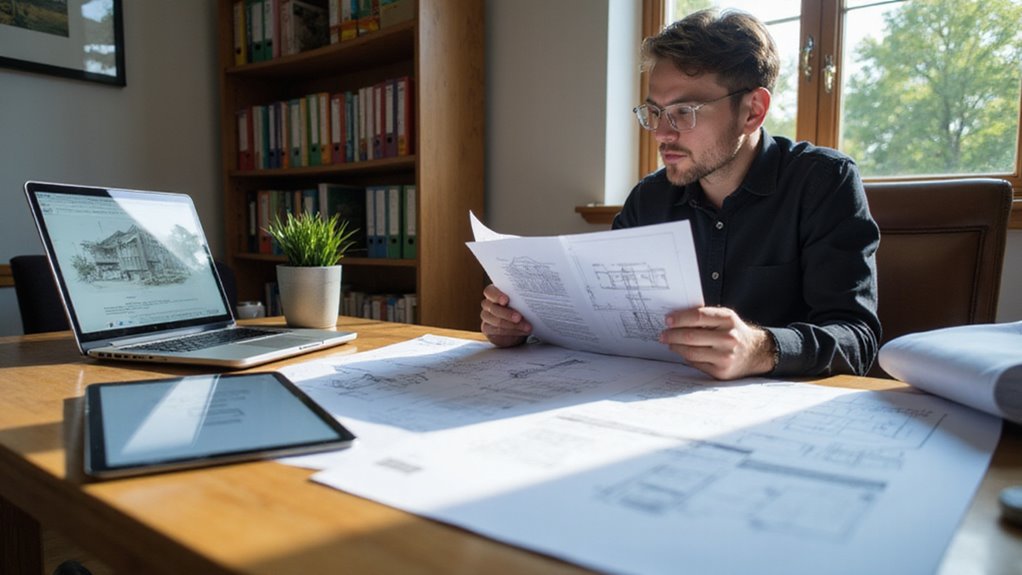
Reviewing your property’s permit history is important before you list your home for sale. A thorough review helps confirm that all renovations and repairs were properly permitted. If any permits are missing, you could face delays or complications.
You should start by collecting all permits, inspection reports, and certificates of occupancy from your local building office. These documents show what work was officially approved. Next, compare these with your own property records and any work orders you have. If you find any differences or missing permits, make a note of them. Unpermitted work may need to be addressed before selling. Addressing these issues early can help the sale go smoothly.
In Oregon, property disclosure statements must accurately reflect any code violations or missing permits to comply with state requirements. In some cases, buyers may be interested in selling houses as-is for cash, which can help you avoid complications if permit issues cannot be quickly resolved.
Here is a simple guide to help you review:
| Step | Action Item |
|---|---|
| Gather Documentation | Collect permits and certificates |
| Cross-reference | Compare with property improvements |
| Identify Issues | Note any unpermitted or missing work |
Hiring a Professional Home Inspector
A professional home inspector helps you find problems in your house before you sell. Inspectors check the structure, electrical, plumbing, and heating systems. If you want to avoid surprises, consider hiring one after reviewing your property’s permit history.
The inspector will look for code violations and safety issues. You will get a report listing any problems and suggested repairs. This report helps you fix issues before listing your home. Addressing issues such as pest damage can help maintain your home’s market value and attract more buyers.
Always choose a licensed inspector with local experience. Building codes can be different depending on where you live. If you use a professional, you are less likely to miss hidden problems. In Oregon, addressing property valuation and code compliance issues early can help streamline the selling process and avoid delays during probate or traditional sales.
Prioritizing Safety-Related Repairs
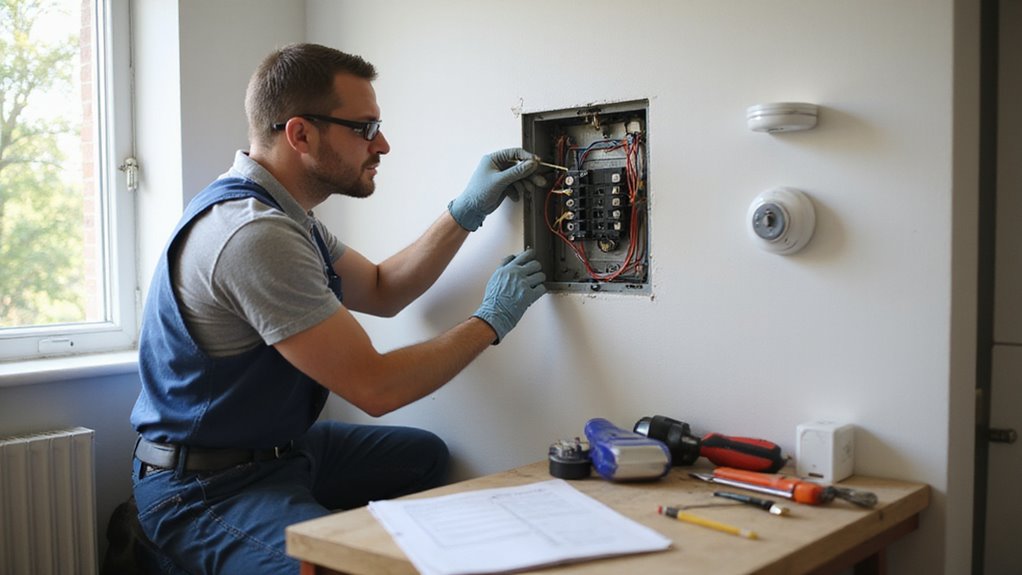
Start by tackling any electrical hazards, since faulty wiring and outdated panels present immediate risks to both occupants and your transaction. Next, address structural weaknesses like sagging floors or compromised foundations, as these can threaten the integrity of your entire home. By handling these critical repairs first, you protect everyone’s safety and lay the groundwork for a smoother sale.
In Oregon, it’s also important to confirm if your property’s ownership status requires probate, as unresolved probate issues can delay or complicate the sale process. Before listing, take into account Oregon real estate regulations to ensure all safety repairs and upgrades align with local laws and requirements.
Address Electrical Hazards First
Electrical hazards can cause fires or injury, so fix them before other code problems. Always check your electrical panel for damage or old wiring. If you find issues, address them right away.
Circuit breakers must work properly for safety. Replace any faulty breakers and clearly label each circuit. This can help prevent mistakes during repairs.
Outlets and switches need proper grounding to avoid shock or fire. Ungrounded outlets are dangerous and should be fixed. If you are unsure, contact a licensed electrician.
Never ignore exposed wires, overloaded outlets, or missing covers. If these problems exist, fix them quickly. Taking these steps protects your family and makes your home safer for buyers.
Resolve Structural Weaknesses Promptly
Fix any structural weaknesses before selling your home. Buyers and inspectors often avoid houses with cracks, sagging floors, or bowed walls. You can make your home safer and easier to sell by addressing these issues early.
A licensed contractor should check for damage and suggest repairs. Possible solutions include reinforcing the foundation or replacing weak support beams. If you ignore these problems, bigger repairs might be needed later.
Roof problems like leaks, missing shingles, or sagging must be fixed right away. Water can get in and cause serious damage. Quick repairs help keep your house in good condition and up to code.
Taking care of structural issues builds buyer trust. It also leads to a faster and smoother sale. If you resolve these problems, you protect both your investment and future sales prospects.
Addressing Electrical System Violations
Electrical system violations can be fixed by following clear steps. Start by hiring a licensed electrician for an inspection. This helps find outdated wiring, overloaded circuits, or bad grounding.
A faulty circuit breaker can cause big safety risks. Replace any broken breakers and label each one clearly. Old or small electrical panels should be upgraded to prevent hazards and follow local codes. Addressing these safety and liability concerns thoroughly is key to ensuring a successful sale and maintaining buyer trust.
If you are not an electrician, do not try to fix things yourself. Electrical work is dangerous and requires training. Always call a professional for repairs.
When preparing to sell, providing documentation of repairs and upgrades helps maintain your home’s value and can reassure buyers who are concerned about potential code violations.
Here are common electrical violations and their solutions:
| Violation Type | Common Risk | Recommended Action |
|---|---|---|
| Overloaded Circuit | Fire hazard | Add or upgrade circuit breakers |
| Outdated Panel | Capacity issues | Upgrade the electrical panel |
| Exposed Wiring | Shock or fire risk | Cover or insulate the wires |
| Unlabeled Breakers | Confusion in emergencies | Label all breakers clearly |
| Missing GFCIs | Shock hazard | Install GFCI outlets |
Fixing Plumbing Code Issues

Start by checking for common plumbing violations like improper venting, leaks, or non-compliant traps. Upgrade any outdated pipe materials, such as galvanized steel or polybutylene, to approved options like copper or PEX. Make sure all fixtures are installed correctly and meet local code requirements to avoid costly last-minute repairs.
It’s also important to ensure your plumbing updates are in line with Oregon real estate laws to prevent complications during the selling process. Addressing plumbing code issues proactively helps you maximize value and attract buyers in Oregon’s real estate market.
Identifying Common Plumbing Violations
Spotting and fixing common plumbing code violations helps avoid problems when selling your home. If you fix these issues early, you can prevent failed inspections. Proper plumbing makes the selling process smoother.
Check all sinks, toilets, and showers to make sure they are installed correctly. Look for leaks or missing parts on every fixture. If you see an air gap or trap set up incorrectly, fix it right away.
Inspect visible pipes for proper insulation, especially in basements, attics, and crawl spaces. Uninsulated pipes can freeze and burst in cold weather. If pipes are not insulated, add insulation to protect them.
Check that drains slope enough to prevent standing water. Each shut-off valve should be easy to find and work when needed. If any valve is stuck or hidden, replace or move it.
If you review these areas carefully, you can spot most plumbing problems before putting your home on the market. Fixing violations early helps avoid costly delays. Proper preparation saves time and money during a home sale.
Upgrading Outdated Pipe Materials
Old homes often have pipes made from galvanized steel, lead, or polybutylene. These materials are now outdated and can cause plumbing problems. If your home has these pipes, you should consider replacing them.
Outdated pipes can corrode and may not meet current building codes. Newer materials like copper and PEX are stronger and last longer. Buyers and inspectors often check the type of pipes used in a home.
Here’s a quick comparison:
| Pipe Material | Corrosion Risk | Durability |
|---|---|---|
| Galvanized Steel | High | Low |
| Lead | Very High | Low |
| Polybutylene | Moderate | Low |
| Copper | Low | High |
| PEX | Very Low | High |
Switching to copper or PEX can prevent leaks and add value to your home. If you plan to sell, modern pipes can attract buyers. Reliable plumbing is a strong selling point in today’s market.
Ensuring Proper Fixture Installation
Proper fixture installation is important to avoid code problems. Every sink, toilet, faucet, and shower must follow local plumbing rules. If fixtures are not installed correctly, you may face costly repairs.
Fixtures should be tight and well-sealed to prevent leaks. All pipe connections must use the right parts. Drain lines need the correct slope for good water flow.
Safety features are also required. Anti-scald devices should be in place, and shutoff valves must be easy to reach. If any leak is found, fix it before moving forward.
Check vent pipes to prevent sewer smells in your home. If you are unsure about any step, call a licensed plumber. Careful checks now can help you pass your home inspection later.
Bringing HVAC Systems Up to Code
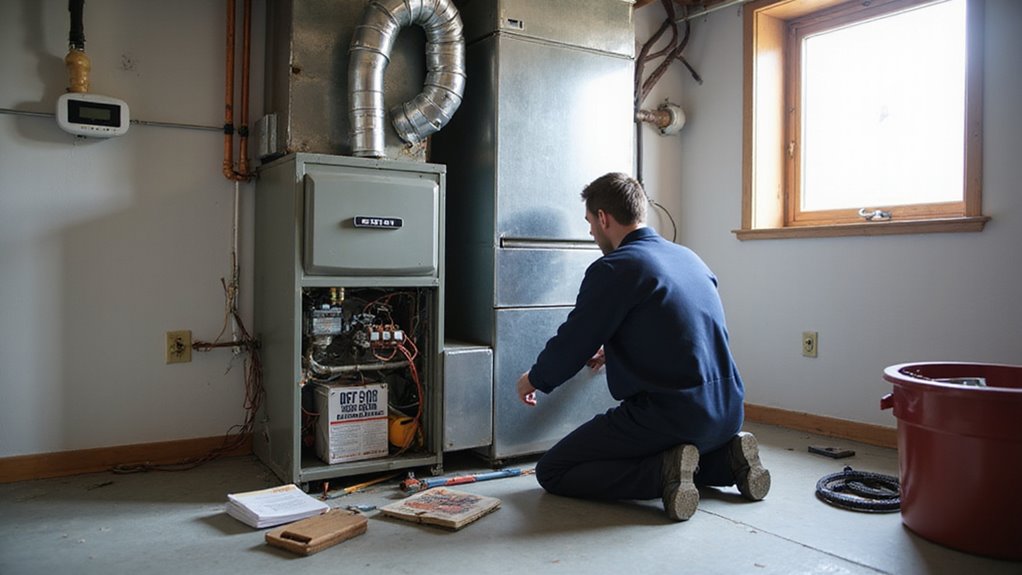
Outdated or poorly installed HVAC systems can cause safety risks and inspection failures. Homeowners must ensure their heating, ventilation, and air conditioning meet current building codes. Proper code compliance is necessary before listing a home for sale. Make sure your HVAC system is up to code to avoid safety risks and pass inspections before selling your home.
A professional should inspect your HVAC system to check for any problems. This includes faulty wiring, poor airflow, and worn parts. If any issue is found, it should be fixed right away.
Ductwork must be sealed well to prevent leaks and keep out contaminants. Damaged or incorrectly routed flexible ducts should be replaced. Good ductwork helps your system run smoothly and meet code.
Thermostats and controls should match local code requirements. If they are outdated, replacing them is needed. Taking these steps can help your home pass inspection the first time.
A thorough inspection checks for structural issues, code violations, and other hazards that could impact your home’s marketability and value.
Ensuring Proper Egress and Fire Safety
You need to make sure every sleeping area, especially in the basement, has a code-compliant egress window that allows for safe escape in an emergency. Install smoke and carbon monoxide detectors in all required locations, making sure they’re interconnected and properly maintained. Addressing these fire safety essentials not only protects occupants but also helps you avoid costly delays during the sale.
Upgrading Basement Egress Windows
Upgrading basement egress windows keeps your home safe and meets building codes. These windows must let people escape in an emergency. They also allow first responders to enter quickly.
An egress window should be at least 20 inches wide and 24 inches high. The opening must be at least 5.7 square feet. The windowsill cannot be more than 44 inches from the floor.
If your basement has moisture problems, fix those issues before changing windows. Proper sealing stops leaks and mold growth. This helps you avoid costly repairs later. New egress windows show buyers your home is safe. This upgrade can also make your home easier to sell.
Installing Smoke and CO Detectors
You must install smoke and carbon monoxide detectors to meet safety rules. Smoke detectors are required in every bedroom and outside sleeping areas. Each level of the house also needs a smoke detector.
Carbon monoxide detectors should go near bedrooms and fuel-burning appliances. If you use combination units, installation is easier. Choose models with long-life batteries or hardwired options with battery backup.
Always test each detector once a month. Replace the batteries if they run low. You should write down the installation date.
Most detectors need replacement every 7–10 years. Follow manufacturer instructions for placement on ceilings or high walls. Proper detector care can keep your home safe and code compliant.
Correcting Structural Modifications
Structural changes without permits can lead to serious code violations. If a home has unapproved changes, fix them before selling. Unpermitted work can lower your home’s value and cause legal trouble. Unpermitted structural changes can violate codes, reduce your home’s value, and cause legal issues—fix them before listing your property for sale.
Hire a licensed structural engineer to check your property. The engineer will look for unauthorized changes and safety risks. If they find issues, you must correct them to meet current building codes.
It may be necessary to remove or redo the work professionally. Try to get permits after the fact if allowed by your city. Schedule inspections to make sure everything is now up to standard.
Correcting these problems protects your investment. It also helps buyers feel confident that the home is safe and legal. If you address these issues, the selling process will go more smoothly.
Updating Outdated Building Materials
Updating outdated building materials is important before selling your home. Old materials, like lead paint or asbestos, do not meet today’s safety standards. These materials can also break current building codes.
A professional inspection will help you find any non-compliant materials. If the inspection finds problems, licensed contractors should replace the outdated materials. Use products that follow current building codes for all updates.
Keep all documents that show repairs and new materials. This paperwork is useful for buyers and inspectors. Updating materials can help your home pass inspection and make buyers feel safer.
Handling Unpermitted Additions and Renovations
Unpermitted additions and renovations can cause problems when selling your home. Buyers and lenders want all changes to be properly permitted. If you have work without permits, you should address it before listing your home.
Start by checking property records to see what lacks permits. If you find unpermitted work, gather any existing plans for those areas. You should also contact your local building department for guidance.
For an unpermitted room, gather plans and seek retroactive permits. If electrical work was done, hire a licensed electrician to inspect and fix issues. Added bathrooms should have plumbing inspected and necessary permits obtained.
All unpermitted work must meet current safety standards. Licensed professionals may need to correct problems before permits are approved. If you document each step, you can show buyers that your home is safe and legal.
Coordinating With Local Building Authorities
You must contact your local building authority after spotting unpermitted work. Officials will tell you which code violations you must fix. If codes have changed, you should ask about recent updates.
Building departments can give you clear compliance rules. You need to review the latest building codes and note any violations. If you are unsure, ask the official for help.
Permit applications will need supporting documents. You must complete these forms before starting any repairs. Officials may also give you a checklist of inspections required before proceeding.
Documenting Repairs and Obtaining Final Approvals
Document all repairs as soon as the work is done. Take clear photos before, during, and after every repair. Save receipts, permits, and any messages with contractors or inspectors.
Homeowners must organize these records for easy sharing with buyers or local officials. If you do this, it will help you later. Arrange your documents by date or by type of repair.
Schedule a final inspection with your local building department after repairs are complete. Be present at the inspection to answer questions if needed. If the inspector approves, get a written certificate or approval letter.
Keep these documents in a safe place. They prove your property meets code. This can make selling your home easier in the future.
Conclusion
If you resolve code violations before selling, you make your property more attractive and valuable. Buyers feel more confident when a home meets all requirements. If you address problems early, you can avoid delays and lower offers.
If you want a simple solution, we buy houses for cash—even if there are code violations. We handle repairs and take care of the paperwork for you. If you want to sell quickly, this is a great option.
If you are ready to sell, contact us at OR Home Buyers. We can guide you through your options and give you a fair cash offer. Let us help you move forward with peace of mind.




Hi, I’m Bob Bash, founder of OR Home Buyers, serving the Oregon community since 2017. We provide full-service real estate solutions, specializing in cash purchases for both residential and commercial properties. I started this business to help our community navigate difficult real estate situations with professionalism, ethics, and compassion.
My goal is simple: to make every client feel relieved and happy when their real estate challenges are resolved. Helping people find solutions and peace of mind is what drives me every day.