
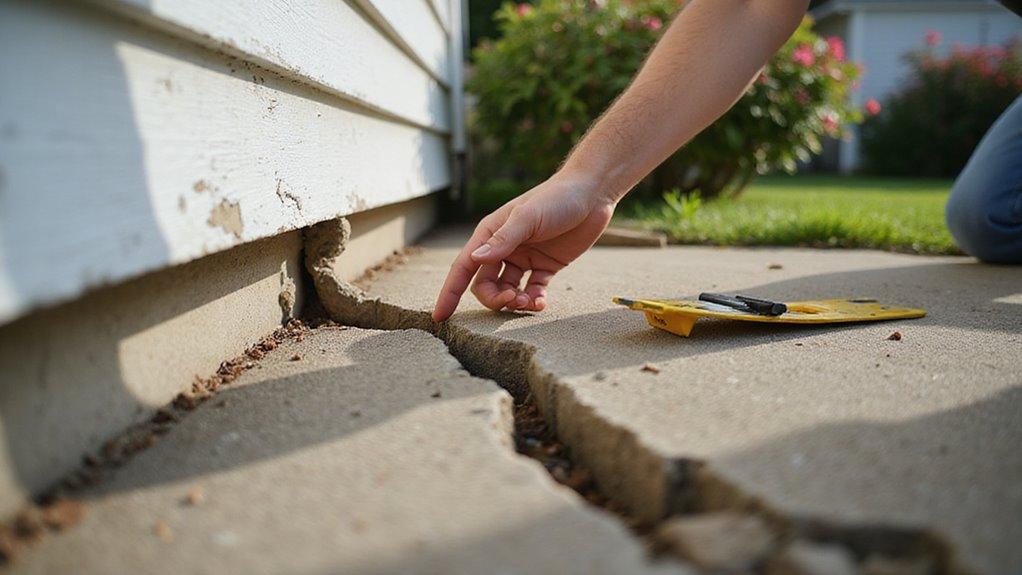
Foundation issues can sneak up on any homeowner. Even homes that seem perfect may hide problems beneath the surface. These hidden flaws can lower your home’s value and scare off buyers. The selling process becomes stressful if you miss early warning signs.
Buyers may walk away, or you might face expensive last-minute repairs. Small cracks or sticky doors can quickly become major negotiation obstacles. You can spot foundation problems early by learning what signs to watch for before you put your home on the market.
A careful inspection and some basic knowledge protect your investment. This approach can help you sell faster and for a better price. This blog will guide you step by step to spot and address foundation issues before listing your home.
Key Takeaways
- Inspect for visible cracks, gaps, or bulging in foundation walls, exterior brickwork, and around windows or doors.
- Check for uneven or sloping floors, sticking doors, or windows that indicate possible foundation movement.
- Look for signs of moisture such as damp spots, musty odors, water stains, or efflorescence near the foundation.
- Examine landscaping, grading, and drainage to ensure water is directed away from the foundation and not causing damage.
- Hire a licensed foundation specialist or structural engineer for a professional inspection and detailed report before listing the home.
Common Causes of Foundation Problems
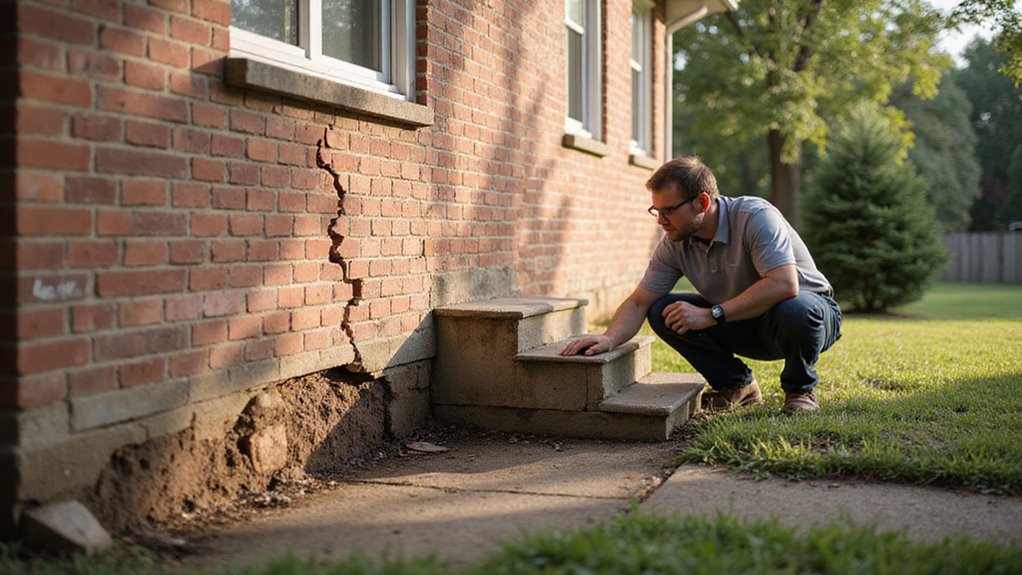
Foundation problems often happen when the ground under a building is unstable. Expansive clay, poor soil compaction, and changing moisture levels are common causes. If the soil moves or washes away, the foundation may crack or shift. Unstable ground, shifting soil, and changing moisture levels can cause serious cracks or movement in a building’s foundation.
The quality of foundation materials also matters. Weak concrete, rusted metal bars, or low-quality bricks can make the foundation less stable. If builders use poor materials, the risk of damage increases. In Oregon, property disclosure requirements play a key role in ensuring buyers are informed about any known foundation issues when selling a house as-is.
Water is another major problem for foundations. Plumbing leaks or poor drainage can add too much moisture to the soil. If extra water softens the ground, the foundation may lose support.
Homes in areas with changing weather face even more risk. If the climate shifts often, foundations need extra care and inspection. Regular checks and good building practices help keep buildings safe and strong.
When preparing to sell a home in Oregon, being aware of seasonal trends and how they can impact foundation stability and the overall sale process is especially important.
Signs of Foundation Settlement
Foundation settlement shows early warning signs you can spot with careful observation. Uneven or sloping floors often mean the soil beneath your home is unstable. Doors and windows that stick or look crooked can also signal foundation movement.
Gaps between walls and floors or around window frames may indicate the structure is shifting. If you see cracks in bricks or drywall, that’s another warning sign. Poor drainage can cause water to collect near the foundation and speed up settlement. Assessing these features can also help ensure you maximize your return on investment during the sales process.
Persistent dampness or water pooling by the foundation is a red flag. These issues should be addressed quickly to protect your home’s value. Early action can help you avoid costly repairs later. In Oregon, it’s especially important to be aware of structural integrity when preparing a house for sale, as local real estate laws may require specific disclosures about the property’s condition.
Cracks in Walls and Ceilings
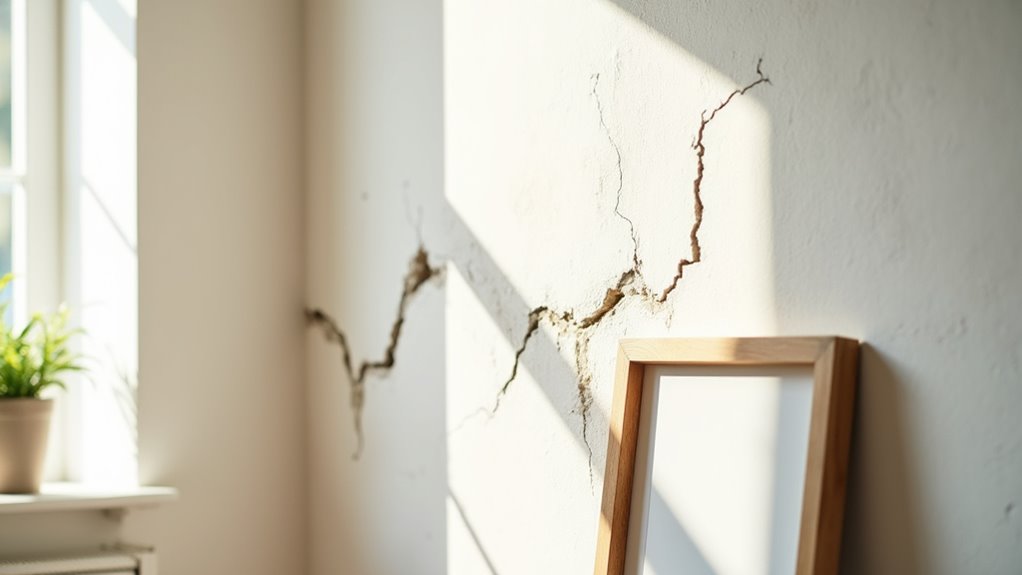
Cracks in walls and ceilings often mean there are problems with the foundation. These cracks can ruin paint and lower your home’s value. If you see any, you should check them right away.
Each crack type can point to a different issue. Horizontal cracks may mean the foundation is shifting. Vertical or diagonal cracks often come from settling or uneven movement. It’s important to respond quickly, since addressing issues promptly can help prevent bigger problems during the home sale process.
If you notice stair-step cracks, the masonry walls might be moving. Hairline cracks are usually due to minor settling or shrinkage. Buyers and inspectors may see these as warning signs.
You should not just cover the cracks with paint. If left untreated, they can get worse and cost more to fix. It is best to ask a professional to inspect and repair the cause early. There are other key exterior indicators—like soil erosion or sloping floors—that can signal foundation problems before selling your Oregon home.
Uneven or Sloping Floors
Some floors feel uneven or slope because of possible foundation problems. The ground under your home can shift due to changing soil. This movement may cause the foundation to settle or rise. In Oregon, regular maintenance and inspections are crucial for catching foundation issues early, especially in a tight housing market where buyers scrutinize home conditions closely. If the foundation cannot adjust, the floors above may become uneven. Uneven floors are not just a cosmetic issue. They can lower your property value and make buyers worry.
If you see sloping floors, you should get a professional inspection. The expert can check both the foundation and the soil. If you plan to sell your home, fixing the problem is important.
Before selling, it’s also wise to consider how market conditions in Oregon might affect your property value and the urgency of repairs.
Sticking Doors and Windows
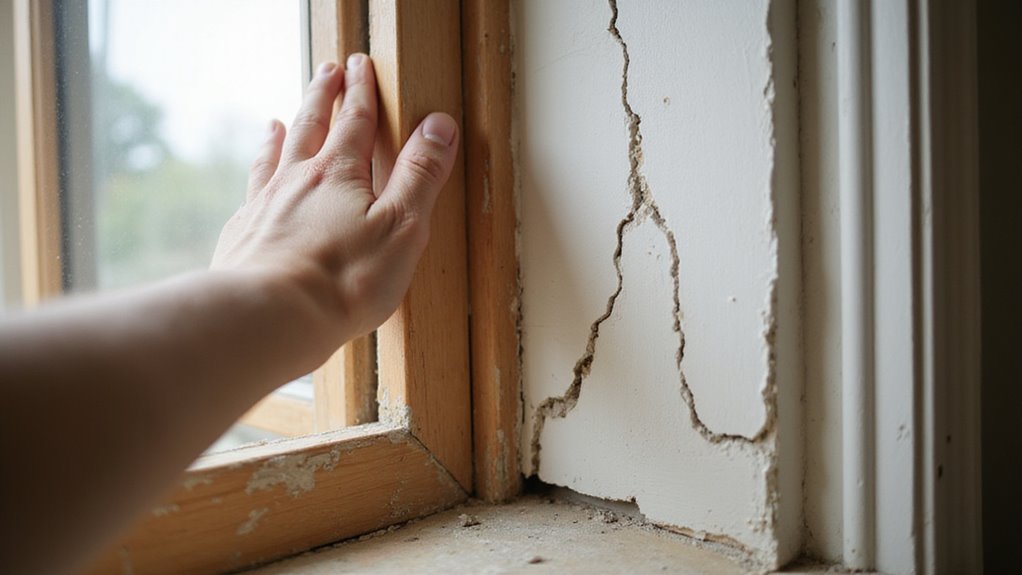
You’ll notice sticking doors and windows as one of the most common indicators of shifting foundation conditions. These issues often signal underlying structural movement, such as differential settlement or frame distortion. In Oregon, such symptoms can also lead to code violations if left unaddressed, potentially affecting your home’s marketability and value.
To protect your property’s value, inspect these symptoms promptly and consult a qualified professional for targeted remediation. If you encounter sticking doors and windows while preparing to sell, remember that properties in all conditions qualify for a cash buy program, so you can still explore fast, as-is sale options without worrying about making repairs first.
Common Warning Signs
Persistent problems with doors or windows can be a sign of foundation issues. Doors that suddenly stick or windows that are hard to open may mean your home is shifting. If you notice these signs, you should not ignore them.
Foundation problems can lower your property’s value and scare away buyers. Buyers may ask for big discounts if they see these warning signs. If you fix issues early, you can avoid problems during inspections.
Early repairs, like reinforcing the foundation or waterproofing the basement, protect your home and investment. Quick action also helps make the selling process smoother. If you address concerns before listing, you may get better offers.
Underlying Structural Causes
Sticking doors and windows usually mean there are problems with your home’s foundation. These issues often happen when the ground under your house moves or settles unevenly. If you notice these signs, your home’s structure might need attention.
Foundation movement can bend or twist the frames around doors and windows. Poor drainage or clay soil can make these problems worse. If left unchecked, the foundation may become weaker over time.
If you plan to sell your house, buyers may see sticking doors as a warning sign. They might worry about costly repairs in the future. Fixing foundation issues early can help protect your home’s value.
Inspection and Solutions
When doors and windows do not open or close smoothly, inspect them to find the cause before making repairs. Check for cracks near frames, uneven floors, or gaps around openings. These signs can point to foundation problems.
Sticking doors and windows often mean the foundation has moved. If you see these issues, call a foundation expert to check your home. The expert may suggest solutions like waterproofing or soil treatment.
These repairs can make your home safer and easier to sell. Fixing the root problem protects your property value and reassures buyers. Quick fixes may not solve the real issue.
| Problem Observed | Emotional Impact |
|---|---|
| Sticking doors/windows | Frustration and worry |
| Visible wall cracks | Anxiety about stability |
| Uneven flooring | Fear of costly repairs |
| Failed quick fixes | Doubt about value |
If you address these problems early, you can protect your home’s market appeal.
Gaps Around Window Frames and Exterior Doors
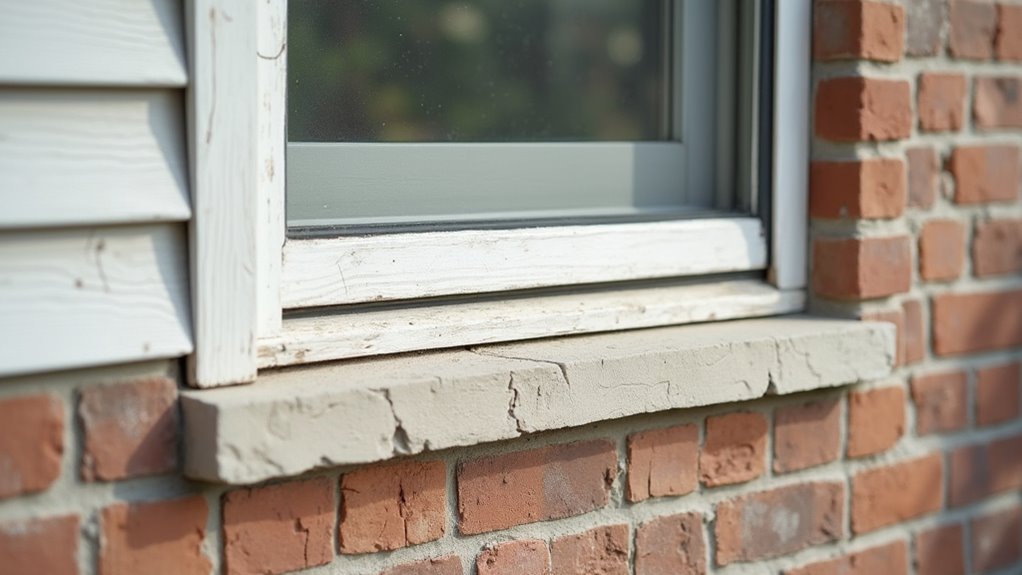
Gaps around window frames and exterior doors are signs of possible foundation problems. These gaps often appear when the home’s foundation shifts or settles. If you notice daylight or drafts through these gaps, structural movement may be the cause.
Window and door frames can pull away from the walls as the foundation moves. These changes can make your home less comfortable and less energy efficient. Potential buyers may see these gaps as a sign of bigger issues. In Oregon, structural movement related to foundation issues can also complicate traditional home financing, making a sale more difficult if the buyer needs a mortgage.
If left unaddressed, small gaps can lead to larger, more expensive repairs. Unfixed gaps may also reduce your home’s value and make selling harder. Early inspection by a professional can help you fix problems before listing your home. It’s important to address these concerns promptly as structural integrity significantly affects property marketability and value.
Bowed or Bulging Walls
Bowed or bulging walls are a clear sign of foundation problems. These walls curve inward or outward because of pressure from the outside. If you see this, your foundation needs attention.
Foundation walls can move due to too much water in the soil or bad drainage. Heavy rain, basement flooding, or soil erosion can all add pressure to the walls. These issues weaken your home’s structure. Inspecting for pest damage at the same time can help reveal other causes of foundation strain in Oregon’s humid climate.
If a buyer spots these problems, they may offer less for your home. Fixing the walls quickly with professional help can raise buyer confidence. If you ignore bowed walls, repairs will likely become more costly and difficult later. Following Oregon’s disclosure requirements is especially important if your foundation has been affected by events like flooding or fire damage before selling.
Water Damage and Moisture Issues
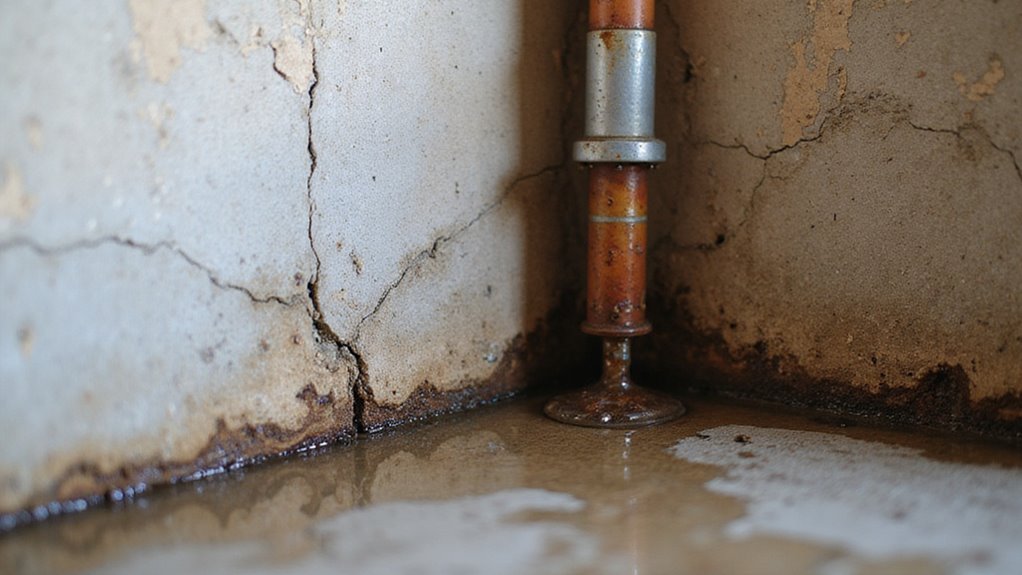
You’ll need to watch for visible signs of water intrusion such as efflorescence, damp spots, or musty odors near your foundation. Unchecked moisture accelerates structural deterioration and creates an environment ripe for mold proliferation, which can impact property value and occupant health.
By prioritizing early detection and effective moisture control strategies, you limit long-term repair costs and protect your investment. Professional inspections can accurately uncover hidden water damage that might otherwise go unnoticed, ensuring you address underlying issues before your home goes on the market.
Signs of Water Intrusion
Signs of water intrusion are often easy to spot if you know what to look for. Efflorescence, a white powdery deposit, may appear on basement walls. You might also see dark or damp patches that show water is getting in.
Musty smells or peeling paint are warnings of trapped moisture. Warped baseboards or buckled floors often mean water has been present for a while. If any of these signs appear, the building may have a moisture problem.
Visible water intrusion can lower property value and discourage buyers. Stains around floor joints or window wells often mean waterproofing has failed. If you address these problems quickly, you can protect your investment and make selling easier.
Preventing Mold Growth
Preventing mold growth means keeping your home dry. Mold often grows where there is lingering moisture. Controlling moisture is the best way to stop mold from forming.
Homeowners should clear gutters and direct water away from the house. The ground should slope away from the foundation to avoid water buildup. If you see cracks in the foundation, repair and seal them quickly.
Use sump pumps or dehumidifiers in basements and crawlspaces if these areas feel damp. Check plumbing for leaks and fix them right away. If you notice condensation on pipes or HVAC systems, address it to prevent extra moisture.
Buyers often look for homes with mold prevention measures. If you have documented steps, your home may sell more easily. Mold problems can reduce a home’s value and be expensive to fix.
Exterior Brickwork and Foundation Cracks
Exterior brickwork often shows early signs of foundation problems. Cracks, bulges, or gaps in the bricks can mean the foundation is moving. If you see these issues, your home could have structural damage.
Inspect for stair-step cracks, horizontal lines, or bricks pushing outward. Cracks wider than a quarter-inch or running diagonally from windows and doors are serious. These usually mean the foundation has shifted.
Home buyers notice these defects and may worry about expensive repairs. If you find and fix these problems early, you protect your home’s value. This also gives you a stronger position when selling your property.
Chimney Leaning or Separation
A leaning chimney can mean your foundation has problems. If your chimney is tilting, the ground under it may be shifting. Separation between the chimney and your house wider than a quarter inch is a serious warning sign.
Gaps, cracks, or visible tilting should not be ignored. These problems can get worse quickly and lower your home’s value. If you see these signs, contact a professional as soon as possible.
Chimneys are heavy and should remain stable. Movement often points to foundation failure in that area. Fixing chimney issues early shows buyers you take care of your home.
Checking the Crawl Space or Basement
A crawl space or basement inspection helps you spot hidden problems before selling. Buyers and inspectors always check these areas for damage. If you skip this step, you might face costly repairs later.
Look for musty smells, which can mean moisture problems. White stains on walls often show water issues. Damaged or sagging floor joists seen from below may signal bigger concerns.
If you find pools of water or damp soil after rain, there could be drainage issues. Cracks in the foundation or support piers may show structural problems. Addressing these signs early will help you protect your home’s value and attract buyers.
The Role of Landscaping in Foundation Health
Landscaping directly affects the health of your home’s foundation. If landscaping sends water toward the foundation, it can cause damage. Proper grading should always direct water away from the house.
Water that pools near the foundation creates pressure and may crack or shift the concrete. Large trees or shrubs can also harm foundations if their roots grow too close. If you plant trees, keep them far from the house and use root barriers.
Homes with visible drainage problems often sell for less money. If you manage grading and plant placement, you will help protect your home’s value. Taking these steps early can stop foundation issues before they start.
Professional Inspection: When to Call an Expert
You shouldn’t ignore warning signs like severe cracks, uneven floors, or doors that won’t close, as these warrant immediate professional inspection. Always select licensed foundation specialists with proven track records to ensure accurate assessment and repairs. A comprehensive inspection report not only guides remediation but also protects your property’s market value and future transactions.
Signs Necessitating Immediate Inspection
You should inspect your foundation right away if you notice certain warning signs. These signs can lead to serious structural problems if ignored. Fast action helps protect your home and its value.
Stair-step cracks in bricks or exterior walls that get larger are a concern. Doors or windows that stick, won’t latch, or show gaps may signal a problem. Uneven floors or furniture that leans can also indicate foundation issues.
Walls that pull away from ceilings or floors mean possible movement in your home’s structure. Persistent moisture or standing water near the foundation can harm the soil and stability. If you see any of these signs, you should contact a professional for advice.
Choosing Qualified Foundation Experts
You need skilled professionals to fix foundation problems. General contractors may not have the right training for serious issues. If you notice warning signs, contact a structural engineer or foundation specialist.
These experts have special tools to check the soil and your home’s structure. They can spot hidden problems and suggest the best repairs. If you use a licensed expert, your repairs will meet local standards and buyer needs.
Structural engineers have PE licenses and know local rules. Foundation specialists hold certifications and use advanced repair methods. Soil stabilization experts have geotechnical training to fix ground issues.
Licensed inspectors have state approval and are trusted by banks and insurers. If you choose the right expert, your home and investment will be safer. Your reputation as a homeowner or seller will also stay strong.
Inspection Report Importance
A homeowner should seek a professional inspection when signs of foundation problems appear. Common signs include cracks, sloping floors, or doors that stick. If these issues are present, a formal inspection is necessary.
A professional inspection report gives clear, unbiased information about your foundation. Buyers often require this documentation before making an offer. It also helps you meet legal disclosure requirements.
Inspectors evaluate the foundation materials and check for signs of settling. They may test the soil to find the causes of movement. If problems are found, the report will include repair suggestions.
A professional report builds buyer trust and can protect your home’s value. It helps you address any issues before selling. Verified stability is important for both sellers and buyers.
Repair Options and Preparing for the Market
To address foundation concerns before selling, hire trusted contractors who understand soil and foundation work. Identify if you need simple crack repairs or major fixes like underpinning. Focus on repairs that make your home safer and more stable.
Always use strong, code-approved materials for any foundation work. Keep all repair records, such as receipts and warranties. If buyers see professional repairs and clear documentation, they will feel more confident.
If you invest in solid repairs, your home may sell faster and for a better price. Serious buyers prefer homes with fewer risks. Taking these steps can also make negotiations smoother.
Conclusion
If you want to sell your home, checking for foundation issues is very important. If you identify and fix problems early, you increase your home’s value and make buyers feel confident. When you keep clear records and seek professional help, you make the selling process smoother.
If you notice cracks or moisture, you should act quickly. If you correct these issues before listing, you avoid surprises during inspections. If you present your home honestly, buyers will trust you more.
If you want to sell your house fast and avoid extra repairs, We Buy Houses for Cash can help. If you contact us, we can give you a fair cash offer and a simple sale. Let Home Buyers handle the details so you can move forward with peace of mind.




Hi, I’m Bob Bash, founder of OR Home Buyers, serving the Oregon community since 2017. We provide full-service real estate solutions, specializing in cash purchases for both residential and commercial properties. I started this business to help our community navigate difficult real estate situations with professionalism, ethics, and compassion.
My goal is simple: to make every client feel relieved and happy when their real estate challenges are resolved. Helping people find solutions and peace of mind is what drives me every day.