
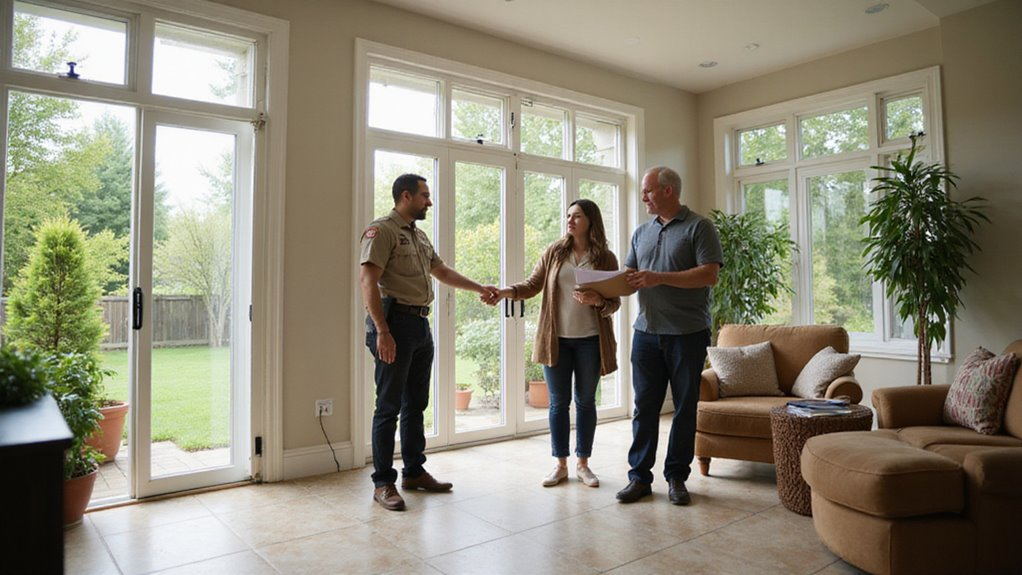
Selling a house with foundation problems can feel overwhelming. Many sellers worry that cracks or structural issues will scare away buyers. This fear can make the selling process stressful and uncertain.
Potential buyers may hesitate or offer less money if they notice foundation issues. You might see your listing sit on the market for months. Repairs can be expensive, and the unknowns can make negotiations tough. You can market a house with foundation problems by being honest, setting the right price, and targeting the right buyers.
If you take the right steps, you can still attract interested buyers and close the deal. The process requires a clear plan and a bit of patience. This blog will guide you through each step to get your house sold, even with foundation problems.
Key Takeaways
- Disclose foundation problems clearly in the listing to establish trust and meet legal requirements.
- Provide professional inspection reports and repair estimates to reassure buyers and set realistic expectations.
- Highlight the home’s positive features, upgrades, and unique selling points to attract motivated buyers.
- Target investors, cash buyers, or renovation-minded buyers who are more open to structural issues.
- Emphasize the property’s potential for value increase after repairs to appeal to opportunity-focused buyers.
Understanding the Impact of Foundation Issues on Home Value

Foundation problems lower your home’s value. Most buyers see them as a serious warning sign. If your house has settlement issues, expect it to sell for less. Foundation problems signal serious concerns to buyers and can cause your home to sell for a significantly lower price.
A home’s value can drop by 10% to 20% or more, based on the problem’s severity. Unstable soil under the house increases repair costs and long-term risks. Lenders may be less willing to approve loans for these homes. In Oregon, expansive clay soils and seasonal moisture changes are common causes behind foundation issues, which buyers and lenders often recognize as elevated risk factors.
You may get fewer offers and your home might stay on the market longer. If you have foundation problems, gather reports from professionals. Clear documents about repairs or inspections help buyers understand the situation.
If you set a fair price and share information, selling gets easier. Knowing these effects lets you plan your sale better. Before deciding to list your property, it’s wise to compare the home’s current market price to the outstanding mortgage balance and debts to ensure selling the house is the right financial move.
Identifying Common Signs of Foundation Problems
You’ll want to watch for visible cracks in walls or gaps around windows, as these often signal foundation movement. Pay close attention to uneven floors or doors that stick, which can indicate structural shifts. Spotting these signs early equips you to address concerns proactively when marketing your property.
In Oregon, sellers must be mindful of legal authority requirements during property transactions, especially if the sale occurs after an inheritance or probate process. Assessing and openly disclosing any foundation issues is crucial, as seller disclosure requirements in Oregon are legally mandated and can help maintain trust with potential buyers.
Visible Cracks and Gaps
Visible cracks and gaps are clear signs of possible foundation problems. These issues can alert buyers or inspectors to structural concerns. Careful inspection is important to understand the seriousness of these cracks.
Horizontal cracks often mean there is major foundation movement. If you see these, you should get a professional evaluation right away. These cracks can signal urgent attention is needed.
Vertical or diagonal cracks may come from normal settling. Their size and length can show if the problem is serious. Wide or long cracks may need further inspection.
Gaps around windows or doors show the house is shifting. These can make buyers worry about stability. If you notice these gaps, consider a closer check.
Stair-step cracks in brick or block walls often show uneven settling. These types of cracks usually require a professional assessment. Immediate action can prevent further damage.
Uneven Floors and Doors
Uneven floors and doors can mean there are problems with your home’s foundation. These issues may lower your home’s value and make buyers worry. If you notice sloping floors or sticking doors, you should not ignore them.
Sloping floors often come from foundation settling or shifting. Sticking doors can mean the structure is not lined up right. Gaps under baseboards may show movement in the subfloor or foundation.
If you plan to sell, a professional should check these problems. You should get a report on any repairs or needed work. If you provide proof of repairs, buyers may feel more confident about your home’s safety and value.
Getting a Professional Foundation Assessment

A professional foundation assessment helps you understand any structural problems with your property. If you plan to sell a house with foundation issues, you should hire a licensed expert. An assessment gives clear details about the problems and their causes.
An inspector will look at both the inside and outside of your home. They may use tools to check for uneven floors or shifts. If soil problems are suspected, they might test the ground around your house. Getting a foundation assessment can help you meet property disclosure requirements that protect you from legal disputes in Oregon.
The expert will give you a report with their findings and advice. This report will list any damage, causes, and how to fix them. If you share this report with buyers, it can help build trust.
In some cases, providing buyers with a foundation report may be as important as proving your inheritance rights when stopping a foreclosure, as both can protect your interests in the property.
Estimating Repair Costs and Options
Once you’ve secured a professional inspection, you’ll need to review a detailed repair estimate that covers both materials and labor. Compare traditional repairs with alternative strategies to find the most cost-effective solution for your situation. By understanding these options, you can set realistic expectations for buyers and negotiate from a position of knowledge.
Additionally, it’s wise to consider how code violations may impact your property’s value and the range of repair solutions buyers might expect. Because foundation issues often conceal structural damage and safety hazards, addressing them thoroughly before listing can help you present the property more transparently and attract serious buyers.
Professional Inspection Essentials
A professional inspection helps you market a house with foundation issues by giving clear facts about the problems. It shows buyers you are honest and serious about the sale. If you get an expert’s report, you can answer tough questions from buyers with confidence.
The inspector will check for both obvious and hidden foundation problems. You will receive a report that explains how bad the damage is and what caused it. If repairs are needed, the report will include suggestions for fixing or monitoring the foundation.
The inspection should also provide photos and diagrams to help buyers understand the issues. This documentation can make negotiations smoother. If you follow these steps, you build trust and gain an advantage during the sale.
Repair Estimate Breakdown
Getting detailed repair estimates helps you set clear expectations with buyers. These estimates show what repairs are needed and how much they cost. If you share them, you build trust and avoid surprises.
Start by hiring a licensed engineer or foundation specialist for a full inspection. Their report will list all structural issues and recommended repairs. If you get several opinions, you can compare them.
Ask each contractor for an itemized quote. Quotes should list labor, materials, and permit costs separately. If you do this, you can see where prices differ.
If you show buyers these reports and quotes, it adds transparency. Buyers will know what repairs are needed and the likely costs. This can help your home stand out and make negotiations smoother.
Alternative Repair Strategies
Alternative repair strategies can fix specific foundation problems without full replacement. These methods often cost less and are less disruptive. Homeowners can choose from several targeted solutions.
Piering and underpinning use steel or concrete piers to support sinking foundations. This method works well for homes with settling issues. Contractors drive the piers deep into stable soil.
Slabjacking, also called mudjacking, lifts sunken concrete slabs. Technicians inject a grout mixture under the slab to raise it. This is best for minor settling problems.
Epoxy injections fill and seal cracks in concrete foundations. The epoxy restores strength and blocks water from entering. Use this option for small to medium cracks.
Drainage improvements can prevent future foundation movement. Good drainage may include regrading soil or adding French drains. Proper water management keeps your foundation stable.
If your home has foundation problems, consider each repair strategy’s cost and suitability. Some solutions work better for certain conditions. Always consult a professional before making repairs.
Deciding Whether to Fix or Sell As-Is
Foundation problems can make selling a home harder. You must decide if fixing the issues or selling as-is is better. Your choice depends on costs, benefits, and your situation.
Get professional repair estimates to know the costs. If you fix the foundation, you may get more buyers and a higher price. However, the repairs can be expensive and take time. It’s also important to be aware of relevant Oregon real estate laws that can affect disclosures and your sale process. Fixing foundation issues can boost your home’s value, but repairs often come with significant costs and time commitments.
Selling as-is may attract investors or buyers who want a project. If you choose this option, expect lower offers. You should be prepared for longer negotiations with buyers.
No matter your choice, make the home look its best. Good staging and curb appeal help your property stand out. Always consider your timeline, budget, and local market before deciding. Reviewing factors like current market trends and typical selling timelines in your area can help you make a more informed decision.
Disclosing Foundation Issues to Potential Buyers
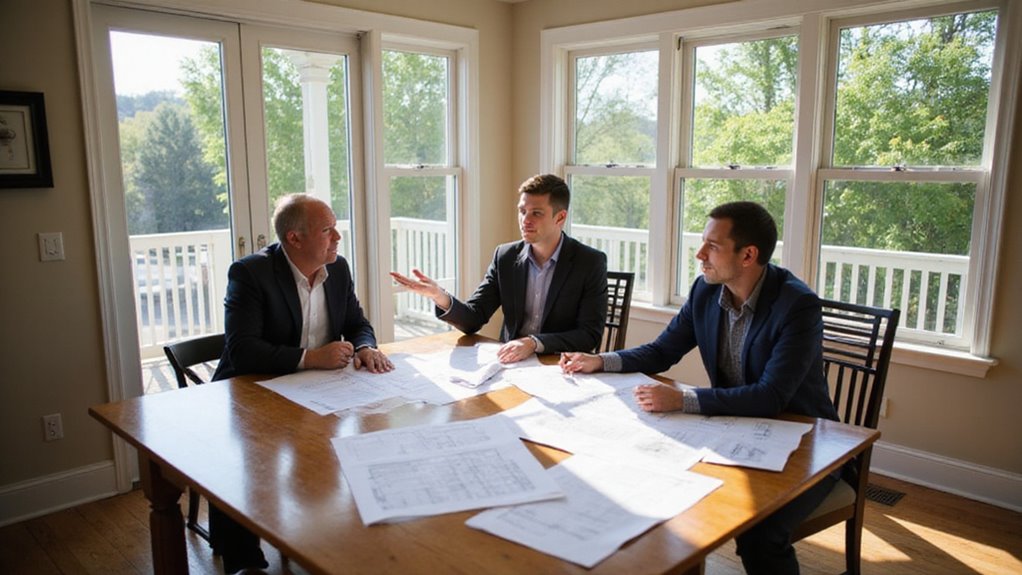
You must tell buyers about any foundation problems before selling your home. These issues can affect a home’s value and safety. Most states require this disclosure by law.
Sellers should keep records of all foundation issues. These records can include inspection reports, repair estimates, or engineering summaries. If you have permits or warranties, give copies to buyers. Being upfront about your home’s financial limitations can also help buyers understand the full scope of the property’s situation.
If you made repairs, explain what was done and when. List any ongoing concerns about the foundation. Buyers need all this information to make good decisions.
Ask a real estate agent or lawyer for help if needed. They can make sure your disclosure meets local rules. Honest disclosure can protect you and your sale. In Oregon disclosure laws, providing detailed documentation and being transparent about all repairs—much like disclosing pest damage—is crucial for legal compliance and building buyer trust.
Creating an Honest and Compelling Listing Description
You can write a listing that is both honest and appealing, even with foundation issues. Always state the foundation problem clearly in your description. This helps buyers trust you and sets the right expectations from the start.
If you add a personal story, you can make the home feel welcoming. Sharing a positive memory or a unique feature can help buyers imagine living there. This makes the house stand out beyond its flaws. Mentioning any professional inspection you’ve conducted adds credibility and reassures buyers about the home’s overall condition.
You should present the foundation issue as a chance for customization or investment. This shows buyers that the home has potential for improvement. Clear and honest communication can attract serious buyers and make negotiations smoother.
By leveraging Oregon’s real estate market trends, you can position the home’s price competitively and attract more buyers even with existing issues.
Highlighting Your Home’s Positive Features

You should draw attention to any recent upgrades, such as new appliances or energy-efficient systems, to strengthen your home’s appeal. Highlight popular amenities like a renovated kitchen, spacious backyard, or smart home features that attract buyers. By focusing on these strengths, you help buyers see the value beyond the foundation issues. In a market where cash buyer options can help facilitate quick sales despite property condition, emphasizing desirable qualities may attract more motivated buyers.
Emphasize Recent Upgrades
Highlighting your home’s recent upgrades helps buyers focus on its strong points. Upgrades show you have cared for and maintained your home. Buyers can feel more confident if they see proof of improvements.
Provide clear records of any foundation repairs or stabilization work. These repairs show you have addressed major safety concerns. If repairs are done by professionals, buyers will trust their quality.
Modern mechanical updates like new HVAC, electrical, or plumbing systems add value. These upgrades can lower future repair costs. They also make the home more comfortable.
Energy-saving features should be mentioned, such as new windows or better insulation. These updates help reduce utility bills. Buyers may pay more for homes with efficiency upgrades.
Cosmetic improvements also matter to buyers. New paint, updated floors, or a remodeled kitchen can make the home look fresh. These changes show the home is ready to move in.
Showcase Desirable Amenities
Showcasing desirable amenities helps buyers focus on your home’s best features. Attractive amenities can outweigh concerns about foundation issues. Highlighting these can make your property more appealing.
A well-kept garden or new outdoor lighting can improve curb appeal. Updated decks or patios offer extra space for relaxation. These outdoor features add value and charm.
Modern appliances or energy-efficient windows make the home comfortable and practical. Custom cabinets can provide extra storage and style. If buyers see these benefits, they may overlook minor flaws.
Photos and clear descriptions should show the home’s warmth and function. Buyers are more likely to connect emotionally with inviting spaces. Strong features can shift attention from structural concerns.
Targeting the Right Buyer Audience
Targeting the right buyer audience is important when selling a home with foundation issues. Most traditional buyers avoid properties with structural problems. Sellers should focus on buyers who are open to repairs.
Investors, flippers, and cash buyers may see value in homes needing work. Local sales data can show which buyers purchase similar properties. If the price reflects repair costs, these buyers may be more interested.
Seller can use several strategies to attract these buyers. Investor groups in the area may be interested in distressed properties. Marketing efforts should focus on channels that reach buyers experienced in renovations.
Sellers should highlight potential value increases after repairs. Historical sales trends can help with pricing and market positioning. If sellers use this approach, they may increase the chances of a successful sale.
Working With Real Estate Agents Experienced in Problem Properties

Working with real estate agents who know about problem properties is important. These agents understand how to handle homes with foundation issues. They can help you connect with buyers who are interested in these types of homes. Experienced agents familiar with problem properties can connect you with buyers specifically looking for homes with foundation issues.
If you choose an experienced agent, they will know how to explain structural concerns clearly. The agent will guide you through home inspections and help you share important information honestly. This approach builds trust with potential buyers.
An agent who has sold similar properties knows how foundation problems affect price. They can create a plan to show your home’s value to investors or buyers wanting a project. If you follow their advice, you are more likely to reach serious buyers.
You should work with your agent to prepare marketing materials that answer buyers’ questions. These materials can also highlight your home’s best features. If concerns are addressed up front, buyers may feel more confident about making an offer.
Pricing Strategies for Homes With Structural Concerns
Pricing a home with structural issues means you must be upfront and realistic. Buyers will expect a lower price due to problems. If you set the price too high, it may not sell.
You should start by looking at similar homes sold nearby, both with and without issues. If other homes with damage sold for less, use that as your guide. Proper comparisons help set fair expectations.
Next, subtract the estimated cost of repairs from your home’s value. If the repairs are expensive, the discount should be bigger. This helps buyers see the value despite the flaws.
Homes with structural concerns often take longer to sell. If you want a quicker sale, consider lowering the price more. A lower price can also attract more buyers.
Staging the home can help highlight its good features. If you use smart staging, buyers may focus less on the problems. This can make your home more appealing even with its flaws.
Negotiating With Buyers and Addressing Their Concerns
To address buyer hesitation about foundation issues, provide clear information right away. Show inspection reports and repair estimates to build trust. If you are upfront, buyers see you are not hiding anything.
If buyers worry about repair costs, offer to share estimates or negotiate credits. Provide details about foundation insurance to show protection against future risks. Suggest lenders who have experience with these types of homes.
Buyers may worry about getting a loan for a home with foundation problems. You can explain which repairs might be finished before closing. If buyers want to make a counter-offer that includes repair costs, stay flexible but clear about your limits.
Utilizing Investor and Cash Buyer Networks
Targeting investor and cash buyer networks helps you sell homes with foundation issues faster. These buyers prefer properties needing repairs and can pay without waiting for loan approvals. If you want a quick sale, this is the right group.
Sellers should highlight the property’s investment potential by sharing possible after-repair value. Local market trends can show buyers the profit they might gain. Investors often overlook cosmetic problems if a property has good potential.
Providing a detailed structural report builds trust with buyers. If you are transparent about the foundation issues, you attract serious cash buyers. Honest information can speed up negotiations.
You can join real estate investor groups or use cash buyer lists to find interested parties. Targeted online platforms also connect you to active investors. If you network well, you increase your chances of a successful sale.
It is helpful to offer repair estimates or solutions for the foundation problems. If you share credible repair bids, buyers can quickly judge the costs. Simple, clear information helps them make faster decisions.
Preparing Legal Documents and Disclosures Properly
To prepare legal documents and disclosures, gather all needed paperwork. Collect property records, inspection reports, and permits for any foundation repairs. If you have questions, consult a real estate attorney.
You must tell buyers about any known foundation issues or repairs. Use your state’s official disclosure forms to stay compliant. If you do not disclose something important, you could face legal problems later.
Provide buyers with engineering reports or repair estimates if available. This information helps buyers trust your disclosures. Accurate documents can make negotiations smoother and protect you from future disputes.
Conclusion
If you need to sell a house with foundation problems, you should focus on transparency and honest communication. If you clearly present the home’s issues and potential, you can still attract interested buyers. If you plan carefully, you can turn a difficult situation into a successful sale.
If you prefer a faster process, you can consider selling to companies that buy houses for cash. If you choose a cash home buyer, you could avoid repairs and lengthy negotiations. If you want a simple sale, this option may suit your needs.
If you are ready to sell your house as-is, contact OR Home Buyers today. We buy houses for cash and handle all the details for you. If you reach out, we can help you move forward with confidence.




Hi, I’m Bob Bash, founder of OR Home Buyers, serving the Oregon community since 2017. We provide full-service real estate solutions, specializing in cash purchases for both residential and commercial properties. I started this business to help our community navigate difficult real estate situations with professionalism, ethics, and compassion.
My goal is simple: to make every client feel relieved and happy when their real estate challenges are resolved. Helping people find solutions and peace of mind is what drives me every day.