
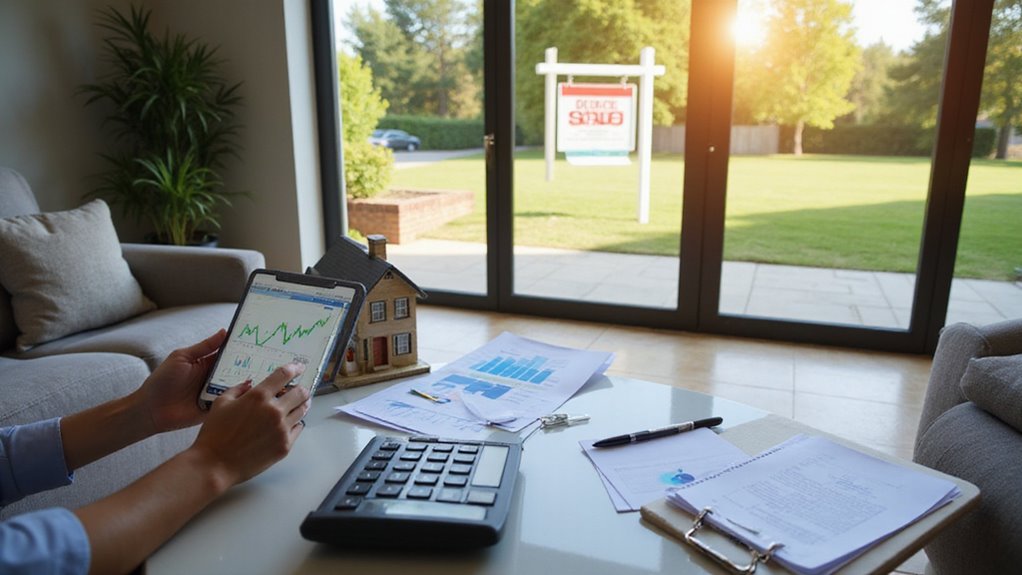
Setting the right price for your rental property can feel overwhelming. Many owners worry about losing money or scaring off buyers. A wrong move could mean months on the market or missed profits.
This challenge grows when the market shifts fast. If you overprice, buyers may ignore your listing. If you underprice, you risk leaving money behind.
To price a rental property for sale, study current market data, recent sales, and local demand to set a fair price. This blog will guide you step by step so you can price your rental property with confidence and ease.
Key Takeaways
- Analyze recent sales and rental rates of similar properties in your area to set a competitive asking price.
- Assess the property’s rental income, occupancy history, and financial performance to determine investment appeal for buyers.
- Factor in property condition, recent upgrades, and location advantages such as proximity to amenities, schools, and transit.
- Calculate the capitalization (cap) rate using net operating income and compare it to local market averages for accurate valuation.
- Monitor local vacancy rates, demand trends, and legal regulations to adjust pricing for current market conditions.
Assessing Current Market Conditions
You can determine the right rent by looking at key local market indicators. Check vacancy rates, employment trends, and rental demand in your area. These factors show if you should raise or lower your rent.
Vacancy rates affect your options. High rates mean you may need to lower rent, while low rates could let you increase it. You should also consider changes in local demand. It’s important to be aware of Oregon real estate laws that may impact how you price and market your rental property, especially if the property was recently inherited.
Other factors also matter. New property taxes or zoning rules can affect your costs and rental potential. If zoning allows more tenants, you may be able to charge higher rent.
Always use reliable data sources and stay updated on local policies. Adjust your rent based on these changes to keep your property competitive. This approach helps you maximize your rental income. If your property is at risk of foreclosure, accurate calculation of outstanding mortgage balances and related fees is also crucial for understanding your true equity position before determining rental or sale pricing.
Reviewing Comparable Property Sales
Reviewing comparable property sales helps you set the right rent. Look at similar properties that sold in the last 6-12 months. These sales give you a clear benchmark for pricing.
If you consider property appreciation, you can track value changes over time. Zoning regulation updates may also change what you can do with the property. These updates can affect both its use and price. When analyzing comparable sales, it’s essential to assess renovation costs and consider how any code violations may have influenced recent transaction values.
Always compare recent sales data to back up your decision. It’s also important to set appropriate asking price based on market trends, comparable sales, and the property’s unique features for the best results.
Here is how important factors can impact pricing:
| Factor | Impact on Pricing |
|---|---|
| Recent Sale Price | Sets a market baseline |
| Historical Property Appreciation | Shows value trends |
| Zoning Regulation Updates | Changes permitted uses |
| Property Condition | Reflects renovations made |
Evaluating Location and Neighborhood Trends
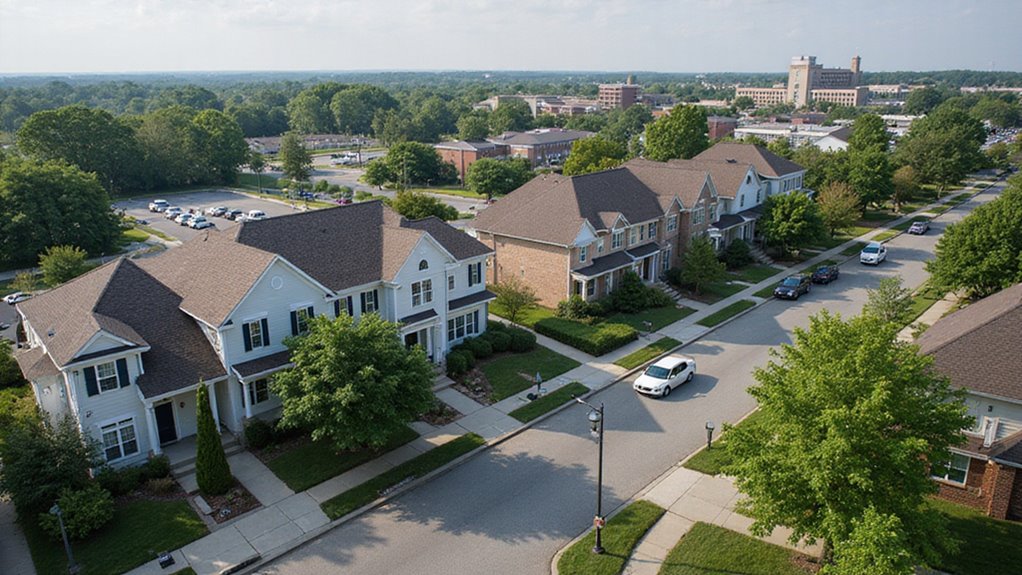
You need to assess how proximity to key amenities, local crime rates, and school district quality shape rental demand and pricing. Data consistently shows that properties near transit, shopping, and top schools command higher rents, while increased crime rates suppress value.
It’s critical to consider how pest damage reduces home values in Oregon’s humid climate, as this can impact both buyer interest and the final sale price. Analyze these neighborhood trends with up-to-date statistics to position your rental competitively. In Oregon, it’s also important to account for regional variations in buyer expectations, as coastal and inland areas may differ significantly in how location factors influence property value.
Proximity to Key Amenities
Proximity to key amenities strongly affects rental demand and price. Properties close to shops, schools, and transport are more appealing to tenants. If a property is near parks, restaurants, or shopping centers, it can attract higher rents.
Investors should measure the distance to important services. Walkability scores and access to amenities can guide your decision. If a property is in a convenient location, it often stands out in a crowded market.
Tenants are willing to pay more for easy access to daily needs. Data shows that high walkability boosts rental interest. If the area has few amenities, demand is usually lower.
| Walkability Score | Nearby Amenities | Tenant Appeal |
|---|---|---|
| High | Cafés, Parks | Elevated interest |
| Moderate | Grocers, Transit | Stable demand |
| Low | Few amenities | Limited opportunities |
If you use location data, you can set better rental prices. This helps you make smarter investment choices.
Crime Rates Analysis
Crime rates are important when you judge property value. Neighborhoods with less crime usually have higher property values. If you want strong demand, pick areas with good safety records.
You should check recent crime statistics from local police or trusted websites. Lower crime attracts renters who care about safety. If crime is high, prices may not grow and vacancies may last longer.
Violent and property crimes both matter for neighborhood safety. If crime rates go down, the area may be improving. If crime rises, fewer people may want to buy or rent there.
Use these crime trends to help set your rental price. If you track changes, you can keep your property competitive. Always review crime data before making decisions.
School District Impact
A school district has a big effect on rental property value. Homes in top school districts can rent for 10-20% more. Families often choose rentals based on school quality.
Rental prices are higher in areas with good schools. If you want to set the right price, check other rentals in the same district. This can help you understand what tenants are willing to pay.
School quality is not only about test scores. High graduation rates and steady enrollment can attract long-term renters. If the school district changes its boundaries, it may affect who wants to rent your property.
You should follow any talks about rezoning in your area. Zoning changes can affect rental demand and pricing. Use information about schools and zoning to set a fair rental price.
Factoring in Property Condition and Upgrades
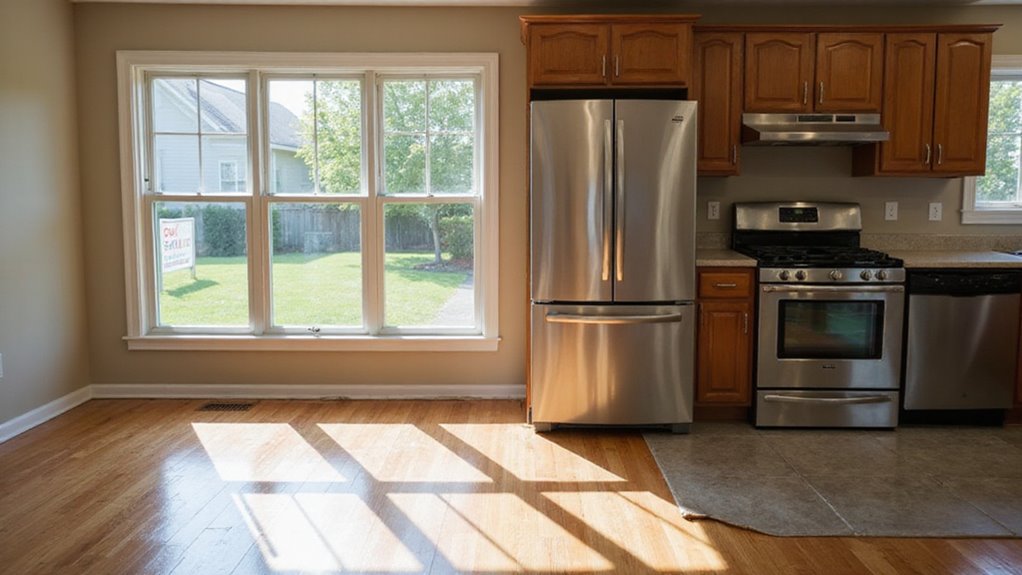
Property condition and recent upgrades strongly affect the price you can set for a rental. Well-kept homes usually sell or rent for more. Renovated kitchens, bathrooms, and energy-saving systems add clear value.
Curb appeal matters a lot and can increase the home’s value by up to 10%. If you invest in landscaping, first impressions will improve. Modern upgrades should fit what local renters want. In Oregon’s tight housing supply, regular maintenance and effective staging can further boost your property’s appeal and help it stand out to buyers.
Over-improving beyond neighborhood standards can waste money. Unique features and smart home systems can help you ask for a higher price. If you compare your home to similar properties, your price will stay competitive.
If your rental is held in a trust, it’s also important to consider capital gains tax implications when setting your sale price, as these can impact your net proceeds depending on the trust structure and recent upgrades.
Considering Rental Income and Yield
Rental income is important because it shows how much money your property can make. Buyers use this number to judge if the property is a good investment. If the income is high and steady, your property will attract more interest. You should check current leases, monthly rent, and how often the property is empty. High rental income with few vacancies makes your property seem stable. If the property needs lots of repairs or attention, investors may see it as less valuable.
When pricing your rental, keep in mind that overpricing remains one of primary reasons for listing expiration, especially in Oregon’s current market. Investors look at net operating income and adjust for possible vacancies or repairs. Comparing your rental income to other similar properties helps set the right price. Clear and accurate income records can help you get a better price and make buyers feel confident. Understanding Oregon’s real estate regulations is also important, as compliance can influence how investors view the stability and potential return of your rental property.
Understanding Cap Rate Implications

Cap rate is a key number for checking a rental property’s value. It shows how much income a property makes compared to its price. This helps investors see if a property is a good deal.
A high cap rate usually means more potential profit, but it can also mean more risk or a less popular area. Low cap rates often show up in safe, popular locations where returns are smaller but risk is lower. If you look at cap rates for nearby properties, you can check if your price fits the market. Knowing the Oregon housing market can help you better understand if your cap rate is competitive for your region.
Buyers often use cap rate data to compare properties quickly. If you understand cap rate trends, you can set a fair asking price. This makes your property more attractive to serious buyers. When setting your price, remember that property disclosure requirements in Oregon can also impact buyer interest and negotiations.
Calculating Cash Flow Projections
To price a rental property, you must project its cash flow. Cash flow projection means listing all income and expenses. This helps you know if the property is profitable.
List every source of monthly income, such as rent and fees for parking or laundry. Subtract regular expenses like loan payments, taxes, insurance, and maintenance. If you expect upgrades or repairs, include those extra costs. Remember that selling costs such as agent fees and repairs can impact your final cash flow calculation, especially in markets like Oregon.
Management fees and routine fixes should also be counted. Set aside money for unexpected expenses if possible. Net operating income tells you how much the property earns after costs.
If you use real cash flow numbers, your price will be more accurate. This approach can attract serious buyers who want clear data. A solid projection supports your valuation and builds buyer trust.
When calculating your price, consider how Oregon’s real estate market trends may affect both cash flow and buyer expectations.
Taking Occupancy Rates Into Account

Occupancy rates are important when setting the price for a rental property. They show how often your property is rented out. If you ignore them, you may overestimate your rental income.
Look at past occupancy rates for your area and property type. Seasonal trends can affect how often your unit is occupied. If your property has unique features, adjust your expectations accordingly.
Property staging can help attract tenants and reduce vacancy periods. You should use trusted data to estimate how often your unit may be empty. If you include these numbers in your calculations, your rental income estimates will be more accurate.
Taking into account thorough market analysis and local real estate trends can also help ensure your pricing reflects the true earning potential of your rental property.
Adjusting for Lease Terms and Tenant Stability
Lease terms and tenant stability affect rental prices directly. Longer leases lower the risk of tenants leaving. Stable tenants and long leases mean steady income.
Properties with reliable tenants often sell for higher prices. Buyers prefer less risk and dependable cash flow. Short leases or frequent turnovers can lower your property’s value.
If most tenants have long-term leases, highlight this in your marketing. If tenants are on month-to-month agreements, expect more vacancies. Consider these details when setting your property’s price.
Analyzing Property Expenses and Net Operating Income
Market demand sets rental prices, but expenses and net operating income (NOI) show true profitability. To price a rental for sale, owners must review all costs. Major recurring expenses include property tax and maintenance.
Owners should calculate NOI by subtracting all operating expenses from gross rental income. This calculation shows how well the property makes money. If expenses are high, profitability may be lower.
The table below lists common annual expenses to consider. Property tax, maintenance, insurance, utilities, and management fees all impact cash flow. If an owner misses any expense, the NOI may be inaccurate.
Consulting Real Estate Professionals
You’ll maximize your rental pricing accuracy when you consult real estate professionals who bring local market expertise to the table. They can provide a data-backed comparative market analysis that benchmarks your property against similar listings. With their guidance, you’ll navigate pricing strategies that reflect real-time market dynamics and optimize your rental income.
Leveraging Local Market Expertise
Consulting local real estate professionals helps you price your rental property more accurately. They offer knowledge that online tools and market data may miss. Their insights ensure your price reflects true neighborhood conditions.
These experts know about historical rental trends and local laws. If there are changes in taxes or new developments nearby, they can tell you how these may affect your property. Their advice helps you avoid mistakes from relying only on old data.
Local professionals also know about off-market listings and current rental activity. If you need real-time feedback on similar rentals, they can provide it. Their network gives you a clear advantage in setting a fair price.
Comparative Market Analysis
A Comparative Market Analysis (CMA) helps you set the right price for your rental. It uses recent data from similar properties. This ensures your price matches current market conditions.
A CMA uses facts, not guesses, to guide your decisions. Real estate professionals use current listings and recent sales for comparison. If you use a CMA, you avoid common pricing mistakes.
The analysis considers location, size, and features of your property. It also looks at local rental trends. If you want a fair rent, a CMA gives you a strong starting point.
Navigating Pricing Strategies
Market data gives you a starting point for pricing your property. Real estate professionals help you fine-tune this price using their knowledge. They check how luxury features compare to standard ones in your local market.
Agents look at recent sales and current listings to see what buyers want. They also consider upgrades like smart systems or fancy appliances. If your property has these, you might be able to ask for a higher price.
Professionals review local zoning rules, which can affect a property’s value. If your property is in a mixed-use zone, you may be able to price it higher. Agents use this information to suggest if you should price above or below the average.
If you work with an expert, you can avoid common pricing mistakes. Their advice helps you attract more buyers. This increases your chances of getting the best sale price possible.
Using Online Valuation Tools Wisely
Online valuation tools give quick estimates for your property’s rental price. They use data like location, size, and features. These tools help you set a starting price.
Online valuation tools offer fast rental estimates by analyzing your property’s location, size, and features—perfect for setting an initial price.
If you only use online tools, you may miss local trends. Neighborhood changes or special upgrades may not show in the results. Always look at several platforms for a better estimate.
Check the data sources and update times for each tool. Outdated information can give you the wrong price. If you compare with recent rentals nearby, your estimate will be more accurate.
Use online valuation tools to create a base price. If you add your own research, your pricing strategy will be much stronger. This approach helps you set a fair and competitive rent.
Setting a Competitive Asking Price
To set a competitive asking price, look at recent rental prices for similar homes nearby. Check features like size, location, and amenities. Choose a price that attracts buyers but does not lower your profit.
Buyers usually compare sale prices of similar rental properties. They also consider monthly costs, including mortgage payments and property taxes. Updated features, such as new appliances or parking, can increase your property’s value.
If you price your property too high, it may stay on the market longer. If you set it too low, you might earn less than you could. Use recent data to find a fair and balanced price.
Preparing for Negotiations and Offers
As you enter negotiations, analyze market data to foresee common buyer objections and prepare evidence-based responses. Establish clear boundaries on pricing and terms to protect your bottom line without discouraging strong offers. Evaluate each offer’s financial terms, contingencies, and timelines to ensure they align with your investment goals.
Anticipating Buyer Objections
You should expect buyers to raise objections during negotiations. If you anticipate these concerns, you can respond with clear facts. This helps you protect your property’s value and keep control in discussions.
Buyers often worry about rental income stability. If you share recent lease data and show current rental trends, you can ease these doubts.
Some buyers point out issues with property condition. If you provide inspection reports and highlight recent updates, you can address these concerns.
When buyers mention lower-priced properties nearby, you should explain differences in location, amenities, or tenant quality. This gives valuable context for your asking price.
Setting Negotiation Boundaries
Setting negotiation boundaries means deciding your limits before you start. If you set clear boundaries, you will negotiate faster. Sellers who do this close deals 18% faster.
You should know your lowest price, the shortest lease term, and your rules for tenant screening. Decide the most you will spend on repairs and your minimum closing timeline. If you set these limits, you will avoid making quick decisions under pressure.
See the table below for examples of boundaries you can set. Each example uses real data to explain its purpose. Setting these boundaries will help you stay calm and confident during talks.
Evaluating Offer Terms
Evaluating offer terms means carefully checking each part of the offer. This helps you get the best deal and avoid risks. Always look past the main price to see what really matters.
Financing contingencies can affect the buyer’s ability to complete the purchase. Rising mortgage rates may stop a buyer from closing. If the offer depends on financing, be cautious.
Net proceeds show how much you will actually make from the sale. You must include all costs, taxes, and any buyer requests. Lower net proceeds can affect your final profit.
Timeline and flexibility matter if you need a fast or slow closing. Some offers may include tenant occupancy clauses or other delays. If these terms do not fit your needs, consider asking for changes.
A careful review of every term helps you negotiate better. If you check all details, you can avoid surprises. Strong knowledge puts you in a better position.
Conclusion
In summary, pricing your rental property for sale requires careful research and clear understanding of local market trends. If you rely on data and professional advice, you can set a competitive price. When you use a strategic approach, you increase your chances of attracting serious buyers.
If you need a faster and simpler option, we buy houses for cash. When you want to avoid lengthy negotiations, our process offers a direct solution. We can help you sell your property quickly without extra stress.
If you are ready to sell, contact us at OR Home Buyers today. We make the selling process simple and efficient. Let us help you get a fair cash offer for your rental property.




Hi, I’m Bob Bash, founder of OR Home Buyers, serving the Oregon community since 2017. We provide full-service real estate solutions, specializing in cash purchases for both residential and commercial properties. I started this business to help our community navigate difficult real estate situations with professionalism, ethics, and compassion.
My goal is simple: to make every client feel relieved and happy when their real estate challenges are resolved. Helping people find solutions and peace of mind is what drives me every day.