
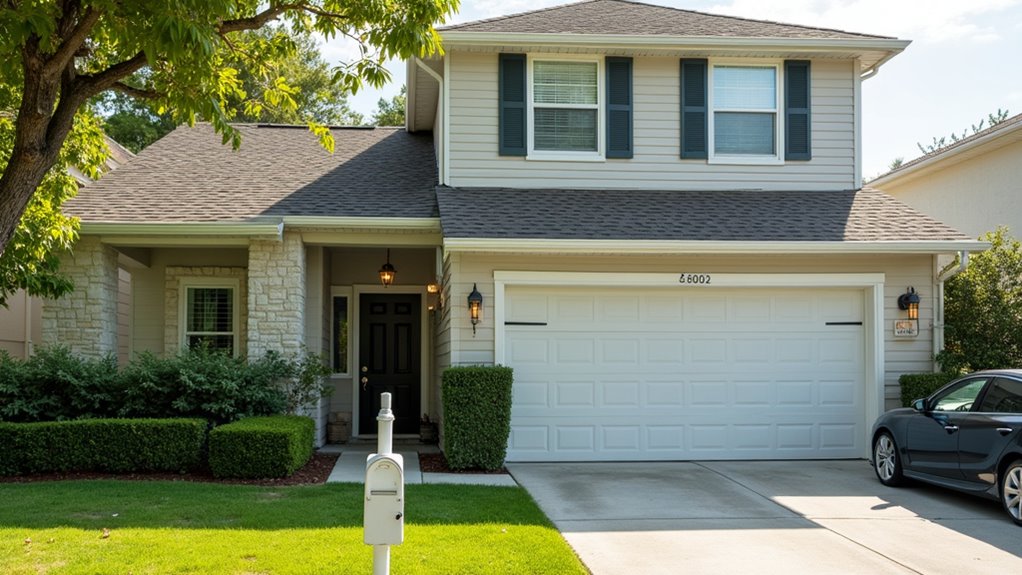
Leaving a house empty before selling can be risky. Vacant homes often attract thieves, vandals, and unwanted trespassers. Unchecked, these threats can lead to expensive repairs and setbacks in your sale.
The longer a home sits empty, the more vulnerable it becomes. Small problems like leaks or broken windows can go unnoticed. Insurance might not cover all losses from break-ins or damage.
To secure a vacant house before selling, you must address all security gaps and make the property look occupied. This includes better locks, visible deterrents, and regular checks.
Taking these steps protects your investment and speeds up the sale. This blog will guide you through simple ways to fully secure your vacant house before putting it on the market.
Key Takeaways
- Lock all doors, windows, and garages, upgrading to deadbolts or security bars where necessary.
- Install security cameras, motion-activated lights, and visible alarm system signs to deter intruders.
- Maintain curb appeal by mowing lawns, trimming shrubs, and promptly repairing exterior damage to prevent the appearance of vacancy.
- Remove valuables, important documents, and electronics, and store them in a secure offsite location.
- Ask trusted neighbors to monitor the property, collect mail, and report suspicious activity during vacancy.
Assess the Security Risks of Your Property
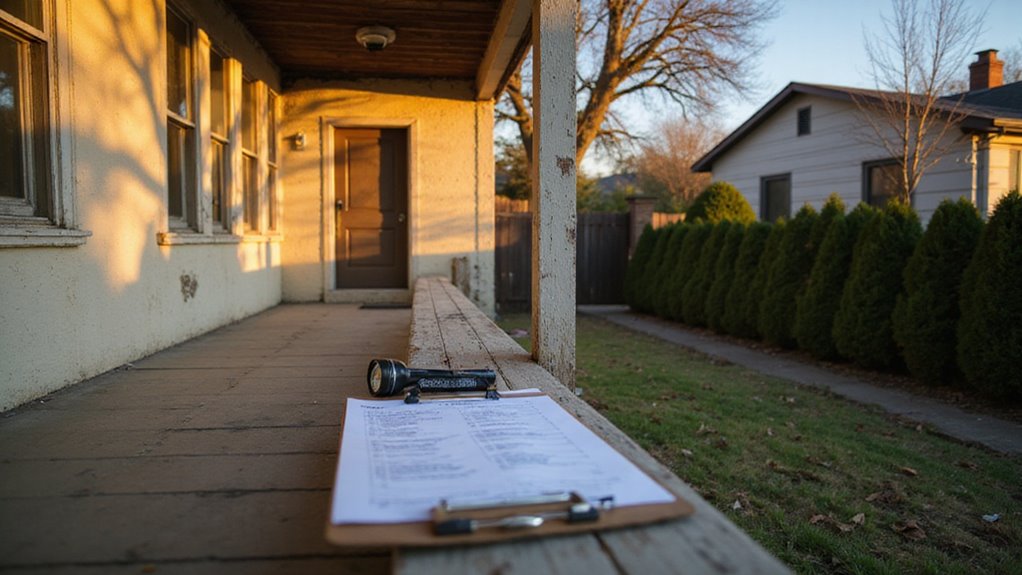
Assessing security risks helps you protect your vacant property. A thorough check can reveal areas that need attention. If you skip this step, you may miss important threats.
Start by walking around the house and yard. Look for signs of break-ins, broken fences, or thick bushes that hide intruders. Dark corners near doors and windows can make break-ins easier. It’s wise to also consider the Oregon’s real estate market dynamics because market conditions may affect the types of risks you face while your home is vacant.
Check if outside lights work well. If any valuables are inside, they may attract thieves. You should also look for crime reports in the area.
Neighbors can share information about recent suspicious activity. Make a list of weak spots, like broken locks or open gates. If you find these issues, fix them quickly to keep the property safe.
Identifying risks like code violations early can also help you avoid legal and financial issues when selling your vacant house.
Lock All Doors and Windows Securely
You must lock all doors and windows before leaving your property empty. Unlocked entry points make it easy for someone to break in. Check every lock by hand and fix or replace any that do not work.
Deadbolts are best for front and back doors. Window locks help keep windows secure if someone tries to open them from outside. If you have a garage or basement, use strong padlocks on those doors. In Oregon, overpricing can also make your home sit vacant longer, so securing your property is especially important if you are waiting for the right buyer.
Visible security signs can scare off intruders. Motion lights can help keep dark areas lit at night. If you join a neighborhood watch, your neighbors can help watch your home.
Tell a trusted neighbor if your property will be empty. They can report anything unusual. This extra step can help protect your home.
Securing doors and windows not only deters break-ins but also helps prevent unexpected title issues that can complicate the sale of your Oregon home.
Install a Reliable Security System
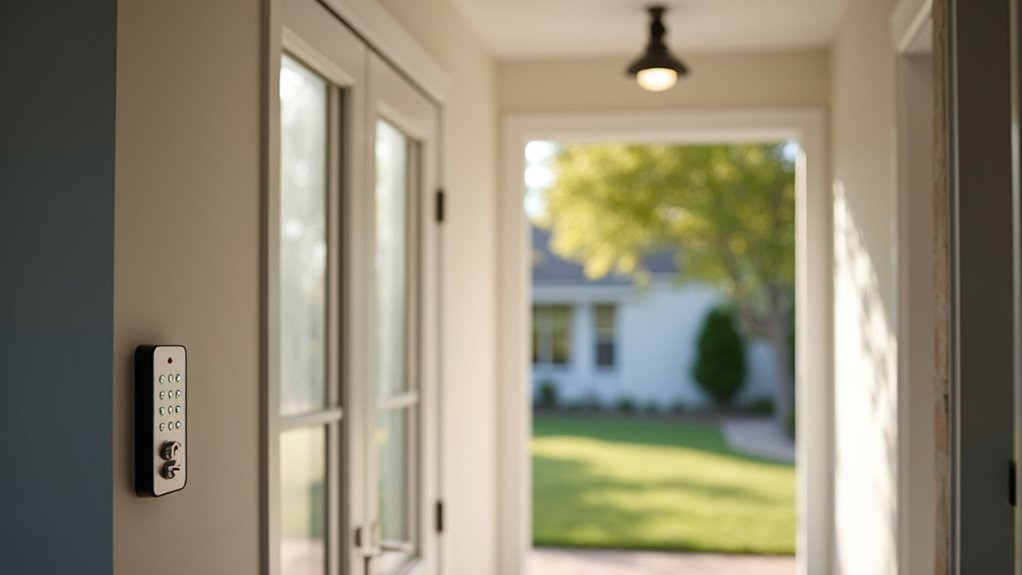
A reliable security system keeps your home safe. It adds extra protection beyond locks and neighborhood watch programs. Choose a system that fits your needs and budget.
You can pick from monitored alarms, motion sensors, or door and window sensors. If you want remote alerts, choose a system with mobile monitoring. Cameras should be placed at entry points for the best coverage. In Oregon, understanding real estate regulations can also help you select the best type of security system for your property.
Alarm panels must be easy to reach but not visible from outside. Always test each part of the system after installation. If you select a provider, make sure they offer 24/7 support.
A good security system can deter intruders. It also gives you peace of mind when selling your home. If you invest in modern technology, you help keep your property secure. In Oregon, maintaining property insurance payments is also important to help protect against additional risks while your vacant house is on the market.
Use Timed Lighting to Create Activity
Set your lights on timers to mimic the natural routines of someone living in the house. This simple step deters intruders by creating the illusion of daily activity, making your property a less appealing target. Choose energy-efficient bulbs to keep utility costs low while maintaining security throughout your selling process.
When preparing a vacant home, it is also wise to document damage thoroughly for insurance and negotiation purposes, ensuring you comply with best practices for securing the property before sale. For additional peace of mind, consider following Oregon real estate laws regarding vacant property to help avoid legal and financial pitfalls during the probate or sales process.
Mimic Daily Occupancy Patterns
If you want your empty house to look lived in, copy normal daily routines. Use timers to switch lights on and off at different times. Pick different rooms and change the schedule often.
Place security cameras where people can see them. Make sure cameras record all main doors and watch the areas with lights. If someone comes close, the cameras should catch it.
Connect your lights to your alarm system if possible. This lets you turn alarms on or off from far away and get quick alerts. A mix of lights, cameras, and alarms makes your empty home safer.
Deter Potential Intruders
Making your home look occupied can keep intruders away. Timed lights help create the appearance that someone is inside. Security signs and neighborhood watch alerts add more protection.
Lamps in the living room can turn on at dusk, showing warm light through the windows. Hallway lights set to switch on after sunset can mimic a normal routine. If you use timers, set them for different rooms and times.
Security signs by the front door warn that your home is protected. Neighborhood watch stickers in windows show that others are watching too. If you inform your neighbors, they can help keep an eye on your home.
Energy-Efficient Lighting Choices
Energy-efficient lighting uses less power and saves money. LED bulbs are the best choice for this purpose. They last longer and cut your electricity bill.
Timers can turn lights on and off at set times. This makes your home look occupied when you are away. If you want to use clean energy, connect lights to solar panels.
A smart thermostat can control heating and cooling in your house. This shows the home is being looked after. If you use a smart home system, you can change settings from anywhere.
These steps help save energy and lower costs. They also make your house safer and more appealing to buyers. If you want more control, adjust your system anytime to fit your plans.
Maintain the Exterior and Landscaping
Keeping the exterior and landscaping well-maintained improves security and curb appeal. A tidy yard and clean exterior show that the property is cared for. If the outside looks neat, buyers feel more confident and trespassers stay away. A well-kept yard and exterior boost curb appeal, reassure buyers, and help deter unwanted visitors.
Homeowners should trim shrubs and mow the lawn regularly. Overgrown bushes can hide intruders, so prune them often. If you rake leaves and remove weeds, the yard will look tidy. In addition, keeping the outside maintained helps uphold the property value even when selling in a competitive Oregon market.
Address any exterior repairs without delay. Cracked walkways, broken fences, or peeling paint can make the property look neglected. You can prevent further damage by fixing these issues quickly.
Regular upkeep helps you spot problems early. If you notice tampering or vandalism, act right away. Adding fresh mulch or seasonal flowers can make the home more inviting.
In Oregon, keeping the property maintained may be especially important if you’re selling a home from a small estate exemption, as it helps demonstrate that the property remains under responsible care while awaiting transfer.
Remove Valuables and Personal Items
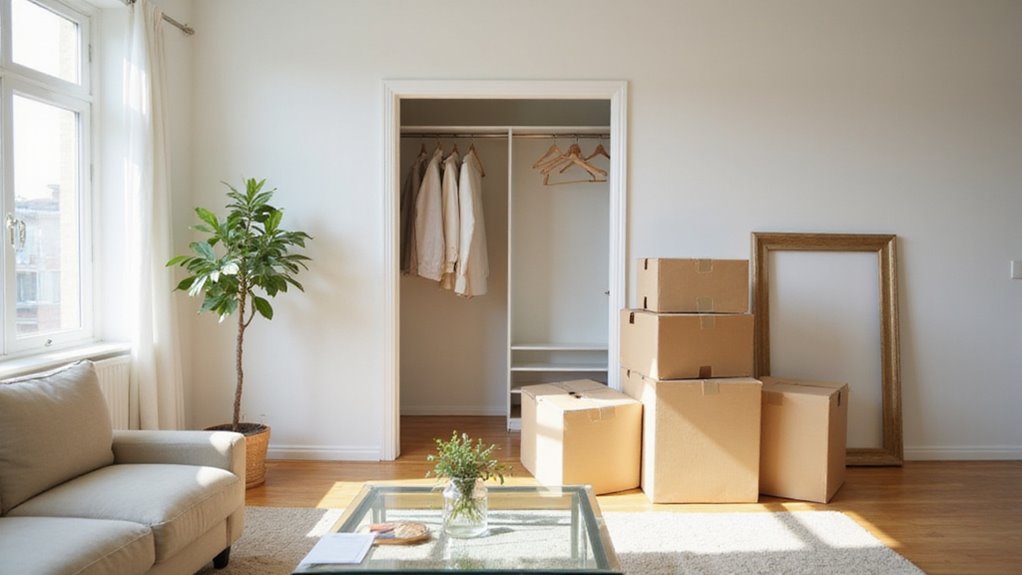
Before leaving your house vacant, make sure you remove all valuables, especially important documents and electronics. Secure passports, financial records, and legal papers in a safe location offsite so they won’t be at risk. Take out laptops, tablets, and other tech devices to prevent theft and avoid unnecessary liability.
Removing these items not only helps protect your property but also supports a smoother sale by allowing you to focus on budget-friendly improvements that increase your home’s appeal to potential buyers. Taking these steps can also help ensure you are in compliance with Oregon real estate laws, which may have specific requirements during the sale of an inherited property.
Safeguarding Important Documents
Safeguarding important documents keeps your identity and assets safe when a house is empty. Thieves often target paperwork like deeds or wills. Protecting these items prevents loss and possible misuse.
Homeowners should collect all papers with personal information. These include birth certificates, passports, and social security cards. If you cannot take them, place them in a fireproof, locked safe.
Property deeds, mortgage forms, tax returns, and insurance policies also need protection. If possible, move them to a secure location right away. A safe deposit box is a good choice for long-term storage.
If you leave papers behind, always lock them away. Never leave them where others can see or access them. Proper storage reduces the risk of theft or damage.
Clearing Out Electronics
Expensive or sensitive electronics should not be left behind when preparing a house for sale. Unattended electronics can attract thieves and lead to losses. Removing all devices before leaving helps protect your belongings and personal information.
Start by listing all electronics such as laptops, tablets, TVs, and smart home devices. Each device should be unplugged, packed safely, and moved to a secure place. If you forget chargers or backup drives, your personal data may be at risk.
If electronics are left behind, you may face serious problems. Thieves may steal valuable items, causing financial loss. Personal data on devices could lead to identity theft or harm your reputation.
Notify Local Law Enforcement of Vacancy
Letting local police know about your vacant home helps keep it safer. Officers can watch your property during their regular patrols. They may respond faster if there is a problem.
Tell the police when your house will be empty. Give them your contact details and list any approved visitors. This helps them know who should or should not be there. Notifying law enforcement is especially important in Oregon, where property disclosure requirements are part of the legal process and protecting your unused home from issues can help avoid complications during a sale.
If police know your home is vacant, they may drive by more often. Officers might check that doors and windows are secure. A police presence can scare off trespassers.
If you want extra security, work with neighbors and use cameras. These steps, along with police help, create a stronger security plan. If you’re considering selling, informing law enforcement is especially helpful for as-is cash sales where showings or evaluations may be scheduled while the property is empty.
Ask Trusted Neighbors to Keep Watch
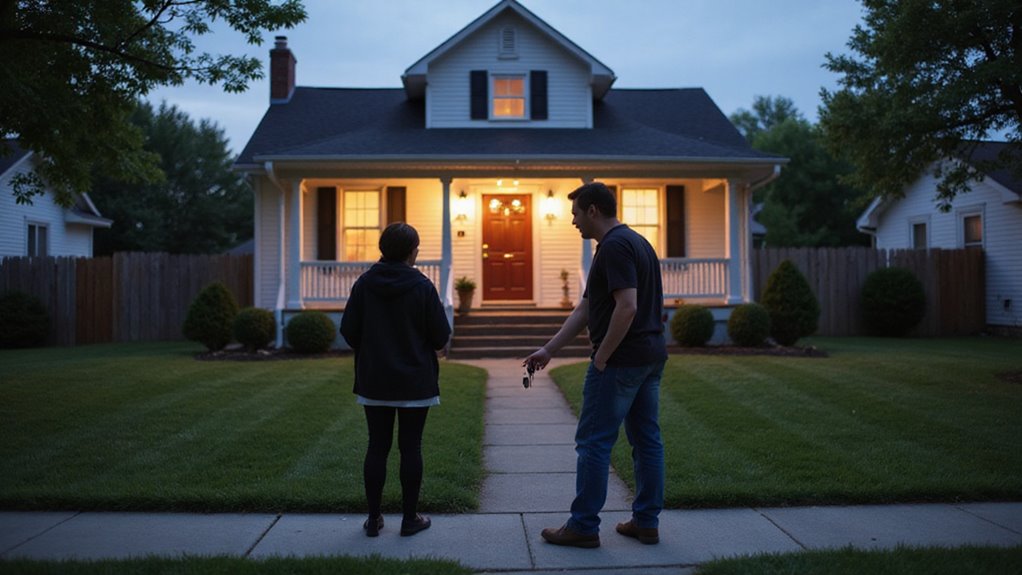
Trusted neighbors can help watch your vacant house when you want to sell it. They can look out for unusual cars, people, or noises. If something seems wrong, they should contact you or the police.
You should give neighbors your contact details before leaving. If your area has a neighborhood watch, inform them about your empty house. Their patrols can help keep your property safe.
Neighbors can also collect mail or move trash bins. These actions make the house look lived in. This can discourage trespassers and help protect your home.
If you’re looking to sell quickly, fast cash offers for Albany homes let you avoid many common worries about vacant properties and speed up the entire process.
Install Motion-Activated Lights and Cameras
Motion-activated lights and cameras help protect your home when it is empty. These devices can scare off trespassers and alert you to any activity. They make your property less attractive to intruders. Motion-activated lights and cameras deter trespassers, alert you to activity, and make your home less appealing to intruders when you’re away.
Security cameras let you watch your home from anywhere. If anything happens, you will have video evidence. Cameras work best when combined with an alarm system.
If you use smart alarms, you can get instant notifications on your phone. Motion lights should be placed near doors and dark areas. Bright lights can startle intruders and make your home safer.
Well-lit walkways and entrances help prevent loitering. Cameras can record any unexpected movement around your house. These tools create a strong barrier against unwanted visitors.
Secure the Garage and Outbuildings
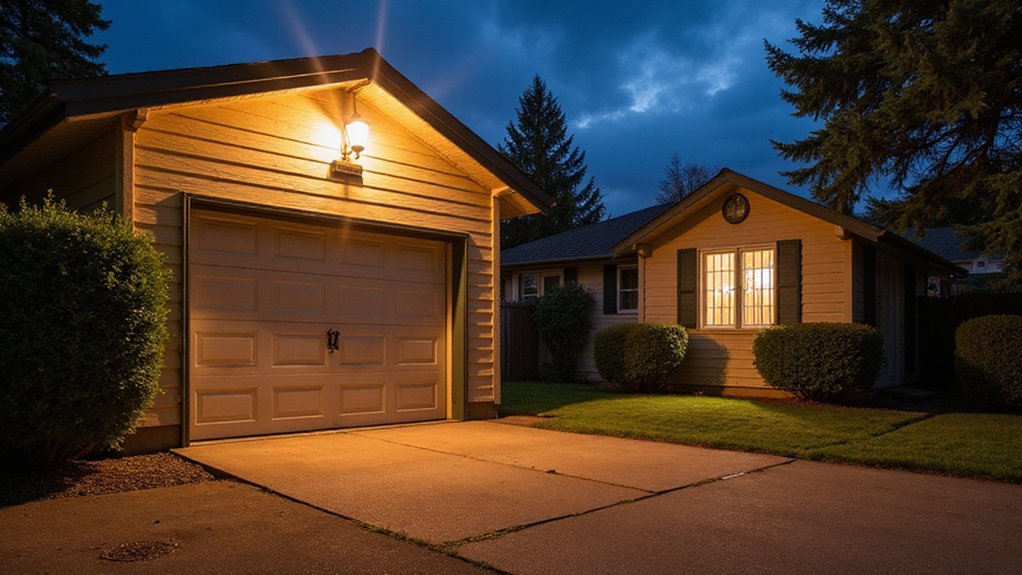
Don’t overlook the garage and any outbuildings—they’re common targets for break-ins. Make sure you lock all doors and windows securely, using heavy-duty locks if possible. Install motion sensor lights around these structures to deter trespassers and alert neighbors to any movement.
Lock All Entry Points
All entry points must be locked to keep a vacant house secure. This includes every door, window, and entrance, not just the main ones. Unlocked areas can attract intruders.
Garage doors, basement windows, and side doors should always have strong locks. If you have sheds or outbuildings, lock those entrances too. Window bars add extra security to places that are easy to reach.
You can install alarm systems with sensors on doors and windows for quick alerts. If you use padlocks, choose sturdy ones that are hard to break. Every lock you use lowers the risk of break-ins.
Install Motion Sensor Lights
Motion sensor lights improve security by illuminating dark areas when they detect movement. You should install them around garages, sheds, and other entry points. These spots are often targets for intruders.
Proper placement is important. Mount the lights high and angle them toward doorways or paths. If you cover blind spots, you reduce hiding places.
Consider pairing lights with security cameras near entry points. This combination increases visibility and helps deter crime. If you do this, you will feel safer and more in control.
Effective lighting can change how you feel at home. A well-lit garage brings relief. No dark corners means more peace of mind.
Forward Mail and Pause Deliveries
Forwarding your mail and pausing deliveries is important when selling a vacant house. Unattended mail or packages show that no one is home. If you want to protect your property, arrange mail forwarding and delivery pauses.
You can set up mail forwarding at the post office. If you have subscriptions, pause them while the house is empty. This prevents newspapers and magazines from piling up.
If you let mail collect, it may attract thieves. Flyers, packages, and mail in plain sight make your house a target. These simple steps help keep your property secure.
Check and Upgrade Window Locks
Window locks need to be strong to keep your vacant house safe. Weak or old locks can make your home an easy target. Inspect every window, including those in the basement and garage, for broken or worn locks.
Test each lock to see if it works well and cannot be forced open. If you find a problem, replace the lock with a modern, secure option. You can add keyed locks, sash locks, or security pins for extra protection.
Sliding windows need special attention. Install track locks or security bars to stop them from being pried open. Good window security is as important as strong door locks.
Upgrading your window locks now can help stop break-ins. If you improve your window security, your property will be better protected while it is empty.
Schedule Regular Property Check-Ins
Regular check-ins help protect your vacant property. They keep it looking lived-in and discourage trespassers. Schedule weekly visits or hire someone you trust.
Security patrols can make random stops to add extra protection. Install surveillance cameras and review footage on each visit. Replace batteries or memory cards if necessary.
Walk around the property and look for signs of forced entry. Collect mail, flyers, and packages to prevent the property from looking empty. Test all doors and locks to ensure they are still secure. If you stay proactive, you can catch problems early and protect your investment.
Ensure Proper Homeowner’s Insurance Coverage
Review your homeowner’s insurance if your house will be empty. Standard insurance often will not cover vacant homes after 30 days. A lack of coverage could mean denied claims for theft, vandalism, or damage.
Contact your insurance company to report the vacancy. If needed, ask for a vacancy endorsement or a new policy for vacant homes. These steps help keep your property protected.
Check that your liability coverage still applies while the house is empty. If someone gets hurt on your property, you could pay large costs without proper coverage. Record all visits to the property and any safety steps you take to help with future insurance claims.
Conclusion
If you take these precautions, you can protect your vacant house from theft and damage. Simple steps like locking doors, maintaining the yard, and using visible security can make a big difference. If you coordinate with neighbors and check your insurance, you will be even more prepared.
If you want to avoid the hassle of securing an empty home, you could consider selling quickly. We buy houses for cash and can help you skip the stress of keeping your property safe. This option can make the selling process much smoother for you.
If you are ready to sell your vacant house, contact OR Home Buyers today. We can give you a fair cash offer and a fast closing. Let us help you protect your investment and move forward with peace of mind.




Hi, I’m Bob Bash, founder of OR Home Buyers, serving the Oregon community since 2017. We provide full-service real estate solutions, specializing in cash purchases for both residential and commercial properties. I started this business to help our community navigate difficult real estate situations with professionalism, ethics, and compassion.
My goal is simple: to make every client feel relieved and happy when their real estate challenges are resolved. Helping people find solutions and peace of mind is what drives me every day.