
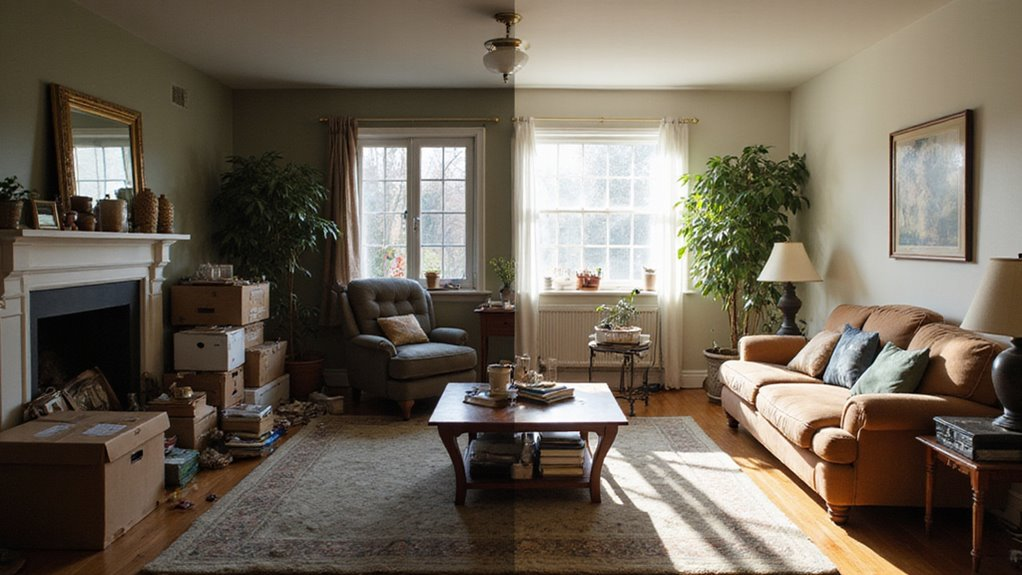
Selling a hoarder house brings unique challenges. You must decide whether to sell it as-is or invest time and money into repairs.
This choice can affect how quickly you sell and how much you earn. The wrong decision may cost you time and money. Buyers might avoid homes with clutter or needed repairs. Delays and stress can mount if you are not clear about your selling strategy.
You should choose whether to sell a hoarder house as-is or with repairs by weighing your timeline, budget, and buyer appeal.
This blog will guide you through your options and help you make the best choice. You will learn how to solve this problem step by step.
Key Takeaways
- Selling as-is saves time and upfront costs by avoiding repairs, but typically results in a lower sale price and attracts fewer buyers.
- Making repairs before selling can increase property value, attract more buyers, and lead to a faster sale.
- Full disclosure of property condition, including hazards and repairs, is legally required and builds buyer trust regardless of sale method.
- Evaluate local market trends; strong seller’s markets may allow as-is sales, while buyer’s markets may require repairs for better offers.
- Obtain quotes for cleanup and repairs to compare potential return on investment before deciding on selling strategy.
Understanding What Qualifies as a Hoarder House
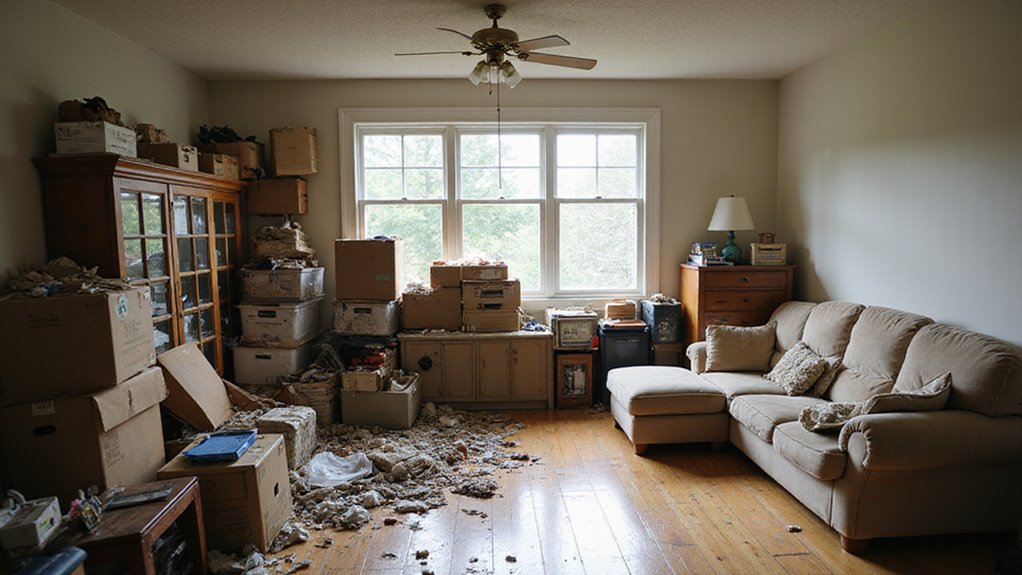
A hoarder house is more than just a cluttered home. It has so many items that normal living becomes difficult or impossible. Cooking, sleeping, and moving around are often blocked by piles of belongings.
These homes often have unsafe conditions. Blocked exits, dirty environments, and even damage to the building can happen if things pile up too much. In Oregon, ownership transfer might require clear proof of ownership and a death certificate if the hoarder house belonged to a deceased parent. If you notice these problems in your home, you might be dealing with a hoarder house.
Sellers should know these signs because they affect how easy it is to sell the property. Buyers want honesty about the home’s condition. If your house fits these points, you should plan your sale carefully.
It’s important to recognize that thorough inspection for things like structural issues, mold, and code violations is often necessary before you sell a hoarder house.
Common Challenges Associated With Hoarder Properties
When selling a hoarder house, you’ll face serious safety and health hazards that can deter traditional buyers. These properties often risk code violations, which can complicate the sales process and lower your home’s value. As a result, you’ll notice limited buyer interest, making it harder to secure a competitive offer.
In addition, understanding how Oregon real estate regulations impact disclosure requirements and buyer expectations is crucial when navigating the unique challenges posed by hoarder properties. It’s also important to be aware of how capital gains tax implications may affect your proceeds from the sale of a hoarder home in Oregon.
Safety and Health Hazards
Hoarder properties often have too much clutter and poor upkeep, which creates many safety and health hazards. These hazards make it hard to sell the home and can scare away buyers. If you want to sell, you need to understand these risks first.
Common problems include mold, pests, and dangerous waste that need special cleaning. Blocked exits, tripping hazards, and weak floors can make the home unsafe to enter. If these issues exist, visitors and inspectors may not feel safe.
These dangers lower the value of the property and increase your legal risks during home showings. Some buyers may not want to deal with the emotional stress and hard work of cleanup. If you fix these problems early, you can attract more buyers and possibly get a better price.
Code Violations Risk
Hoarder homes often have code violations. These violations mean the house does not follow local health and safety rules. If you do not fix them, you may face fines or delays when selling.
Common code problems include fire hazards and blocked exits. Unapproved changes, damaged structures, or unsafe utilities are also violations. Pest issues and dirty conditions can cause more trouble.
If you want an easy sale, you must address these problems. Getting a property inspection will show you what needs fixing. Fixing the most serious issues can help attract buyers and avoid legal trouble.
Limited Buyer Interest
Hoarder houses often do not attract many buyers. Clutter, blocked spaces, and too many belongings make these homes hard to sell. Most buyers want homes that are ready to move into.
If the house is full of personal items, buyers may not even want to visit. Emotional ties can slow down your decision to sell or clear out the house. These delays can lead to fewer people showing interest.
A small buyer pool usually means fewer offers and lower sale prices. Many people see hoarder houses as less valuable because of their condition. If you want to improve your chances, you should address these problems early.
Assessing the Condition of the Property
You need to check the property’s condition before deciding to sell it as-is or with repairs. Start by walking through the house and making notes. Look for any damage, clutter, or other issues.
Structural areas like the roof, walls, and foundation should be inspected. Plumbing, electrical, and HVAC systems must also be checked to ensure they work. If you find major problems, repairs may be necessary. It’s also a good idea to determine whether the property has a conventional or assumable mortgage, as this can affect the buyer pool and sales process.
Cosmetic issues can sometimes be fixed with simple changes. Outdated finishes are often easy to update if you want to improve appeal. Market research can help you compare your property to others nearby.
Some local grants may help cover renovation costs if you qualify. These can give you more options when planning your sale. Always review available programs before making a final decision. Oregon property disclosure requirements are especially important in this process, as they help protect you from future legal disputes and build trust with buyers.
The Costs Involved in Cleaning and Repairs
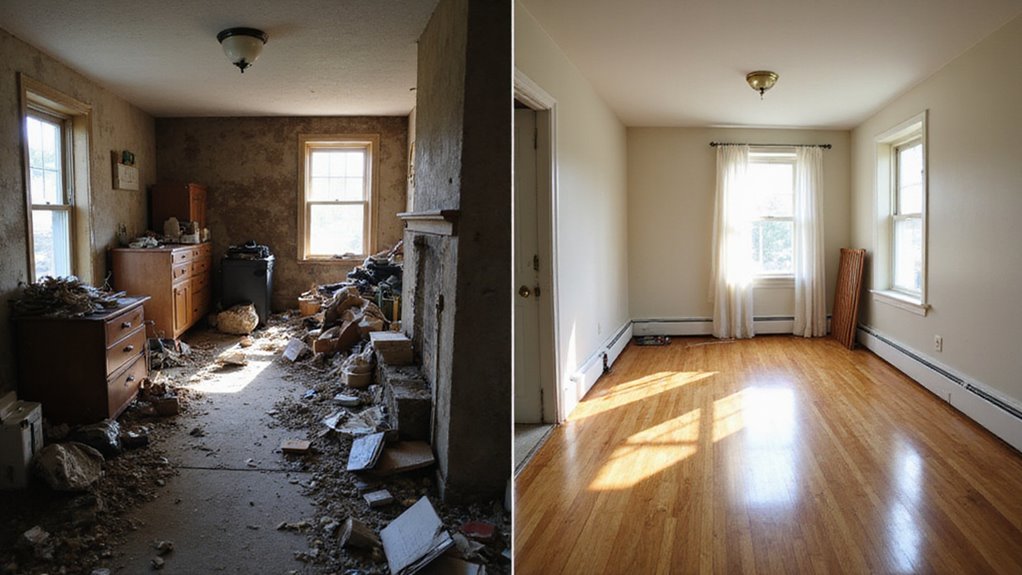
Cleaning and repairs can be expensive when selling a hoarder home. Cleaning companies often charge several thousand to over $10,000, depending on the mess. Disposal fees also increase costs, especially for dumpsters or hazardous waste. Understanding the impact of code violations on home value and marketability can help you determine whether investing in cleaning and repairs will attract more buyers or simply add to your expenses.
Repair costs will vary based on damage. Licensed contractors should provide detailed quotes for each needed repair. If there is mold or pests, add costs for remediation and pest control.
Deep cleaning and sanitization are often necessary in hoarder homes. If you budget for all these expenses, you can plan better. Accurate estimates help you decide on your next steps. In Oregon, disclosure requirements mean you must document and reveal any pest-related issues and repairs during your sale, which can also add to the overall cost.
Potential Benefits of Selling As-Is
Selling a hoarder house as-is means you do not need to make repairs or clean up first. This can save you time, money, and stress. If you want a simple way to sell, this option may be best. Selling as-is is also attractive because properties in all conditions—including homes with fire damage, code violations, or structural concerns—can qualify for fast, direct sales.
A fast sale is possible because buyers know what to expect. You can list the house quickly without long delays for cleaning. If you need to move soon, this helps you close faster.
Choosing as-is means you avoid high upfront costs for repairs or storage. You do not need to pay for renovations or clear out belongings. This can reduce your financial stress. Selling as-is saves you from expensive repairs or cleaning, easing financial worries and letting you move on faster.
If sorting through old items feels overwhelming, selling as-is offers emotional relief. You will not need to decide what to keep or throw away. This can help you move forward without extra pressure.
Many as-is buyers let you avoid agent fees and offer a hassle-free process, which means you can focus on your next steps instead of dealing with complex paperwork or long negotiations.
Potential Benefits of Making Repairs Before Selling

If you invest in repairs before listing, you can command a higher market value and attract more serious buyers. A well-presented home typically sells faster, reducing your holding costs and stress. Addressing key issues broadens your pool of interested buyers, giving you a stronger position during negotiations.
Making repairs can also help your house appeal to buyers seeking move-in ready homes, who may be willing to pay above list price in competitive markets like Corvallis. By enhancing curb appeal and addressing repairs, you increase your property’s competitiveness and can set a more attractive asking price based on local market trends.
Higher Market Value
Making repairs before selling a hoarder house can raise its market value. Buyers usually offer more for a clean and functional home. If you invest in repairs, you may get higher offers.
Home improvements fix problems and make the house look better. Staging the home lets buyers picture living there. A well-presented home often attracts more interest.
Updated features and curb appeal can help you set a higher price. If the house stands out, it may sell faster. Investing in repairs can lead to a better return.
Faster Selling Process
Handling repairs before listing a hoarder house makes it sell faster. A clean and functional home attracts more buyers quickly. Most buyers prefer homes that are ready to move into without extra work.
If repairs are done, real estate agents can stage the home better. Staged homes look inviting in photos and virtual tours. Good staging helps your property stand out online.
Buyers often use virtual tours to choose homes to visit. If your home looks well-maintained, they feel confident booking a visit. This can lead to faster offers and fewer delays.
Taking care of repairs before listing saves time and avoids problems later. It increases your chances of a smooth and quick sale. If you want a faster process, address repairs first.
Broader Buyer Appeal
Making repairs before selling a hoarder house attracts more types of buyers. Most buyers prefer homes they can move into right away. Fixing issues helps your house appeal to families, first-time buyers, and investors.
If the home is in good condition, more buyers can get regular loans. Good repairs and staging make your listing stand out. This often leads to more showings and offers.
Staged homes help buyers imagine living there. Buyers are more likely to connect with a clean, updated space. Improved curb appeal also makes the whole neighborhood look better.
If you invest in repairs, you may get a higher sale price. More buyers and better offers give you more selling power. Repairs can make your home sell faster and for more money.
How the Local Real Estate Market Impacts Your Decision

The local real estate market can strongly affect your decision when selling a hoarder house. Market conditions help you choose the best strategy. You should study your area’s trends before deciding.
A seller’s market has high demand and few homes for sale. You may be able to sell the house as-is, even if it needs repairs. Buyers are less picky when choices are limited. If your current loan has outdated mortgage terms, this can also impact your selling options depending on how competitive the market is.
In a buyer’s market, more homes are for sale and buyers have many options. Homes in better condition usually sell faster. If you want the best price, you may need to do basic repairs and clear out clutter.
If most homes in your area sell quickly without updates, you might list yours as-is. Market research helps you decide if repairs are worth the time and money. Always match your plan to the current market for the best outcome.
Be aware that in certain situations, such as probate sales in Oregon, you may also need to comply with specific legal procedures and court approvals when selling as-is or with repairs.
Types of Buyers Interested in Hoarder Houses
Hoarder houses often attract specific buyers instead of general home shoppers. Most traditional buyers avoid these homes, but some see opportunity. If you want to sell, it helps to know who may be interested. Hoarder houses usually appeal to niche buyers who see value where most traditional home shoppers do not.
Real estate investors look for homes priced below market value. They want to renovate and make a profit. House flippers also buy distressed homes to fix and sell quickly.
Buy-and-hold landlords may buy if they plan to rent after repairs. They upgrade the home and then collect rental income. Some buyers focus on improving the neighborhood and restoring property values.
If you want a faster sale, you should target these groups. They usually see the potential in homes others avoid. Knowing your buyer helps set fair expectations and a strong marketing plan.
The process for selling distressed or hoarder houses, especially when foreclosure triggers are involved, can benefit from strategic planning and consultation with experienced professionals.
How to Calculate Your Home’s As-Is Value

To figure out your home’s as-is value, start by honestly assessing its current condition and any major issues. Compare recent sales of similar properties in your neighborhood to understand market expectations. Don’t forget to factor in the costs buyers will face for cleanup and repairs, as these will impact your bottom line.
Assessing Current Property Condition
Assessing your property’s current condition helps you set the right price for a hoarder house. Walk through each room and note all repairs or damage. If you skip this step, you may overestimate your home’s value.
You should also check the exterior, including the yard and curb appeal. A messy yard or damaged siding can lower buyer interest. If your landscaping is neat, it can attract more buyers.
Compare your home to others in your neighborhood. Nearby parks, schools, or stores can increase your home’s appeal. If your house lacks these advantages, you may need to adjust your price.
Focus on four main areas: the house’s structure, interior clutter, exterior condition, and local amenities. If any area is in poor shape, it will affect your asking price. A realistic view helps you succeed in pricing and negotiations.
Comparing Local Market Sales
You should compare recent sales in your local market to set your home’s price. Look for homes that are similar in size, age, and location. This helps you find a realistic value for your property.
Choose sales of homes sold as-is for the closest match. If you notice prices rising or falling, your home’s value may change. Always consider these trends before setting your price.
Use this table to organize your research:
| Comparable Address | Sold Price |
|---|---|
| 123 Oak St. (As-Is) | $205,000 |
| 456 Maple Ave. (As-Is) | $210,000 |
| 789 Pine Dr. (As-Is) | $198,000 |
| 321 Birch Ln. (As-Is) | $212,500 |
You should use these numbers to choose a fair and competitive asking price. If you analyze each sale, you will make a better decision.
Factoring Cleanup and Repair Costs
You must include cleanup and repair costs before setting your home’s price. Buyers will consider these expenses when making offers. If you estimate these costs well, you can set a fair as-is value.
Start by getting quotes for cleanup and junk removal from local companies. If your home needs repairs, estimate the costs for fixing structural, electrical, or plumbing issues. You should also consider the price of small upgrades or landscaping to improve curb appeal.
Compare your home to similar properties in your area. If their condition is better, adjust your price lower. Use these steps to set a realistic and competitive price.
Estimating Return on Investment for Repairs
Estimating return on investment (ROI) for repairs helps you decide if fixing a hoarder house makes sense before selling. Calculate the cost of needed repairs and compare it to how much more your home could sell for. This approach shows if spending money on repairs is worth it.
If you want better offers, focus on repairs that have high ROI. Updates like new flooring, fresh paint, or simple kitchen fixes usually pay off. Home staging can also attract more buyers if you choose to do it.
Check local sales data for similar homes to see if updates made them sell for more. Compare prices of homes sold as-is versus those with repairs. If repairs add more value than their cost, they are worth doing.
A real estate agent can help you understand your local market. Their advice can guide you on which repairs matter most. If you invest wisely, you can make more money from your sale.
Disclosure Requirements When Selling a Hoarder Home
When selling a hoarder home, you must tell buyers about any problems you know. Full disclosure is required by law. Honest information helps buyers decide and protects you from future legal trouble.
Estate planning can involve selling a hoarder home. If you disclose all issues, probate is often easier. Clear details can also prevent fights between heirs.
You usually need to mention four main problems. Structural damage, like cracks in walls or floors, must be listed. Pest problems, such as mice or bugs, should be made known.
If there have been leaks, mold, or flooding, you have to say so. Any dangerous materials, like asbestos or lead paint, must be reported. If you share these facts, you reduce your risks and build trust.
Marketing Strategies for As-Is Sales
When selling a hoarder house as-is, you’ll want to focus your marketing on investors and flippers who see value in renovation projects. Make sure to highlight the property’s investment potential and possible returns to attract serious buyers. Emphasize the advantage of a quick closing to further appeal to this target market.
Target Investors and Flippers
Investors and flippers are often interested in hoarder houses. They see these homes as chances to make a profit. If you want to reach them, focus on what matters to them.
Most investors care more about a property’s future value than its current mess. You should highlight the home’s investment potential and not just its problems. If you present the property well, you may attract more offers.
You can find these buyers on investor websites and auction platforms. It helps to point out “as-is” pricing and a fast closing process. If you join local investment groups, you may find more interested buyers.
Working with an agent who knows investor deals can also help. Such agents often have contacts who look for fixer-uppers. They can guide the sale to the right people.
Highlight Investment Potential
A hoarder house can be a promising investment for buyers seeking value. Investors often look for homes with potential for profit after renovations. If the property has a good location or large lot, mention these features clearly.
Virtual or physical staging can help buyers see the home’s possibilities. Staging can reduce the focus on clutter and highlight strong features. If possible, use before-and-after photos from similar homes to show what is possible.
Buyers may be more interested if the house is presented as a blank canvas. Serious buyers with resources will notice the home’s long-term value. Consider showing how the house could look after improvements to spark interest.
Emphasize Quick Closing
Highlighting a quick closing can help you sell a hoarder house faster. Many buyers, especially investors, prefer a simple and speedy process. If you offer a fast sale, you can attract more motivated buyers.
Quick closings often appeal to cash buyers who can pay without waiting for loans. This reduces the risk of deals failing due to financing or inspection issues. Sellers can also save money by paying fewer holding costs.
If you avoid long negotiations, you remove some emotional challenges for the seller. Marketing your home as ready for a quick sale shows buyers you are serious. This can help your property stand out in the market.
Steps to Take When Considering Repairs
Before making repairs on a hoarder house, check its current condition and main issues. Focus on problems that lower the property’s value. These usually include structural damage or safety risks. Assess the hoarder house’s condition first and prioritize repairs that address structural or safety concerns to protect its value.
If the house has broken windows or water damage, fix those first. Structural and safety repairs give the highest return. Professional cleaning and decluttering are also important steps.
Home staging can help buyers see the house’s potential, even in difficult cases. Avoid spending too much on cosmetic fixes. Only invest in upgrades that will increase the sale price.
Treat the house as an investment, not an emotional project. If you stay practical, you can make better decisions. Strategic repairs will help you get the best results with less work.
Working With Real Estate Professionals for Hoarder Homes
Working with real estate professionals makes selling a hoarder home easier. Experienced agents know how to handle the challenges these homes present. They help you find the best way to sell your property.
A good agent can set a fair price based on your home’s condition and the local market. They may suggest repairs or quick fixes that could improve your sale. If you prefer to sell as-is, they can guide you on how to do that too.
Agents often have contacts for cleaning and staging services to improve first impressions. They can create a marketing plan that shows your home’s strengths, like its location or size. Professionals will also explain what needs to be disclosed to buyers.
If buyers have concerns, your agent can help manage their expectations. Effective negotiation is easier with a skilled agent by your side. Their knowledge can prevent issues before they become problems.
Conclusion
If you need to sell a hoarder house, you have two main options. You can sell as-is for a quick sale, or make repairs to increase your property’s value. Each choice depends on your budget, timeline, and how much work you are willing to do.
If you choose to sell as-is, you can avoid the stress and expense of repairs. This option often attracts cash buyers who are ready to close quickly. If you invest in repairs, you might get a higher offer, but it will require more time and effort.
If you want a fast, hassle-free sale, we buy houses for cash in any condition. OR Home Buyers can help you move forward with confidence. Contact us today to get your fair cash offer and see how easy selling your hoarder house can be.




Hi, I’m Bob Bash, founder of OR Home Buyers, serving the Oregon community since 2017. We provide full-service real estate solutions, specializing in cash purchases for both residential and commercial properties. I started this business to help our community navigate difficult real estate situations with professionalism, ethics, and compassion.
My goal is simple: to make every client feel relieved and happy when their real estate challenges are resolved. Helping people find solutions and peace of mind is what drives me every day.