
Selling a house with foundation damage can be stressful and confusing. Many homeowners worry about losing money or facing legal risks. Buyers may hesitate or expect deep discounts. Foundation issues can scare off traditional buyers.
You may feel overwhelmed by repair costs or unsure how to proceed. It’s easy to fear that your home will sit unsold for months. You can sell your house with foundation damage as-is by being honest, pricing it right, and targeting the right buyers.
This approach can help you avoid costly repairs and still close a successful sale. This blog will guide you step-by-step to sell your home with foundation problems and avoid common mistakes.
Key Takeaways
- Disclose all known foundation issues and past repairs honestly to comply with legal requirements and build buyer trust.
- Obtain a professional inspection report and repair estimates to inform buyers and justify your as-is asking price.
- Price the property competitively based on similar homes with foundation damage, factoring in repair costs and market conditions.
- Target cash buyers or investors who are more likely to purchase as-is and can close quickly with fewer contingencies.
- Work with a real estate agent experienced in as-is sales to market effectively, manage negotiations, and streamline the closing process.
Understanding Foundation Damage and Its Impact on Home Value
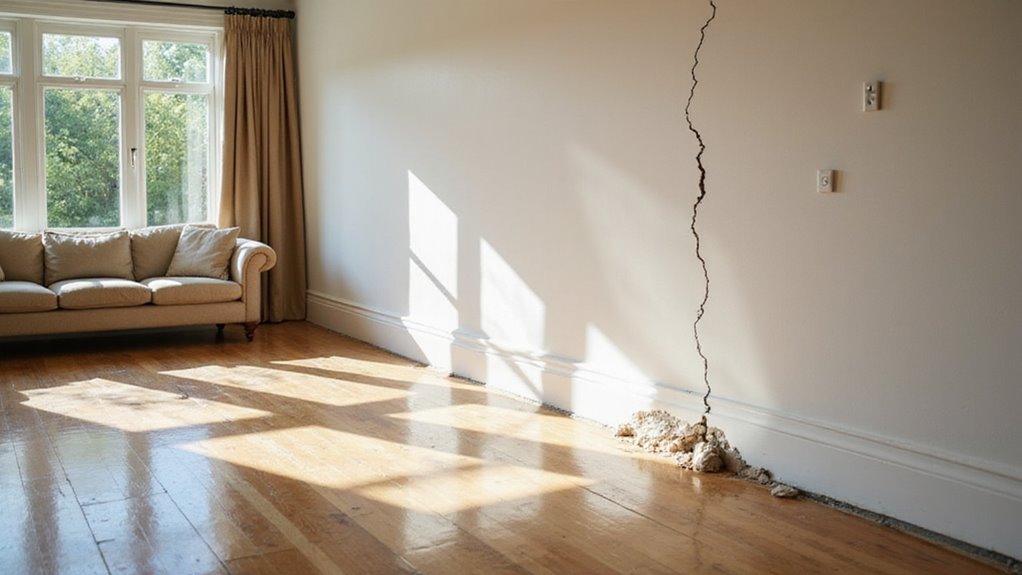
Foundation damage can lower your home’s value when you want to sell. Buyers and appraisers often see these issues as a risk. If your home has foundation problems, it may be harder to get your asking price.
A foundation inspection gives you clear information about any damage. A structural assessment shows how serious the problem is and if it affects your home’s safety. If you get these reports early, you can prepare for honest conversations with buyers. In Oregon, being proactive about property inspection is especially important for navigating potential code violations and building buyer confidence.
These documents help you set a fair price and meet legal disclosure rules. If buyers see that you have addressed the issue, they may feel more confident. This can make the selling process faster and smoother. In Oregon, foundation problems may be caused by expansive clay soils and moisture changes, making early identification and repair especially important for homeowners planning to sell.
Signs Your Property May Have Foundation Issues
You’ll want to watch for visible cracks and gaps in your walls, ceilings, or around windows and doors, as these often signal foundation concerns. Pay close attention to uneven floors or doors that suddenly stick or won’t latch properly—these changes can indicate underlying structural problems. Recognizing these warning signs early puts you in a stronger position to address issues before listing your property.
In some cases, significant foundation issues could lead to foreclosure triggers if they impact your ability to keep up with mortgage obligations or required repairs. Keep in mind that outdated mortgages can compound challenges when selling a property with foundation damage, as they may limit your financial flexibility and influence the strategies available to you.
Visible Cracks and Gaps
Visible cracks and gaps usually mean there are problems with your foundation. Cracks along walls, ceilings, or floors can show that your house is shifting. If you see gaps wider than 1/8 inch, you should not ignore them.
A professional inspection helps find out why the cracks are there. The expert will check how serious the problem is. If the damage is bad, you may need repairs before selling.
Fixing cracks can stop more damage from happening. It also shows buyers you are honest about your home’s condition. This approach can make selling your house easier and more trustworthy.
Uneven Floors and Doors
Uneven floors and doors can be signs of foundation problems. Floors that feel sloped or bumpy often mean the foundation has shifted. Sticking doors can happen when frames warp due to these changes.
Homeowners should not ignore these issues. If you notice them, schedule a structural inspection before selling your home. Inspectors and buyers will notice these problems quickly.
If you find foundation concerns, address or disclose them honestly. Doing so can help you set fair expectations. This also reduces surprises during negotiation.
How Foundation Problems Affect the Selling Process
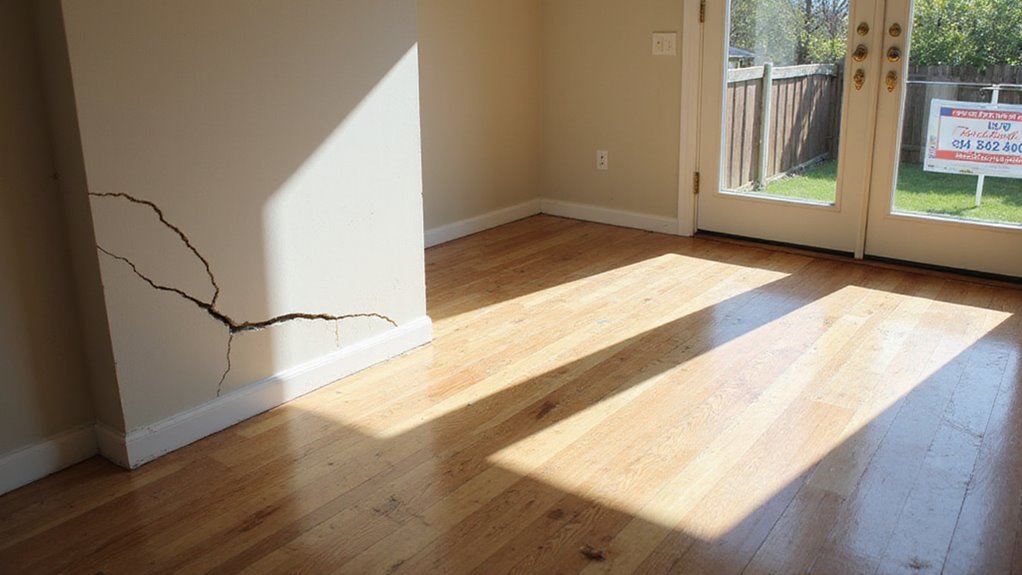
Foundation problems make selling a home more difficult. Buyers may worry about safety and future repair costs. If your house has these issues, it can be harder to find interested buyers. Selling a home with foundation problems is challenging, as buyers often fear safety risks and costly repairs.
Most buyers will ask for a foundation inspection. The results may reveal problems that lower your home’s value. If this happens, you might get fewer or lower offers. In Oregon, laws require thorough property disclosures which means you must clearly document any foundation issues for prospective buyers.
Lenders often refuse loans for homes with unresolved foundation damage. This limits your buyers to those paying cash or using special financing. You must also legally tell buyers about these issues.
Foundation problems can cause delays in selling your home. You may need to provide repair estimates during negotiations. If you do not fix the issues, expect the process to take longer and offers to be lower. Title issues, like unresolved liens, can further complicate your sale and delay closing if they’re not addressed along with any foundation problems.
Weighing the Pros and Cons of Selling As-Is
Selling your house as-is with foundation damage has both benefits and drawbacks. If you sell as-is, you avoid repair costs but may get lower offers. Consider these points before deciding.
Selling as-is means you can skip expensive repairs and save time. Some investors may be interested if you do not do inspections. However, most traditional buyers might feel hesitant. In markets like Oregon’s real estate, understanding current trends and buyer demand can help you determine if as-is is the right approach.
If you want a quick sale, listing as-is often helps. The price will likely be lower than if you fixed the foundation. Being honest about the damage can gain trust, but buyers may worry about future problems.
Compare the cost of repairs with the possible sale price. If repairs cost more than your expected profit, selling as-is might make sense. Always weigh your options carefully to make the best choice.
If your property is involved in probate sales in Oregon, extra legal steps and court approval may affect your decision and timeline for selling as-is.
Disclosures Required When Selling a Home With Structural Concerns

You must tell buyers about any known foundation or structural problems when selling your home. This is required by law in most states. If you hide these issues, you could face lawsuits or lose the sale.
Disclosures should list all cracks, settling, water leaks, or repairs you know about. Written documentation is usually needed before closing. In Oregon, state disclosure laws specifically require sellers to reveal all material defects, including structural issues, regardless of the home’s appearance or location. A staged home or a nice neighborhood does not remove this duty.
Honest disclosures help buyers make good choices and protect you from legal trouble. Consult a real estate agent if you are unsure about what to reveal. Proper advice ensures you meet all legal rules.
Before listing your property, it’s also important to evaluate existing liens and resolve them if possible, as liens can complicate the sale process and must be addressed to ensure smooth closing.
Determining Your Home’s Market Value With Foundation Damage
To price your home accurately, you’ll need to account for the cost of foundation repairs and compare recent sales of similar damaged properties in your area. These factors will directly influence how buyers perceive value and what they’re willing to pay. By adjusting your price expectations accordingly, you position your home competitively in a challenging market.
Evaluating Oregon’s real estate market trends can also give you valuable insight into buyer demand and what price points are moving quickly in your neighborhood. Additionally, understanding how the step-up in basis can affect the tax consequences of your sale, especially if your property is held in a trust after an inheritance, may help you make more informed financial decisions.
Assessing Repair Cost Impact
Foundation repairs can lower your home’s value and affect buyer interest. If you want to know the exact impact, get a professional inspection. The inspection will show how serious the problem is and what needs fixing.
Repair estimates from trusted contractors are important. Buyers often subtract repair costs from their offers or ask for a discount. If you know these costs, you can price your home realistically and negotiate better.
Some repairs may reveal hidden issues, which can raise costs. Buyers could see foundation problems as risky or expensive to maintain. Lenders and insurers may also have concerns about the repair costs.
Comparing Local Damaged Sales
Recent sales of homes with similar foundation damage set the best benchmark for your home’s value. If you check local listings and past sales with foundation issues, you will get the most accurate comparison. This approach helps you see where your property stands in today’s market.
Look at how long these homes stayed on the market and their final sale prices. You should also compare the original listing prices to what the homes finally sold for. This information shows how buyers react to properties with damage.
Many lenders will not finance homes with unresolved structural problems. If you notice this, expect a smaller group of buyers. This factor could affect your home’s price and how quickly it sells.
Adjusting Price Expectations
Foundation damage lowers your home’s value more than most other problems. You must set a realistic price if you want to sell. Buyers may ignore your listing if the price is too high.
Research similar homes with foundation issues before setting your price. Use actual sale prices, not the asking prices of undamaged homes. Always consider the repair costs buyers will expect.
Investors and cash buyers usually want bigger discounts. If you overprice, your home may sit on the market and draw lower offers later. Real estate agents with as-is sales experience can guide you.
If you adjust your price now, you may sell faster and avoid bigger problems later. Careful planning protects you from costly mistakes.
Options for Selling: Traditional Sale Vs Cash Buyer
You have two main options for selling a house with foundation damage. You can list it on the open market or sell to a cash buyer. Each option has pros and cons.
A traditional sale usually involves inspections and repair estimates. Buyers may negotiate or back out if the damage is costly. This process can take longer and may fall through. It’s also key to consider market dynamics like interest rates, which can affect your sale timeline and final price.
Cash buyers are often investors who purchase homes as-is. They usually skip detailed inspections and repair requests. If you need a fast sale, this route is quicker but may bring a lower offer.
Consider your priority before choosing. If you want the highest price, list your home traditionally. If you prefer speed and certainty, a cash buyer may be better. You can often sell as-is with no repairs needed when choosing a cash buyer, making the process particularly appealing for those facing urgent or complicated situations.
Marketing Strategies for Homes With Foundation Damage
When marketing a home with foundation damage, you need to target investors who see value in properties needing work. Emphasize the home’s repair potential and be upfront about the extent of the damage to build trust. By positioning the property honestly and highlighting its opportunities, you’ll attract serious buyers ready for a project. Be sure to consider Oregon real estate laws when preparing listing details and disclosures, as compliance ensures a smoother and more transparent selling process.
Highlight Investor Appeal
Foundation damage can make your home more attractive to real estate investors. Investors often look for properties they can buy below market value. They see foundation issues as an opportunity for profit.
If you want to attract investors, focus on your home’s potential. Highlight if local zoning laws allow for more building or future expansion. If repairs have little impact on the environment, make this clear.
Show clear numbers on what the property could earn after repairs. Point out strong demand for investment properties in your neighborhood. Share recent sales data for similar properties bought by investors.
Emphasize Repair Potential
Foundation damage can be a chance to improve your home. Repairs can make your property safer and more valuable. Buyers looking for a project may see this as an advantage.
Structural issues often mean the home can be reinforced and upgraded. If you have recent inspection reports, share them to show what needs fixing. Clear information helps buyers estimate costs and plan their renovations.
If repairs are done well, the home can increase in value. Buyers might be motivated if they can customize repairs to their liking. Foundation work can help the property last longer and stay strong.
Disclose Damage Transparently
Disclose foundation damage clearly to attract serious buyers. Honest information helps buyers understand what to expect from your property. If buyers know about the issue early, they can make informed decisions.
Provide inspection reports that show the extent of the damage. Share any invoices or estimates for repairs already completed. If available, include professional assessments to give a full picture.
List possible repair options and estimate how long repairs may take. Offer disclosure statements right away to show trustworthiness. Honest details can help prevent legal problems later.
Being upfront about damage can make your property stand out. Buyers looking for a fair deal will be more interested. If you give clear facts, you show integrity and save everyone time.
Setting the Right Price to Attract Buyers

To attract buyers, you need to set a fair price for a house with foundation damage. Research similar homes in your area that have the same problems. If you price your home too high, buyers may not be interested.
You should lower the price to cover the repair costs and risk buyers will take. Home staging and curb appeal can still help your home look better. These steps may encourage buyers to see the property’s value.
A real estate agent with experience in as-is sales can give useful advice. If you set a clear and honest price, serious buyers are more likely to make offers. This approach helps both you and the buyer understand the deal.
Negotiating With Buyers Aware of Structural Flaws
When buyers know about structural flaws, they focus on risk, repair costs, and resale value. Buyers often ask for price reductions or other concessions. Sellers should prepare for these requests.
Inspection reports help explain the extent of the foundation issues. Staging and curb appeal can help offset some buyer concerns. Sellers should provide clear repair estimates to reduce uncertainty.
If you are open to negotiation, set clear limits early. Highlight the property’s good location or large lot if these apply. Being honest about flaws builds trust and helps keep talks positive.
Working With Real Estate Agents Experienced in As-Is Sales
Working with a real estate agent who focuses on as-is sales can make selling a home with foundation damage easier. These agents know how to present your house in the best possible way. They use market knowledge to set a fair price and attract serious buyers.
An experienced agent will manage your expectations and offer honest advice. If you feel uncertain, the agent will share current market insights. They also handle tough negotiations, saving you stress.
A good agent helps your property look its best and filters out buyers who are not serious. If you feel frustrated, the agent will keep the process moving forward. You will feel relief as the agent guides you confidently to closing.
Legal Considerations and Protecting Yourself During the Sale
You must understand your legal obligations when selling a house with foundation damage, starting with mandatory disclosure requirements. Protect yourself by using clear as-is clauses and consulting local regulations, since laws vary by state. Taking these steps reduces your risk of liability and ensures a smoother transaction.
Mandatory Disclosure Requirements
You must tell buyers about any foundation damage in your house. State and local laws require you to share this information. If you do not, you could face legal trouble or delay the sale.
Disclosure helps buyers understand what they are buying. Lenders may not approve loans for homes with hidden foundation issues. If you hide defects, the buyer could sue you later.
Sellers should fill out the required disclosure forms for their state. Always document repairs and inspections related to the foundation. If you are unsure, ask your real estate agent or lawyer for help.
Liability and As-Is Clauses
You must understand your legal responsibilities when selling a house with foundation damage. Liability clauses state what you must handle after the sale. As-is clauses tell buyers the home sells in its present condition.
A strong as-is clause can protect you from some future claims. If you use one, buyers know about the foundation issues before buying. You cannot use as-is clauses to hide problems or skip legal disclosures.
Full honesty about your home’s condition remains necessary. If you are unsure about the contract language, consult a real estate attorney. Careful review helps ensure your clauses are clear and enforceable.
State-Specific Legal Regulations
Each state has its own rules for selling a house with foundation damage. You need to follow these rules, not just general laws. If you don’t, you might face legal problems or delays.
Sellers must usually fill out special forms about structural issues. Some states also require certain inspections before the sale. These forms and checks help buyers understand the property’s condition.
Deadlines for telling buyers about damage can vary by state. Missing these deadlines can affect the sale or lead to lawsuits. If the property is inherited, extra rules may apply for estate planning.
Foundation damage can also affect a buyer’s loan options. Some loans need proof that repairs are done. Always ask a local real estate lawyer about your state’s latest rules.
Preparing Your House for Showings Despite Foundation Issues
You can still prepare your house for showings if it has foundation issues. Presentation matters because it helps buyers see the home’s good qualities. If you make the house look tidy and cared for, buyers may feel more comfortable. Even with foundation issues, a clean and well-presented home helps buyers focus on its best features and feel more at ease.
If there are cracks or minor damage, repair them before showings. Repainting walls and decluttering each room can create a welcoming feeling. Clean spaces help highlight the positives in your home.
If you have documentation for repairs or inspections, display it during showings. Providing these records builds trust and shows honesty. Buyers may feel better about the foundation if you are open about it.
Improving curb appeal is also important, even if there are issues. Simple touches like fresh mulch or trimmed bushes make a big difference. First impressions can set the tone for the rest of the tour.
What to Expect After Accepting an Offer
After you accept an offer on a house with foundation damage, a more detailed process begins. Both the buyer and seller look closely at the property and discuss next steps. The focus now shifts to repairs and costs.
Inspection reports and repair estimates often trigger more negotiations. Buyers may ask for lower prices or repair credits if the damage is significant. If the lender has concerns, they might request extra documents or proof of repairs.
Closing dates can change if new repair issues appear. Emotions can run high as the sale nears completion. Staying informed and flexible will help you handle this phase smoothly.
Conclusion
If you need to sell a house with foundation damage, remember that honesty and preparation matter. If you disclose the issues and set a fair price, you can attract buyers looking for investment opportunities. If you work with experienced professionals, you will also protect yourself from legal trouble.
If you want a faster, simpler sale, consider companies that buy houses for cash. If you sell as-is to cash buyers, you can avoid repairs and long waits. If you choose this route, you often close quickly and skip many traditional hassles.
If you are ready to move forward, we can help. If you want to sell your house for cash, contact OR Home Buyers today. If you reach out now, we can provide a fair offer and a smooth closing.




Hi, I’m Bob Bash, founder of OR Home Buyers, serving the Oregon community since 2017. We provide full-service real estate solutions, specializing in cash purchases for both residential and commercial properties. I started this business to help our community navigate difficult real estate situations with professionalism, ethics, and compassion.
My goal is simple: to make every client feel relieved and happy when their real estate challenges are resolved. Helping people find solutions and peace of mind is what drives me every day.