
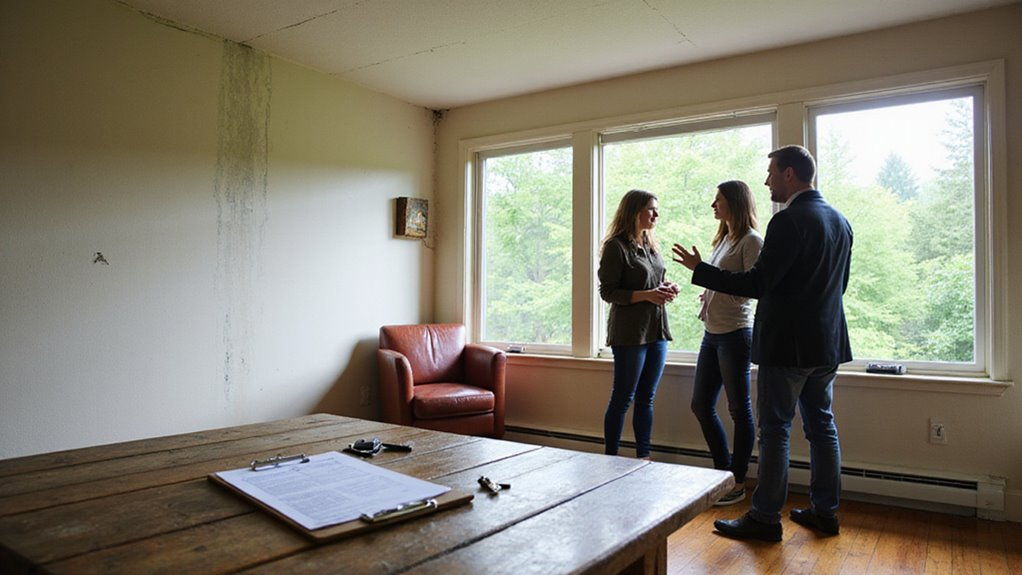
Selling a house with mold issues in Oregon can feel overwhelming. Mold can scare buyers and lower your home’s value. Strict state laws make the process even harder for sellers.
Many buyers walk away when they learn about mold. Oregon’s disclosure laws require you to reveal all known problems. Mold can also cause health worries, making buyers more cautious.
You can sell a house with mold in Oregon if you follow the rules and handle the problem openly. You need to disclose the issue, address it honestly, and keep good records.
This builds trust and protects you legally. This blog will guide you through each step so you can sell your home with confidence, even with mold issues.
Key Takeaways
- Fully disclose all known mold issues and remediation efforts using Oregon’s Property Disclosure Statement and provide inspection or repair documentation to buyers.
- Hire a licensed mold inspector to assess the extent of mold and obtain professional remediation if significant or hidden mold is found.
- Market the home transparently, targeting investor buyers or those experienced with repairs, and offer flexible sale terms or sell as-is.
- Work with a real estate agent experienced in Oregon mold disclosure laws to ensure legal compliance and proper documentation throughout the sale.
- Prevent future mold by repairing leaks, improving ventilation, and maintaining records of all prevention and cleanup efforts to reassure buyers.
Understanding Mold Issues in Oregon Homes

Oregon homes often have mold because the climate is damp and rainy. Mold grows easily in wet places with poor airflow. Homeowners must focus on keeping their homes dry and well-ventilated. Proper ventilation helps prevent mold. Use exhaust fans in your kitchen and bathroom. Make sure attics and crawl spaces get plenty of air.
Check your home often for mold, musty smells, or water stains. If you see or smell mold, act quickly. Fix leaks and dry wet areas right away. Regular maintenance and inspection also helps in managing ongoing expenses, which is especially important for homeowners deciding between investing further in their property or selling quickly for cash.
Oregon law says you must tell buyers about any mold issues you know about. Hiding mold problems can lead to legal trouble. Regular maintenance and professional inspections can protect your home’s value and keep you safe from lawsuits.
Getting a professional inspection for mold and water damage provides accurate assessment, documentation, and builds trust with potential buyers in Oregon’s real estate market.
Common Causes of Mold Growth in Oregon
Mold in Oregon homes often starts because of moisture problems inside the house. Common causes include roof leaks, plumbing issues, and poor ventilation. These problems make it easy for mold to grow.
If you do not fix small leaks or condensation, moisture can build up without you noticing. Poor attic or crawl space ventilation traps humidity and speeds up mold growth. Early identification and addressing of pest-related property damage are also important, as these issues often share similar causes with mold and can further affect home value. Regular inspections can help you spot these risks early.
Oregon law says you must tell buyers about any known mold problems when selling your home. If you keep up with repairs, you protect your property and avoid legal trouble. Timely maintenance is the best way to prevent mold issues during a home sale. Like other property concerns, disclosing mold as part of Oregon’s disclosure requirements helps maintain transparency and buyer confidence during the transaction.
Health Risks Associated With Mold Exposure

Mold exposure can cause health problems, even in small amounts. People with allergies, asthma, or weak immune systems are at higher risk. Children, seniors, and pregnant people are also more likely to get sick from mold.
Symptoms from mold include sneezing, skin rashes, or breathing trouble. Severe cases may lead to lung infections. Anyone entering your home could be affected, especially if mold is not removed. Sellers should also be aware that following property disclosure requirements is a critical aspect of Oregon real estate law when dealing with mold issues.
Sellers should prevent mold to protect health and avoid legal issues. You should fix leaks and keep areas dry and well-ventilated. If you find mold, clean it up right away.
Oregon’s wet climate makes mold more common. Regular inspections can help catch mold early before selling your home. Taking these steps makes your property safer and more appealing to buyers.
Additionally, Oregon homeowners must follow all seller disclosure requirements when listing a property with known mold issues to comply with state real estate laws and avoid potential legal complications.
Legal Obligations for Disclosing Mold to Buyers
When selling a home in Oregon, you must comply with strict property disclosure requirements related to mold. Failing to disclose known mold issues can expose you to significant legal penalties. To protect yourself, keep thorough documentation of any inspections, remediation efforts, and communications with buyers.
It’s also crucial to assess the impact of code violations like mold on your home’s value and marketability before listing the property. Additionally, understanding your responsibilities during the probate sale process can help you navigate legal complexities and ensure a smoother transaction.
Oregon Property Disclosure Requirements
Oregon law says you must tell buyers about any mold problems you know about when selling a home. Sellers fill out a Property Disclosure Statement. This form asks about water leaks, mold, and any repairs done.
You must be honest. If you do not tell the truth, you could face legal trouble later. Good records of repairs and upkeep help prove you took care of the property.
If you have taken steps to prevent mold, list these measures on the form. Sharing maintenance records can help buyers trust you. Use the table below to see the steps for proper disclosure:
| Disclosure Step | What’s Required | Why It Matters |
|---|---|---|
| Identify Mold Issues | Inspect and document | Ensures full transparency |
| Complete Disclosure | Fill out state form | Legal compliance |
| Share Maintenance | Provide records | Builds buyer trust |
| Note Prevention | List measures taken | Demonstrates responsibility |
Penalties for Non-Disclosure
If you do not tell buyers about known mold problems, you can face legal and financial penalties. Oregon law requires you to give a truthful property disclosure statement, including any mold issues you know about. If you leave out this information, you could get into serious trouble.
The buyer could sue you for damages or ask for repairs. In some cases, they may be able to cancel the sale. Courts often support buyers if a seller hides or lies about mold problems.
You may have to pay for repairs, damages, or attorney fees. Disclosure rules are not just suggestions; they are legal requirements. If you want to avoid disputes and penalties, always share any mold concerns with buyers.
Recommended Documentation Practices
You should document all mold disclosures to avoid legal disputes and penalties. Keep copies of every mold testing report, even if results are negative. Give these reports to buyers and get written proof they received them.
If you filed insurance claims for mold issues, keep all related documents and emails. Save details on any mold removal, including contractor bills and warranties. Always use Oregon’s Seller’s Property Disclosure Statement to officially share mold history.
Store all paperwork, messages, and signed disclosure forms in a safe place. Organized records show you are honest and meet your legal duties. This can lower the risk of future problems when selling a house with mold in Oregon.
How to Identify Mold in Your Property
Start by checking for visible signs of mold, such as discoloration, staining, or musty odors in damp areas of your home. If you suspect hidden mold or want to ensure compliance with Oregon’s disclosure laws, hire a certified professional to conduct a thorough mold inspection.
This approach helps you address issues proactively and protects you from potential legal disputes with buyers. When addressing mold before listing, it’s important to consider Oregon real estate laws that require sellers to disclose known property defects to buyers. Identifying mold early also allows you to consider necessary repairs and upgrades that can enhance your property’s value and appeal before listing it for sale.
Visible Signs of Mold
Visible signs of mold include black, green, or white patches on walls, ceilings, or windows. Peeling paint and warped surfaces are also signs. Water stains often mean there is moisture that can cause mold.
Homeowners should check under sinks, behind appliances, and in basements for hidden mold. If these areas stay damp, mold can grow. Noticing these problems early helps prevent bigger issues.
Oregon law requires sellers to report any known mold issues. If you find mold, you should document it. Early action and moisture control will protect your property and meet legal rules.
Professional Mold Inspection
A professional mold inspection is important when selling a house in Oregon. Licensed inspectors check for mold and help meet legal requirements. Their report gives you and buyers clear information about the property’s condition.
Certified inspectors use air and surface tests to find hidden mold. If they find mold, the report shows where it is and what type. This helps you decide if you need to fix the problem.
If you address mold problems early, you follow Oregon’s laws and build buyer trust. Relying on professionals helps avoid mistakes and legal trouble. DIY inspections might miss hidden mold and cause costly surprises later.
Options for Mold Remediation and Removal
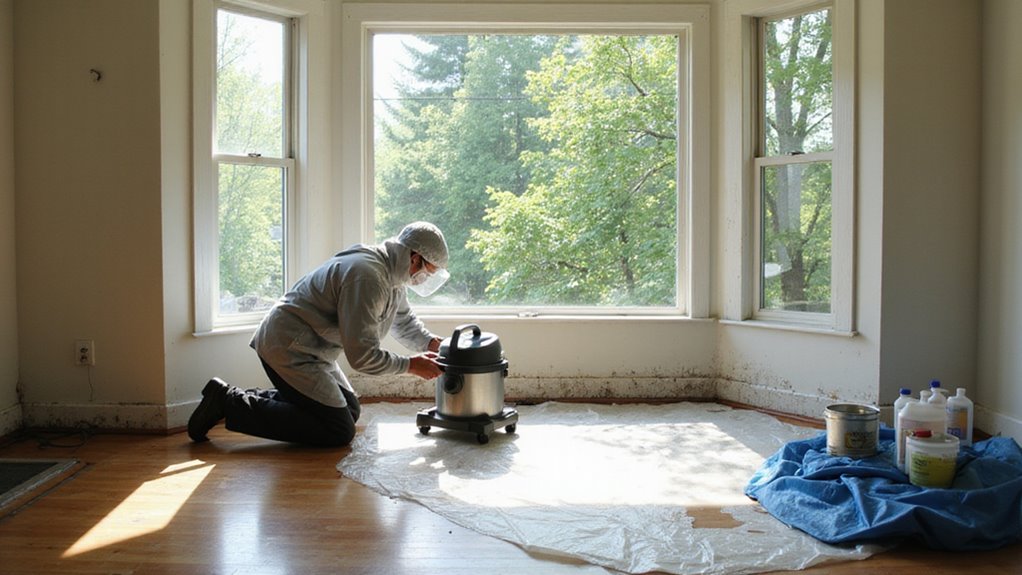
Oregon law requires sellers to fix and disclose known mold problems before selling a home. Mold issues must be addressed to follow the law and reassure buyers. You have a few ways to remove and prevent mold.
Small mold spots can be cleaned with special cleaners. Good airflow and fixing leaks can help stop mold from returning. In Oregon’s tight housing supply, addressing mold quickly can improve your chances of attracting buyers. Always wear gloves and a mask if you clean mold yourself.
If mold covers a large area or is inside walls or vents, hire a certified professional. Professionals use special tools and methods to remove mold safely. Always fix the source of moisture to prevent future problems.
Keep records of all cleaning and repairs. Buyers may ask for proof of mold removal. Complete records show you followed Oregon law and took care of the problem. When dealing with mold in a real estate sale, it is especially important to understand how disclosure requirements protect both the seller and buyer during the transaction.
Estimating the Cost of Mold Remediation
Mold remediation in Oregon usually costs between $500 and $6,000. The price depends on how much mold there is and what repairs you need. Larger infestations or structural damage will raise the cost. When estimating expenses, it’s wise to account for possible hidden issues that might be discovered during inspection, which can impact both repair needs and overall costs.
You may also need to pay for air quality tests or to replace damaged items. If the mold is not fully removed, your home’s value may drop. Oregon law says you must tell buyers about any mold problems.
Proper remediation protects your investment and keeps your home safe. If you plan to sell, keep records of all mold repairs. These documents help prove you fixed the problem and followed the law. For sellers, accurate calculation of outstanding mortgage balances and fees—especially in homes facing additional challenges like mold—can help determine your equity position and influence your selling strategy.
Choosing Mold Remediation Professionals in Oregon
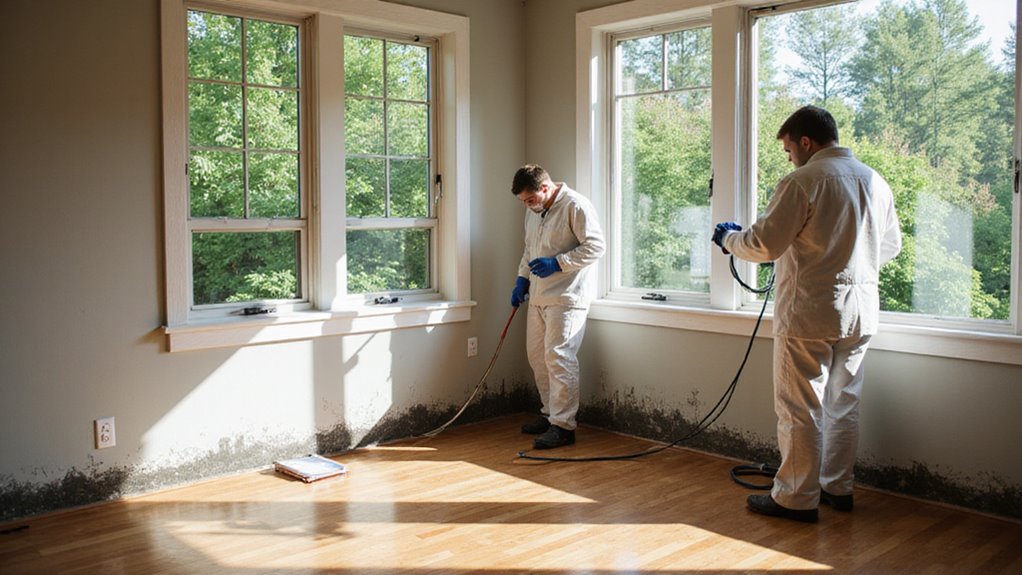
When selecting mold remediation professionals in Oregon, you’ll need to verify their credentials, licensing, and insurance to comply with state regulations. Make sure they have proven experience handling local mold issues and understand Oregon’s specific environmental conditions.
Always request a detailed scope of remediation services in writing to protect your legal interests during the sale. If you hope to sell your house fast for cash after remediation, working with qualified professionals can simplify the process and appeal to buyers who purchase homes in any condition.
Credentials and Licensing Requirements
Oregon does not require a state license for mold remediation contractors. However, contractors must have a valid Oregon Construction Contractors Board (CCB) license. This license protects you if something goes wrong during work.
Always ask for proof of general liability and workers’ compensation insurance. These insurances help protect you from legal and financial problems. Make sure to see their insurance documents before hiring.
Check if the contractor has certifications from groups like the Institute of Inspection, Cleaning and Restoration Certification (IICRC). Such credentials show the contractor follows good mold removal practices. These steps help build buyer trust and protect your home sale.
Local Experience and Expertise
A contractor’s local experience and expertise are very important. Oregon’s rainy and humid weather can cause mold problems in homes. If a contractor has worked in your area, they will know how to handle these issues.
You should ask about their past projects in Oregon and request references from local homeowners. Local contractors understand building codes and laws, which helps you avoid legal trouble. They can also spot common mold types and moisture sources found in Oregon.
If a contractor has proven success with similar homes, you can trust their skills. Make sure they know how to fix mold problems specific to your region. Choosing the right expert will help keep your home safe and your sale smooth.
Scope of Remediation Services
Mold remediation in Oregon must follow state laws and health rules. Qualified companies handle every step, from finding mold to final checks. They should also prevent future mold problems and keep clear records.
A good company will first check all areas and list what needs to be done. If they miss spots, mold could return. They should always give you a clear plan.
The plan must explain how they will contain, remove, and clean up mold. Oregon has strict rules for these steps. If a company follows these, you can trust their work.
If you want long-term results, choose a company that also offers prevention advice. They should fix moisture problems and explain how to avoid future mold. Proper paperwork is important, especially if you plan to sell your home.
Selling As-Is Versus Making Repairs

If you want to sell a house with mold in Oregon, you must choose to sell as-is or make repairs. Selling as-is can be faster, but you must tell buyers about any mold you know about. Repairs may help you attract more buyers and get a better price.
You should look at other homes in your area to see how mold issues affected their sales. If similar repaired homes sold for much more, fixing the mold could be worth it. Always compare the cost of repairs with the possible increase in your home’s value.
A real estate agent who knows Oregon’s laws can help you decide what is best. If you are unsure, professional advice can keep you from making costly mistakes. Your choice should follow both state rules and the local market.
Marketing a Home With Mold Issues
When you market a home with mold issues in Oregon, you must highlight any remediation efforts and provide full, honest disclosure about the problem to comply with state law. Make sure your listing targets investor buyers who are experienced with repairs and willing to take on properties with known defects. This approach protects you legally and attracts buyers who understand the risks.
Highlight Remediation Efforts
Remediation efforts help assure buyers that mold issues have been handled. Clear documentation of these steps builds trust with buyers. If you show proof of proper remediation, buyers are more likely to feel confident.
Sellers should share before-and-after mold test results from certified professionals. Receipts and warranties from licensed companies can confirm the work done. If these documents are available, buyers will see the problem was managed by experts.
You can also list any steps taken to prevent mold from returning. Regular maintenance or added ventilation can lower future risk. When you provide these details, your property stands out and meets Oregon’s legal requirements.
Disclose Mold Transparently
Full transparency about mold is important when selling your home in Oregon. Oregon law requires you to disclose any known mold issues. If you hide mold problems, you may face legal and financial trouble.
Sellers must share details of mold found and any steps taken to fix it. You should give buyers home inspection reports and records of mold repairs. If you have receipts for mold prevention work, include them in your documents.
Buyers need clear information about affected areas and any ongoing concerns. Honest disclosure helps buyers trust you and prevents misunderstandings. If buyers know the true condition, they can make informed decisions and you protect yourself from future disputes.
Target Investor Buyers
Selling to investor buyers is a smart way to handle an Oregon property with mold problems. Investors often buy homes with issues because they can fix them. This helps you avoid repairs and sell faster.
You should highlight the property’s investment potential in your listing. Mention local demand and possible value after repairs. If you do this, you make the home more attractive to investors.
Always disclose mold issues and inspection results right away. Clear information builds trust with buyer investors. If you are upfront, buyers are more likely to stay interested.
Offering flexible sale terms will help your chances. Investors may want quick closings or cash offers. If you can meet these needs, your sale will go smoother.
Selling to investors means you can sell the home as-is. This approach avoids long waits on the market. If you want a simple sale, consider targeting investor buyers.
Working With Real Estate Agents Experienced With Mold
Working with a real estate agent who has experience with mold is important when selling your home. Such an agent knows Oregon’s disclosure laws and legal requirements. They can help you handle mold issues correctly and avoid legal trouble.
The agent will show you how to present your home honestly while highlighting its best features. If needed, they can suggest simple staging ideas to make your property look better. Their advice on landscaping can also improve curb appeal, even if the home has mold concerns.
These agents understand the paperwork and legal steps needed for mold-affected homes. They make sure you follow all rules and fill out the right forms. Choosing the right agent makes the whole process easier and safer for you.
Negotiating With Buyers Concerned About Mold
Buyers often worry about mold, but you can still make a deal if you are honest and prepared. Mold is a serious concern in Oregon, so you must share any findings and steps taken to fix the problem. If you do this, buyers will feel more confident and trust your commitment to the law.
You should always provide inspection reports and proof of any mold cleanup. If buyers remain worried, you can offer to lower the price or cover some repair costs. These actions can help address their concerns and move negotiations forward.
Sellers must also explain how they met Oregon’s rules for reporting environmental hazards. Showing compliance with these laws can help buyers feel safer. Clear communication helps everyone reach a fair agreement.
Impact of Mold Issues on Home Value
Mold problems can lower your home’s value by 10% or more. Most buyers view mold as a serious and expensive issue. Mold makes homes harder to sell and less attractive to buyers.
Buyers often assume there are bigger problems if they see mold. They may think you have not taken care of your home or that there is poor insulation. These worries can lead to fewer offers and longer selling times.
Oregon law requires you to tell buyers about any known mold. Hiding mold issues is illegal and can cause legal trouble. Being honest helps you keep some control during negotiations.
If you address mold openly, you may avoid bigger problems later. Buyers will appreciate your honesty. This can help you sell your home faster and possibly for a better price.
Preventing Mold Problems in Future Property Sales
To prevent mold problems when selling a property, take steps to stop mold before listing your Oregon home. Mold can lower your home’s value and cause legal troubles. Good maintenance is the best way to avoid these issues.
Check your house for leaks or water problems, especially in damp areas. Fix any leaks you find right away to show buyers you care for your home. If you do not address problems quickly, you may have to disclose them by law.
Keep bathrooms, kitchens, and basements well-ventilated with fans or dehumidifiers. Schedule regular inspections for your roof, gutters, and plumbing. Proper mold prevention helps protect your investment and keeps you within Oregon’s legal requirements.
Conclusion
If you take care of mold issues before selling your Oregon home, you protect yourself and attract more buyers. If you follow Oregon disclosure laws and document repairs, you build trust with buyers. If you work with experienced professionals, your sale process becomes easier and more transparent.
If you need to sell quickly or avoid repairs, we buy houses for cash in any condition. If mold issues seem overwhelming, OR Home Buyers can make you a fair offer. If you want a simple, fast sale, we are ready to help.
If you are ready to sell your Oregon house with mold problems, contact OR Home Buyers today. We make selling easy, even if your home needs work. Let us help you move forward with confidence.




Hi, I’m Bob Bash, founder of OR Home Buyers, serving the Oregon community since 2017. We provide full-service real estate solutions, specializing in cash purchases for both residential and commercial properties. I started this business to help our community navigate difficult real estate situations with professionalism, ethics, and compassion.
My goal is simple: to make every client feel relieved and happy when their real estate challenges are resolved. Helping people find solutions and peace of mind is what drives me every day.