

Selling a house with termite damage in Oregon can be stressful. Many homeowners worry about scaring off buyers or losing money. It feels overwhelming to handle repairs, paperwork, and negotiations all at once.
The fear of hidden damage can make buyers hesitate. You might feel anxious about legal problems or low offers. Some people even wonder if it’s better not to sell at all. You can sell a house with termite damage in Oregon if you follow the right steps and stay honest.
Start by getting an inspection, gathering paperwork, and working with professionals. With the right plan, you can find a buyer and close the deal. This blog will guide you through each step so you can sell with confidence.
Key Takeaways
- Disclose all known termite damage, repairs, and treatments as required by Oregon law to avoid legal disputes and build buyer trust.
- Obtain a professional pest inspection and provide the detailed report to prospective buyers to demonstrate transparency and compliance.
- Decide whether to repair the damage or sell as-is by weighing repair costs against expected sale price and current market conditions.
- Highlight completed repairs and preventive measures in marketing materials to reassure buyers and improve the home’s appeal.
- Be ready to negotiate by offering repair credits or price reductions if selling as-is, and keep thorough documentation for all work completed.
Understanding Termite Damage and Its Impact on Home Value
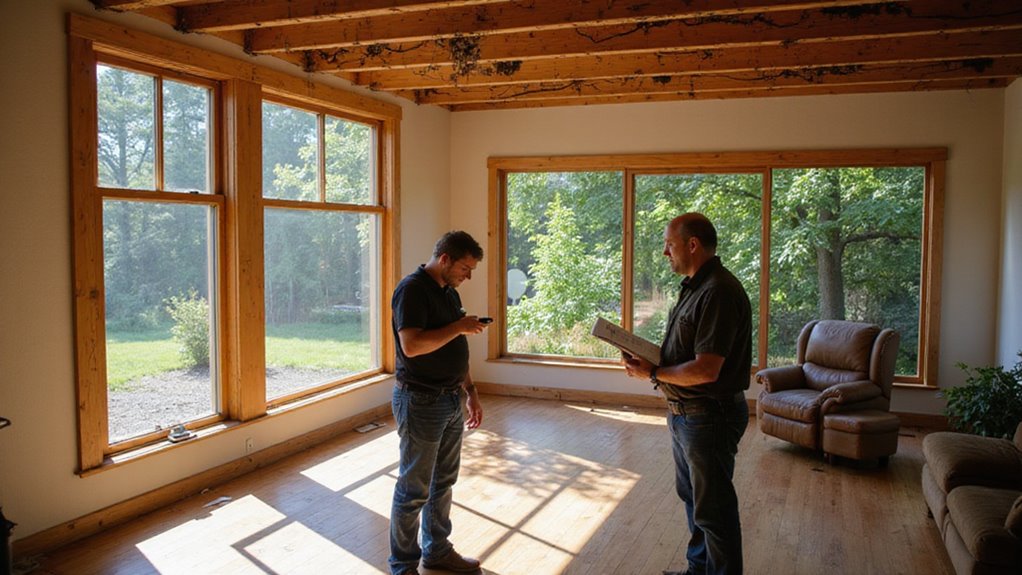
Termite damage can lower your home’s value and weaken its structure. Buyers and appraisers often notice these issues during inspections. If damage is visible or repairs are needed, your home may sell for less.Visible termite damage or needed repairs can reduce your home’s value and make it harder to sell during inspections.
Termites live in hidden, moist places and eat wood in walls, floors, and foundations. Their activity is hard to spot until damage is severe. If you live in Oregon, buyers may be extra cautious about these pests. It’s important to prepare your property according to market demands and address all major issues to maintain buyer interest.
Appraisers include repair costs and pest control history when valuing a property. If termite problems are untreated, expect lower offers from buyers. Treating issues early can protect your home’s value.
Knowing how termites operate helps you spot problems sooner. You should use long-lasting pest control methods for the best protection. If you stay proactive, you may have a stronger position when selling your home.
Be aware that Oregon disclosure laws require you to inform buyers about known pest damage, so keeping thorough records of inspections and repairs is crucial for a transparent sale.
Identifying Signs of Termite Infestation
Termite infestations can be hard to notice at first. Termites often hide inside walls or under floors while they cause damage. Regular inspections help find signs early and protect your home. Addressing issues like termite damage promptly can help preserve buyer confidence during the selling process.
You should look for hollow-sounding wood, mud tubes, termite droppings, and discarded wings. If you see any of these, termites may be present. Early detection can help prevent serious damage.
Professional pest control experts can confirm termite activity and remove them. They use special tools and methods to find and treat infestations. If you are unsure, always call a professional for help.
You should also be aware of the impact on home value that termite damage and other violations can have during the selling process.
Use the table below to recognize common termite signs:
| Sign | Appearance | What It Means |
|---|---|---|
| Mud Tubes | Thin, brown tunnels | Active termite pathways |
| Hollow Wood | Sounds empty when tapped | Extensive internal damage |
| Frass | Small, wood-colored pellets | Termite droppings present |
| Discarded Wings | Sheer, near windows | Swarming activity |
Legal Disclosure Requirements for Termite Damage in Oregon
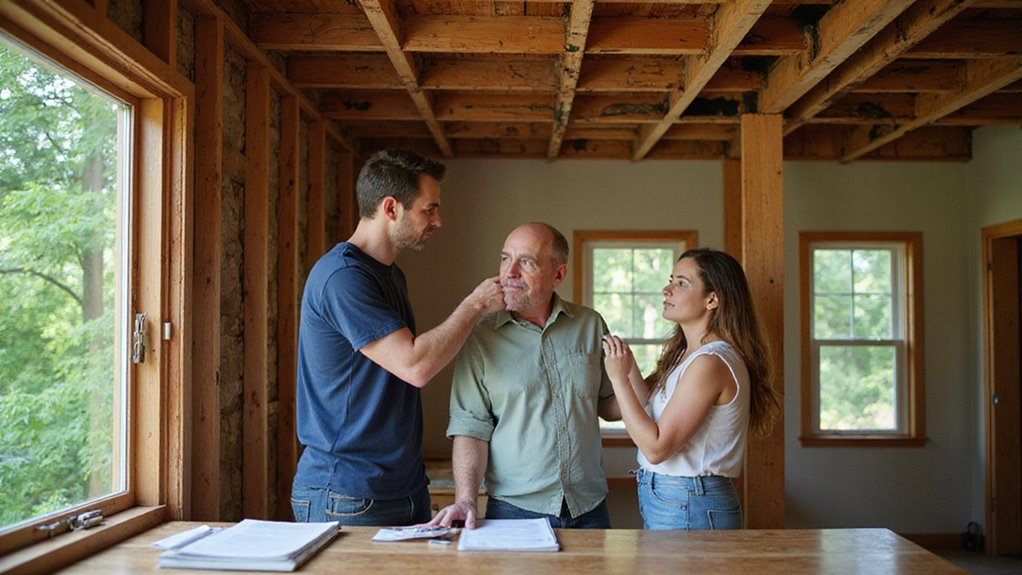
In Oregon, you must comply with strict seller disclosure laws regarding any known termite damage. You’ll need to provide buyers with required pest inspection reports and follow established protocols to notify them about past or present infestations. By handling these disclosures properly, you protect yourself from legal disputes and help maintain buyer trust in a competitive market.
Carefully following property disclosure requirements can offer additional protection for sellers and demonstrate transparency to potential buyers. Sellers should also be aware that state-specific inheritance tax rules may affect property transactions if the home is held in a trust, making accurate disclosure and expert guidance especially important.
Oregon Seller Disclosure Laws
If you are selling a home in Oregon with termite damage, you must follow state disclosure laws. Oregon law requires you to give buyers a property disclosure statement. You must list any known termite damage, past infestations, and repairs or treatments.
Sellers must use written disclosure for most home sales. If you know about termite issues, you must report them. You should also state if you used eco-friendly treatments or chemicals.
If there is a home warranty that covers termite repairs, you need to mention it. Failing to disclose termite information can lead to legal trouble or canceled sales. Being honest protects you and helps the sale go smoothly.
Required Pest Inspection Reports
Oregon does not require a pest inspection for every home sale. However, buyers or lenders may ask for a pest report if there are signs of termites. Sellers should know these reports are important for building trust and making the sale process smoother.
A licensed inspector checks all areas, even hidden ones, for termites or damage. The pest inspection report lists any problems, including active infestations or structural issues. Lenders might only approve loans if the report is clear.
If you share these reports early, you show honesty and help avoid delays or changes during escrow. Preparing termite reports early can give you a stronger position in the market.
Buyer Notification Protocols
Oregon law requires home sellers to tell buyers about any termite damage or infestations. You must fill out a property disclosure form with honest details. The form should list all past or current termite issues.
Sellers need to mention repairs made and areas affected by termites. If damage has changed insulation or supports, this must be shared. Buyers may ask about how termites affected energy use or the yard.
If you hide termite problems, you could face legal trouble. Giving full details helps build trust with buyers. Sellers should provide any reports and receipts for termite repairs.
Having clear records makes buyers feel more confident. Good documentation also helps the sale process go more smoothly. If you are ready with this information, negotiations may be easier.
Getting a Professional Termite Inspection

A professional termite inspection is important before selling your home. It helps you find problems early and avoid surprises during the sale. If you get this inspection, you can fix any issues before buyers see them.
A certified inspector will check crawl spaces, attics, basements, and woodwork for signs of termites. The inspector gives you a clear report about any termite activity or past treatments. This report shows buyers you are honest and careful. Having meticulous record-keeping is also recommended, as it helps support your claims and can be valuable if questions arise during negotiations.
If the inspection finds hidden damage, you can repair it before negotiations start. Sharing the inspection results builds trust with buyers. If you provide this information, buyers may feel more confident about your asking price.
Because disclosure and proper documentation are valued in Oregon, sharing the official inspection report supports equitable distribution and helps avoid disputes during property negotiations.
Assessing the Extent of Structural Damage
To assess structural damage, check if termites have harmed important parts of the home. Focus on beams, joists, and subfloors, as these support the house. If these are damaged, the home’s safety may be at risk.
A licensed contractor or structural engineer can inspect the wood and hidden areas. They will determine if the damage is only on the surface or deeper. If damage is severe, repairs may be needed before selling. When selling an inherited property, understanding the probate process in Oregon can also influence how quickly you can make repairs and put the home on the market.
Check for damage in damp areas, as termites are often found there. If you find moisture, consider soil treatment to stop further problems. Accurate records of all damage help you answer buyer questions and set a fair price.
A professional assessment is crucial not only for identifying the extent of termite damage but also for ensuring compliance with local laws and providing transparency when it comes time to sell.
Options for Repairing Termite Damage

When addressing termite damage, you’ll need to weigh the benefits of hiring professional repair services against tackling some restoration tasks yourself. It’s also critical to invest in preventative treatments to reassure buyers and protect your property’s value. For sellers in Oregon, keeping up with regular maintenance and inspections is especially important for preserving a vacant home’s value as well as addressing potential termite issues.
Let’s look at how each option impacts your selling strategy and market appeal. In situations involving inherited property, you may also need to coordinate repairs and treatments with the administrator or executor of the estate to ensure all legal requirements are met during the sale process.
Professional Repair Services
Professional repair services can fix termite damage and help restore your home’s safety and value. Certified contractors follow Oregon’s building codes and know what buyers want. They also work with pest control experts to stop future problems.
These experts start with a full check of your home’s structure. If you need repairs, they remove and replace damaged wood, such as framing or trim. Contractors make sure any new materials match your home’s look.
Repair services also include fixing your yard if it was affected. Good landscaping keeps your home attractive and competitive in the market. If you want the best results, always choose experienced professionals.
DIY Damage Restoration
DIY repairs can fix minor termite damage if the problem is not severe. Small holes or damaged trim can be repaired with wood hardeners or fillers. Homeowners can also replace affected boards if needed.
If you find deep or hidden damage, call a professional. Structural problems are not safe to fix on your own. Always check carefully before starting repairs.
Oregon buyers may worry about poor repairs. It is important to use good materials and document the work you do. If you make any DIY fixes, always tell buyers about them.
Transparency helps build trust with buyers. Good repairs can make your home more attractive. Honest communication can also make selling your home easier.
Preventative Treatment Measures
Preventative treatment measures can help protect your home from future termite problems. These steps also make your home more appealing to buyers. If you want to prevent new infestations, consider these actions.
A professional can install chemical barriers around the foundation. These barriers stop termites from entering your home. If you already have damage, this step can help prevent more.
Homeowners should schedule yearly termite inspections. If inspectors find issues early, repairs will be less costly. You can also show inspection reports to potential buyers.
Moisture attracts termites, so keeping your home dry is important. Fix leaks, improve yard drainage, or use dehumidifiers if needed. If you control moisture, you reduce the risk of termites.
Small cracks and gaps are easy entry points for termites. You should seal these openings with caulk or foam. If you block their access, termites cannot get inside.
Estimating the Cost of Termite Treatments and Repairs

Estimating the cost of termite treatments and repairs is important when selling a house with termite damage. Accurate estimates help you set a fair price and avoid unexpected costs. A clear understanding of expenses can also help you plan better.
A professional termite inspection shows how bad the problem is. In Oregon, termite treatments usually cost between $800 and $3,000. The price depends on how severe the infestation is, and if you discover any existing liens, it can further complicate both the cost and the sale process.
DIY options may save money, but they often do not work for large infestations. Structural repairs can cost thousands more, especially if main supports are damaged. If repairs are needed, getting several quotes will help you find the true cost.
Most homeowner insurance policies do not cover termite damage. You should check your policy, but be ready to pay out of pocket if needed. Multiple repair estimates also help you negotiate better with buyers.
If you’re selling a home with termite issues in Oregon, it’s also helpful to understand property tax and insurance payments, as these costs could impact your overall expenses during the sale process.
Deciding Whether to Repair Before Selling
Before listing your home, you’ll need to weigh the repair costs against your potential return and local market expectations. You must also consider disclosure laws, since buyers expect transparency about any termite history. Making the right call here can impact how many buyers you attract and the offers you receive. In Oregon, it’s also important to consider how professional inspections can reveal hidden structural issues or prior damage, influencing both your selling strategy and how buyers perceive your property.
Assessing Repair Costs
Assessing repair costs helps you decide if you should fix termite damage or sell your home as-is. A professional inspection shows the true extent of both structural and cosmetic issues. This step is necessary before you make any decisions.
Structural repairs often cost the most, especially when beams or walls are damaged. If you fix these, your home’s value may improve. Cosmetic repairs, like painting, can make the house look cleaner and more appealing.
Landscaping matters if you want to attract buyers. Trim bushes and remove debris to create a tidy yard. Clean yards can also help prevent future pest problems.
If termites are still present, schedule a full pest treatment. This reassures buyers that the problem is under control. If you skip this step, future owners may worry about new infestations. Accurate repair estimates help you plan your budget. Use these numbers to decide if repairs or selling as-is is best.
Weighing Disclosure Requirements
Every home sale has legal rules for what sellers must share. In Oregon, you must tell buyers about any termite problems you know about. You also need to share details about past infestations or pest treatments.
If you do not disclose this information, you could face lawsuits or lose the sale. A pest control inspection and soil test can help you understand the damage. Accurate records show buyers you are honest and open.
You should compare repair costs with how damage affects your home’s value. Full disclosure protects you from legal trouble. It also helps you pick the best way to sell your home.
Attracting Potential Buyers
To attract potential buyers, you must address termite damage clearly. Decide if you will fix the damage or sell the home as-is. Oregon buyers want honesty and either a move-in ready home or a lower price.
Improving curb appeal can make your home more inviting. Landscaping the garden is a simple way to create a good first impression. Even with known termite issues, the outside of your home should look cared for.
Home staging helps buyers see the best parts of your house. Focus on staging important rooms to draw attention away from damaged areas. A well-staged home can make a big difference in buyer interest.
Providing professional repair estimates builds trust with buyers. If you cannot do the repairs, show buyers how much they may cost. Clear information helps buyers feel confident about their decision.
Price your home based on its condition and local market trends. Competitive pricing attracts serious buyers, even if there is termite damage. Market research can help you set the right price.
Selling As-Is Versus Making Repairs
You must choose between selling your house as-is or making repairs before listing it. This decision depends on your budget and the current housing market in Oregon.
If you sell your home as-is, buyers may offer less. They often consider the cost of fixing issues like termite damage. Buyers also think about pest control and how to prevent future problems.
Making repairs before selling can attract more buyers. It may also help you get a higher sale price. However, you will need to spend money upfront for these repairs.
You should look at recent sales of similar homes in your area. Talking to professionals can help you understand repair costs and pest control options. Your final choice should fit your financial needs and the local market conditions.
Attracting Buyers Despite Termite History
You can still attract buyers, even if your home has a termite history. Buyers in Oregon want honest information and clear presentation. If you are transparent, buyers may feel reassured.
Home staging can make rooms look spacious and inviting. Clean landscaping, like fresh mulch and trimmed hedges, creates a strong first impression. Flowers by the entrance can also add charm.
If you provide records of termite treatment and repairs, buyers may trust your property more. Recent upgrades or improvements should be mentioned in your listing. These steps can help your home compete with others on the market.
Marketing Strategies for Homes With Past Termite Issues
Homes with past termite issues can still attract buyers with the right marketing. Sellers should focus on the positive changes made after the problem. Clear communication about repairs helps buyers feel confident.
Professional home staging can make the property look move-in ready. Clean spaces and updated features help highlight the home’s best qualities. If the home looks cared for, buyers may overlook past issues.
If sellers use digital marketing, they can reach more buyers. Detailed photos and videos should show repairs and improvements. Honest descriptions about termite treatment show transparency.
Targeted ads and listings can highlight upgrades and strong points. If the home is presented well, it stands out in the market. Buyers who value honesty and quality may be more interested.
Negotiating With Buyers and Handling Offers
When you start receiving offers, you’ll need to disclose all termite damage clearly and address buyer concerns head-on. Decide whether you’ll handle repairs yourself or offer a credit, factoring in local market expectations and the extent of the damage. Strong negotiation skills are essential here—buyers may push for price reductions, so be prepared with documentation and a clear strategy.
Disclosing Termite Damage Properly
You must clearly disclose any termite damage to buyers. Oregon law requires sellers to reveal all known defects, including termite history. If you hide this information, you risk legal problems and losing buyer trust.
Provide written records of any termite inspections, repairs, or treatments. The official Oregon disclosure form should include details about termite damage. Answer buyer questions with clear information about the extent of damage and repairs.
Show proof of preventive steps taken since the damage. Highlight recent improvements and clean maintenance records during showings. Home staging can help buyers focus on your property’s best features.
Weighing Repair Versus Credits
If you find termite damage, you must choose between fixing it or giving buyers a credit. Repairs can attract more buyers and show your home is well cared for. Credits may appeal to buyers who want to choose their own contractors.
Homes in Oregon with proof of termite prevention often get more attention. Buyers feel more confident when they see recent pest control work. If you fix the damage, you might sell your home for a higher price.
If you have limited time or money, offering a credit could be easier. Some buyers prefer handling repairs themselves. Always consider the extent of damage and what local buyers prefer before making your choice.
Navigating Buyer Negotiations
Negotiations with buyers will likely take several rounds after they find out about termite damage. Buyers may ask for repairs, lower prices, or credits. Sellers must protect their profit while keeping buyers interested.
Home staging can highlight the best features of the house. Neighborhood benefits should be mentioned to remind buyers of the property’s value. Clear information about the termite damage helps build buyer trust.
Sellers should share all termite inspection results right away. If possible, providing repair estimates can support your asking price. If buyers ask for changes, be ready to negotiate credits, repairs, or price.
If you stay flexible but firm on important points, you can reach an agreement. Always keep records of inspections and treatments to answer any questions. If negotiations get tough, focus on the long-term value your home offers.
Working With Real Estate Agents Experienced in Termite Sales
Working with a real estate agent who knows about selling homes with termite damage makes the process easier. The agent can help you set a fair price by considering both the damage and the Oregon market. If you want to sell quickly, an experienced agent is a good choice.
These agents understand how to show your home in the best light. They highlight areas that are not damaged and make your home look more appealing. Their knowledge can attract buyers who might otherwise be unsure.
A skilled agent has contacts with inspectors and contractors. This network helps you handle repairs or buyer questions faster. If you need help, the agent can suggest trusted professionals.
The agent will create honest and effective listings for your home. They will share the damage details clearly and answer buyer questions. With their help, you can negotiate better offers, even with a termite history.
Preventing Future Termite Problems for New Owners
To prevent future termite problems for new owners, take clear steps before selling the house. These actions can make buyers feel safer about their investment. Buyers are more likely to trust a house with proper termite protection.
Sellers should keep records of all termite damage and repairs. If you provide these documents, buyers can see what was fixed. This builds buyer confidence in the home’s condition.
Annual termite inspections are important. If you invest in these checks, share the reports with buyers. Professional inspections help catch problems early and show your commitment.
Eco friendly treatments can protect the property. If you use these, buyers may see you as responsible and modern. Green options are also safer for families and pets.
Sellers should teach buyers about regular maintenance. If buyers control moisture and store wood away from the house, termites are less likely to return. Good habits help keep the home protected.
Conclusion
If you need to sell a house with termite damage in Oregon, you can succeed by being honest and prepared. If you disclose all damage and repairs, buyers will feel more comfortable. If you work with experienced agents and provide inspection reports, you make the process easier.
If you want a faster and simpler sale, you can consider selling to a cash home buyer. If you choose this route, you avoid repairs and lengthy negotiations. If you need to move quickly, this option can save time and stress.
If you want to sell your house with termite damage quickly, we can help. We buy houses for cash in any condition. Contact OR Home Buyers today to get a fair offer and start your next chapter.




Hi, I’m Bob Bash, founder of OR Home Buyers, serving the Oregon community since 2017. We provide full-service real estate solutions, specializing in cash purchases for both residential and commercial properties. I started this business to help our community navigate difficult real estate situations with professionalism, ethics, and compassion.
My goal is simple: to make every client feel relieved and happy when their real estate challenges are resolved. Helping people find solutions and peace of mind is what drives me every day.