

Selling a house with unpermitted work in Oregon can be tricky. Many homes have renovations or additions completed without the required city or county approval. These issues can scare off buyers or lower your sale price.
You might face legal trouble if you do not disclose unpermitted work. Some buyers may walk away after inspections. Lenders might also refuse loans for homes with unpermitted changes.
You can sell a house with unpermitted work in Oregon if you disclose the issues and understand your options. Take steps to fix or explain the problem. Consider talking to experts before listing your home. This blog will guide you through the process and help you sell your Oregon home, even if it has unpermitted work.
Key Takeaways
- Fully disclose all unpermitted work to potential buyers as required by Oregon law to avoid legal issues and future liability.
- Gather documentation of renovations, including plans, receipts, and contractor details, to provide transparency and support your disclosures.
- Consult with your local building department about retroactive permitting or legalizing the work to increase saleability and reduce buyer concerns.
- Price the property realistically to reflect the risks and limitations of unpermitted work, and target cash buyers or investors if necessary.
- Work with an experienced real estate agent to navigate disclosures, negotiations, and legal compliance throughout the sale process.
Understanding What Qualifies as Unpermitted Work in Oregon
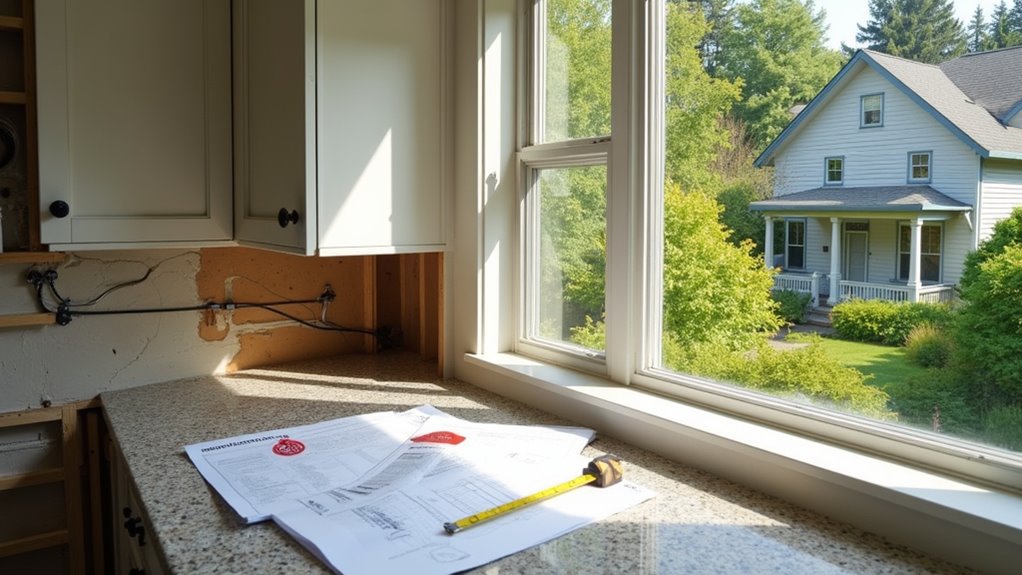
Unpermitted work in Oregon means any changes to a home made without the needed permits from local authorities. This includes construction, updates, or repairs that should have been approved but were not. Even old work counts as unpermitted if it did not follow the rules at the time.
Permits are usually required for things like structural changes, electrical updates, plumbing, or mechanical work. If any of these changes were made without permission, the work is considered unpermitted. Homeowners must disclose unpermitted work, even if it was done by a previous owner. Taking steps to address or disclose property condition issues can help avoid legal complications and improve your chances of a successful sale.
You can check for unpermitted work by comparing your home’s features to its official permit history. If you find differences, these may be unpermitted changes. Knowing this helps you prepare for any problems during a sale. It’s also important to understand that Oregon real estate laws may require you to address or disclose code violations, which can affect your selling strategy and negotiations.
Common Types of Unpermitted Work Homeowners Encounter
When selling your Oregon home, you’ll often encounter unpermitted work like basement or attic conversions, additions built without permits, and unauthorized electrical or plumbing updates. These changes can raise red flags for buyers and inspectors, potentially delaying your sale. To address these issues, you need to identify exactly what’s unpermitted and consider your options for disclosure or remediation.
It’s also important to understand how outdated mortgages may impact your financial options and selling strategy when dealing with homes that have unpermitted work. Being aware of Oregon’s real estate laws will help you navigate seller responsibilities and disclosure requirements when listing a home with unpermitted modifications.
Basement and Attic Conversions
Converting a basement or attic can add more living space to your Oregon home. Many homeowners do these projects without getting the required permits. This can cause problems when you want to sell your home.
Buyers or their lenders may not accept the extra space if it is not legal. You might face fines or have to fix the work to meet code. Unpermitted spaces can delay or stop the sale of your home.
If you want to solve this issue, collect all records about the renovation. Plans, receipts, or contractor details can help. Check with your local building department to see if you can get a permit after the work is done.
If you address these issues early, your sale process can go smoother. Being open about the work shows you are honest. This can make buyers feel more comfortable.
Additions Without Permits
Additions without permits can cause problems when selling your Oregon home. Appraisers and buyers will notice if you added rooms, decks, or garages without permits. Unpermitted work may not meet safety codes and can lower your home’s value.
Homeowners often skip permits to save time or money. If you did this, gather all documents about the addition, like plans or contractor invoices. Honest communication with buyers is important.
You should consider getting the work permitted after the fact if possible. If not, adjust your sale terms to reflect the unpermitted addition. Taking these steps can help you avoid legal issues and build trust with buyers.
Electrical and Plumbing Updates
Many Oregon homeowners do not get permits for electrical or plumbing updates. They want to avoid delays, extra costs, or higher taxes. Unpermitted work can create problems when selling your home.
Appraisers may notice unpermitted wiring or pipes during a home appraisal. If this happens, your home’s value can decrease or a buyer’s loan may fall through. County officials may also raise your property taxes if they discover these updates.
You should gather all records, such as receipts and contractor details. If possible, apply for a retroactive permit so the work can be inspected for safety. If permits are not an option, clearly disclose all updates to buyers.
Honest disclosure can build trust with buyers and protect you from legal issues. Transparency also helps the home sale go more smoothly. Proper documentation and openness lead to a fair and accurate appraisal.
Legal Requirements for Disclosing Unpermitted Work
Oregon law requires sellers to tell buyers about any unpermitted work done on the house. You must share this information if you know about changes or additions without proper permits. Telling the truth helps you avoid legal trouble later. This rule applies to all work, whether you did it yourself or hired someone. If you are not sure if work was permitted, you should check with your local building department.
Buyers need these facts to make informed decisions. Failing to disclose unpermitted work can be as impactful as not reporting pest damage when selling a home, as both can significantly affect property value and buyer trust. You must use the Oregon Property Disclosure Statement to list any unpermitted work. Always check local rules to make sure you follow them. Listing the details protects both you and the buyer.
When selling a house with unpermitted work, obtaining a professional property appraisal can help determine a fair market value and strengthen your disclosure to potential buyers.
How Unpermitted Work Impacts Home Value
Unpermitted work can lower your home’s value in Oregon. If renovations lack permits, buyers may see your house as risky. Appraisers often ignore unpermitted upgrades, so you may not get credit for them. In some cases, Oregon law requires disclosure of unpermitted work and any liens to potential buyers, which can further complicate the sale process.
Buyers might offer less if they need to fix or permit the work themselves. They could also ask you to make repairs before selling. If you skip permits, fewer buyers may be interested in your home.
If you want to protect your home’s value, always get the right permits. Even for small projects, permit compliance is important. This helps you avoid problems when you decide to sell. Addressing issues like title defects and unpermitted work early can help prevent delays and maintain buyer confidence.
Risks of Selling a Home With Unpermitted Work
When you sell a home with unpermitted work in Oregon, you face serious risks like legal penalties, reduced property value, and delays at closing. Buyers, lenders, and inspectors will scrutinize any unpermitted modifications, often leading to costly complications. By understanding these issues upfront, you can take steps to minimize setbacks and protect your interests.
Additionally, just as with transparent disclosure of mold and water damage required by law, being upfront about unpermitted work is essential to building buyer trust and avoiding legal complications. In some cases, professional assessment can help you determine the extent of the problem and guide your decision on whether to address the work or disclose it as-is to potential buyers.
Legal Consequences and Fines
Selling a house in Oregon with unpermitted work can lead to legal trouble and fines. Local authorities may issue penalties if they find code violations. Homeowner associations might also fine you or require expensive repairs.
If you do not fix these issues, your sale could be delayed or canceled. Oregon law says you must tell buyers about unpermitted work. Failing to do so can lead to lawsuits or forced repairs.
You could face municipal fines for zoning problems or HOA penalties for rule violations. Buyers may take legal action if you hide unpermitted work. If you want to avoid these risks, talk to a real estate lawyer or your local building department before selling.
Impact on Property Value
Unpermitted work can lower your property value. Buyers may see these homes as risky and offer less money. Appraisers might not count unpermitted areas in the home’s value.
If renovations do not follow building codes, buyers may worry about hidden problems. They might also fear future repairs or government orders to remove the work. These worries can make it hard to get your asking price.
If you want to protect your property’s value, consider telling buyers about any unpermitted work. You could also work with local authorities to get retroactive permits. This helps show your home meets Oregon’s building codes and eases buyer concerns.
Complications During Closing
Unpermitted work can cause problems during the closing process. Buyers or lenders may discover missing permits and become concerned. This can delay or even stop the sale.
Title companies may notice zoning issues and raise concerns. These problems might force extra reviews or halt the transaction. Appraisers might also lower the property value or require repairs before closing.
If you have unpermitted work, gather all records about the improvements. Check with your local building department about retroactive permits. Full honesty with buyers and fixing compliance issues early can help prevent last-minute problems.
How to Identify Unpermitted Work in Your Property
To spot unpermitted work in your property, first check for building permits on any past renovations or repairs. Compare these documents to your city’s building rules and zoning laws. If records are missing or upgrades do not meet local codes, the work may be unpermitted.
Homeowners should also review their HOA rules for any unapproved changes. Unauthorised projects, like garage conversions or exterior changes, often break both HOA and city codes. If you see differences, you may need to investigate further.
Look around your home for signs of poor workmanship, such as rough drywall, odd wiring, or strange plumbing. If you notice these, consider calling a licensed inspector. City or county offices can also provide permit records if you need confirmation. You should also be aware that neighborhood quality can significantly impact buyer interest and market value, so ensuring your property is up to code is especially important.
Careful checking now can prevent issues if you sell your property later. If you find unpermitted work, you may need to fix or legalize it before selling. This process protects both you and future buyers. Sellers should also be aware that unpermitted work can affect a property’s eligibility for certain types of mortgages or refinancing options.
Oregon Property Disclosure Laws Explained

When you sell a house in Oregon, state law requires you to disclose any known issues, including unpermitted work, to potential buyers. Failing to provide accurate disclosures can lead to legal and financial consequences after the sale. Understanding these requirements helps you protect yourself and ensure a more effective transaction.
Sellers should also be aware that state-specific inheritance tax rules can affect the financial outcome of selling a property, especially if the house is held in a trust. Sellers who need to move quickly or are dealing with homes in any condition can also consider cash buyers who specialize in Oregon real estate.
Required Seller Disclosures
Oregon law requires home sellers to disclose important facts about their property. You must provide buyers with a property disclosure statement. This statement includes any known issues that could affect the home’s value.
Unpermitted work must be disclosed, even if it seems minor. If you did any renovations without the proper permits, you need to mention them. This rule also applies if the work was done before you owned the home.
Sellers cannot hide or skip over unpermitted changes. Full transparency protects you from legal problems later. Honest disclosure also helps buyers make informed choices.
Consequences of Non-Disclosure
If you do not disclose unpermitted work when selling a house in Oregon, you could face serious problems. Oregon law requires sellers to share information about unpermitted renovations. Buyers may take legal action if they find out after the sale.
They could ask for money, cancel the sale, or require you to pay for repairs. Non-disclosure could also lead to fraud or misrepresentation charges. Insurance companies might refuse to cover damages from unpermitted work.
Sellers should keep records of all renovations and check if permits were needed. Full disclosure helps you avoid lawsuits and builds trust with buyers. If you are unsure, consider talking to a real estate professional.
Options for Addressing Unpermitted Work Before Listing
If your Oregon home has unpermitted work, you should address it before listing. Doing so can help you avoid legal issues and buyer concerns. Checking for needed permits is a key first step.
Homeowners should contact the local building department to see if retroactive permits or inspections are required. A licensed contractor can inspect the work and suggest needed repairs.
If corrections are needed, the contractor can estimate the cost. Check with your building department about retroactive permits and have a licensed contractor inspect and recommend any needed repairs.
You should collect any paperwork or records about the renovation. This information helps buyers and officials understand the changes made. If you lack documents, make a note for future reference.
Sellers must disclose any unpermitted work to buyers. This honesty protects you from legal trouble later. If you are upfront, buyers can make informed decisions.
Addressing unpermitted work also means understanding Oregon real estate laws to ensure compliance and avoid complications during the sale.
Weighing the Pros and Cons of Retrofitting or Permitting
When deciding to retrofit or permit unpermitted work in your Oregon home, you need to consider both options carefully. Permitting makes your home legal and can attract more buyers. It may also raise your home’s market value.
The permit process takes time, costs money, and could uncover more code problems. If that happens, you might have to fix extra issues. Permits also offer peace of mind for both you and future owners.
Retrofitting helps with safety and can bring work up to current codes. This process may be costly and could disturb your daily life. Inspectors might not approve all changes if you later seek permits.
You should look at the amount of unpermitted work, your budget, and your timeline. If your goal is to sell soon, legal compliance is important. Think about what works best for your needs and obligations.
Strategies for Selling a Home As-Is
When selling your Oregon home as-is with unpermitted work, you’ll need to highlight its promise and unique features to attract the right buyers. Focus your marketing on investors or cash buyers who understand the value and are comfortable with as-is sales. Set a realistic price that reflects the home’s condition and legal status to increase your chances of a successful, hassle-free transaction.
Highlighting Property’s Potential
A property with unpermitted work can still appeal to many buyers. Unique features and future possibilities often matter more than permits. Buyers may be drawn to spaces with potential for upgrades.
Homes with flexible layouts offer choices for a home office or a gym. Renovated kitchens or bathrooms can still improve daily living. Buyers could see these updates as valuable, even if not fully permitted.
A large lot or extra rooms provide room for future changes. These spaces can be used for new projects with permits. Buyers might be interested in making improvements themselves.
If past work was not permitted, buyers can choose to legalize it. They could follow proper steps to make changes official. This approach turns a challenge into an opportunity.
Targeting Investor Buyers
Investor buyers are a good option when selling a house with unpermitted work in Oregon. These buyers often accept properties that need repairs or updates. They are less concerned about code violations than regular homebuyers.
Investors usually have the money and experience to fix unpermitted work. Many see these homes as opportunities to increase value. They are also familiar with local building codes and renovation processes.
Marketing your house as a value-add project can attract investor buyers. If you explain the renovation potential, investors may overlook the risks. This approach can lead to a quicker and easier sale.
Setting Realistic Pricing
Setting a realistic price is important when selling a house with unpermitted work in Oregon. Unpermitted renovations can lower your home’s value. A fair price will attract buyers willing to accept these issues.
A professional appraisal can show your home’s true value. Buyers may lower offers to cover the cost of permits or repairs. If you want to sell quickly, you may need to price below similar homes with no issues.
Look at recent sales of homes with unpermitted work in your area. Real estate agents can give helpful advice on setting your price. If buyers need to fix or permit the work, include that cost in your price decision.
You may get more interest from cash buyers or investors. Proper pricing helps your property stand out, even if it has challenges. If you set the price too high, your home may not sell.
Negotiating With Buyers Over Unpermitted Work
Unpermitted work can worry buyers and slow down negotiations. Sellers should share details about any unpermitted work before the home inspection. Early disclosure helps buyers understand the situation and set expectations.
Buyers may ask for repairs, lower prices, or permits. Sellers should be ready to explain what was done and show proof like receipts or photos. Clear information helps buyers feel reassured about the quality and safety of the work.
If the appraisal process finds issues, the home’s value may drop. Sellers can offer escrow funds or credits to cover future permits. Staying open and flexible can help both sides reach an agreement.
Providing all details and documents builds trust. If sellers are honest and solution-focused, buyers are more likely to continue with the sale.
How Lenders View Unpermitted Work in Oregon

Lenders in Oregon are cautious about homes with unpermitted work. They want to confirm the house follows local building codes. If the home has unpermitted work, lenders might be concerned about safety and legal issues.
Lenders often ask for proof that the work is legal or fixed. They may require an inspection to check if the changes are safe. If permits are missing, lenders could delay or even deny the loan.
Sellers must tell buyers about any work done without permits. If you handle unpermitted work before selling, the process can go faster. Addressing these issues early may help you avoid loan problems.
Working With Real Estate Agents Experienced in Unpermitted Properties
Working with a real estate agent who knows about unpermitted properties makes the process easier. Such an agent understands the unique challenges these homes bring. If you choose someone with this experience, you increase your chance of a smooth sale.
The right agent will know how to market your home, even if it has unpermitted work. Agents can use home staging and highlight neighborhood features to attract buyers. They also know how to set fair expectations for everyone involved.
Disclosure expertise helps reduce legal risks by following the rules. Marketing strategies show off your home’s best features and reach serious buyers. If the agent offers home staging tips, this can help buyers see past unpermitted issues.
Knowledge of local amenities adds value to your listing. Good negotiation skills allow the agent to answer tough questions and secure better deals. If you work with an experienced agent, you are less likely to face surprises.
Tips for a Smooth Transaction Despite Unpermitted Work
Unpermitted work can cause problems during a home sale. Sellers should be honest about any work that lacks permits. Buyers may walk away if they find unpermitted changes.
If you disclose unpermitted work early, you build trust with buyers. Some buyers may accept the risk if they love the property. You might need to lower the price to attract interest.
Sellers should consider getting permits after the fact, if possible. This step can help avoid delays and renegotiations. If permits are not possible, have documents ready to show the work was done safely.
Real estate agents can guide you through the process. They often know how to handle these situations. Being prepared and open can make the transaction smoother for everyone.
Conclusion
If you want to sell a house with unpermitted work in Oregon, you must be honest and careful. If you disclose all details and seek expert help, you can avoid legal issues. If you follow the right steps, you can still find interested buyers.
If you do not want the hassle of retroactive permits or repairs, you can consider selling for cash. OR Home Buyers buys houses in any condition, including those with unpermitted work. If you want a simple sale, this can be a good option.
If you are ready to sell your Oregon home quickly and easily, contact us today. We buy houses for cash and handle the details for you. OR Home Buyers can help you move forward with confidence.




Hi, I’m Bob Bash, founder of OR Home Buyers, serving the Oregon community since 2017. We provide full-service real estate solutions, specializing in cash purchases for both residential and commercial properties. I started this business to help our community navigate difficult real estate situations with professionalism, ethics, and compassion.
My goal is simple: to make every client feel relieved and happy when their real estate challenges are resolved. Helping people find solutions and peace of mind is what drives me every day.