
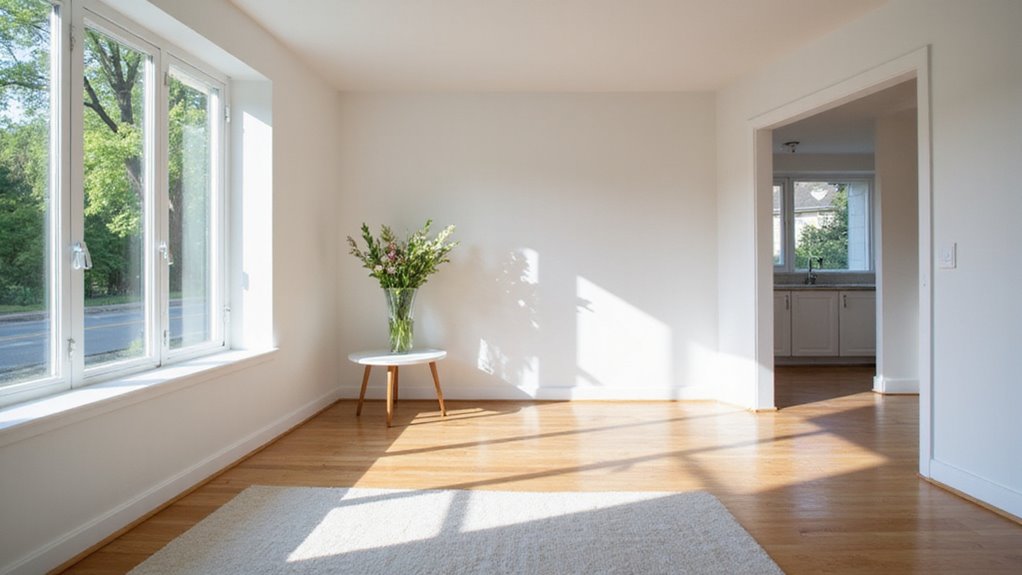
Selling a vacant house without making repairs can be tough. Buyers worry about hidden problems or extra costs. Many sellers feel stuck between fixing up or taking a loss.
Leaving a home empty invites more questions and lowers buyer trust. Buyers may fear big repairs or lost time. The longer a house sits, the harder it becomes to sell.
But you can sell your vacant house as-is and still get a fair deal. With the right plan, you can attract cash buyers and investors who want simple, quick sales. This approach saves you time and avoids costly repairs. This blog will guide you through each step to sell your vacant house without repairs.
Key Takeaways
- Disclose all known defects and maintenance issues clearly to comply with legal requirements and build buyer trust.
- Set a competitive price, typically 15–30% below renovated homes, based on current condition and recent local sales.
- Market the property “as-is” to attract cash buyers, investors, and flippers seeking quick and hassle-free transactions.
- Use quality photos, virtual tours, and virtual staging to highlight the home’s potential and boost online appeal.
- List on major platforms like Zillow and MLS, and leverage investor networks for faster, no-repair offers.
Assessing the Condition of Your Vacant Property
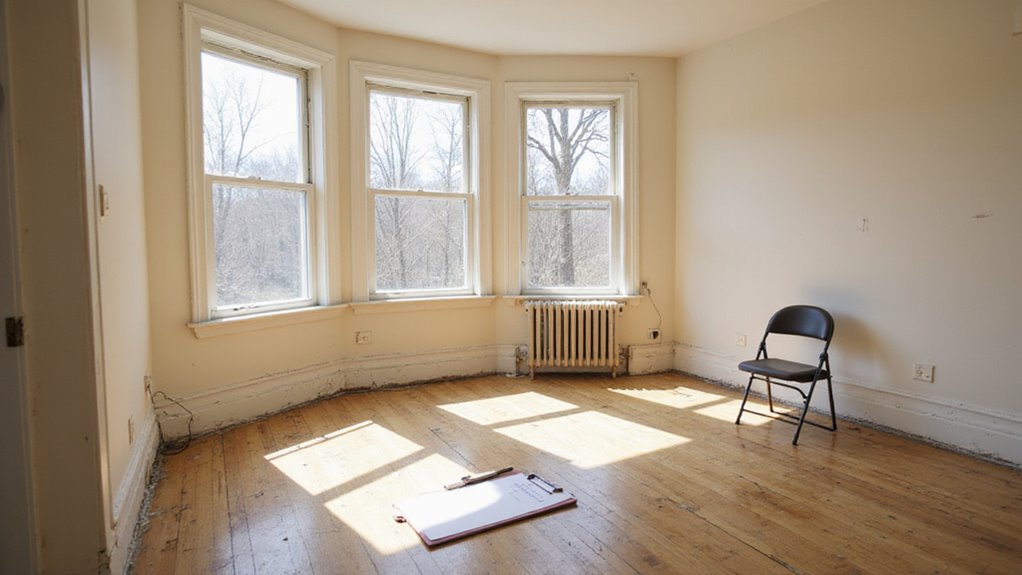
Assessing the condition of your vacant property is important before listing it for sale. An assessment helps you find any repairs or issues. This process lets you know what needs fixing to attract buyers. A home inspection can reveal hidden problems like leaks, faulty wiring, or cracks in the foundation.
An appraisal will show your property’s current value and condition. If you document everything with photos and notes, you will have useful records for buyers. Inspection and appraisal reports help you predict buyer concerns and plan your selling strategy. If you address issues early, you can avoid surprises during negotiations. Proper assessment builds trust with buyers and makes your property more competitive.
Understanding your current home equity can also help you determine your financial flexibility and potential selling options. If your home has an assumable mortgage, be sure to include this information in your documentation, as it can be a significant selling point for buyers looking for favorable loan terms.
Determining Your Home’s Market Value
To find out your home’s market value, compare it with similar homes recently sold in your area. Use current data and trends to set a fair price. Accurate pricing helps attract buyers. You should analyze homes sold within the last six months nearby. If your home lacks staging or curb appeal, adjust your price lower. These factors can change buyers’ impressions.
In Oregon, it’s also important to consider if there are any existing liens on your property, as they can affect your home’s value and complicate the sale process. Consider talking to a real estate agent for a professional opinion. Online tools can also give you extra price estimates.
If similar vacant homes stayed long on the market, you may need to price competitively. If the home is held in a trust, you should also be aware of state-specific inheritance tax rules that could affect your net proceeds and pricing strategy.
Disclosing Property Issues Honestly

You must comply with legal disclosure requirements by documenting any known defects, from foundation cracks to outdated electrical systems. Industry data shows that transparent sellers reduce liability and build trust with buyers, who are increasingly risk-aware.
Addressing these issues upfront streamlines negotiations and minimizes post-sale disputes. In Oregon, providing thorough property disclosures is not only a legal obligation but also an effective strategy to protect yourself from future legal disputes and create a smoother transaction process.
Buyers are especially attentive to mold and water damage due to health and financial concerns, so clear documentation and proactive communication can significantly improve your chances of a successful sale.
Legal Disclosure Requirements
Full disclosure is important when selling a vacant house because it is required by law. Sellers must inform buyers about any known problems with the property. If you do not disclose issues, you could face lawsuits or lose the sale.
Each state and city has its own rules about what must be shared. Sellers should use standard forms to provide this information. If you follow these steps, you can avoid legal trouble.
Disclosing all property issues can also help build trust with buyers. Buyers who trust you are more likely to complete the purchase. Full transparency reduces the risk of problems after the sale.
If you do not meet disclosure rules, you could be held responsible for defects later. Many real estate disputes are caused by missing or incomplete information. Using the correct forms helps protect both you and the buyer.
Common Property Defects
Common property defects are issues that lower a home’s value or appeal. These include structural problems, old systems, and water damage. Sellers should find and report these problems before listing the house.
Deferred maintenance, like peeling paint or cracked windows, can make the house less attractive. If ignored, these small defects may signal bigger problems to buyers. Landscaping issues such as overgrown yards also reduce curb appeal.
The National Association of Realtors reports that visible defects discourage 63% of buyers. If a seller documents all known issues, buyers are more likely to trust them. Clear records of both cosmetic and safety defects can help make negotiations smoother.
Buyer Risk Awareness
Sellers can gain buyer trust by being open about all known problems with the property. Honest disclosure reduces negotiation problems and helps deals move faster. If sellers hide issues, buyers may walk away or ask for lower prices.
Sellers should list any visible or known structural problems. They must mention outdated décor, old finishes, or poor landscaping. Providing inspection reports and maintenance records adds more trust.
Written disclosures for every known issue are important. This approach lowers the chance of surprises for buyers. If buyers feel informed, they are more likely to complete the purchase quickly.
Understanding Your Target Buyers

You need to pinpoint whether your vacant property appeals most to investors seeking quick transactions, house flippers focused on ROI, or landlords targeting rental income. Each buyer profile operates on distinct metrics, from days-on-market to projected cap rates. Understanding these priorities lets you tailor your marketing strategy for maximum engagement and faster offers.
Many buyers in Cottage Grove are drawn to as-is cash sales, which eliminate the need for repairs and can deliver a fast, hassle-free transaction. In Oregon, market conditions such as recent increases in sales volume and median home price can significantly affect which buyer segment is most active and what types of offers you’re likely to receive.
Investors Seeking Quick Deals
Investors buy vacant homes quickly because it saves them time and increases profit. These buyers prefer homes without tenants because it allows faster deals. Speed is important for investors who want quick returns.
Vacant homes often sell below market value, making them attractive to investors looking for bargains. If the property needs little negotiation, investors can close faster. Less competition exists for these homes compared to move-in-ready properties.
Investors like the flexibility to renovate vacant homes as they wish. They are less interested in things like garden design or outdoor lighting at first. If you sell your home “as-is,” you can attract these buyers and avoid dealing with repairs.
House Flippers’ Preferences
House flippers look for homes where they can add value through repairs and updates. They focus on after-repair value, renovation costs, and profit. If a property is easy to renovate, it will draw more interest from flippers.
Open layouts and minimal structural issues make renovations faster. Curb appeal also matters, so quick landscaping ideas are attractive. If you highlight these features, flippers may offer more.
Home staging can help flippers see the property’s potential. Virtual staging or renderings work if actual repairs aren’t made. If you stage the home, it may sell faster and for a better price.
Landlords Looking for Rentals
Landlords are attracted to vacant properties because these offer steady rental income and fewer upfront problems. If you want landlords interested, show how your property makes renting and managing easier. Vacant homes allow landlords to start fresh with their own systems and rules.
A vacant property can be marketed and leased right away. Landlords do not need to spend money or time moving out existing tenants. They can also avoid delays caused by ongoing leases.
If a landlord prefers a certain method of management, a vacant property gives them a chance to set it up immediately. Meeting safety codes and inspection rules is also simpler without tenants inside. Landlords can pick tenants and create lease terms that fit their needs.
If the property needs little repair, it becomes even more attractive. Investors often look for easy cash flow and fast tenant turnover. Highlighting these points can help your property stand out to landlords.
Working With Real Estate Investors

Working with real estate investors can help you sell a vacant house quickly. Investors often buy homes as-is, so repairs are not required. You can avoid long waits and extra costs.
Investors usually do not mind outdated decor or messy yards. They focus on the property’s potential and what it could be worth after repairs. If you want a fast sale, investors are a good option. In Springfield and nearby cities, local market expertise helps investors assess fair market value and close deals swiftly.
Almost 25% of vacant homes are sold to investors. Many of them pay cash, which can make the process simple and fast. Cash deals often close quickly and have fewer risks.
If you know what investors want, you can negotiate better. Local market trends and investor needs are important to understand. If you are prepared, you can close your sale smoothly and efficiently.
Working with investors lets you avoid agent fees and commissions, making the entire process more affordable and stress-free.
Pricing Strategies for As-Is Sales
Pricing as-is homes means setting a fair price based on current condition. Buyers will expect to make repairs, so a lower price is needed. As-is homes often sell for 15–30% less than updated homes.
You should look at recent as-is home sales within one mile. If repair costs are high, subtract them from your price. Landscaping and old decor also lower the value. In Oregon, overpricing remains one of the main reasons as-is homes linger on the market, so realistic pricing is especially important.
Average days on market in your area can affect your price. Real estate agents can give a broker price opinion if you are unsure. If buyers give feedback, adjust your price as needed.
In Oregon, if you are selling a deceased parent’s house without probate, make sure to check if the estate qualifies for the small estate exemption, which can affect the selling process and legal requirements.
Highlighting Your Home’s Potential
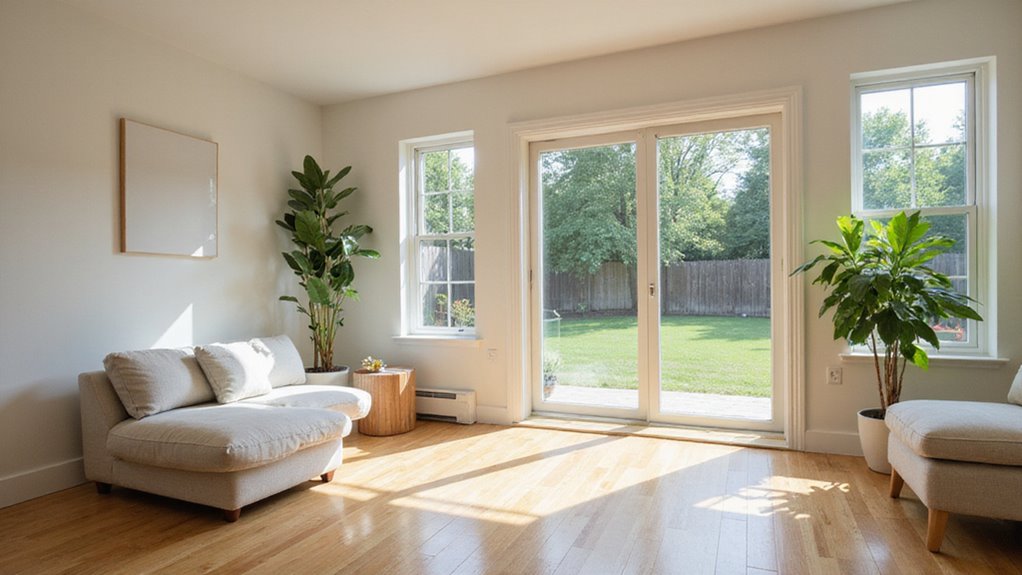
Your home’s potential can attract buyers, even if it is vacant. Buyers want to imagine living there and making it their own. Simple steps can help them see what is possible. Let buyers picture themselves at home by showcasing your property’s potential, even if it’s empty.
Curb appeal is important for a strong first impression. Keep the yard tidy and the entrance clear and inviting. If the outside looks good, buyers are more likely to look inside. In Oregon, working with a local real estate expert can help you tailor curb appeal improvements to stand out in your specific neighborhood.
Photos should show the home’s best features in good light. If you stage rooms, buyers may notice how spaces can be used. Data shows staged homes often sell faster and for more money.
If the house is empty, highlight special details like large windows or unique layouts. A clean, open space lets buyers picture their own furniture. Good staging helps buyers see the home’s value. Sellers in Oregon should also be aware of common foundation problems, as highlighting any repairs or disclosures up front can help build buyer trust and ease concerns.
Staging Tips for Vacant Properties
You need to strategically highlight your property’s key selling features to drive buyer interest and increase perceived value. Utilize industry-leading virtual staging tools, which can boost online engagement by up to 60% according to recent market studies.
By showcasing functional layouts and desirable amenities, you’ll position your vacant house for a faster, higher-priced sale. Sellers in Harrisburg can further benefit from as-is cash sales that require no repairs or preparation, streamlining the process and appealing to a wider range of motivated buyers.
Highlight Key Selling Features
Vacant houses need to stand out to attract buyers. Key features like natural light, curb appeal, and smart storage can set your home apart. Buyers notice these details quickly, often within seconds of arrival.
Large windows and open blinds let in more sunlight. High-wattage bulbs make rooms look brighter and more welcoming. If a room feels dark, add a lamp near the entrance.
Open floor plans look best with clear pathways. You can use rugs or furniture to show how each space functions. Well-defined areas help buyers imagine their own furniture in the home.
Accent paint or wall art draws attention to unique features. Architectural details like arches or built-in shelves should be easy to see. Bright colors or tasteful art can highlight these strengths.
Curb appeal starts with a tidy yard. Fresh mulch, trimmed bushes, and colorful flowers create a strong first impression. If landscaping looks neat, buyers feel the home is well cared for.
Spacious closets and built-in shelves attract buyers who need storage. Clean and organized spaces let buyers picture their own belongings. If storage is limited, consider adding simple shelving.
Utilize Virtual Staging Tools
Virtual staging tools help make empty homes look more appealing online. These tools add digital furniture and decorations to rooms. Buyers can better imagine living in the home.
If you want more people to notice your listing, consider virtual staging. Studies say most buyers find it easier to picture themselves in a staged home. High-quality images or virtual tours can attract more interest and serious buyers.
Virtual staging costs less than traditional staging. You can show different styles or uses for each room. This can help your property stand out and may lead to a faster sale.
Professional Photography and Virtual Tours
Professional photography and virtual tours are essential for selling a vacant house. Most buyers start their search online, so good photos matter. Quality images and tours help buyers imagine living in the space.
A skilled photographer can use natural light to make rooms look bigger and brighter. If you use wide-angle shots, every room appears more open. Drone photos can show off the yard and lot size.
3D virtual tours let buyers explore the home from anywhere. Clean and tidy spaces look best in photos and tours. If you add landscaping, the home will have more curb appeal even without interior furniture.
Choosing the Right Marketing Channels
Buyers use many websites and social media to search for homes. You should pick marketing channels that reach the most buyers. Real estate websites like Zillow and Realtor.com draw over 60% of buyer leads.
If you use the MLS, your home will appear on many sites at once. Syndication can help attract investors who look for deals. Social media ads on Facebook and Instagram can reach more people, especially for “as-is” homes.
You should mention features like cleared taxes or fixed title issues in your listing. These details make buyers more confident in your property. If you watch the data, you can change your strategy to get more attention.
Local investor networks and email blasts are also important. Cash buyers often check these channels for vacant homes. If you use the right channels, you will get faster and better offers.
Screening Offers From Cash Buyers
When you receive cash offers, prioritize evaluating buyer credibility by verifying proof of funds and reviewing transaction history. Scrutinize offer contingencies, as fewer contingencies typically signal a stronger, faster close. Industry data shows that thorough vetting reduces fallout rates and protects your bottom line.
Evaluating Buyer Credibility
Evaluating buyer credibility is important when you receive a cash offer. You must check if the buyer truly has the money. If you skip this step, the deal could fail later.
Ask buyers to show recent bank statements as proof of funds. Look up their reputation using online reviews or public records. You should also see if they have closed similar property sales before.
If possible, request references from agents or past sellers. Direct and clear communication during talks helps spot any issues. Only trust a buyer if all checks are clear and honest.
Assessing Offer Contingencies
A cash offer is straightforward if it has few or no contingencies. Contingencies are conditions that must be met before the sale closes. Fewer contingencies mean a faster and more reliable sale.
Some cash offers may still include inspection or appraisal clauses. These can lead to delays or lower your final amount. If a buyer asks for these, it could show doubt or plans to negotiate.
Sellers should compare all offers by looking at their contingencies. Offers with fewer conditions are usually safer and quicker. If you want a fast sale, choose offers with no or very few contingencies.
Always ask for proof of funds from the buyer. This step confirms that the buyer has enough money to complete the purchase. If the buyer cannot provide proof, the offer may not be trustworthy.
Navigating the Inspection Process
A vacant property inspection can bring unexpected challenges. Issues like leaks, pests, or vandalism often go unnoticed without regular occupancy. These problems may affect both the inspection and appraisal.
If you want a smooth process, take these steps early. Make sure all utilities are working before the inspection. Fix any safety or code problems you see.
It helps to take photos with dates to show the property’s condition. If you know about any issues, share them ahead of time. Early inspections give you time to solve problems or negotiate.
Handling Legal and Financial Paperwork
Handling the paperwork for a vacant house sale needs careful attention because there are often extra legal and financial risks. Vacant homes can have unclear ownership, unpaid taxes, or hidden liens. These issues can slow down or stop the sale.
Sellers should check that the property title is clear and can be legally transferred. Title problems can delay many real estate deals each year. If the title is not clean, buyers may not want to continue.
If property taxes are unpaid, liens may be placed against the house. Sellers must confirm all taxes are paid and up to date. Collecting proof of tax payments can prevent future disputes.
Gather key documents like tax receipts, utility bills, and insurance records. These papers help answer buyer questions quickly. If you organize paperwork before listing, the sale process is usually faster and smoother.
Resolving legal and financial concerns early builds trust with buyers. Buyers are more likely to move forward if all documents are clear. Careful preparation reduces surprises and helps ensure a successful sale.
Closing the Sale Efficiently
An efficient closing process helps you sell your vacant house faster and lowers your costs. Quick closings let you get your profit sooner and reduce risks from the house sitting empty.
If you make the process smooth, you save both time and money. A smooth, efficient closing gets your vacant house sold faster, reduces costs, and puts your profit in your hands sooner.
You should involve escrow agents and title companies early for clear communication. Always check that all closing documents are correct to prevent any delays. If you catch mistakes early, you avoid problems later.
Final inspections matter, so schedule them before closing. Garden care and small touch-ups can improve how buyers see your house. If buyers are happy during the walkthrough, the sale is more likely to close on time.
You must also arrange for utility transfers or shut-offs. Always get written proof of repairs or any credits you’ve agreed to give. Digital signatures and remote closings help finish the sale faster and reduce the need for in-person meetings.
Efficient closings can lower your holding costs by as much as 25%. If you prepare well, you will complete your sale with fewer surprises.
Conclusion
If you want to sell a vacant house without repairs, you have options. Selling “as-is” can attract serious buyers and investors. If you price the property correctly, you can avoid long delays and extra costs.
If you disclose all property details, buyers know what to expect. Many buyers pay cash, which can speed up the process. If you target the right audience, your house could sell quickly.
If you want a fast, hassle-free sale, we can help. We buy houses for cash in any condition. Contact OR Home Buyers today to get started.




Hi, I’m Bob Bash, founder of OR Home Buyers, serving the Oregon community since 2017. We provide full-service real estate solutions, specializing in cash purchases for both residential and commercial properties. I started this business to help our community navigate difficult real estate situations with professionalism, ethics, and compassion.
My goal is simple: to make every client feel relieved and happy when their real estate challenges are resolved. Helping people find solutions and peace of mind is what drives me every day.