
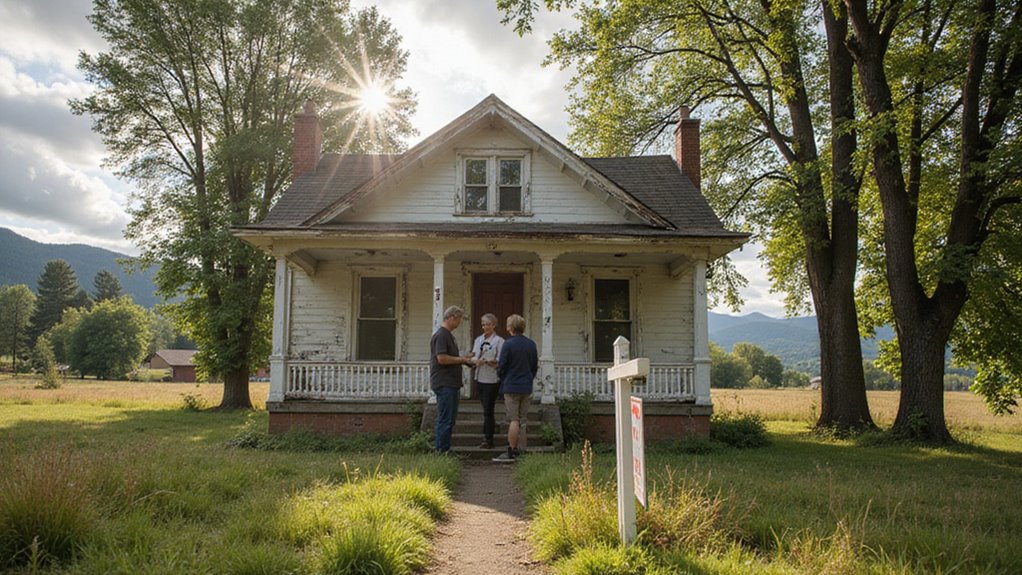
Selling a vacant or abandoned house in Oregon can be tricky. Many owners feel overwhelmed by legal steps, repairs, and market demands. You might wonder where to start or how to avoid costly mistakes.
If you skip important details, your property could sit unsold for months. You could also face legal issues or lose money if you price it wrong.
Buyers may hesitate if the house looks neglected or has unclear ownership. The smartest way to sell a vacant or abandoned house in Oregon is to prepare, price correctly, and follow state rules.
This blog will guide you through each step, making the process less stressful and more profitable. You’ll get clear advice to make selling easier and faster.
Key Takeaways
- Verify legal ownership, resolve unpaid taxes or liens, and complete all required Oregon property disclosures before listing the property for sale.
- Assess the property’s condition, address safety issues, and secure the home to prevent further damage or vandalism.
- Price the property using recent comparable sales, adjusting for repairs needed and current market conditions to attract buyers.
- Decide whether to make repairs or sell as-is, considering your budget, timeline, and the preferences of local buyers.
- Market the property with high-quality photos and clear descriptions, highlighting potential uses and flexible zoning to appeal to more buyers.
Understanding Oregon’s Real Estate Laws for Vacant Properties
Selling a vacant property in Oregon requires extra care because of specific state laws. You must follow rules about property taxes and zoning. If you ignore these rules, your sale could face delays or legal problems. Oregon has different property tax rules for vacant homes.
Make sure all taxes are paid before you list the property. Unpaid taxes can stop or slow down the sale process. Zoning regulations also affect what buyers can do with your property. Always check the zoning classification before selling. If the property does not meet zoning codes, you may have fewer buyers or need to make changes.
If the property belonged to a deceased person, Oregon law may require a small estate affidavit to transfer ownership before a sale can take place. You should also be aware that state-specific inheritance tax rules may affect the sale if the property was inherited, as these rules can impact both the timeline and tax obligations for sellers.
Assessing the Condition of Your Vacant or Abandoned Home
To assess your vacant or abandoned home, first check its overall condition. Look for any damage, safety issues, or signs of neglect. This helps you understand what needs fixing before selling. In Oregon, it’s especially important to be aware of local real estate laws that may affect the sale of vacant or abandoned properties.
Inspect each room for structural problems, water leaks, and broken windows. Electrical hazards should be noted and repaired if found. If you find serious issues, consider calling a professional.
Secure all doors and windows to prevent break-ins or vandalism. Temporary security systems can help if you feel extra protection is needed. Neighbors can watch the property if you ask them.
Take clear photos and write notes about everything you find. Accurate records help you plan repairs and talk to buyers honestly. Detailed information gives you an advantage when preparing your home for sale.
As you assess your home, it’s also important to consider potential selling costs so you can better understand your financial position before listing the property.
Determining Your Selling Options
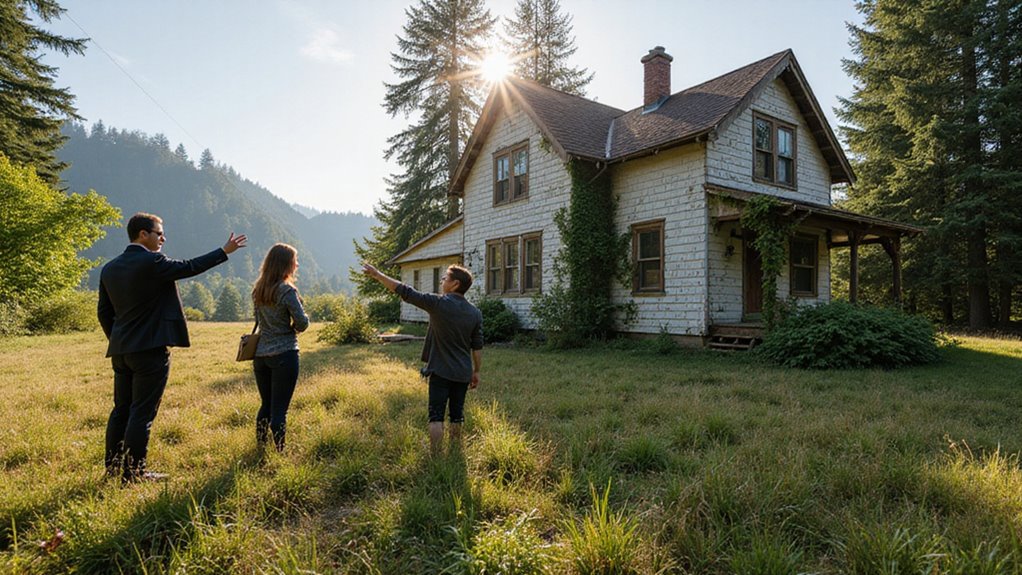
After checking your property’s condition, you need to choose how to sell your vacant or abandoned house in Oregon. You can list with an agent, sell to an investor, or find a cash buyer. Each choice comes with benefits and drawbacks. If you owe taxes or have liens, selling to an investor may help you avoid more penalties.
Zoning rules can limit who will buy your property. Some buyers need the zoning to meet their plans. You should also be aware that code violations in Oregon can impact your ability to sell quickly or for your desired price, so it’s important to address these issues early in the process.
You should think about your main goal before selling. If you want a fast sale, a cash buyer or investor may work best. If you want the most money, a real estate agent could help. Understanding Oregon’s real estate market conditions can also help you select the best selling option for your situation.
Calculating the Value of Your Property
To price your vacant or abandoned house accurately, start by reviewing recent sales of similar properties in your area. Factor in the cost of any repairs your home needs to be market-ready. Stay aware of current market trends in Oregon so you can set a competitive and realistic price.
You should also be aware of existing liens on your property, as these can significantly affect the value and complicate the sale process. Additionally, consider consulting a professional appraiser to ensure your listing reflects Oregon’s real estate regulations and current buyer expectations.
Assessing Comparable Sales Data
You can find a fair price for your vacant or abandoned house by looking at recent sales of similar properties nearby. Buyers often compare vacant land and homes, so check both types. Property taxes may be different, so consider this when setting your price.
Closed sales from the last six months show what buyers have paid for similar homes. If your property is larger or has a better view, adjust your price. Unique features can make your property worth more or less than others.
Active listings and pending sales reveal current market trends. If many similar homes are for sale, you might need a lower price. Fewer listings could let you ask for more.
Use all this information to choose a price that matches the market. A well-priced home attracts more buyers and sells faster. If you set the right price, you will have a better chance of selling quickly.
Considering Repair Costs
Repair costs are important when deciding your home’s real market value. If repairs are needed, these costs will lower the price buyers offer. Professional repair estimates help you know what buyers will consider.
Unpaid property taxes may scare off buyers or reduce your final profit. Zoning rules can limit renovation options and affect the property’s future use. If you check these costs early, you can set a fair price and draw in serious buyers.
Evaluating Market Trends
To price your vacant or abandoned house in Oregon, study the local real estate market. Look at how similar homes have sold in recent months. Focus on current trends rather than old data.
Check historical prices in your neighborhood to set a baseline. Compare recent sales of similar vacant homes, noting differences in price. Factor in lot improvements or repairs.
If buyer demand is high, simple landscaping can help your home stand out. Budget-friendly curb appeal ideas may increase your selling price. Consider these updates if you want to attract more buyers.
Making Repairs or Selling As-Is
When selling a vacant or abandoned house in Oregon, you must decide to repair it or sell as-is. Making repairs can help you sell for more, but it costs money and takes time. Selling as-is is faster and cheaper, but buyers may offer less. If your house looks like a vacant lot or abandoned building, buyers will likely expect a lower price.
Many investors look for as-is properties, while regular buyers often want homes that are ready to live in. Checking what similar homes are doing in your area can help you decide. Make sure you are aware of Oregon’s property disclosure requirements before listing, as these are necessary even when selling as-is.
If other sellers are fixing up their homes, you may need to make repairs to compete. If most are selling as-is, you might not need to fix yours. Think about your budget, your timeline, and what you want from the sale before making your choice.
Before deciding, it’s wise to assess debts and compare your home’s value to what you owe, since this can affect your financial outcome from the sale.
Addressing Security and Maintenance Concerns
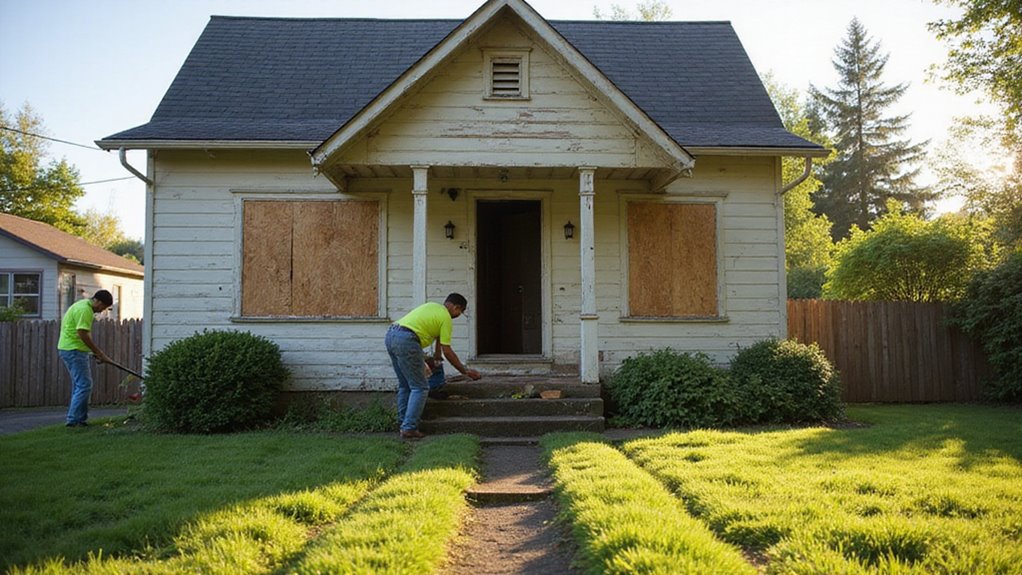
If your house is empty or abandoned, you must handle security and upkeep to protect your property. Unwatched homes in Oregon can attract crime or damage. Maintenance issues can also get worse and cost more if ignored. In addition, pest damage reduces home values in Oregon’s humid climate, so addressing any signs of infestation early is crucial to preserve your property’s worth.
Security systems like cameras and motion lights can help prevent break-ins. Good locks lower the risk of theft and may reduce insurance costs. If you use these tools, you may avoid larger problems later.
Regular inspections help you find leaks, pests, or storm damage early. Early fixes keep repair costs lower and more predictable. If you miss these checks, small issues could become expensive repairs.
A tidy yard and clean exterior can make your house look lived-in. If you mow the lawn and fix visible damage, you deter trespassers. A well-kept appearance can help your property sell faster in the future.
In addition, when selling a vacant or abandoned house in Oregon, it’s important to understand legal steps in selling a house in probate to ensure compliance and prevent delays in the transaction.
Staging and Presenting a Vacant Home
A vacant home in Oregon may not attract buyers easily. Staging and good presentation can help your property stand out. Proper staging lets buyers imagine living in the home. Staging a vacant Oregon home can make it more appealing and help buyers picture themselves living there.
You should improve curb appeal first. Trim the lawn, tidy shrubs, and add fresh mulch if you want a strong first impression. Fresh paint on the front door can also help. In Oregon, focusing on market demand when preparing your home can help ensure it appeals to the most motivated buyers.
Inside, place a few pieces of furniture and simple decor. Bright lighting will make rooms look bigger if you open blinds and use bright bulbs. Clean every area to remove dirt and odors.
If you want buyers to feel welcome, create a warm atmosphere. Always keep the home neat to show it is well cared for. Buyers may be more interested if the house feels inviting.
If your home has any foundation issues, addressing or disclosing them up front can help maintain buyer trust and protect your home’s value.
Disclosing Property Defects and Legal Requirements
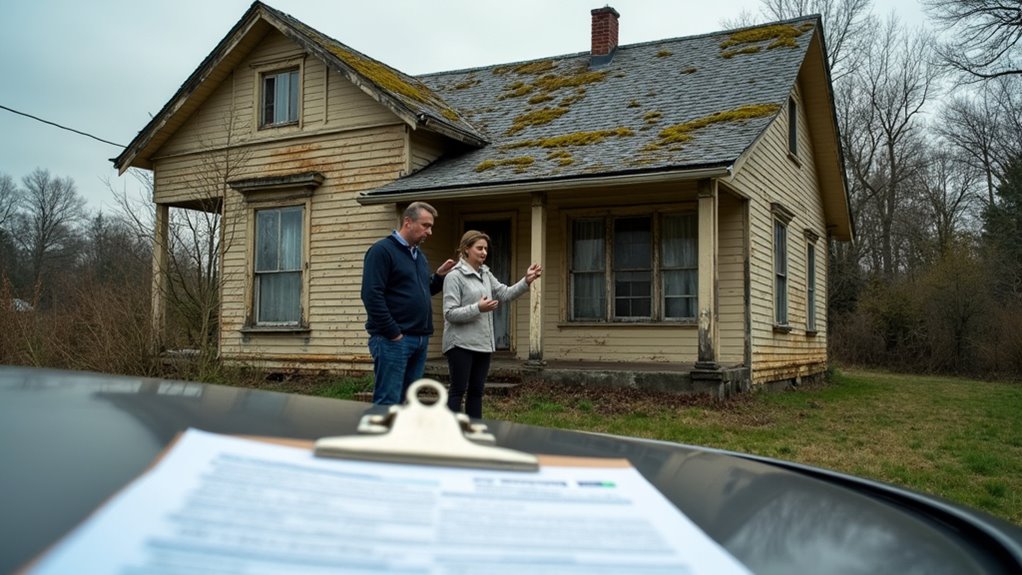
Oregon law requires you to complete mandatory disclosure forms when selling a vacant or abandoned house, so you can’t skip this step. Be prepared to report common defects like water damage, mold, or structural issues honestly.
Accurate disclosures protect you from legal trouble and help buyers make informed decisions. If your home is in foreclosure, remember that meticulous record-keeping and legal advice are crucial for navigating the sale process and meeting all disclosure requirements.
Mandatory Disclosure Forms
You must fill out mandatory disclosure forms when selling a vacant or abandoned house in Oregon. These forms require you to list all known problems or legal issues with the property. Full honesty is the law and helps avoid future disputes.
You need to report any defects in the roof, plumbing, electrical systems, or foundation. If you owe property taxes or have liens, you must disclose them. Any known environmental hazards, such as asbestos or lead paint, should also be included.
If you do not complete these forms accurately, the sale could fall through. Buyers rely on your information to make decisions. Make sure you answer every question truthfully.
Common Defects to Report
You must report any known defects that affect your house’s value or safety. Oregon law requires you to share this information, even if the house is vacant. This helps buyers make informed decisions.
Common defects include roof leaks, cracks in the foundation, and electrical or plumbing issues. Mold is another serious problem to mention. If you know about any, you must disclose them.
Vacant homes often suffer from neglect. Overgrown gardens can hide drainage issues or pest problems. Always mention any damage from poor yard maintenance.
You should report any history of pest infestations, like rodents or termites. Buyers expect honesty about these risks. If you fail to disclose, you may face legal trouble.
Other issues to report are water damage, broken windows, or vandalism. These problems can lower your home’s value. Full disclosure builds trust with buyers.
Working With Real Estate Agents vs. Selling by Owner
Choosing between a real estate agent and selling by owner depends on your needs. An agent handles legal details and complex issues for you. Selling by owner means you manage all steps alone.
Real estate agents know local laws, including rules for historic homes and zoning. They can help you avoid legal problems. Agents also have networks to reach more buyers.
Selling by owner saves you agent fees. If you have time and knowledge, this option gives you more control. If you are unsure about laws or pricing, consider hiring an agent.
Marketing Strategies for Vacant Properties
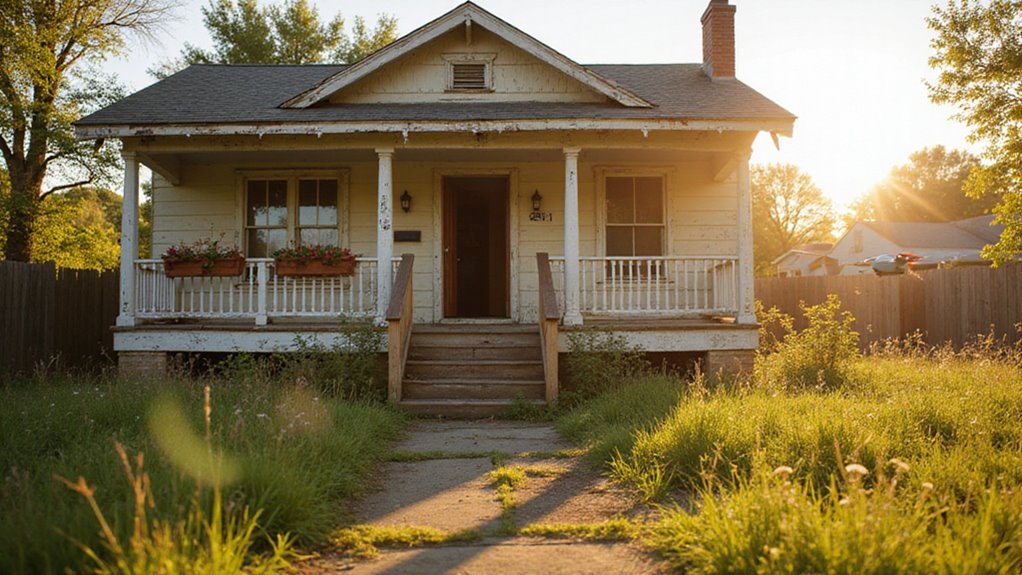
Vacant homes may not feel welcoming, but smart marketing can attract buyers. Highlight the property’s potential use and flexible zoning rules. Mention the current property tax rate if buyers ask.
Smart marketing highlights potential uses and flexible zoning, helping vacant homes attract buyers despite lacking that lived-in feel.
High-quality photos help buyers see possibilities. Virtual tours let remote buyers explore the home. Keep the yard neat to improve curb appeal.
Staging main rooms or using digital renderings can help buyers imagine living there. Provide clear zoning and tax documents to build trust. If you use these strategies, you can get better offers.
Negotiating Offers From Buyers
As offers come in, you’ll want to assess each buyer’s motivation to gauge their seriousness and flexibility. Use strategic counteroffers to protect your interests while keeping negotiations moving forward. Be prepared to address inspection requests, as buyers often use these to renegotiate price or terms on vacant homes.
Evaluating Buyer Motivations
You can spot a serious buyer by watching their behavior and the questions they ask. A motivated buyer gives detailed questions, quick replies, and proof of funds. If they are slow to respond or avoid details, they may not be serious.
Serious buyers often ask about zoning rules, land use, or permits. They may also want to know about utility connections and local taxes. If a buyer only wants basic facts, they may just be browsing.
Real buyers usually show their financing or cash quickly. If you ask, they will provide proof without delay. This shows they are ready to move forward.
Buyers who follow up quickly and schedule visits show true interest. If a buyer delays or avoids visits, they may not be committed. Watch for these signs to judge motivation.
Counteroffer Strategies Explained
Counteroffer strategies help you get the best deal from buyers. You should review every offer carefully before responding. Each step should protect your interests and meet your goals.
If a buyer’s offer is low, send a counteroffer that matches your property’s real value. You can mention unique features, like vacant land or abandoned buildings. These features can support a higher asking price.
Include terms that help you, such as flexible closing dates or selling as-is. If you stay open to negotiation, you may find a better agreement. A strong counteroffer can change a buyer’s mind and lead to a successful sale.
Navigating Inspection Requests
When buyers make offers on vacant or abandoned homes in Oregon, they often ask for inspections. Inspection results can affect the deal, your profit, and legal compliance. You should address these requests carefully to protect your interests.
If inspections find problems, focus on repairs that impact safety or value. Avoid agreeing to fix minor cosmetic issues. Essential repairs help keep your costs controlled.
If major issues are found, you can offer a price reduction or tax credit. This option may save you time and money compared to making repairs. Buyers might accept these concessions if repairs are extensive.
Always check property tax records and any liens before negotiations start. Make sure buyers understand the property boundaries and zoning rules. Clear information prevents misunderstandings and helps the sale go smoothly.
Navigating Inspections and Appraisals
Selling a vacant or abandoned house in Oregon requires careful attention to inspections and appraisals. Inspectors will look for needed repairs, safety issues, and code violations. If you fix obvious problems before inspection, you may avoid negative reports.
Appraisers will set your home’s value based on its condition and recent sales nearby. Estate taxes and zoning rules can affect your price and how easy it is to sell. If you provide clear documents, appraisers can better understand your property.
If you plan ahead and handle inspections and appraisals well, you can improve your chances in Oregon’s real estate market.
Handling Title and Ownership Issues
Before selling a vacant or abandoned house in Oregon, you must resolve all title and ownership issues. Unresolved issues can delay or stop your sale. If you want a smooth process, address these early.
A title search helps find claims, liens, or other problems. Title companies can do this for you. If you find any issues, fix them before listing the house.
Unpaid property taxes can cause legal trouble. You should pay off any overdue taxes before selling. This gives buyers confidence and avoids delays.
If the property has multiple owners or heirs, everyone must agree to the sale. Each person should sign the needed documents. If you skip this, the sale may not go through.
Taking these steps early prevents last-minute surprises. If you are unsure, talk to a real estate professional. This helps ensure a smooth sale.
Closing the Sale of a Vacant or Abandoned House
As you approach closing, make sure you’ve completed all required legal disclosures to avoid future liability. Prepare the property for the final walkthrough, ensuring it meets contract terms and is free of surprises for the buyer. Once satisfied, you’ll transfer ownership according to Oregon’s legal process, wrapping up the sale efficiently.
Required Legal Disclosures
Oregon law requires you to make legal disclosures when selling a vacant or abandoned house. You must tell buyers about any known defects or hazards. This is required to protect everyone from future problems.
Sellers must fill out the Oregon Property Disclosure Statement completely and truthfully. All code violations or unpermitted work must be reported. Documentation of repairs or fixes should be provided if available.
Disclosures can affect your taxes, especially with inherited property. If you manage an estate, consider these rules during estate planning. Honest, complete disclosures help you avoid legal issues and ensure a smoother sale.
Final Walkthrough Preparations
Preparing for the final walkthrough helps ensure a smooth home sale in Oregon. Sellers should make sure the house is clean, safe, and ready to show. If these steps are followed, buyers are more likely to feel confident.
A simple staging can help buyers see the home’s potential. Sellers should use good lighting and add simple decorations. Even a small effort can improve the home’s appearance.
Proper security is important for vacant homes. Temporary alarms and locked doors can prevent theft or damage. Buyers will notice if the house feels secure.
All utilities should be working for the walkthrough. Sellers need to check that water, heat, and lights are on. Testing these systems before showing avoids problems at closing.
Transferring Property Ownership
To transfer property ownership in Oregon, you must follow several legal steps. This process makes sure the buyer becomes the legal owner. If you skip any step, the sale could be delayed or invalid.
If the property came to you by inheritance, make sure the probate process is finished. Probate must be settled before any sale or transfer. This prevents legal issues later.
A clear property title is required before selling. Title companies or lawyers can help check for any liens or claims. Any problems with the title must be fixed first.
You need to prepare and sign a new deed for the buyer. The deed should be notarized for it to be valid. If you use a title company, they will handle this step.
At closing, all documents must be reviewed and signed. Make sure you receive the payment before giving the keys to the buyer. Staying organized will help protect your interests during the transaction.
Conclusion
If you want to sell a vacant or abandoned house in Oregon, you have options. If you handle repairs and paperwork, you can attract buyers. If you follow Oregon’s selling laws, you can avoid common legal issues.
If you hope to sell quickly, a cash sale may be your best choice. We buy houses for cash, and we handle homes in any condition. If you need to move fast, we can help make that happen.
If you want a simple and stress-free sale, reach out to OR Home Buyers. We can guide you through every step. Contact us today to get a fair, no-obligation cash offer for your property.




Hi, I’m Bob Bash, founder of OR Home Buyers, serving the Oregon community since 2017. We provide full-service real estate solutions, specializing in cash purchases for both residential and commercial properties. I started this business to help our community navigate difficult real estate situations with professionalism, ethics, and compassion.
My goal is simple: to make every client feel relieved and happy when their real estate challenges are resolved. Helping people find solutions and peace of mind is what drives me every day.