
Inheriting a vacant house in Oregon can be overwhelming. Many people are unsure how to sell the property or handle legal steps. The process can seem confusing and stressful if you do not know where to start.
If you wait too long, expenses like taxes and maintenance can add up quickly. The home may also attract vandals or suffer from neglect. These problems can lower the property’s value and cause even more stress.
You can sell an inherited vacant house in Oregon by following simple steps to clear ownership, handle probate, and prepare the home for sale. You do not have to navigate this alone.
There are clear ways to avoid pitfalls and get the best results. This blog will guide you through each step so you can sell your inherited house with confidence and ease.
Key Takeaways
- Confirm legal ownership and complete probate if required to ensure you have the right to sell the inherited property.
- Conduct a title search to identify liens or claims, and gather essential documents like deeds, tax records, and disclosure forms.
- Assess the property’s condition, prioritize urgent repairs, and decide whether to sell as-is or invest in upgrades.
- Consult a real estate agent or attorney for pricing, marketing, and legal compliance, including required Oregon property disclosures.
- List the property using professional photos, evaluate offers carefully, and choose a sale strategy (traditional sale or cash buyer) that fits your timeline.
Understanding Probate Requirements in Oregon
You must check if probate is needed before selling an inherited vacant house in Oregon. Probate is a legal process that confirms a will and allows ownership transfer. Oregon usually requires probate for estates worth more than $275,000.
Some properties may avoid probate if there is a living trust or a transfer-on-death deed. If there is a will, probate verifies it and follows the instructions. Without a will, Oregon law decides how to divide the assets. It’s important to know that Oregon probate law requires a court process for larger estates, but small estate exemptions may apply if the total value is below the legal threshold.
You should review all estate documents to understand your next steps. A probate attorney can help explain your responsibilities. Proper planning can make the sales process easier and help you avoid legal problems. It’s also important to understand capital gains tax implications that may arise when selling an inherited property, as these can affect your overall returns.
Determining Legal Ownership of the Property
To determine who legally owns the property, check the will and probate documents. These records will show who inherits the house. Get certified copies from the probate court for your records. Check the will and probate documents to find out who inherits the property, and get certified copies from the probate court.
A title search is the next step. Contact your county recorder or a title company to perform this search. This will show if there are any liens, claims, or easements on the property. Be aware that in Oregon, probate sales require court approval and must meet specific legal requirements before the property can be sold.
If there are multiple heirs, clarify each person’s share right away. Clear records help avoid delays in selling the house. Accurate documentation protects you from future legal issues.
If you handle ownership details early, you can sell the property faster. Unclear ownership can slow down the process. Proper paperwork ensures a smooth sale. It’s also important to understand state-specific inheritance tax rules that may impact your sale and closing process.
Assessing the Condition of the Vacant House

Start by thoroughly inspecting the house’s structural integrity, as hidden issues can lower your property’s market value by up to 20%. Pinpoint urgent maintenance needs and gather repair estimates to create an accurate budget. This strategic approach lets you address critical problems up front and position your house competitively in Oregon’s real estate market.
In addition, understanding market dynamics such as interest rates and local trends can help you set realistic goals for both repairs and sale price. Consulting with experienced real estate agents familiar with Oregon’s trends can also help you prioritize repairs and improvements that will most effectively boost buyer interest and speed up the selling process.
Inspecting Structural Integrity
Inspecting a vacant house’s structure is essential before selling in Oregon. The home’s value depends on its structural soundness. If you skip inspection, you may face costly surprises later.
Foundation and roof problems are the most expensive. Foundation repairs can cost between $4,500 and $10,000. Roof damage can cause leaks or mold, lowering the property’s value.
A licensed inspector can spot hidden issues, not just visible ones. Cracks, sloping floors, and roof sagging are warning signs. Addressing these problems early can help you sell faster and avoid price drops.
Identifying Maintenance Needs
You must identify important repairs before selling your home. Fixing maintenance issues helps increase your home’s value and attracts buyers. Addressing these needs early prevents problems during the sale.
Focus on urgent tasks like repairing leaks, trimming plants, and servicing the HVAC. If appliances or basic systems do not work, arrange repairs. Buyers may lose interest if they see obvious problems.
Consider consulting a lawyer to ensure you follow Oregon disclosure laws. If you ignore legal requirements, you could face delays or fines. Reviewing these steps can lead to a quicker and smoother sale.
Estimating Repair Costs
To estimate repair costs, first list all needed fixes. Get quotes from licensed contractors for each repair. If possible, compare these quotes to local averages for accuracy.
Kitchen remodels in Oregon usually cost about $27,000. Roof replacements can cost as much as $10,000. You should also include costs for labor, materials, and any required code upgrades.
If repairs involve electrical or plumbing issues, make them a priority. These problems could affect a sale or lead to legal trouble. Buyers may also ask about them during negotiations.
A real estate agent or attorney can help with legal questions. If you have doubts about disclosure laws, consult a professional. Careful cost estimates help you set a budget and protect your property’s value.
Securing and Maintaining the Property
To keep your inherited house in Oregon safe, secure and maintain it as soon as possible. Vacant homes can attract thieves, vandals, or squatters. Unwanted attention can lower your property value and delay your sale.
Install strong locks on all doors and windows. Security systems or motion detectors can help protect the house. If you take these steps, your home will be less likely to have problems. Reviewing Oregon’s real estate market dynamics can also help you understand what buyers expect in terms of security and maintenance.
Regular yard care is important. Mow the lawn, remove trash, and fix small problems right away. A tidy home helps attract buyers and can increase your selling price.
If you cannot visit often, hire a local property manager to check the house. Scheduled visits keep the property in good condition until it is sold. Proper upkeep can help your sale go smoothly.
Additionally, focusing on curb appeal through landscaping, exterior painting, and minor facade improvements can further boost the property’s attractiveness and value to potential buyers.
Handling Property Taxes and Ongoing Expenses
You must keep up with property taxes and other ongoing costs for an inherited vacant house in Oregon. Always pay utilities, insurance, and maintenance fees on time. If you do not, you could face fines, liens, or see the property value drop. A property appraisal will help you estimate actual costs. Vacant homes often need special insurance, so check your current policy. Oregon estate tax applies if the estate is worth more than $1 million.
Track every payment and save all receipts for records or possible tax deductions. If you are unsure, talk to an estate attorney. Staying informed about Oregon’s tight housing supply can help you decide the urgency and pricing strategy for selling your inherited property. You should also be aware that outdated mortgages can affect your equity and selling options if the inherited home comes with an older loan.
The table below lists common costs and tips to manage them:
| Expense Type | Average Monthly Cost | Strategic Tip |
|---|---|---|
| Property Taxes | $200–$400 | Pay quarterly to avoid penalties |
| Utilities | $50–$150 | Suspend non-essential services |
| Insurance | $75–$200 | Secure vacancy-specific coverage |
| Maintenance | $100–$300 | Schedule regular inspections |
| Estate Tax | Varies | Consult an estate attorney |
Deciding Whether to Sell As-Is or Make Repairs
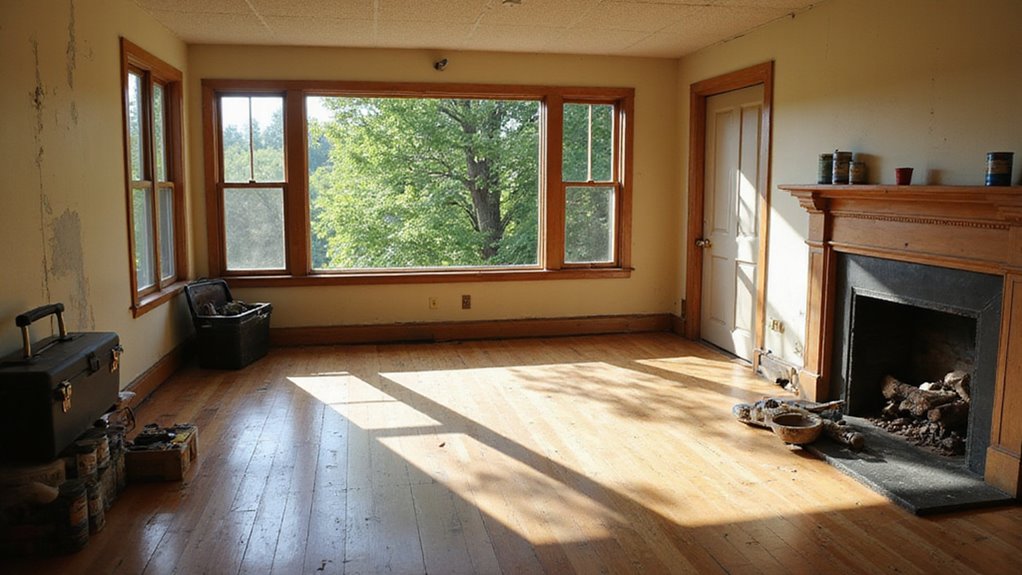
Before you list your inherited vacant house in Oregon, decide if you want to sell as-is or make repairs. Selling as-is is faster and costs less upfront. However, buyers might offer up to 20% less for homes that need work.
If similar homes nearby have new kitchens or nice landscaping, updates can help your house sell faster and for more money. Cost-effective improvements, like painting or yard cleanup, usually increase appeal. Major remodels may not be worth it if the home’s value is limited by its location or size. It’s also important to consider market conditions when deciding what improvements to make, as this can impact your overall return.
You should get estimates from contractors before making repairs. A real estate agent can help you choose the best updates. Always compare the cost of repairs with the likely increase in sale price.
Consider that property disclosure requirements in Oregon mean you must share any known issues or defects with buyers, even if you choose to sell the house as-is.
Gathering Important Documents and Disclosures
You must gather all important documents and disclosures before selling inherited property. Title deeds prove you can legally sell the home. These papers are necessary for a smooth and legal sale. Oregon law requires you to give buyers property disclosures. These forms list known problems or facts about the home’s condition. If you do not disclose, you could face legal trouble or lose the sale.
Collect old utility bills, tax records, warranties, and inspection reports. These documents help buyers trust you and speed up the process. If you organize everything early, you can avoid delays during negotiations. Proper documentation also shows buyers you have addressed buyer concerns about safety and liability, which can be especially important for properties with potential issues. It is also important to check for any existing liens on the property, as these can impact your ability to complete the sale smoothly and must be disclosed to potential buyers.
Setting a Realistic Asking Price

Setting a realistic asking price is important if you want to sell your inherited vacant house. A well-priced home attracts serious buyers and helps you make the most profit. If you price it too high, the house may sit empty; if too low, you risk losing money.
Start by getting a professional market valuation to know your property’s value. Compare recent sales in your area to see what similar homes sold for. If your house needs repairs, consider lowering your price to reflect that. Begin with a market valuation, review recent sales nearby, and adjust your price if your house needs repairs.
You should also think about when to sell. If you list during a busy season, you may get more offers. Use data and local trends to pick the best price.
Your pricing strategy has a big impact on the sale. If you stay flexible and informed, you are more likely to get a good result. The right price gives you the best chance for a quick and profitable sale.
Keep in mind that closing costs and agent fees will affect your net proceeds, so factor these expenses into your pricing strategy.
Choosing the Right Selling Method
You need to weigh the pros and cons of listing with a realtor versus selling to cash buyers. Data shows that homes listed with agents typically fetch higher prices, but cash sales close much faster and require less prep. Choose your method based on your timeline, desired sale price, and willingness to invest in repairs or marketing.
Listing With a Realtor
Listing with a realtor is a common way to sell an inherited vacant house in Oregon. This method gives your home more exposure and access to expert help. If you want a higher sale price and less hassle, a realtor can be a good choice.
Realtors use market data to set the right price for your house. They can arrange professional staging, which helps buyers see its potential. If your home looks better online, more buyers may be interested.
A realtor will also suggest ways to improve curb appeal. Most buyers see your home online first, so good photos matter. If you want a competitive sale, their marketing skills are important.
If you want to avoid mistakes or delays, a realtor can guide you through each step. They will handle offers and negotiate on your behalf. This approach is useful if you want a smooth selling process.
Selling to Cash Buyers
Selling an inherited vacant house in Oregon to a cash buyer is often much faster than listing it. Cash buyers usually buy properties “as is,” so you do not need to make repairs. This helps if you want a quick and simple sale.
Cash sales in Oregon can close in 7–14 days. Traditional sales with financing usually take 30–60 days. Fast closings may help if estate rules require quick action.
Sellers should always check if a cash buyer is genuine. Consultation with a real estate attorney is important for legal compliance. Strategic choices can help maximize the estate’s value.
Working With a Real Estate Agent or Investor
Choosing between a real estate agent or an investor is important when selling an inherited house in Oregon. A real estate agent can help you price your home using a market analysis. This often leads to a higher sale price but may take more time and require repairs.
An investor usually buys the house as-is and closes quickly. Their offers are often 10–20% lower than market value. If you need a fast sale, this may be the better option.
You should think about your timeline and the home’s condition before deciding. Each option has benefits depending on your needs. Pick the strategy that fits your situation best.
Marketing the Property Effectively
A strong marketing plan helps you find buyers and get the best price for your inherited Oregon property. Use both online and offline methods to reach more people. Good marketing increases your chances of selling quickly.
A solid marketing plan attracts more buyers and boosts your chances of selling your inherited Oregon property quickly and at a great price.
If you clean up the yard and add new plants, the property will look better in photos. Most buyers start their search online, so good pictures are important. Professional photos and virtual tours make your listing stand out.
You should keep the property safe with strong locks and lights. Security measures can make buyers feel more comfortable. If buyers feel safe, they may be more interested.
List the home on the MLS and major real estate websites. Local classifieds can help you reach more buyers nearby. Always mention unique features of the property in your ads.
Negotiating Offers and Terms
When you receive multiple offers on your inherited vacant house, prioritize strong financial terms and reliable buyers. Analyze contingencies and proposed timelines closely, since 73% of failed home sales involve unmet conditions or delayed closings. Use this information to negotiate terms that minimize risk and maximize your return.
Evaluating Multiple Purchase Offers
If you get several offers for your inherited vacant house in Oregon, do not choose based on price alone. Each offer should be reviewed carefully. This helps you find the best deal.
You should check if the offer matches your property’s market value. If the buyer is pre-approved or paying cash, the deal may be more secure. A big down payment often shows the buyer is serious.
If closing dates are flexible, you can choose what works best for you. Compare all these details before making a decision. Choosing carefully increases your chances of a smooth sale.
Understanding Contingencies and Timelines
Contingencies and timelines are key parts of any home sale in Oregon. These details affect how fast and secure your sale will be. Contingencies let buyers back out if certain conditions are not met.
Common contingencies include financing, inspection, or an appraisal. Shorter or waived contingencies make your sale more reliable. If buyers need more time, your sale could face delays.
The National Association of Realtors says 25% of home sales have closing delays. Most delays happen when contingencies are not resolved. If you want a quick sale, check each offer’s timelines carefully.
Long timelines or complex contingencies could mean higher prices, but also greater risk. You should weigh the chance of delays or cancellations against the offer amount. If you negotiate these points well, you can avoid surprises and get the best outcome.
Navigating the Closing Process
The closing process is the final step before you transfer ownership of your inherited Oregon property. You must understand each requirement to avoid delays or extra costs. Closing usually takes 30 to 45 days.
You need to review the closing disclosures and settlement statements for any errors. If you find mistakes, contact the title company right away. All estate settlement documents must be filed and approved before proceeding.
Title transfer paperwork should be complete and accurate. If paperwork is missing, the process can stall. Coordinate with the buyer for a final walkthrough and possession of the property.
Pay attention to each detail for a smooth closing. Careful preparation now helps you meet all legal obligations. If you follow these steps, you can expect a seamless transfer.
Addressing Potential Challenges and Delays
Inherited property sales in Oregon often face unexpected challenges and delays. Title issues are a leading cause of slowdowns. If there are ownership breaks or unpaid liens, the sale could take much longer.
A title search can help identify problems early. If you find issues, resolve them before listing the property. Industry data shows about 25% of sales face title-related delays.
If you work closely with probate attorneys and local offices, you can speed up paperwork. Clear and regular communication with all heirs is important. If disagreements arise, the sale may be delayed. If you stay organized and address problems quickly, you can keep the process on track.
Conclusion
If you follow the right steps, selling an inherited vacant house in Oregon can be straightforward. When owners secure legal rights and maintain the property, sales often happen faster. If you need help, expert advice can make a big difference.
If you are looking for a quick and hassle-free option, we buy houses for cash in Oregon. OR Home Buyers can purchase your inherited house as-is, saving you time and effort. If you want to avoid repairs and showings, a cash offer could be the best choice.
If you are ready to sell, we are here to assist you every step of the way. OR Home Buyers can give you a fair cash offer and handle the process smoothly. Contact us today to see how we can help with your inherited property.




Hi, I’m Bob Bash, founder of OR Home Buyers, serving the Oregon community since 2017. We provide full-service real estate solutions, specializing in cash purchases for both residential and commercial properties. I started this business to help our community navigate difficult real estate situations with professionalism, ethics, and compassion.
My goal is simple: to make every client feel relieved and happy when their real estate challenges are resolved. Helping people find solutions and peace of mind is what drives me every day.