
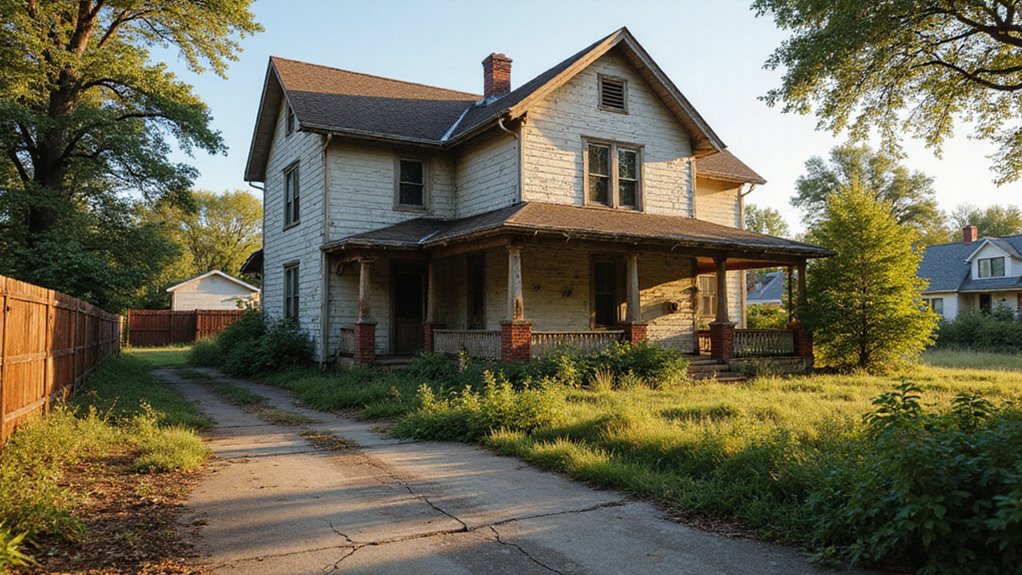
Many people do not realize how much value a vacant home can lose over time. An empty house is at risk for many problems. This can cost homeowners a lot of money.
Vacant homes often face faster damage and neglect. Weather, vandalism, and lack of care can make things worse quickly. A vacant home can lose up to 30% of its value in just a few years.
Regular maintenance and attention are the best ways to protect your property. Keeping your home occupied or well-maintained can stop this value loss.
Simple steps can save you thousands. This blog will show you how to stop your vacant home from losing value and protect your investment for the future.
Key Takeaways
- Moisture buildup and unchecked leaks in vacant homes cause mold, structural damage, and costly repairs, leading to significant value loss.
- Neglected exteriors, overgrown lawns, and visible decay reduce curb appeal and can decrease property value by up to 10%.
- Vacant homes attract theft, vandalism, and pests, increasing repair costs and further lowering market value.
- Utility failures and unnoticed maintenance issues escalate quickly, resulting in expensive damage and diminished home value.
- Extended vacancies make homes harder to sell, often requiring price reductions and resulting in lower appraisals compared to occupied properties.
Accelerated Deterioration From Neglect
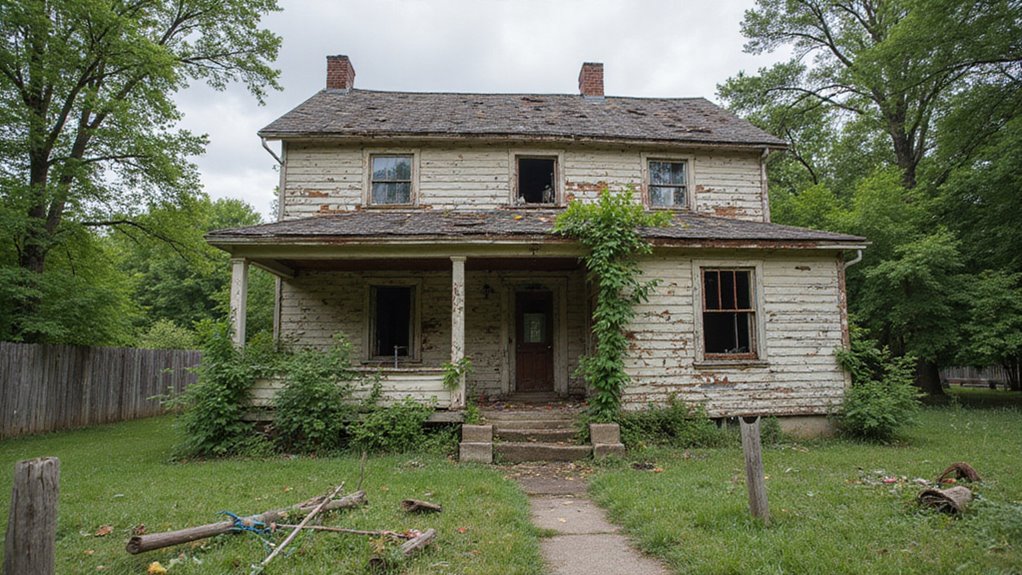
Vacant homes quickly become damaged if they are not maintained. Neglect causes problems to appear faster and repairs to become more expensive. If owners ignore small issues, these can turn into bigger and costlier problems.
Properties that are not cared for can lose up to 10% of their value each year. Empty homes are also more likely to attract theft, vandalism, and break-ins. If these incidents happen, the damage makes the home harder to sell. Additionally, when a home sits empty, there may be state-specific inheritance tax rules that affect the property if it is held in a trust or passed down to heirs.
Buyers are less interested in homes that need many repairs or have security risks. If a home looks neglected, it becomes much harder to sell at a good price. Regular upkeep is needed to protect your investment and keep its value. In Oregon, leaving a home unattended can also lead to code violations that further decrease a property’s value and complicate the selling process.
Increased Risk of Water Damage
Vacant homes face a higher risk of water damage. Leaks, burst pipes, and roof failures often go unnoticed in empty houses. Regular inspections could prevent small problems from becoming major issues.
Insurance data shows water damage and freezing make up nearly 29% of property claims. If a home is vacant, storm prevention tasks like gutter cleaning are often missed. These lapses increase the chance of water getting inside during storms. Properties left empty for an extended period may also face environmental issues that further threaten their condition and value.
Vacant homes rarely get flood prevention steps such as maintaining sump pumps or sealing foundation cracks. Over time, unchecked water damage lowers property value. Costly repairs may follow if problems are not found early.
Addressing essential repairs—such as plumbing and roof maintenance—before leaving a home vacant can help preserve its value and appeal on the Oregon real estate market.
Vulnerability to Pest Infestations
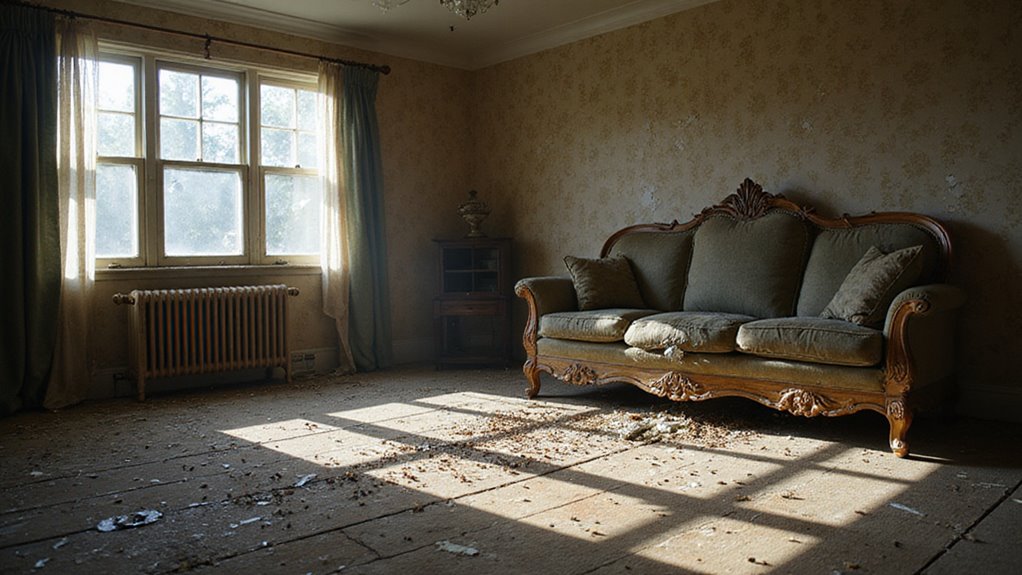
Vacant homes are more likely to have pest infestations. Rodents and insects often enter empty properties because there is less human activity. If pests go unnoticed, they can quickly multiply and cause damage.
According to the National Pest Management Association, empty homes are 50% more likely to have pest problems. Longer vacancies make it harder to control rodents and insects. This can also increase repair costs and lower the home’s value. In Oregon, thorough property disclosures are necessary when selling an as-is home to avoid legal issues related to undisclosed pest damage.
Homeowners should seal entry points and schedule regular inspections. If you skip these steps, pests may cause expensive damage. Proper prevention helps protect your investment and keeps your property marketable. In Oregon, pest damage causes significant value drops in homes—especially in humid environments—so addressing infestations early is essential to maintaining property value.
Declining Curb Appeal
You’ll notice that vacant homes quickly lose curb appeal as overgrown lawns and persistent weeds take over. Studies show that neglected exteriors, including faded paint and visible decay, can reduce a property’s perceived value by up to 10%. If you don’t address these issues, the home’s marketability drops sharply.
In Oregon, transparent disclosure of property condition is legally required, which means unaddressed exterior neglect can create additional complications when it comes time to sell. In many cases, owners can avoid the hassle and expense of upkeep by choosing to sell property without repairs for a fast cash offer, ensuring they don’t suffer further value loss as the home sits vacant.
Overgrown Lawns and Weeds
Overgrown lawns and weeds lower your home’s value and appeal. Neglected yards make a property look uncared for to buyers and neighbors. Buyers may avoid homes with visible lawn problems.
If regular yard work is skipped, weeds grow quickly and grass becomes messy. Properties with poor landscaping can sell for up to 10% less. Untidy lawns also create places for pests to hide.
Homes with overgrowth may need stronger pest control, which costs more. A messy yard can cause buyer interest to drop by as much as 8%. Maintaining your yard protects your property’s value and helps prevent infestations.
Faded Paint and Decay
Faded paint and decay lower a vacant home’s value by making it look uncared for. These problems can scare away buyers. Visible damage often leads to lower offers.
Paint fades and peels faster when a home sits empty. This exposes siding to water and mold. If left alone, wood rot can also develop.
Rot and decay weaken the home’s structure. Fixing these issues later costs much more. If you address them early, you protect your property’s value.
Exposure to Vandalism and Theft
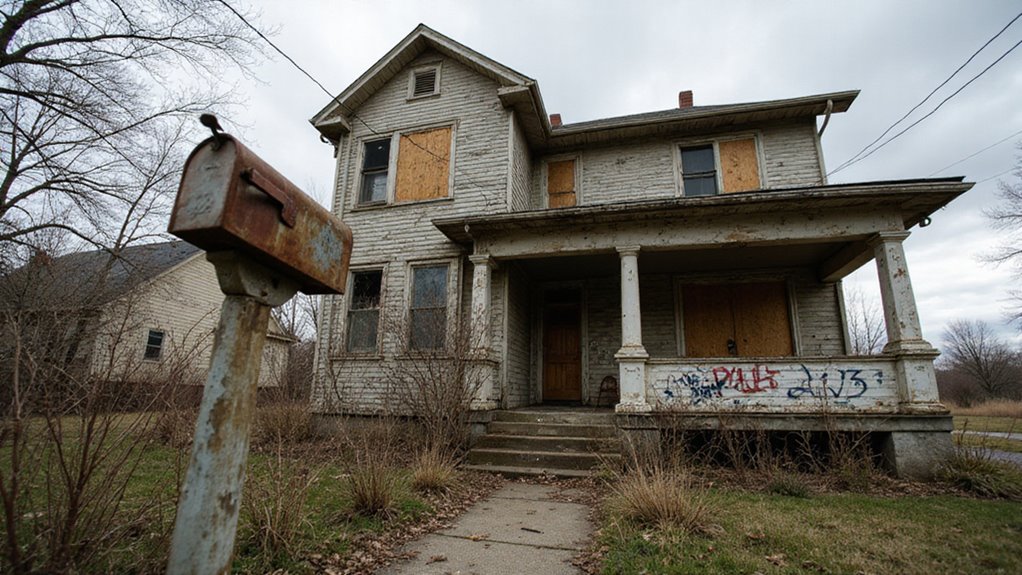
Vacant homes are often targets for vandalism and theft. Criminals notice when a house is empty and see it as an easy opportunity. If a property is vacant, it is at much higher risk for break-ins.
Thieves often look for valuable items like copper pipes or appliances. They can remove these items quickly and sell them for cash. Vandalism, such as graffiti or broken windows, can also happen more often in empty homes. In Oregon, vacant properties with overpricing issues may sit unsold longer, increasing their exposure to theft and damage.
If you install security cameras or alarms, you can reduce these risks. Visible security measures can deter many would-be intruders. Without proper security, you may face higher repair bills and lower property values.
In Oregon, market dynamics like interest rates and local demand can further impact how quickly a vacant home depreciates if it sits unsold for too long.
Problems With Mold and Mildew
If you leave a home vacant, moisture can build up quickly and create ideal conditions for mold and mildew growth. This not only threatens the structural integrity of the property but also raises significant health risks for future occupants. Data shows homes with unresolved mold issues lose value faster and are harder to insure or sell.
In Oregon, property valuation can be significantly impacted by mold and mildew problems, especially when preparing inherited homes for sale. According to Oregon’s real estate market dynamics, buyers are especially wary of homes with visible mold damage, which often results in longer sale times and lower offers.
Moisture Buildup Risks
A vacant home is at risk for moisture buildup. Poor ventilation and no regular heating or cooling can cause this problem. If humidity rises above 60%, mold and mildew can develop quickly.
Leaks, broken seals, or open windows and doors let moisture inside. Basements and window frames often collect condensation on cool surfaces. Indoor humidity increases if the HVAC system is off and air does not move.
If you do not address moisture quickly, the home may get damaged and lose value. Mold and mildew can start growing in just one or two days. Regular checks and quick action help prevent serious problems.
Structural Damage Potential
Unchecked moisture can cause serious damage to a home’s structure. If a house is empty, leaks often go unnoticed. This lets moisture spread and harm important parts of the building.
Mold grows quickly in damp conditions, sometimes in just one day. If mold gets into wood or drywall, it can cause rot and weaken the structure. Over time, beams and floors may become unsafe and need expensive repairs.
Moisture can also rust metal fasteners that hold the house together. If these parts weaken, the home’s overall safety is at risk. Ignoring mold and moisture might lower your home’s value and cause major problems later.
Health Hazards Increase
Vacant homes often develop health hazards quickly. Mold and mildew grow fast when there is no maintenance or ventilation. This can make the air inside dangerous to breathe.
If leaks or humidity are not fixed, moisture builds up and mold spreads. The Environmental Protection Agency warns that even a few weeks of neglect can lower air quality. Poor air can make the home unsafe for future residents.
Mold is not just ugly; it can harm your lungs and worsen allergies. It also attracts pests, which can make the problem worse. Pest control becomes harder and the home may need expensive repairs.
If these issues are ignored, property values drop faster. Mold removal can be costly and scare away buyers. Owners should address these hazards early to protect their investment.
Damage From Unattended Utility Issues
Unattended utility problems can cause serious damage to a vacant home. If no one is present, small problems often go unnoticed and get worse. Even a short vacancy can lead to costly repairs if utilities fail. In Oregon, where tight housing supply can create pressure for quick sales, these issues may deter potential buyers or reduce your home’s market value.
A minor water leak can cost a few hundred dollars in a week. If the home is vacant for a month, mold may grow, raising repair costs to thousands. Over several months, issues like structural damage and electrical failures become more likely.
Industry data shows up to 30% of major damage claims in vacant properties come from ignored utility problems. If a home sits empty for a year, burst pipes can cause damage over $10,000. Regular checks can prevent these expensive problems. Homeowners should also be aware that unattended financial limitations such as outdated mortgages or unpaid property taxes can worsen the impact of utility issues over time.
Decreased Neighborhood Perception

Vacant homes make neighborhoods look less appealing. If many homes stay empty, people may think the area is unsafe or uncared for. This can cause the whole neighborhood to lose value.
Nearby property values can drop by up to 10% if there are visible vacancies. Potential buyers may worry about declining conditions and choose other locations. Fewer families moving in means less local investment.
Empty properties often attract litter and vandalism. This can lead to further negative views of the area. If curb appeal drops, your home’s resale value may go down.
In some cases, quick sales for relocations can help prevent vacant homes from negatively impacting neighborhood perception by getting properties occupied faster.
Insurance Challenges and Higher Premiums
You’ll face limited insurance options when your property sits vacant, as most providers regard these homes as high-risk assets. Data from major insurers show that premiums for vacant homes can be 50% to 60% higher than for occupied properties, reflecting increased risk surcharges. This sharp increase directly erodes your investment returns and makes holding onto empty homes far more costly.
Limited Policy Options
Insurers see vacant homes as high-risk, so your policy choices are few and expensive. Standard homeowner policies usually do not apply. You must buy special vacant home insurance, which often costs more and covers less.
These policies may not cover common risks like vandalism or water damage. Insurers might also require regular inspections, adding extra costs. If you have coverage gaps or miss details, your claim could be denied.
You should review all terms and conditions before buying a policy. Careful planning can help lower your risks. Always ask your insurer about exclusions and requirements.
Increased Risk Surcharges
Insurers charge higher premiums for vacant home policies because these homes face more risks. Premiums can increase by 50% to 100% compared to standard coverage. This is due to risks like theft, vandalism, and damage that goes unnoticed.
Vacant homes are twice as likely to have insurance claims, according to the Insurance Information Institute. Insurers respond by offering shorter coverage periods and limiting protection for certain risks. If your home is vacant, you may also need to allow regular inspections.
These extra costs affect your finances and can lower your property’s market value over time. If you plan to leave a home vacant, you should budget for these higher expenses. Proper planning can help you avoid unexpected costs.
Difficulty in Detecting Structural Issues
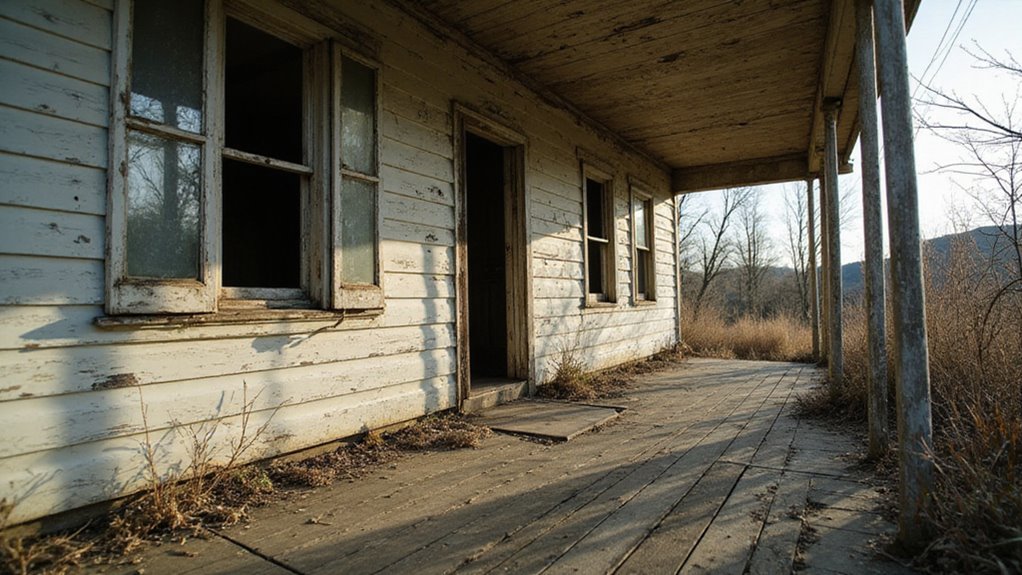
Vacant homes are harder to check for structural problems. If no one lives there, issues like cracks or leaks can go unnoticed. Empty properties are 40% more likely to hide damage than lived-in homes.
Lack of regular checks means small problems can grow worse. If maintenance is delayed, repairs can become more expensive. Owners might forget to schedule inspections if the house is empty.
If you skip these checks, the property’s value can drop faster. Future repairs will likely cost more if problems are missed. Regular inspections help prevent expensive surprises.
Impact of Weather and Seasonal Changes
Vacant homes face faster damage from weather and seasonal changes. Without people living there, important maintenance is often missed. This makes the house more likely to get damaged over time.
Overgrown plants can keep moisture against the house and cause rot or mold. Insurance data shows vacant homes have 30% more weather damage, like roof leaks and faded paint. If gutters clog, water can get inside and cause more problems.
Winter freezes or summer heat can make cracks worse in the walls and foundation. If a storm or strong winds hit, an empty house is at higher risk. Ignoring these issues can quickly lower the home’s value and make it harder to sell.
Complications From Unauthorized Occupants
You face significant risks when unauthorized occupants, such as squatters, move into vacant homes, as data shows they often cause extensive property damage. Legal eviction processes can be lengthy and costly, with some jurisdictions reporting delays of several months or more. These complications directly reduce property value and increase your overall holding costs.
Squatting and Property Damage
Vacant homes are at high risk for squatting and property damage. Even short vacancies can attract unauthorized occupants. Squatters often cause expensive problems for homeowners.
If squatters enter, they may break doors or windows and ignore important repairs. Stolen appliances or damaged wiring are common issues. Unsanitary living conditions can develop quickly if no one checks the property.
You should use security cameras and strong locks to protect your home. Regular property inspections help you spot problems early. If you act fast, you can limit repair costs and avoid bigger legal troubles.
Legal Eviction Challenges
Unauthorized occupants can cause serious legal problems for homeowners. If you find squatters in your empty home, you may face complex eviction laws. Many states give some rights to people living in a home, even without a lease.
Evicting these occupants often needs a court process. In some places, this process can last for months. If you do not follow legal steps, you could face lawsuits or fines.
Eviction cases have increased in many cities, especially for vacant homes. These challenges can reduce your control over your property. They may also increase your costs and lower your home’s value.
Reduced Buyer Interest and Marketability
Vacant homes often attract less interest from buyers and are harder to sell. Buyers may think empty houses have problems or are not desirable. If a home is empty for a long time, it usually gets fewer offers.
People may worry about hidden issues or poor maintenance in vacant homes. Staged or lived-in homes help buyers imagine living there, which increases their appeal. If buyers see a property is empty, they may expect price drops.
Vacant homes often sell for less in a strong market. Sellers may need to lower the price to get attention. These factors make it difficult to sell empty homes quickly and at a good price.
Lower Appraisal Values
Vacant homes usually get lower appraisals than occupied ones. Appraisers notice issues like peeling paint or messy yards. These problems lower the home’s value.
Vacant homes often appraise lower than occupied ones because visible issues like peeling paint or untidy yards can reduce their value.
If a home is left empty, its condition can get worse over time. Appraisers use the home’s current state to decide its value. Poor condition often means a lower appraisal.
Lower appraisals can reduce your property tax bill, since taxes are based on value. However, repeated low values can hurt your home’s market price. Data shows vacant homes can appraise for 5-10% less than similar lived-in homes.
If you keep a property vacant, its value may keep dropping. This can make it harder to sell in the future. Taking care of the home can help keep its value stable.
Conclusion
If a home stays vacant, its value will likely decrease over time. Problems such as water leaks, pest infestations, and neglected yards can make things worse. Regular occupancy and maintenance can help prevent these issues before they become expensive.
If you want to avoid the risks of a vacant property, consider selling it quickly. We buy houses for cash, no matter the condition or situation. Selling to OR Home Buyers can help you protect your investment and avoid further losses.
If you are ready to sell your vacant home, contact us today. We can provide a fast, fair cash offer. Let OR Home Buyers help you move on with peace of mind.




Hi, I’m Bob Bash, founder of OR Home Buyers, serving the Oregon community since 2017. We provide full-service real estate solutions, specializing in cash purchases for both residential and commercial properties. I started this business to help our community navigate difficult real estate situations with professionalism, ethics, and compassion.
My goal is simple: to make every client feel relieved and happy when their real estate challenges are resolved. Helping people find solutions and peace of mind is what drives me every day.