Water damage can be a hidden problem that causes real trouble during home inspections and sales. Even small stains or warped floors can make buyers and inspectors worry about larger, unseen issues. These signs may lower your home’s value and affect how quickly it sells.
The problem gets worse if water damage is not addressed quickly. Mold, bad smells, and weakened structures can scare away buyers or make them demand big repairs.
This can lead to long and stressful negotiations. Water damage affects home inspections and sales by lowering value, causing delays, and making buyers hesitate.
The best solution is to find and fix issues early. This gives you more control during the selling process. This blog will show you simple steps to spot, solve, and prevent water damage before you sell your home.
Key Takeaways
- Water damage, both visible and hidden, lowers property value and often leads to more thorough home inspections by buyers and lenders.
- Inspectors look for stains, warped materials, and mold, which can signal deeper structural or moisture problems requiring costly repairs or remediation.
- Undisclosed or poorly repaired water damage can cause buyer distrust, negotiation delays, or even deal cancellations due to liability concerns.
- Comprehensive documentation and timely disclosure of past water damage and repairs are essential for transparency and successful property sales.
- Professional remediation and clear repair records help reassure buyers, reduce market time, and prevent disputes after the sale.
Common Causes of Water Damage in Homes
Water damage in homes often happens because of plumbing problems, roof issues, and poor drainage. Pipes can leak if they are old or poorly connected. If leaks go unnoticed, they can harm walls, floors, and the home’s structure. Water-related repairs can also affect your capital gains tax liability if the property is held in a trust and sold after the owner’s death.
Irrigation systems outside can also cause problems. Broken lines or faulty valves might send water toward your home’s foundation. This can lead to basement flooding and further damage.
Roofs with missing shingles or damaged flashing make it easy for water to get inside during storms. Clogged gutters and bad grading can direct water toward your house. If these risks are spotted early, you can prevent costly repairs. Water issues that cause extensive damage may need to be documented in the estate inventory if the property is being sold through probate, as this affects the home’s appraised and market value.
Visible Signs Inspectors Look For
You’ll need to recognize key indicators like stains and discoloration on ceilings or walls, which often signal moisture intrusion. Inspectors also watch for warped or buckled building materials, as these distortions point to prolonged water exposure. Mold and mildew presence is another red flag, highlighting both current water issues and potential health risks.
In Oregon, inspectors may pay special attention to signs of water damage in inherited properties, since property valuation and compliance with local real estate laws can significantly affect the sale process. This makes a thorough home inspection essential before listing an as-is property, as identifying these issues early can protect sellers and help avoid costly legal disputes.
Stains and Discoloration
Stains and discoloration are key signs of possible water damage in a property. Inspectors look for marks on ceilings, walls, or floors. These marks can mean there is moisture, mold, or structural problems.
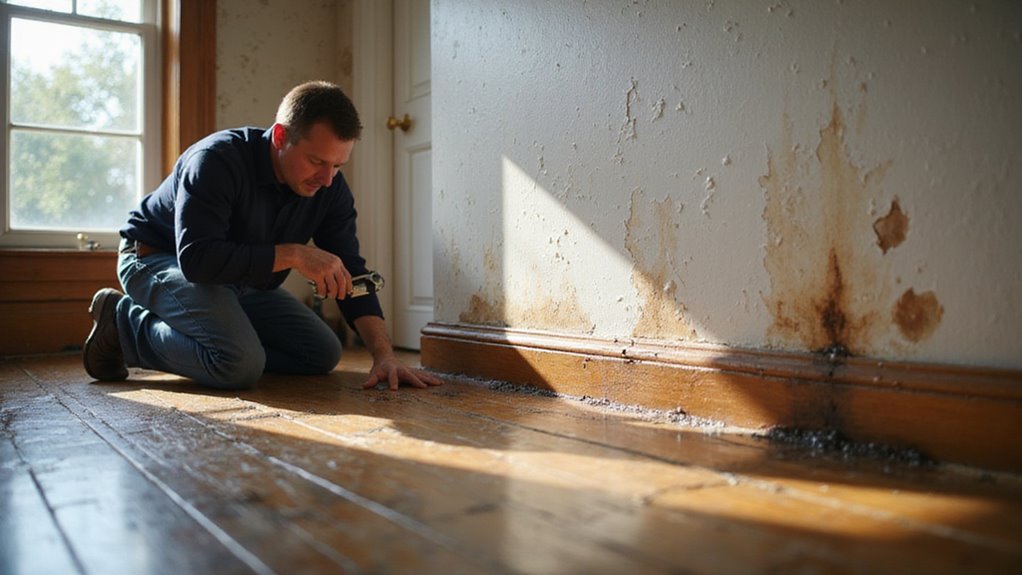
If you see yellow, brown, or gray stains, there might be a leak or past flooding. Inspectors can tell if the stains are harmless or signs of bigger issues. Visible stains can lower a home’s value and make it harder to sell.
Common stain colors depend on the location. Ceilings often have yellow or brown stains, while walls may show brown or gray marks. Dark brown stains are found on baseboards, and black or gray stains can appear around windows. Yellow stains might show up under sinks.
Warped or Buckled Materials
Warped or buckled materials are signs of water damage. Even small leaks can make wood floors, baseboards, or door frames bend or lift. If you see uneven edges, warping, or gaps, it means moisture has gotten underneath.
Paint peeling, bubbling, or flaking on walls or ceilings also points to water problems. These changes happen because water weakens the bond between paint and surface. Inspectors look for these signs because they show hidden moisture.
Warping is more than just an appearance issue. If left untreated, it can weaken the structure of your home. Early repairs can help keep your property value and make buyers feel more confident.
If you plan to sell, fixing these problems before listing is a smart move. Buyers often avoid homes with visible water damage. Addressing these issues early may prevent expensive negotiations later.
Mold and Mildew Presence
Mold and mildew are common in areas with too much moisture. Inspectors check places like bathrooms, basements, and attics for signs of dampness. Mold problems can lower your home’s value if not fixed.
Inspectors look for discoloration on walls, ceilings, and floors. Stains or spots often mean mold is present. They also check for odors and texture changes.
A musty smell may show hidden mold even if you cannot see it. Peeling paint or bubbling wallpaper can mean water is getting in. If these signs appear, you may need to fix moisture problems.
Ignoring mold issues can make it harder to sell your home. Early detection and repair help keep your property safe. Taking action quickly can protect your investment.
Hidden Water Damage: What Lurks Beneath
Hidden water damage can cause serious problems that are not easy to spot. It often hides behind walls, under floors, or inside cabinets. If you miss these problems, repairs can become very expensive.
In Oregon, market demand for well-maintained homes means that undiscovered water damage can significantly impact how fast a home sells. Hidden water damage lurks out of sight and, if unnoticed, can lead to repairs that are both extensive and costly.
Subsurface leaks and faulty pipes may not show obvious signs. Regular inspections often cannot find these hidden issues. They can weaken a home’s structure and lower its value over time.
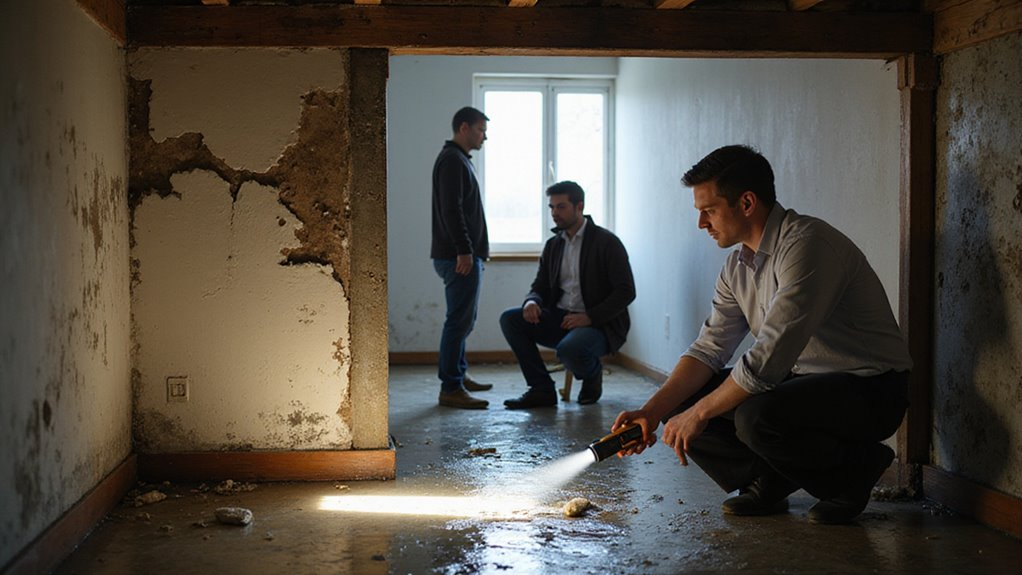
Inspectors use special tools like moisture meters and infrared cameras to find hidden water. If you skip these checks, you might face big repair costs later. Homes with hidden water damage often sell for less and stay on the market longer.
If you are buying a home, always get a thorough inspection. Make sure potential problem areas are checked closely. This helps protect your investment.
When preparing a home for sale, addressing necessary repairs is essential to avoid the risk of hidden water damage affecting your home’s value and the success of your sale.
Mold and Mildew Concerns
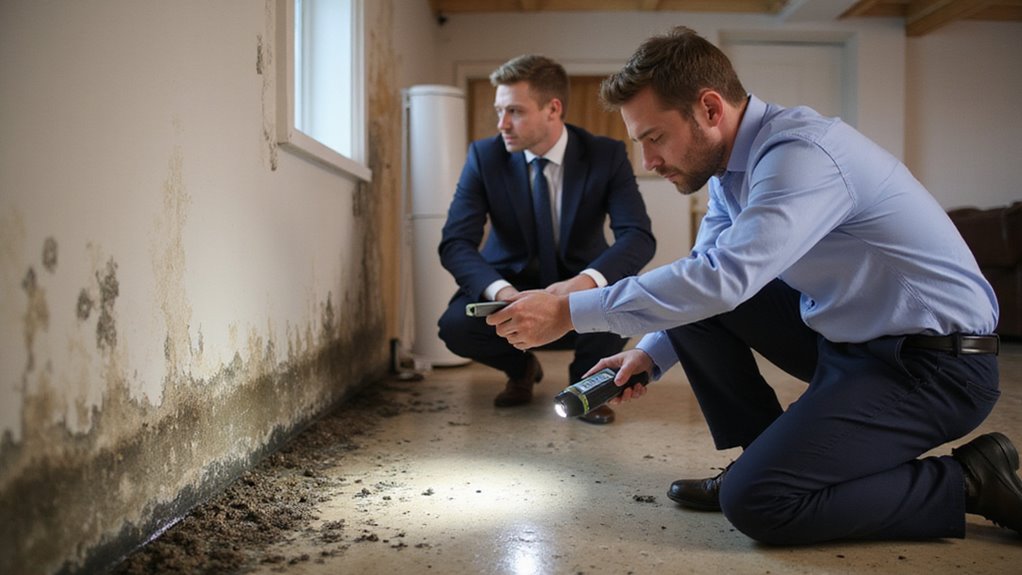
Mold and mildew can grow when hidden water damage is present in your home. Excess moisture causes spores to spread, especially after storms or plumbing leaks. These problems are not just cosmetic and can affect your health. Oregon buyers are particularly concerned about neighborhood quality and the overall condition of a home’s structure when water damage is involved.
A home inspector will look for signs like musty smells, stains, and visible mold. Mold is often found in basements, crawl spaces, and attics. Leaks behind walls or under floors can also lead to hidden mold.
If you notice any warning signs, you should act quickly. Fixing moisture problems early protects your home and your health. Addressing these issues can also make it easier to sell your house in the future. In Oregon, professional inspections and thorough remediation are crucial for accurately assessing and addressing mold and water damage before selling a home.
How Water Damage Impacts Property Value
Water damage lowers property value because it shows possible problems with the home. Buyers worry about hidden damage and extra repair costs. Appraisers also lower the value if they see water issues.
Water can weaken the structure, which leads to a major drop in value. Mold risk and insurance claim history make buyers less interested. High repair and cleanup costs reduce the amount sellers get. Addressing property issues quickly and maintaining detailed property records can help prevent future complications and reassure buyers.
If you fix water problems quickly and keep records, you can protect your property’s worth. Good water damage prevention makes buyers feel safer about their purchase. Always handle water issues right away to keep your home valuable. Addressing water problems early, just like proactive pest management, helps maintain the home’s market appeal and value.
Disclosure Requirements for Sellers
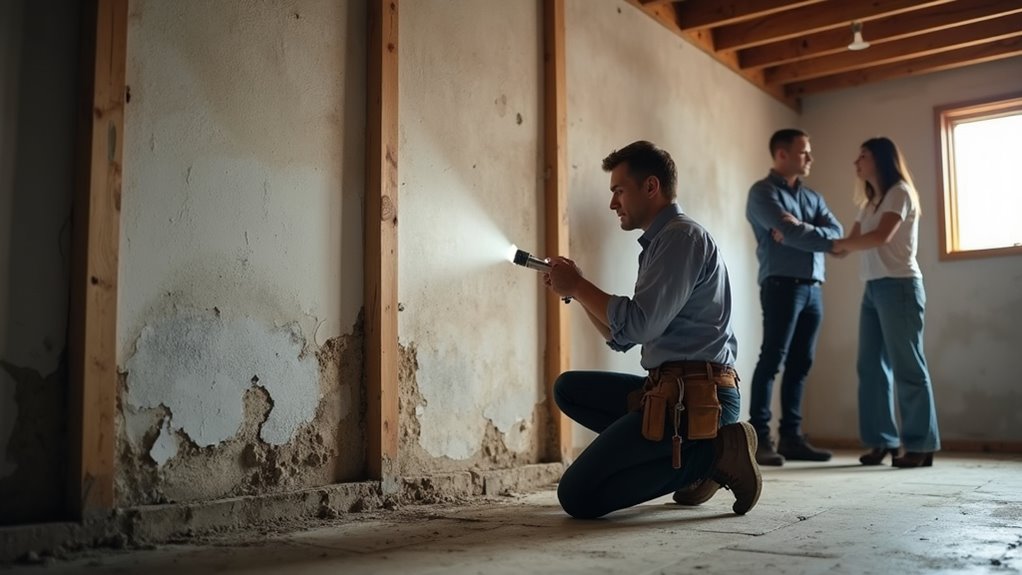
Water damage can reduce a property’s value. Sellers must tell buyers about any water issues before selling. If you hide problems, you may face legal trouble.
You should list any past flooding, leaks, or repairs. Estates in Oregon over $275,000 in personal property or $200,000 in real estate are subject to probate, which can affect how disclosures and sales proceed. Always mention if you made an insurance claim for water damage. Give buyers all documents about repairs and maintenance.
If you have water alarms or sump pumps, let buyers know. Accurate information helps avoid arguments after the sale. Good records and honest answers protect you from future problems.
Oregon law requires formal notice and disclosure of any property issues, including water damage, to ensure all buyers are treated fairly and to avoid legal complications.
Typical Inspection Procedures for Water Issues
During a home inspection, experts look for signs of water problems in common trouble spots. These spots often include basements, crawl spaces, roofs, and plumbing areas. Inspectors focus on these areas because water damage often starts there. Inspectors use moisture meters to find hidden dampness behind walls or under floors.
They check foundation walls for white stains called efflorescence, which may mean past water issues. If they see water stains or warped materials, they look closer for possible mold. Throughout the process, inspectors consider environmental and safety concerns since water damage can lead to hidden health risks or mold growth. Plumbing lines and fixtures are checked for leaks, rust, or bad seals.
Roofs are inspected for missing shingles, damaged flashing, and clogged gutters. If these problems are found, you may need repairs before buying or selling the home. It’s important to be aware that increased competition from properties with more favorable conditions can also affect how water damage impacts inspections and the sale process.
Repair Versus Remediation: What’s Needed
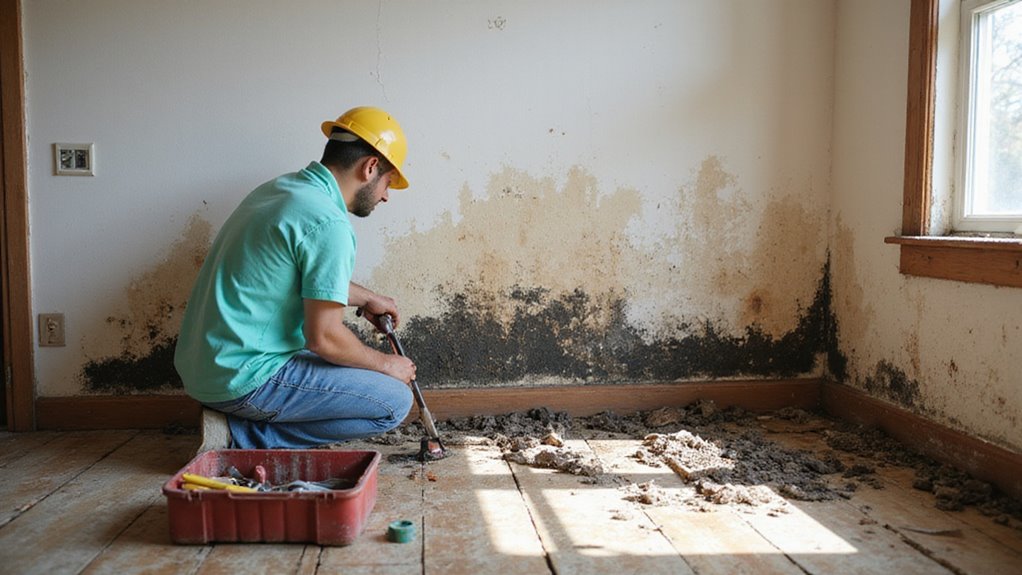
After a home inspection finds water damage, you must decide between repair and remediation. Repairs fix minor problems, while remediation solves bigger or ongoing issues. The right choice depends on the damage.
The extent of damage matters. Small stains may only need repairs. Widespread mold or damaged structures often require full remediation.
If the water problem keeps happening, remediation is needed to stop future damage. Fixing only the surface may not help if the source remains.
Health risks are also important. Mold or serious water damage can make a home unsafe. Remediation is needed if safety or property value is at risk.
Understanding how Oregon’s real estate market conditions can impact buyer demand and sale timelines is important to consider when deciding how thoroughly to address water damage.
Insurance Implications and Water Damage
You’ll need to scrutinize your policy’s exclusions and coverage caps, as water damage claims often encounter strict limitations. Steering the claims process can present procedural hurdles, documentation requirements, and extended timelines. Keep in mind, frequent or large claims may trigger premium rate hikes, impacting your long-term insurance costs.
Policy Coverage Limitations
Insurance policies for homeowners often do not cover all types of water damage. The policy will list what is included and what is not. You should check your policy to know what is covered.
Most policies do not cover flood damage or sewer backups. These events usually need extra coverage or a separate policy. If you do not have these, your claim could be denied.
Insurance often limits how much it will pay for water damage. There may be payout caps for basement leaks or mold clean-up. You might have to pay extra costs if the damage is expensive.
Claims can be denied if damage is from poor maintenance. Insurers expect homeowners to take care of their property. If you ignore small leaks, you might not get help.
If you understand these limits, you can avoid surprises. You can also take steps to protect your home. Always review your policy and ask your insurer if you are unsure.
Claim Process Challenges
Filing an insurance claim for water damage can be difficult. Homeowners must meet strict deadlines and provide detailed documents. If you miss a requirement, your claim may be delayed or denied.
Insurance adjusters will check all details very carefully. Any difference between your report and the inspector’s findings can cause disputes. If this happens, claim approval may take longer.
You should work closely with your inspector and insurance company. Consistent reports and clear photos help prevent problems. If claims stay unresolved, it could delay closing and make buyers nervous.
Managing the process carefully reduces risk of denial or long negotiations. Being organized helps you get a faster decision. If you take prompt action, you improve your chance for a smooth claim.
Premium Rate Increases
Filing a water damage claim can make your insurance more expensive in the future. Insurers often raise your premiums after such claims. Higher costs may last for several years.
Insurance companies check your past claims and your property’s location. If you live in a flood zone, your risk is higher. This usually leads to bigger premium increases.
Some insurers may also add new rules to your policy. They might exclude certain water damage or increase your deductible. If this happens, your coverage could be more limited.
If you want to keep costs down, try to avoid small claims. You should also ask your insurer to explain any changes. Understanding these steps can help you plan for future expenses.
Negotiating Repairs After Inspection
After an inspection finds water damage, both buyer and seller must decide who will fix the issue. Usually, buyers want repairs done by licensed experts. They may ask for proven solutions like drainage systems, not just quick fixes.
Sellers sometimes offer a credit or lower the price instead of making repairs themselves. If water problems stay unresolved, the home’s value and appeal can drop. Both sides should know local disclosure rules before negotiating.
If you understand what is normal in your housing market, you can avoid common problems. Both parties should aim for a fair and fast agreement. Clear communication helps everyone reach a solution.
Buyer Perceptions and Deal Breakers
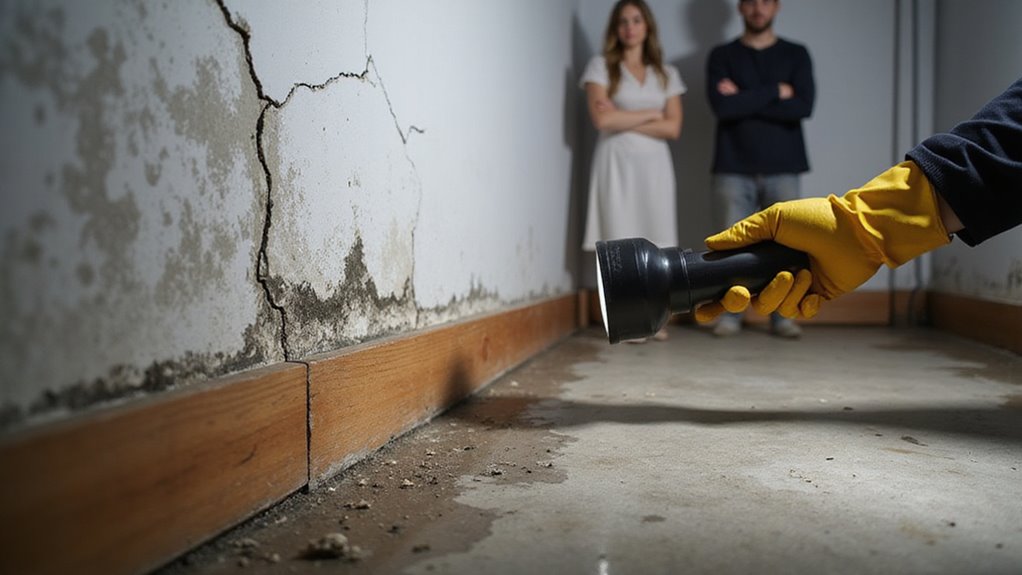
Buyers often worry about water damage repairs. If they notice risks or unclear repairs, they may decide not to buy. Concerns about future costs or hidden problems are common deal breakers. Visible water damage or uncertain repairs can quickly turn buyers away due to worries about hidden issues and unexpected future expenses.
Buyers react strongly to visible signs like stains, smells, or warped floors. If sellers provide full repair records, buyers feel more confident. Missing or unclear information makes buyers suspicious.
Comprehensive repairs give buyers peace of mind. If repairs seem rushed or incomplete, buyers worry about more damage later. Clear documentation and quality work help prevent deals from falling through.
Preventative Measures for Homeowners
You can mitigate water intrusion risks by scheduling regular plumbing maintenance checks and ensuring proper gutter installation. Implementing advanced basement waterproofing solutions further protects your property’s structural integrity. Prioritizing these preventative strategies safeguards your home’s market value and reduces costly repairs.
Regular Plumbing Maintenance Checks
Plumbing systems need regular checks to prevent water damage. These checks help protect your home’s value and avoid expensive repairs. If you maintain your plumbing, you can catch problems early.
Homeowners should look for leaks and moisture on pipes. If you see rust or buildup, contact a plumber. Regular checks can also help with future home sales.
Water pressure should stay within safe limits. If the pressure is too high, pipes may burst. Test it often, or ask a professional for help.
Annual plumbing inspections are important. A plumber can find leaks you might miss. If you schedule these inspections, you lower the risk of major issues.
Proper Gutter Installation
Gutters are important for keeping water away from your home’s foundation. If installed correctly, they help prevent water damage and costly repairs. You should check that gutters are firmly attached and angled to let water flow easily.
Gutters must stay clear of leaves and debris to avoid clogs and overflow. Downspouts should have extensions that send water at least five feet from your house. If water drains too close, it can cause basement leaks and mold.
A well-kept gutter system shows buyers that you maintain your home. This can make your property more appealing and help avoid inspection issues. If you want to protect your home’s value, keep your gutters in good condition.
Basement Waterproofing Solutions
Basement waterproofing solutions help keep water out of your basement. These methods protect your home from water damage and mold. If you want to prevent problems, you need to use the right solutions.
A drainage system moves water away from your foundation. This step lowers the risk of leaks. If you add this system, you can avoid water buildup.
A waterproof membrane blocks moisture from entering walls and floors. Homeowners should use this barrier for better protection. If you install it, your basement stays drier.
Proper grading means the ground slopes away from your house. This keeps rainwater from pooling near your foundation. If the grading is correct, you will reduce water problems.
Taking these steps protects your home’s value. If you act early, you can save money on repairs. Good waterproofing keeps your basement safe and dry.
The Role of Professional Restoration Services
Professional restoration services are important when water damages a property. They help reduce damage and speed up recovery. Certified experts assess the damage, find hidden moisture, and use the right repair methods.
Many restoration companies now use eco-friendly materials to fix homes. This meets rules and appeals to buyers who care about the environment. If you choose a trusted company, you help keep your home healthy and safe.
Restoration specialists clean up contaminated areas and prevent mold growth. They repair or replace damaged parts of the building as needed. These steps help prepare your property for sale quickly and efficiently.
Long-Term Effects on Home Integrity
You can’t afford to overlook how persistent moisture causes gradual structural weakening, compromising load-bearing elements over time. Hidden mold colonies often multiply within walls and subfloors, threatening both indoor air quality and building materials. Identifying these issues early through targeted inspections safeguards your property’s long-term value and safety.
Structural Weakening Over Time
Water intrusion can slowly weaken a home’s structure over time. Even minor leaks, if ignored, may lead to serious damage. Early action is important to protect your home’s strength and value.
If water keeps entering your home, the foundation may shift. Wet soil beneath the house can crack or move, causing uneven floors. These problems often become expensive to fix.
Wooden framing is at risk if it stays wet for long periods. Moisture can make the wood soft, weak, or warped. This increases the chance of collapse.
Metal supports inside the home may rust if water is present. Rust weakens metal and lowers its ability to hold weight. If this happens, the house may become unsafe.
If you fix water issues early, you can avoid these problems. Proactive repairs protect your investment and help keep your home safe.
Hidden Mold Development
Hidden mold develops when moisture gets trapped in places like behind walls or under floors. This mold often grows unnoticed because it is out of sight. Hidden mold can damage your home and lower indoor air quality.
Mold spores can spread throughout your home using air vents. These spores may cause health problems, especially for people with allergies or breathing issues. If an inspector finds hidden mold, it can lead to expensive repairs.
Home inspectors use special tools to check for hidden moisture and mold. If mold is found, buyers might ask for a lower price or cancel the deal. If you fix leaks quickly and keep your home dry, you can avoid these problems.
Undetected mold may lower your home’s value by up to 30%. You should act fast if you notice water problems. Good ventilation and quick repairs protect your investment.
Conclusion
If water damage is present, home inspections and sales can become more difficult. Buyers and inspectors will notice even small signs of water issues. If sellers address these problems early, they can prevent bigger complications.
If water damage remains untreated, sellers may face lower offers and longer negotiation times. Sellers should always fix water issues, keep repair records, and be honest about past problems. This transparency helps protect the home’s value.
If you want to sell your house quickly, we buy houses for cash in any condition. OR Home Buyers can make the process easy and straightforward. Contact us today to get started and avoid the hassle of water damage repairs.




Hi, I’m Bob Bash, founder of OR Home Buyers, serving the Oregon community since 2017. We provide full-service real estate solutions, specializing in cash purchases for both residential and commercial properties. I started this business to help our community navigate difficult real estate situations with professionalism, ethics, and compassion.
My goal is simple: to make every client feel relieved and happy when their real estate challenges are resolved. Helping people find solutions and peace of mind is what drives me every day.