
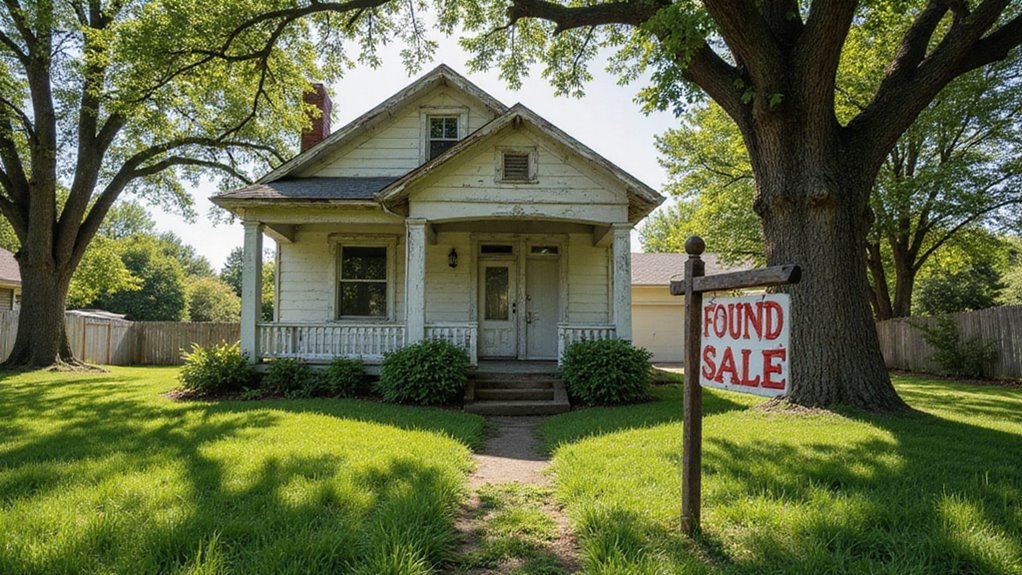

Drowning in paperwork while family memories cling to dusty walls you’ve suddenly inherited. Selling an inherited property brings unexpected challenges—from navigating legal mazes to making emotional decisions about family homes. The pressure builds when bills pile up, taxes loom, and maintaining a vacant house drains resources. Fortunately, understanding the right steps can transform this burden into a smooth, profitable transaction.
When you inherit a house and wish to sell quickly, you must first handle the legal transfer through probate, then address tax considerations before preparing the property for sale. Your fastest options include selling to cash buyers for speed or using real estate agents for maximum value, depending on your priorities.
In this blog I will explore everything about selling inherited properties efficiently and stress-free.
Key Takeaways
- Complete all probate procedures and update the property title before listing for sale.
- Stage and repair the house promptly to attract buyers and facilitate quick sales.
- Gather essential documents like the deed, probate court papers, and tax records for smooth closing.
- Consider listing with a real estate agent or cash buyer to expedite the selling process.
- Address emotional family dynamics with open communication to prevent delays and ensure consensus.
What Happens When You Inherit a House?

When you inherit a house, the ownership transfer process can be complex and time-sensitive, especially if it goes through probate or involves multiple heirs.
You’ll need to handle tax implications, like basis adjustments and significant estate taxes, which can greatly impact your finances.
Act quickly to understand your options—whether to sell, rent, or keep the property—and ensure all legal and financial steps are properly managed.
Legal Transfer of Ownership
Probate officially transfers property from a deceased person to their heirs. The executor manages this process and handles all necessary paperwork. Death certificates and probate court documents must be filed according to state law. The executor also ensures all debts are paid before distribution occurs.
Once probate concludes, the property title updates with your name. This change establishes you as the legal owner of the inherited house. As a result, you gain full rights to sell, occupy, or rent the property as desired.
Tax Implications of Inheritance
When you inherit a house, the tax basis typically “steps up” to the property’s fair market value at the owner’s death. This means you’ll owe capital gains tax only on appreciation after that date.
If you sell for less than the stepped-up basis, you won’t owe any capital gains tax.
Profits above this amount may be taxed at rates between 0%, 15% or 20%, depending on your income level.
Furthermore, inheritance tax rules vary by state. Some states impose additional inheritance taxes separate from federal requirements. However, many beneficiaries fall under exemption thresholds.
Dealing with Multiple Heirs
• Multiple heirs need unanimous consent for selling or managing inherited property
• Joint tenancy creates shared ownership rights requiring respect from all parties
• All heirs must legally agree to property decisions before action can proceed
• Clear communication prevents misunderstandings about expectations and timelines
• Share all costs openly (maintenance, taxes, potential repairs)
• Transparency builds trust among all parties involved
• Consider hiring a mediator for persistent disagreements
• Professional mediation often resolves conflicts when family discussions reach an impasse
• Create a written agreement to document everyone’s responsibilities and rights
What Are Your Options After Inheriting a Property?

Once you’ve inherited a property, you need to decide quickly whether to sell, rent, move in, or refuse the inheritance.
Each option has legal, financial, and personal implications that can impact your future.
Don’t wait—understanding your choices now is crucial to making the best decision.
Selling the Inherited House
You can sell an inherited house after completing probate and getting legal ownership. Obtain all required documents first. You need letters of administration and tax clearance certificates before listing the property.
An experienced real estate agent will help navigate inheritance complications. This becomes especially important when multiple heirs share ownership rights.
Properties with several inheritors require all parties to agree on selling terms and price.
The sale process resolves ongoing maintenance costs and prevents potential conflicts. Many heirs prefer quick sales to avoid mounting expenses and disagreements. Property taxes and utilities continue regardless of occupancy status.
Renting Out the Property
Yes, you can rent out your inherited property to create ongoing income. First, check that your mortgage payments are manageable with rental income.
Assess the property thoroughly for repairs and ensure it meets all local housing codes.
Local rental laws vary significantly by location. Research comparable properties to set competitive rates. This research helps maximize your potential income.
Property management companies can handle tenant screening, maintenance, and rent collection for a fee. This option works well if you live far away or lack time.
Begin the rental process promptly to avoid vacancy costs and protect your investment’s value.
Moving In and Making It Your Home
You should complete a property inspection before moving into an inherited house. Check the home’s condition first to identify essential repairs for safe living. A professional inspection helps avoid unexpected costs later. Make sure all heirs agree if the property has multiple owners.
Living in the inherited home offers both emotional benefits and practical advantages. This arrangement provides closure while potentially qualifying you for tax benefits. The property becomes truly yours through daily use.
Remember that homeownership brings ongoing responsibilities. You’ll need to handle maintenance costs, property taxes, and possible mortgage payments. Regular upkeep prevents small issues from becoming major expenses. Consider creating a maintenance fund for future repairs.
Refusing the Inheritance
You can refuse an inheritance by filing a written declaration with the probate court. This action permanently relinquishes all rights to the property.
You must submit a formal disclaimer within nine months of the death. The refused property will automatically pass to the next heir in line. This transfer happens as if you never existed in the inheritance chain.
Consider consulting an attorney before refusing. The legal consequences are permanent and significant.
An attorney will ensure you follow proper procedures and understand all implications of your decision.
What Are the Tax Implications of Selling an Inherited House?

When you sell an inherited house, understanding the tax implications is crucial to avoid surprises.
Your profit may be taxed based on the stepped-up basis, which resets the property’s value at the date of death, potentially lowering your capital gains.
Don’t forget to investigate exemptions and deductions that could significantly reduce your tax liability—consult a professional to optimize your strategy.
Capital Gains Tax Considerations
Capital gains tax applies when you sell an inherited house for more than its stepped-up basis.
The stepped-up basis is the property’s fair market value on the date of the previous owner’s death. Tax rates range from 0% to 20% depending on your income level.
You can reduce your tax burden by documenting all property improvements. These costs increase your basis and lower potential taxable gains.
Smart planning protects your financial interests. Consider consulting a tax professional before selling. This preparation helps your beneficiaries avoid unnecessary tax burdens later.
Step-Up Basis Explained
The step-up basis resets an inherited property’s value to its market value at death. This adjustment typically lowers your capital gains tax when you sell. Inherited assets receive this favorable tax treatment under current IRS regulations. The previous owner’s purchase price becomes irrelevant for tax calculations.
Documentation matters in this process. Keep all records of the home’s value on the date of inheritance. Additionally, save receipts for any improvements you make afterward. These improvements can increase your basis further.
Many beneficiaries save thousands in taxes through this provision. However, tax laws change periodically. For maximum financial benefit, consult with a tax professional about your specific situation.
Potential Exemptions and Deductions
Several tax breaks can reduce what you owe when selling an inherited house. The IRS allows a capital gains exclusion of $250,000 for individuals or $500,000 for married couples filing jointly if you lived in the home as your primary residence. You can also deduct the cost of improvements made to the property. These improvements increase your cost basis and lower potential gains.
Additionally, some states impose inheritance taxes that might affect your overall tax burden. However, you should consult a tax professional about your specific situation. In most cases, careful planning helps minimize what you’ll pay.
How to Prepare an Inherited House for Sale?
You need to act quickly to get the inherited house ready for sale—start by clearing out personal belongings to make it look inviting.
Next, fix any necessary repairs and stage the home to maximize appeal, which can boost its value and attract buyers.
Finally, gather all essential documents, like the title and inspection reports, so you’re prepared to close the deal smoothly.
Clearing Out Personal Belongings
Sort and remove belongings promptly when preparing an inherited house for sale. Divide items into four main categories: keep, sell, donate, and discard. This creates order during an emotional process.
Estate sales can help sell valuable items and generate funds to offset property expenses. Consider hiring professionals to handle larger sales. They manage pricing, marketing, and transactions effectively.
Document everything with photos before selling. This creates a record and helps with potential tax implications.
Online platforms offer alternatives when traditional estate sales aren’t feasible.
Making Necessary Repairs
Prioritize structural issues before selling an inherited house. Repair foundation cracks, roof damage, old plumbing, and outdated electrical systems first. These fixes build buyer confidence and prevent inspection problems later.
Most buyers expect the home to have functioning systems and no major structural issues. Safety concerns like loose railings or broken steps must be addressed immediately.
Additionally, simple cosmetic updates can dramatically improve appeal. Fresh paint, clean carpets, and working fixtures make positive impressions.
Meanwhile, maintain detailed records of all completed repairs for transparency during the sale process.
Staging the Property
Proper staging transforms your home into an irresistible product for potential buyers. Start by decluttering all rooms and removing personal items. Rearrange furniture to maximize space and create clear walking paths. Add fresh, neutral décor that appeals to most tastes.
The exterior creates crucial first impressions. Clean all windows, pressure wash siding, and maintain the lawn. Plant colorful flowers near the entrance to welcome visitors. Furthermore, ensure all exterior lights work properly.
Professional photography can increase interest by up to 61% compared to amateur photos. High-quality images showcase your home’s best features in optimal lighting.
In today’s market, most buyers begin their search online where photos matter tremendously. As a result, this investment typically pays for itself through faster sales and higher offers.
Gathering Important Documents
You need specific documents to sell an inherited house. Start with the property deed to prove your ownership rights. Get the death certificate, which is essential for starting probate proceedings.
Probate documents establish your legal authority to sell the property. The court requires these documents to verify your claim as the rightful heir.
State laws vary regarding inheritance documentation requirements. Furthermore, organizing paperwork early prevents delays during the sale process.
These documents protect both you and potential buyers from future legal complications. In addition, having everything prepared shows buyers you’re serious about the transaction.
What Are the Different Ways to Sell an Inherited House?
When selling an inherited house, you need to choose the best method quickly to maximize your options.
You can list with a real estate agent for professional help, sell directly to cash buyers for a fast close, or consider auctioning the property to attract competitive bids.
Each approach has its own advantages, so act fast to find the right fit for your situation.
Traditional Real Estate Agent Listing
Traditional real estate agents aren’t actually the fastest way to sell inherited houses. They help maximize sale price through professional marketing and market analysis.
Agents handle the complex legal paperwork involved with inherited properties. They also coordinate showings and negotiate with potential buyers on your behalf.
Most importantly, agents understand local market conditions. They typically charge 5-10% of the final sale price for their services.
Your agent will recommend improvements and staging that increase buyer appeal. This traditional approach works well if you’re not in a rush and want top dollar.
For Sale By Owner (FSBO)
You can sell an inherited house without a real estate agent. This approach saves on commission fees and gives you full control. Conduct a Comparative Market Analysis to set the right price point.
You’ll need to gather all property documents and inheritance paperwork beforehand.
As a next step, create appealing listings on major real estate websites. Take quality photos that highlight the home’s best features.
Furthermore, be prepared to show the property and answer questions from potential buyers.
You must disclose all known property issues to avoid legal problems later.
When offers arrive, negotiate confidently based on your research. The entire process requires organization and attention to detail.
Selling to Cash Home Buyers
Cash home buyers offer a quick solution for inherited property sales. They purchase houses directly without involving real estate agents or listings. You can complete the transaction in days rather than months. This approach works well for those who need immediate funds.
Cash buyers typically pay 70-85% of market value but eliminate commission fees and closing costs. Furthermore, most purchase properties “as-is” without requesting repairs.
These buyers usually handle paperwork and legal issues related to inheritance. For best results, verify the buyer’s credentials and proof of funds.
Additionally, compare offers from multiple cash buyers to ensure a fair price. Cash sales simplify the inheritance process when no will exists.
Auction Options
Auctions offer a rapid solution for selling inherited properties. Cash buyers typically attend auctions, allowing for faster closings within predetermined timeframes. You can choose between online or live formats to reach more potential buyers.
However, consider the financial impact before proceeding. Auction fees typically range from 5-10% of the final sale price. The competitive bidding process might also result in below-market sales if interest is limited.
For those needing quick resolution to property matters, this option eliminates lengthy traditional selling processes.
Nevertheless, weigh the speed advantage against potential financial trade-offs.
How to Deal with Emotional Challenges When Selling?
Selling an inherited property can stir up strong emotions that make the process harder.
You need to process grief, manage family disagreements, and find support quickly to keep things moving.
Address these challenges head-on so you can focus on making clear, confident decisions.
Processing Grief While Handling Business
Balance emotional well-being with business tasks when dealing with inherited property. Take time to talk with family about your feelings.
Professional counseling offers valuable coping strategies during this difficult period. Support groups connect you with others in similar situations.
Create a structured timeline for property decisions to minimize stress. Your mental health matters more than rushing business decisions. Schedule specific times to handle paperwork, allowing yourself grief breaks.
Additionally, delegate tasks when possible. Friends or professionals can manage certain aspects while you focus on healing. Remember that grief has no set timeline.
Managing Family Disagreements
Open communication is the best way to handle family conflicts during property sales. Talk honestly about concerns and expectations with all family members. Consider bringing in a neutral third party when discussions become heated.
Written agreements prevent future disputes. Document all decisions about pricing, repairs, and profit distribution in writing. Family members should sign these documents.
Respect emotional connections to the property. Some relatives may need time to process their feelings.
Professional help from estate attorneys or family counselors proves valuable in complex situations.
With careful handling, family relationships can remain intact throughout the selling process.
Finding Support During the Process
Several support options exist for those dealing with inherited property. Family members should communicate openly about the inheritance process. This approach prevents conflicts and builds understanding among heirs.
Professional mediators help resolve disagreements when emotions run high. Therapists provide valuable emotional guidance during property transitions. Your trusted friends can offer perspective when decisions feel overwhelming.
In some cases, support groups specifically for inheritors may provide specialized assistance.
Additionally, real estate agents with experience in inheritance sales understand your unique challenges. These professionals navigate both practical and emotional aspects of property sales.
Why Sell Your Inherited House to a Cash Buyer?
Selling your inherited house to a cash buyer can get you cash in hand fast, often within a week, so you don’t have to wait months.
You won’t need to spend time or money fixing up the property, and there’s no need to worry about realtor fees or complicated paperwork.
If you want a simple, hassle-free sale, a cash buyer could be your best option.
Quick Closing Process
Cash buyers accelerate your home sale timeline to just 7-14 days. This speed comes from bypassing traditional financing hurdles and lengthy inspections.
No mortgage approval delays slow down the transaction when working with cash buyers. You can skip costly repairs and time-consuming staging requirements.
The paperwork process becomes more straightforward, enabling a quick property transfer. As a result, estate settlement happens efficiently, allowing you to move forward.
This simplified approach benefits everyone involved in resolving the inherited property situation.
No Repairs or Cleanup Required
Cash buyers purchase inherited properties in as-is condition. You can skip repairs, staging, and extensive cleaning when selling to them. This approach saves significant time and money during the liquidation process.
Selling as-is can save weeks of effort and thousands of dollars in repair costs. The closing process typically takes only 7-14 days with cash buyers. As a result, you avoid the stress of renovation projects and contractor management.
The paperwork process is also much simpler. Without repairs to negotiate or inspection contingencies, you’ll experience fewer complications and delays.
Moreover, this straightforward approach lets you focus on other important matters during an already difficult time.
Avoiding Realtor Commissions
You can avoid realtor commissions when selling inherited property by working with cash buyers. This approach saves you 5-6% in agent fees.
Cash sales typically complete in 7-14 days rather than months. These transactions require no repairs, staging, or marketing expenses. Your inheritance remains largely intact without these traditional selling costs.
Many families prefer this option during emotionally difficult times. Additionally, cash sales involve simpler paperwork and fewer contingencies.
The streamlined process reduces stress while maximizing your financial benefit. Consider consulting with an estate attorney before making your decision.
Simple Paperwork and Hassle-Free Experience
Yes, selling an inherited house to cash buyers eliminates most paperwork and complications. Cash buyers only require basic ownership documents and proof of inheritance. They handle most administrative tasks for you.
The process typically takes days instead of months with traditional buyers. You won’t need to stage the home or make repairs before selling. Cash sales can reduce closing costs by up to 5-10% compared to traditional sales.
Furthermore, cash buyers often work directly with estate attorneys. This collaboration ensures all inheritance laws are properly followed during the transaction.
Ready to Sell Your Inherited Home? Contact OR Home Buyers Today
OR Home Buyers can help you sell your inherited home quickly without complications. We purchase properties directly from heirs who need a simple solution in Oregon. We buy houses in Springfield, Creswell, Cottage Grove, Junction City, Harrisburg, Veneta, Albany, Salem, and Corvallis in Oregon.
We close transactions in as few as seven days and buy houses in any condition. You won’t need to make any repairs or improvements before selling. Our team handles all paperwork and legal requirements during the process. Many families find this approach reduces stress during an already difficult time.
Additionally, our straightforward process eliminates realtor commissions and lengthy market listings. Consider your options carefully to serve your family’s interests best.
Frequently Asked Questions
How Do I Avoid Capital Gains Tax When Selling an Inherited Property?
To avoid capital gains tax, ensure you meet the two-year residency requirement, use the stepped-up basis at inheritance, and consider primary residence exemptions or strategic improvements. Consult a tax professional to maximize your benefits and protect others.
How Long Do You Have to Sell an Inherited Property?
You should sell the inherited property within a reasonable time after probate finalization, typically within a few months to maximize value and comply with tax rules. Act quickly to serve your family’s best interests and avoid complications.
How to Force Sale of Inherited Property?
You can’t force a sale if heirs disagree, but you can file a court partition action to sell the property. Act swiftly—court proceedings take time, so advocate for clear communication and seek legal help to serve everyone’s best interests.
How Long Does It Take to Sell an Inherited House?
You can sell an inherited house in Oregon typically within three months if you’re ready, but delays happen with heirs, repairs, or legal steps. Act quickly, communicate clearly, and consider cash buyers for faster results.




Hi, I’m Bob Bash, founder of OR Home Buyers, serving the Oregon community since 2017. We provide full-service real estate solutions, specializing in cash purchases for both residential and commercial properties. I started this business to help our community navigate difficult real estate situations with professionalism, ethics, and compassion.
My goal is simple: to make every client feel relieved and happy when their real estate challenges are resolved. Helping people find solutions and peace of mind is what drives me every day.