

Inheriting a house only to discover it’s locked in probate limbo creates instant anxiety for many families. The court process feels overwhelming with paperwork, legal requirements, and seemingly endless waiting periods. Fortunately, selling a probate property remains possible with proper guidance through Oregon’s specific legal pathways.
Yes, you can sell a house in probate, but you must obtain court approval first. In Oregon, executors need to petition the court, notify all heirs and creditors, and follow strict state-mandated procedures before completing any sale. The process typically takes several months depending on estate complexity and heir agreements. Court oversight ensures proper debt settlement and protection of all interests.
In this blog I will explore everything about selling properties while they remain within probate jurisdiction.
Key Takeaways
- Yes, houses in probate can be sold, but require court approval and completion of specific legal procedures.
- The executor must petition the court with proper documentation and provide notice to heirs and creditors before selling.
- Independent administration allows faster sales with less court oversight than full probate court supervision requires.
- The probate sale process typically takes several months to complete from petition filing through final approval.
- Cash buyers can expedite probate sales by eliminating financing contingencies and completing transactions in 7-14 days.
What is Probate and Why Does It Matter When Selling a House?

Probate is a legal process that transfers property ownership after someone dies. It matters because you can’t sell a house until the court approves an executor.
Oregon’s probate laws require court approval, creditor notices, and formal appraisals before any property sale. This process protects everyone with claims to the estate.
The executor must follow strict procedures to legally transfer the property. For homeowners in Eugene, this means waiting several months before listing the property.
Meanwhile, all mortgage payments and maintenance costs continue. Therefore, planning ahead helps minimize financial strain during this challenging time.
Can a House in Probate Be Sold?
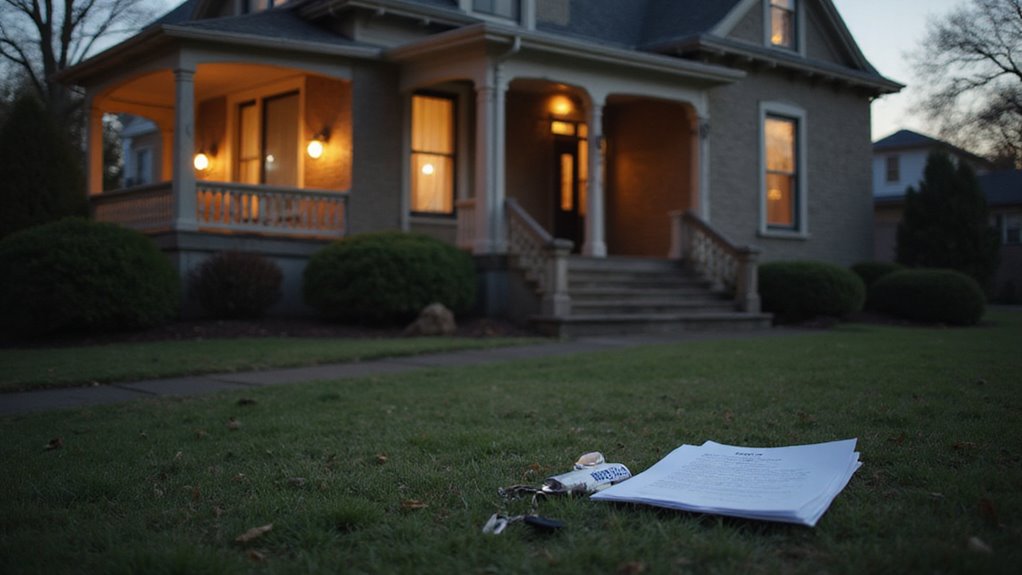
Yes, a house in probate can be sold, but the process requires court approval. The executor must follow Oregon’s legal procedures before completing any sale. The personal representative must petition the court and receive authorization to protect all heirs and creditors.
The probate sale process has specific requirements. First, the court must officially appoint an executor or personal representative. This person then files a petition for permission to sell.
Notice must be provided to all interested parties as required by law. Final court approval comes before the transaction can close.
Patience is necessary when selling probate property. The entire process typically takes several months to complete properly.
How to Sell a House During the Probate Process?

Selling a house during probate in Eugene requires you to obtain court approval and follow Oregon’s legal procedures under ORS Chapter 114.
You’ll need to understand whether formal or informal probate applies to your situation, as this determines the level of court oversight required.
Your executor or administrator must gather specific documentation, petition the court for authority to sell, and comply with notification requirements before proceeding with the transaction.
Understanding Probate Court Approval Requirements
Court approval is required before selling a house in probate. This protects all interested parties. The court reviews your sale petition to ensure it benefits the estate.
Approval requirements are straightforward. You must file a formal petition with documentation under ORS 114.325.
All heirs and creditors must receive notice according to ORS 113.155. The court might ask for a property appraisal. For contested sales, you’ll attend a confirmation hearing.
Fortunately, independent administration can make this process faster. This option reduces court involvement. Executors can fulfill their duties more efficiently with this knowledge.
Formal vs. Informal Probate Sales Processes
Probate sales in Eugene follow two distinct paths. Formal probate requires complete court supervision with mandatory hearings and judicial sale confirmation under ORS 114.325. This process includes public notice to creditors and court-ordered appraisals. You must wait for a judge’s approval before closing any sale.
On the other hand, informal probate (independent administration) operates under ORS 114.305 with minimal court involvement when no objections exist. While you still need appointment as personal representative, confirmation hearings become unnecessary. As a result, this option often serves beneficiaries more efficiently.
Role of the Executor or Administrator
An executor or administrator manages a deceased person’s assets through probate. They must file court documents, notify interested parties, sell property, and distribute assets properly.
The primary responsibilities include filing accurate inventories with the court and notifying all heirs and creditors about property sales. Oregon probate law requires executors to market properties at fair market value. This approach ensures maximum returns for the estate.
After selling assets, the executor distributes proceeds to pay outstanding debts first. Any remaining funds go to the beneficiaries according to the will. Throughout this process, executors must always act in the estate’s best interests.
Required Documentation for a Probate Sale
Probate sales require specific legal documents. Letters Testamentary or Administration prove your authority to sell under ORS 114.325. You must file a Court Petition requesting permission to sell the property.
This petition follows Oregon statute ORS 113.155. A professional property appraisal establishes the fair market value as required by the court.
Additionally, gather death certificates, property deeds, and notices to creditors. As a result, your petition processing will move faster when all documents are ready. Proper service to all heirs is essential. Record keeping protects beneficiaries and ensures transactions proceed without complications.
What Are the Different Types of Probate Property Sales?

When you’re selling a house in probate in Eugene, Oregon, you’ll navigate one of four main sale types depending on your estate’s circumstances.
Each type—full probate court sales, independent administration sales, small estate procedures, or beneficiary transfer sales—follows different legal requirements under Oregon Revised Statutes and affects your timeline and costs.
Understanding which category applies to your situation determines whether you’ll need court approval, how much oversight you’ll face, and how quickly you can close the sale.
Full Probate Court Sales
Full probate court sales require formal court supervision when selling estate property in Oregon. This process follows ORS Chapter 114 requirements with complete transparency to protect all parties.
The personal representative must obtain court approval before listing any property. All heirs and creditors must receive notice under ORS 113.155.
The estate needs a professional appraisal to establish fair market value. In some cases, the court holds hearings if beneficiaries dispute the sale.
This approach takes more time but offers strong legal protection. The court ensures the sale benefits the estate and respects everyone’s rights throughout the transaction.
Independent Administration Sales
Oregon law permits faster property sales through independent administration under ORS 114.305. This option reduces court involvement during probate.
Your personal representative can market and sell property without court approval for each transaction. This works when heirs don’t object and the will authorizes independent administration.
Court appointment remains necessary at the start. Nevertheless, the remaining steps happen much faster.
Independent administration often allows closings within weeks instead of months. The personal representative maintains all fiduciary duties to heirs.
Meanwhile, everyone benefits from timely sales at fair market values. This approach effectively balances legal protections with practical efficiency.
Small Estate Procedures
Oregon offers a simpler probate process for estates under certain value limits. Small estates with real property worth less than $200,000 can avoid traditional probate under ORS 114.505-114.560.
This streamlined approach saves time and money for heirs. The process requires only an affidavit with supporting documents instead of formal court proceedings. Furthermore, no personal representative needs court appointment.
Filing fees and administrative costs are minimal compared to standard probate****. Beneficiaries receive their inheritance faster through this simplified method. As a result, property transfers more efficiently to rightful heirs with reduced paperwork and legal hurdles.
Beneficiary Transfer Sales
A Transfer-on-Death deed allows property to transfer directly to beneficiaries without probate. Property owners can establish this arrangement under Oregon law ORS 93.948-93.979. This method simplifies transfers by removing court supervision requirements. No filing fees or lengthy delays occur with TOD deeds.
Beneficiaries need only record the death certificate to claim ownership. This process helps families access inherited property quickly.
Administrative burdens and costs decrease significantly. Furthermore, TOD deeds offer an efficient alternative to traditional probate sales for estate planning.
What Challenges Might You Face When Selling a Probate House?
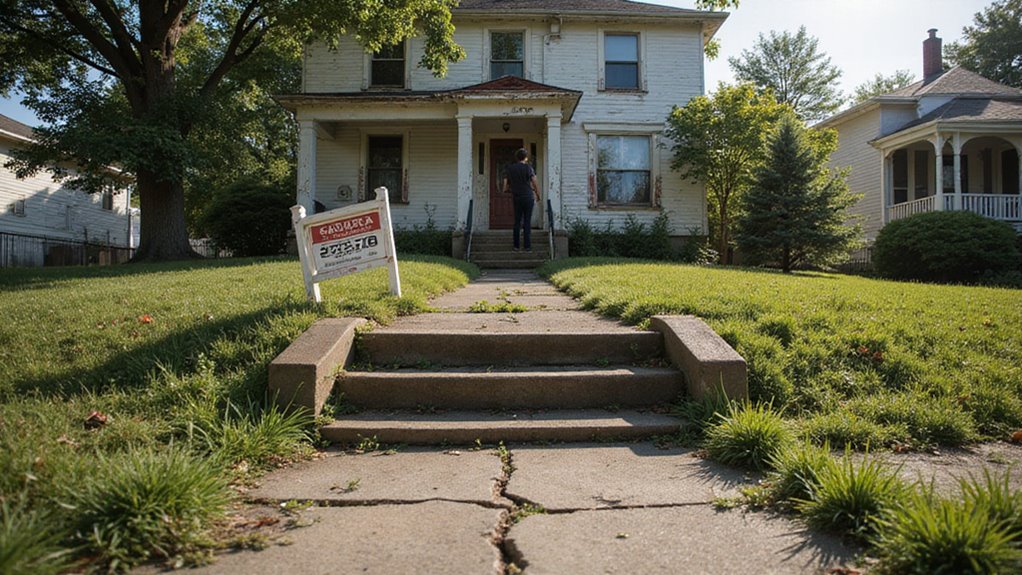
Selling a probate house in Eugene comes with specific obstacles that can complicate your transaction. You’ll likely encounter delays from court requirements and mandatory notifications, face disagreements among heirs about sale terms or property distribution, and deal with properties that may have been neglected during the probate period.
Understanding these challenges upfront helps you develop strategies to navigate court-supervised sales, manage competing beneficiary interests, address maintenance concerns, and work within pricing restrictions set by probate law.
Potential Delays in the Probate Process
Court approval takes significant time in probate. The personal representative must petition under ORS 114.325, which often requires weeks or months for processing.
Legal notifications extend timelines further. ORS 113.155 requires formal notice to all heirs and creditors before proceedings can continue.
Family disagreements create additional obstacles. When heirs contest a sale under ORS 116.083, the court schedules extra hearings to resolve disputes.
Furthermore, property valuation adds complexity. Courts typically require professional appraisals before authorizing property sales. These mandatory steps protect all parties but inevitably extend the timeline.
Managing Heir Expectations and Disputes
Heirs often disagree about property sales during probate. Conflicts typically center on timing, price, and whether to sell at all. Oregon law ORS 116.083 requires proper resolution of heir disagreements before sales can proceed.
Clear communication prevents delays and reduces legal expenses. Document all beneficiary consents in writing to maintain transparency.
Mediation offers a cost-effective alternative to courtroom battles when conflicts persist. Oregon courts mandate formal notification to all interested parties prior to authorizing any estate sale.
As a result, addressing concerns early and keeping everyone informed protects the estate’s value. Regular updates help prevent misunderstandings between beneficiaries.
Property Condition and Maintenance Issues
Empty properties require active care to maintain value. Change locks and install alarm systems for security. Keep utilities on to prevent damage from freezing pipes or electrical problems.
Take detailed photos before making any repairs. Reserve estate money for upkeep costs until the property sells. Properties without proper maintenance lose value quickly. This reduction hurts beneficiaries waiting for their inheritance.
Furthermore, neglected homes often face longer selling times and delayed closings. Estate administrators must allocate sufficient funds for ongoing maintenance according to most state probate requirements.
Price Negotiation Limitations
Probate real estate sales in Eugene restrict accepting offers below appraised value. ORS 114.325 requires court approval for sales below market value.
Independent appraisals protect heirs and creditors from unfair deals. Your negotiation flexibility with buyers becomes limited due to these legal protections.
Disagreements among heirs about pricing often cause delays. The court may schedule additional hearings to resolve such disputes. Evidence of comparable sales can help support reasonable offers.
Meanwhile, cash buyers offering fair market prices typically move through the process faster. This approach satisfies both court requirements and benefits the estate. Judicial approval remains mandatory for any price that deviates significantly from appraised value.
What Are the Financial Implications of Selling During Probate?
Selling a house during probate in Eugene comes with specific costs you’ll need to budget for upfront. You’re looking at court filing fees exceeding $500 in Lane County, potential executor commissions calculated as a percentage of the estate value under ORS 116.173, and capital gains taxes if the property has appreciated.
You’ll also need to settle any outstanding mortgages and liens before completing the sale, which directly impacts your significant proceeds from the transaction.
Probate Fees and Court Costs
Probate in Eugene requires several mandatory expenses that reduce inheritance amounts. Lane County charges over $500 in court filing fees to start probate proceedings.
Executor commissions are calculated as a percentage of estate value according to ORS 116.173. The court also requires professional property appraisals to establish fair market value.
Estate taxes may apply if the property value exceeds certain thresholds. Capital gains taxes could be due if the property appreciated significantly before sale.
These combined costs directly impact how much money heirs ultimately receive. Families should budget for these expenses early in the process. Advance planning helps prevent financial surprises during an already difficult time.
Executor Commissions
Executors in Eugene receive statutory commissions from estate proceeds. Under Oregon law (ORS 116.173), executors earn percentage-based fees calculated on the estate’s total value.
These commissions typically range from 2-7% based on estate size. For example, a $300,000 home sale might generate $6,000-$21,000 in executor fees.
These fees reduce the amount beneficiaries receive. Court costs and appraisal requirements add to these expenses. The statutory fees are mandatory and can’t be negotiated.
Families should understand these costs early in the process. This knowledge helps with realistic budgeting. Transparent estate administration honors the deceased while serving heirs appropriately.
Capital Gains Tax Considerations
Inherited property often receives tax benefits through stepped-up basis. This means your tax basis equals the property’s fair market value at death, not the original purchase price.
Capital gains taxes apply only to increases in value after inheritance, not before. Most estates avoid federal estate tax completely.
The federal estate tax exemption is $12.92 million per individual in 2023. Proper documentation is crucial for tax purposes. Get professional appraisals immediately after inheriting property. These establish your new tax basis.
Furthermore, keep records of any improvements you make that increase the property’s value. Consider consulting a tax professional for personalized advice. They can identify potential deductions and ensure proper tax reporting.
Mortgage and Lien Settlements
All liens require title company verification when selling probate assets. The closing process handles mortgage and lien payoffs. Creditors receive payment first from sale proceeds. This ensures proper debt resolution.
Courts may authorize property sale when debts exceed value. Oregon law requires clean title transfers to protect buyers.
The estate can maximize recovery through proper sale procedures. This approach benefits all parties involved. Lien resolution protects both the estate and new owners. Complete settlement creates a fresh start for the property. Buyers gain confidence when acquiring formerly probate properties.
How Can Cash Buyers Help With Probate Property Sales?
Cash buyers provide significant advantages during probate property sales by simplifying the process and reducing timelines. They remove financing contingencies that often delay traditional sales. Personal representatives benefit from less administrative work when dealing with probate investors.
Working with cash buyers offers several key benefits. Transactions typically complete in 7-14 days instead of the standard 45-60 day timeline. Properties can be sold as-is without repairs, which saves on maintenance expenses. Furthermore, the documentation process becomes more straightforward with fewer contingencies to navigate.
One major advantage is immediate access to funds. This quick liquidity helps cover estate debts and allows for faster distributions to beneficiaries. As a result, court requirements are met efficiently while serving the interests of all heirs involved in the process.
Conclusion
Selling a house in probate doesn’t have to be complicated with the right guidance. When you understand the legal requirements, the process becomes manageable. If you’re in Eugene or Springfield, our team can help navigate Oregon’s probate laws. We at OR Home Buyers specialize in purchasing probate properties quickly and efficiently.
We buy houses in various conditions throughout Oregon State. If your inherited property is in Cottage Grove or Creswell, we can make a fair cash offer. When time is important, we can close on your timeline. Our process eliminates the need for repairs, cleaning, or lengthy real estate listings.
You don’t need to face probate property challenges alone. We serve homeowners in Junction City, Salem, and many communities throughout the region. If settling an estate quickly is your priority, our straightforward approach can help. Contact OR Home Buyers today to discuss your specific probate situation and possible solutions.

Hi, I’m Bob Bash, founder of OR Home Buyers, serving the Oregon community since 2017. We provide full-service real estate solutions, specializing in cash purchases for both residential and commercial properties. I started this business to help our community navigate difficult real estate situations with professionalism, ethics, and compassion.
My goal is simple: to make every client feel relieved and happy when their real estate challenges are resolved. Helping people find solutions and peace of mind is what drives me every day.