

Selling a hoarder home is more than just removing clutter. Legal issues can make the process stressful and costly. Homeowners often overlook crucial legal requirements before putting the property on the market.
Ignoring these legal details can lead to serious problems. You could face lawsuits if you fail to disclose hazards. City fines or delays may also occur if you do not meet local property codes.
The key to selling a hoarder home legally is understanding your responsibilities and following all disclosure and code requirements. With the right steps, you can avoid legal trouble and ensure a smoother sale. This blog will guide you through the legal steps to sell your hoarder home safely and successfully.
Key Takeaways
- Sellers must fully disclose all known hazards, defects, and environmental issues to comply with state law and avoid legal disputes.
- Thorough documentation and inspection of the home’s condition are essential to support transparency and protect against future claims.
- Obtain required permits for remediation and ensure all cleanup follows local health, safety, and hazardous waste disposal regulations.
- Address code violations and ensure property complies with zoning and building laws to prevent delays or legal problems during the sale.
- Consulting with a knowledgeable real estate attorney and agent helps ensure all legal requirements are met and liabilities are minimized.
Understanding Local Zoning and Housing Codes

Local zoning and housing codes tell you what you can do with your property. You need to know these rules before selling a hoarder home. If you ignore them, your sale could be delayed or face legal trouble. Understanding how code violations impact a property’s value and saleability can help you address potential obstacles early in the process.
Zoning laws decide if your property is residential, mixed-use, or another type. Each type has its own rules about occupancy and safety. If the house breaks these rules, you may need to fix the issues first.
Check if the previous owner made changes that do not follow local codes. These could include building additions or changing how the property is used. If you address problems early, your sale will likely go more smoothly.
It’s also important to consider Oregon’s real estate regulations because complying with them can help you avoid additional complications during the sales process.
Disclosing Property Defects and Hazards
When selling a home, you must tell buyers about any defects or hazards. This is especially important with hoarder properties. Buyers need to know about issues like hidden damage, pests, or strong odors.
Disclose all defects or hazards when selling, especially with hoarder properties—buyers must know about hidden damage, pests, or strong odors.
If you hide problems, you could face legal trouble. Sellers should share all known defects, even if it is difficult emotionally. Professional help can make the process easier for everyone. In Oregon, accurate property disclosures are essential because failure to report known issues can result in significant legal consequences for sellers.
Buyers may worry about hidden dangers under clutter. Structural damage or mold can create costly surprises. Honest disclosure protects buyers and helps build trust.
Full disclosure is not only the law but also the right thing to do. It keeps everyone safe and informed. If you are unsure, seek advice to ensure you meet your obligations. In Oregon, being transparent about Property Disclosure Statement requirements and documenting all known hazards or defects is crucial to avoid legal issues and help buyers make informed decisions.
Navigating Health and Safety Regulations
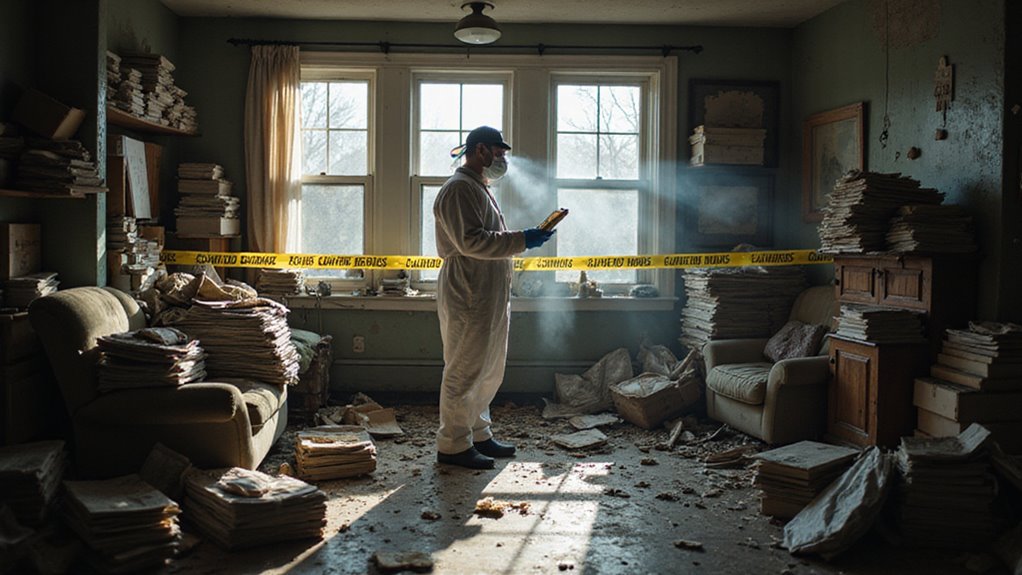
Health and safety rules are important when selling a hoarder home. Local laws require clear exits, working utilities, and a safe environment. If these are not met, you cannot list the home for sale.
Large amounts of clutter can block exits and create fire hazards. Sellers may find it hard to remove personal items, but cleaning is necessary. Professional pest control may be necessary due to common infestations and disease risks found in hoarder properties. Local authorities can tell you which rules apply to your home.
You must clear all pathways and ensure all utilities work. Deep cleaning is needed for sanitation and pest control. Ignoring these steps could delay or stop the sale.
Additionally, sellers should be aware that local rules may also require compliance with equitable distribution guidelines if the home sale is related to a divorce, affecting how proceeds are divided.
Dealing With Mold, Pests, and Environmental Concerns
You must address mold disclosure requirements and pest infestation obligations before listing a hoarder home. Buyers expect transparency about any environmental hazards that could affect their health or the property’s value. Failing to meet these legal duties can expose you to liability and jeopardize the sale.
Oregon’s disclosure laws require revealing known pest damage and providing documentation of any pest repairs or treatments when selling your home. Additionally, understanding Oregon’s real estate market trends can help you anticipate buyer concerns about potential hazards and adjust your selling strategy accordingly.
Mold Disclosure Requirements
Mold, pests, and other hazards can create legal issues when selling a hoarder home. Sellers must disclose mold if they know or suspect it. Most states require this disclosure by law.
Undisclosed mold can lead to lawsuits or buyers backing out. Mold can also cause health problems for sensitive groups. If you skip proper mold removal, your sale might get delayed or canceled.
Sellers should always provide honest mold information. Legal troubles and financial penalties can result from ignoring these rules. A clear mold disclosure protects both you and the buyer.
Pest Infestation Obligations
Sellers must tell buyers about any known pest problems in the home. These can include rodents, cockroaches, or termites. Not sharing this information can lead to legal trouble or canceled sales.
If you know about pests, you should fix the problem before selling. Arrange for a professional pest inspection and keep the treatment records. Local laws may need special pest reports or forms from sellers.
Showing you have dealt with pests builds trust with buyers. It also protects you from future issues and helps the sale go smoothly. Always follow the rules to avoid problems later.
The Role of Inspections in the Selling Process

Inspections are essential when selling a hoarder home. They help reveal hidden issues that clutter can hide from view. A proper inspection ensures nothing important is overlooked. Inspectors often find problems like mold, structural damage, or faulty wiring. These issues may affect your sale if left unchecked. Following local disclosure requirements not only helps with transparency but can also build trust with potential buyers. If you follow inspection standards, you can avoid surprises later.
An incomplete inspection might miss costly repairs. If hazards are not addressed, you could face legal problems. A thorough inspection shows buyers you are honest and might increase your home’s value. If you feel overwhelmed, remember inspections protect you from future disputes. A careful review helps you sell with confidence. Always treat inspections as a key step in this process.
In Oregon, owners should be aware that local real estate laws impact property sales and play a significant role in how inspections and disclosures are handled.
Managing Liabilities for Injuries During Showings
You need to address possible liabilities by making the property as safe as possible before any showings. Take practical steps to clear pathways and secure unstable items, and always inform visitors of any hazards you know about. Failing to implement safety precautions or disclose risks could expose you to legal claims if someone gets injured.
In some cases, using a cash buy program for hoarder homes allows for a faster, less risky sale without the need for traditional showings, which further reduces liability for injuries. It’s also wise to maintain detailed records of all efforts you make to remedy hazards, as thorough documentation is often crucial for compliance and in the event of any legal or tax questions.
Premises Safety Precautions
Premises safety is very important when selling a hoarder home. You must keep visitors safe to avoid legal problems. If you do not address hazards, someone could get hurt.
Begin by checking every room for things people could trip over. Remove or secure piles of items that might fall. Make sure all walkways and doors are clear.
You should also move heavy furniture away from escape paths. This step helps people leave quickly in an emergency. If a piece is too large, consider removing it completely.
Always clean floors and surfaces before each showing. Wipe up spills and remove mold to prevent slips or breathing problems. Proper cleaning protects everyone who enters the home.
Disclosure of Known Hazards
You must tell buyers about any known hazards in a hoarder home. This is required by law, even if you have cleaned up. Hiding issues can lead to legal trouble.
Known hazards include things like mold, asbestos, or pest infestations. Problems with the structure, like weak floors or water damage, must also be shared. If you do not disclose these, you could be held responsible if someone gets hurt.
Always write down what you tell buyers about any dangers. This protects you if questions or claims come up later. If you are unsure, ask a professional for advice.
Complying With State and Federal Disclosure Laws
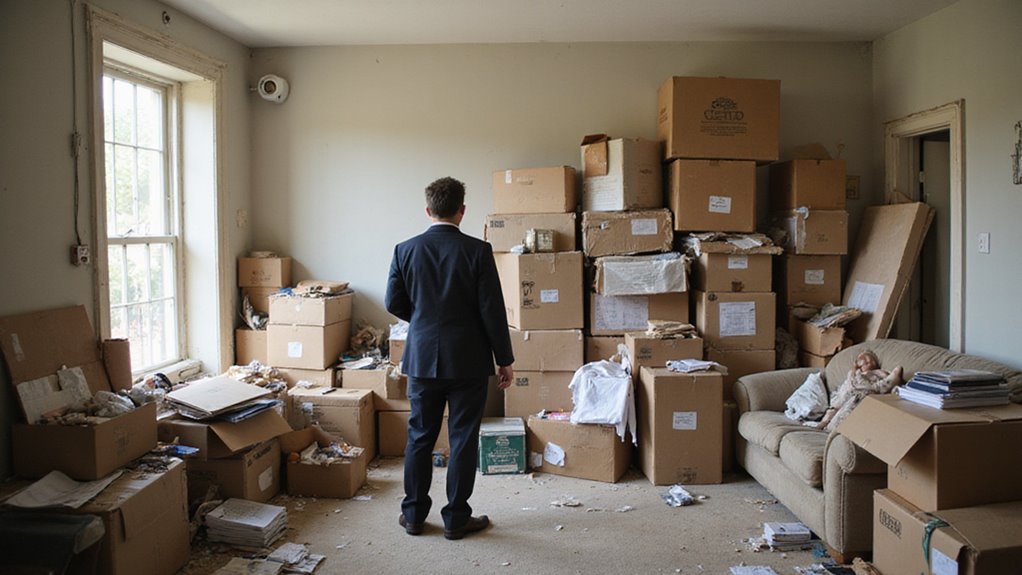
Complying with state and federal disclosure laws is required when selling a hoarder home. Sellers must share any problems that could affect the home’s value or the buyer’s rights. If you do not follow these rules, you could face legal trouble or lose the sale.
Buyers may sue for damages if you hide important information. Legal action could cost you money and time. Probate sales in Oregon require court approval and must comply with state laws, so it is crucial to make all required disclosures to avoid jeopardizing the transaction. If you want to avoid these risks, always make full disclosures.
Incomplete disclosures can damage trust between you and the buyer. Trust issues may make negotiations harder or cause the buyer to back out. Full honesty helps keep the sale process smooth.
Legal disputes over missing information can delay the sale. Delays add stress and may cause the deal to fall through. Clear communication protects both you and the buyer.
When selling a hoarder home, it is especially important to discuss any assumable mortgage options, as these could affect a buyer’s ability to finance the property and must be disclosed during the selling process.
Handling Hazardous Materials and Waste Disposal
To sell a hoarder home safely and legally, you must deal with hazardous materials properly. These can include mold, asbestos, chemicals, and biohazards. If you ignore them, you risk health problems and legal trouble.
Hazardous materials cannot go in normal trash. Law requires special disposal methods for these substances. Certified professionals should handle the removal and disposal.
You should keep records of all removal and disposal actions. These records can protect you from future legal claims. If you document your efforts, you show you acted responsibly.
Proper handling of hazardous waste keeps everyone safe. It also helps the sale meet all legal requirements. If you follow these steps, the sale will be both ethical and compliant. When selling, you should also assess debts and compare to your home’s value to ensure that disposing of hazardous materials will not result in unexpected financial setbacks.
Working With Real Estate Agents Experienced in Hoarder Homes

Working with real estate agents who know hoarder homes can make the sale process smoother. The right agent will understand the unique challenges these properties present. If you choose someone with this experience, you will likely avoid common mistakes.
An experienced agent can correctly assess the value of a hoarder home. Proper valuation helps you get a fair price for your property. If you have concerns about complex situations, a knowledgeable agent can address them.
Sensitive disclosures and legal details are important in these sales. An agent familiar with estate planning will help you handle these steps. If you want peace of mind, choose an agent with a proven track record in similar cases.
If you feel overwhelmed, a skilled agent can guide you. Their support can make the process less stressful. Choose carefully to protect your interests.
Obtaining Necessary Permits for Remediation
Securing the right permits is essential before starting any remediation on a hoarder home. Permits ensure you follow local rules and avoid legal trouble. If you do not get permits, you could face fines or project delays.
Most cities require permits for large cleaning jobs, repairs, or when handling hazardous materials. You cannot sell the home easily without proper approvals. Permits protect both you and future buyers.
You should keep good records during the remediation process. Documentation may include permit forms, work orders, and completion certificates. If asked during escrow or inspections, you will have proof of compliance.
The following table shows key tasks and documents:
| Task | Responsible Party | Required Documentation |
|---|---|---|
| Permit Application | Homeowner/Contractor | City/County Permit Forms |
| Remediation Process | Licensed Remediator | Work Orders, Inspection Logs |
| Final Approval | Building Inspector | Completion Certificate |
Proper permits and records help ensure a smooth sale or transfer of the property.
Addressing Neighbor Complaints and Community Standards
Neighbor complaints and community standards are important when selling a hoarder home. These issues can delay or complicate your sale. You must address them early to avoid bigger problems.
Neighbors may be upset if the home affects the look or safety of the area. Ignoring their concerns could lead to legal trouble or fines. Local authorities may also get involved if complaints continue.
If you learn the community rules and share your improvement plans, neighbors may be more understanding. Clear communication shows you are responsible. This can help prevent arguments and further issues.
Persistent complaints can bring code enforcement to your door. Community violations may stop or delay the sale. Bad relationships with neighbors can hurt your reputation and future plans.
Documenting Cleanup and Remediation Efforts
You need solid documentation to protect yourself during the sale of a hoarder home. Capture photographic evidence, keep receipts from professional cleanup services, and maintain records of hazardous material disposal. These records demonstrate your compliance and can help resolve disputes or satisfy disclosure obligations.
Photographic Evidence Collection
Photographs clearly show the condition of a hoarder home before, during, and after cleanup. These images provide proof for legal and sales purposes. If a dispute happens, photos can protect you.
Document each area of the property with wide shots and close-ups. Include all rooms, problem areas, and outside spaces. If you miss a spot, you might lose important evidence.
Photograph the mess before cleanup, the process, and the final clean state. If you are detailed, you will show clear progress. This can help if buyers or regulators ask questions later.
Professional Service Receipts
Keeping professional service receipts is essential when selling a hoarder home. Buyers and agents want proof of proper cleaning and repairs. Organized receipts show that professionals handled the work.
Receipts should come from cleaning crews, junk removal, pest control, and contractors. These papers confirm that you fixed health or safety concerns. Local rules may require proof of this work.
If you keep clear records, you build trust with buyers. Receipts also protect you if someone questions your efforts later. Documentation proves you acted responsibly and were honest during the sale.
Hazardous Material Disposal Records
Hoarder homes often have dangerous materials like mold, chemicals, or biohazards. Disposal records prove you removed these hazards safely. If you do not keep these records, you may face legal or financial problems.
You should collect certified receipts for all hazardous material removal. These show that professionals handled the waste. Manifests or logs from licensed waste facilities should list the type, date, and amount of materials thrown away.
Photographs taken before, during, and after cleanup help show the changes made. Disposal records can protect you if someone questions your cleanup. They also reassure buyers that the home is now safe.
Negotiating Repairs and Credits With Buyers
Selling a hoarder home often means buyers will ask for repairs or credits. Buyers may see hoarder homes as risky and want extra concessions. You should expect these requests and be ready to respond.
A recent property valuation from an experienced appraiser can help you negotiate. This report lets you explain your asking price and reject unfair repair estimates. If you have clear documentation, you can better support your position.
Transparency about the home’s condition is important. If buyers ask for many repairs, consider offering credits instead. Credits let buyers make repairs their way and save you time and money.
Protecting Yourself From Future Legal Claims
Selling a hoarder home can lead to legal claims after the sale. Buyers might find hidden problems or estate issues you did not address. You should take steps to protect yourself from such claims.
You must share all known defects in writing, even if they seem small. Clear documentation helps prevent accusations of fraud or hiding information. Honesty now can stop future legal trouble.
If the home is part of an inheritance, settle all estate and inheritance matters before selling. Unresolved issues can create problems for both you and the buyer. Completing these steps gives both parties peace of mind.
A real estate attorney can review your documents and contracts. Legal advice ensures you follow the law and protect your interests. If you have questions, an attorney can offer guidance.
Conclusion
If you want to sell a hoarder home, legal steps are essential for a smooth process. Sellers should make sure to disclose all important details and keep accurate records. If you handle each requirement properly, you will avoid future disputes.
If you need to sell quickly, we buy houses for cash in any condition. This option can help you avoid the stress of repairs or lengthy processes. We offer fair prices and handle the paperwork.
If you are ready to sell your hoarder home, contact OR Home Buyers today. We make the process simple and transparent. Let us help you move forward with peace of mind.




Hi, I’m Bob Bash, founder of OR Home Buyers, serving the Oregon community since 2017. We provide full-service real estate solutions, specializing in cash purchases for both residential and commercial properties. I started this business to help our community navigate difficult real estate situations with professionalism, ethics, and compassion.
My goal is simple: to make every client feel relieved and happy when their real estate challenges are resolved. Helping people find solutions and peace of mind is what drives me every day.