

Selling a house with foundation issues is not as easy as listing it and finding a buyer. Many homeowners do not realize that hidden problems can create big headaches during and after the sale. Buyers want to know what they are getting into before making such a large purchase.
If you ignore these issues or try to hide them, you risk serious trouble. Lawsuits and fines are common when sellers fail to disclose major problems. The sale could even fall through at the last minute, costing you time and money.
You must disclose any known foundation issues when selling your house, or you could face legal and financial consequences.
If you know the rules and follow them, you can avoid future disputes and sell with peace of mind. This blog will guide you through the legal steps to sell your house safely and honestly.
Key Takeaways
- Sellers are legally required to disclose all known foundation issues and related repairs before closing, regardless of selling “as-is.”
- Failure to disclose foundation defects can result in lawsuits, rescission of sale, fines, or other legal penalties.
- Proper documentation, including inspection reports, repair invoices, and warranties, should be provided to buyers to ensure transparency and legal compliance.
- Material defects like foundation problems can impact property value, buyer financing, and must be clearly disclosed and documented.
- Consulting a real estate attorney ensures disclosures meet state-specific requirements and protects against potential future liability.
Understanding Foundation Problems and Their Impact on Home Value
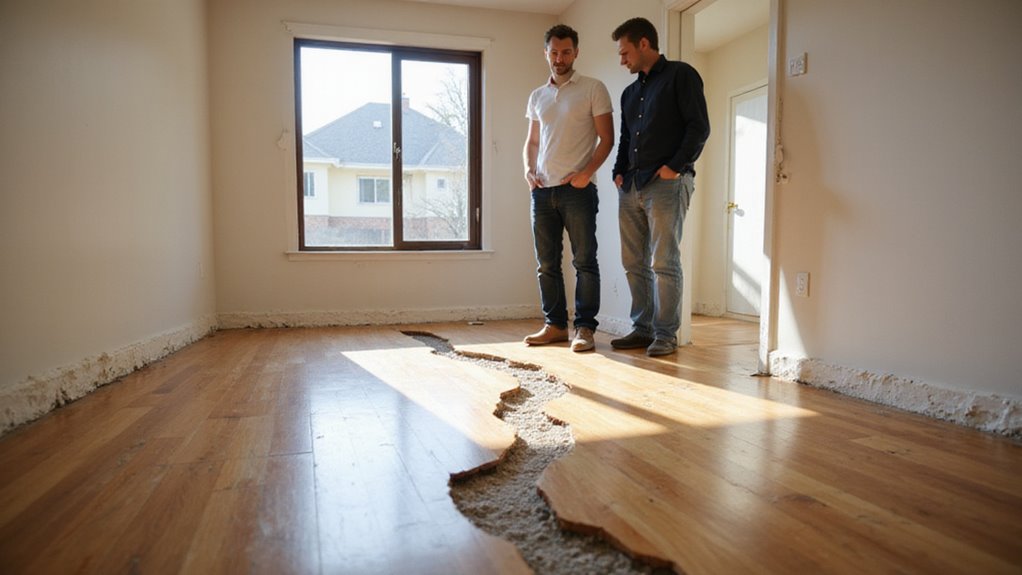
Foundation problems can lower your home’s value. Issues like cracks or uneven floors often mean serious structural trouble. These problems are not just about appearance. Foundation issues such as cracks or uneven floors signal serious structural problems that can significantly reduce your home’s value.
A professional inspection is needed if you see these signs. The expert will check the damage and suggest repairs, if required. Accurate repair costs will help you plan better. In many cases, addressing structural issues early can also improve marketability and help prevent future complications.
Buyers often look at inspection reports before making offers. Unfixed foundation issues may lead to lower prices or fewer interested buyers. Fixing problems and sharing information can make your sale easier.
If you repair foundation issues before selling, you protect your investment. Taking action early shows buyers you care for your home. This can increase buyer trust and help you get better offers.
In Oregon, thorough inspections and structural engineer assessments are essential to maintain transparency and determine the best approach when selling a house with foundation problems.
State and Local Disclosure Laws for Structural Defects
State and local laws require you to tell buyers about known structural defects. This includes any foundation problems in your house. If you do not follow these rules, you could face legal trouble.
Each state has different disclosure forms and rules. You must check your local laws before selling your home. Written disclosures of known problems are usually needed before closing. In Oregon, selling an inherited property follows specific probate process requirements that affect both the timeline and the manner of disclosures.
Some places may ask for inspection reports or repair documents. If you hired a contractor for repairs, keep these records. Proper disclosure protects you from future claims and helps buyers trust you.
Additionally, Oregon’s disclosure requirements mandate that all known material defects be revealed to potential buyers, ensuring transparency and complying with local regulations.
What Counts as a Material Defect in Real Estate

A material defect in real estate is a problem that can affect the property’s value, safety, or appeal. Sellers must disclose these issues to buyers. If you do not disclose a material defect, you could face legal trouble.
Material defects include both visible and hidden problems. Structural issues like foundation cracks or roof leaks are common examples. If a wall that supports the house is damaged, you must report it. In Oregon, it is crucial to familiarize yourself with property disclosure requirements that outline your legal obligations in these situations. Both visible and hidden issues, such as roof leaks or damaged support walls, count as material defects that must be disclosed.
Environmental hazards are also material defects. Mold, asbestos, or underground fuel tanks can harm people’s health. If you find these issues, you need to address them right away.
Zoning problems can be material defects too. Non-permitted construction or land use violations may limit how the property can be used. If local laws are changing, you should inform buyers.
If you identify material defects early, you can fix them or disclose them properly. This helps prevent delays and legal problems during the sale. Always check the property carefully before listing it for sale.
Staying updated on Oregon’s real estate market trends can help you understand which defects are most likely to impact your sale or attract legal scrutiny.
Seller’s Duty to Disclose Known Foundation Issues
Sellers must tell buyers about any foundation problems they know about. This is required by law in most places. Honest disclosure helps buyers understand the home’s condition. Timing the sale by considering seasonal selling patterns in Oregon can also impact buyer interest and listing success.
If you have fixed foundation issues, you should explain what repairs were done. Sellers should also mention any repair warranties or concerns that remain. Giving full details helps buyers make informed decisions.
If you hide known problems, you could face legal trouble later. Buyers depend on your information to decide if further inspection is needed. Clear disclosure protects both you and the buyer.
In Oregon, there are specific disclosure requirements that mean you must document and communicate any known repairs or issues related to pests or structural damage, ensuring compliance and building buyer trust.
Consequences of Failing to Disclose Foundation Problems

If you do not tell buyers about foundation problems, you can face serious trouble. The law requires you to share known issues when selling a house. Failing to do this can lead to legal and financial problems.
A buyer might sue you for hiding problems or lying about the house’s condition. If they win, you may have to pay for repairs or cancel the sale. Courts can also order you to pay for any losses the buyer suffers. Understanding Oregon’s real estate market conditions can also affect how quickly undisclosed issues come to light, as buyers often perform thorough inspections in competitive markets.
You could be made to cover the full cost of fixing the foundation. These repairs can be very expensive if there is major damage. Sometimes, the repair costs are higher than what you saved by not disclosing the problem. Failing to disclose foundation issues can leave you paying hefty repair bills that far outweigh any short-term gains.
Your reputation can also suffer if you do not disclose problems. Real estate agents and buyers may not trust you in the future. This can make it hard to sell other properties later.
If you have any doubts, always tell buyers about known foundation issues. Honest disclosure protects you from future trouble. It also helps keep the selling process fair and legal.
Failure to disclose may also result in legal action under Oregon real estate laws, which can include fines, liens, or other penalties.
How to Document and Communicate Foundation Repairs
You need to collect all invoices, warranties, and professional assessments related to your foundation repairs. When you disclose these documents to buyers, include clear visual evidence like photos and detailed inspection reports. This approach builds trust and protects you from future legal disputes.
Demonstrating transparency by providing professional inspections and remediation documents is not only a legal requirement in many real estate transactions, but also helps maintain your property’s value and reassures buyers about the integrity of the repairs. It’s also helpful to understand how Oregon law requires disclosure of property conditions, as this ensures buyers are well-informed and protects you from possible penalties for nondisclosure.
Gathering Repair Documentation
Comprehensive repair documentation is important when selling a house with foundation issues. It proves the repairs were done and protects you from disputes. Buyers will trust you more if you provide clear records.
You should gather engineering reports and inspection summaries from licensed professionals. These reports describe the problems and repairs in detail. If you do not have them, request copies from the experts who worked on your home.
Invoices and contracts from foundation contractors are also important. These show who did the work, the date, and the materials used. Keep these organized and easy to find.
Repair warranties and maintenance recommendations should be included if they exist. Transferable warranties show the repairs are guaranteed for the new owner. Maintenance tips help buyers keep the foundation in good shape.
Keep all these documents in one place. If someone asks for proof of repairs, you will have everything ready. This preparation can help your sale go smoothly.
Disclosing Repairs to Buyers
You must always tell buyers about foundation repairs. This protects you legally and builds trust with potential buyers. Clear disclosure helps everyone understand the condition of the home.
If you disclose repairs, explain what was fixed and why. Include details from any structural assessments. Make sure to give the dates and the names of the contractors.
Written records with simple language are best. Share this information early in the process if possible. This helps buyers feel confident and reduces the chance of legal problems.
If buyers know about the repairs from the start, they can make better decisions. Full disclosure also shows honesty and transparency. This makes selling your home smoother for everyone.
Visual Evidence and Reports
Providing visual evidence and professional reports helps support your claims about foundation repairs. Buyers want proof that repairs were done correctly. If you show evidence, you lower the risk of future problems.
You should take clear, date-stamped photos before, during, and after repairs. Photos help buyers see the work quality. If you skip this step, buyers may doubt your claims.
Collect detailed reports from licensed engineers or contractors. These reports should explain the problem and confirm the repairs are finished. If you have professional reports, buyers trust your information more.
Gather all receipts and warranty documents linked to the repairs. Receipts and warranties show that you paid for proper work. If you provide these documents, you show honesty and build trust.
Organized documentation makes negotiations easier. If you give clear evidence, you avoid confusion. Buyers feel more confident when information is clear and complete.
The Buyer’s Right to a Home Inspection
You should expect buyers to include an inspection contingency clause, giving them the right to hire a professional who will assess your home’s foundation. It’s crucial that you meet your disclosure obligations fully, as failure to do so can lead to legal consequences. After the inspection, be prepared to negotiate repair requests or price adjustments based on the findings.
A seller’s ability to offer a fair cash offer may also depend on the overall condition of the property and the buyer’s evaluation of potential repair costs. Understanding timelines for foreclosure in Oregon can also impact how much time you have to complete inspections and negotiate with buyers if your property is in distress.
Inspection Contingency Clauses
An inspection contingency clause lets buyers check the home for foundation problems before the sale is final. If you are selling, you must understand how this clause affects the process. You should prepare your home and share honest details to help buyers feel confident.
Buyers can ask for repairs or a lower price if the inspection finds problems. They might decide to cancel the sale if the foundation is in bad shape. The inspection and response deadlines are set in the contract.
If you expect foundation issues, plan ahead and be open with buyers. Good preparation can make the sales process smoother. Being honest helps you attract serious buyers, even if the home needs repairs.
Disclosure Obligations Explained
Disclosure obligations mean sellers must tell buyers about any known problems with the home. Sellers need to fill out property disclosure forms honestly. This includes sharing information about foundation cracks or past repairs.
If sellers hide known issues, the sale could be delayed or canceled. Lenders may not approve mortgages if there are undisclosed problems. Buyers also have the right to inspect the home before closing.
Hiding defects can lead to legal trouble later. Full honesty protects sellers from future liability. If you are unsure, it’s best to disclose any concerns to keep the process smooth.
Negotiating Repair Requests
Buyers can ask for repairs after a home inspection. Sellers should expect negotiations if the inspection finds problems with the foundation. It is important to respond to these requests in a fair way.
A seller should review the inspection report with a qualified expert. The expert can help confirm if the foundation problem is serious. If the issue is minor, a simple repair may solve it.
Sellers can choose to fix the problem or offer a price reduction. Another option is to give the buyer a credit at closing. These choices depend on what both sides agree is fair.
All agreements about repairs or credits must be written in the contract. Clear terms help avoid confusion later. If anything changes, both sides should update the contract in writing.
Negotiating Repairs or Price Adjustments
Negotiating repairs or price adjustments is important after finding foundation issues. Buyers may ask you to fix the problem or lower the price. Sellers should get repair estimates from licensed contractors to support negotiations.
Accurate estimates show you are honest and help you justify your decision. You can offer to fix the damage, lower the price, or split the repair costs. If you use clear documentation, it is easier to reach a fair agreement.
Each option has pros and cons. Completing repairs can make buyers feel better, but may slow down the sale. Price adjustments can speed things up, but buyers might think repairs cost more than they do. If the property is held in a trust, maintaining detailed records of all negotiations and costs is essential for proper tax filings and compliance.
Selling “As-Is”: What Does It Really Mean?
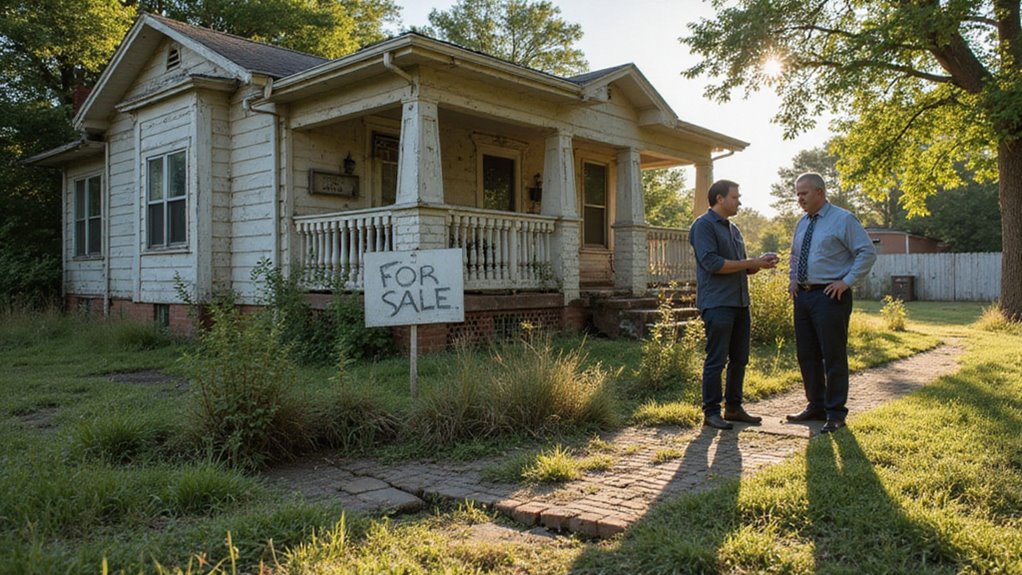
When you sell a house “as-is,” you’re still legally required to disclose known foundation problems to potential buyers. This approach shifts the responsibility for repairs and ongoing risks to the buyer, but it doesn’t eliminate your obligation to be upfront. Understanding these requirements helps you avoid legal pitfalls and ensures a smoother transaction.
Disclosure Obligations Explained
Selling a house “as-is” means you sell it in its current condition, including any foundation issues. You must still tell buyers about any known problems, especially with the foundation. If you hide defects, you risk legal problems or losing the sale.
Sellers should list all known foundation damage, past repairs, and any engineering reports. Offering documents like inspection results or repair receipts helps buyers understand the situation. You may also include information about foundation insurance, if available.
Each state has its own disclosure laws for home sales. Sellers need to follow these rules exactly to avoid legal trouble. Proper disclosure protects both you and the buyer.
Buyer Risk Assumption
Selling a house “as-is” means the buyer takes on more risk. Buyers are responsible for checking the home’s condition, especially for foundation problems. If you meet your disclosure obligations, buyers must accept any existing issues.
Most buyers hire a structural engineer to inspect the foundation. They get a report to know the extent of any damage. This helps them decide if repairs are affordable.
Insurance for homes with foundation issues can be hard to get. Some insurers refuse coverage for pre-existing damage. Buyers should check their options before agreeing to buy.
If a buyer wants the house, they may try to lower the price. Price negotiations often reflect the cost of needed repairs. The final deal depends on what both sides accept.
When buyers agree to purchase “as-is,” they take full responsibility for the home’s current state. This includes all visible and hidden problems. If problems come up later, buyers cannot hold the seller responsible.
How Foundation Issues Affect Financing and Appraisals
Foundation problems can make getting financing and appraisals difficult during a home sale. Lenders and appraisers look closely at the foundation’s condition. If there are issues, it can affect both loan approval and the home’s value.
Most lenders will not approve loans for homes with serious foundation damage. Appraisers may lower the home’s value if they spot foundation problems. This can make it hard to sell at your desired price.
You may need to provide special inspection reports or make repairs before closing. These steps can add time and cost to the sale process. Addressing any foundation issues early can make selling your home easier.
The Role of Real Estate Agents in Disclosure

When you work with a real estate agent, you should know they’re legally required to disclose known foundation issues to potential buyers. Agents also have strict ethical obligations to ensure all material facts are presented honestly and transparently. Understanding these requirements helps you avoid costly legal disputes and maintain trust throughout the transaction.
Agent Disclosure Requirements
Real estate agents must share all known foundation problems when selling a house. They cannot hide repair history or downplay any damage. This ensures buyers know about important issues before deciding to buy.
Agents must tell buyers about any foundation defects or repairs. They should give buyers any inspection reports or repair receipts. If buyers get these documents, they can make better choices.
Agents also need to get buyers’ signatures on disclosure forms. These forms prove that buyers received all important information. If a buyer does not sign, the sale process could be delayed.
Ethical Obligations Explained
Real estate agents have a duty to share all known foundation issues with buyers. This means you must give honest and clear information. If you hide problems, you could face loss of trust or even legal trouble.
Agents should mention not only cracks but also any past repairs or inspection reports. If a home has a structural warranty, its details and expiration must be shared. You should make these disclosures in writing.
Using vague words or skipping details is not allowed. Clear communication helps buyers decide with confidence. If you follow these steps, you protect your reputation and meet your ethical duties.
Legal Protections for Sellers: Waivers and Disclaimers
Waivers and disclaimers can help protect sellers from legal problems. These documents set clear expectations and limit your risk after selling a house with foundation issues.
A detailed disclaimer should list all known foundation problems. It must also mention any repairs, insurance claims, or warranty steps taken. If you are unsure, include as much information as possible.
A buyer’s waiver is important if you want extra protection. The buyer signs it to show they know about the foundation issue. This confirms they agree to buy the home as-is.
You should keep records of all inspections and repairs. Save any communication about the foundation with the buyer. Proper documentation can help if a dispute happens later.
When to Consult a Real Estate Attorney
You should consult a real estate attorney if your house has foundation problems. An attorney helps you understand your legal duties when selling. Early advice can prevent costly mistakes.
A lawyer can explain what you must tell buyers in your state. They can help you write clear language for your listing and offers. If buyers ask for repairs or credits, your attorney will guide you on the best response.
Legal help is important if you expect a dispute or feel unsure about disclosures. An attorney protects your interests and lowers your risk of future problems. If you need repair work, your lawyer can review contracts before you sign.
Steps to Take After Selling a House With Foundation Issues
After you sell a house with foundation issues, keep all proof of what you shared with the buyer. This includes inspection reports and any written communication. Proper records help protect you from future problems.
You should check your state’s rules about what sellers must disclose. Make sure you have followed all legal steps. If you are unsure, ask a real estate agent or lawyer.
Store all documents in a safe place, both on paper and digitally. After closing, let your agent or attorney know the sale is done. If the buyer contacts you with questions, answer them quickly to prevent legal issues.
Conclusion
If you are selling a house with foundation issues, you must be honest and transparent. If sellers disclose problems and keep records, they protect themselves from legal trouble. Full disclosure can also help buyers make informed decisions.
If you want to avoid repairs and lengthy negotiations, you can consider a cash sale. When owners sell as-is to cash buyers, they often close quickly and skip extra costs. We buy houses for cash, even those with foundation problems.
If you want a simple, fast sale, contact Home Buyers today. We can give you a fair offer and handle the process for you. Let us help you sell your house with confidence and peace of mind.




Hi, I’m Bob Bash, founder of OR Home Buyers, serving the Oregon community since 2017. We provide full-service real estate solutions, specializing in cash purchases for both residential and commercial properties. I started this business to help our community navigate difficult real estate situations with professionalism, ethics, and compassion.
My goal is simple: to make every client feel relieved and happy when their real estate challenges are resolved. Helping people find solutions and peace of mind is what drives me every day.