

Selling a house with water damage is stressful and risky. Many homeowners worry about legal trouble if they do not share every detail. Water damage is one of the most common reasons for failed home sales.
Buyers often back out when they discover hidden water problems. Lawsuits, fines, or canceled sales can follow if sellers hide past leaks or repairs.
Sellers must know what to do before listing a damaged home. You are legally required to fully disclose all known water damage when selling your house.
The good news is that proper steps can protect you from legal issues and help the sale go smoothly. This blog will guide you through every step to safely sell a house with water damage.
Key Takeaways
- Sellers are legally required to fully disclose all known past or present water damage to potential buyers.
- Concealing or failing to report water damage can result in lawsuits, financial penalties, or cancellation of the sale.
- State laws may require completion of a specific property disclosure form addressing water and mold issues.
- Sellers must provide documentation of any repairs made to address water damage for transparency and legal compliance.
- Selling “as is” does not eliminate the obligation to disclose known water damage or relieve liability for concealed defects.
Understanding Water Damage and Its Impact on Property Value
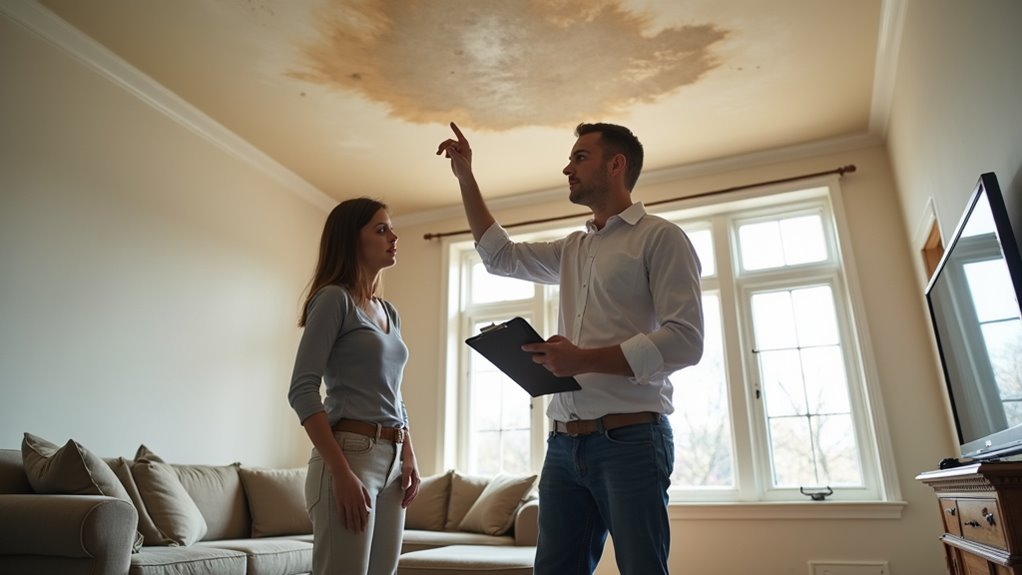
Water damage can lower a property’s value and make it harder to sell. Even small leaks can cause big problems over time. Most buyers and appraisers notice these issues and reduce their offers.
Water can weaken a home’s foundation and damage its structure. If it gets inside walls or floors, it may also cause mold. Repairing these problems is often expensive and time-consuming.
Homes in flood zones have a higher risk of water damage. If your property is in these areas, insurance costs may be higher. Buyers may avoid homes with a history of water issues.
If water reaches electrical systems or insulation, it can cause hidden damage. These problems are not always visible during a first inspection. If left unfixed, they can lead to serious safety and repair concerns.
Sellers must follow property disclosure requirements in Oregon to inform buyers about past or existing water damage, helping to avoid legal disputes and build trust during the sale.
Mandatory Disclosure Laws for Water Damage
Most states have laws that require you to disclose water damage when selling a house. You must tell buyers about any water issues, even if repairs are complete. Buyers have the right to know about problems that affect value or safety. Water damage can cause mold or weaken the home’s structure.
Mold may lead to health problems and more repairs later. If you hide water damage, you could face lawsuits or legal trouble. Always keep records of any water damage and repairs. In addition to water issues, sellers in Oregon need to be aware of mandatory disclosure requirements that apply to other property conditions, such as structural problems or pest infestations.
Clear and honest communication protects both you and the buyer. If you are unsure, ask a real estate professional for advice. Disclosing water damage is especially important because Oregon’s disclosure requirements obligate sellers to reveal all known material defects to potential buyers.
State-Specific Requirements for Seller Disclosure

Seller disclosure rules for water damage are different in each state. Some states, like California and Texas, require sellers to list all known water damage. Other states may only require basic information or let buyers investigate on their own.
Homeowners must follow the rules set by their state. These requirements often complement common real estate practice standards that guide many home sales with existing mortgages. These rules may ask for details about both past and present water problems. If you do not follow these rules, you could face fines or have the sale canceled.
You should review your state’s disclosure checklist before selling. Consult a real estate expert if you are unsure about your duties. This helps you avoid legal trouble and meet all requirements.
In Oregon, for example, sellers are required to submit a Property Disclosure Statement covering the nature and extent of any water or fire damage when listing their home.
How to Document and Report Water Damage
You need to systematically photograph all affected areas, capturing both close-up and wide-angle images to establish the extent of water intrusion. Document each incident with a detailed written report, specifying the location, source, duration, and visible impact of the damage.
Comprehensive visual and written records provide critical evidence for disclosure compliance and risk mitigation. It’s essential to communicate clearly with buyers about water damage, emphasizing the steps you’ve taken for documentation and future remediation options. If the property is part of an estate under $275,000, additional documentation may be required to confirm legal authority to sell.
Photographing Affected Areas
Photographing affected areas is important for clear records and future discussions. Photos should show both the full room and small details. Careful pictures help others understand the damage.
Wide shots show how water damage fits into the whole room. Close-up photos focus on problems like stains, mold, or warped surfaces. Use a ruler or coin in photos if you need to show size.
If natural light is not enough, use a flash to brighten photos. Always take pictures from honest angles to avoid confusion. Check hidden spots, such as behind furniture or near shared walls and basements.
| Photo Type | Purpose |
|---|---|
| Wide Angle | Shows overall damage and its place in the room |
| Close-Up | Records specific problems for a detailed look |
| Scale Reference | Helps others judge the size and seriousness of the damage |
Writing Detailed Damage Reports
A detailed damage report must be accurate and complete to meet legal requirements. It protects everyone involved in the sale. The report should clearly list all damaged areas.
Photographs should support your descriptions of the affected spots. Each report needs the date when the damage was found. Include where the water came from and if the property is in a flood zone.
Describe exactly how much damage there is and how long it lasted. State if the damage is structural, cosmetic, or both. If you observe mold, record the findings and any steps taken to fix it.
Any mold inspection by a professional should be included. Use clear terms like “water levels,” “damaged subfloor,” or “HVAC problems.” Attach quotes from contractors and inspection documents as proof.
This process helps everyone understand the property’s condition. It also reduces legal risks during the sale. If you follow these steps, you can ensure clear and honest reporting.
The Role of Home Inspections in Water Damage Cases
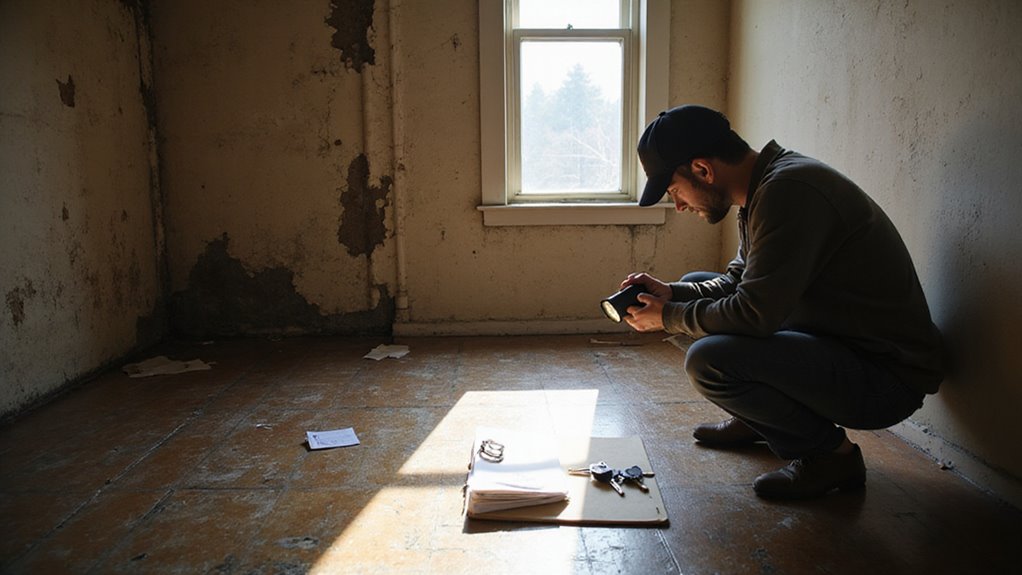
A home inspection is very important in water damage cases. Inspectors can find both obvious and hidden water problems before a sale. If you skip this step, you might miss serious issues. A certified inspector checks plumbing, roofing, basements, and crawl spaces for leaks or past flooding.
They often use special tools to find hidden moisture. If water damage is suspected, inspectors may also look for mold. Mold inspections help spot health risks and ongoing moisture problems. Inspectors record all their findings in a report. This report helps you answer buyer questions and meet your legal disclosure duties.
In Oregon’s real estate market, understanding seasonal trends can also help sellers anticipate when home inspections may reveal more water damage due to weather patterns. Sellers are especially advised to address structural issues during preparation, since unresolved water damage can negatively impact both property value and buyer interest in the Oregon real estate market.
Repair Obligations Before Listing the Property
Sellers must fix any water damage before listing a property. All water problems should be repaired by professionals. If you skip this step, you could face legal trouble later. Water damage must be professionally repaired before listing your home, or you could face legal issues down the line.
Repairs should include drying, fixing structures, and replacing damaged materials. The source of the water must be found and fixed to stop future issues. If you ignore mold, it can lead to serious health and legal problems. Addressing underlying causes and documenting all repairs is similar to the requirements for Oregon disclosure laws when selling homes with pest damage.
Certified contractors should assess the damage and handle repairs. You should keep records of all work done. Buyers will want to see proof of repairs and remediation. If you follow these steps, you lower the risk of disputes. Proper repairs also make your home more appealing and valuable.
Additionally, being aware of Oregon real estate laws can help ensure your repairs and disclosures meet local legal requirements, minimizing the risk of future liability.
Implications of Selling a Home “As Is
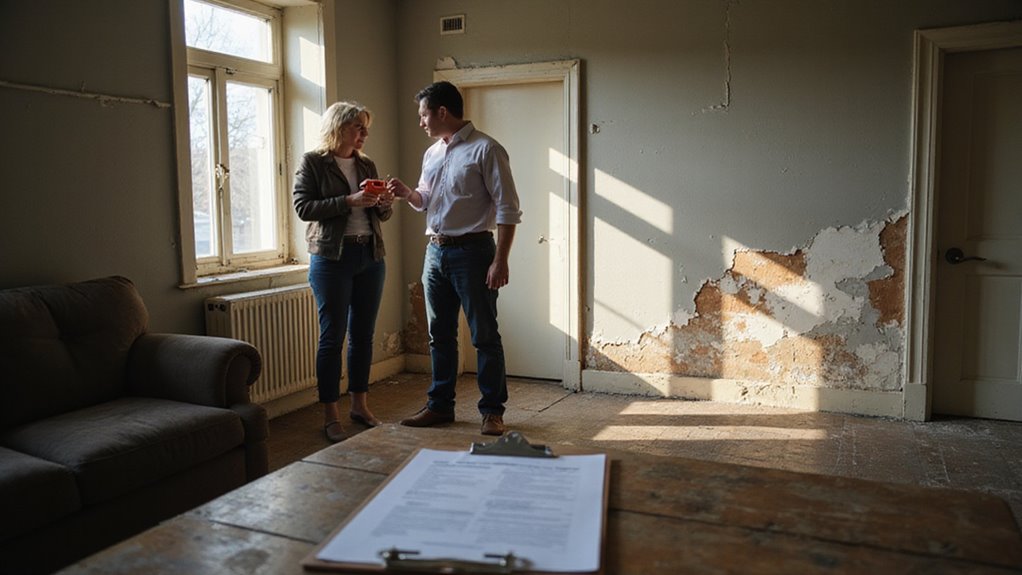
Selling a home “as is” means you will not fix any problems, such as water damage or mold. This choice can have serious legal and financial effects. Buyers know they must accept the home’s current condition.
Appraisers may lower your property value because they include repair costs. Title insurance companies might check your home more closely. This could lead to higher premiums or special conditions in your policy. Unresolved property liens can further complicate the sale process and may affect the buyer’s ability to secure clear title.
You must be honest and complete in your disclosures. If you do not share all information, buyers and lenders may have concerns. This can cause delays or even lower the amount you receive from the sale. Sellers should also be aware that state-specific disclosure laws can impact what must be reported about property condition, including water damage, which may affect both legal compliance and buyer trust.
Potential Liability for Concealing Water Damage
If you hide water damage when selling a home, you could be legally responsible. Most states require sellers to tell buyers about known water problems. Failing to do this can get you into legal trouble. Buyers may sue you if they find hidden water damage after buying the house. Courts may order you to pay for repairs or cancel the sale. If you hid the damage on purpose, you could face extra penalties.
Real estate agents and sellers can also lose their licenses if found responsible. Your reputation in the industry may suffer. To avoid problems, always share inspection results and keep good records. Documentation is especially important when the sale requires following strict procedures set by state law during processes such as probate. Consulting Oregon real estate laws can offer a framework on how to handle disclosure and your obligations to prospective buyers.
Legal Recourse for Buyers After Discovery

If you find water damage after buying a house, you have legal options against the seller. You may be able to take action if the seller did not tell you about known water damage.
A breach of contract claim is possible if the seller broke their agreement to disclose problems. If the seller hid defects on purpose, you could claim misrepresentation or fraud. Courts may order the seller to pay for repairs or the drop in your home’s value.
You might also ask the court to cancel the sale in serious cases. Keeping good records, like inspection reports and repair bills, is important. Speaking with a real estate lawyer can help you understand your rights and the best steps to take.
Impact on Buyer Financing and Insurance
You’ll encounter strict lender requirements when water damage is present, as many financial institutions mandate repairs or additional inspections before approving a mortgage. Insurance providers often impose coverage exclusions or higher premiums for properties with a history of water intrusion. These factors can significantly affect buyer eligibility and transaction timelines.
Lender Requirements for Approval
Lenders set rules to protect their investment when approving a mortgage. They require the house to be in good condition. Homes with water damage may not qualify for a loan until repairs are done.
If there is water damage, lenders usually ask for professional repairs and a mold check. A licensed contractor should fix the damage, and a mold inspector must confirm there is no harmful mold. You will need to show receipts and reports to prove the work was completed.
Missing these steps can cause the loan to be denied or delayed. If you do not follow the requirements, fewer buyers will qualify for your home. The sale could fail if these conditions are not met.
Insurance Coverage Limitations
Water damage can make it hard for a home to get insurance coverage. Insurers may see these homes as risky and might exclude coverage or charge higher rates. If water issues are not fixed, insurance companies may even deny coverage.
Most insurance policies do not cover pre-existing water damage. State laws often require sellers to fully disclose any past water damage to buyers. If this is not done, it can lead to legal and financial problems.
Lenders need proper insurance to approve a mortgage. Limited or expensive insurance can make it harder for buyers to get financing. This can reduce the number of interested buyers and lower the home’s value.
Working With Real Estate Agents and Legal Counsel
Working with real estate agents and legal counsel is important when selling a home with water damage. These professionals help you follow the law and reduce your risk. They make sure you meet all disclosure rules.
Real estate agents explain property inspection results in simple terms. They help prepare clear and honest disclosure forms. If you need to describe water damage, agents know how to do this properly.
Real estate agents make inspection results easy to understand and ensure your disclosures about water damage are clear and accurate.
Legal counsel checks that your paperwork matches state and local real estate laws. If you have insurance claims, lawyers make sure everything is in order. They help you avoid legal problems.
Both professionals help you respond if hidden water damage is found. If there are unresolved issues, they guide you on the next steps. Their advice protects you throughout the selling process.
Navigating Negotiations With Prospective Buyers
You must provide full disclosure of any existing or historical water damage to mitigate potential liability and maintain transaction transparency. During negotiations, establish clear terms regarding repair responsibilities, whether through seller concessions, price adjustments, or contractual obligations. Careful documentation and precise allocation of duties protect your interests and enable a smoother closing process.
Disclosing Water Damage Issues
Sellers must always tell buyers about any water damage in the home. This is a legal and ethical requirement. Hiding these problems can lead to serious legal trouble.
You should list every known water leak and where it happened. If you fixed any water issues, explain what you did. Providing inspection reports or repair bills can help prove your claims.
If you are honest about water issues, buyers will trust you more. Being open protects you from lawsuits or canceled sales. Full disclosure also keeps you in line with the law.
Negotiating Repair Responsibilities
After you disclose water damage, you and the buyer must decide who pays for repairs. Both sides negotiate repair responsibilities before closing the sale. A recent inspection report helps clarify the damage and guides your choices.
If you complete repairs before closing, the buyer may agree to pay a higher price. You could also offer the buyer a credit or price reduction if they accept partial repairs. If you sell the home “as-is,” expect the buyer to lower their offer.
Adding a home warranty can make the buyer feel more secure about future repairs. Sharing the inspection report builds trust and makes the process more transparent. Clear agreements about repair duties can prevent conflicts after the sale.
Required Forms and Paperwork for Disclosure
State and local laws require sellers to disclose any known water damage. You must fill out specific forms to provide this information. These forms are necessary for a legal and transparent sale.
The Property Disclosure Statement lists all problems with the home, including water damage. If water damage exists, you must include the source and date. You should also explain how the damage affected the property.
Water Remediation Documentation shows what repairs or clean-up efforts were taken. If you hired professionals, you must provide their reports. These documents help prove that you acted to fix the problem.
Mold Assessment Reports detail any mold inspections or treatments. If mold was found or removed, you must share those results. Complete and accurate paperwork helps buyers understand the home’s condition and lowers the risk of legal issues.
Avoiding Future Lawsuits and Legal Disputes
You must provide comprehensive disclosures, as failure to meet statutory obligations exposes you to liability for misrepresentation or fraud. Maintain thorough repair documentation to support your efforts and mitigate evidentiary disputes. Allocate risk explicitly in the purchase agreement to clarify responsibilities and reduce the likelihood of post-sale litigation.
Clear Disclosure Obligations
Sellers must tell buyers about any water damage in the house. Disclosure rules require you to share all known details about water issues. You need to be honest about the problem and what you did to fix it.
If you filed an insurance claim for water damage, share this information with the buyer. Explain what happened with the claim and if repairs were made. This helps buyers understand the property’s claims history.
Include repair estimates if you have them. Buyers can use these to plan for future expenses. If possible, give details about when and how often water damage happened.
Not telling buyers about water damage can lead to legal trouble. It can also harm your reputation as a seller. If you are unsure, it is best to disclose everything you know.
Repair Documentation Importance
Keeping repair records is important because it protects you during real estate transactions. These documents prove what repairs were done and how they were completed. If you keep invoices, receipts, and repair estimates, you have evidence of all work performed.
Clear records help show the quality and extent of repairs to buyers or insurers. If someone questions the repairs later, you can show your documentation as proof. This reduces your risk of legal trouble or claims of hiding damage.
Insurance claims are also easier to handle if you have detailed documentation. If you want to avoid confusion or disputes, always keep repair records. Good documentation helps you stay transparent and protects your interests during a sale.
Contractual Risk Allocation
Contractual risk allocation assigns responsibility for problems in a real estate deal. If you address this in your contract, you can limit your liability for water damage after closing. Clear contract terms protect sellers from future claims.
You should add “as is” clauses to state the property’s condition. Buyers should acknowledge any known water issues in writing. This makes sure buyers accept the property with those problems.
Indemnification provisions can shift costs or claims for hidden damage to the buyer. These clauses help sellers avoid future legal trouble. If you use them, buyers take on more risk.
A signed liability waiver is also important. This waiver means buyers give up the right to sue over disclosed water damage. If both parties sign, it reduces the chance of disputes later.
Conclusion
If you plan to sell a house with water damage, you must understand your legal responsibilities. If sellers fail to disclose known water damage, they could face lawsuits or canceled sales. Proper documentation and honest communication help prevent future problems.
If you want to avoid the stress and risk of traditional sales, consider other options. If you sell to a company that buys houses for cash, you can skip repairs and disclosures. These buyers often purchase homes as-is, including those with water damage.
If you want a fast and hassle-free sale, contact us at OR Home Buyers. We buy houses for cash in any condition. Contact us today to get a fair cash offer and sell your home quickly.




Hi, I’m Bob Bash, founder of OR Home Buyers, serving the Oregon community since 2017. We provide full-service real estate solutions, specializing in cash purchases for both residential and commercial properties. I started this business to help our community navigate difficult real estate situations with professionalism, ethics, and compassion.
My goal is simple: to make every client feel relieved and happy when their real estate challenges are resolved. Helping people find solutions and peace of mind is what drives me every day.