
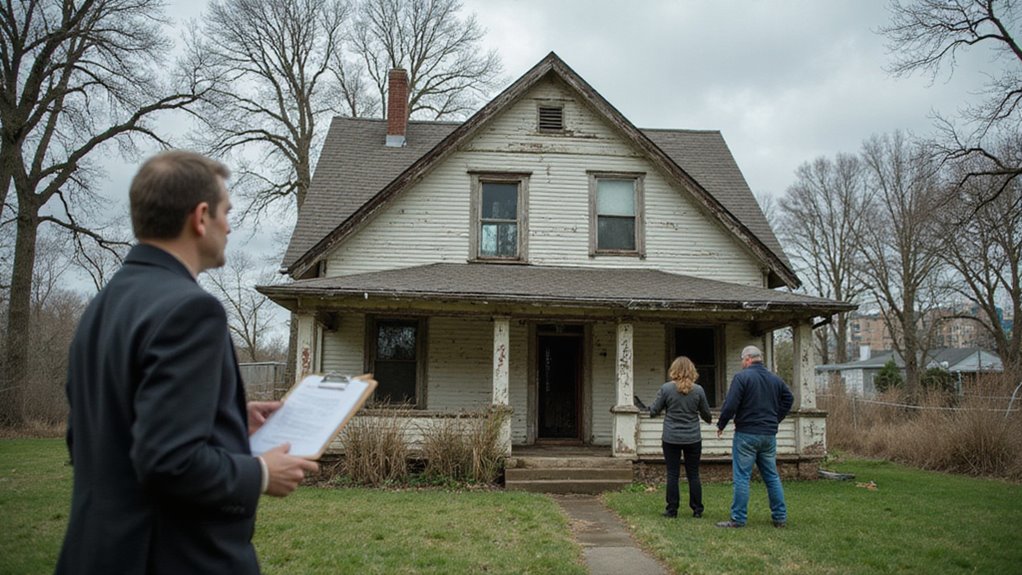
Selling a house with code violations can lead to serious trouble. Many sellers do not realize the risks until buyers walk away or demand repairs. You could lose time, money, and opportunities if you ignore code issues.
Legal claims, fines, and reputation damage are real threats when selling a home with violations. Buyers may sue or ask for compensation after discovering unpermitted work. These problems can delay your sale and cost you much more than expected.
You can avoid legal and financial headaches by understanding your obligations and fixing code violations before listing your house.
Take control by learning the rules, disclosing problems, or making repairs. This way, you protect your interests and attract serious buyers.
This blog will guide you through the risks and show you how to avoid issues when selling a house with code violations.
Key Takeaways
- Failing to disclose known code violations can lead to lawsuits for fraud, misrepresentation, or contract cancellation by the buyer.
- Unresolved violations decrease property value, limit financing options, and may prevent a successful sale.
- Local authorities can impose fines, liens, or legal actions for outstanding code violations during the sale process.
- Incomplete disclosure increases legal and financial liability for the seller after closing.
- Buyers may demand repairs, price reductions, or escrow holds, making negotiations more difficult for the seller.
Understanding Code Violations in Real Estate

Code violations in real estate are issues where a house does not meet local rules for safety or health. These problems affect your ability to sell a house. Buyers and inspectors often find these violations during the selling process.
Title issues, such as undisclosed easements or liens, can also arise alongside code violations and further complicate a home sale. Code violations mean a home doesn’t meet safety or health standards, which can cause problems when trying to sell.
Sellers must tell buyers about any known violations. If a seller hides problems, there could be legal trouble or extra costs later. Honest disclosure protects both the seller and buyer.
Property owners should check for any old violations before selling. If there are issues, fixing them can make the sale easier. Keeping records of repairs is important in case questions come up.
If you deal with code violations early, the selling process will be smoother. Being proactive can help avoid disputes and delays. If you are unsure, ask a real estate agent or lawyer for advice.
In Oregon, understanding the legal framework surrounding code violations and consulting with local building authorities can help sellers avoid fines or complications during a property transaction.
Common Types of Code Violations Found in Homes
When selling your home, you’ll often encounter code violations related to electrical system hazards or unauthorized structural modifications. These issues can pose significant safety risks and complicate the transaction process. By understanding and addressing these common violations early, you can protect yourself from legal trouble and streamline your sale.
Many sellers are surprised to learn that thorough property disclosures are required by Oregon law and failing to provide them can lead to legal disputes with buyers. It’s also important to be aware that Oregon real estate laws can affect how code violations are handled during the sale of an inherited property, especially if the home is subject to probate or other local legal requirements.
Electrical System Hazards
Electrical system hazards are hidden dangers inside homes. These hazards can cause shocks, fires, or legal problems when selling. Outdated wiring, overloaded circuits, and unapproved changes are common causes.
Typical violations include spliced wires without junction boxes and improper grounding. Using materials that do not meet code also creates risks. If these issues exist, they threaten the safety of everyone in the home.
A licensed electrician should inspect your property before you list it for sale. If any problems are found, fixing them shows responsibility and honesty. Addressing hazards can also prevent legal trouble or failed sales.
Unauthorized Structural Modifications
Unauthorized structural changes can break building codes and cause problems when selling a home. If you make changes like removing walls or changing layouts without permits, your home may become unsafe. Inspectors may find these issues, which can delay or stop your sale.
If the city finds unauthorized work, you may face fines or have to fix the changes. These repairs can be expensive and may reduce buyer trust in your property. Homebuyers often avoid homes with code violations.
You should always check if your project needs a permit before starting any work. If you discover past changes without permits, contact a licensed contractor or the local building office. They can help you understand what steps to take to bring your home up to code.
The Importance of Full Disclosure to Buyers
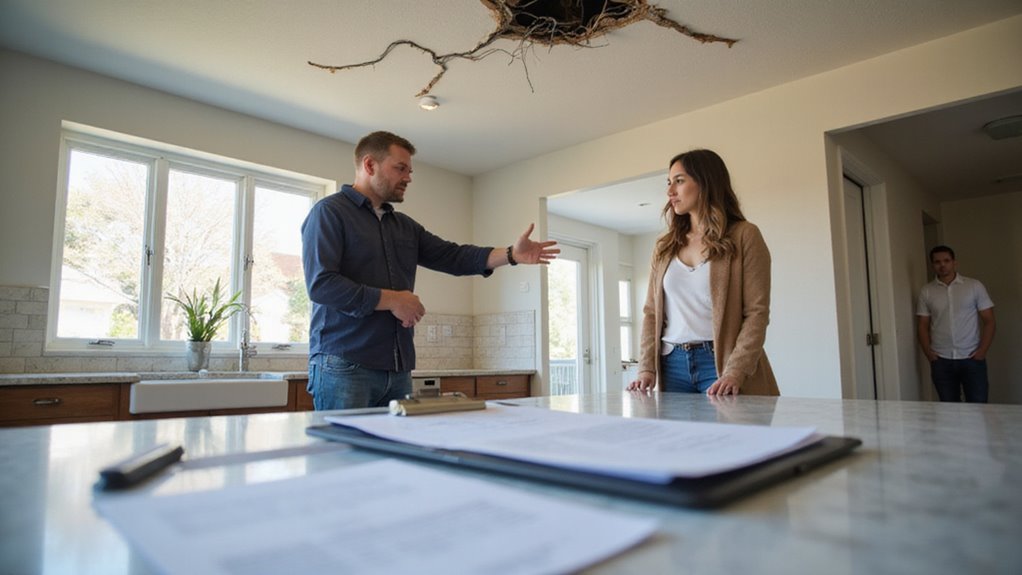
Full disclosure to buyers is required when selling a house with code violations. This protects you from lawsuits and financial penalties. You must inform buyers about all known problems before the sale.
If you share detailed information, buyers cannot say you hid the issues. Written records, such as violation notices and repair updates, are important. You should include these documents in the seller disclosure statement. Oregon’s real estate regulations also require that all known material defects, including code violations, be disclosed to potential buyers in writing.
Proper disclosure builds trust and can prevent future disputes. If legal questions arise, a real estate attorney can help you follow the law. Clear communication helps avoid delays or costs after the sale closes.
In Oregon, making a detailed inventory of property conditions—including any code violations—can help streamline the sale process and ensure transparency for all parties involved.
Legal Consequences of Withholding Information
Withholding information about known code violations can lead to serious legal trouble. Sellers who do not disclose these issues may face lawsuits and fines. The law requires full and honest disclosure to buyers. If a seller hides important facts, buyers may sue for fraud or misrepresentation. Courts could order the seller to pay damages or fix the problems. In some cases, the sale could even be cancelled. Local authorities may also impose fines for failing to disclose violations.
Legal costs and disputes can increase if the issue is not resolved quickly. Prompt disclosure helps avoid these risks and protects everyone involved. If there is an outstanding mortgage balance, sellers must also ensure that these obligations are met during the transaction to prevent additional financial and legal complications. In Oregon, sellers must provide a complete Property Disclosure Statement detailing any fire damage or code violations to comply with state law and avoid legal complications.
Impact on Property Value and Marketability
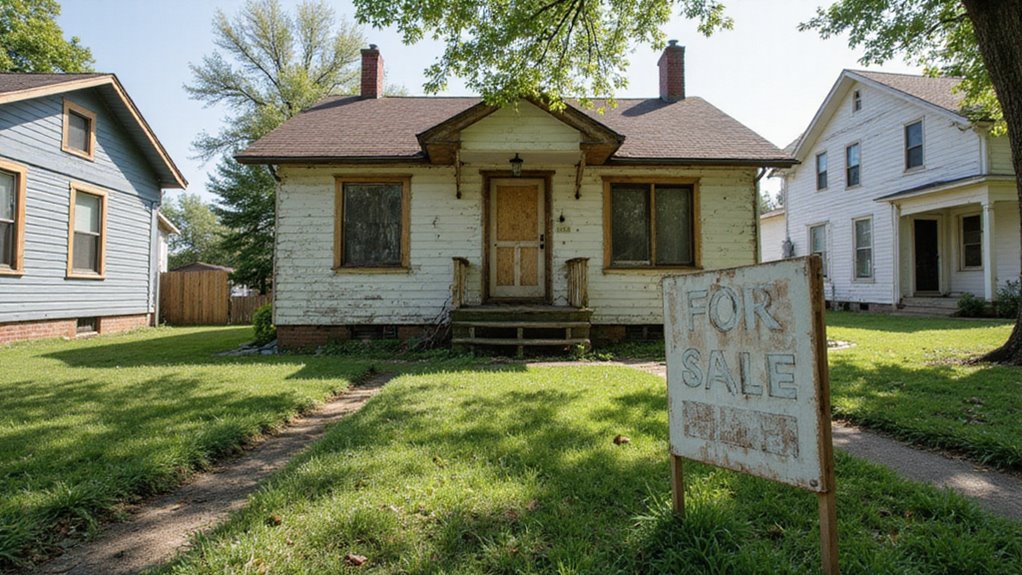
When your property has code violations, you’ll notice fewer buyers willing to make offers and lenders may hesitate to approve financing. Appraisers often assign lower values to homes with unresolved issues, directly impacting your final sale price.
Addressing pest damage and other violations early is especially important in Oregon’s competitive real estate market, where transparency and compliance play a critical role in attracting qualified buyers. To protect your investment, address violations early and present documented repairs to boost both marketability and value.
In addition, Oregon law requires disclosure of all liens and code violations to potential buyers, making transparency essential for a successful transaction.
Reduced Buyer Interest
Unresolved code violations make your property less attractive to buyers. Most buyers see these issues as warning signs and may walk away. If code problems are present, you will likely get fewer serious offers.
Buyer skepticism rises when they find code violations. Many buyers worry about hidden costs and legal trouble. This concern can limit your options for marketing the home.
If your property sits on the market too long, its value can drop. Agents may hesitate to show or recommend your home. You might need to lower your price to attract interest.
To avoid these problems, fix code violations before listing. If repairs are not possible, provide clear details about the issues and estimated repair costs. This approach can help buyers feel more confident and keep negotiations on track.
Lower Appraisal Outcomes
Unresolved code violations usually lead to lower appraisal values. Appraisers notice issues like poor maintenance, old systems, or unfinished renovations. These problems often make your home less valuable.
Lenders and buyers see these risks and may lose interest. A low appraisal can make it harder to negotiate or close a sale. If the buyer’s loan depends on a higher value, the sale may fall through.
Homeowners should fix code violations before selling. Proper repairs and regular upkeep can increase your appraisal value. Taking action helps your home attract more serious buyers.
Buyer Lawsuits and Breach of Contract Claims
Unresolved code violations after a sale can lead to buyer lawsuits and breach of contract claims. Buyers may sue if you did not disclose known violations. They might seek damages, request repairs, or cancel the sale.
Sellers must disclose all known violations in writing before closing. If you are unsure about your obligations, consult a real estate attorney. Legal advice helps you understand disclosure rules and avoid future problems. In Oregon, accurate calculation of outstanding mortgage balances and full transparency with the buyer can help limit your exposure to legal risks.
Review your liability insurance policy for coverage on possible post-sale claims. If needed, you can negotiate repair credits or price reductions with the buyer. Always document your communications and agreements about code issues.
In some situations, understanding your disclosure requirements under Oregon probate law is essential to ensure you are compliant if the property is part of an estate.
Lender Requirements and Financing Challenges

When your property has code violations, you’ll face significant hurdles getting a buyer’s mortgage approved. Lenders often reject loans on homes that don’t meet minimum safety or habitability standards, and appraisers may reduce the property’s value based on unresolved issues.
Many buyers may be unable or unwilling to proceed due to these financing challenges, making it harder to sell through traditional methods. To avoid financing roadblocks, address violations early or consider alternative buyers who can pay cash. Some sellers turn to as-is cash sales to bypass traditional lender requirements and close quickly despite code violations.
Mortgage Approval Obstacles
Mortgage lenders want to reduce risk when approving loans. They require homes to meet certain safety and living standards. If a house has code violations, buyers may not get a mortgage.
Lenders often spot these problems during inspections. They may deny financing if there are safety code issues. Unresolved violations can delay or stop the mortgage process.
Buyers might need to use cash or expensive loans if violations exist. FHA, VA, and conventional loans have strict property condition rules. Fixing code violations before selling can help attract more buyers.
Appraisal Impact Factors
Appraisals affect how much a house is worth when it has code violations. Lenders use these appraisals to decide if they will give a loan. If your home has violations, the value may be much lower.
A lower appraisal can reduce your home equity. This means you might not be able to borrow as much money or negotiate higher prices. Property taxes may also go down if the value drops.
Lenders may deny loans if you do not fix the violations. If you want to sell, you could repair the problems first. Offering repair credits is another way to help buyers get financing.
Title Insurance Complications
Title insurance protects buyers and lenders from hidden problems with a property’s title. If a house has code violations, title insurance can become complicated. Insurers often refuse to cover issues caused by these violations.
Unresolved code violations may cause coverage disputes between sellers, buyers, and insurers. If there are active violations, insurers might exclude them from the policy. This can leave buyers unprotected and slow down the sale.
Sellers should always tell the title company about any code violations. If they fix violations before listing, it will be easier to get insurance. Early action helps avoid delays and makes the closing process smoother.
In Oregon, addressing liens and ensuring all legal requirements are met is essential for a smooth sale and can help prevent title insurance complications.
Municipal Fines and Enforcement Actions
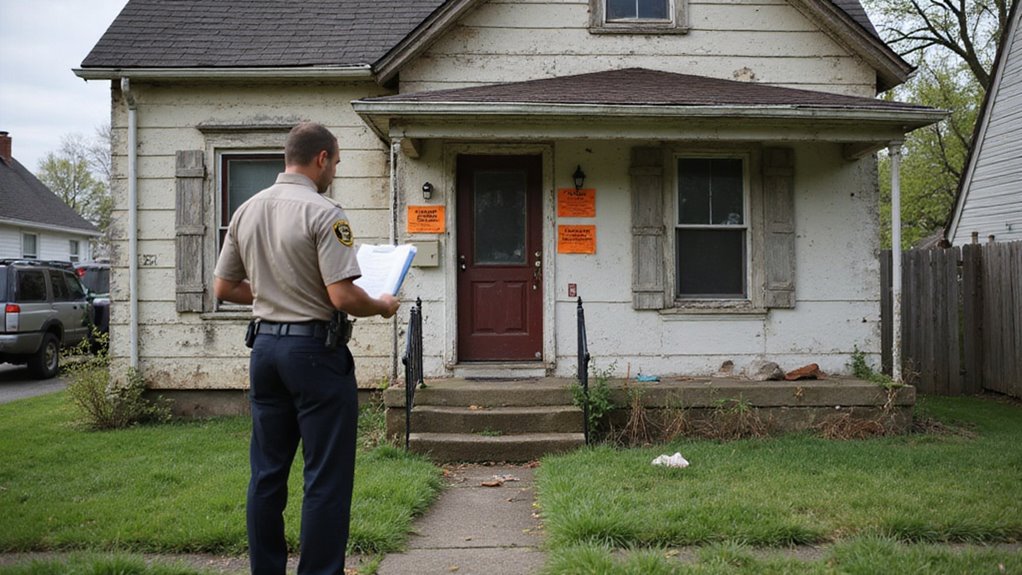
If you try to sell a house with code violations, you may face fines and enforcement actions. Local governments monitor property codes and may notice unresolved issues during a sale. These fines can increase daily and raise your costs.
Some enforcement actions include liens, stop-work orders, or even legal cases that can stop your sale. You should contact your local building department to check for any violations. If you resolve these issues first, you can avoid more penalties.
Paying fines and making repairs shows you are acting in good faith. This helps protect your sale and your future property rights. Taking care of violations early is the best way to avoid bigger problems.
Challenges During the Inspection Process
When your home faces inspection, failed results can halt the sale or trigger costly repairs. Inspectors often uncover undisclosed code violations, forcing you to address additional disclosure requirements. These setbacks can shift negotiation influence to the buyer, but knowing your obligations helps you prepare effective solutions.
Failed Inspection Consequences
A failed home inspection can stop your home sale. Code violations found during inspection must be fixed by the homeowner. If you do not act, you may face delays and extra costs.
Buyers might ask for a lower price or repairs before buying. Lenders could refuse to give financing, which may stop the sale. Your home might stay longer on the market if you ignore problems.
Unresolved violations may lead to legal trouble after the sale. Local authorities might fine you or order quick repairs. Fixing issues early can help you avoid these risks.
Disclosure Requirements Uncovered
Disclosure requirements are important during the inspection process. Sellers must tell buyers about any known problems with the house. If sellers hide issues, they could face legal trouble later.
Inspectors look for structural, system, and environmental problems. They may find hazards like asbestos or lead paint. If sellers know about these and do not tell buyers, lawsuits or fines may follow.
Zoning issues must also be shared with buyers. Unpermitted work or zoning violations should be clearly explained. Honest documentation protects both parties.
Sellers should provide inspection reports and answer buyer questions. If sellers are transparent, they build trust and reduce legal risks. Clear communication helps the sale go smoothly.
Negotiation Leverage Shifts
The negotiation advantage can change if an inspection finds code violations. Buyers usually gain more power in these situations. They may use the findings to ask for a better deal.
A buyer might request repairs or a lower price because of the inspection results. Some may ask for money to be set aside in escrow. Others could want to delay the closing until issues are fixed.
If you did not know about violations or failed to disclose them, your risk increases. Not sharing known problems may lead to legal trouble later. Proactive disclosure can help limit your risk.
If you fix code violations before selling, you keep more control in talks. Buyers will have fewer reasons to ask for concessions. Addressing issues early can lead to a smoother sale process.
Navigating As-Is Sales and Legal Pitfalls
Selling your house as-is means you still have legal duties. You must deal with code violations, tax issues, and zoning rules. Ignoring these can lead to buyer complaints or lawsuits.
If your home has code violations, you should gather all related documents. Property taxes must be paid up to date before listing. Zoning compliance is also important, so check local rules.
A real estate attorney can help spot problems early. If you manage these issues ahead of time, you lower your risk of future disputes. Careful preparation leads to a safer and smoother sale.
State and Local Disclosure Laws You Must Know
State and local disclosure laws are different in every area. You must learn and follow the rules for your specific location. If you do not, you could face legal trouble or lose a sale.
Each state has its own disclosure forms and deadlines. Always check if your city requires extra details about code violations. Homeowners associations may also need you to notify them or get approval before selling.
Local zoning rules can affect how you use or change your property. You should review these restrictions before listing your home. If you are unsure, contact your real estate agent or attorney for help.
How to Protect Yourself From Future Liability
You can protect yourself from future liability by taking clear steps during the sale. Give written disclosures about any code violations you know. Keep records of what you told the buyer.
Each disclosure should use simple words and outline all problems, repairs, and unresolved issues. Save any emails or letters with the buyer, especially if they respond in writing. If you need to, add extra statements beyond standard forms.
An attorney should review your disclosure documents and sales contract before closing. Legal advice can help you add “as-is” clauses or buyer acknowledgments. These steps can limit your risk of future lawsuits about code violations.
Steps to Take Before Listing a Problem Property
Protect yourself from future problems before listing a home with code violations. Identify all issues early to avoid surprises. Taking action ahead of time helps you manage risks.
A professional inspection can reveal hidden code violations. If you find problems, fix what you can within your budget. If repairs are not possible, prepare to disclose these to buyers.
Consult a real estate attorney if you need legal advice. Written disclosure of all known issues protects you from liability. Proper documentation is important if buyers have concerns later.
Stage the home to show its best features. Marketing the property as a fixer-upper can attract investors or buyers looking for renovation projects. Honest advertising ensures you reach the right audience.
Conclusion
If you need to sell a house with code violations, you should know the risks and legal responsibilities. Full disclosure and proper documentation are essential if you want to avoid lawsuits and penalties. Taking these steps can help you protect your finances and reputation during the sale.
If you worry about repairs or legal issues, consider selling your house as-is. We buy houses for cash, even if they have code violations or other problems. This option can save you time and effort compared to a traditional sale.
If you want a quick and hassle-free sale, contact OR Home Buyers today. We are ready to make a fair cash offer for your property. Let us help you move forward with confidence.




Hi, I’m Bob Bash, founder of OR Home Buyers, serving the Oregon community since 2017. We provide full-service real estate solutions, specializing in cash purchases for both residential and commercial properties. I started this business to help our community navigate difficult real estate situations with professionalism, ethics, and compassion.
My goal is simple: to make every client feel relieved and happy when their real estate challenges are resolved. Helping people find solutions and peace of mind is what drives me every day.