
Missing one crucial document in a For Sale By Owner transaction can derail months of preparation. Without professional guidance, homeowners often struggle to gather and complete the mountain of required paperwork correctly. Time delays and legal complications pile up, threatening the entire sale. Smart preparation with a complete documentation checklist makes FSBO transactions smooth and successful.
The essential paperwork for selling your house by owner includes property deed, disclosure statements, purchase agreement, and title insurance. You’ll need to prepare mortgage documentation, property survey, tax records, and home maintenance history. The closing documents must include settlement statements, deed transfer, and final sale contract.
In this guide, we’ll explore every document needed for a successful For Sale By Owner transaction.
Key Takeaways
- Gather essential ownership documents like the deed and title insurance policy to prove clear property ownership.
- Prepare legally required disclosures and property condition statements to inform potential buyers.
- Compile the purchase agreement with accurate legal descriptions and signatures for a binding contract.
- Collect supporting documents such as surveys, permits, mortgage statements, and inspection reports.
- Review all legal paperwork, including disclosures and title records, with a professional to ensure compliance and accuracy.
What Paperwork Do I Need to Sell My House?
Essential paperwork needed to sell a house includes the deed, property disclosure statement, and purchase agreement. A completed property disclosure form reveals known issues and meets state legal requirements. The title insurance policy protects all parties from future ownership claims or disputes.
Additionally, mortgage documents, tax records, and home inspection reports help speed up the sale process. The final closing documents require proof of identity, sales contracts, and property tax certificates. Your real estate agent can guide you through gathering these materials.
All paperwork must be accurate, signed, and properly filed to complete the transaction legally. Beyond these basics, utility bills and repair records provide helpful documentation for buyers.
How to Prepare Essential Documents for FSBO Sale?

To prepare for your FSBO sale, start by gathering your property deed and title documents to verify ownership and clear title.
Next, collect a recent property survey and plat maps to confirm boundaries, along with mortgage statements and home inspection reports. Finally, compile all disclosure statements required by law to ensure transparency and compliance during the sale.
Property Deed and Title Documents
Property deeds and title documents prove legal property ownership and enable successful sales. A valid deed must include property details, owner names, and proper notarization. Clear titles should have no outstanding liens, claims, or ownership disputes.
Essential documents include the original deed, recent title search, and seller disclosure forms. County recorder’s offices require complete documentation before finalizing property transfers. The right paperwork protects both buyer and seller interests.
Furthermore, accurate deed preparation prevents costly delays and legal complications. A thorough title review identifies potential problems early. Smart sellers gather all documents before listing their homes.
Property Survey and Plat Maps
Property surveys and plat maps prove legal ownership and boundaries during FSBO sales. A current property survey shows exact measurements, structures, and any easements on the land.
Plat maps display the official lot dimensions and location within the subdivision or area. These documents prevent future disputes about property lines and rights.
Professional surveyors can identify encroachments or restrictions that might affect the sale. As a result, buyers feel more confident about the property’s legal status.
Furthermore, clear documentation speeds up closing processes and satisfies local requirements. Most municipalities require updated surveys for property transfers within the past 5-10 years.
Mortgage and Loan Information
Important mortgage and loan documents must be ready when selling your home without a realtor. A current mortgage payoff statement and property tax records prove your financial status.
The mortgage release confirms your loan payoff. Past loan statements demonstrate your payment history and legal compliance.
These documents verify your right to sell the property. Your title transfer process becomes faster with proper paperwork. Each document safeguards your interests during the sale.
Home Inspection Reports
A home inspection report documents a property’s current condition and identifies potential issues through professional evaluation.
Professional inspectors examine major systems including electrical, plumbing, HVAC, roof, foundation, and structural components. The report helps sellers fix problems before listing and gives buyers confidence in their purchase decision.
In Oregon, sellers must disclose known property defects to buyers through mandatory disclosure forms. A recent inspection report supports these disclosures with factual evidence.
Smart sellers provide copies of inspection reports upfront to establish transparency and speed up negotiations. This approach reduces buyer concerns and prevents future disputes about property conditions.
Disclosure Statements
Disclosure Statements are legal documents that reveal known property issues to potential buyers. Oregon law requires sellers to complete specific disclosure forms about their property’s condition.
A thorough review of property records, surveys, and inspection reports helps ensure accuracy. Complete honesty about defects, repairs, and hazards protects all parties from future disputes.
Property surveys clarify important boundary details and easements for buyers. These documents must include information about known structural problems, pest issues, water damage, and environmental hazards. Clear disclosures build trust and reduce the risk of legal complications after the sale.
What Legal Documents Are Required by Law?
Legal documents required by law include deeds, contracts, permits, licenses, tax forms, and identification papers. A deed proves property ownership and must be properly recorded.
Property transactions require purchase agreements, title documents, and mandatory disclosure forms. Business owners need current permits and licenses to operate legally.
The IRS mandates specific tax documents Form W-2 vs Form 1099, and annual returns. Personal records should include birth certificates, Social Security cards, and photo ID. All documents must be originals or certified copies to meet legal standards.
How to Handle the Purchase Agreement?
When handling your purchase agreement, make sure it includes all essential elements like clear legal descriptions, signatures, and any required addendums or disclosures.
You should also add contingency clauses to protect yourself and consider having a legal professional review the contract for compliance. This ensures your agreement is solid, enforceable, and ready for a smooth closing process.
Key Elements of a Valid Purchase Agreement
Essential elements make a purchase agreement legally valid and binding. A complete purchase agreement must contain identification of parties, property details, price terms, and signatures.
The contract requires specific dates, deadlines, and contingencies that protect both buyer and seller. Clear terms outline each party’s rights and responsibilities during the transaction. Property descriptions must match legal records exactly.
Payment schedules, deposit amounts, and financing details need precise documentation. Proper disclosures protect everyone involved in the sale. Moreover, state laws mandate certain addenda and forms.
Most jurisdictions require notarized signatures and specific witness documentation. Valid agreements prevent future disputes and ensure smooth closings.
Contingency Clauses to Include
Essential contingency clauses protect both buyer and seller in a purchase agreement. A home inspection contingency allows buyers to assess the property’s condition before purchase.
The financing contingency ensures buyers can secure a mortgage loan. An appraisal contingency protects buyers if the home value falls below the purchase price.
Moreover, the sale contingency lets buyers sell their current home first. The title contingency confirms clear property ownership without legal issues.
These safeguards create a smoother transaction process. Therefore, clear contingency terms help prevent disputes and provide exit options when needed. Each clause must state specific timelines and conditions for completion.
Necessary Addendums and Disclosures
Your purchase agreement must include key addendums and disclosures to protect all parties legally. Required documents include property defect statements, lead paint notifications, and environmental hazard reports.
Oregon law mandates proper signatures and notarization on all official paperwork. All easements, restrictions, and known property issues need clear documentation in writing. These documents create transparency between buyers and sellers.
A complete set of disclosures prevents future legal disputes and ensures a smooth property transfer. Each party receives critical information upfront to make informed decisions. Above all, proper documentation builds trust and confidence in the transaction process.
Getting Legal Review
A real estate attorney must review your purchase agreement before closing to protect your interests. Legal review ensures the contract meets state laws and includes required contingencies. Your attorney will examine key documents like disclosures, settlement statements, and title records.
Three essential areas need expert attention. First, contract terms must be clear and legally binding. Second, all disclosures must follow Oregon regulations. Finally, closing documents require verification for accuracy.
The attorney’s expertise proves valuable during negotiations. Most lawyers charge between $500-1000 for a complete purchase agreement review. This investment can prevent costly legal issues after closing.
What Closing Documents Should I Prepare?
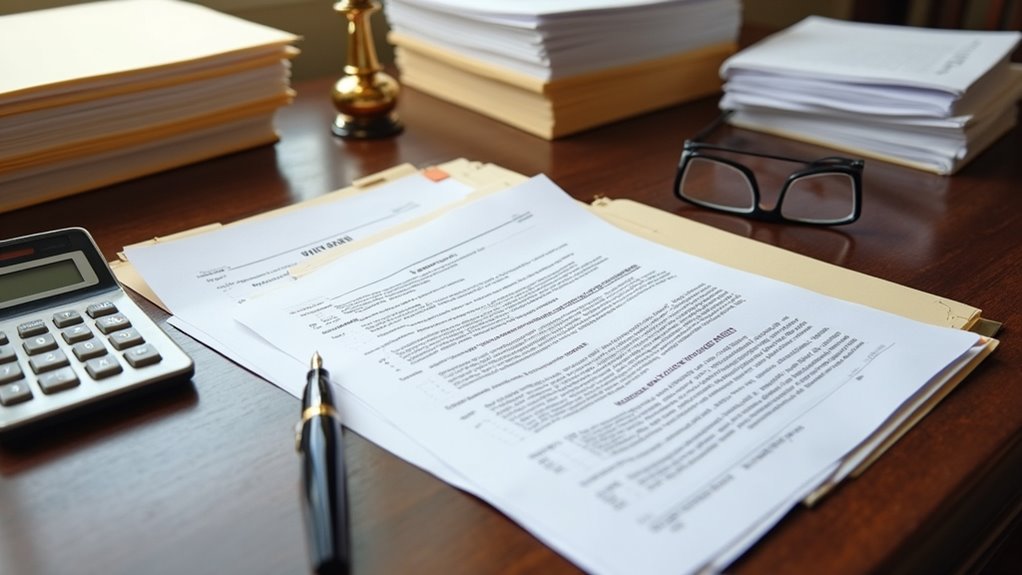
Essential closing documents include the property deed, escrow instructions, proof of payments, and loan statements. A properly notarized deed transfer document serves as proof of ownership change.
Escrow instructions outline the specific steps and requirements for closing. Payment records must show all closing costs, fees, and tax obligations.
Financial paperwork needs special attention. Loan payoff statements confirm zero balance on existing mortgages. Lien releases prove the property has no outstanding claims. The title company requires these documents before finalizing the sale.
What Tax Implications Should I Consider?
Tax implications for home sales mainly involve capital gains taxes and transfer fees. The IRS allows a tax exclusion of up to $250,000 for single filers and $500,000 for married couples.
Your tax obligation depends on how long you’ve owned and lived in the property. Property improvements can reduce potential tax liability by increasing your cost basis.
Moreover, local transfer taxes vary by jurisdiction and affect final sale proceeds. A tax professional can help identify deductions and calculate exact liabilities. Records of purchase costs and home improvements will simplify tax preparation.
Conclusion
Selling your house without an agent requires careful attention to paperwork and legal requirements. We at OR Home Buyers understand the complexities of FSBO transactions in Eugene and Springfield. Our team can help simplify this process while ensuring all documentation meets Oregon state standards.
Property owners in Cottage Grove, Salem, and Albany can benefit from our streamlined approach to home buying. We handle all necessary paperwork and documentation requirements for a successful closing. Our expertise allows homeowners to avoid common FSBO pitfalls and unnecessary delays.
Our professional team at OR Home Buyers provides comprehensive support throughout the entire selling process. We work directly with homeowners to ensure a smooth transaction from start to finish. Our experience in the Oregon real estate market enables us to complete purchases quickly and efficiently.




Hi, I’m Bob Bash, founder of OR Home Buyers, serving the Oregon community since 2017. We provide full-service real estate solutions, specializing in cash purchases for both residential and commercial properties. I started this business to help our community navigate difficult real estate situations with professionalism, ethics, and compassion.
My goal is simple: to make every client feel relieved and happy when their real estate challenges are resolved. Helping people find solutions and peace of mind is what drives me every day.