

Inheriting a home in Oregon can feel overwhelming with legal tasks and property decisions piling up. You must handle title issues, tax concerns, and prepare the home for sale. This process often brings stress and confusion. Moreover, delays in clearing legalities can risk losing potential buyers.
Poor property condition might lower the sale price. These challenges can make selling feel like an uphill battle. But don’t worry, there’s a clear path to success.
This guide reveals how to prepare an inherited home for sale in Oregon. Follow these practical steps to maximize value and ease stress. This blog will guide you through every step to solve these issues quickly.
Key Takeaways
- Navigate Oregon’s probate process to validate the will and confirm legal ownership before selling the inherited home.
- Obtain a professional home inspection to identify issues and adjust the asking price based on condition.
- Determine the home’s value using an appraisal and local Oregon market trends for accurate pricing.
- Address financial obligations like capital gains tax and clear any property debts or liens before listing.
- Prepare the property for showings by decluttering, cleaning, and staging with neutral, appealing decor.
Understanding the Legal Process After Inheritance
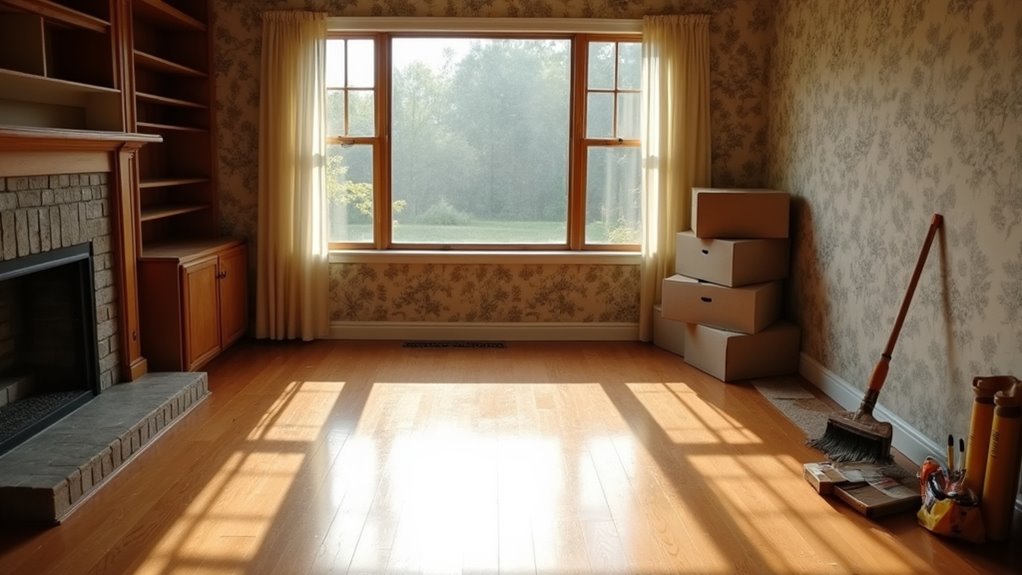
As you navigate the sale of an inherited home in Oregon, you’ll need to understand the probate process and its critical role in legally transferring property. You must also confirm legal ownership and manage title transfers to ensure a smooth transaction. If there’re multiple heirs, be prepared to address potential disputes to avoid delays or complications. Additionally, remember that selling a house in probate requires court approval before the transaction can be finalized.
Probate and Its Role in Oregon
There, let’s talk about probate and its role in Oregon. Probate is a legal process to validate a will. It helps distribute a deceased person’s estate, including homes.
In Oregon, probate ensures debts are paid before assets are transferred. If there’s no will, state laws guide the process. This protects everyone involved in the inheritance.
Navigating probate can be tricky with court filings and deadlines. A personal representative must manage the estate tasks. If you’re unsure, legal help can prevent issues.
When selling an inherited home, understanding probate is key. Delays might happen if rules aren’t followed properly. Seek advice to prepare the property smoothly.
Determining Legal Ownership and Title Transfers
To sell an inherited home in Oregon, you must first confirm legal ownership. This means checking if you are the rightful heir. If the estate isn’t settled, probate might be needed.
Start by reviewing the deceased’s will or trust documents. Ensure your name is listed as the heir. If not, legal help may be required.
If probate is done, file for a title transfer at the county recorder’s office. Bring documents like the death certificate and court orders. This updates the property title in your name.
Consult an attorney or title company for guidance. They can help avoid mistakes in the process. This ensures a smooth sale preparation.
Handling Multiple Heirs and Disputes
Inheriting a home in Oregon with other heirs can be tricky. Disputes often happen when opinions differ on selling or keeping it. Open communication with all heirs is key to finding common ground.
If tensions rise, consider mediation to resolve conflicts peacefully. Without agreement, Oregon law requires consensus for big decisions like selling. A probate attorney can help clarify your rights and duties.
If no one agrees, you can ask a court for a partition. This might force a sale or split of the property. Act quickly to reduce stress and protect family bonds.
Collaborating early can make the process smoother for everyone. Delaying action may worsen disputes among heirs. Seek legal advice if you feel stuck or unsure.
Evaluating the Condition of the Home

As you prepare your inherited home for sale in Oregon, start by scheduling professional home inspections and assessments to uncover any hidden issues. You’ll need to distinguish between essential repairs that must be addressed and renovation opportunities that could boost the property’s value. Estimating the costs of these fixes and improvements will help you budget effectively and maximize your return on investment. Additionally, consider aligning your updates with local market trends to ensure the property appeals to potential buyers in your area.
Home Inspections and Assessments
Thoroughness matters when evaluating an inherited home in Oregon before selling. Arrange professional inspections to spot hidden issues early. These checks reveal the home’s condition, including structure, electrical, and plumbing systems.
Hiring licensed inspectors familiar with Oregon’s building codes is essential. They understand local risks like moisture or earthquakes. If issues arise, their reports help you plan fixes.
Review the inspection findings to know the home’s true state. This knowledge lets you address buyer concerns confidently. If needed, adjust the asking price realistically.
Being upfront with inspection reports builds trust with buyers. Share the details to avoid surprises during negotiations. If you prepare well, the sale process becomes smoother.
Identifying Repair Needs vs. Renovation Opportunities
When evaluating an inherited home in Oregon, focus on essential repairs first. Check for critical issues like leaking roofs or faulty wiring. These fixes are vital to maintain the home’s value and safety.
Repairs address urgent problems that could deter buyers. If you ignore them, the property might not sell easily. Prioritize structural integrity before considering other changes.
Renovations, however, focus on enhancing the home’s appeal. Think about updating an old kitchen if the budget allows. Such upgrades can make the property stand out in Oregon’s market.
Consider the local real estate trends before renovating. If buyers expect modern features, a small upgrade could help. Always balance costs with potential returns.
Lastly, ensure the home is safe and sellable with repairs. If renovations align with your goals, they can boost interest. This approach keeps the property competitive in Oregon.
Estimating Costs of Fixes and Improvements
If you’re selling an inherited home in Oregon, estimating fix-up costs is key. Start with a detailed inspection to spot issues. This helps you understand what repairs might be needed.
A professional inspector can find hidden problems like faulty wiring or plumbing. If issues are found, they could raise repair costs. Prioritize fixes that increase the home’s value affordably.
Get several quotes from contractors for accurate budgeting. Research Oregon’s local costs for materials and labor to stay fair. If delays happen, account for extra time or permit fees.
With good planning, you can manage expenses well. This ensures you maximize profit when selling the home. If surprises occur, adjust your budget quickly.
Managing Financial and Tax Implications
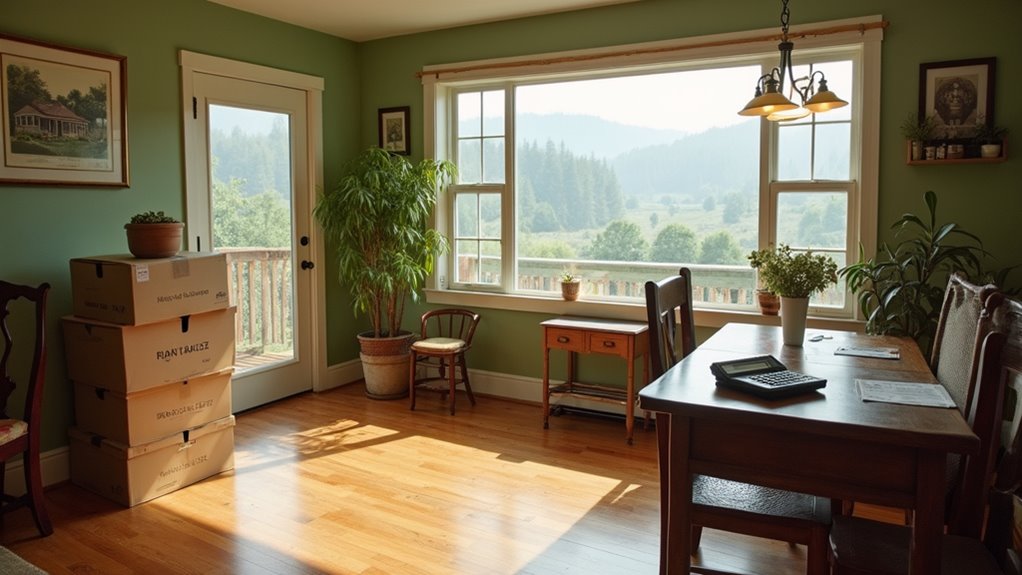
As you prepare to sell an inherited home in Oregon, you’ll need to navigate the financial and tax implications, starting with understanding the capital gains tax on inherited property. Make sure you get a proper property appraisal and market valuation to establish a fair selling price and assess potential tax liabilities. Additionally, check for any debts or liens on the property, as you’re responsible for resolving these before closing the sale. Remember that a step-up in basis can significantly reduce capital gains tax if the property is held in a revocable trust.
Capital Gains Tax on Inherited Property in Oregon
Selling an inherited home in Oregon involves capital gains tax. This tax applies if you profit from the sale. The profit is the sale price minus the stepped-up basis.
This basis is the property’s value when the previous owner passed. If you sell soon after inheriting, gains might be small. This could lower your tax burden.
Holding the property longer may increase your profit. Bigger gains could mean higher taxes in Oregon. Always check with a tax expert for clarity.
A tax professional can explain Oregon-specific rules. They can help with exemptions and deductions. This ensures you file correctly.
Property Appraisals and Market Valuation
To determine the true value of an inherited home in Oregon, start with a professional appraisal. A licensed appraiser will check the home’s condition, location, and similar sales nearby. This gives you a solid starting point for pricing.
Next, look into market valuation to understand Oregon’s real estate trends. Review recent sales data and talk to local experts for advice. If the market is hot, you might price higher with confidence.
Combining appraisal results with market insights helps you make smart choices. If values differ, consider both to set a fair price. This approach ensures you get the best return possible.
Handling Debts and Liens on the Property
Handling debts and liens is essential for selling your inherited Oregon property. You must address these issues before listing it. If ignored, they can stop the sale.
Start by getting a title report to find any mortgages or liens. This report shows tax liens or creditor claims. If any exist, you need to act quickly.
Work with a probate attorney or title company for help. They can confirm the debts and guide you. If needed, use estate funds to settle them.
Negotiate or pay off the debts to clear the title. Unresolved liens might delay or cancel the sale. If cleared, buyers will trust the property.
Clearing the title avoids legal problems during the sale. It reassures buyers about a clean purchase. If delayed, complications could arise.
Deciding Whether to Sell As-Is or Renovate

When preparing to sell an inherited home in Oregon, you’ll need to weigh the pros and cons of selling the property as-is versus investing in renovations. Consider the potential return on investment for upgrades and how current market trends in your area might influence buyer expectations. You’ll also want to factor in the logistics of working with contractors and planning a realistic timeline for any updates. Additionally, understanding Oregon’s real estate laws can help ensure a smooth transaction whether you choose to renovate or sell as-is.
Pros and Cons of Selling As-Is
Selling an inherited home as-is in Oregon can be a practical choice. This option saves you both time and money. It also helps you avoid the stress of managing repairs.
On the other hand, selling as-is might lower your sale price. Buyers often account for repair costs when making offers. If the home’s condition is poor, fewer people may show interest.
Investing in fixes could increase the home’s value if you have funds. However, it means spending money upfront before selling. This could delay your closing timeline significantly.
Weigh these factors to decide what suits your needs best. If speed matters most, selling as-is might work. Otherwise, consider if renovations could bring a better return.
Renovation ROI and Market Trends
Renovating an inherited home in Oregon requires assessing the potential return on investment (ROI). Focus on cost-effective upgrades like minor kitchen remodels for better returns. If luxury additions don’t add value, avoid them.
Check local market trends to understand buyer preferences in Oregon. Are modern finishes driving quick sales, or is affordability key? If renovated homes fetch higher prices, upgrades might be worth it.
Weigh renovation costs against potential gains before deciding. If ROI looks weak, selling as-is could be smarter. Always use local real estate data for guidance.
Working with Contractors and Timeline Planning
Managing an inherited home in Oregon means deciding between selling as-is or renovating. You must weigh the costs and benefits carefully. If renovating, getting accurate estimates is key to planning.
Start by hiring licensed contractors with local experience. They can provide detailed repair or upgrade costs. Ensure their reputation is solid for quality work.
Discuss your selling timeline with contractors early on. Renovations might take weeks or even months. If delays happen, having buffer time helps.
Set clear deadlines for the project. If budget or time is limited, selling as-is could work better. Always coordinate closely with contractors.
Keep communication open with your team. This helps align the project with your goals. If issues arise, address them quickly.
Preparing the Property for Showings

As you get ready to show your inherited home in Oregon, start by decluttering and cleaning every space to create a welcoming environment for potential buyers. Next, consider staging the property with strategic furniture placement and neutral decor to boost buyer appeal and highlight the home’s best features. Finally, invest in professional photography and craft a captivating listing presentation to make a strong first impression online. Additionally, research Oregon’s real estate trends to ensure your pricing and marketing strategies align with current market demands for a faster sale.
Decluttering and Cleaning an Inherited Home
An inherited home in Oregon needs decluttering and cleaning to prepare for potential buyers. Clearing personal items creates a neutral space for others to imagine living in. If done well, this process boosts the home’s appeal instantly.
Start by sorting through all belongings carefully. Decide what to keep, donate, or throw away. If unsure, ask family for input on valuable items.
Focus on removing personal touches like family photos. This helps buyers see the home as theirs. If possible, store mementos safely elsewhere.
Next, deep clean every corner of the house. Wash floors, windows, and surfaces for a fresh look. If needed, hire professionals for tough spots.
Lastly, organize storage spaces like closets and garages. Tidying these areas shows off usable space. If cluttered, buyers might overlook the home’s potential.
With consistent effort, the property will transform beautifully. If you stay focused, results will come quickly. A clean home always impresses.
Staging Tips for Better Buyer Appeal
An inherited home in Oregon can attract buyers with smart staging. Start by neutralizing the space with soft, neutral wall colors. This helps buyers imagine their own style in the home.
Remove personal items to keep the space clutter-free. Arrange furniture to show off the home’s best features. If rooms feel cramped, consider storing extra pieces temporarily.
Add warmth with simple touches like fresh flowers. Keep the home clean to show it’s well-cared-for. If possible, open curtains to bring in natural light.
A spotless home feels inviting and move-in-ready. These tips can boost appeal in Oregon’s tough market. If done right, buyers will notice the difference.
Photography and Listing Presentation
Crafting a great listing for your inherited Oregon home begins with quality photography. Good visuals make a strong first impression on buyers. If you use stunning images, your property can stand out in a busy market.
Hiring a professional photographer is a smart move for clear, high-resolution photos. They know how to use lighting and angles effectively. If you choose an expert, your home’s best features will shine through.
Highlighting unique aspects of your home is also important. Focus on special details like scenic views or modern updates. If these stand out, buyers will feel more attracted to your listing.
Writing a short, engaging description adds value to the visuals. Keep the text simple and appealing to readers. If done well, it can spark interest quickly.
With these steps, your listing can grab attention fast. If you follow this advice, buyers may respond sooner. A strong presentation makes all the difference.
Choosing the Right Real Estate Agent
When selling an inherited home in Oregon, you’ll want to partner with a real estate agent who’s a local expert in probate and inherited properties to navigate the unique challenges. Make sure to ask potential agents targeted questions about their experience with similar sales and their approach to marketing your property. You should also carefully review listing agreements and commission terms to ensure you’re clear on costs and expectations before signing. Additionally, ensure the agent understands the small estate exemption rules if probate is not required for the property.
Finding a Local Expert in Probate and Inherited Homes
Selling an inherited home in Oregon needs a local expert. They must understand probate and real estate laws well. If you choose wisely, delays and legal issues can be avoided.
Look for agents with specific skills in this area. Their probate knowledge should cover Oregon’s legal steps clearly. If they lack this, problems might arise during the sale.
Local market trends are also crucial to know. An expert can price your home right for Oregon buyers. If they’re unaware of trends, you might lose money.
Experience with inherited homes matters a lot too. They should handle emotional and logistical challenges smoothly. If they’ve done this before, your sale will go better.
With the right agent, success is more likely. They can simplify the process for you. If you pick carefully, your sale can maximize returns.
Questions to Ask Potential Agents
Finding the right agent for your inherited home sale in Oregon is crucial. Ask questions to ensure they understand inherited property challenges. If they lack experience, you might face issues during the sale.
Start by asking about their past work with inherited homes. Have they dealt with probate or estate matters before? If not, they may struggle with legal details.
Next, inquire about their marketing plan for your property. How will they attract suitable buyers to your home? If their strategy seems weak, reconsider your choice.
Ask about their pricing approach for your Oregon home. Do they use data to set a fair price? If they don’t, your home might not sell quickly.
Clarify how often they will update you on progress. Are they available to answer your concerns promptly? If communication is poor, it could delay the process.
Finally, check if they know Oregon’s local market trends. Do they understand what buyers want in your area? If they don’t, they might misjudge the sale.
Understanding Listing Agreements and Commission Terms
Listing agreements and commission terms are vital when selling your inherited home in Oregon. They define your relationship with the real estate agent clearly. If unclear, you might face issues later.
These agreements outline the agent’s duties and the contract’s duration. You should check if the timeframe matches your selling goals. Without this, delays could frustrate your plans.
Commission terms show how much the agent earns, often a sale price percentage. If high, negotiate to keep costs down. Always discuss fees early to stay informed.
Exclusivity in agreements means only one agent can sell your home. If exclusive, confirm you’re comfortable with this setup. Understanding this prevents future conflicts.
With these points, you can secure a fair deal. If unsure, ask questions before signing. This ensures transparency throughout the process.
Navigating Offers and Negotiations
When you’re ready to navigate offers for your inherited home in Oregon, start by assessing each proposal beyond just the price, considering terms like closing timelines and financing strength. Be mindful of common buyer contingencies, such as inspections or appraisal clauses, that could impact the deal’s certainty. If you’re facing multiple offers or a bidding war, employ strategic tactics like setting a deadline for submissions to maintain control and maximize value. Additionally, consider offers from cash home buyers who often provide quick closure options without requiring repairs or lengthy negotiations.
Evaluating Offers Beyond Just Price
When deciding on the best offer for your inherited Oregon home, price isn’t everything. Look at other terms to ensure a solid deal. This helps you make a wise choice.
Start with the buyer’s financial strength. If they have pre-approval or proof of funds, the sale is safer. This reduces the risk of delays.
Next, consider the timeline for closing. Does their proposed date match your plans for moving out? If it aligns, the process stays smooth.
Finally, review any extra conditions in the offer. Are there requests for repairs or discounts that lower your profit? If so, weigh these costs carefully.
Common Buyer Contingencies to Watch For
Buyer contingencies often come with offers for your inherited Oregon home and can affect the sale. These conditions might delay closing if not handled well. You should understand them to keep the process smooth.
Financing contingencies mean the buyer needs a mortgage to complete the purchase. If they can’t secure a loan, the deal could fall through. Always check the deadline for this condition to avoid surprises.
Inspection contingencies let buyers back out if major problems are found in the home. If issues arise, they might ask for repairs or cancel the offer. Review these terms carefully with your agent.
Appraisal contingencies protect buyers from paying more than the home’s worth. If the appraisal is low, they can renegotiate or withdraw. Ensure you know the appraisal timeline to stay prepared.
Lastly, discuss risky contingencies with your real estate agent for advice. They can help negotiate or remove problematic conditions. This keeps you in control of the sale.
Strategies for Multiple Offers or Bidding Wars
Handling multiple offers on your inherited Oregon home can be a great chance to boost your sale price. If managed well, you could secure an excellent deal. Strategy is vital to succeed in this situation.
To start, set a firm deadline for all buyers to submit their offers. This creates urgency and keeps the process fair. If offers come late, don’t consider them to maintain clarity.
Next, evaluate each bid beyond just the price tag. Consider factors like closing dates and any conditions attached. If terms are unclear, ask for clarification before deciding.
Lastly, consult your real estate agent for expert advice. They can help compare offers and negotiate effectively. If bidding wars heat up, trust their guidance to win.
Finalizing the Sale and Closing Process
As you move toward finalizing the sale of your inherited home in Oregon, you’ll need to understand the required disclosures, ensuring all property conditions are legally reported to the buyer. You should also clarify closing costs, knowing exactly who pays what, as these fees can impact your net proceeds. Finally, keep track of the timeline from offer acceptance to close, as it typically spans 30 to 45 days and requires your prompt attention to details. Additionally, ensure you address any potential title issues that could delay the closing process or affect buyer confidence.
Required Disclosures in Oregon
Selling an inherited home in Oregon means following state disclosure laws for a smooth process. You must provide a Seller’s Property Disclosure Statement to inform buyers about known issues. If you comply, the closing can proceed without delays.
Key disclosures are essential to avoid legal problems during the sale. You should report any material defects like leaks or structural damage. If there are environmental hazards, such as lead paint, disclose them clearly.
Legal issues tied to the property must also be shared with buyers. Reveal any disputes or encumbrances that could affect the sale. If you hide these, you might face lawsuits later.
Honesty in disclosures protects you and ensures a fair transaction. Be thorough when filling out the disclosure statement. If unsure, consult a professional for guidance.
Closing Costs and Who Pays What
Selling an inherited home in Oregon means dealing with closing costs. As the seller, you often pay for title insurance and split escrow fees. You might also cover property taxes or liens if they exist.
Buyers typically handle their lender fees and appraisal costs. However, if negotiations happen, these responsibilities could shift. Always check the closing statement to avoid unexpected expenses.
Understanding these costs is vital for protecting your finances. If unsure, consult a real estate agent or attorney. They can clarify local rules and finalize agreements.
Closing costs can vary by county, like transfer taxes. Ensure you know the specific fees in your area. This helps in planning your budget effectively.
Timeline from Offer to Close
Selling an inherited home in Oregon involves a clear timeline from offer to close. This process usually takes 30 to 45 days. If you understand these steps, the sale can go smoothly.
First, accept an offer and schedule inspections within 7-10 days. These checks help identify any property issues early. If problems arise, address them quickly to avoid delays.
Next, lenders often need an appraisal within 2-3 weeks. This step confirms the home’s value for financing. If the appraisal matches, the deal moves forward.
Finally, prepare closing documents in the last week. Coordinate with your title company for a smooth finish. If issues pop up, resolve them fast to close on time.
Stay active throughout to keep the sale on track. If you communicate well, delays can be minimized. A successful close depends on your attention.
Emotional Aspects of Selling an Inherited Home
Selling an inherited home in Oregon can stir deep emotions, and you’ll need to navigate your sentimental attachments to the property with care. As you prepare for this transition, make sure to support family members by openly addressing shared feelings and concerns. Above all, find ways to honor cherished memories while embracing the process of letting go. Additionally, recognize that selling a home can impact child custody arrangements if applicable, as stability for children may be tied to the property.
Coping with Sentimental Attachments
Selling a home with cherished memories in Oregon can be tough. You may feel sadness, and that’s perfectly normal. If you acknowledge these emotions, you can start to heal.
One way to cope is by preserving memories. Take pictures or keep small items from the house. These mementos can help if you miss the place.
Another step is to reflect on your reasons for selling. Think about why this decision is important, like needing money. If it brings closure, that’s a valid purpose too.
Lastly, don’t hesitate to seek support during this time. Share your feelings with close friends or family. If needed, a counselor can guide you through the process.
Supporting Family Members in the Transition
Handling the sale of an inherited home in Oregon affects everyone emotionally. Family members often feel the burden too. If you talk openly, it can help ease their stress.
Acknowledge their emotions by listening to their concerns with care. Start honest discussions about the home and selling plans. If they share, it builds trust and understanding.
Involve them in big decisions about the sale process. This makes everyone feel valued and heard. If tensions rise, collaboration can calm things down.
Offer help with tasks or share memories together. Such support strengthens family ties during tough times. If you show empathy, the journey becomes easier for all.
Honoring Memories While Letting Go
Handling the sale of an inherited home in Oregon can stir many emotions. If you’ve focused on family support, this step might feel heavy. Selling isn’t just about property; it’s about memories tied to the house.
You can honor the past while moving forward with care. If letting go feels tough, try a balanced approach. This process can be both emotional and meaningful.
Start by preserving keepsakes from the home. If something holds special value, set it aside to remember. These items can keep memories alive.
Next, share stories with family members. If possible, gather everyone to talk about the past. This can ease the pain of selling.
Finally, create a small tribute to loved ones. If you’d like, plant a tree in their honor. Such gestures help you cherish their legacy.
Alternatives to Selling an Inherited Home
If you’re not ready to sell your inherited home in Oregon, consider other practical options to make the most of the property. You can rent out the home for steady income, transform it into a vacation rental for seasonal profit, or transfer ownership to a family member to keep it within the family. Each choice offers unique benefits and challenges, so weigh them carefully to align with your financial and personal goals. Additionally, understanding Oregon’s real estate regulations can help ensure compliance and maximize the potential of your chosen option.
Renting Out the Property
Renting your inherited property in Oregon is a practical choice over selling. It can provide a steady income if managed well. This option also lets you keep ownership while earning money.
To succeed, start by studying the local rental market in Oregon. Check nearby rental prices to set a fair rate. If rates are high, you could earn more.
Next, prepare the property for tenants with needed fixes. Simple upgrades can attract better renters quickly. If neglected, the home may stay empty longer.
Lastly, learn Oregon’s landlord-tenant laws to stay protected. These rules guide your rights and duties as a landlord. If ignored, legal issues might arise.
With good planning, renting can become a smart financial move. It may cover costs and build wealth over time. If done right, you’ll benefit greatly.
Turning the Home Into a Vacation Rental
An inherited Oregon home can become a vacation rental for steady income. Oregon’s beautiful coast and mountains attract many tourists. If you choose this, it could be a smart financial move.
Consider researching local rules before starting this venture. Some cities have strict laws on permits and safety needs. If regulations are complex, seek help to comply.
Update the property to make it traveler-friendly with modern touches. Add cozy decor to charm your guests. If updates are done, it will boost bookings.
List the home on platforms like Airbnb or Vrbo for visibility. Set fair prices based on local market trends. If demand is high, you can earn well.
This option keeps ownership of your Oregon home intact. It also provides income while you plan ahead. If needed, you can adjust your strategy later.
Transferring Ownership Within the Family
Transferring ownership of an inherited Oregon home within the family is a smart choice over selling. It helps you avoid real estate fees and keeps the family legacy alive. If you value the home, this option can work well.
A few key steps can make the process smooth and clear. First, consult a lawyer to prepare legal documents for the transfer. If issues arise, they can guide you properly.
Next, assess tax implications with a tax professional. They can explain property tax changes or gift tax concerns. If taxes seem high, plan accordingly.
Finally, agree on terms with family members involved. Discuss who handles maintenance costs and other duties. If everyone agrees, document the responsibilities.
With good planning, you can protect the home’s value. Family ties can also stay strong through this process. If done right, everyone benefits.
Avoiding Common Pitfalls and Mistakes
As you prepare to sell an inherited home in Oregon, watch out for critical missteps that can derail your efforts. Be mindful of legal errors and probate mistakes, ensure you don’t overprice or underprice the property, and prioritize effective marketing to attract the right buyers. Avoiding these pitfalls will help you navigate the process with confidence and achieve a successful sale.
Legal Errors and Probate Missteps
Selling an inherited home in Oregon can be tricky without proper guidance. You must follow legal steps to avoid costly mistakes. If errors occur, the probate process might delay your sale.
Understanding Oregon’s probate laws is essential for a smooth transaction. A probate attorney can help you stay compliant. If you’re unsure, their advice could prevent legal issues.
Filing paperwork on time is crucial for the probate court. Delays can hold up the sale of the property. If late, you might face penalties or disputes.
Confirming the title transfer is another important step. Ensure ownership is legally moved before listing the home. If unclear, disputes with others could arise.
Overpricing or Underpricing the Home
Overpricing or underpricing can delay the sale of inherited homes in Oregon. Many homes sit unsold for months due to wrong pricing. This issue can be avoided with the right approach.
If you overprice, buyers may ignore your property completely. Underpricing, however, might mean losing money on the sale. A balanced price is key to attracting interest.
Research recent sales of similar homes in your area. Consult a local real estate expert for accurate advice. They can assess your home’s true market value.
Consider the property’s condition and location when pricing. Don’t let personal feelings affect the price you set. Sentimental value doesn’t equal market worth.
Set a realistic price to draw serious buyers. This ensures a quicker sale process. You’ll maximize returns on your asset this way.
Not Marketing Effectively
Marketing an inherited home in Oregon can be tough if not done right. Poor marketing may lower your home’s value or delay the sale. If you don’t stand out, buyers might overlook your property.
Effective strategies can make a big difference in attracting buyers. Start with professional photos to show your home’s best features. If you skip this, potential buyers might not notice your listing.
An online presence is also essential for reaching more people. List your home on popular real estate websites for visibility. If you ignore this, you could miss out on serious buyers.
Targeted advertising helps engage the right audience for your property. Write clear, appealing descriptions and use social media to connect. If done well, this can boost interest in your home.
With these steps, your sale in Oregon’s busy market can succeed. Follow them to avoid common marketing mistakes. If you hesitate, your home might stay unsold longer.
Oregon-Specific Resources for Home Sellers
As you prepare to sell an inherited home in Oregon, tapping into local resources can streamline the process. You’ll find valuable support through local legal aid and probate services for handling estate matters, alongside home improvement grants or rebates to improve your property’s appeal. Additionally, connecting with Oregon realtor associations and community support networks offers expert guidance and practical assistance to ensure a successful sale.
Local Legal Aid and Probate Services
Selling an inherited home in Oregon can be tough. Local legal aid helps simplify the complex probate process. If you seek guidance, you can avoid delays and stress.
The Oregon State Bar Legal Services Program connects you with probate experts. Legal Aid Services of Oregon offers free or low-cost help if you qualify. County Probate Courts provide resources for estate filings.
These services ensure you follow Oregon estate laws properly. If issues arise, they guide you through solutions quickly. Use them to sell your inherited property with confidence.
Home Improvement Grants or Rebates
Home improvement grants or rebates can boost your inherited home’s value in Oregon before selling. These programs help cover costs for repairs or energy-efficient upgrades. They make your property more attractive to buyers.
You can find rebates through the Oregon Department of Energy for energy-saving projects. Local housing authorities also offer grants for home renovations. Check their eligibility rules and application steps carefully.
If you qualify, these funds can lower your out-of-pocket costs significantly. This allows you to enhance the home’s marketability without financial strain. It helps you save money for other needs.
Using these opportunities, you strategically improve your property’s appeal. Such improvements could increase the selling price. Always apply early to secure the available funds.
Realtor Associations and Community Support
If you’re selling an inherited home in Oregon, expert help is available. The Oregon Association of Realtors offers guidance and connects you with skilled agents. Their knowledge of local markets can simplify your sale.
Local Realtor Boards are also great resources for personalized advice. They provide area-specific tips to help you succeed. If you reach out, you’ll get tailored support.
Community forums offer a space to share and learn from others. You can join online or in-person groups for tips. These networks could ease your selling challenges.
The Role of Estate Planners and Attorneys
As you prepare to sell an inherited home in Oregon, knowing when to consult a probate attorney can help you navigate legal complexities tied to the estate. You’ll also benefit from working with an estate planner to ensure the home’s sale aligns with the overall estate strategy. Additionally, coordinating with these professionals helps you settle other estate assets alongside the property for a streamlined process.
When to Consult a Probate Attorney
If you’re selling an inherited home in Oregon, a probate attorney can help with legal challenges. Their expertise ensures you follow state laws and protect your rights. Consulting one early prevents potential issues.
You should seek help if ownership of the property is disputed among heirs. An attorney can guide you in resolving such conflicts quickly. This avoids delays in the sale process.
Another situation is when the estate needs formal probate with court oversight. An attorney will assist with necessary court filings. They ensure everything is handled correctly.
If the estate has complex debts, legal advice becomes crucial. An attorney can help manage these before selling the home. This protects you from financial risks.
Don’t wait for problems to arise during the probate sale. Seeking expert help early saves time and stress. A probate attorney keeps the process smooth.
Working With an Estate Planner
Managing an inherited home sale in Oregon needs an estate planner’s help. They guide you through legal and financial challenges. If issues arise, their expertise ensures compliance with state laws.
An estate planner drafts key documents for the sale process. They also suggest smart strategies to reduce tax burdens. If needed, they work with real estate agents for a smooth sale.
Their role is vital in solving ownership disputes among heirs. They clarify complex matters with clear advice. If conflicts happen, their support makes the process easier.
Hiring an experienced planner saves time and effort. They handle intricate details of the estate sale. If you’re unsure, their guidance can prevent costly mistakes.
Settling Other Estate Assets Alongside the Home
Handling estate assets beyond the home in Oregon needs an estate planner’s help. They make the complex process easier for you. If issues arise, their guidance can save time and stress.
An estate planner will assist with key tasks during this process. They’ll help you list and value all assets like investments. If there are debts, they’ll guide you to settle them properly.
Taxes are another important area they manage for you. They ensure estate tax filings meet Oregon and federal rules. If deadlines are missed, they can help avoid penalties.
With their support, you can handle everything step by step. Your inheritance stays protected from legal or financial risks. If problems occur, they’ll provide solutions quickly.
Selling to Investors or Cash Buyers
If you’re considering selling your inherited Oregon home to investors or cash buyers, you’ll find that quick sales can offer significant benefits like faster closings and less hassle. Make sure you thoroughly vet potential investors by checking their track record and seeking references to ensure they’re reputable. Also, watch out for red flags such as pressure tactics or unclear terms, which can jeopardize a fast sale.
Benefits of Quick Sales
Quick sales offer a smart solution when selling an inherited home in Oregon. They save time and reduce stress. If you need fast results, this option could work well.
A quick sale means speedy transactions for your property. You can close deals in just days, not months. This frees up your time for other priorities.
Another advantage is minimal hassle during the process. Skip costly repairs or staging of the house. Cash buyers often accept homes as-is, if you choose them.
Financial certainty also comes with quick sales. You get cash offers fast, avoiding deal delays. If risks worry you, this provides peace of mind.
In Oregon, quick sales suit inherited homes needing fast resolution. They prioritize efficiency over traditional market waits. If stress is a concern, consider this approach.
How to Vet Investors
When selling an inherited home in Oregon, vetting investors is crucial for a safe deal. Start by researching their background and past deals to ensure reliability. If possible, ask for references from previous clients to confirm their trustworthiness.
Investors should have experience with inherited property sales and know Oregon’s real estate laws. Verify this by checking their transaction history or asking direct questions. If they lack experience, consider looking for someone more qualified.
For cash buyers, always request proof of funds before moving forward. This ensures they can close the deal quickly without delays. If they hesitate, it might signal a problem with their finances.
Compare written offers carefully to find the best terms for your situation. Don’t rush into signing any agreement without proper review. If unsure, consult a real estate attorney or agent for guidance.
Lastly, ensure all agreements are clear and protect your interests. A professional can help spot any hidden issues in contracts. If everything checks out, you can proceed with confidence.
Red Flags to Avoid in a Fast Sale
Selling your inherited home in Oregon quickly requires caution. If you rush, you might face costly mistakes. Stay alert to protect your interests during a fast sale.
Watch for unrealistic offers from buyers. If they promise a price way above market value, doubt their honesty. Such deals often hide problems or scams.
Be cautious of pressure tactics from investors. If they rush you to sign without review, step back. Taking time ensures you avoid bad agreements.
Notice any lack of transparency in dealings. If buyers avoid answering questions about fees, be wary. Clear terms are crucial for a fair deal.
Stay vigilant while selling your house fast. If something feels off, trust your instincts. A fair sale in Oregon is always possible with care.
Wrapping Up the Sale Process Smoothly
As you near the end of selling your inherited home in Oregon, ensure a smooth transition by scheduling a final walkthrough and handover with the buyer to confirm everything’s in order. Take time to dispose of any remaining belongings, either through donation or sale, to clear the property completely. Finally, celebrate this closure as you move on, acknowledging the emotional and practical steps you’ve completed in this journey.
Final Walkthrough and Handover
Completion is the last step in selling an inherited home in Oregon. The final walkthrough and handover ensure a smooth process. This step confirms the property meets the agreed terms for both parties.
To get ready, start by checking all repairs. Make sure every fix is done and documented properly. If repairs are incomplete, address them quickly.
Next, clean the home thoroughly before the buyer’s visit. A spotless property leaves a good impression. If needed, hire help to ensure cleanliness.
Lastly, organize all required paperwork for the handover. Keep documents handy to avoid delays. If anything is missing, prepare it in advance.
Disposing of Remaining Belongings
Sorting through belongings in an inherited home can be tough. Start by dividing items into keep, donate, sell, or discard. This approach helps you stay organized from the beginning.
If you find valuable items, consider hosting an estate sale. Online marketplaces can also help maximize your returns. Make sure to research fair prices before selling.
For usable items, think about donating to Oregon charities. Donations might offer tax deductions if you keep receipts. Check with local organizations for their needs.
If items are unusable, arrange a junk removal service. A dumpster rental could work for larger cleanouts. Clear the space efficiently to move forward.
Finally, inspect every corner of the property carefully. If anything is missed, it could delay your plans. Handle this step methodically for a smooth finish.
Celebrating Closure and Moving On
Triumph comes with finishing the sale of an inherited home in Oregon. You’ve tackled a tough process with success. Now, it’s time to celebrate closure and look ahead.
Reflection can make this moment special for you. If possible, gather loved ones at the home before leaving. Share stories to honor memories of the past.
Keep a small reminder of the journey you’ve taken. A photo or item from the property works well. This helps you hold onto the connection.
Start thinking about what’s next in your life. If you’re moving, plan for your new space. Focus on personal goals to stay motivated.
Celebrating closure brings peace and clarity. If you follow these steps, the transition feels easier. Moving on becomes a positive step forward.
Conclusion
As you finalize preparing your inherited home for sale in Oregon, remember that support is available. If challenges arise, seeking local resources can simplify the process. With proper guidance, you can achieve a smooth sale.
If legal or financial hurdles seem overwhelming, consider a faster option. We buy houses for cash, offering a stress-free solution. This approach could save you time and effort.
Should you need assistance, we at OR Home Buyers are here to help. Contact us today for a quick, fair offer. Let’s ensure your property sale succeeds.




Hi, I’m Bob Bash, founder of OR Home Buyers, serving the Oregon community since 2017. We provide full-service real estate solutions, specializing in cash purchases for both residential and commercial properties. I started this business to help our community navigate difficult real estate situations with professionalism, ethics, and compassion.
My goal is simple: to make every client feel relieved and happy when their real estate challenges are resolved. Helping people find solutions and peace of mind is what drives me every day.